 Beihai Fiberglass


💡 The Evolution of 3D Mesh Fabric in Global Industry
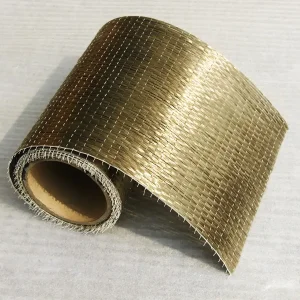
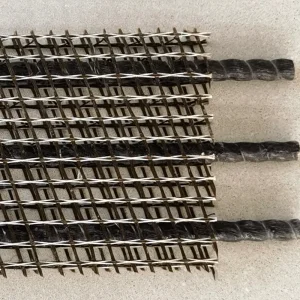
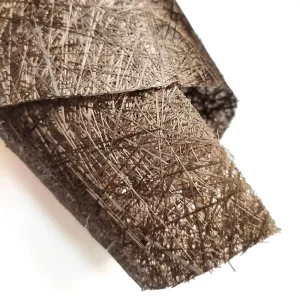
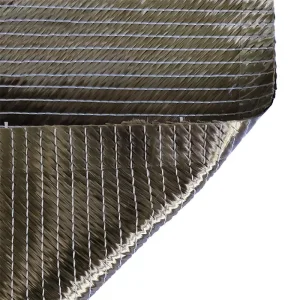
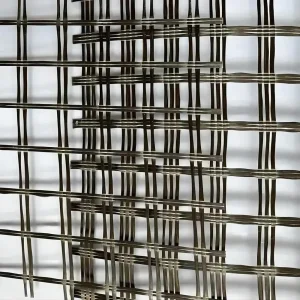
The global demand for high-performance composite materials has ushered in a new era of structural engineering. Central to this shift is 3D Mesh Fabric, a revolutionary reinforcement technology that provides isotropic strength, improved durability, and enhanced structural integrity compared to traditional 2D alternatives. As industry leaders search for "China 3D Mesh Fabric Pricelist & Suppliers," they aren't just looking for cost-effective procurement—they are seeking technological advantages that define modern infrastructure resilience.
🌐 Macro Industry Landscape & Trends
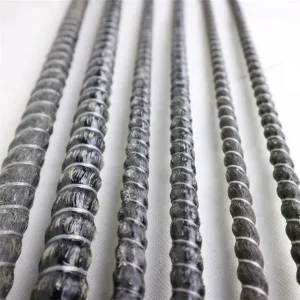
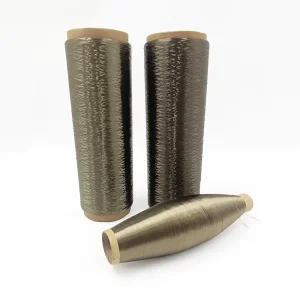
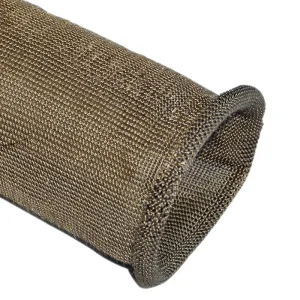
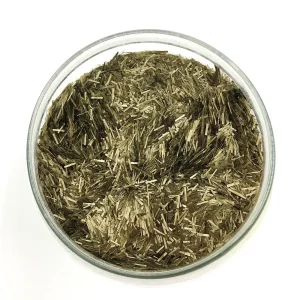
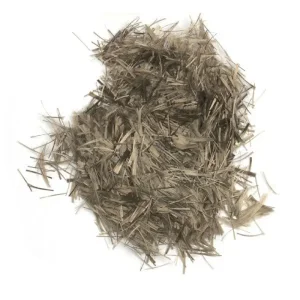
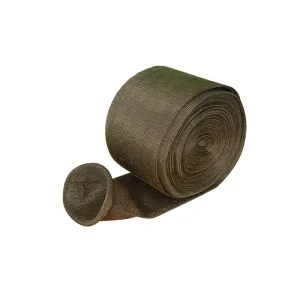
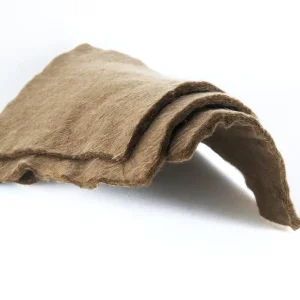
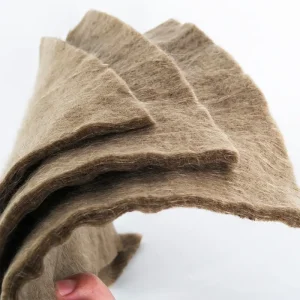
The manufacturing ecosystem in China has rapidly ascended to become the global hub for advanced textile reinforcement. Leveraging the unique properties of volcanic rock, Chinese manufacturers have pioneered the mass production of Basalt Fiber 3D Mesh. This material outperforms glass fiber in alkali resistance and carbon fiber in cost-effectiveness, making it the preferred choice for massive infrastructure projects globally.
Key Trends include:
- Sustainability Integration: Shifting towards eco-friendly resin binders and low-carbon footprint manufacturing processes.
- Structural Intelligence: Embedding sensing capabilities within 3D mesh matrices to monitor structural health in real-time.
- Automated Pre-forming: Reducing on-site labor costs by utilizing pre-shaped 3D mesh components for rapid construction.
🏗️ Localized Application Scenarios
From the arid deserts of the Middle East to the humid coastal regions of Southeast Asia, 3D Mesh Fabric adapts to diverse environmental stressors:
- Corrosion Prevention: In marine engineering and bridge pier protection, the non-corrosive nature of 3D basalt mesh prevents the "concrete cancer" often seen with traditional steel rebar.
- High-Temperature Insulation: Critical for petrochemical facilities where fire-resistant, thermal-stable structures are non-negotiable.
- Smart Infrastructure: Used in seismic retrofitting, the 3D structure absorbs kinetic energy, providing a superior layer of protection against geological shifts.
🚀 Technology Roadmap & Future Outlook
The future of 3D mesh lies in Nano-Composite Enhancement. Research is currently moving toward coating fibers with graphene or carbon nanotubes, creating a hybrid mesh that offers electrical conductivity and ultra-high tensile strength. As we move into 2025 and beyond, the roadmap clearly indicates a shift away from mass-commodity production toward highly customized, performance-specific composite solutions.