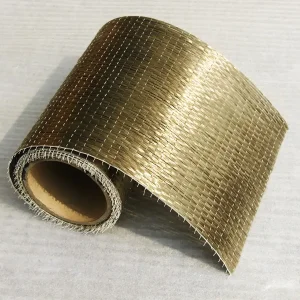
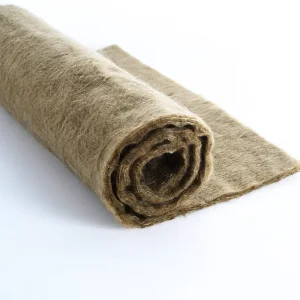
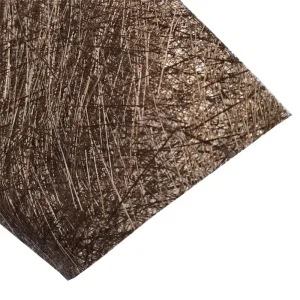
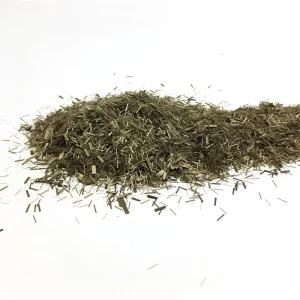
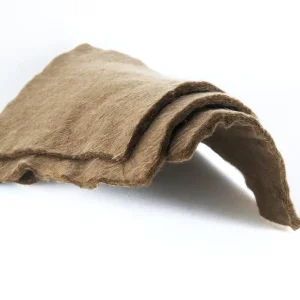
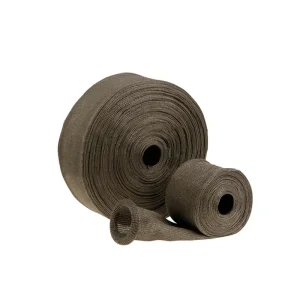
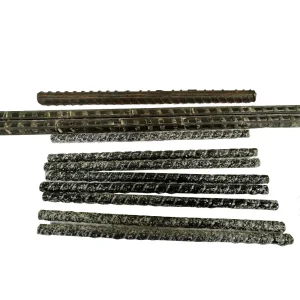
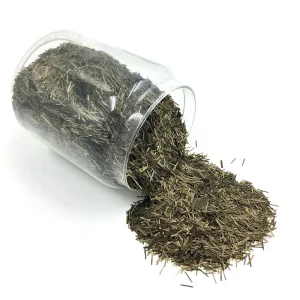
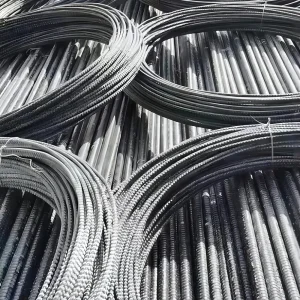
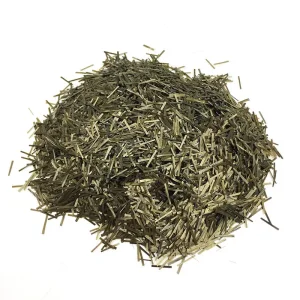
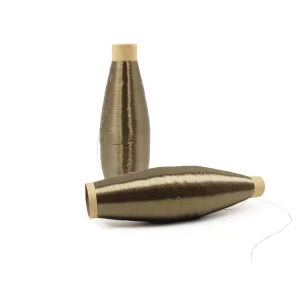
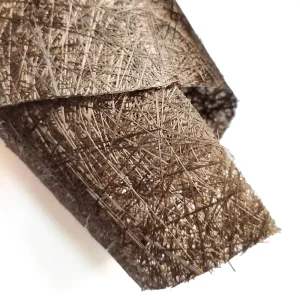
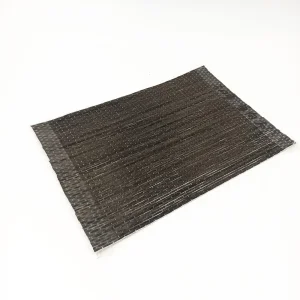
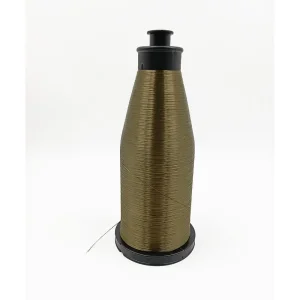
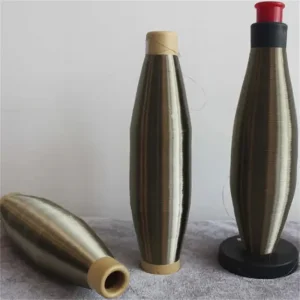
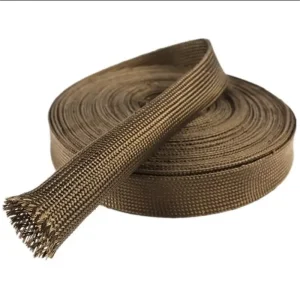
In the era of sustainable industrial growth, Basalt Fiber (BF) has emerged as the "Green Material of the 21st Century." Unlike glass fiber, which requires complex chemical additives, or carbon fiber, which involves high-energy precursor synthesis, basalt fiber is derived from 100% natural volcanic rock. As a premier China Basalt Fiber Composites Manufacturer, China Beihai is at the forefront of this materials revolution, transforming molten basalt into high-performance rovings, rebars, and fabrics that redefine durability.
The global basalt fiber market is witnessing an unprecedented CAGR of over 12%, driven by the demand for non-corrosive reinforcement in civil engineering and lightweight components in the automotive sector. Internationally, industries are shifting away from traditional steel due to corrosion costs—estimated at 3% of global GDP. Basalt fiber composites offer a zero-corrosion alternative with a tensile strength 2.5 times higher than steel and a density 1/4th of its weight.
Europe and North America are leading in adopting BFRP (Basalt Fiber Reinforced Polymer) for bridge deck replacements and marine infrastructure.
Basalt fiber has a significantly lower carbon footprint during production compared to carbon fiber and E-glass, aligning with ESG goals.
Maintaining structural integrity from -260°C to 700°C, it outperforms almost all other mineral fibers in extreme environments.
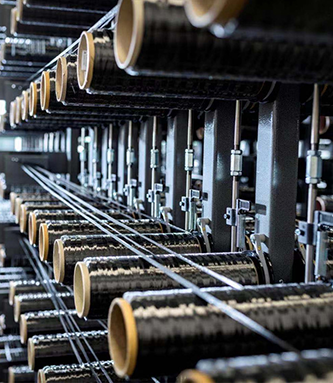
Founded in 2015 in Jiujiang, Jiangxi Province, China Beihai is a high-tech enterprise dedicated to the R&D and mass production of continuous basalt fiber (CBF). Our facility integrates advanced electric furnace melting technology with precise multi-hole bushing drawing, ensuring filament diameter uniformity and consistent mechanical properties.
The Chinese Factory Advantage:
Where Technology Meets Extreme Durability

Basalt rebar is the preferred choice for sea walls, bridge piers, and road pavements where salt-spray corrosion is a major risk.

Used in engine insulation blankets and spacecraft shell components due to its electromagnetic transparency and heat resistance.

Manufacturing brake pads, mufflers, and interior panels, basalt fiber helps reduce vehicle weight, improving fuel efficiency.

Fiber-reinforced pipes (FRP) using basalt offer superior acid and alkali resistance for transporting hazardous chemicals.
The industry is moving toward hybridization—combining basalt with carbon fiber to create "toughness-optimized" composites at a lower cost. Additionally, the development of recycled thermoplastic basalt composites is gaining traction, allowing for a circular economy in manufacturing. At China Beihai, we are currently testing 3D-printable basalt filaments for large-scale architectural structures, a move that will likely disrupt the traditional construction industry within the next decade.
As a leading Basalt Fiber Composites Manufacturer, we understand the complexities of international procurement. Global enterprises typically look for three key metrics:
Basalt fiber has 15-20% higher tensile strength, higher elastic modulus, and significantly better chemical resistance, especially in alkaline environments like concrete. It is also more sustainable as it is a single-component material.
Yes, but with design adjustments. Basalt rebar is non-conductive, 4x lighter, and will never rust. While its tensile strength is higher, its elastic modulus is lower than steel, so engineering calculations should account for deflection.
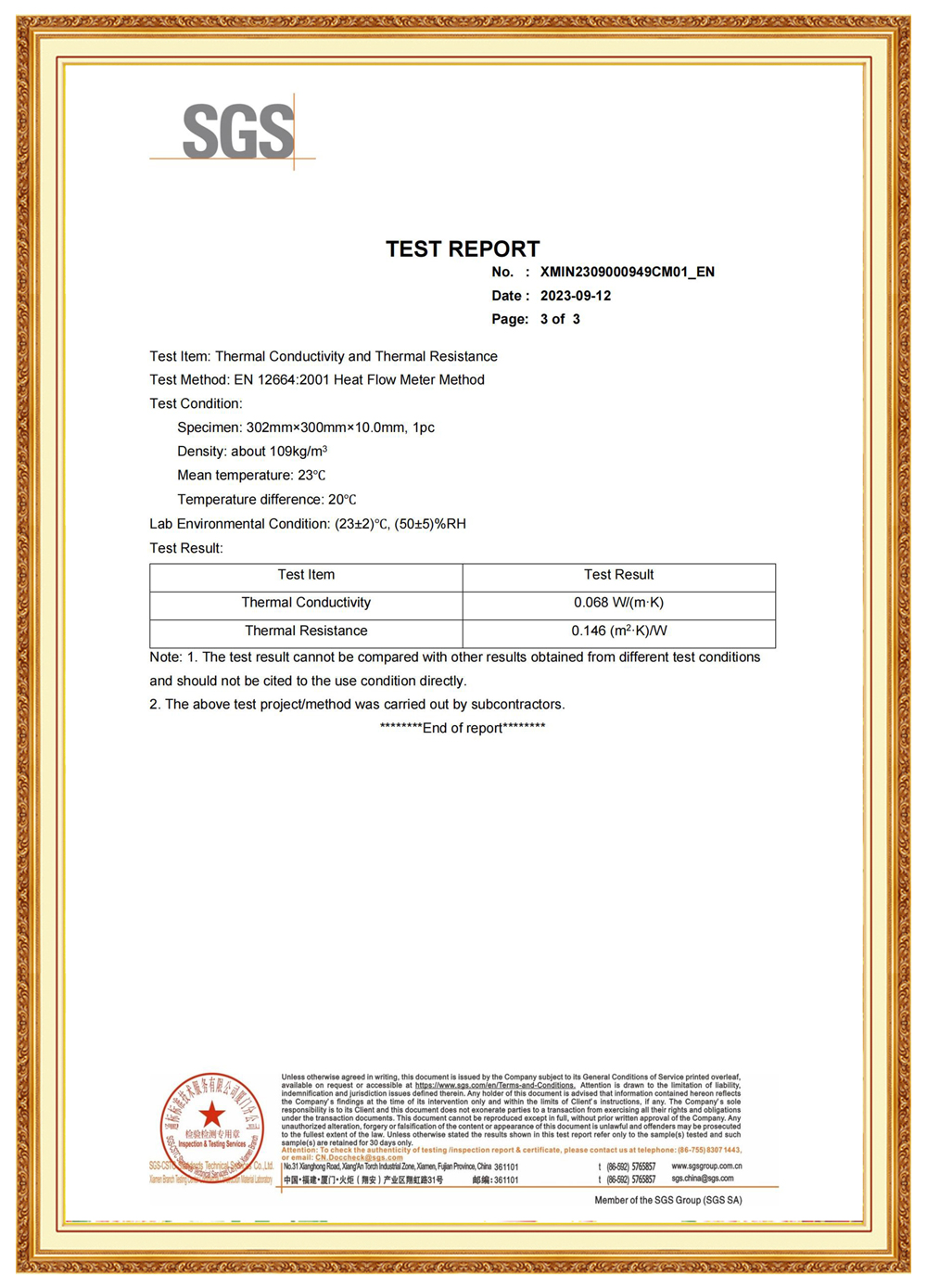
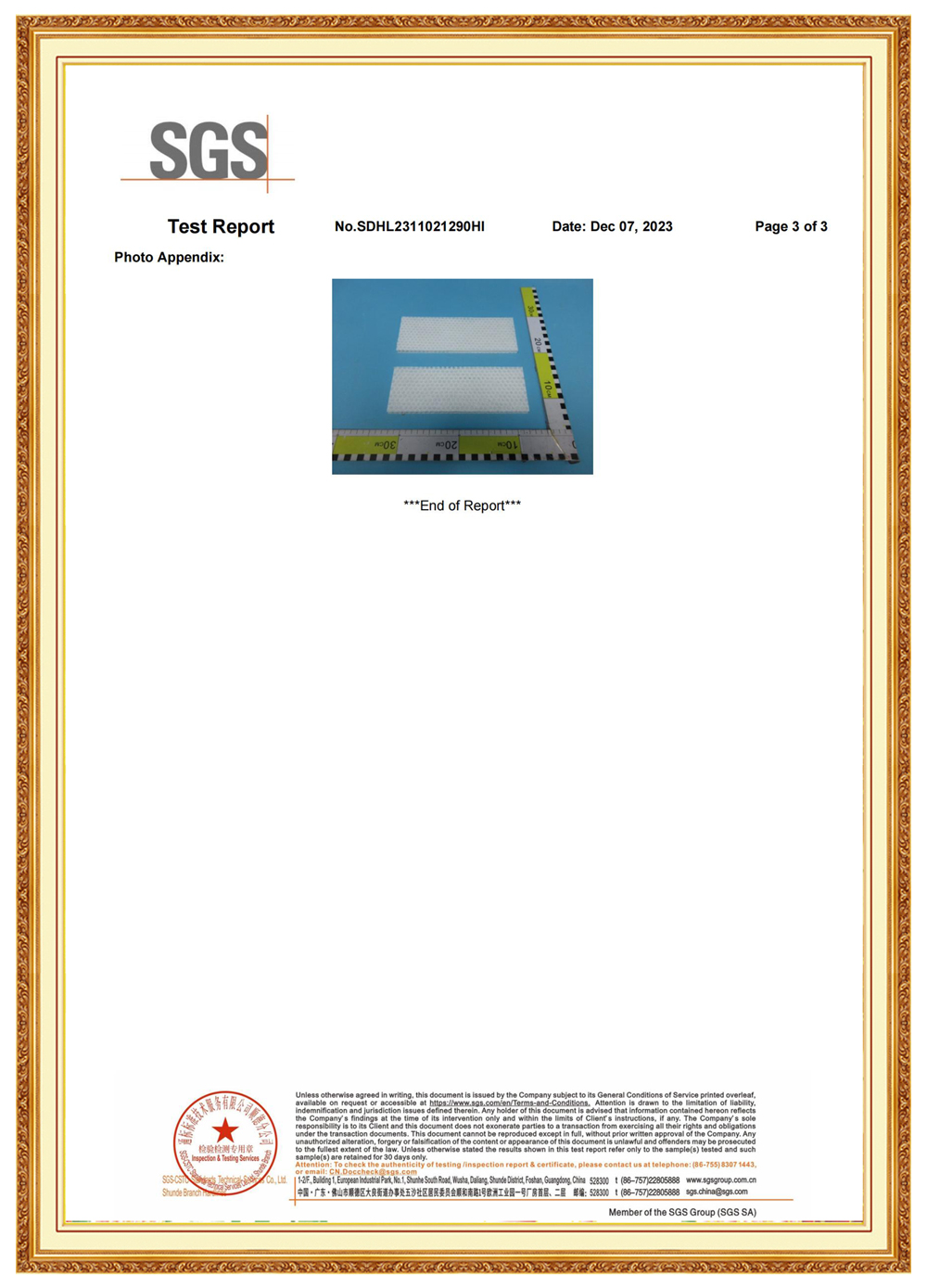
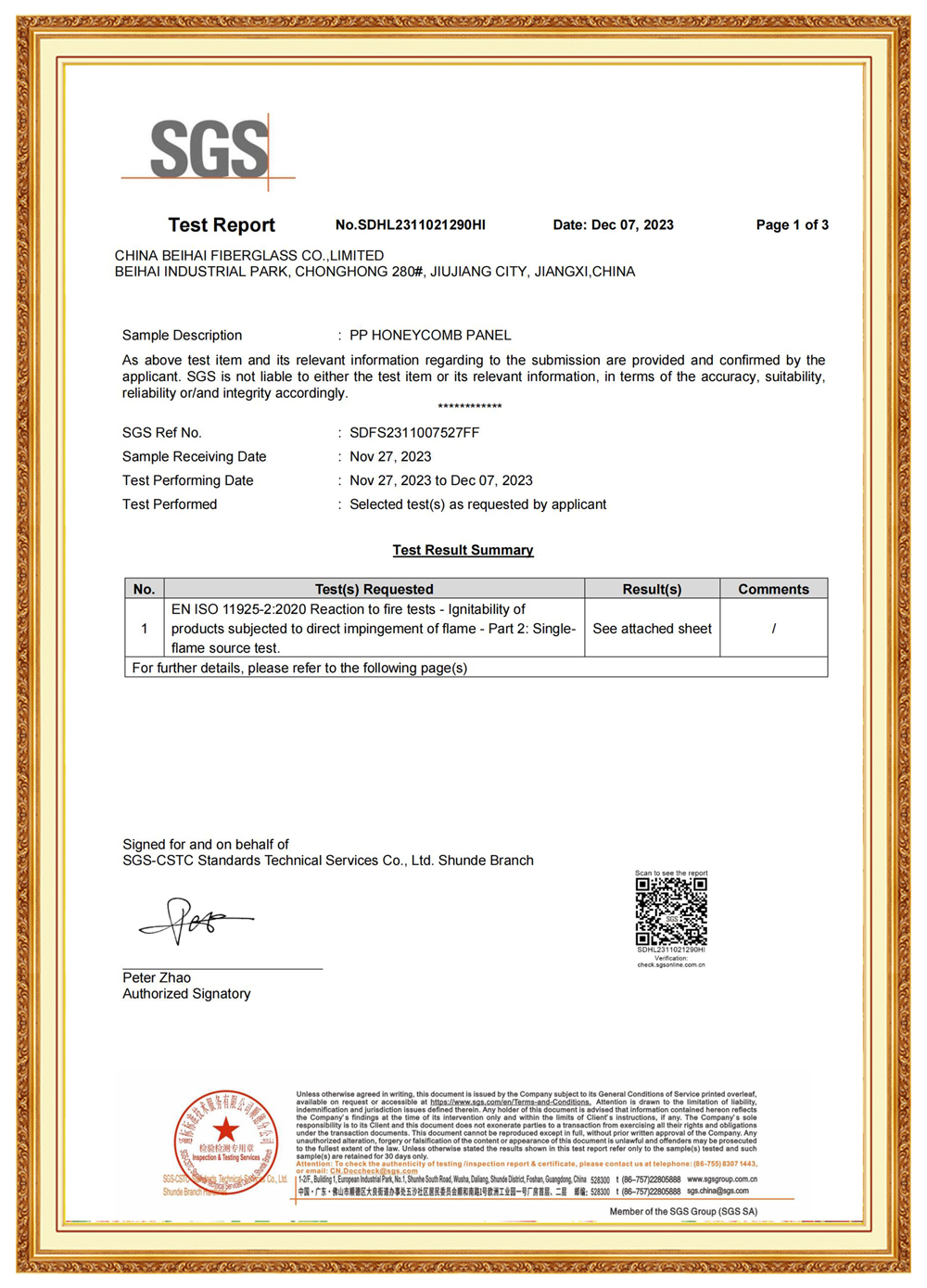
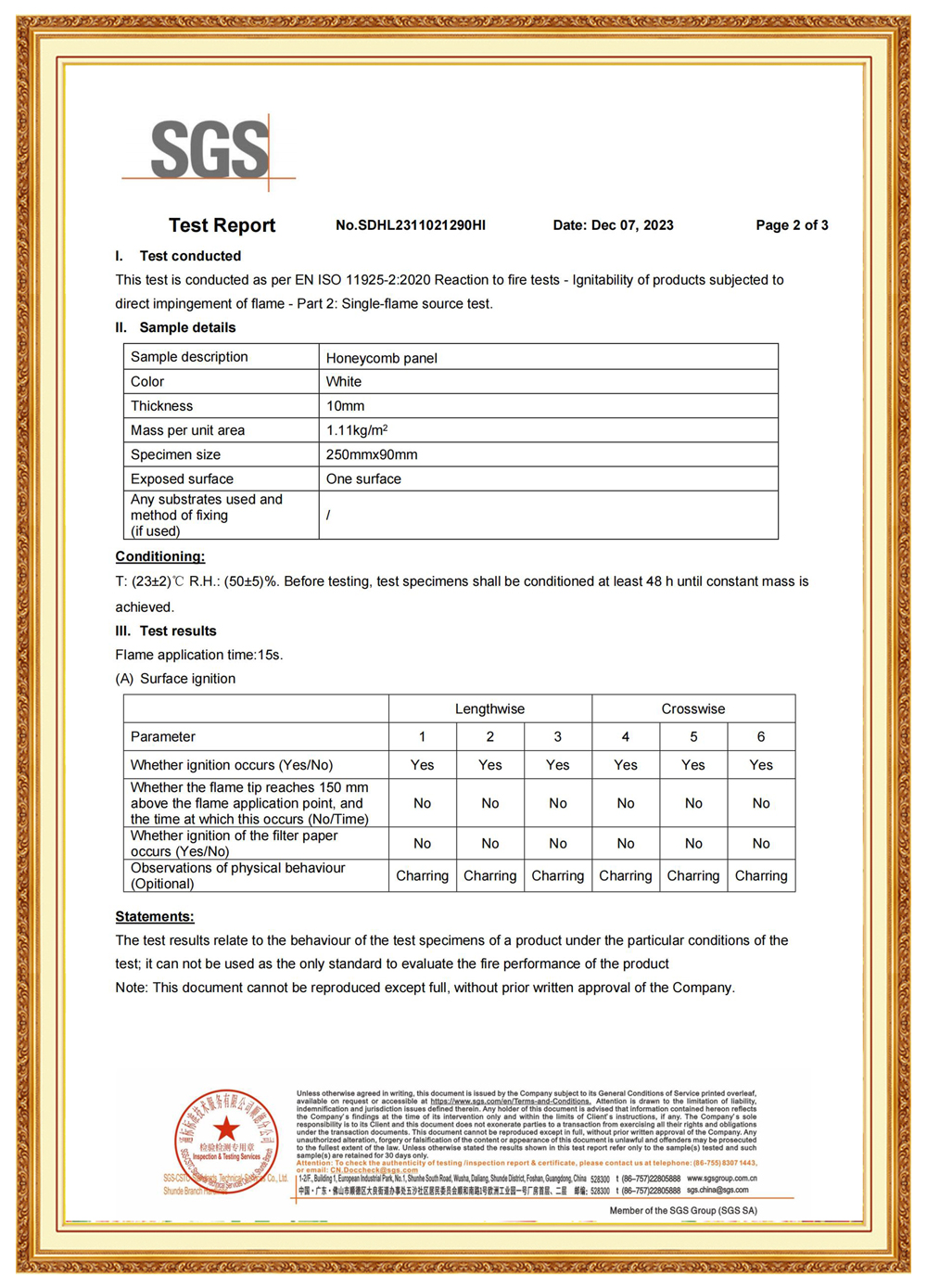
Basalt is inherently fireproof. It can withstand temperatures up to 700°C continuously and retains structural integrity much longer than glass or carbon fiber when exposed to open flames.
Absolutely. We can customize the filament diameter (from 7μm to 22μm), the sizing type (epoxy, polyester, or phenolic compatible), and the length of chopped strands to meet specific industrial requirements.

As drones slice through the sky to monitor wildfires, and intelligent robots execute repetitive tasks with precision on the factory floor, the efficient operation of this smart equipment is often underpinned by a "hardcore support"—high-performance basalt fiber composites. Our latest research into basalt roving for 5G antenna covers is setting new standards for low-interference transmission housing.
READ THE WHITE PAPER → Beihai Fiberglass