High-tensile, corrosion-resistant, and eco-friendly reinforcement materials.
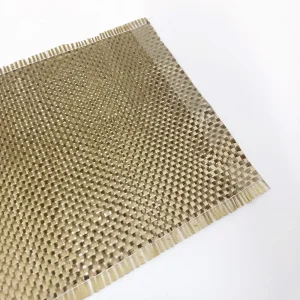
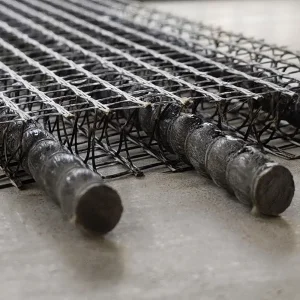
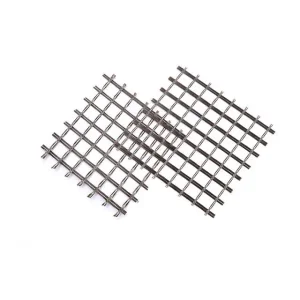
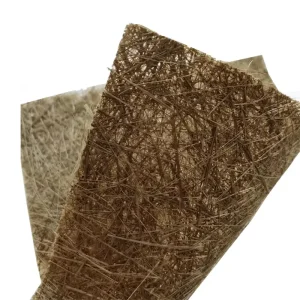
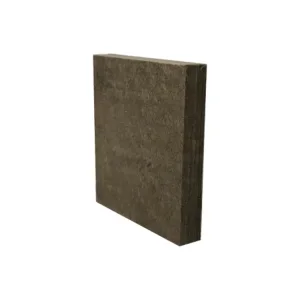
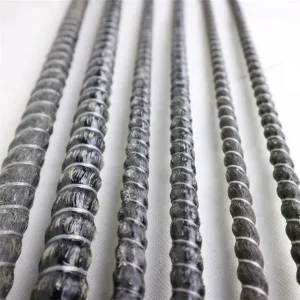
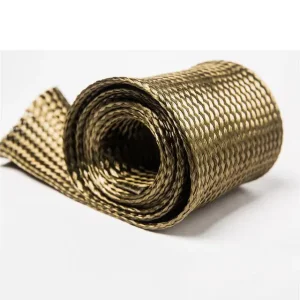
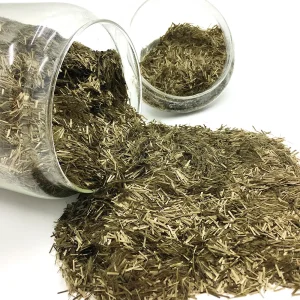
For decades, steel reinforcement was the industry standard. However, the 21st century demands materials that are not only stronger but more sustainable. Basalt Fiber Reinforced Concrete (BFRC) has emerged as a revolutionary solution to the "corrosion crisis" affecting global infrastructure.
Unlike steel, basalt fibers do not rust. When integrated into a concrete matrix, they provide a multi-dimensional reinforcement network that significantly improves tensile strength, impact resistance, and durability. As a leading China Basalt Fiber Reinforced Concrete manufacturer, China Beihai (founded in 2015) is at the forefront of this materials revolution.
Tensile Strength of Steel
Weight of Steel
Rust Proof
CO2 Footprint
Strategic benefits of sourcing from China's leading basalt fiber high-tech enterprise.
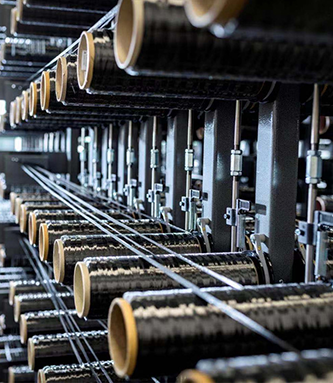
Located in Jiujiang, Jiangxi, we control the entire process from volcanic rock smelting to continuous fiber drawing. This vertical integration ensures unparalleled quality control and cost-efficiency for global wholesalers.
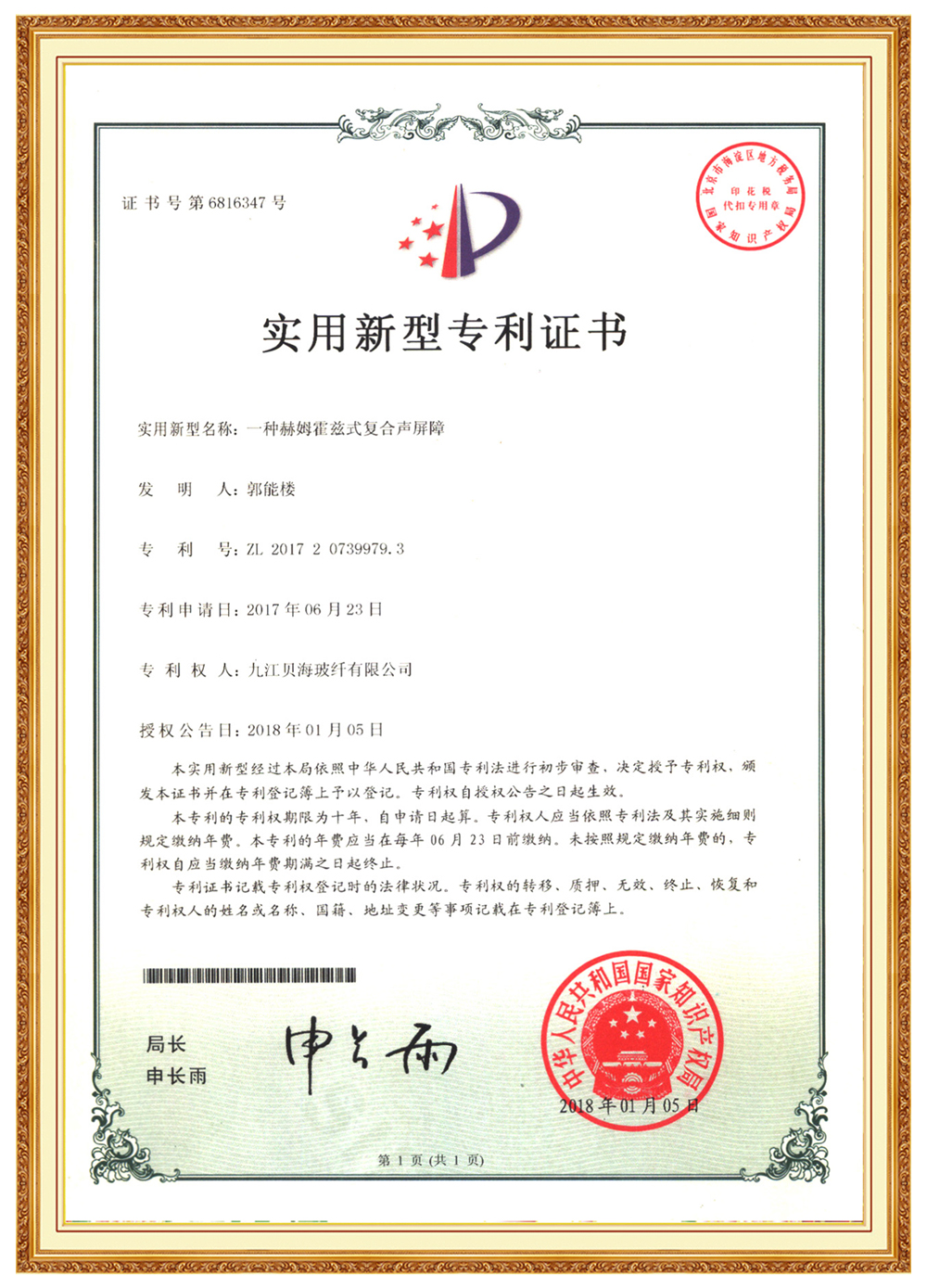
As a recognized high-tech enterprise, we hold numerous patents in basalt production equipment. Our research teams focus on molecular bonding agents that enhance the fiber-to-concrete adhesion ratio by 25%.
With massive production capacities for basalt roving, chopped strands, and rebar, we provide global enterprises with the volume they need for mega-infrastructure projects without the typical 6-month delay.
How BFRC is solving complex engineering challenges across sectors.
Traditional steel-reinforced concrete in marine environments suffers from chloride-induced corrosion. BFRC is impervious to salt, making it ideal for sea walls, piers, and offshore platforms.
For MRI rooms in hospitals or power substations, basalt fiber rebar is non-conductive and non-magnetic, ensuring sensitive equipment functions without interference.
Basalt is a 100% natural volcanic material. Replacing steel with basalt fiber reduces the carbon footprint of concrete structures by up to 80% during the lifecycle.
Procurement directors from Fortune 500 construction firms increasingly prioritize the following criteria when selecting a Basalt Fiber supplier:
At China Beihai group, we don't just sell products; we offer engineering consultations. Our technical team works with your designers to calculate the optimal fiber dosage for your specific concrete mix design, ensuring safety and cost-savings.
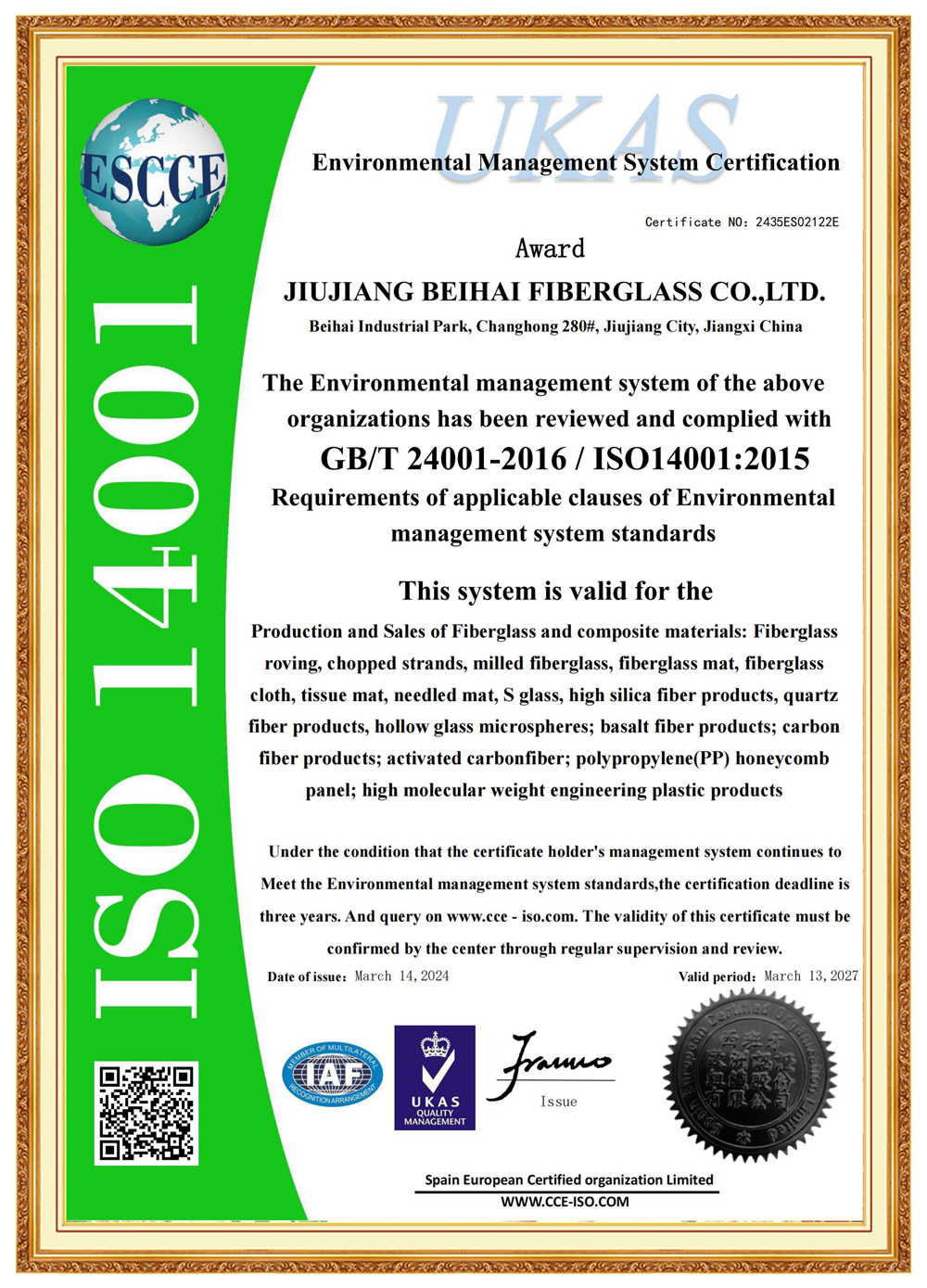
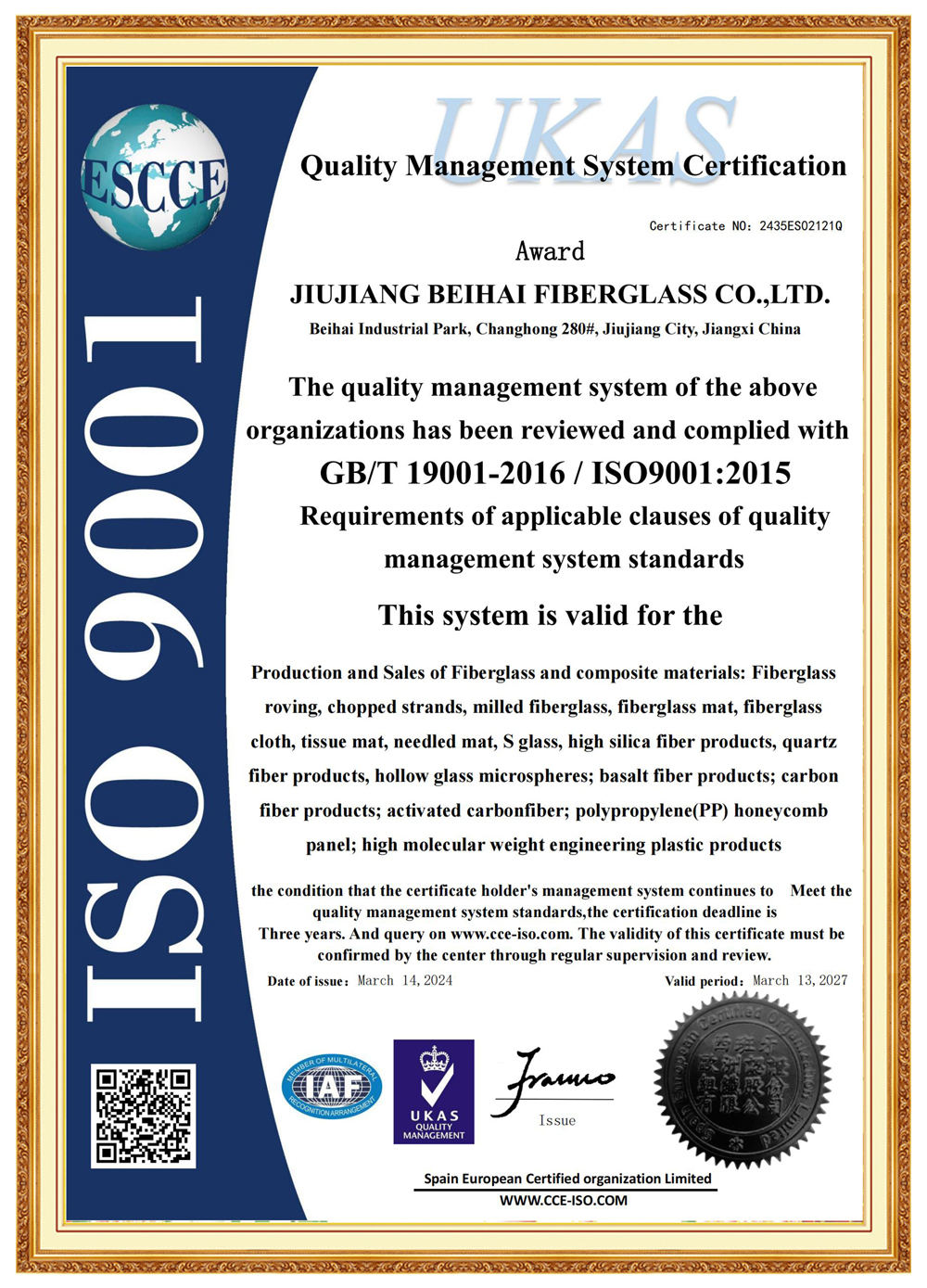
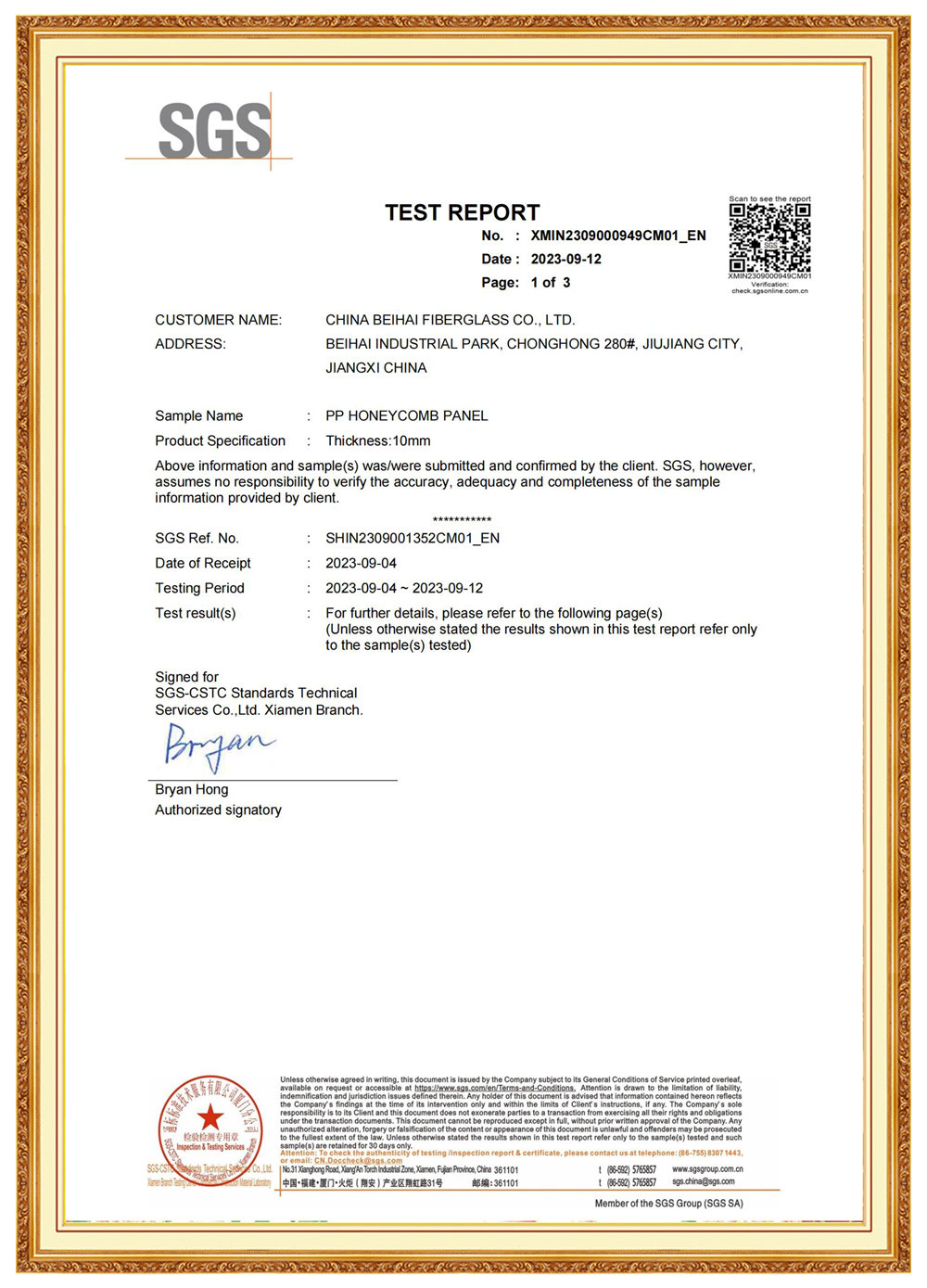
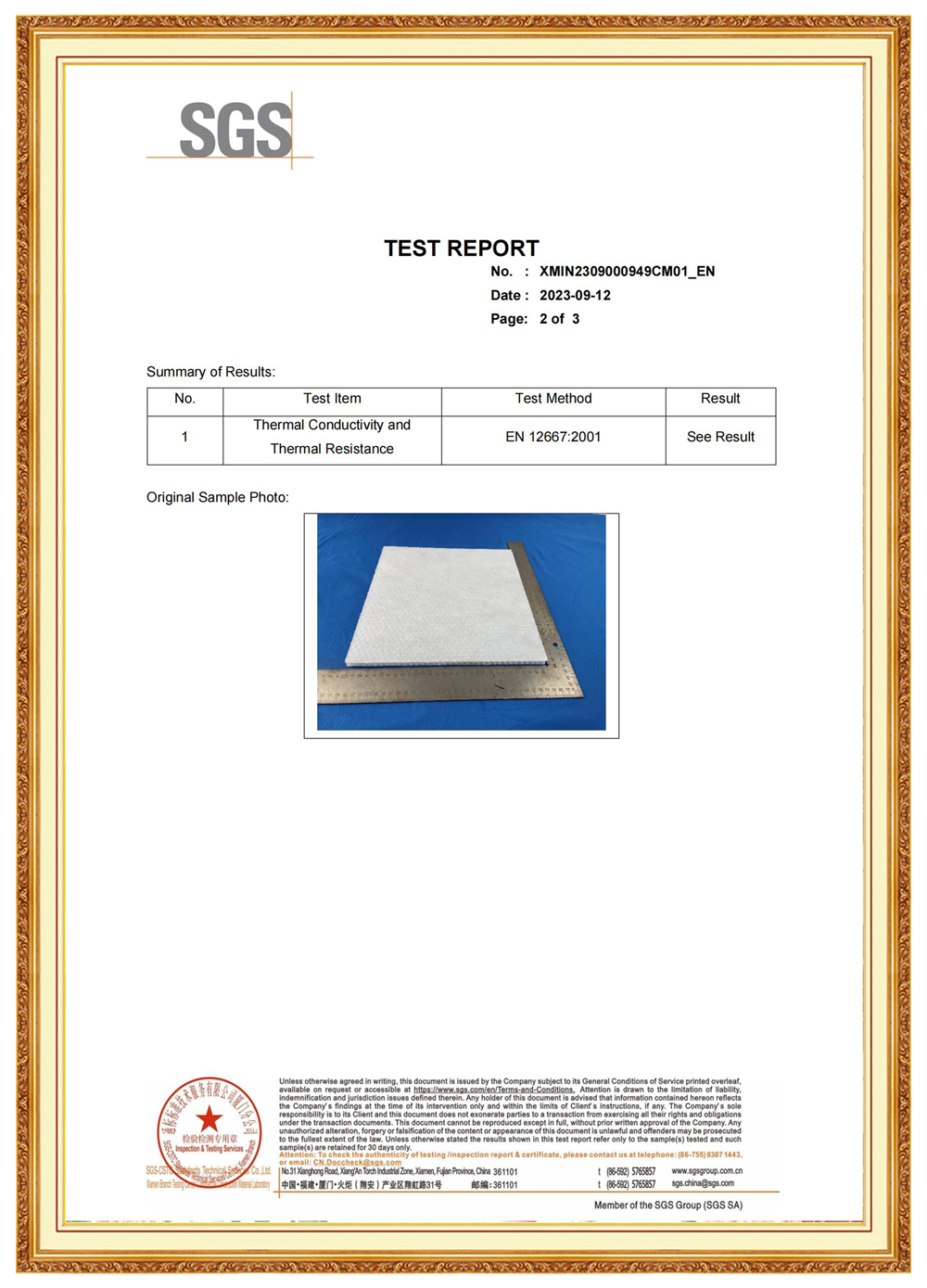
Our commitment to E-E-A-T is backed by global certifications.
Answers to the most common technical questions regarding Basalt Fiber Reinforced Concrete.
Basalt fiber is naturally alkali-resistant due to its volcanic origin, whereas glass fiber requires a chemical coating that can degrade over time in the highly alkaline environment of concrete. Basalt also offers a higher tensile strength and modulus.
Because basalt fibers are extremely thin (9-13 microns) and have a density similar to concrete (approx. 2.65 g/cm³), they disperse more evenly than steel fibers. This maintains high workability and allows for easy pumping and finishing.
In many applications, yes—especially those exposed to water, chemicals, or magnetic fields. However, because basalt is an elastic material (it does not yield like steel), structural engineers must adjust design calculations according to local building codes.
Our basalt fiber can withstand temperatures from -260°C to +700°C. This makes it an exceptional choice for fire-resistant concrete structures and thermal insulation mats.
Direct factory pricing and worldwide shipping available.
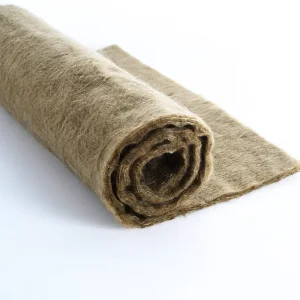
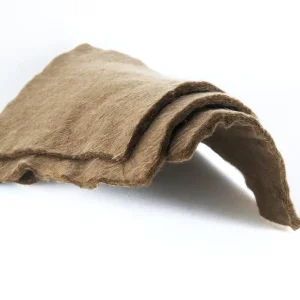
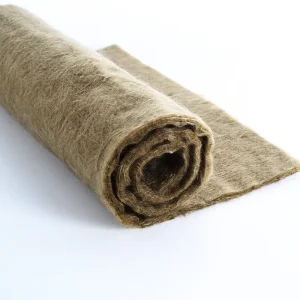
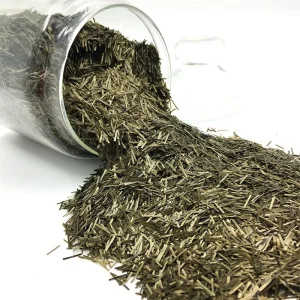
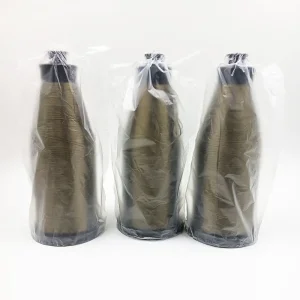
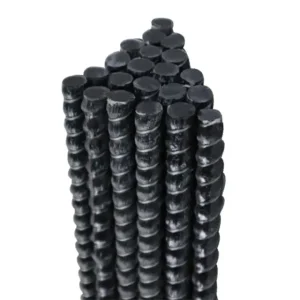
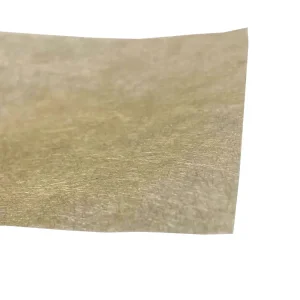
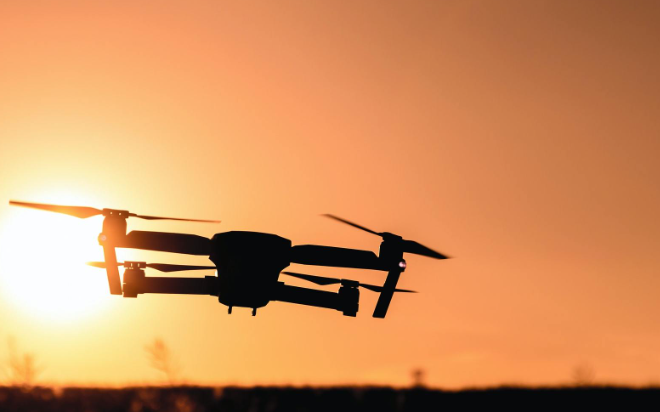
As drones slice through the sky to monitor wildfires, and intelligent robots execute repetitive tasks with precision on the factory floor, the efficient operation of this smart equipment is often underpinned by a "hardcore support"—high-performance basalt continuous fiber. Our latest production lines in 2025 focus on enhancing the "fireproof" rating of needled mats, reaching new peaks in thermal protection.
Facing the trend of lightweight automobile materials, China Beihai has realized the wide application of basalt fiber composites in automotive panels and brake components, offering 20% weight reduction without compromising safety.
Our case studies in bridge engineering demonstrate that Basalt-added concrete offers increased crack resistance and improved chemical resistance, significantly protecting bridge abutment structures from vehicle collisions and natural corrosion.
 Beihai Fiberglass