Home >
Basalt Fiber Rebar >
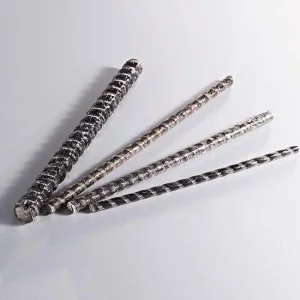
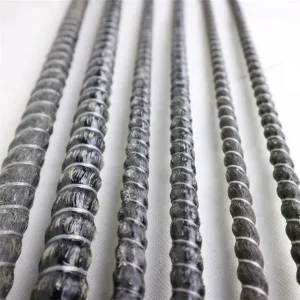
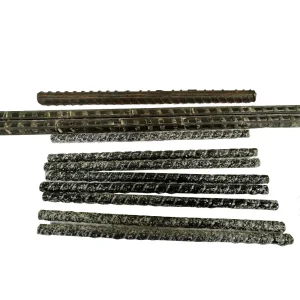
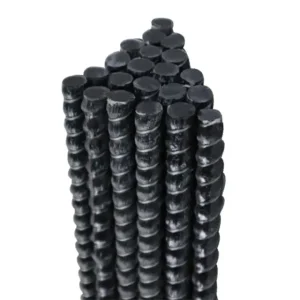
Custom Top Quality Non-conductive Basalt Fiber Rebar Alkali Resistant Insulated Composite Rebar for MRI Room and Power Station Products, Manufacturer
1 / 5
Custom Top Quality Non-conductive Basalt Fiber Rebar Alkali Resistant Insulated Composite Rebar for MRI Room and Power Station Products, Manufacturer
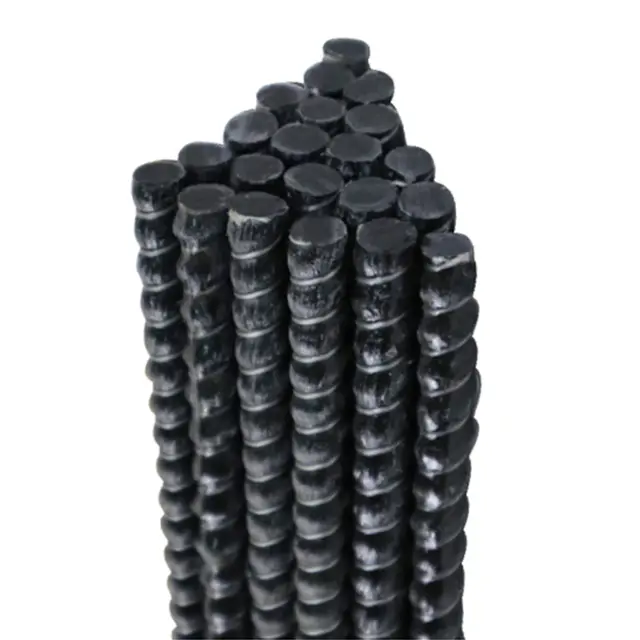
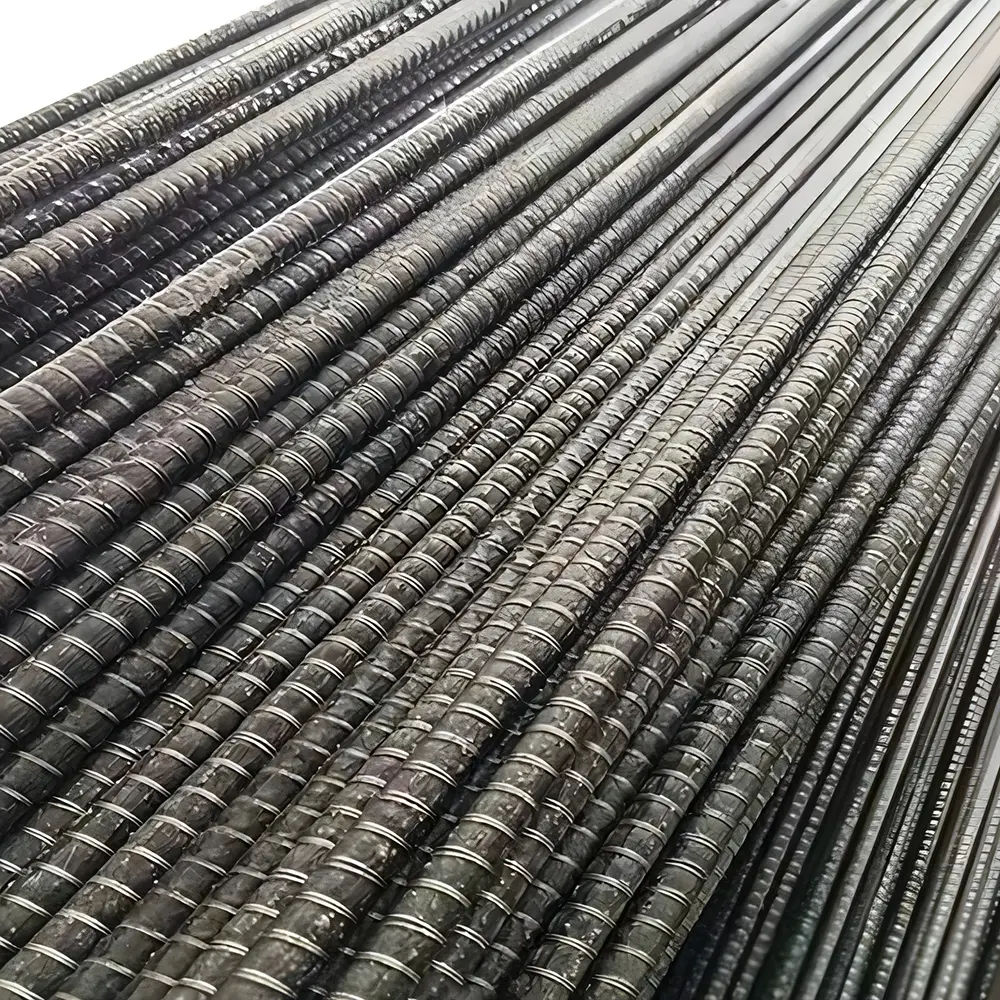
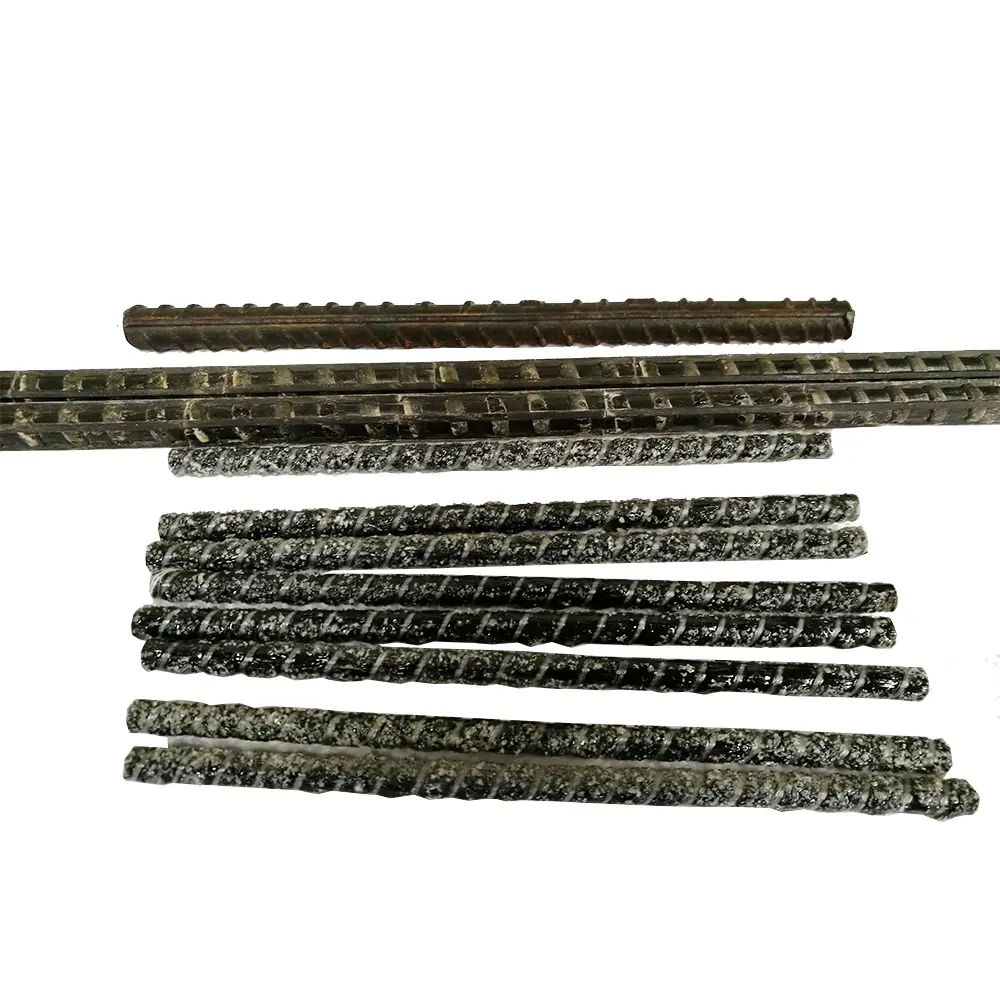
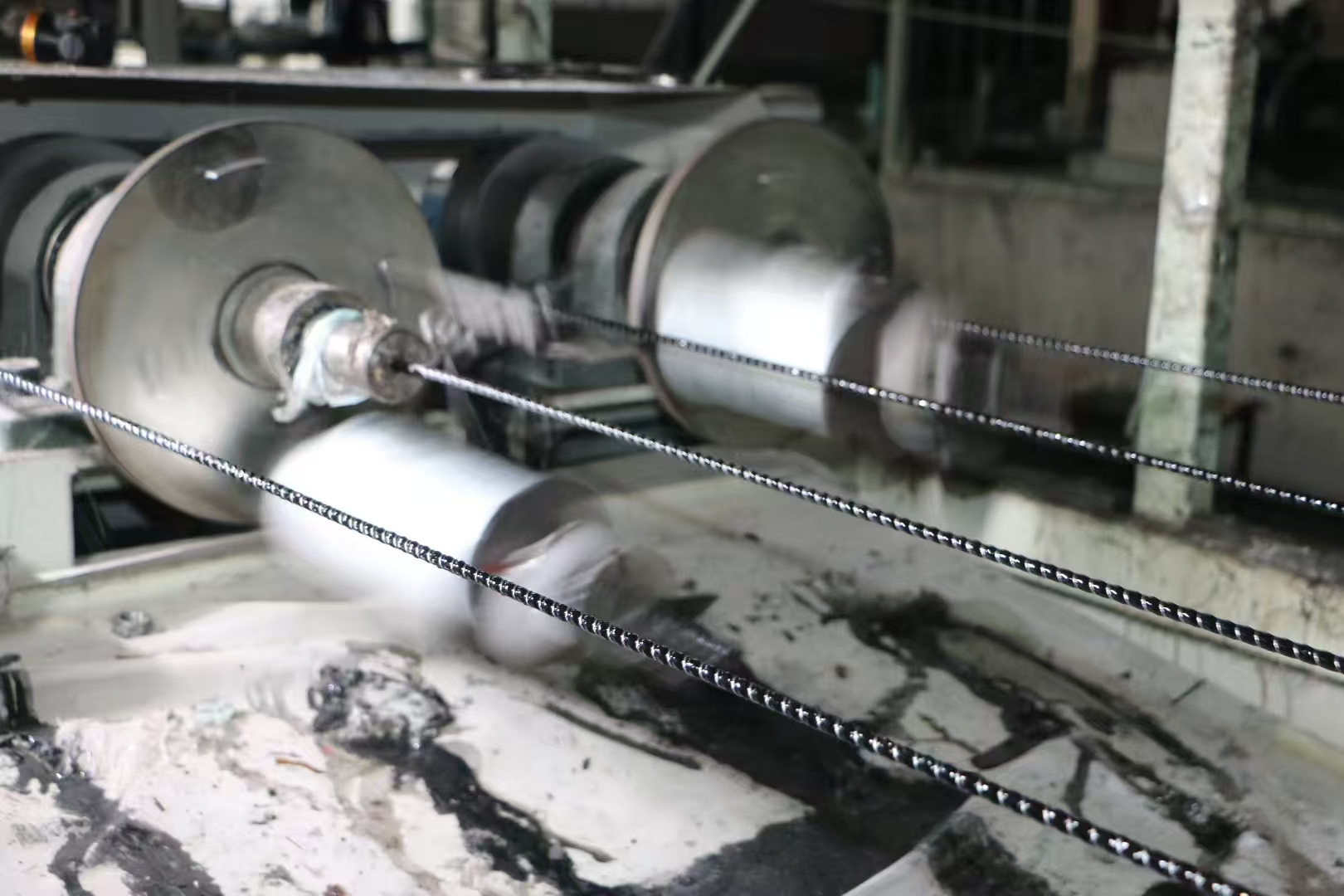
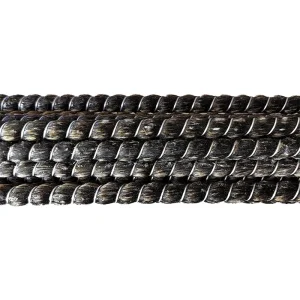
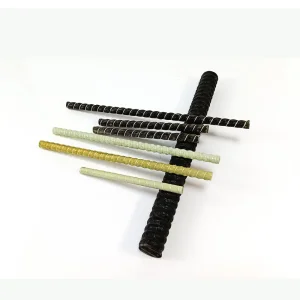
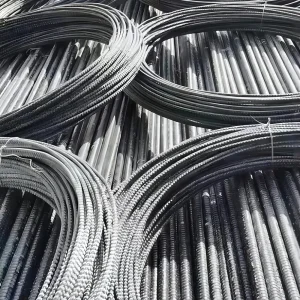
Basalt fiber rebar is an advanced composite material solution specifically designed for demanding engineering environments. Made from natural basalt fibers using a special pultrusion process, this product possesses excellent insulation and non-magnetic properties, effectively eliminating electromagnetic interference. It is an ideal alternative material for magnetic field-sensitive areas such as MRI (magnetic resonance imaging) rooms, high-voltage substations, and precision electronics laboratories. Furthermore, its superior alkali corrosion resistance and high tensile strength ensure robust performance in harsh chemical environments or damp infrastructure. Â This not only significantly extends the service life of structures but also, due to its lightweight and high-strength characteristics, significantly reduces construction difficulty and logistics costs. It is a high-quality choice for safe and durable modern power facilities and medical buildings.
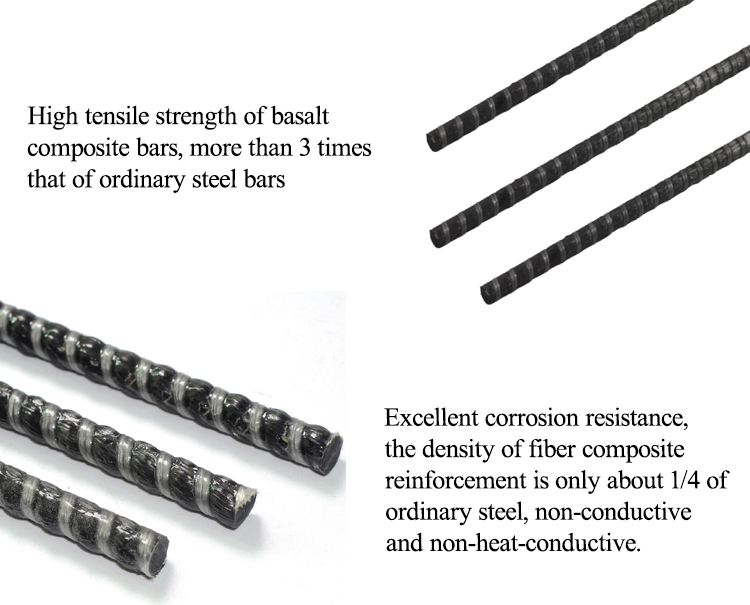
01 High tensile strength, more than 3 times the strength of ordinary steel bars of the same specification.
02 Excellent corrosion resistance (unmatched by any other fiber material products).
03 Low density (< 2.0g/cm³), only about 1/4 of ordinary steel bars.
04 Thermal expansion coefficient similar to concrete, reducing temperature stress.
05 Good wave-transmitting performance and no electromagnetic shielding.
06 Non-conductive and electrically insulated.
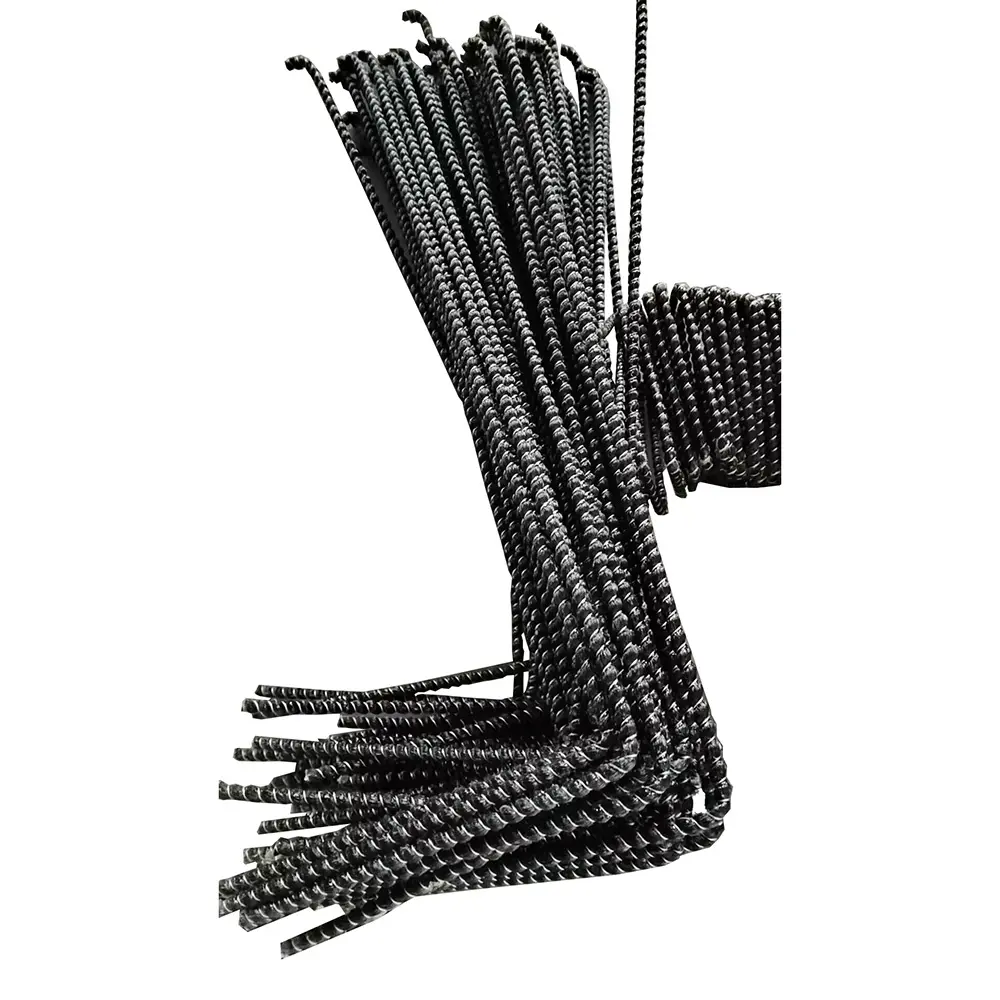
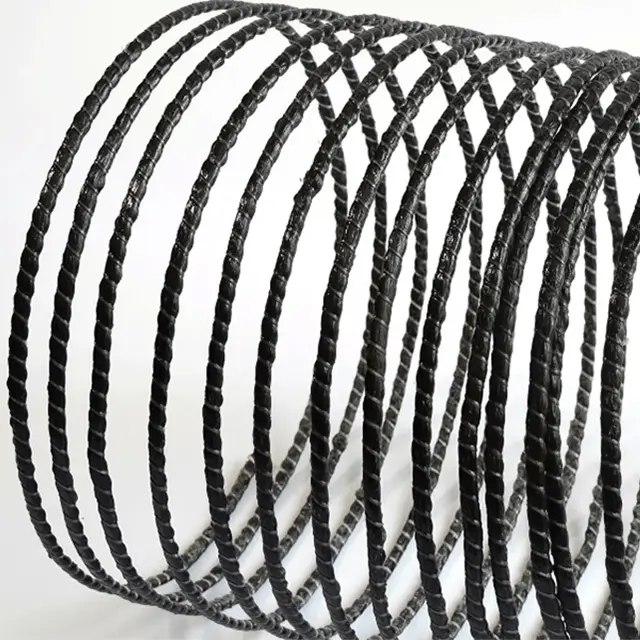
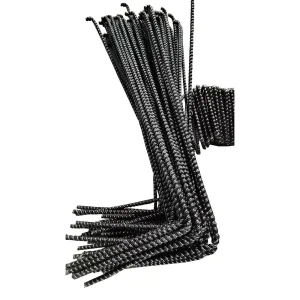
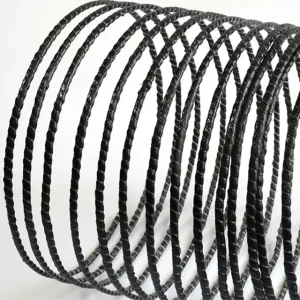
07 Prefabricated shapes available (standard curved and others).
08 Environmental protection: Saves 5.24tce of standard coal carbon emissions per ton.
Product Specification
Brand
Weight (g/m)
Diameter (mm)
Cross Sectional Area (mm²)
Tensile Strength (MPa)
Ultimate Tension (KN)
Elastic Modulus (GPa)
Limiting Strain (%)
BH-4
26
4
12.56
1350
16.96
55
2.30
BH-6
57
6
28.26
1250
35.33
55
2.27
BH-8
104
8
50.24
1200
60.29
55
2.18
BH-10
162
10
78.5
1200
94.2
52
2.31
BH-12
219
12
113.04
1100
124.34
50
2.20
BH-14
307
14
153.86
1000
153.86
48
2.08
BH-16
412
16
200.96
1000
200.96
48
2.08
BH-18
513
18
254.34
900
228.9
45
2.08
BH-20
635
20
314
900
286.2
45
2.08
BH-22
770
22
379.94
800
303.95
42
2.00
BH-25
992
25
490.625
800
392.5
42
2.00
Product Application
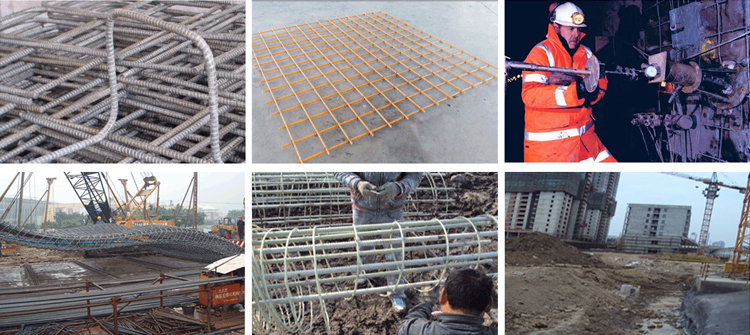
Basalt Fiber Reinforced Polymer Rebar (BFRP) is non-magnetic and electrically insulated. With its high strength and chemical resistance, it is ideal for medical infrastructure, military facilities, and anti-radar interference buildings.
1. Civil Engineering
Used in earthquake observation stations, seaport pier protection, metro stations, bridges, and prestressed highways to improve durability and corrosion resistance.
2. Chemical Industry
Suitable for anti-corrosion plants and storage tanks. It effectively prevents corrosion from chemical media, ensuring equipment stability.
3. Underground Engineering
Applied in tunnels and parking lots to enhance structural strength. Its non-magnetic properties avoid interference with electrical and communication systems.
Frequently Asked Questions
What is the main advantage of Basalt Rebar over steel?
Basalt rebar has a tensile strength more than 3 times that of ordinary steel and is 1/4 of the weight, while offering superior corrosion resistance.
Is Basalt Rebar resistant to chemical corrosion?
Yes, it is extremely resistant to acid, alkali, and salt, making it ideal for marine environments and chemical plants.
Can it be used in electronic or radar-sensitive areas?
Absolutely. BFRP is non-magnetic and non-conductive, providing excellent wave-transmitting performance without electromagnetic shielding.
Does Basalt Rebar work well with concrete?
Yes, its thermal expansion coefficient is very similar to cement concrete, preventing temperature-induced stress between the materials.
Is Basalt Rebar an environmentally friendly material?
Yes, using one ton of basalt fiber composite bars can save approximately 5.24tce of standard coal carbon emissions.
Where is Basalt Rebar most commonly used?
It is widely used in bridge construction, seaport piers, subway tunnels, chemical storage facilities, and MRI rooms.
 Beihai Fiberglass