Direct factory access to highly engineered thermal barrier and composite reinforcing basalt solutions designed for international compliance.
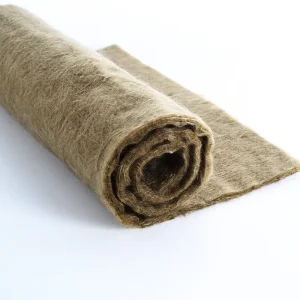
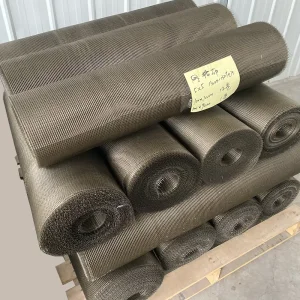
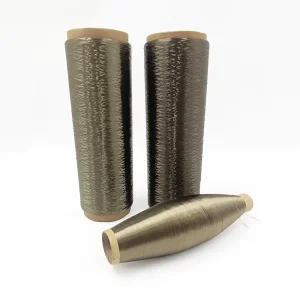
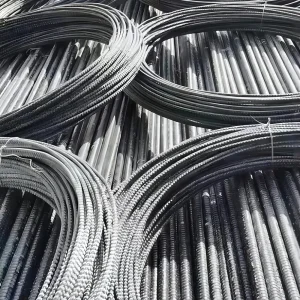
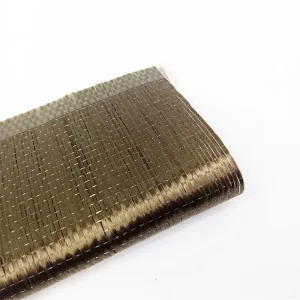
In the modern era of structural engineering, material selection determines operational longevity, safety, and decarbonization metrics. Traditional reinforcement mediums—such as E-glass fibers, carbon fibers, and steel—increasingly fail to address the highly complex, multi-variable stressors of harsh environments. As a result, High Temperature Resistance Basalt Fiber Unidirectional Woven Fabric has risen as a disruptive category leader. Formed by melting quarried volcanic basalt rock at temperatures exceeding 1450°C and spinning it into high-fidelity continuous filaments, basalt fiber is a pure, single-ingredient green mineral product.
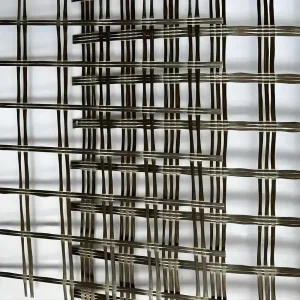
Unidirectional (UD) weaving represents a peak alignment of directional loading design. Unlike bidirectional or random mat patterns, a unidirectional weave consolidates structural strength precisely along a single longitudinal axis (0° angle). By doing so, engineers can target high-stress paths in structural components with surgical accuracy, minimizing weight and maximizing the density of reinforcing fibers. Because of this specialized configuration, UD basalt fabrics deliver superior mechanical support in structural columns, high-pressure containment vessels, and aerospace components.
This comparative data highlights the unique performance profile of high-temperature basalt fiber against conventional fiberglass and premium carbon fiber.
Note: Basalt fiber demonstrates a unique sweet spot. It matches the high chemical and thermal threshold of premium specialty glass and approach-level carbon fiber while remaining exponentially more cost-effective.
Sourcing departments in top-tier engineering organizations face multi-faceted supply challenges: fluctuating raw material costs, stricter environmental audits, and rising structural safety standards. Unidirectional basalt fabric addresses these pain points by offering a powerful cost-to-benefit ratio.
Over the past five years, global demand for basalt fiber has surged across Europe, North America, and the Asia-Pacific region. This growth is driven by three primary commercial factors:
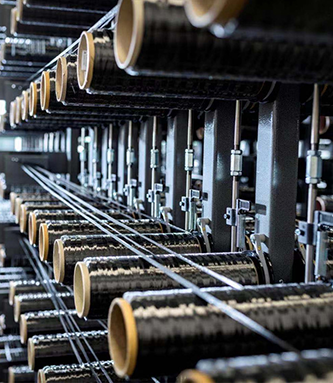
As a specialized high-tech enterprise founded in 2015 and located in Jiujiang, Jiangxi Province, China Beihai has driven structural innovations in basalt continuous fiber production. By implementing advanced Factory 4.0 frameworks, China Beihai ensures that raw material selection, melting, yarn drawing, and weaving operate under a single, fully digitalized control loop.
This system provides critical benefits for global procurement teams:
From deep space thermal shielding to subsea highway tunnel reinforcements, explore how unidirectional basalt woven fabrics are deployed across diverse sectors.
Used in aircraft wings, cabin structural bulkheads, and engine components where high-strength, lightweight design and fire prevention are critical. Basalt avoids catastrophic delamination under high temperature spikes.
Applied to aging concrete columns in earthquake-prone zones or coastal environments. Wrapping unidirectional fabrics horizontally or vertically provides confinement and prevents corrosion damage from saltwater ingress.
Provides structural reinforcement for secondary containment tanks holding corrosive acids. Basalt fibers do not corrode, crack, or release hazardous microparticles when exposed to harsh chemicals.
Automotive OEMs leverage basalt UD prepregs for floor pans, battery boxes, and structural profiles, improving energy absorption during collisions and reducing vehicle curb weight.
Enables retrofitting of historical and high-rise structures. By bonding basalt UD fabrics to brickwork or concrete walls, the building's load-bearing capacity increases with minimal added thickness.
Protects hulls from osmotic blistering and impact damage. Basalt's superior moisture resistance over fiberglass ensures lighter, faster, and more durable composite boats.
Founded in 2015 and located in Jiujiang, Jiangxi Province, China Beihai is a premier high-tech enterprise dedicated to the research, development, production, and sale of high-performance continuous basalt fiber products and advanced manufacturing machinery.
As a domestic leader in the industry, our company works to unlock the full potential of basalt. Our basalt fiber composites are lightweight, high-strength, customizable, and resistant to corrosion, acids, and alkalis.

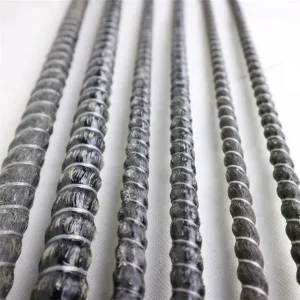
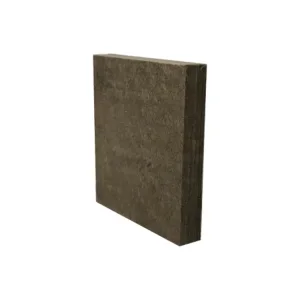
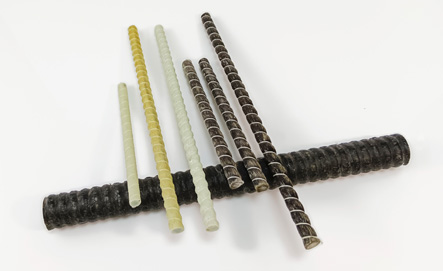
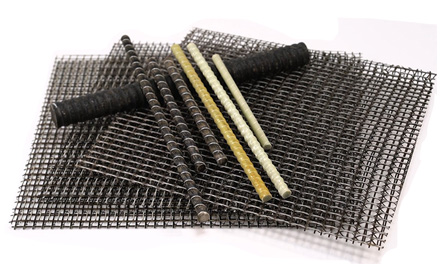
We specialize in manufacturing a comprehensive range of basalt fiber products, including needle mats, chopped strand mats, unidirectional fabrics, biaxial fabrics, continuous rovings, twisted yarns, reinforcement rebars, sleeves, and protective tapes, catering to diverse global industrial needs.

We produce reliable basalt materials designed to solve challenging engineering problems. Our products are used across civil infrastructure, geotechnical works, high-temperature filtration, marine transportation, and aerospace engineering systems.

Partnering with China Beihai gives you direct access to certified high-volume manufacturing, professional technical support, custom composite design capabilities, and a sustainable, reliable supply chain partner.
A closer look at China Beihai's manufacturing infrastructure, structural reinforcements, and testing processes.
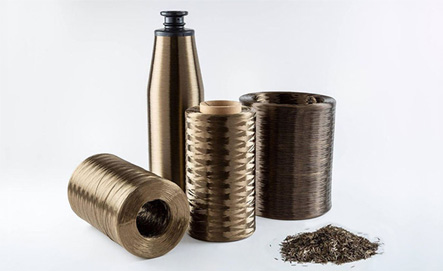
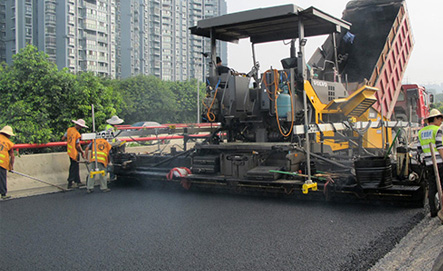
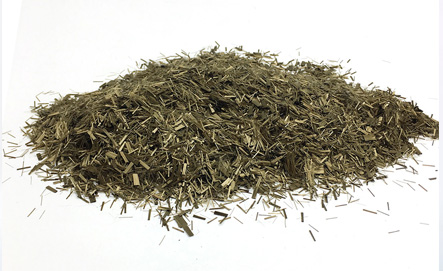
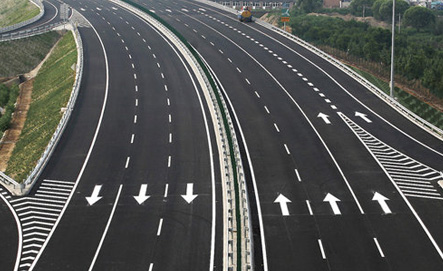
Unidirectional basalt fiber fabrics deliver high performance across a wide range of industries, outlasting E-glass and reducing carbon footprints.
Our basalt products are utilized across building construction, providing thin-profile reinforcement, brick retrofitting, and high-performance cement matrices.
Highly suited for aircraft wing elements, cabin structural panels, and rocket exhaust shields where stable coefficients of thermal expansion are required.
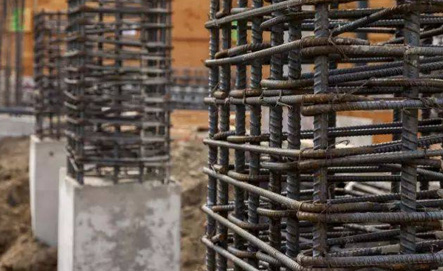
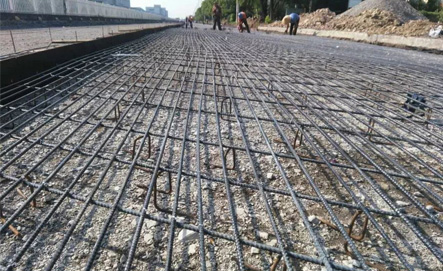
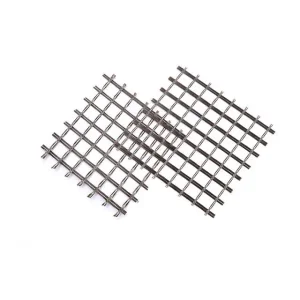
Concrete structures enhanced with basalt composite rebars and meshes demonstrate superior crack control and long-term durability in high-alkali and high-salinity environments.
Addresses lightweight automotive requirements by supplying stable prepregs for composite floor panels, internal structural brackets, and firewall insulation.
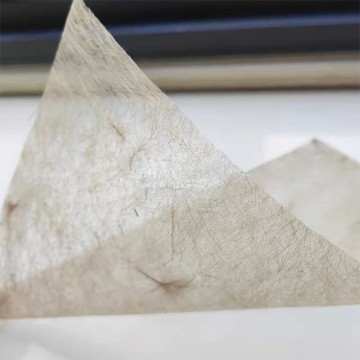
Engineered to provide a smooth, resin-rich surface layer for fiber-reinforced plastics.
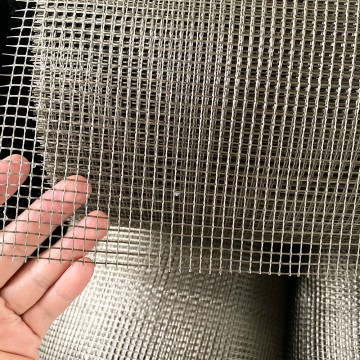
Provides superior reinforcement for concrete and plaster applications where high alkali resistance is required.
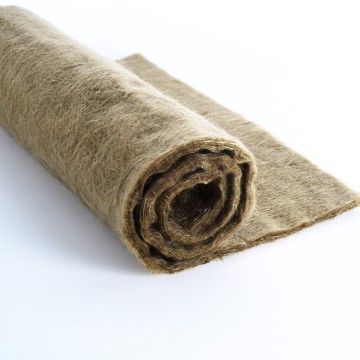
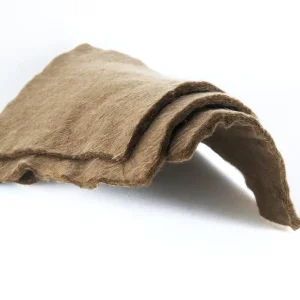
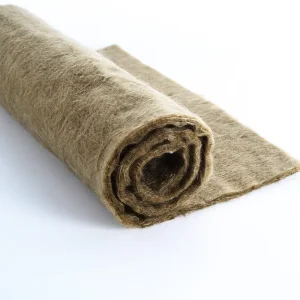
Manufactured by mechanically bonding continuous basalt fibers without chemical binders.
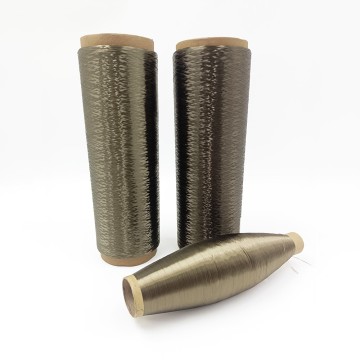
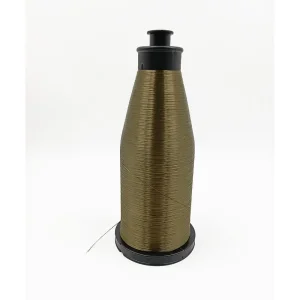
Engineered by twisting continuous filaments to enhance mechanical strength and processing stability.
Essential engineering answers to guide composite specification and procurement processes.
High Temperature Resistance Basalt Fiber Unidirectional Woven Fabric operates continuously within a temperature window of -260°C to +700°C. For short exposure periods, it can withstand temperatures up to 1000°C without mechanical failure or melting. Unlike glass fiber, which softens around 550°C, basalt maintains its structural integrity at higher temperatures.
While carbon fiber offers higher absolute stiffness and tensile strength, unidirectional basalt fabric provides superior impact resistance, higher elongation at break (greater toughness), better electrical insulation, and excellent chemical resistance at a much lower cost. It is often used to replace carbon fiber in applications where cost efficiency is prioritized over ultimate weight reduction.
Unidirectional (UD) fabrics direct their tensile strength along the 0° longitudinal axis. This allows engineers to place fibers exactly along the path of tensile stress, optimizing fiber volume and minimizing unnecessary weight in the perpendicular direction.
Sizing acts as a coupling agent between the inorganic basalt fiber and the organic polymer matrix. Our specialized silane sizing configurations maximize the interfacial shear strength (IFSS), preventing delamination and ensuring efficient load transfer under high fatigue cycles.
Yes, basalt fiber is a 100% natural, green material. It is made by melting volcanic basalt rock without chemical additives, catalysts, or heavy metals. It is fully recyclable and has a significantly lower carbon footprint during production compared to carbon fiber.
Basalt fibers exhibit excellent natural resistance to alkalis, preventing the degradation commonly seen with standard E-glass fibers in cement matrices. Our structural meshes and rebars are treated with specialized epoxy or vinyl ester coatings to guarantee long-term performance in concrete applications.
We test and certify our products in accordance with international standards, including ASTM D3039 for tensile properties of polymer matrix composites, ASTM D792 for density, and ISO 10406 for fiber-reinforced polymer reinforcement in concrete.
Yes. We formulate and apply specific sizing formulations compatible with epoxy, polyester, vinyl ester, polyurethane, and phenolic resin systems, ensuring strong interfacial bonding for any composite process.
Our Jiujiang factory uses fully automated melting and drawing systems. By monitoring temperature variations in real-time, we maintain uniform filament diameters and precise sizing applications across every batch.
Leveraging our location in central China, we provide convenient rail and sea logistics through major shipping ports. Standard production lead times for custom specifications range from 14 to 28 days, supported by complete certificate documentation.
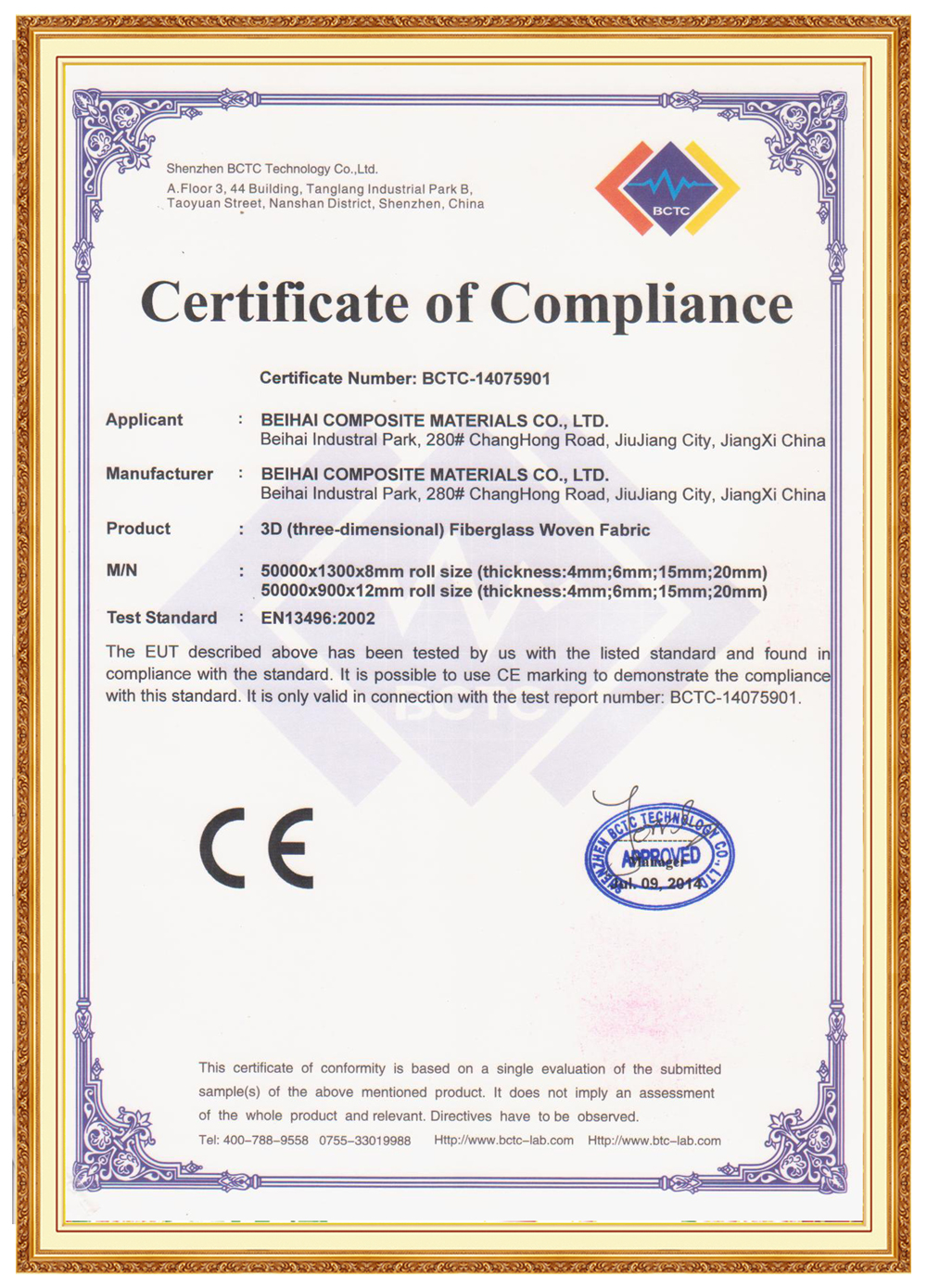
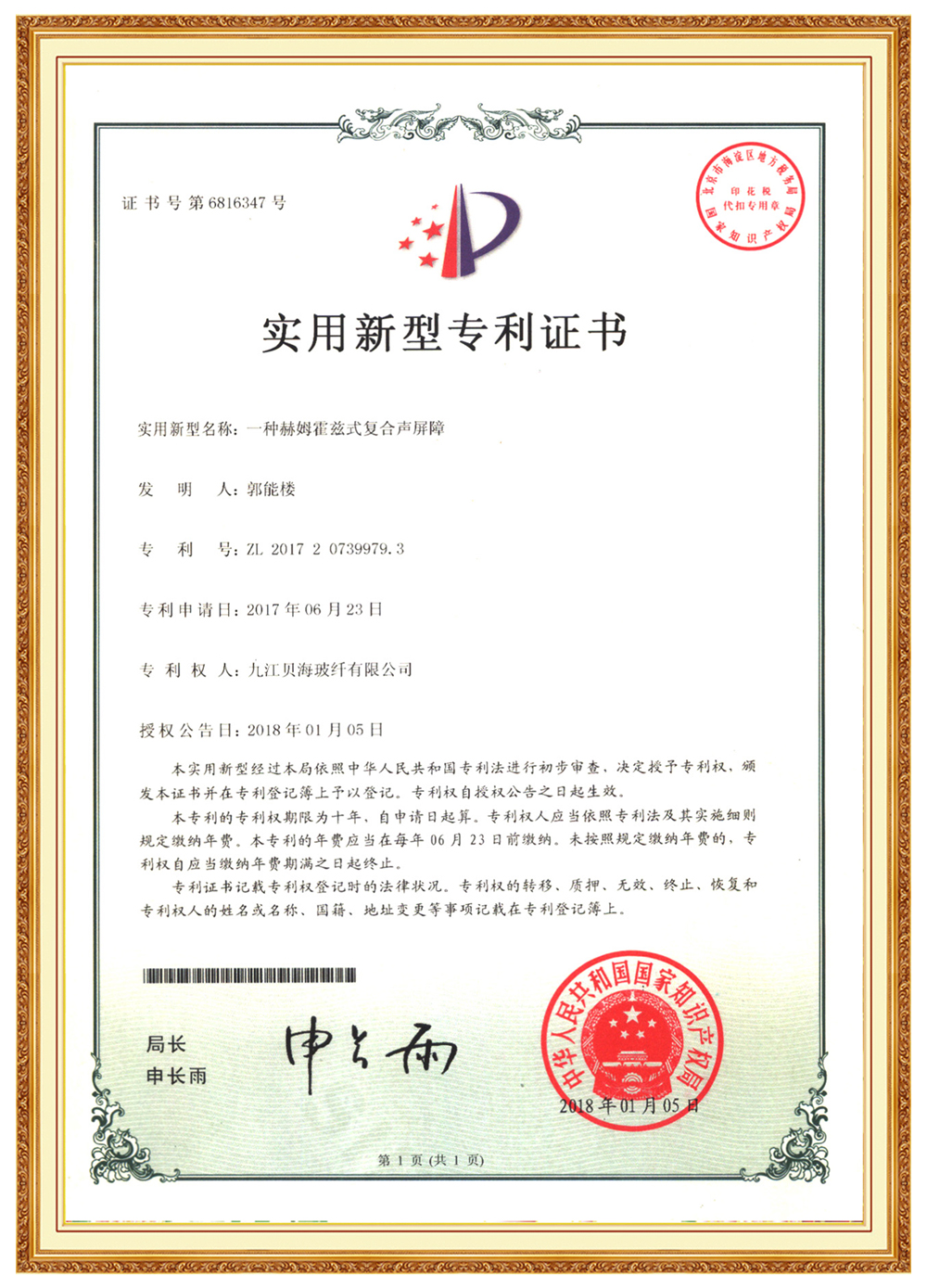
Our continuous basalt fibers and textiles are manufactured in compliance with international quality systems.
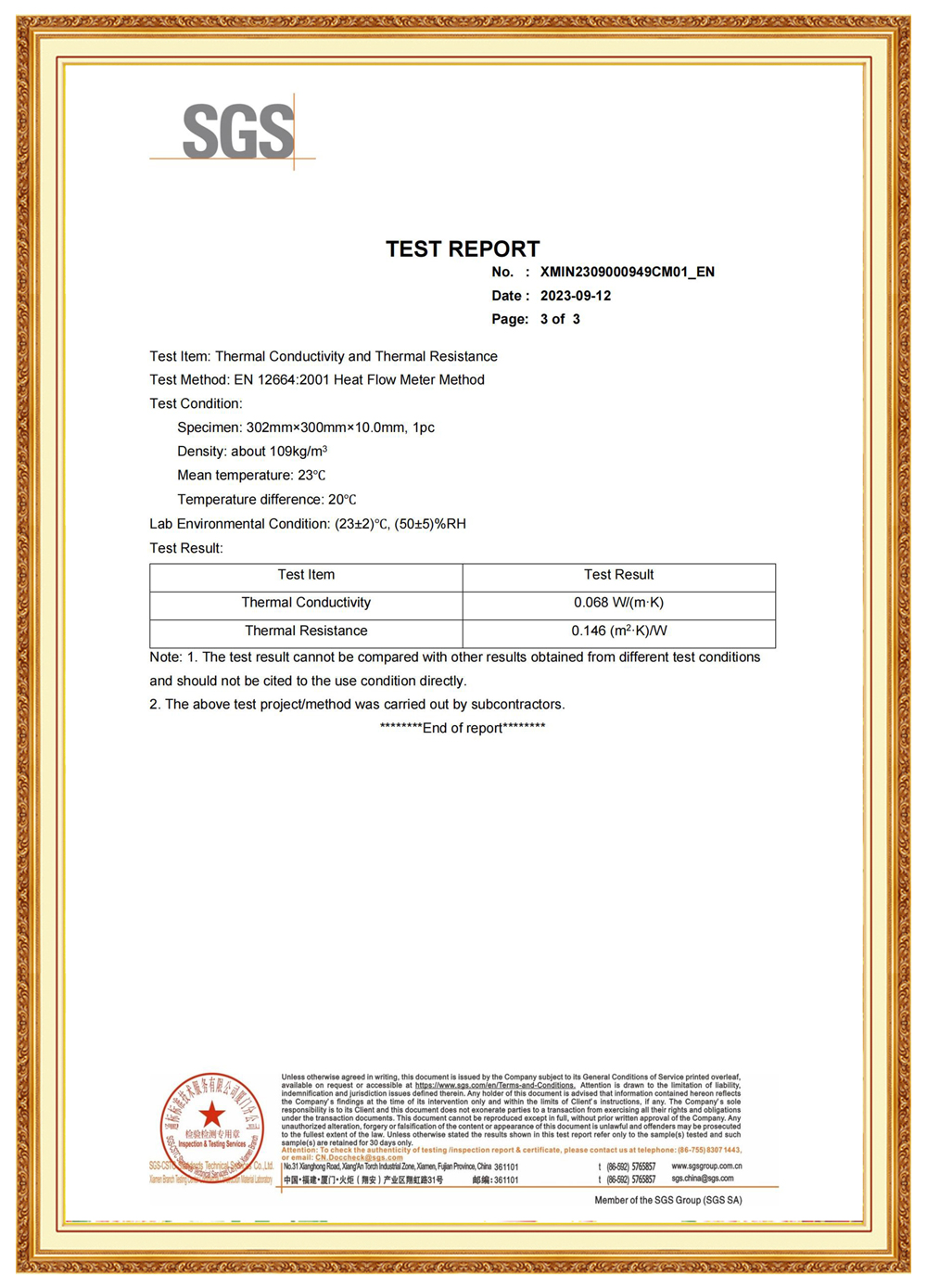
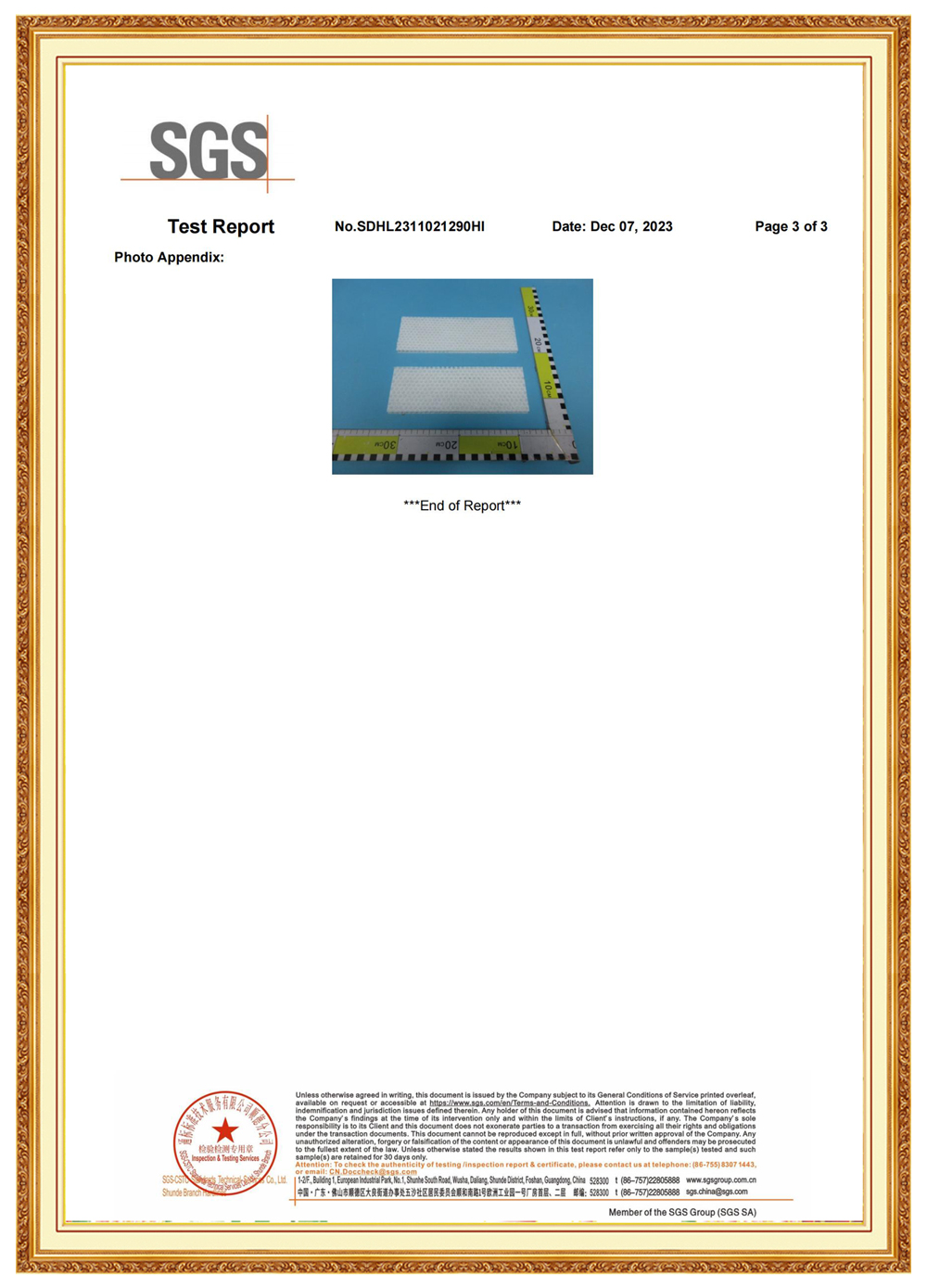
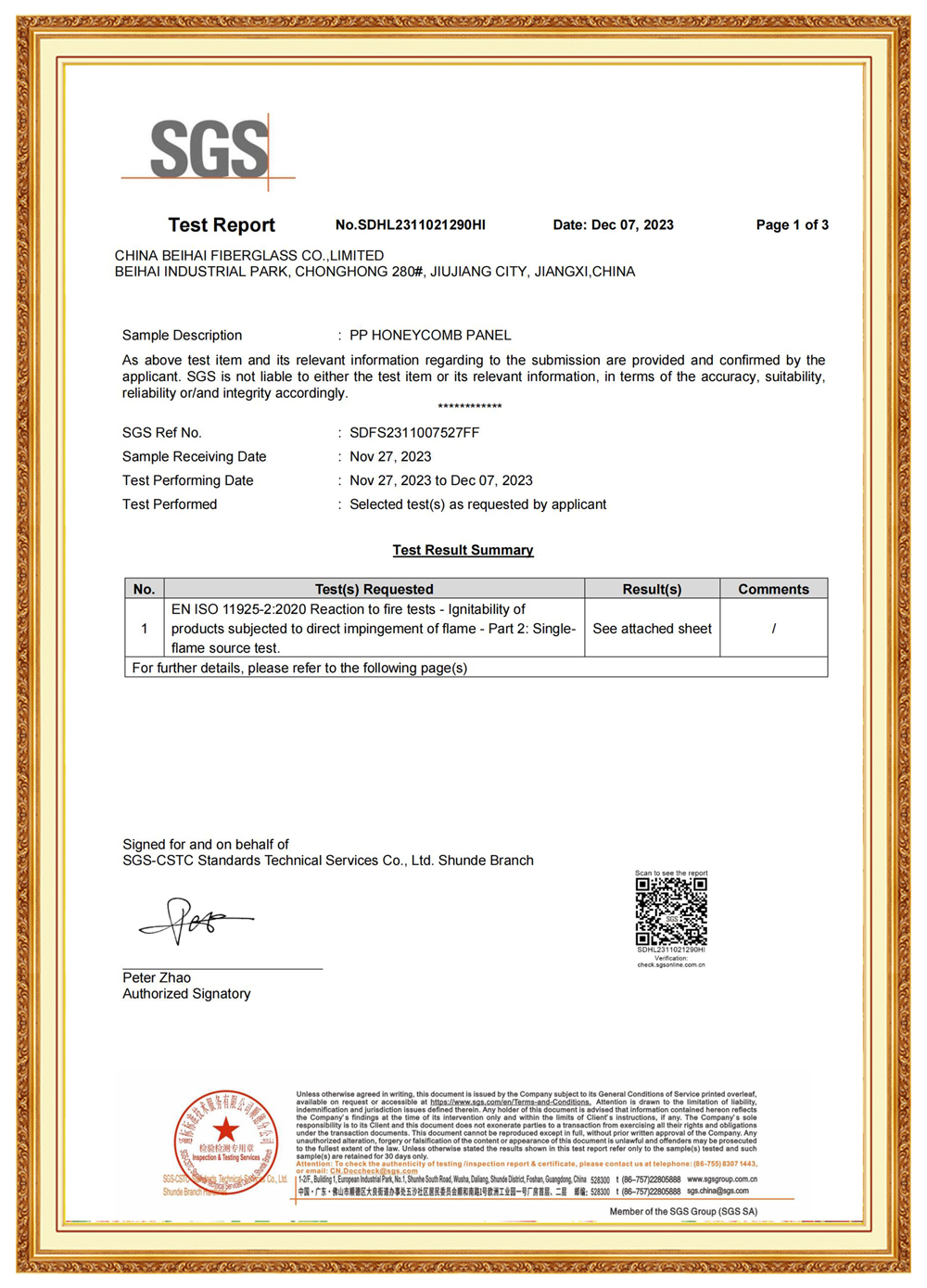
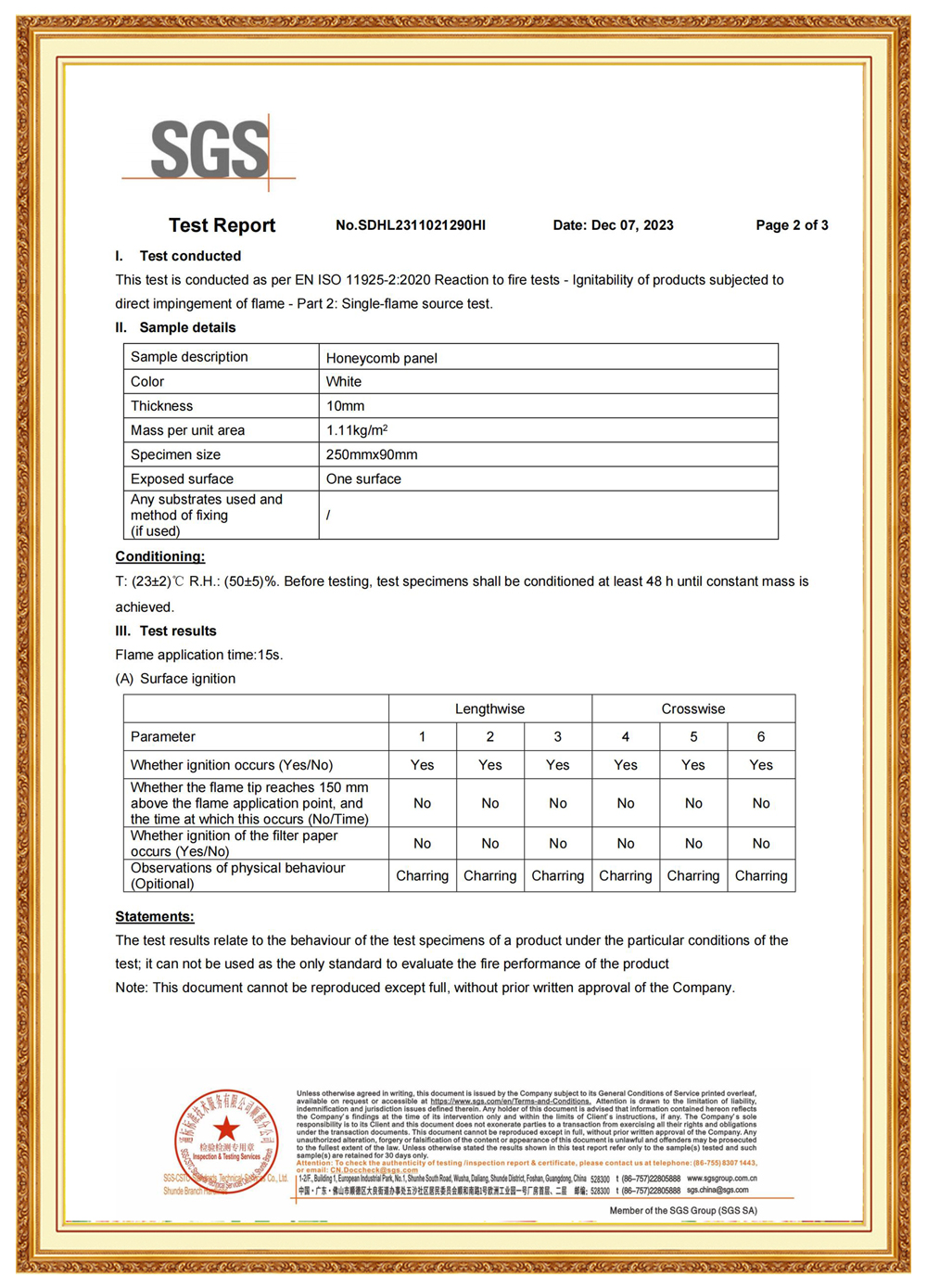

As automated drones monitor wildfire zones and smart robotic arms perform precision assembly on high-temperature factory floors, the operations of modern industrial equipment are supported by advanced composite materials. Unidirectional basalt fabrics provide lightweight structural stability, shielding vital drone bays and robotic arms from intense thermal stress.
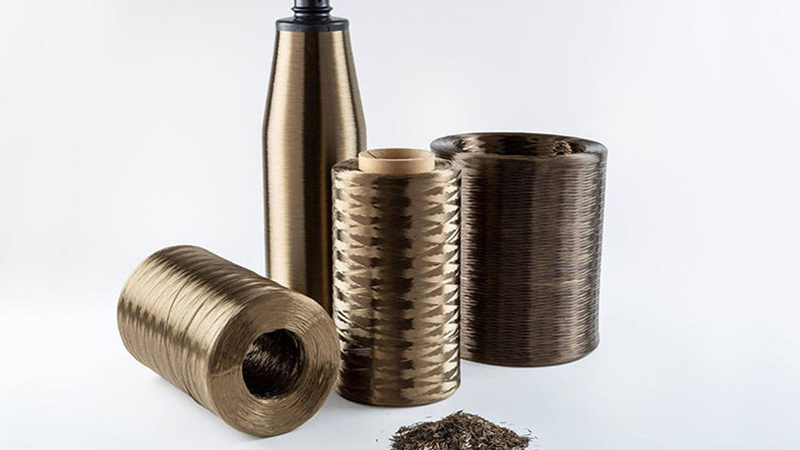
Our research team is continually optimizing surface sizing treatments to improve the compatibility of continuous basalt fibers with next-generation high-temperature engineering resins.
Review our full range of basalt textile derivatives, designed to meet rigorous thermal, acoustic, and structural specifications.
 Beihai Fiberglass