High-performance continuous basalt fiber (CBF) elements designed for ultimate durability, chemical stability, and tensile support in aggressive structural applications.
Basalt fiber is an inorganic mineral material extracted from natural igneous rock. Melted at extreme temperatures exceeding 1450°C and processed via platinum-rhodium alloy spinnerets, basalt ore transitions into continuous filaments. These micro-filaments retain the inherent properties of volcanic basalt—exceptional tensile strength, natural resistance to harsh acids and strong alkaline media, and unmatched thermal operating thresholds.
In structural engineering, municipal piping, aerospace components, and automotive light-weighting designs, basalt fiber elements serve as a non-corrosive, sustainable alternative to steel reinforcements and glass fibers (E-glass). Their physical structure delivers a massive service lifetime expansion while slashing ongoing lifecycle maintenance overheads by up to 60%.
Explore Structural Solutions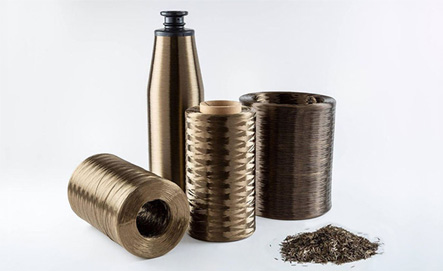
Founded in 2015 and headquartered in Jiujiang, Jiangxi Province, China Beihai stands as a premier state-level high-tech enterprise. Our core focus centers on the advanced research, proprietary development, large-scale production, and global supply of high-performance continuous basalt fiber (CBF) and advanced structural derivatives.
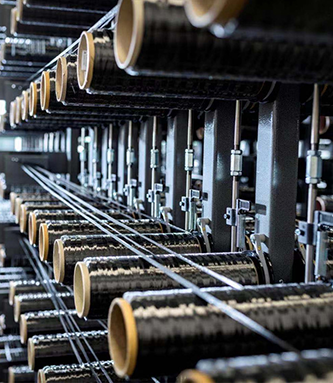
By controlling both basalt ore smelting furnace design and subsequent downstream composite fabrication lines, China Beihai ensures structural uniformity, consistent filament diameter, and customizable sizing chemistry suitable for epoxy, vinyl ester, and concrete matrices alike.
Why engineering firms, global polymer fabricators, and commercial construction projects choose China Beihai products.
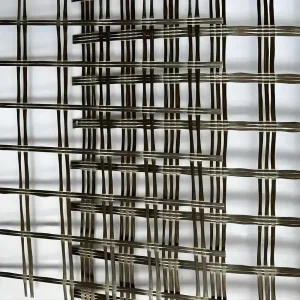
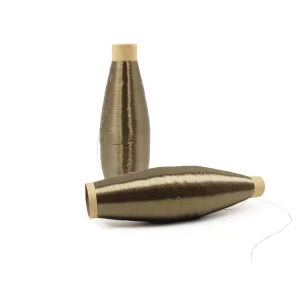
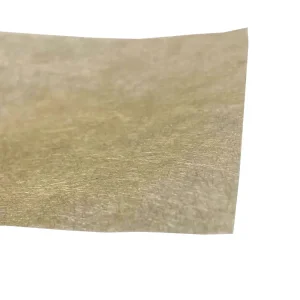
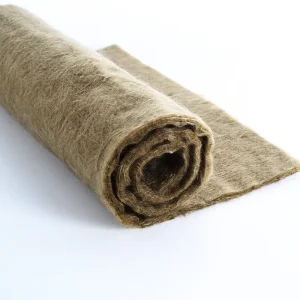
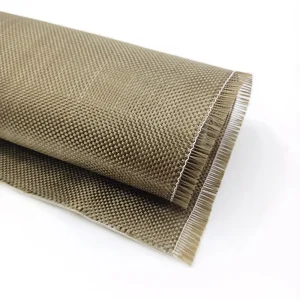
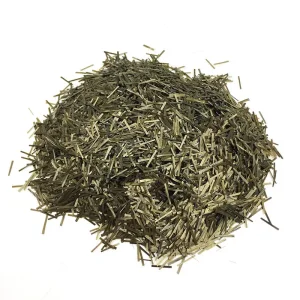
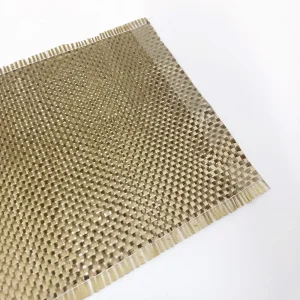
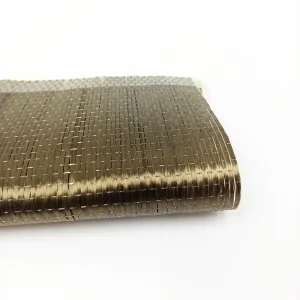
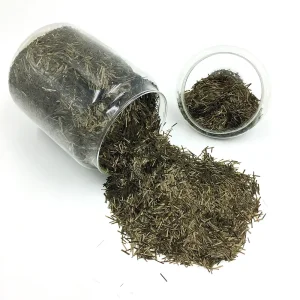
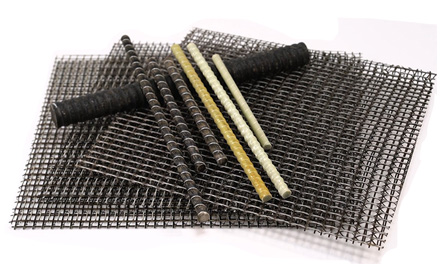
At China Beihai group, we specialize in the production of a wide range of products including basalt fiber mat (Basalt fiber chopped strand mat, Basalt fiber cloth), basalt fiber roving, basalt fiber yarn, basalt fiber chopped strands, and basalt fiber products (Basalt Fiber rebar, basalt fiber sleeves and tape). Our products are designed to meet the diverse needs of various industries, providing high-quality solutions for our customers.
At China Beihai group, we are dedicated to the production of a wide array of basalt-based products, ranging from basalt fiber mat, fabric, and roving to chopped strand and specialized construction materials. Our focus is on delivering high-quality, sustainable solutions for industries such as construction, geotechnical engineering, and manufacturing. With a commitment to innovation and excellence, we strive to cater to the unique requirements of our clients by offering a comprehensive selection of basalt-derived products.
Choosing to work with China Beihai means working with a leading manufacturer of basalt products. Our commitment to quality, innovation and sustainability sets us apart, ensuring our customers receive best-in-class solutions for their diverse needs. Reliability and customer satisfaction, we offer a wide range of high-quality basalt materials and construction products, backed by our dedication to excellence and industry expertise. When you partner with China Beihai, you can trust that you are working with a reliable and forward-thinking supplier for all your basalt product needs.
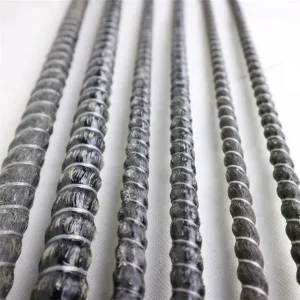
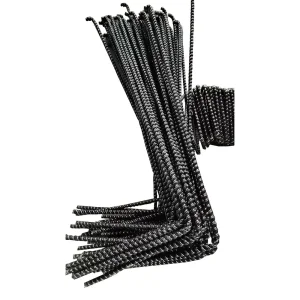
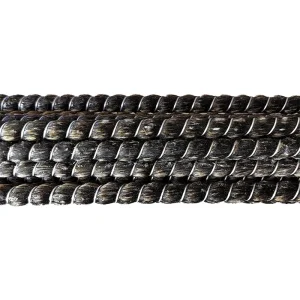
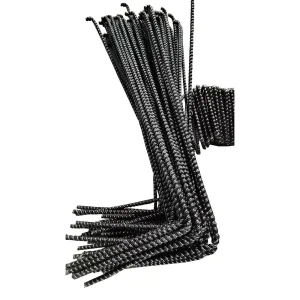
Basalt Fiber Rebar: A direct, rust-proof alternative to structural carbon steel reinforcing bars. Formulated with high-strength composite polymers, basalt fiber composite rebars are electromagnetic transparent and non-conductive. This makes them crucial for reinforcing concrete structures subjected to high moisture, marine salts, or high-field electromagnetic environments (such as MRI diagnostics wings, rail systems, and subways).
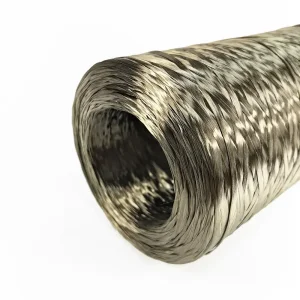
Basalt Fiber Roving: Single or multi-end untwisted continuous strands designed for filament winding, pultrusion, weaving, and conversion into fabrics, chopped strand mats, or geogrids. It exhibits high tensile strength (exceeding 3000 MPa for high-grade raw basalt) and can withstand operating temperatures from -260°C to +700°C.
View Rebar Specifications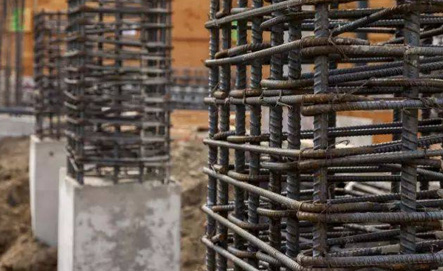
From civil infrastructure to aerospace shielding, basalt fiber's physical parameters redefine operating limits.
Our basalt products have diverse applications in the field of house construction, structural repair, seismic retrofitting, and lightweight panel reinforcement.
In the aerospace field, basalt fibers are ideal for manufacturing aircraft wings, acoustic panels, and lightweight engine shroud thermal barriers.
Through fine process control and surface treatment technologies, basalt fibers are used in spacecraft shell materials, thermal protection systems, and engines.
Basalt-added concrete offers increased tensile strength, chemical resistance, anti-crack characteristics, and durability in harsh sulfate and acid environments.
Meeting the lightweight automotive trend, continuous basalt composites find application in brake pads, exhaust mufflers, headliners, and bumper reinforcements.
High mechanical toughness and corrosion resistance protect sub-aquatic structures from ship impact, debris wear, and marine microbial attachment.
Our corrosion-resistant basalt fiber solutions are widely integrated into petroleum pipeline systems, storage tanks, and industrial refineries.
Unaffected by sea water salinity or galvanic corrosion. Perfect for ship hulls, offshore wind foundations, and floating structure moorings.
How continuous basalt fiber is positioned as a primary green reinforcement mineral over the next decade.
China Beihai is actively pursuing research in three core technological phases to maximize basalt fiber integration across global industrial ecosystems:
With global sustainability standards like LEED and BREEAM driving demand for low-impact structural components, basalt continuous fiber composites offer a solution, with a carbon footprint that is up to 80% lower than traditional carbon steel components.
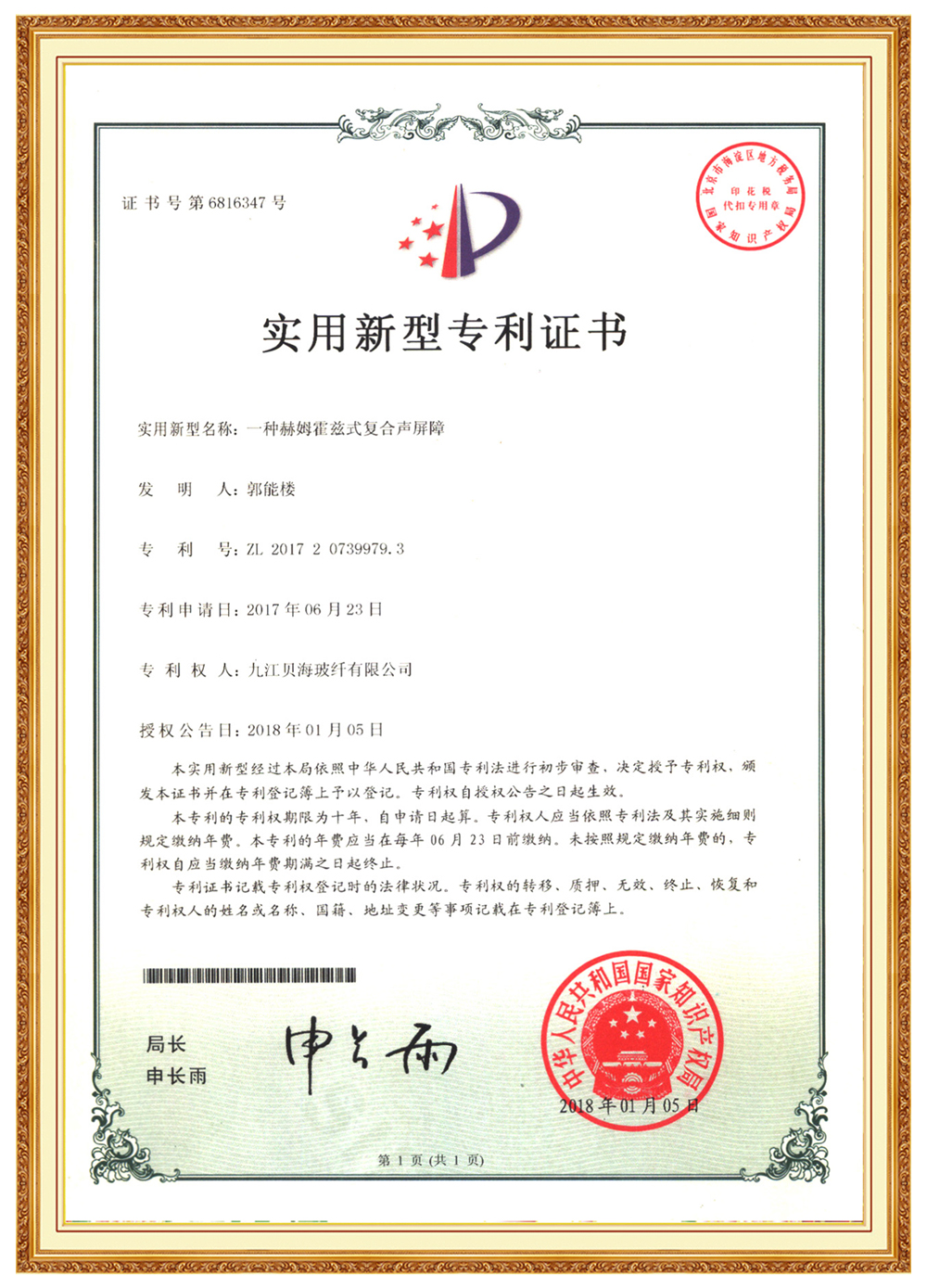
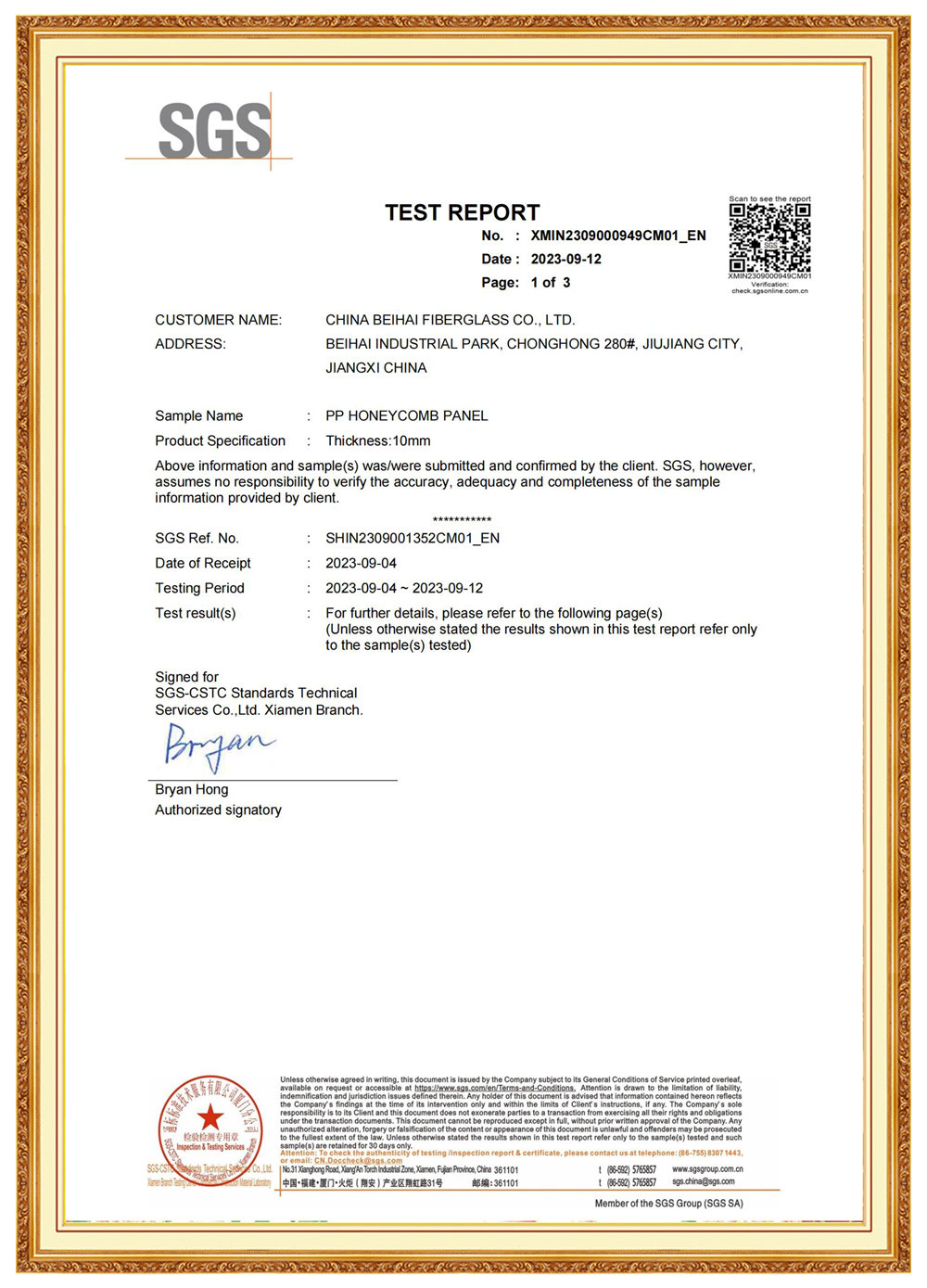
All Beihai basalt fibers undergo strict testing to ensure structural integrity and compliance with international standards.


Stay informed on the advancements in continuous basalt fiber composite applications globally.

As drones slice through the sky to monitor wildfires, and intelligent robots execute repetitive tasks with precision on the factory floor, the efficient operation of this smart equipment is often underpinned by a "hardcore support." Continuous basalt fiber composites offer structural durability and electromagnetic transparency, protecting electronic arrays and sensors from external interference while reducing overall frame weight.
Read Full News ArticleCommon technical questions regarding structural basalt fibers answered by our engineering team.
Locate structural elements, basalt chopped fiber, custom mats, and plain weave cloths directly from China's leading supplier.
 Beihai Fiberglass