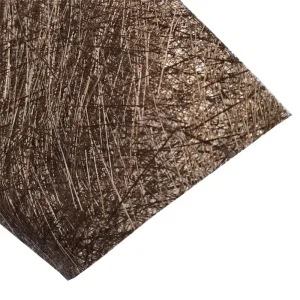
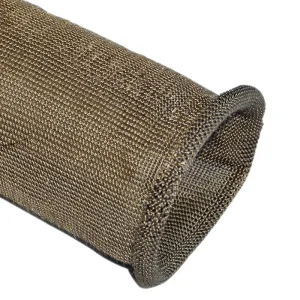
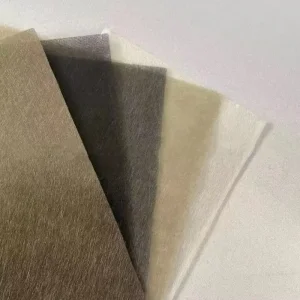
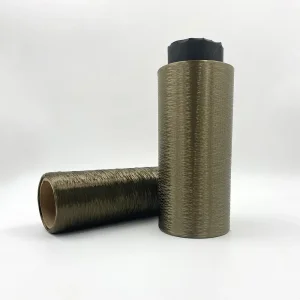
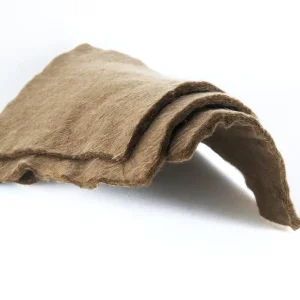
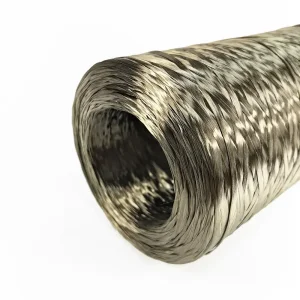
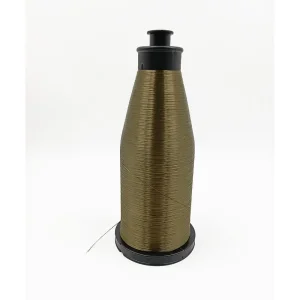
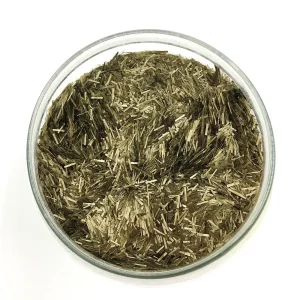
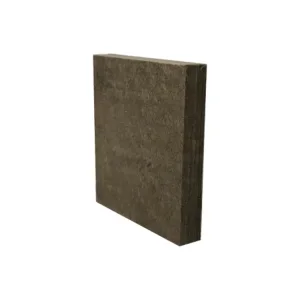
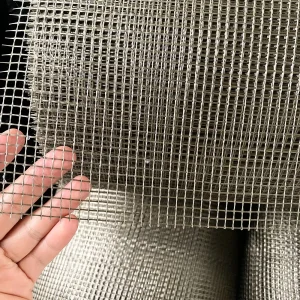
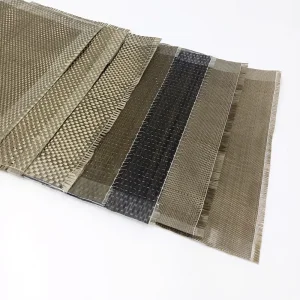
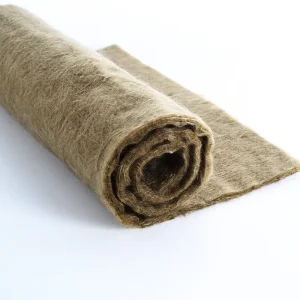
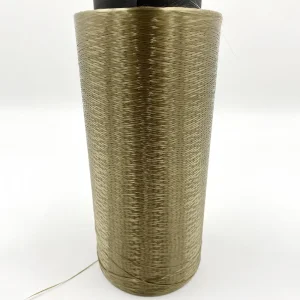
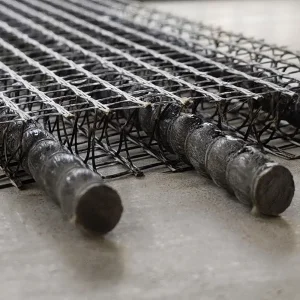
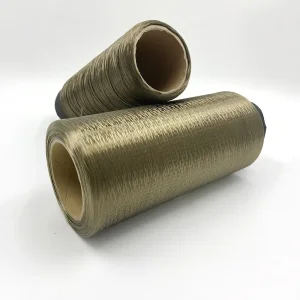
Engineered for extreme environments, our sleeves provide unparalleled thermal shielding.
Why Basalt Fiber is Redefining Global Thermal Engineering Standards
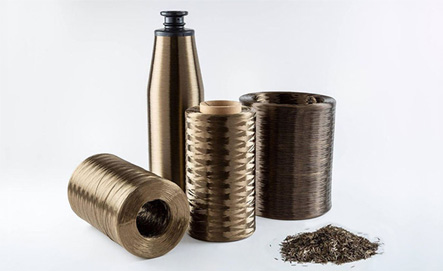
As industrial processes push the boundaries of heat and chemical intensity, traditional glass fiber and ceramic insulation are meeting their limits. Enter Basalt Fiber Insulation Sleeves—a 21st-century material derived from volcanic rock. At China Beihai, we have pioneered the transition from basic manufacturing to high-tech thermal management solutions. Basalt fiber is inherently superior, offering a service temperature range from -260°C to +700°C, significantly outperforming E-glass in thermal stability and acid-alkali resistance.
Our Custom Basalt Fiber Insulation Sleeves are engineered via advanced braiding techniques that allow for high flexibility while maintaining structural integrity. For global procurement teams, the decision to switch to basalt isn't just about heat; it's about Information Gain. By understanding the molecular stability of silicate-based fibers, engineers can reduce the weight of aerospace components by 20% while increasing fire safety ratings by 35%.
Unlike glass fiber, basalt sleeves are highly resistant to moisture, salt spray, and concentrated acids, making them the gold standard for offshore and petrochemical piping.
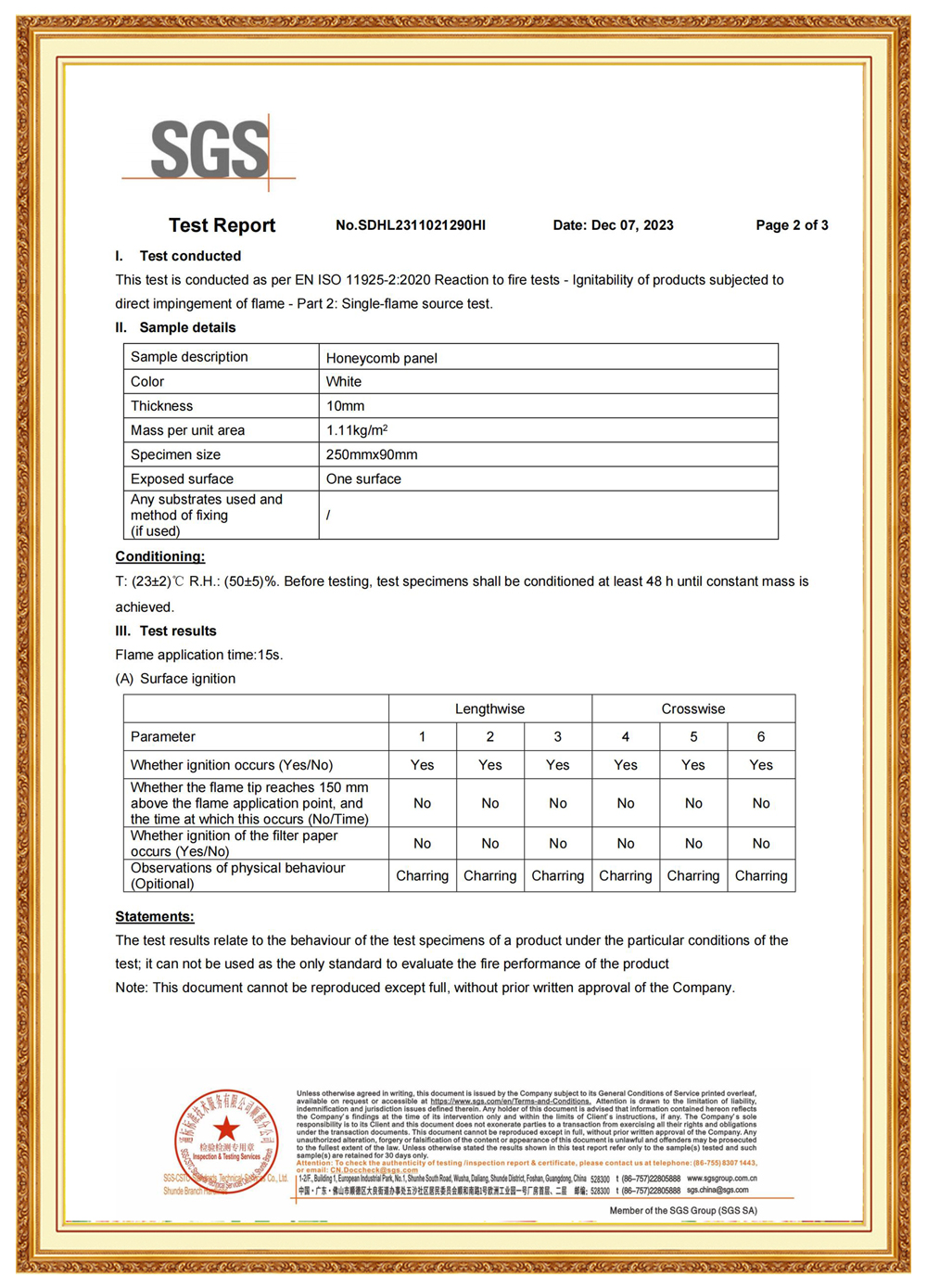
Classified as non-combustible. Our sleeves do not melt or emit toxic fumes even when exposed to direct flame at 1000°C for short durations.
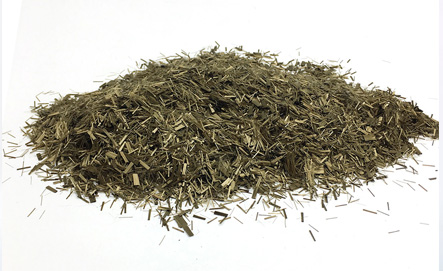
Produced from pure volcanic rock without chemical additives. It is fully recyclable and has the lowest carbon footprint in the high-performance fiber industry.
Leveraging Integrated Supply Chains for Precision and Cost-Efficiency
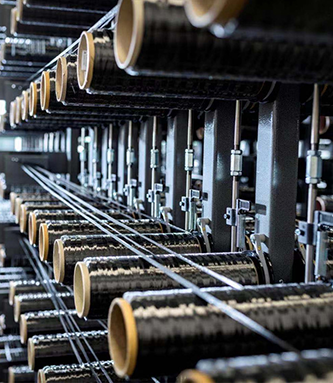
Founded in 2015, China Beihai operates at the epicenter of basalt fiber innovation. Our Jiangxi facility integrates raw basalt melting, continuous filament drawing, and precision braiding under one roof. This vertical integration allows us to provide a Custom Basalt Fiber Insulation Sleeve Pricelist that is 15-25% more competitive than European counterparts without sacrificing quality.
From Deep Sea to Outer Space: Versatility Reimagined
Protecting high-voltage cables in Electric Vehicles. Our basalt sleeves act as a thermal barrier, preventing battery heat from affecting sensitive electronics while providing EMI shielding properties.
Used in engine nacelles and hydraulic lines. Basalt's vibration damping qualities reduce structural fatigue in high-stress aviation environments.
Ideal for foundries and steel mills. These sleeves protect hoses and wiring from molten metal splash (slag) and intense radiant heat.
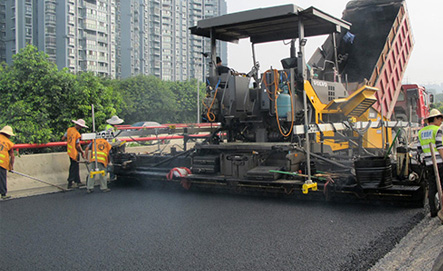
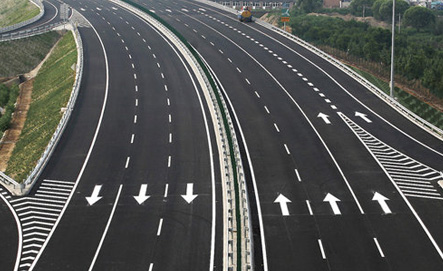
Protecting structural reinforcement in harsh tunnels or bridge piers where alkali resistance is critical for 100-year lifespans.
Zero corrosion in saltwater. Our sleeves protect fuel lines on cargo ships, meeting strict IMO fire safety standards.
High dielectric strength ensures safety in transformer bushings and high-tension line protection.
Understanding the Value Engineering behind Basalt Fiber
When requesting a Basalt Fiber Insulation Sleeve Pricelist, three main factors determine your ROI:
Industry Trend: The global move toward ESG (Environmental, Social, and Governance) compliance is driving a 40% YoY increase in basalt fiber adoption as companies replace non-recyclable glass and asbestos-based materials.
Visualizing Basalt in Action
Direct Answers from our Technical Engineering Team
A: While Carbon Fiber has higher tensile strength, Basalt has superior impact resistance and is significantly more cost-effective for thermal insulation. Carbon fiber is conductive, whereas Basalt is a natural insulator, making it safer for electrical applications.
A: Yes, we manufacture "Expandable Braided Sleeving" which can expand up to 1.5 times its original diameter, allowing it to fit over large connectors and irregular shapes easily.
A: Absolutely. We provide bulk spools up to 500 meters or precision-cut lengths with heat-sealed ends to prevent fraying during installation.
A: Basalt fibers are generally thicker (above 9 microns), which means they do not penetrate the skin as easily as fine fiberglass. They are much more comfortable for technicians to handle.
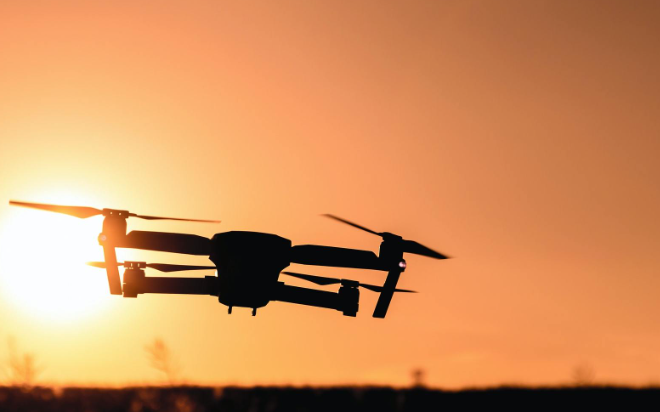
As drones slice through the sky to monitor wildfires, and intelligent robots execute repetitive tasks with precision on the factory floor, the efficient operation of this smart equipment is often underpinned by basalt fiber "hardcore support". Our latest R&D focused on lightweighting basalt composites for the robotics industry, ensuring high-speed arms remain thermally stable under continuous load.
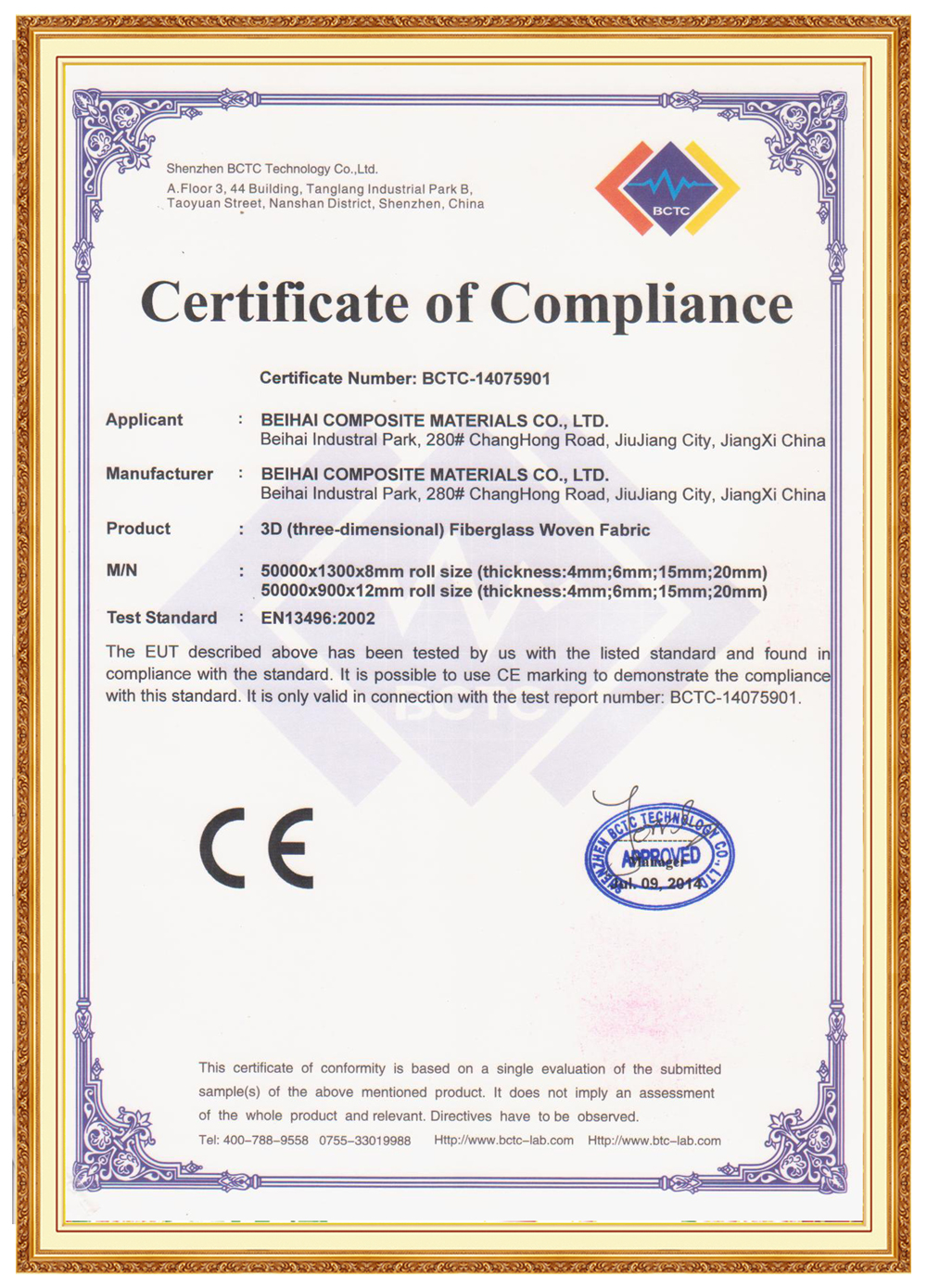
Read Full Technical Paper →Our commitment to global quality standards
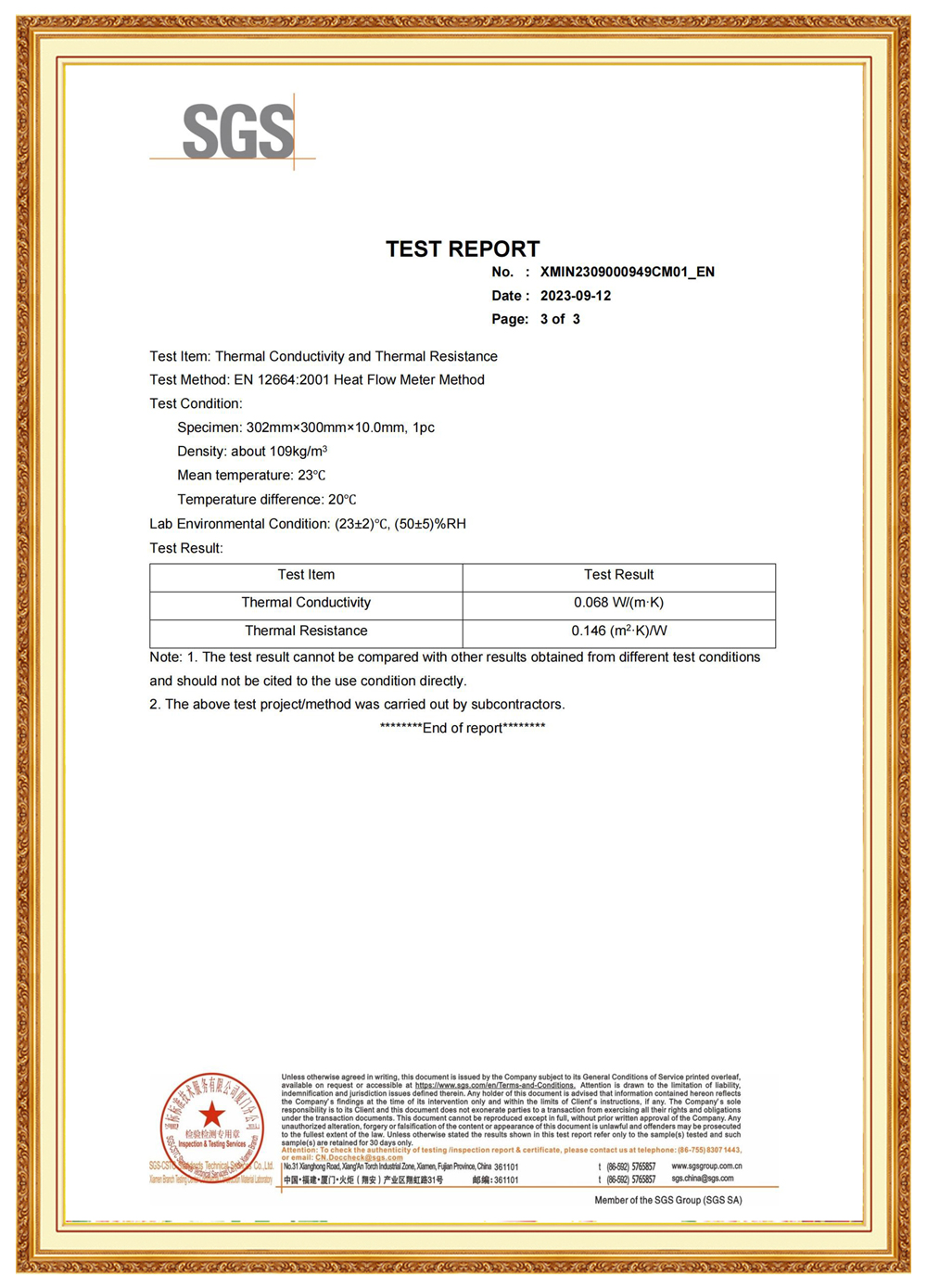
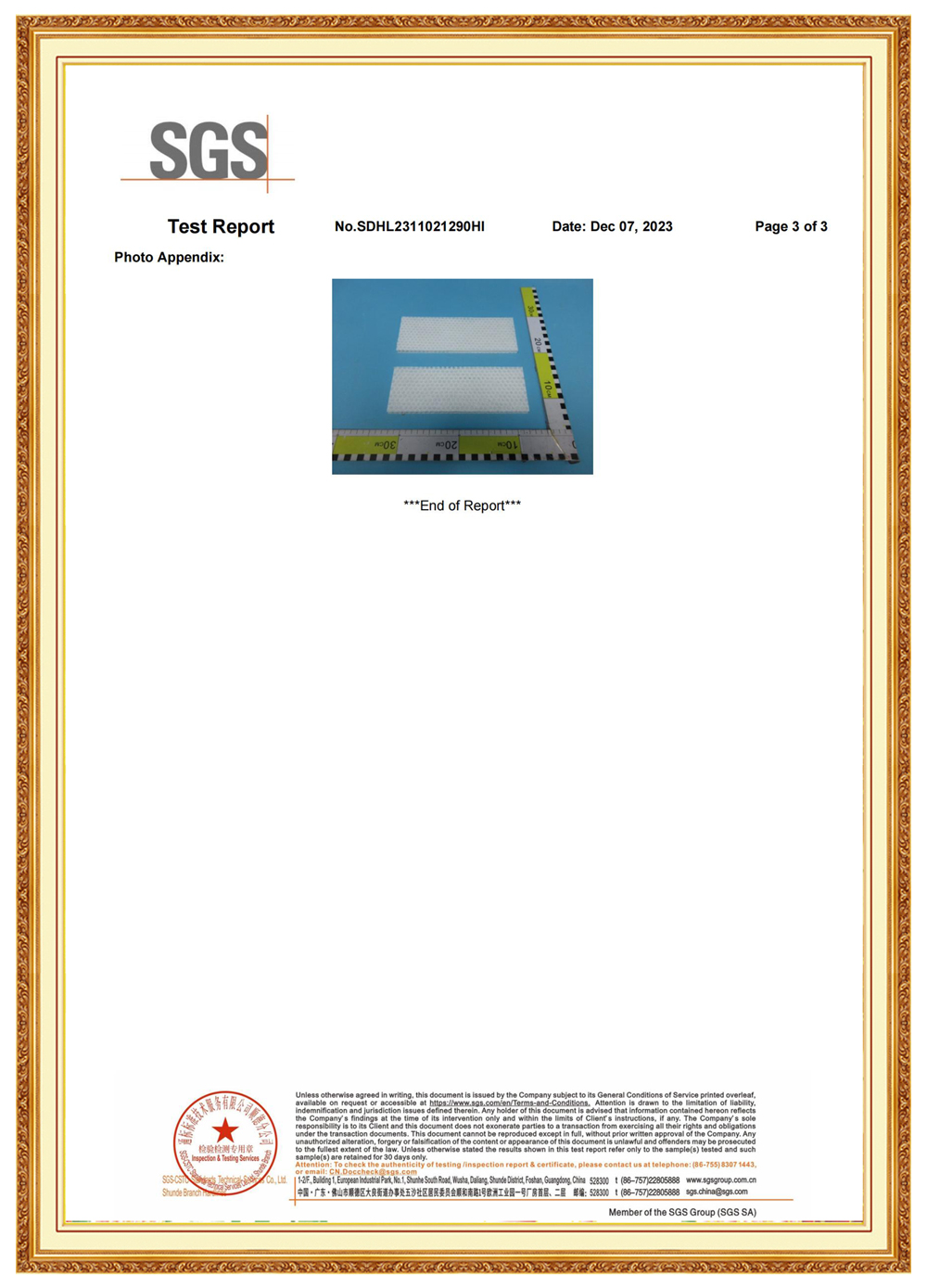
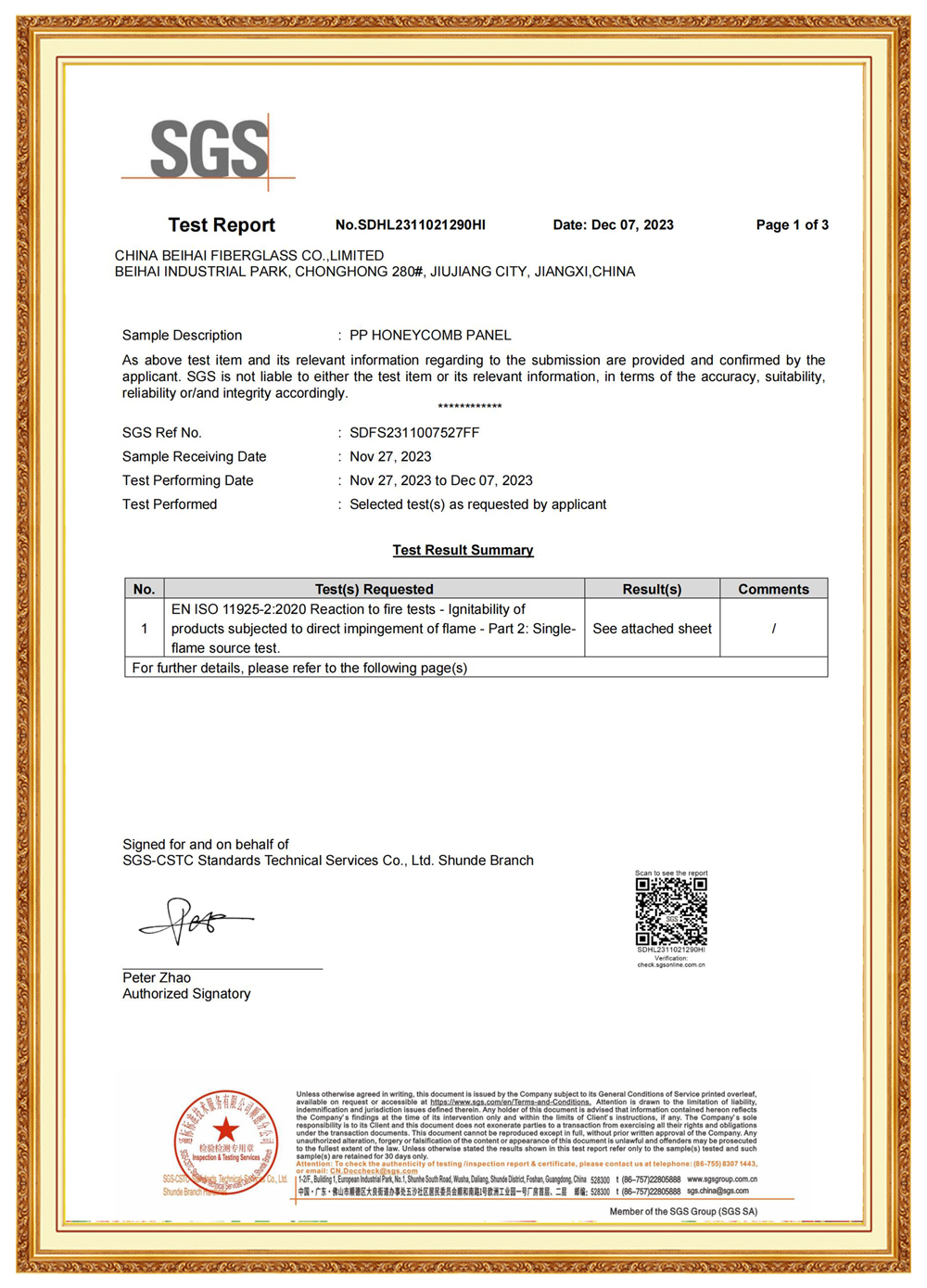
 Beihai Fiberglass