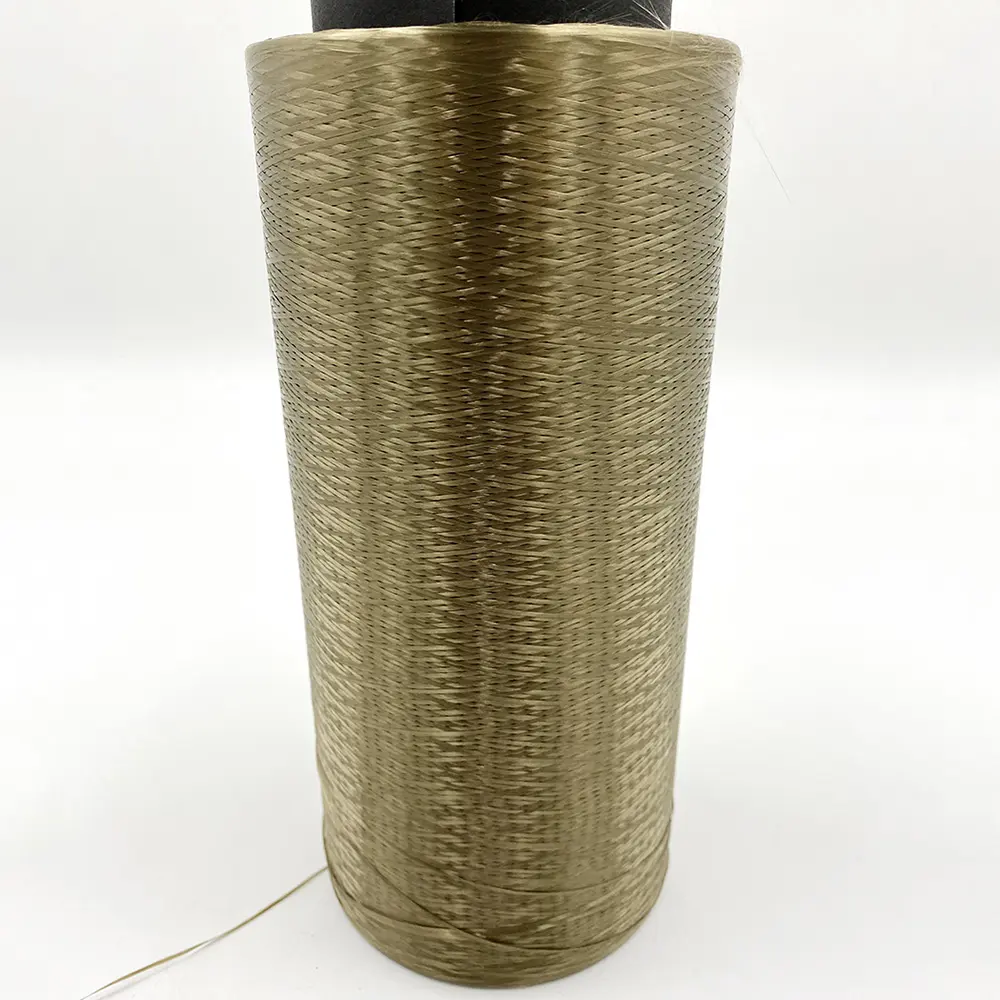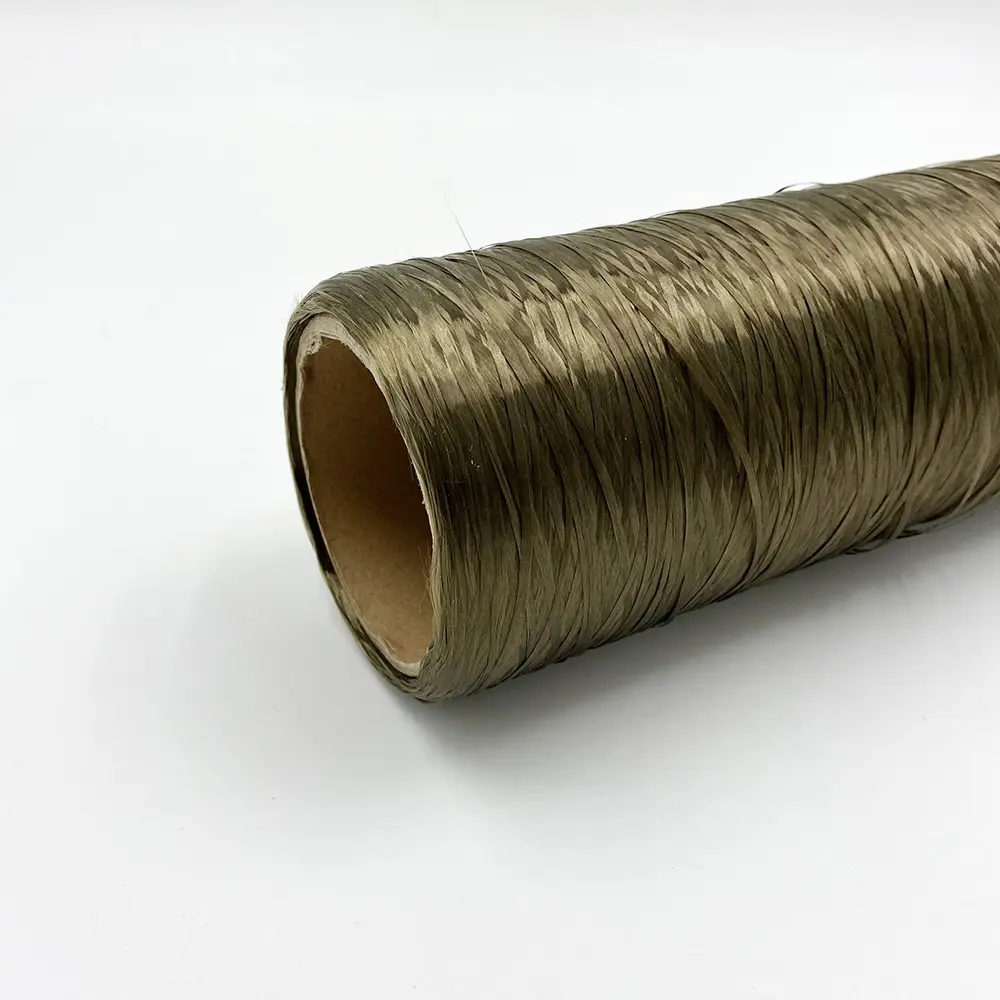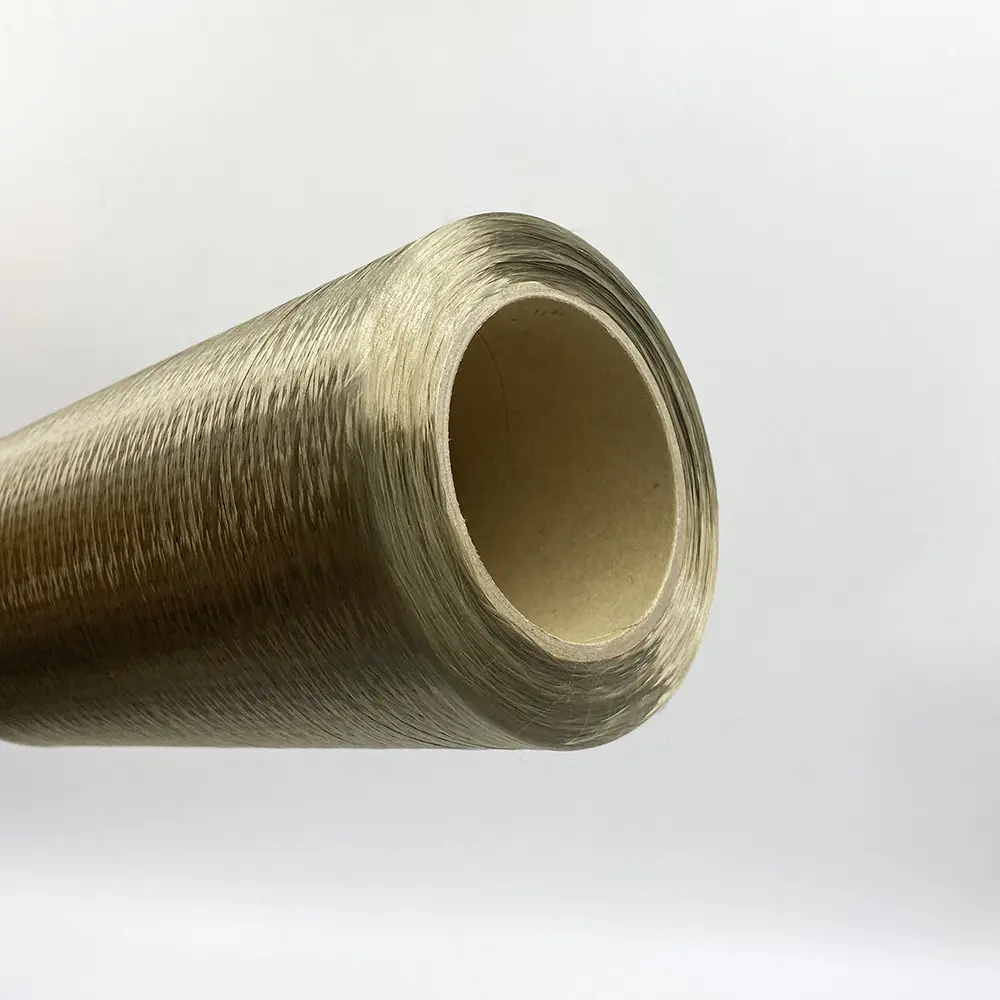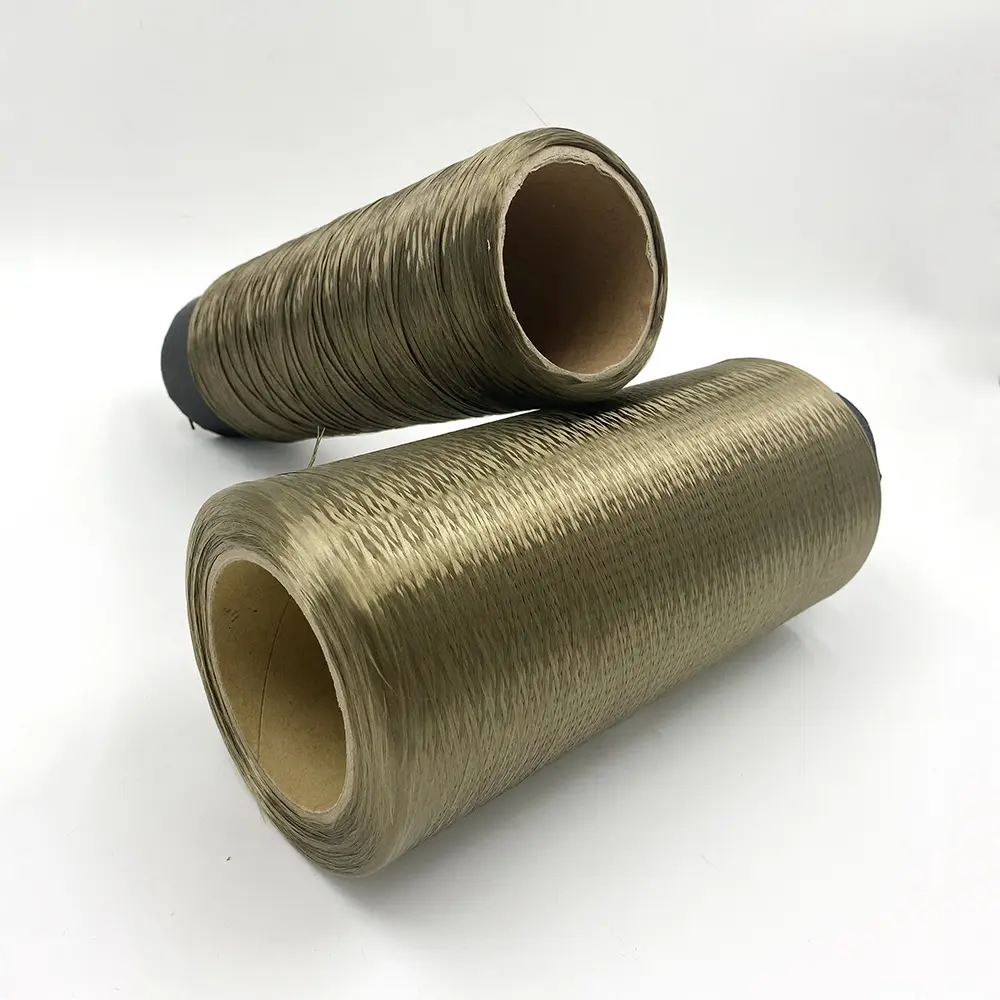
Wholesale High Quality Basalt Fiber Yarn Roving Product, Pricelist

Basalt fiber is a material made from extremely fine fibers of basalt, which is composed of the minerals plagioclase, pyroxene, and olivine. It is similar to carbon fiber and fiberglass, having better physicomechanical properties than fiberglass, but being significantly cheaper than carbon fiber. It is used as a fireproof textile in the aerospace and automotive industries and can also be used as a composite to produce products such as camera tripods.

Product Description

Product Description

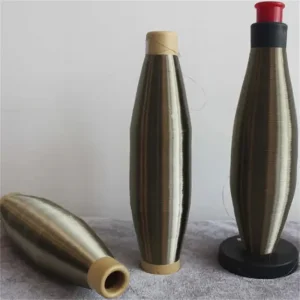
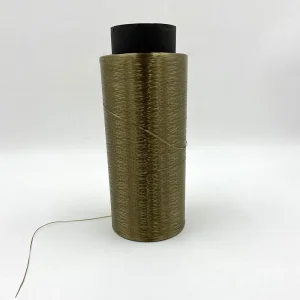
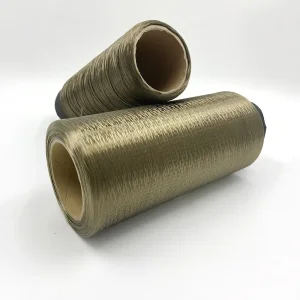
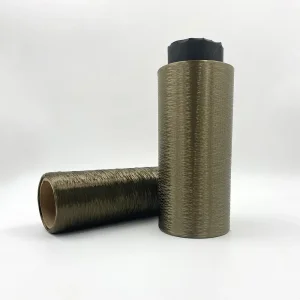
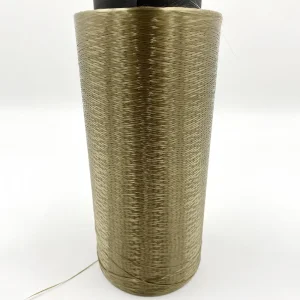
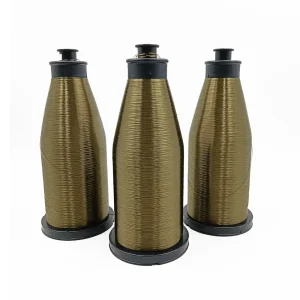
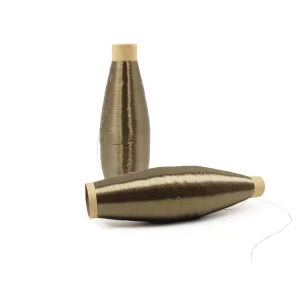
Basalt fiber yarn, made from basalt rock, is a cluster composed of parallel strands or single strands of parallel strands without twisting. It is engineered to withstand extreme temperatures up to 1800°F (982°C).

As a superior material for reinforced polymers (FRPs) and structural composites, it is highly compatible with epoxy resin, unsaturated polyester resin, vinyl ester, and phenolic resin. While sharing a similar chemical composition with glass fiber, basalt fiber offers significantly better strength characteristics, higher modulus, and superior impact resistance. It is exceptionally resistant to alkaline, acidic, and salt attacks, making it an ideal candidate for concrete reinforcement, bridge construction, and shoreline structures.
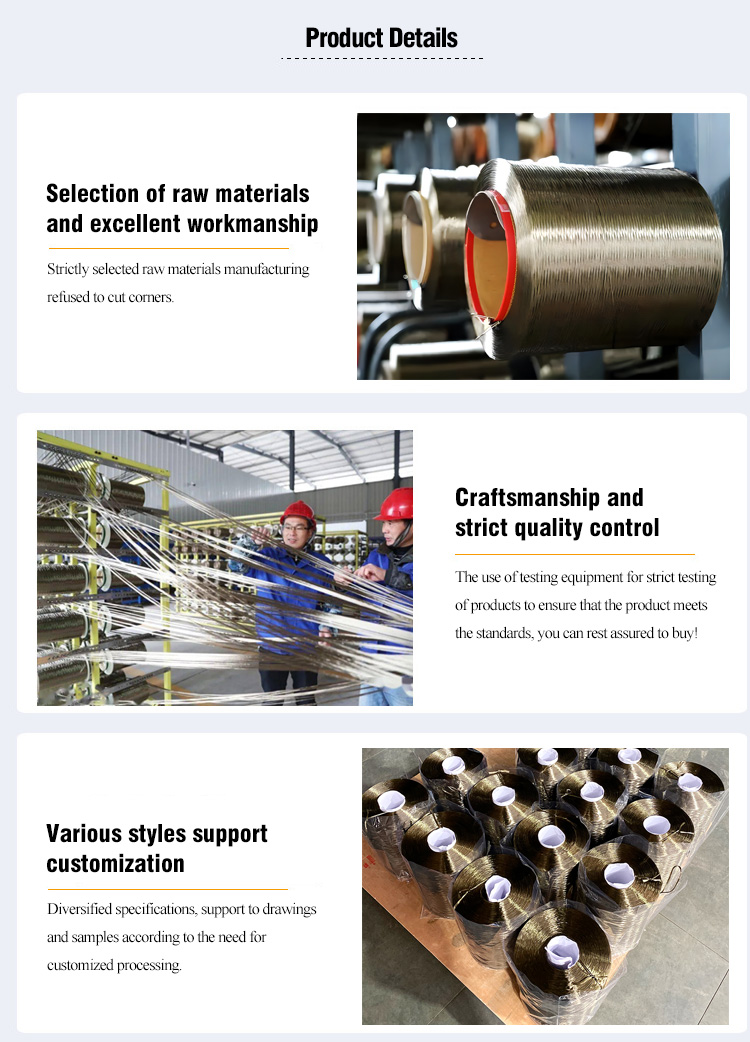
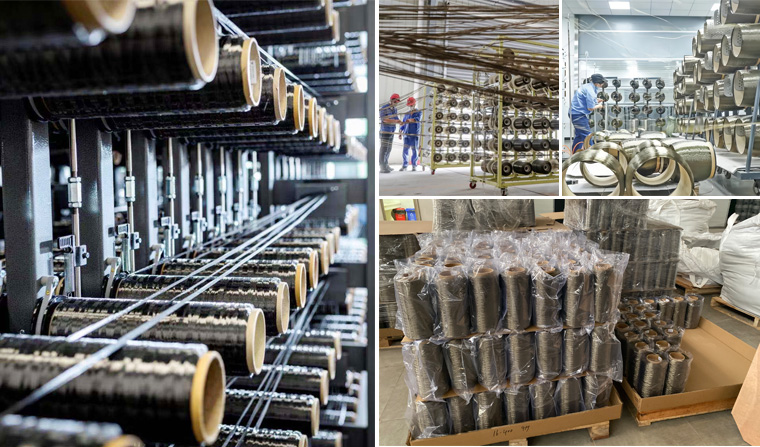
Basalt Fiber Yarn Details
Manufacturing Workshop
Product Specification
Fiber Diameter (μm) Line Density (Tex) Tolerance Twist (/M) Infiltrant Type
7 45 ±2% 68±5 Weaving
6 48 ±2% 120±5 Weaving
9 66 ±2% 68±5 Weaving
Applications
  • Acoustical and thermal insulation solutions.
  • Weaving unidirectional cloth for professional building reinforcement.
  • Manufacturing of winding tubes, storage cans, and gas cylinders.
  • Production of gingham cloth, mesh cloth, and geotextiles.
  • Structural repair and seismic reinforcement for buildings.
  • Chopped strands used in high-temperature resistant SMC, BMC, and DMC molding.
  • General reinforcement for resin-based structures.
Basalt Fiber Application in Building
Packing Information

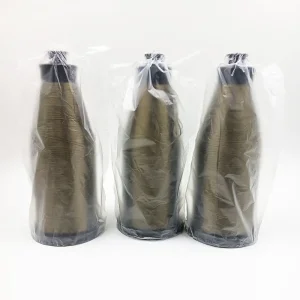
Our basalt fiber yarn is carefully packaged to ensure safety during transit and ease of storage in industrial environments.
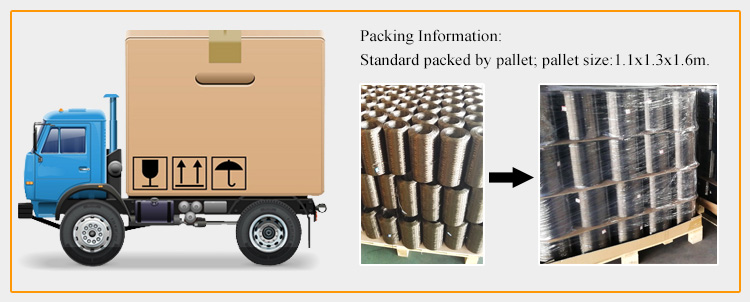
Packing and Storage
Frequently Asked Questions
Q1: What are the primary advantages of basalt fiber over glass fiber? A: Basalt fiber offers higher tensile strength, better modulus, and superior resistance to chemical attacks (acid, alkali, and salt) compared to standard glass fiber.
Q2: What is the maximum temperature basalt fiber yarn can withstand? A: It can withstand temperatures up to 1800°F (982°C), making it suitable for high-heat industrial applications.
Q3: Which resins are compatible with basalt fiber yarn? A: It is compatible with a wide range of resins, including epoxy, unsaturated polyester, vinyl ester, and phenolic resins.
Q4: Can basalt fiber yarn be used for building reinforcement? A: Yes, it is widely used for weaving unidirectional fabrics for structural repair and building reinforcement due to its high impact strength.
Q5: Is basalt fiber environmentally friendly? A: Yes, basalt fiber is made from natural volcanic rock through a single-component melting process, involving no hazardous chemical additives.
Q6: What types of infiltrants are used for the yarn? A: Our standard specifications utilize a weaving-type infiltrant, optimized for textile and reinforcement processes.

Related Products