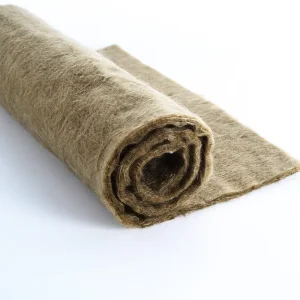
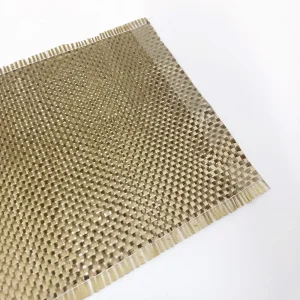
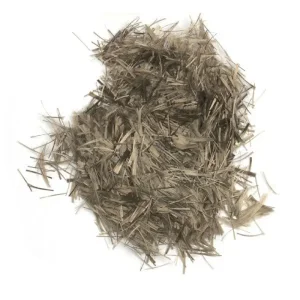
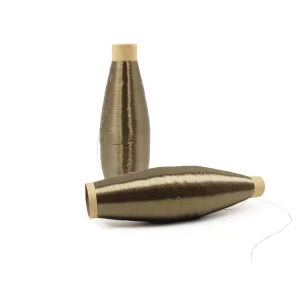
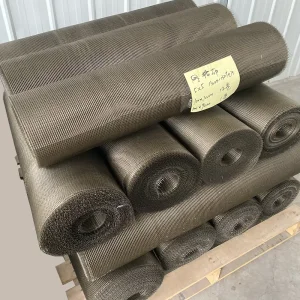
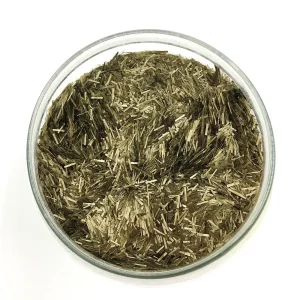
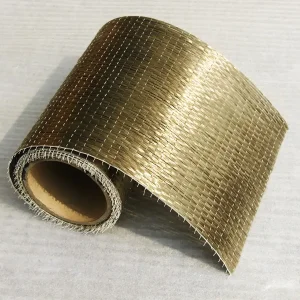
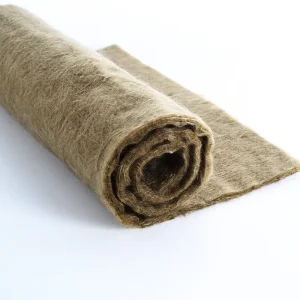
In the current landscape of high-performance composite materials, Basalt Fiber Thin Mat (also known as Basalt Fiber Tissue or Surfacing Mat) has emerged as a disruptive alternative to traditional E-glass and carbon fibers. As industries pivot toward sustainable, "green" materials, basalt fiber—derived from 100% natural volcanic rock—offers an unparalleled combination of thermal stability, chemical inertness, and mechanical strength.
Unlike glass fiber, basalt fiber thin mats provide superior resistance to high temperatures (up to 700°C) and aggressive alkaline environments. For global procurement officers and design engineers, sourcing from specialized Custom Basalt Fiber Thin Mat Suppliers is no longer just a matter of cost—it is a strategic decision to enhance product lifecycle and safety standards.
The production of a high-quality Basalt Fiber Thin Mat involves melting volcanic basalt at temperatures exceeding 1450°C. Our factories utilize a specialized Centrifugal-Blow or Wet-Laid process to create ultra-thin, uniform non-woven sheets. Customization allows for varying weights (from 20g/m² to 100g/m²) and specific binder systems (acrylic, epoxy, or phenolic) tailored to the end-use resin compatibility.
We offer specialized binders that ensure 100% compatibility with Polyester, Vinyl Ester, and Epoxy resins, preventing delamination in corrosive environments.
Thin mats serve as the "Surfacing Tissue," creating a resin-rich layer that masks fiber patterns and provides a UV-resistant, smooth aesthetic finish.
New technical routes involve integrating nano-fillers into the mat to further enhance thermal dissipation for electronic circuit boards and heat shields.
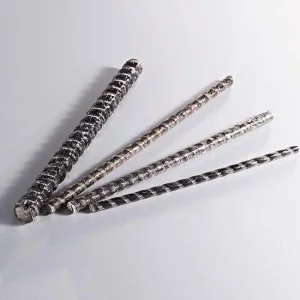
China Beihai, founded in 2015 and located in Jiujiang, Jiangxi Province, represents the pinnacle of Chinese basalt fiber manufacturing. As a leading high-tech enterprise, we integrate the entire value chain—from basalt mining and continuous fiber drawing to the fabrication of specialized mats and rebars.
The efficiency of the Chinese supply chain provides global clients with several key advantages:




In North America and Europe, stringent fire safety regulations (like ASTM E84 or EN 13501) make basalt thin mats the preferred choice for public transport interiors and high-rise building insulation. In the Middle East, the alkali resistance of basalt is critical for reinforcing concrete structures in highly saline desert soils.
Blending basalt with carbon fiber for cost-effective conductivity.
Transitioning to 100% bio-based resins for zero-VOC emissions.
Real-time laser monitoring for mat thickness uniformity at 0.01mm precision.
Full-cycle recycling programs for basalt composite end-of-life products.
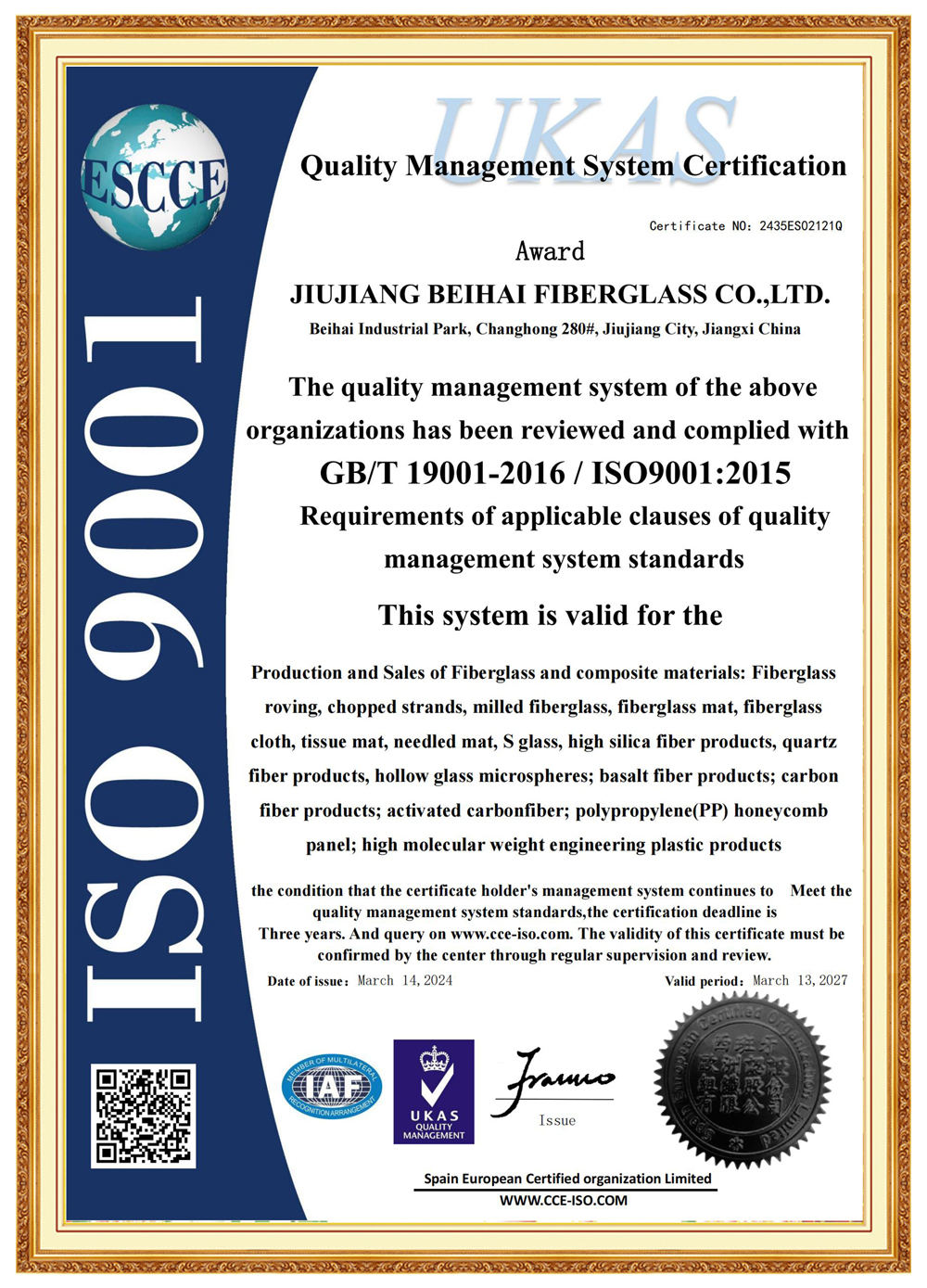
Navigating global standards is central to our export strategy. We ensure all custom basalt fiber thin mats comply with international certifications, including ISO 9001, REACH, and RoHS. For our clients in the EU and USA, we provide full technical data sheets (TDS) and Material Safety Data Sheets (MSDS) to facilitate seamless customs clearance and local regulatory compliance.
 Beihai Fiberglass