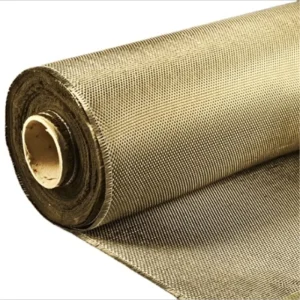
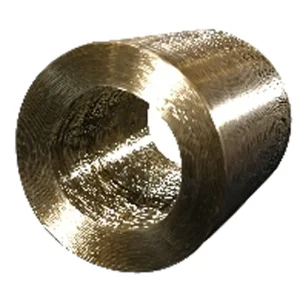
Discover our primary range of continuous basalt fiber products, engineered for structural reinforcement and premium thermal stability.
As industries operate in higher temperature zones under stringent regulatory protocols, the transition from synthetic polymers and hazardous ceramic fibers to volcanic-based silicate materials is accelerating.
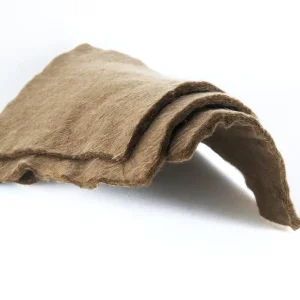
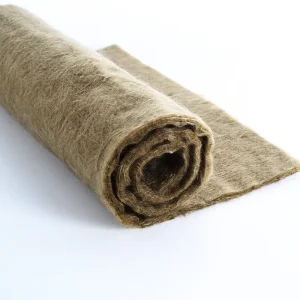
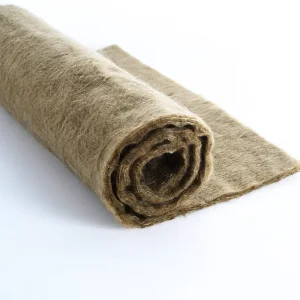
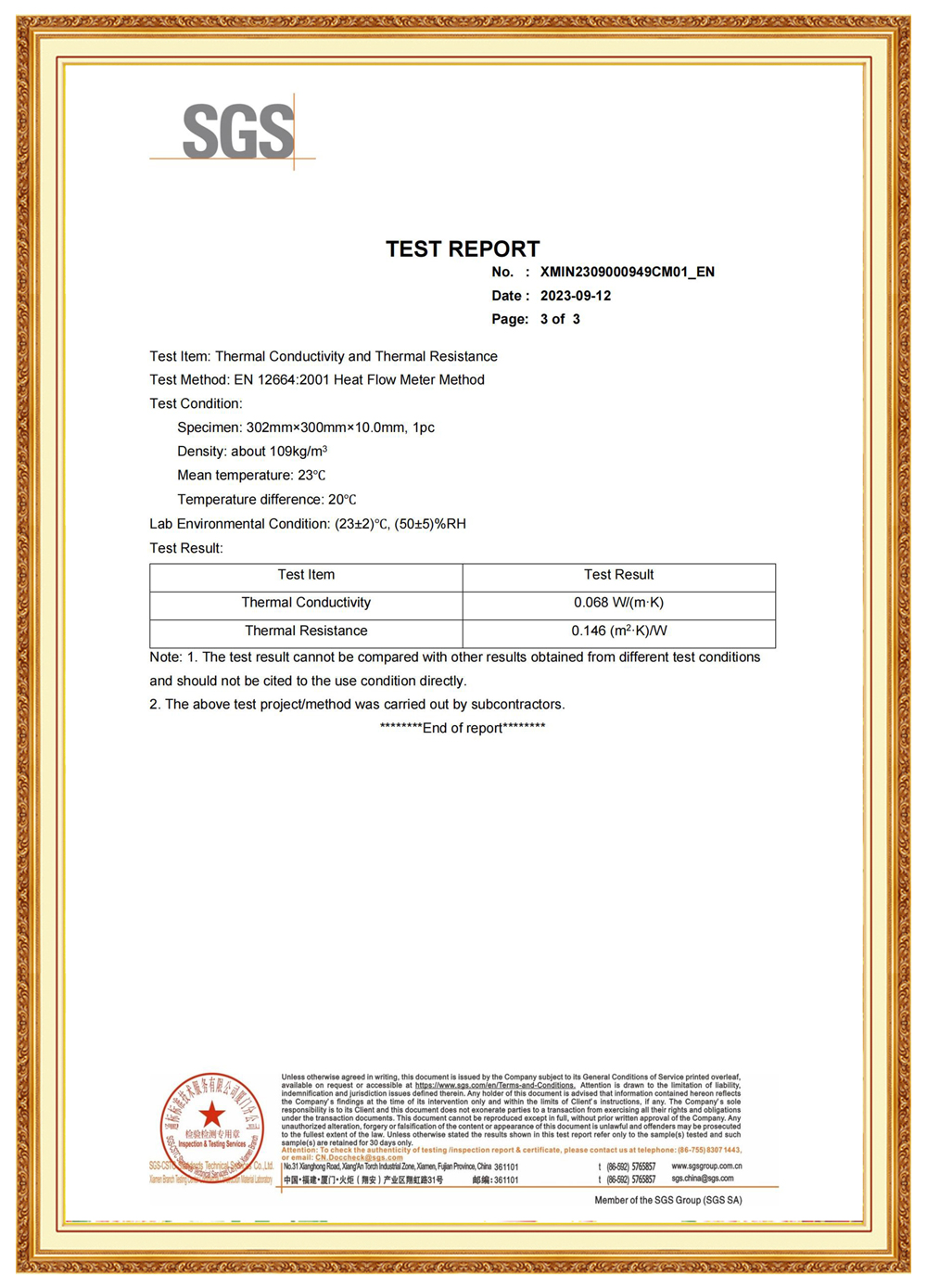
Basalt Needle Felt Fabric represents the apex of inorganic material science. Derived from extruded pure basalt rock through advanced high-temperature melt-spinning, these textiles offer unmatched chemical inertness, high dielectric strength, and long-term operating limits up to 820°C. By avoiding chemical resins, the mechanical interlocking realized during the needle-punching process guarantees zero outgassing, ensuring absolute process safety across aerospace, refining, and clean-room environments.
*Comparative metrics verified through extensive ASTM testing. Basalt continuous fiber yields significant improvements in structural tensile strength and basic durability compared to standard fiberglass composites.
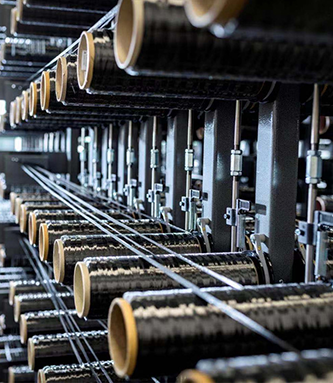
Founded in 2015 and headquartered in Jiujiang, Jiangxi Province, China Beihai is a recognized high-tech enterprise dedicated to research, manufacturing, and international distribution.
We lead the domestic basalt fiber industry through comprehensive control over both specialized high-precision manufacturing equipment and the final end-user composites. Operating modern melting basins and customized spinning systems, we assure batch-to-batch consistency and mechanical properties that outperform conventional inorganic materials. By bridging raw materials extraction and state-of-the-art textile manufacturing, China Beihai acts as an integrated global partner for heavy infrastructure, energy sectors, and aerospace supply lines.
As governments implement decarbonization policies and restrict mineral dust exposure in manufacturing plants, basalt fiber has emerged as the premier green material.
Unlike ceramic or crystalline fibers, basalt continuous filament has a diameter larger than 9 microns, making it non-respirable according to WHO standards, minimizing workplace liabilities.
Basalt fabric production is a single-component thermal process. It requires no addition of chemical binders, significantly reducing carbon emissions during manufacturing.
Excellent performance against highly aggressive chemical exposure, presenting high durability and zero alkaline decay when buried in marine or concrete environments.
Basalt needle felt is created through mechanical entanglement. Extruded continuous fibers with diameters ranging between 9µm and 15µm are laid onto high-precision distribution belts and subjected to high-density barb-needle penetrations.
This pure mechanical compaction forms a complex 3D fiber skeleton, providing high compression recovery, dense micro-porosity, and thermal trapping capacities. The absence of organic sizing agents prevents outgassing or chemical degradation when subjected to direct thermal exposure, making it an excellent choice for insulation. We supply customized densities from 100kg/m³ to 220kg/m³ and standard thicknesses between 3mm and 25mm.
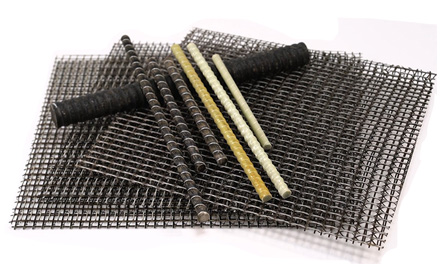
Our engineering capabilities allow us to meet specific requirements for industrial composites, delivering quality, innovation, and long-term durability.

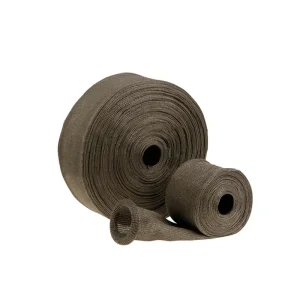
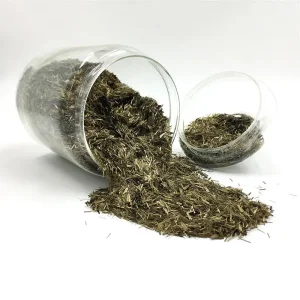
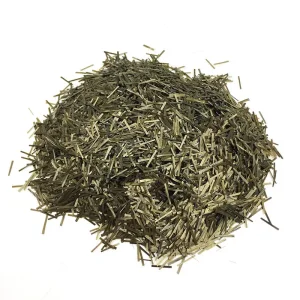
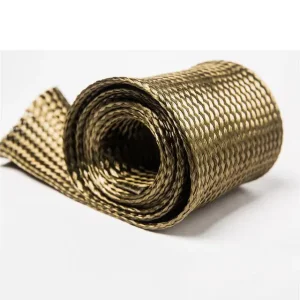
At China Beihai group, we specialize in the production of a wide range of products including basalt fiber mat (Basalt fiber chopped strand mat, Basalt fiber cloth), basalt fiber roving, basalt fiber yarn, basalt fiber chopped strands, and basalt fiber products (Basalt Fiber rebar, basalt fiber sleeves and tape). Our products are designed to meet the diverse needs of various industries, providing high-quality solutions for our customers.

At China Beihai group, we are dedicated to the production of a wide array of basalt-based products, ranging from basalt fiber mat, fabric, and roving to chopped strand and specialized construction materials. Our focus is on delivering high-quality, sustainable solutions for industries such as construction, geotechnical engineering, and manufacturing. With a commitment to innovation and excellence, we strive to cater to the unique requirements of our clients.

Choosing to work with China Beihai means working with a leading manufacturer of basalt products. Our commitment to quality, innovation and sustainability sets us apart, ensuring our customers receive best-in-class solutions for their diverse needs. Reliability and customer satisfaction, we offer a wide range of high-quality basalt materials and construction products, backed by our dedication to excellence and industry expertise.
Basalt fiber is ideal for your engineering projects. Its high strength, corrosion resistance and lightweight properties allow it to easily solve a variety of challenges.
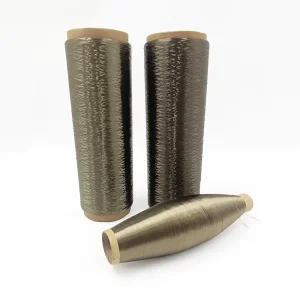
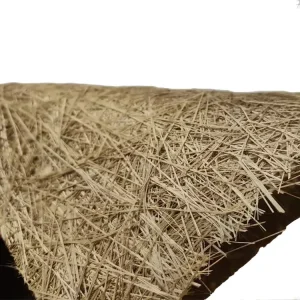
Continuous basalt fiber roving forms the core element of complex filament winding, structural pultrusion, and customized weave creation. Utilizing advanced surface coupling agents, our roving achieves outstanding compatibility with epoxy, vinyl ester, and polyurethane resin matrices, dramatically improving interlaminar shear strength and overall impact tolerance.
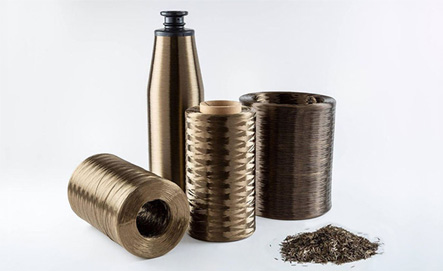
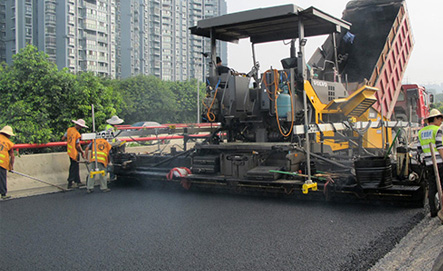
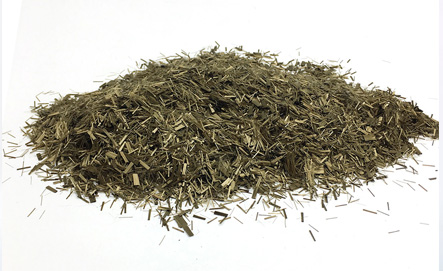
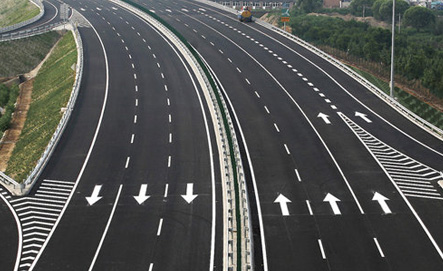
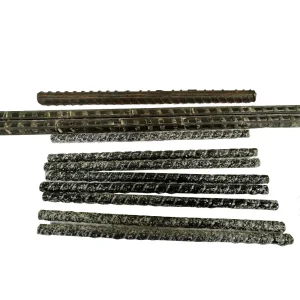
Basalt Fiber Rebar for Reinforcement in Concrete Construction: Basalt fiber rebar is a high-strength, lightweight alternative to traditional steel bars and is used in a wide range of applications for reinforcing concrete structures. Its excellent performance, characterized by zero rust and high tensile load capacity, makes it ideal for a variety of construction applications such as bridges, highways, buildings and other infrastructure projects.
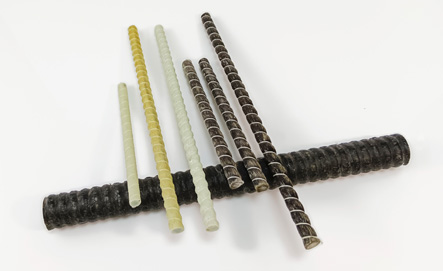
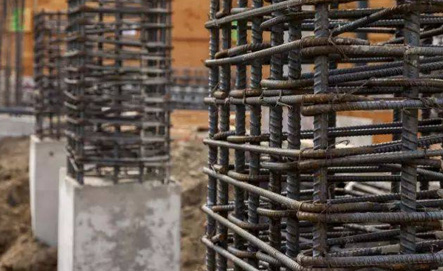
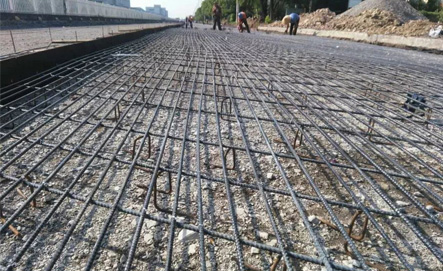
High-demand engineered solutions designed for specialized thermal containment, vibration damping, and mechanical reinforcement.
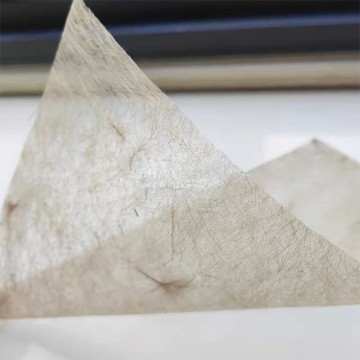
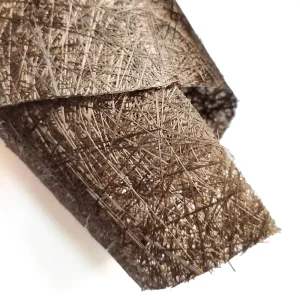
Non-woven surfacing tissue engineered to provide a smooth, resin-rich outer layer for chemical-resistant FRP laminates and industrial surfacing applications.
Read More →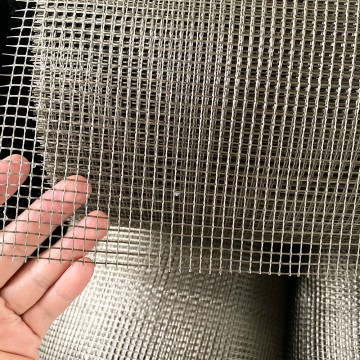
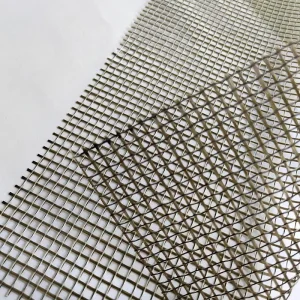
Designed for severe reinforcement in plaster and concrete structures, offering reliable crack mitigation and structural stability under high pH conditions.
Read More →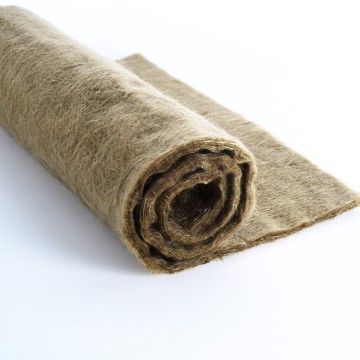
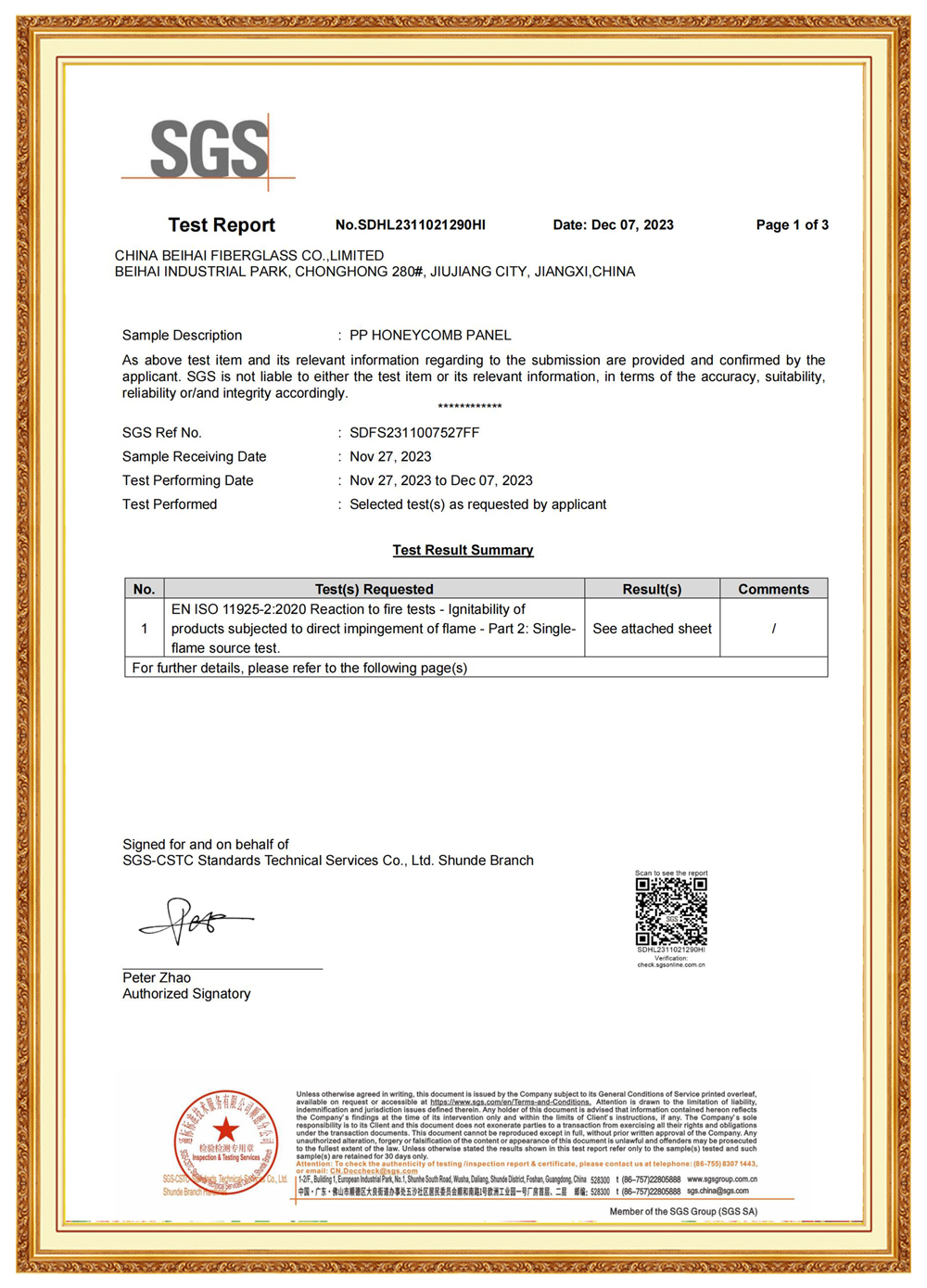
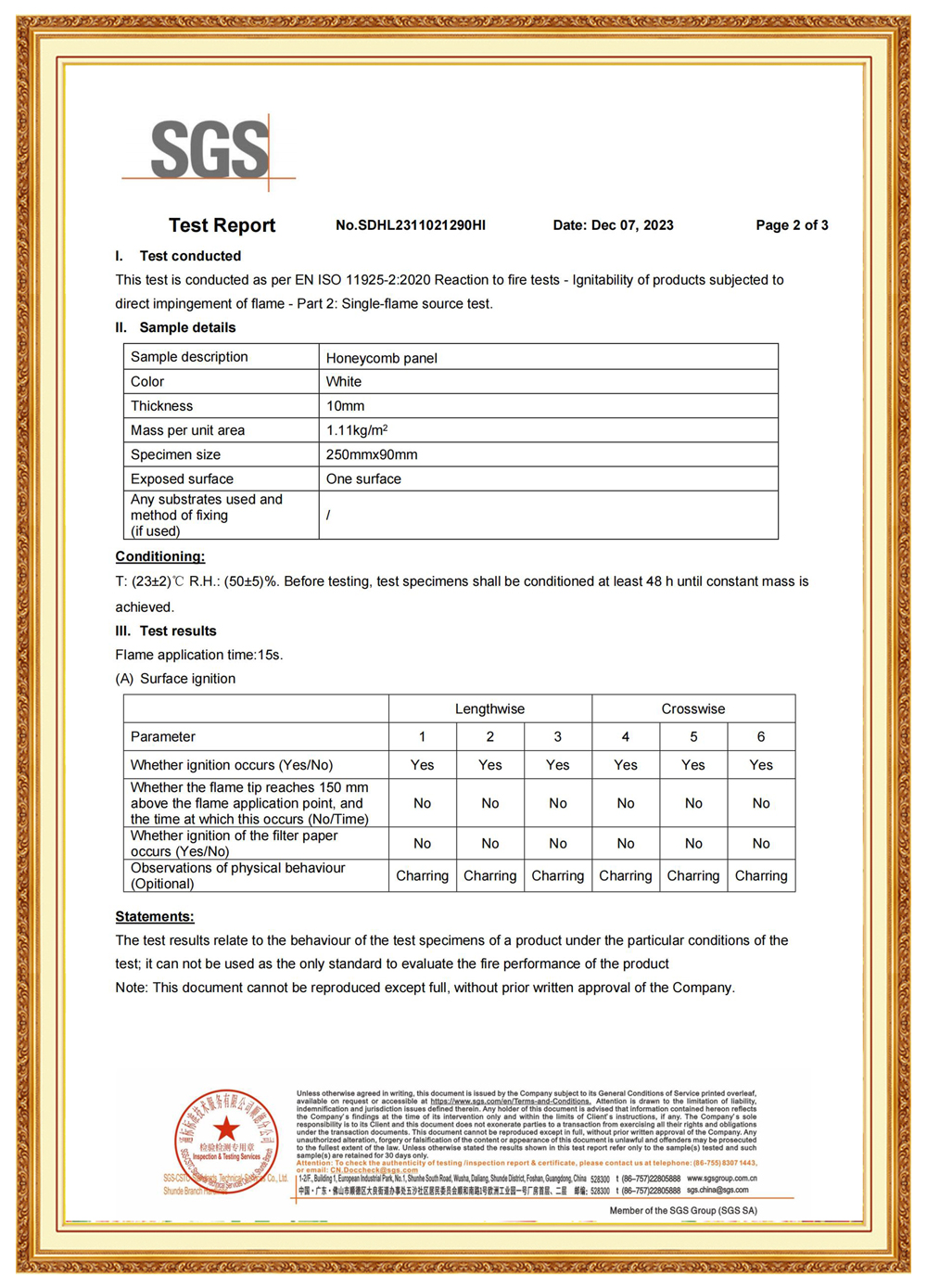
Inorganic thermal insulation mat constructed by mechanical needling process, guaranteeing high fire-retardance and minimal thermal shrinkage.
Read More →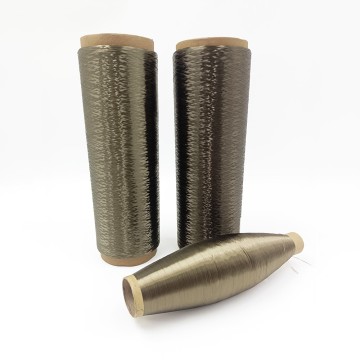
Engineered by twisting continuous filaments to enhance physical sewing parameters and structural processing stability in high-temperature fabrics.
Read More →Our basalt solutions are integrated into key industrial and engineering domains, optimizing performance and extending service life.

Diverse structural reinforcement, offering non-corrosive concrete solutions for commercial and residential developments.

Optimizing acoustic cabins, lightweight composite panels, and critical structural support components in high-precision aviation.

Integrating volcanic thermal barrier protections, thruster shielding components, and protective dynamic composite surfaces.

Dramatically improving chemical limits, load resistance, and preventing internal crack progression under freeze-thaw cycles.

Delivering high-durability thermal insulation, under-hood shields, brake pad reinforcement, and low-weight structural composites.

Shielding structural concrete and abutments against continuous salt splash zones, severe boat impacts, and seismic degradation.

Providing corrosion-proof linings for fluid pipelines, high-temperature thermal seals, and safety refinery blankets.

Delivering absolute moisture inertness, bio-fouling resistance, and structural framing solutions for marine vessels and offshore systems.
Our technical committee has charted key performance milestones to guide the future of basalt needle felt fabrics:
Basalt continuous fiber composite behaves as a zero-hazardous element under extreme mechanical stresses, reducing industrial safety footprints.
Explore additional specialized components designed for infrastructure reinforcement, electrical isolation, and marine protection.
Addressing essential technical and engineering inquiries from composite developers and procurement officers.
A: Basalt needle felt offers a superior operating threshold (~820°C) compared to standard E-glass (~600°C), while avoiding the occupational health risks associated with respirable ceramic fibers. Basalt maintains better mechanical integrity and exhibits lower acidic/alkaline decay when subjected to chemical exposure. Additionally, it features excellent vibration damping and acoustic insulation coefficients compared to glass fiber.
A: No, our standard basalt needle felt is compacted pure volcanic fiber. We achieve mechanical stability entirely through high-density barbed needle punching. This ensures the felt is completely non-combustible and will not outgas, emit toxic compounds, or lose thickness due to binder burn-off at high temperatures.
A: We configure structural density from 100 kg/m³ to 220 kg/m³ and standard thickness from 3mm to 25mm. We can also integrate high-performance surface modifications, including aluminum foil lamination, silicone coatings, and specialized structural glass scrim layers, depending on the dynamic mechanical requirements of your project.
A: Traditional steel rebar suffers from oxidation (rust) when exposed to chlorides, leading to internal concrete cracking and structural failure. BFRP rebar is naturally corrosion-proof, has a tensile strength four times greater than steel, and is only a quarter of the weight. This makes it an ideal alternative for bridge deck construction, marine seawalls, and chemical containment structures.
A: Yes, basalt fibers maintain excellent mechanical properties and flexibility at sub-zero and cryogenic temperatures (down to -260°C). This allows them to serve as thermal insulation for liquid gas piping, aerospace fuel systems, and marine liquefied gas tankers.
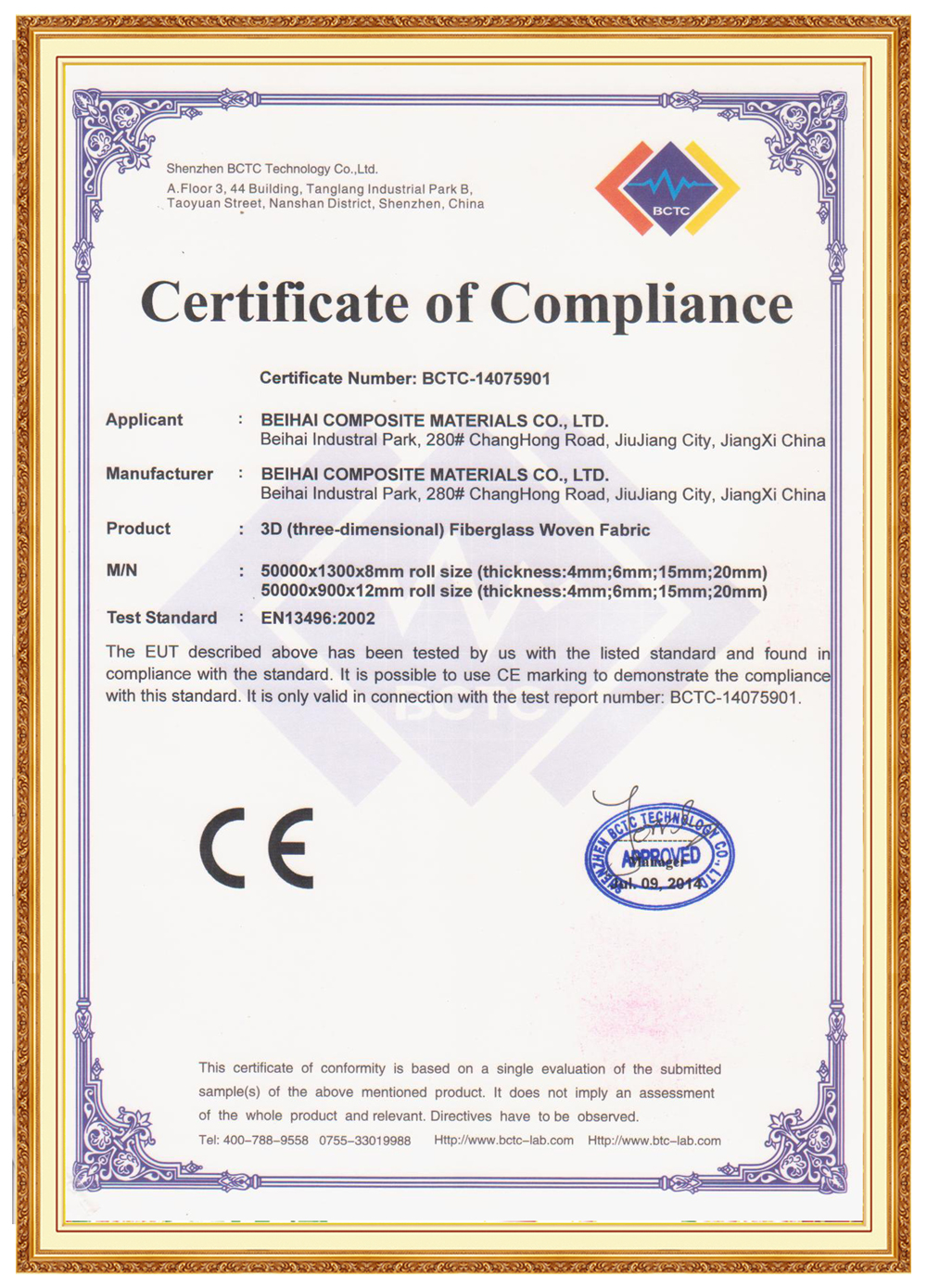
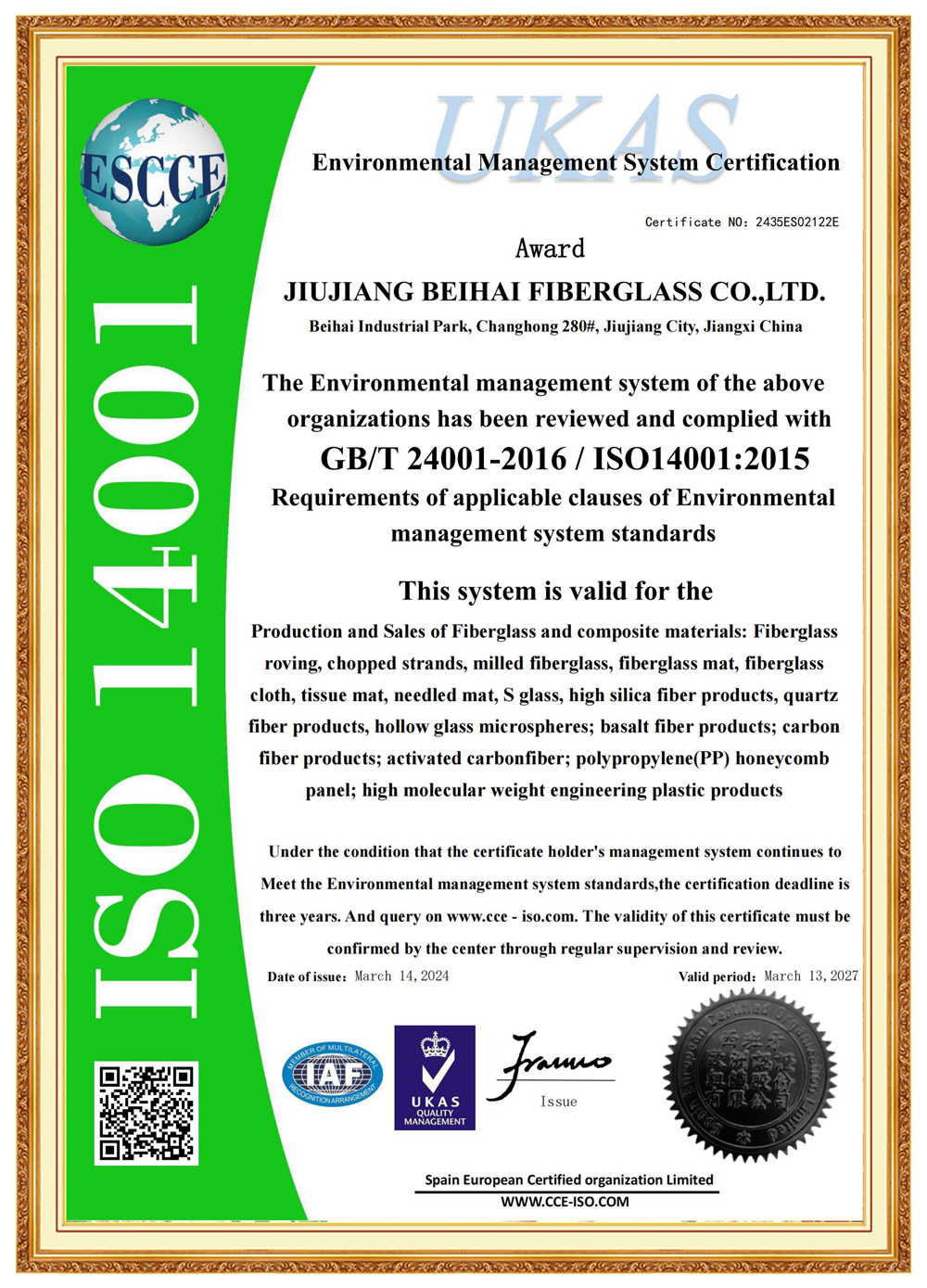
Our manufacturing plants operate under strict ISO, CE, and ASTM manufacturing guidelines to ensure consistent high-quality outputs.

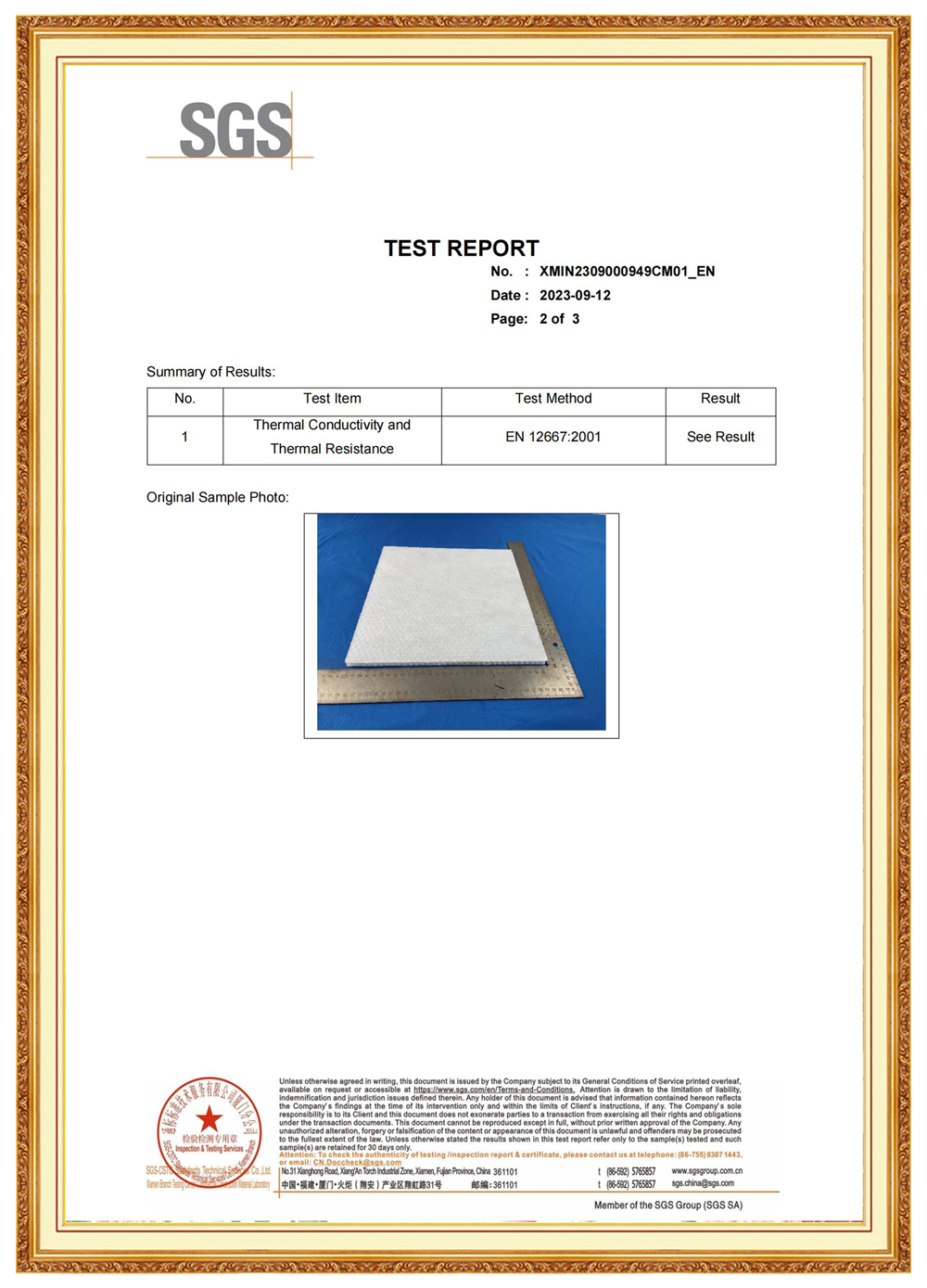
Keep informed with technological breakthroughs, market shifts, and innovative structural applications in basalt textiles.
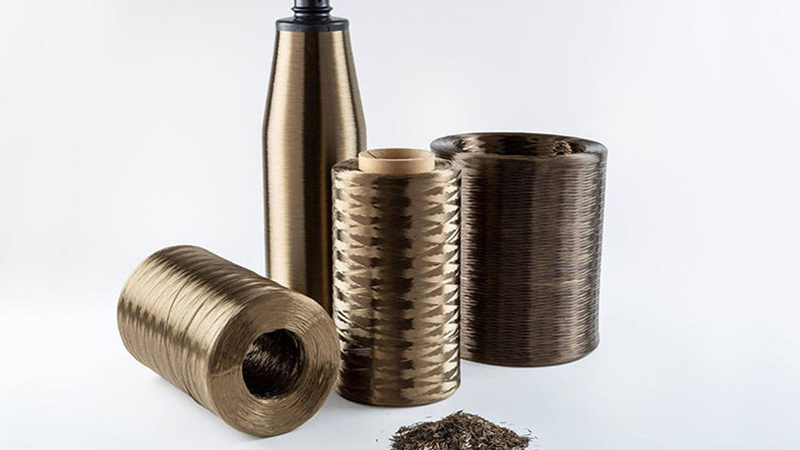
As drones slice through the sky to monitor wildfires, and intelligent robots execute repetitive tasks with precision on the factory floor, the efficient operation of this smart equipment is often underpinned by a "hardcore support". Our continuous basalt fiber components protect sensitive electronics against thermal spikes and electromagnetic interference, securing high-performance output across diverse mechanical applications.
 Beihai Fiberglass