Engineered from premium volcanic rocks utilizing advanced continuous melt drawing techniques for structural and high-temperature integrity.
Continuous Basalt Fiber (CBF) is emerging as a critical foundation for modern industrial engineering materials. Extruded directly from melt-liquefied volcanic basalt rock at temperatures exceeding 1450°C, this high-performance inorganic mineral fiber possesses an ecological foot-print far superior to traditional synthetic composite matrices. Unlike glass fibers, which require complex mixtures of raw chemical materials, basalt fiber relies entirely on a single-ingredient production route, preserving the natural physical-chemical properties of the parent rock.
From an structural standpoint, Basalt Rock Fiber presents an unparalleled combination of tensile elasticity, chemical inertia, and temperature resistance. It bridges the performance-cost gap that has historically divided standard E-Glass and high-performance carbon fiber. Consequently, civil engineering, transport infrastructure, chemical storage plants, and marine structures are increasingly utilizing customized basalt-based formulations to mitigate corrosion and prolong service lifespans.
One of the most notable features of Basalt Rock Fiber is its high strength-to-weight ratio. CBF exhibits a tensile strength that is roughly 2.5 times higher than that of structural steel, yet weighs only a fraction of the mass. Furthermore, its inherent immunity to alkaline environment attacks makes it a premier reinforcement choice for concrete construction. Traditional glass fibers degrade quickly in the highly alkaline environment of hydrated concrete (pH 12-13.5). Basalt fiber, specifically treated with high-grade silane sizing, resists alkaline attack, maintaining mechanical performance over decades.
Est. 2015 | Jiujiang, Jiangxi, China
Founded in 2015 in Jiujiang, Jiangxi Province, China Beihai has grown into a leading high-tech enterprise dedicated to the research, optimization, production, and distribution of high-performance continuous basalt fiber and associated industrial production machinery. By integrating advanced raw material processing with custom chemical sizing engineering, we provide comprehensive industrial solutions to global enterprises seeking reliable composite products.
Our operation controls the complete production loop—from selective quarry sourcing of raw volcanic basalt stones to automated platinum-rhodium alloy bushing furnace extrusion, and secondary weaving and rebar processing. Our supply chain configuration guarantees strict compliance, steady batch performance, and significant scale economies for construction, marine engineering, and automotive sectors.
Providing top-tier volcanic composites to fulfill high-volume custom production requests globally.

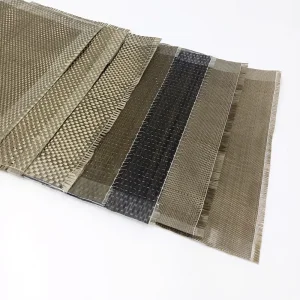
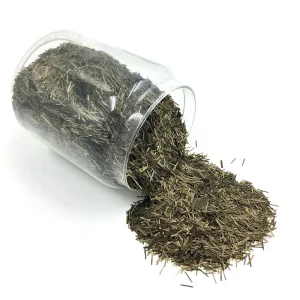
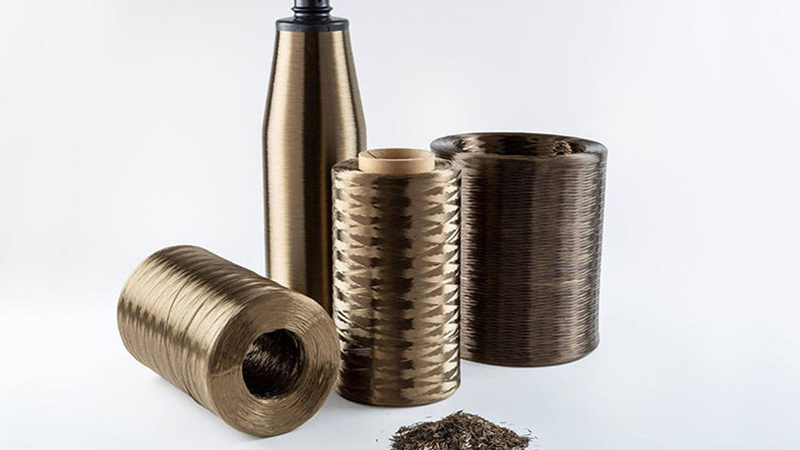
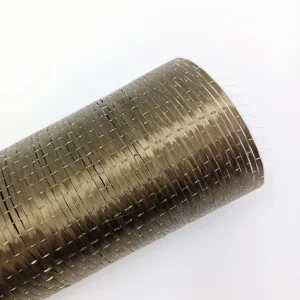
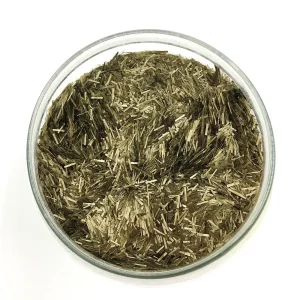
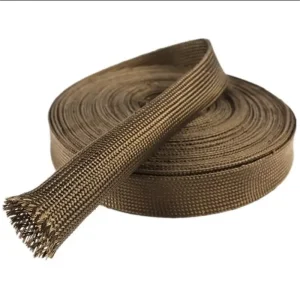
We specialize in the manufacture and supply of basalt fiber mat (chopped strand mat, cloth), basalt fiber roving, basalt fiber yarn, basalt fiber chopped strands, and specialized reinforcement products including basalt fiber rebar, basalt sleeves, and tapes. All items support custom dimensional specifications.

By utilizing precise thermostatic furnace controls, we process select basalt rock into uniform filaments. Our downstream operations convert these materials into highly functional formats for geotechnical reinforcements, high-temp thermal protection shields, and anti-corrosive concrete additives.

Choosing China Beihai ensures a direct line to a leading domestic manufacturer. Our integration of vertical supply chain, advanced R&D facilities, strict international quality checks, and responsive commercial support guarantees reliable performance for your demanding engineering builds.
How global procurement managers and structural engineers put basalt composites to work.

Our basalt textiles, meshes, and insulating needle mats are utilized across residential and commercial building developments to optimize load paths, improve fire resistance limits, and reinforce dry-wall cladding boards.

In high-velocity aeronautical designs, custom continuous basalt fibers are integrated into interior cabin insulation panels, structural composite wall liners, and non-structural engine ducting systems to cut weight and suppress noise.

Engineered to withstand thermo-oxidative stress. Used for aerospace shell wraps, rocket engine shield linings, and thermal protection insulation matrices designed to preserve electronics during high-friction flight phases.

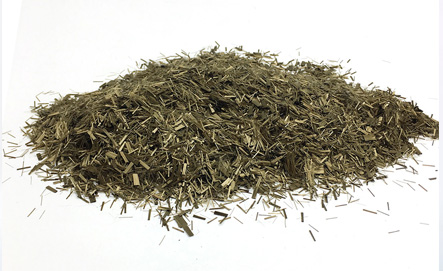
By blending chopped basalt strands or installing basalt rebar grids, engineers improve concrete crack control, resist shrinkage cracks, and prevent internal corrosion without requiring thick cover layers.

Facilitating the transition to lightweight vehicle architectures. Used in muffler thermal insulation wraps, brake pads, and interior composite structural panels to reduce overall weight while enhancing impact safety.

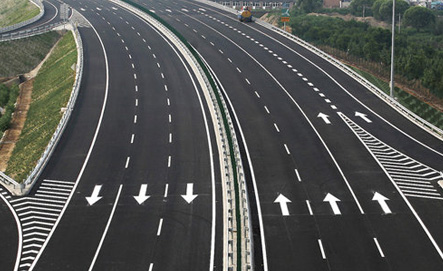
Protecting critical bridge piers from water immersion, chemical runoffs, and minor vehicle impact stresses. Provides long-term mechanical wrap support with zero electrochemical oxidation hazards.

Excellent resistance to acids, salts, and high-temp hydrocarbons. Widely chosen for wrapping underground petrochemical transfer pipes, storage tanks, and industrial chemical process piping.

Resistant to high salinity, splash-zone exposure, and constant sea moisture. Replaces heavy metal elements in vessel hull reinforcements, offshore platform handrails, and marine seawall anchors.
Our highly requested product lines manufactured to precise structural standards.
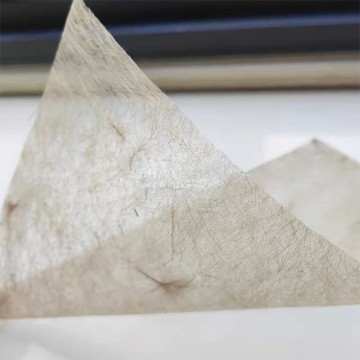
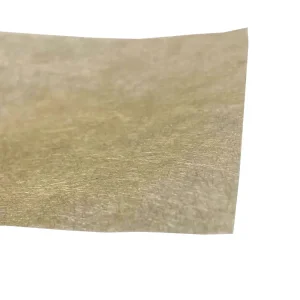
Thin, non-woven protective sheet designed to provide a smooth, resin-rich outer layer for chemical storage tanks and pipelines.
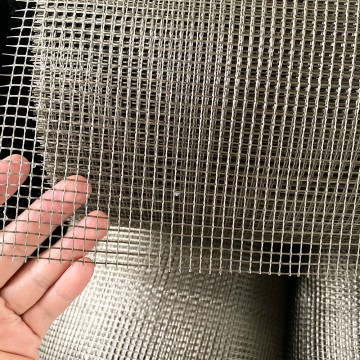
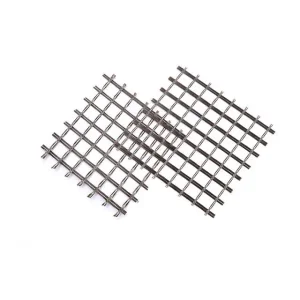
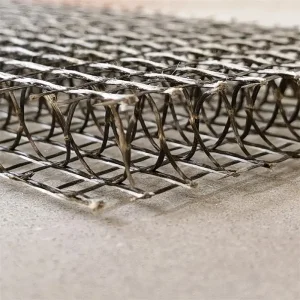
High-tension plaster and concrete reinforcing grids preventing long-term structural deformation and surface micro-cracking.
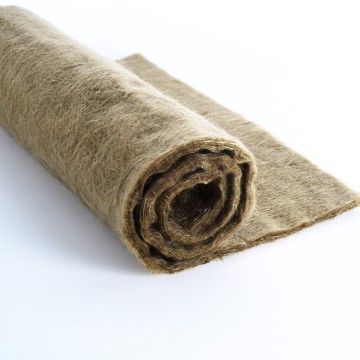
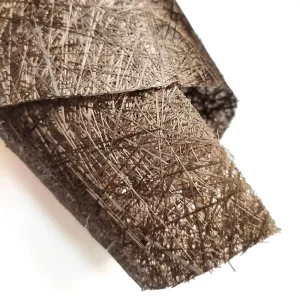
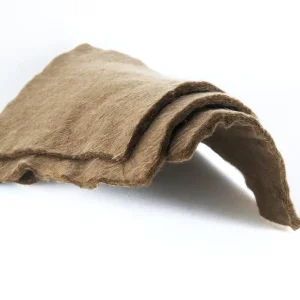
Dense mineral mechanical felt structure for fire shielding, furnace padding, and high-efficiency thermal acoustic barriers.
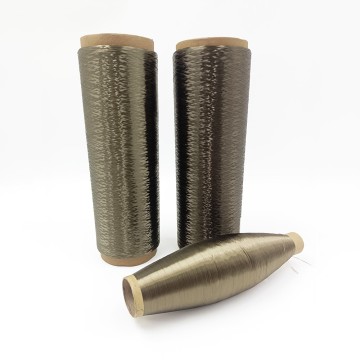
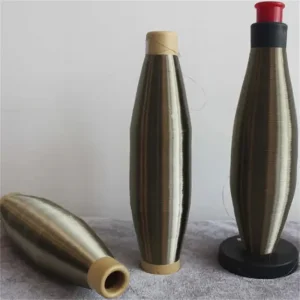
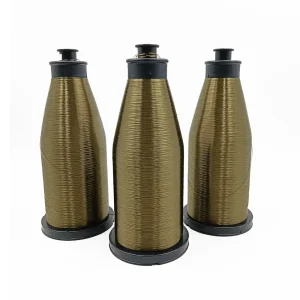
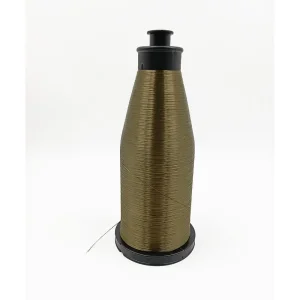
Precision-twisted raw multi-filaments optimized for structural braiding, high-temp protective sleeves, and cable core isolation.
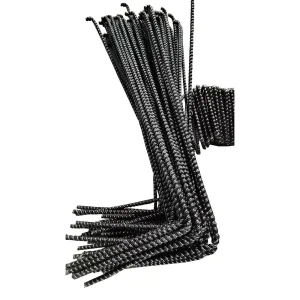
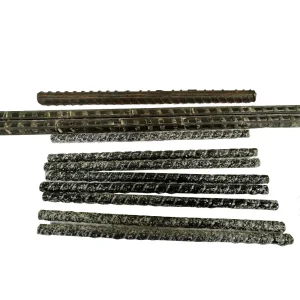
Traditional structural design relies on steel reinforcement, which is susceptible to degradation in coastal and marine environments due to salt air and humidity. Basalt Fiber Reinforced Polymer (BFRP) rebar offers a corrosion-free alternative. Possessing a design tensile capacity far exceeding standard steel and an elastic modulus that helps control cracking, BFRP rebar is a durable solution for concrete structures.
BFRP rebar is 4 times lighter than steel, significantly reducing logistics and handling costs. Its non-conductive and non-magnetic properties make it suitable for projects involving MRI rooms, high-voltage substations, and sensitive electronic arrays where magnetic interference must be avoided.
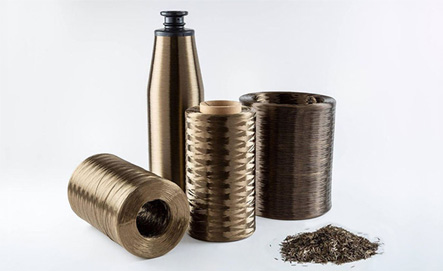
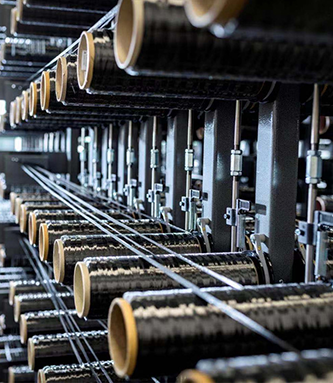
Continuous Filament Extrusion
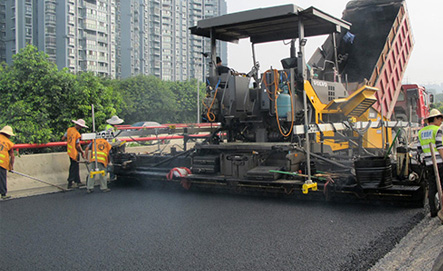
Composite Rebar Threading
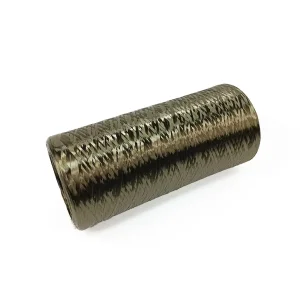
Direct Spooling System
Weft Insertion Weaving
All manufacturing lines operate under ISO 9001:2015 frameworks to maintain consistent mechanical performance across production batches.
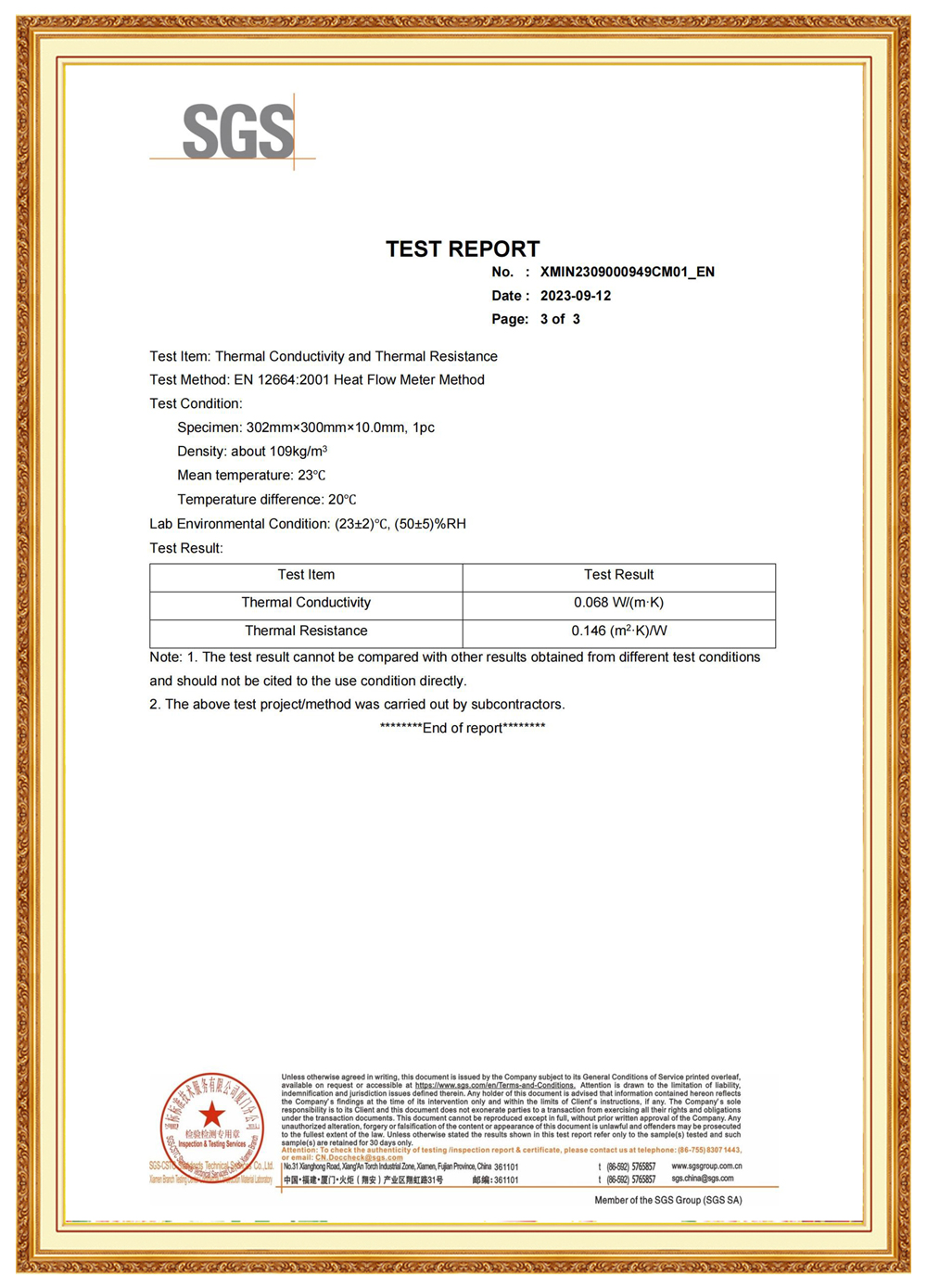
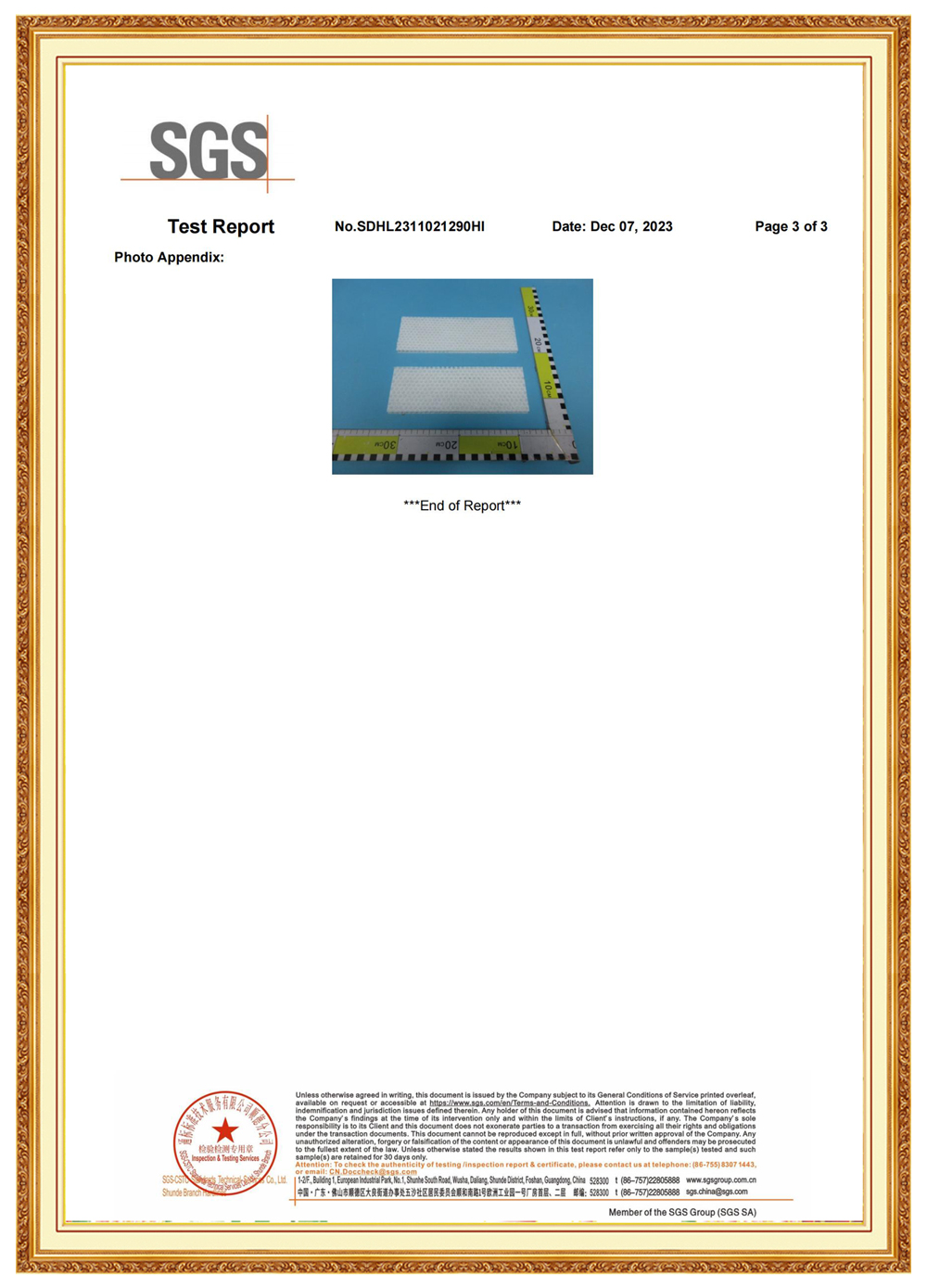
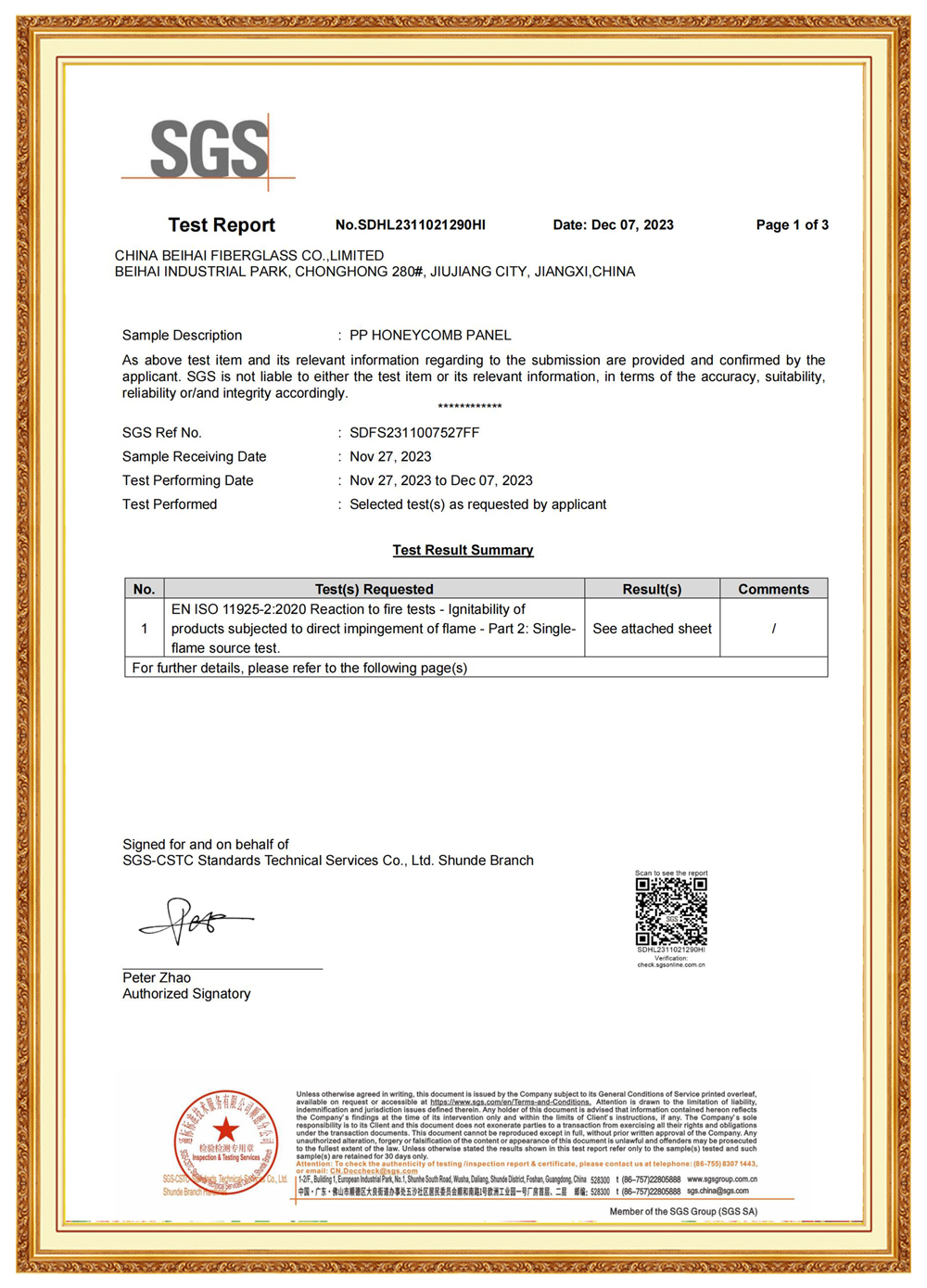
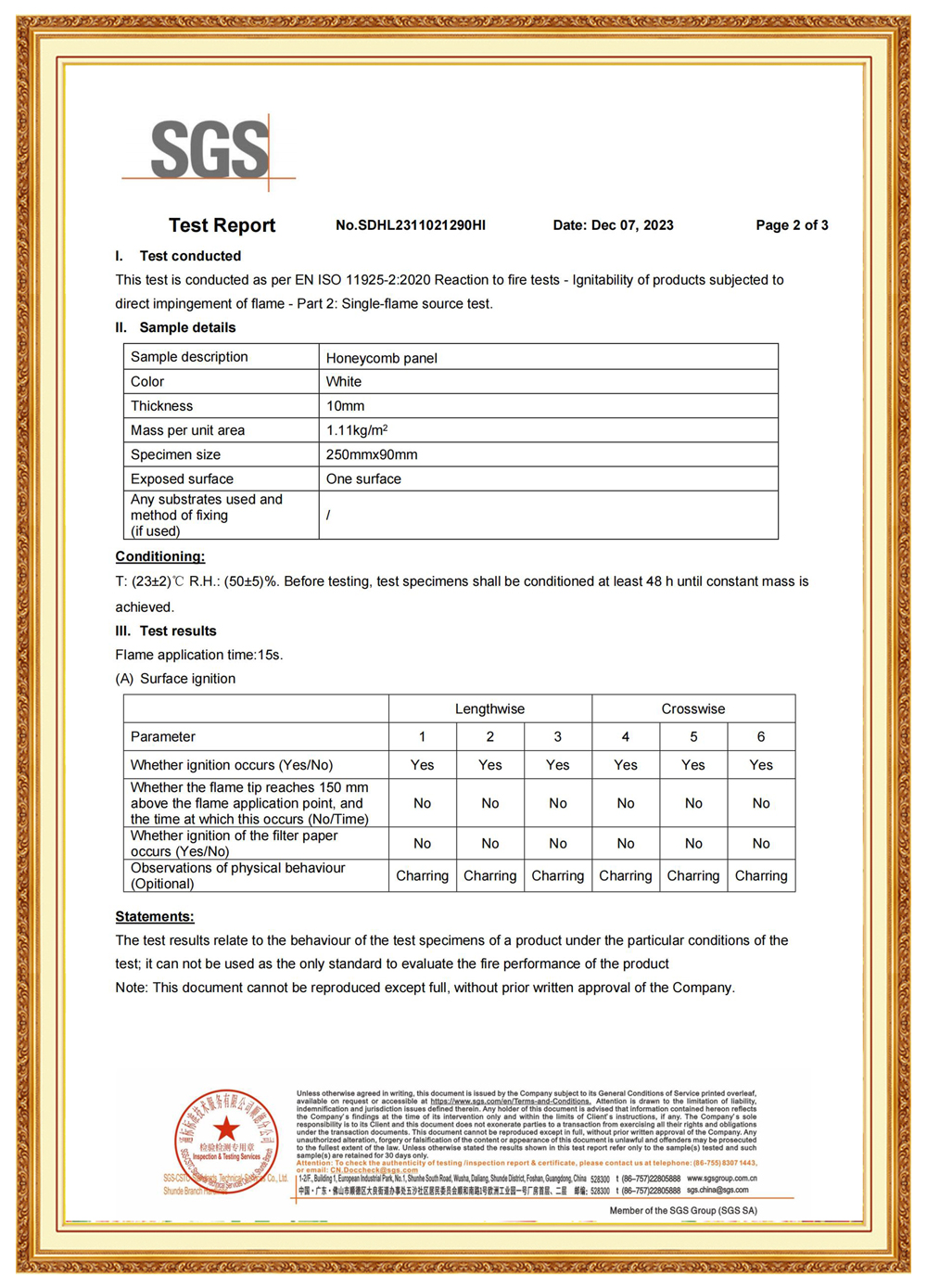
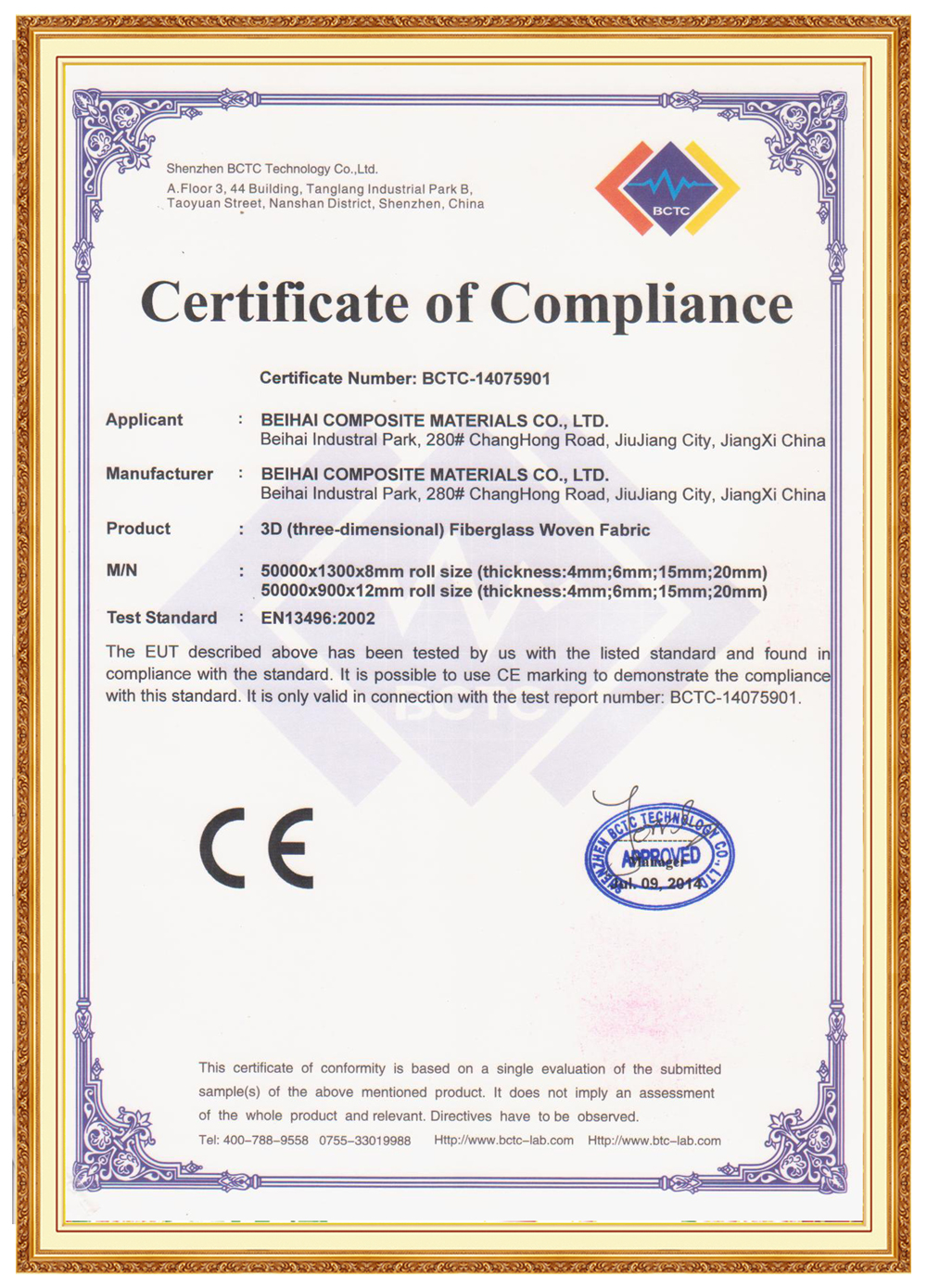
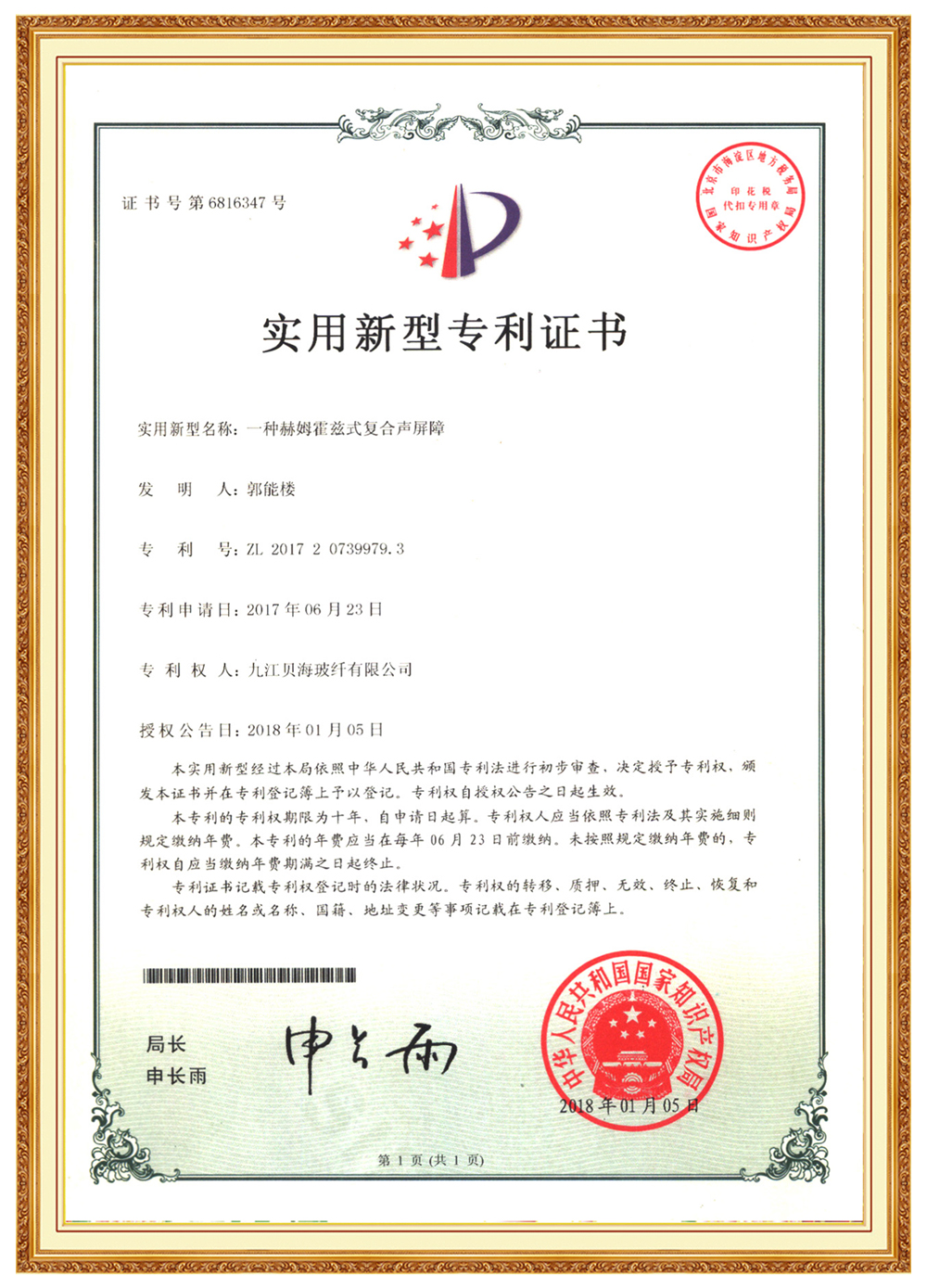
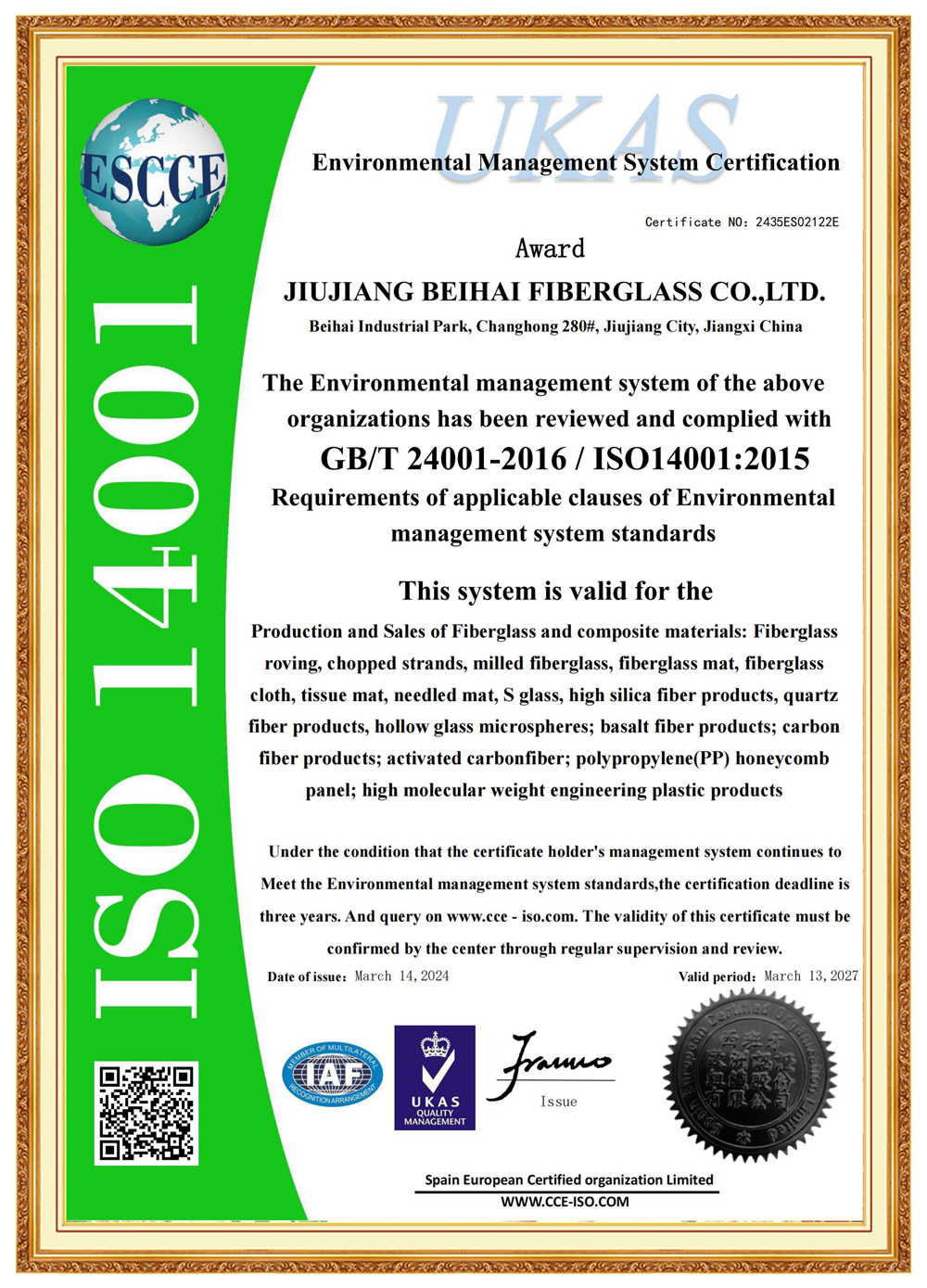

For global procurement directors, procurement optimization relies on quality consistency, cost-effectiveness, and logistical reliability. The basalt composite industry in China, particularly at our Jiujiang manufacturing base in Jiangxi Province, offers direct access to key logistical networks and abundant mineral resources. Our facility manages the entire production cycle, from raw rock sorting to continuous chemical sizing, which minimizes quality variations between batches.
By operating multi-ton continuous furnaces, we optimize energy usage and reduce conversion costs compared to batch-based methods. This structural advantage helps us provide competitive pricing on high-volume custom production requests from global partners.
Every industrial project has unique requirements. A civil engineering project in North America may require compliance with ASTM D7957-17 basalt rebar standards, whereas a marine construction project in Europe may emphasize specific saltwater aging resistance protocols. Our facility offers tailorable chemical sizing systems to optimize compatibility with various resin systems, including epoxy, vinyl ester, polyester, and polyurethane matrices. By modifying sizing formulations, we help our clients achieve stronger interfacial bonding, improving long-term durability in different environments.
Our proximity to deep-water shipping lanes and rail links ensures efficient shipping times for international orders. To prevent moisture absorption during transit, we pack all shipments in vacuum-sealed moisture-proof barrier bags with robust cardboard reinforcement. This protection helps ensure the fiber arrives dry and ready for immediate processing.
Technical and commercial answers to help procurement managers evaluate basalt composite materials.
As engineering requirements emphasize sustainability and durability, continuous basalt fiber is finding applications beyond infrastructure. Research and development teams are focusing on hybrid composites that pair basalt with carbon fiber to balance cost and structural performance for wind energy turbine blades and high-pressure hydrogen storage tanks.
The demand for light, high-strength composites in robotics and advanced logistics is driving interest in alternative materials. Continuous basalt fiber composites offer structural support and thermal resistance, making them a option for structural components in modern robotic systems.
Read the Whitepaper →Discover our specialized insulation, woven fabrics, and structural reinforcing materials.
 Beihai Fiberglass