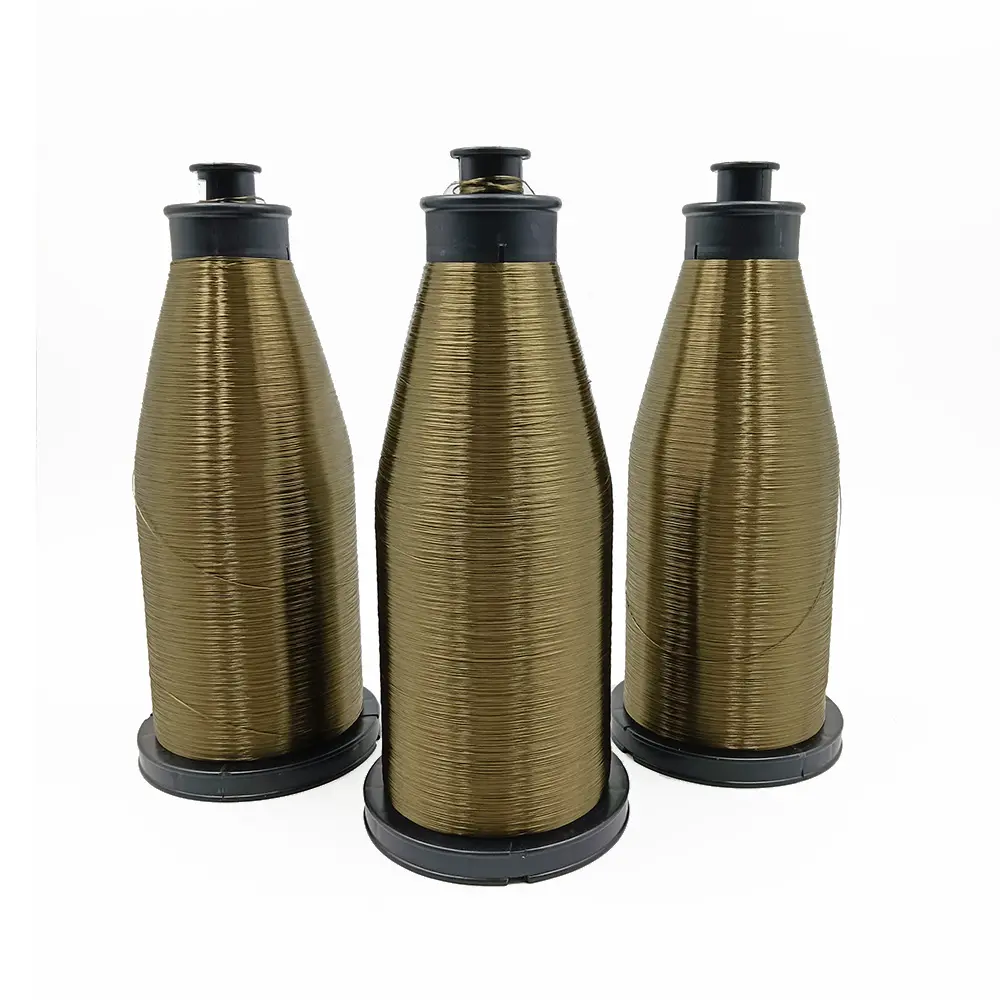
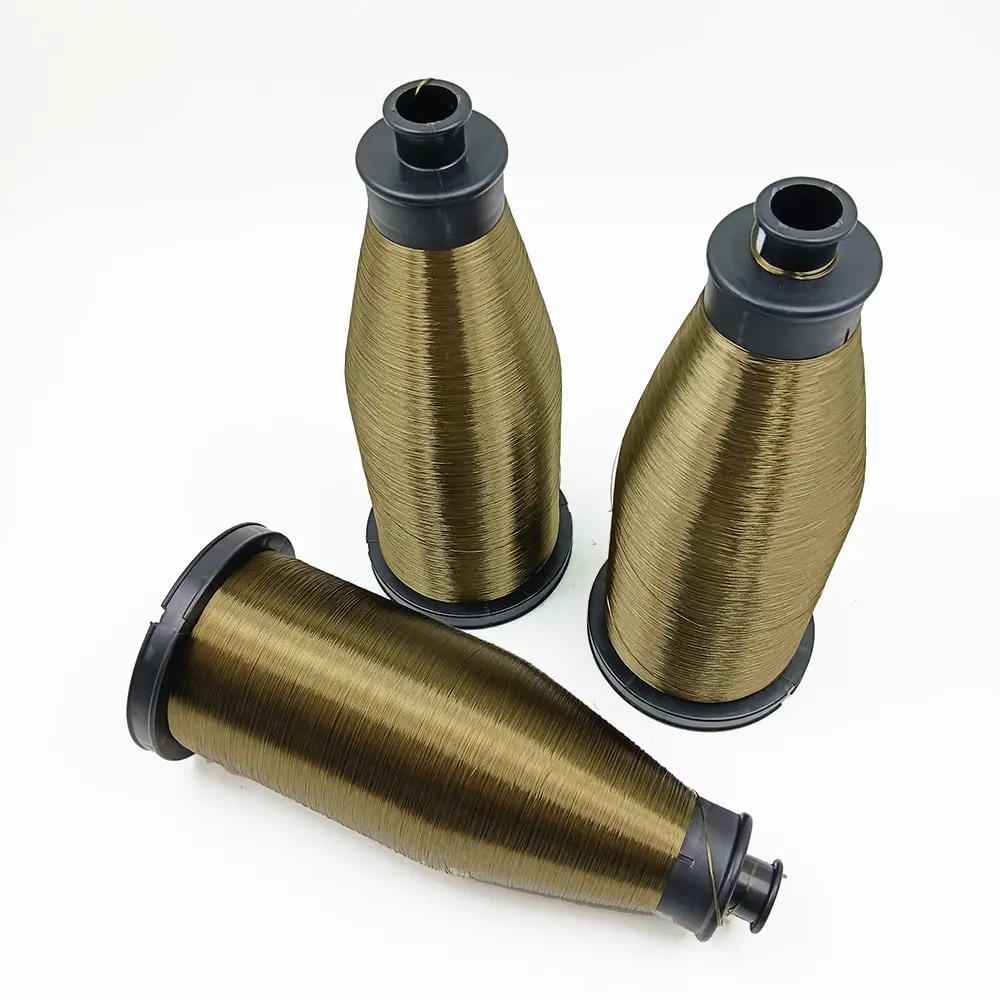
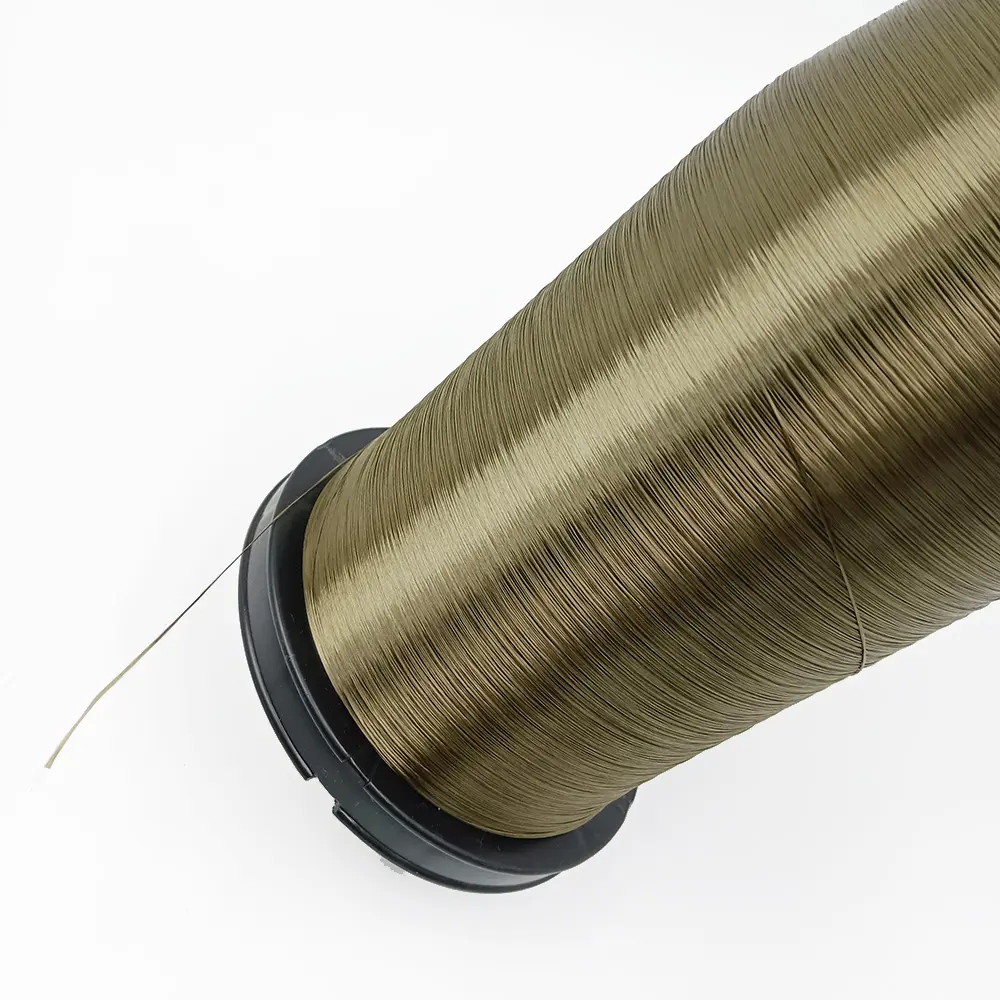
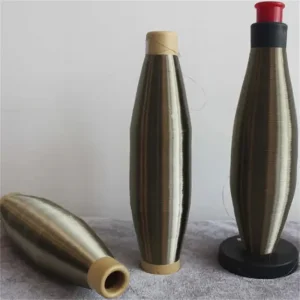
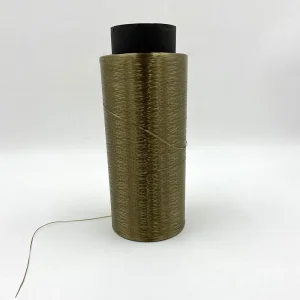
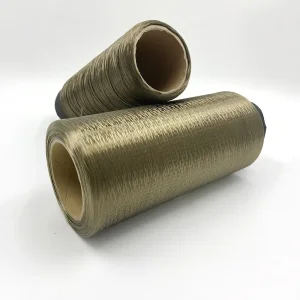
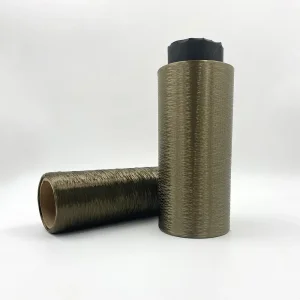
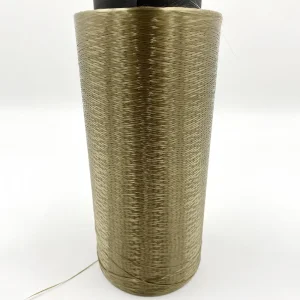
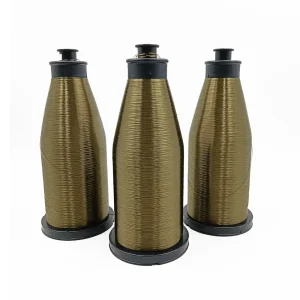
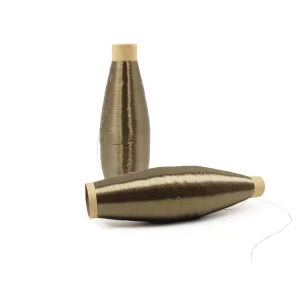
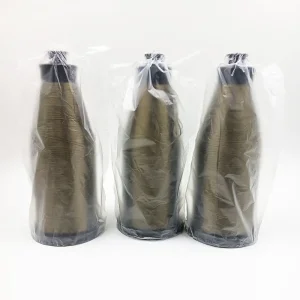
For weaving all kinds of plain, twill, satin and other fabrics; Woven electronic cloth and resin composite as reinforcing materials, etc; Weaving various types of ropes; High temperature textile threads used in the chemical industry field.
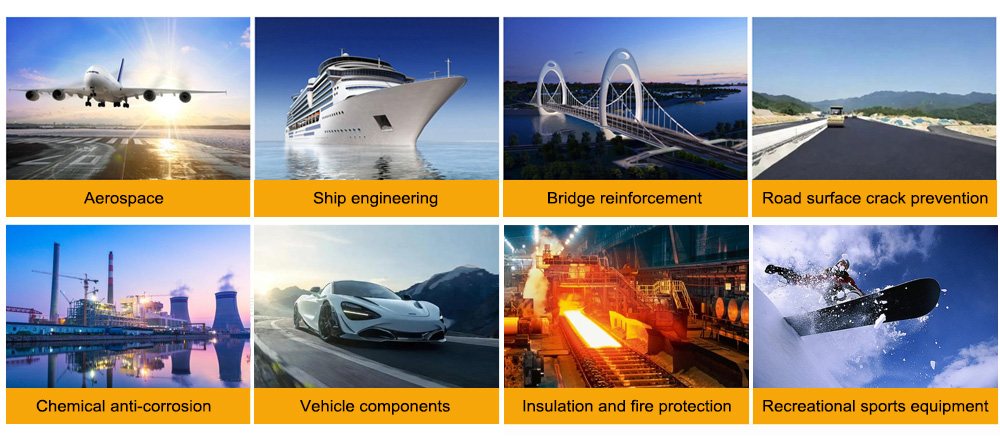
- Construction industry: thermal insulation, sound absorption, sound insulation materials, fire-resistant cloth, reinforcement materials.
- Manufacturing industry: Shipbuilding thermal insulation materials, aircraft, car, train attraction materials, insulation walls, brake pads.
- Electronics industry: Hull insulation wires, models, electroplating plates.
- Petroleum energy: petroleum transportation pipelines.
- Chemical industry: Chemical corrosion-resistant containers.
- Environmental protection industry: basalt filter bags, needle felt, short cut silk, sewing thread.
- Other fields: seismic safety equipment and insulation equipment.
Frequently Asked Questions
What is the temperature resistance of this basalt fiber?
It features exceptional thermal stability, withstanding high temperatures up to 700 ℃ and low temperatures down to -270 ℃.
Is basalt fiber resistant to chemical corrosion?
Yes, the material offers excellent resistance to both acid and alkali corrosion, making it suitable for harsh chemical environments.
What are the main applications in the construction industry?
It is widely used for thermal insulation, sound absorption, fire-resistant fabrics, and as a reinforcement material for structures.
Can this material be used for electronic insulation?
Absolutely. It is used in the electronics industry for hull insulation wires, models, and electroplating plates.
What types of weaving patterns are possible with this fiber?
It is versatile enough for weaving various fabrics including plain, twill, and satin weaves, as well as electronic cloths and ropes.
 Beihai Fiberglass