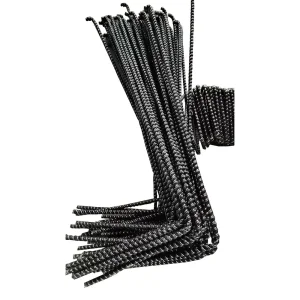
Premium basalt structural derivatives meticulously processed to withstand extreme corrosive environments and elevated mechanical shear loads.
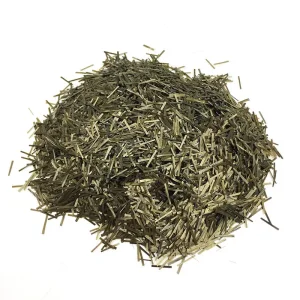
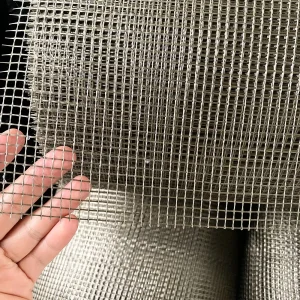
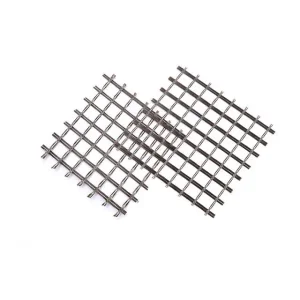
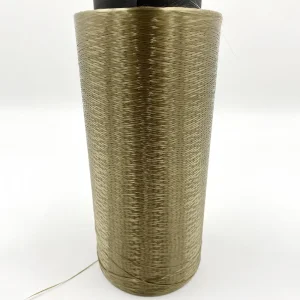
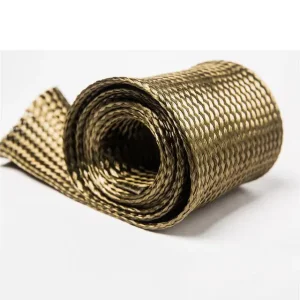
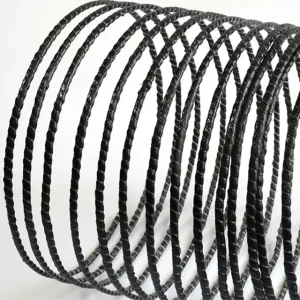
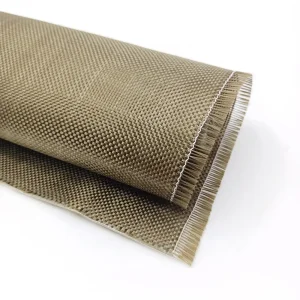
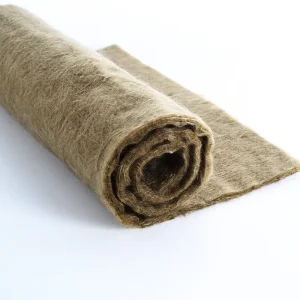
China Beihai is a premier high-tech enterprise strictly focused on the complete lifecycle of research, design, production, and worldwide distribution of high-performance basalt continuous fibers. Located in Jiujiang, Jiangxi Province, our modern manufacturing facilities serve as a leading force in domestic and global basalt fiber technology ecosystems.
Leveraging deep industrial engineering and proprietary continuous filament winding technologies, we have systematically engineered a comprehensive product portfolio tailored for high-strain structural components. Our primary mission is to offer structural designers, geo-engineers, and procurement directors high-tensile, zero-corrosion basalt alternatives that outperform traditional E-Glass and structural steel, while presenting profound life-cycle cost savings.
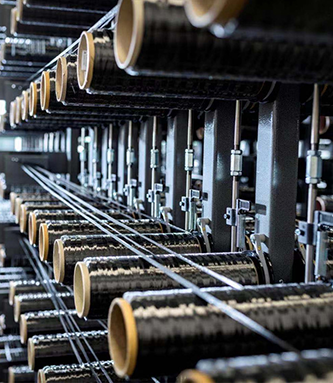
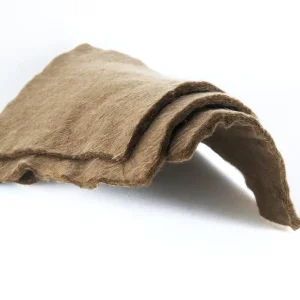
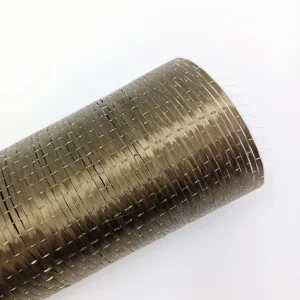
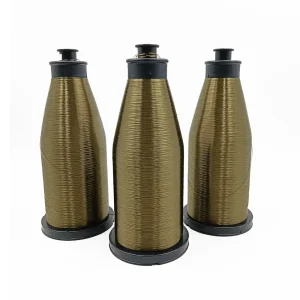
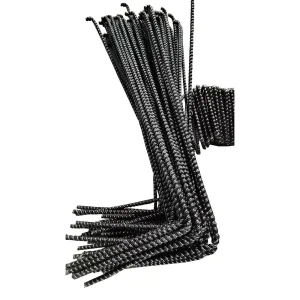
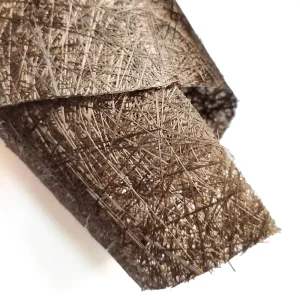
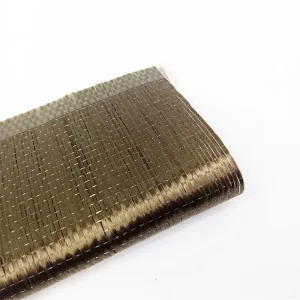
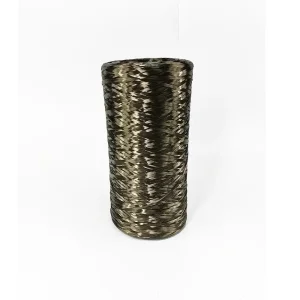
At China Beihai Group, we specialize in the custom engineering and volume supply of basalt fiber solutions, including basalt fiber needle mats, continuous roving, structural textile yarns, alkali-resistant meshes, pultruded rebar, and custom-braided sleeves. Each batch undergoes rigorous testing to guarantee mechanical modulus compliance.
Our advanced operations span raw basalt mineral analysis, high-temperature furnace extrusion (stabilized at 1450°C), sizing chemistry optimization, and downstream composite pultrusion/weaving. By owning the chain, we assure reliable, sustainable chemical resistance for critical geotechnical and building construction infrastructure globally.
Collaborating with China Beihai ensures a seamless transition to high-performance green composites. With dynamic quality management (ISO 9001:2015), full technical validation data sheets, and custom formulation options for thermal/alkali environments, we are your forward-thinking engineering partner.
Continuous basalt filaments offer an optimal intersection of high mechanical strength, chemical immunity, and broad-range thermal stability. Sourced from 100% natural volcanic basalt rock, these inorganic fibers are inherently non-toxic and non-combustible.
By replacing structural steel with basalt rebar or upgrading glass fabrics to continuous basalt textile yarns, engineering firms can prevent micro-cracking propagation, reduce moisture-based chemical degradation, and drastically lower structural maintenance overheads across decades of deployment.
The manufacture of high-performance basalt continuous filaments represents a highly complex, single-component extrusion chemistry. Sourced directly from highly refined, single-origin volcanic basalt rock formations, the process starts with crushing raw minerals to optimized particle sizes. These mineral aggregates are loaded into electric-induction reverberatory furnaces where temperatures are continuously stabilized at 1450°C.
"Unlike synthetic composite matrix variants, basalt continuous filament extrusion does not require secondary chemical precursors, making it inherently eco-friendly while ensuring high structural predictability."
Once melted, the high-viscosity magma is pulled through ultra-fine platinum-rhodium alloy bushing tips, forming continuous micro-filaments with diameters ranging from 9 to 22 micrometers. During high-velocity winding, specialized silane-based sizing formulations are applied dynamically to the filament surface. This step is critical; it dictates downstream chemical compatibility, moisture repelling properties, and matrix bonding characteristics with epoxy, polyurethane, or cementitious matrices.
The global composites and civil construction industries are undergoing a massive technological paradigm shift. Traditional carbon-intensive substrates like reinforced steel are increasingly scrutinized due to electrochemical oxidation (rust), high production energy footprints, and short service life cycles in offshore or highly alkaline conditions.
In response, international regulators and engineering standards bodies (including ASTM and EN code councils) have established specific pathways for the structural deployment of basalt fiber reinforced polymers (BFRP). The primary macro drivers include:
Explore how advanced basalt continuous fibers solve complex design constraints in structural, dynamic thermal, and aerospace engineering environments.
Providing crack resistance, structural stabilization, and zero moisture-wicking properties for modern high-rise facades and architectural concrete elements.
Replacing glass fiber in secondary structures and aerodynamic radomes due to superior dielectric properties, vibration dampening, and high impact resistance.
Direct integration into harsh alkaline concrete matrices, mitigating micro-fissuring under cyclical thermal loading and high heavy-traffic stresses.
Engineered for high-strain brake linings, structural chassis panels, and engine heat shields, facilitating weight reductions without sacrificing crash safety margins.
Excellent corrosion resistance in marine splash zones, protecting submerged bridge columns from continuous saline exposure and impact damage from floating debris.
Acid and alkali-resistant continuous fibers provide reliable structural reinforcement for high-pressure chemical transport piping and subterranean storage tanks.
For structural design engineers and large-scale industrial buyers, transitioning to basalt continuous products requires rigorous validation. The primary procurement concern centers on batch-to-batch structural uniformity. Volcanic minerals naturally vary depending on the geological deposit, affecting raw iron, silica, and alumina ratios.
China Beihai solves this variability challenge through strict raw material homogenization. By utilizing single-source quarry zones and executing incoming x-ray fluorescence (XRF) elemental screenings, we control chemical composition variation within strict ±0.5% thresholds. Our production lines feature closed-loop temperature control loops and real-time diameter scanners, ensuring consistent tensile properties and preventing unexpected field failures under high load demands.
Deploying advanced composite systems in heavily regulated civil and defense sectors requires strict alignment with localized building codes. Custom basalt fibers must meet specific fire safety, tensile strength, and long-term durability criteria to satisfy national and municipal code requirements.
To ensure smooth approvals, China Beihai provides comprehensive engineering support documentation, including ASTM D7913 (bond strength with concrete), ASTM D7205 (tensile properties of fiber reinforced polymer bars), and ISO 14001 environmental declarations. Our dedicated technical team works directly with your engineers, offering localized chemical compatibility assessments, finite element analysis (FEA) data support, and on-site integration guidance.
A strategic overview of our ongoing materials science research, aiming to push the boundaries of extreme thermal resilience and high mechanical performance.
Development of multi-functional silane coupling agents that maximize interfacial shear strength in high-performance thermoplastic systems, including polyetheretherketone (PEEK) and polyphenylene sulfide (PPS).
Co-weaving basalt fibers with continuous carbon filaments to produce high-impact, rigid, cost-optimized hybrid composites for modern electric vehicle battery containment enclosures.
Transitioning our core melting operations in Jiujiang to 100% green hydrogen and clean renewable electricity, aiming to produce the global composites industry’s lowest carbon-footprint basalt filament.
Deep-dive engineering answers addressing key chemical, thermal, and mechanical performance aspects of continuous basalt products.
Advanced woven matrices, needle-punched insulation mats, high-tensile yarns, and pultruded rebar lines designed for extreme engineering applications.
 Beihai Fiberglass