Engineered high-performance volcanic fiber materials for structural preservation and core heat shield applications.
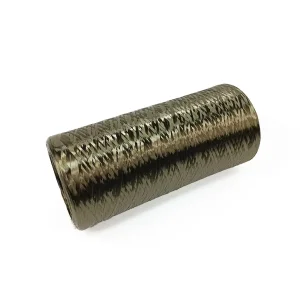
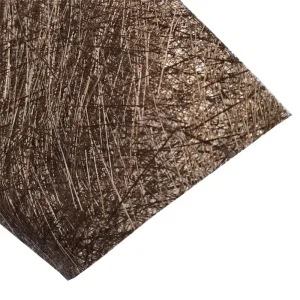
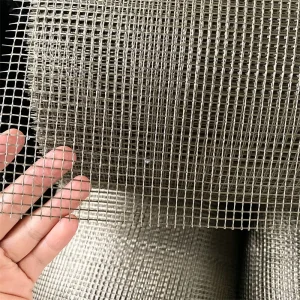
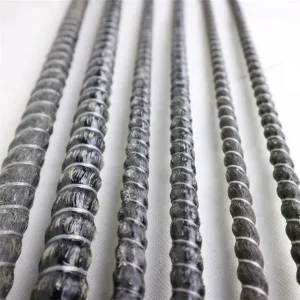
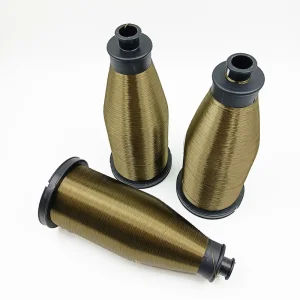
Basalt fabric is synthesized from continuous filaments extruded directly from molten basaltic volcanic rock at extreme melting temperatures reaching approximately 1450°C (2642°F). Unlike carbon fiber, which is synthetically produced from polyacrylonitrile (PAN) precursors, or glass fiber which relies on chemical additives, continuous basalt fiber (CBF) is inherently natural, chemically stable, and exceptionally robust.
Our custom-woven heat resistant basalt fabrics are designed for applications where high thermal integrity must be matched with superior mechanical strength. In typical operating environments, basalt fabric can continuously endure temperatures up to 700°C (1292°F), with transient threshold peaks exceeding 980°C (1796°F). This structural resilience is driven by the mineralogical composition of basalt, which consists of plagioclase, pyroxene, and olivine minerals that naturally reject structural degradation under prolonged thermal duress.
Because basalt fabrics are processed without petroleum-based inputs, they emit zero hazardous gases when exposed to fire. This distinguishes them in safety critical zones such as commercial aviation, underground rail networks, and heavy metallurgical refineries where smoke toxicity accounts for the majority of human casualties during thermal incidents.
Additionally, their dielectric coefficient is outstandingly superior to carbon fiber, making them an essential substrate for electromagnetic shielding and high-frequency radomes.
Validated quantitative physical data showcasing the structural dominance of basalt fibers in high-stress and high-temperature systems.
The transition toward high-efficiency, decarbonized industrial manufacturing processes has driven unprecedented demand for basalt-derived materials. In the global automotive and aerospace supply chains, replacing high-density components with continuous basalt fiber matrices has enabled extensive lightweighting. This reduces overall energy consumption while meeting strict regulatory standards for fire-resistant thermal barriers.
Moreover, the modern civil engineering sector is facing an infrastructure crisis due to internal steel reinforcement corrosion. As global temperatures rise and maritime development increases, traditional steel rebar reinforcement is failing. Basalt fiber-reinforced polymer (BFRP) rebars, geogrids, and unidirectional fabrics have emerged as key technical solutions, offering zero rust potential, chemical immunity to alkali exposure, and a carbon-neutral footprint compared to synthetic glass fabrics.
Utilized as critical engine firewalls and exhaust duct liners. Basalt fabric prevents heat convection to surrounding aerospace structures, preserving composite fuselage integrity during high-speed thermal load phases.
Provides robust thermal runaway insulation for electric vehicle battery packs, helping prevent chain-reaction cellular explosions and retaining physical containment up to 1000°C.
Immune to seawater decay. Essential for wrapping bridge columns, seawalls, and structural marine piles to provide long-term protection against continuous wave impact and biological organisms.
Founded in 2015 and strategically based in the Jiujiang industrial corridor of Jiangxi Province, China Beihai Group has grown into a leading domestic high-tech enterprise. We focus on the research, development, custom manufacturing, and international distribution of high-performance basalt continuous fiber and state-of-the-art production machinery.
Our commitment to excellence extends from mining and sorting high-purity basalt ore to drawing premium continuous filaments and weaving them into structural fabrics. By managing our raw materials and using specialized crucible technologies, we ensure that every batch of basalt fabric exhibits consistent weight, thickness, and thermal resistance parameters.
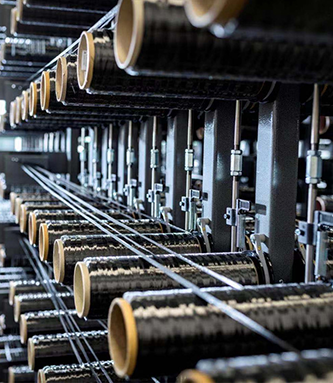
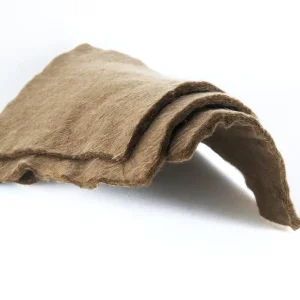
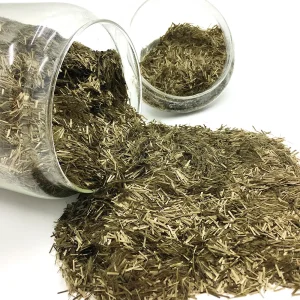
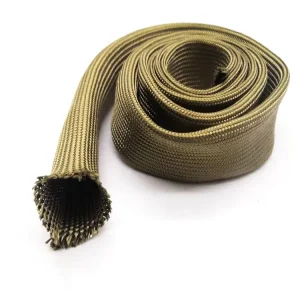
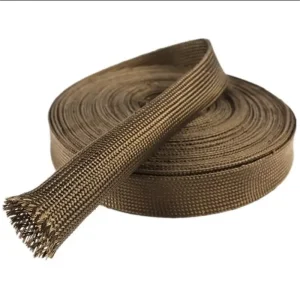
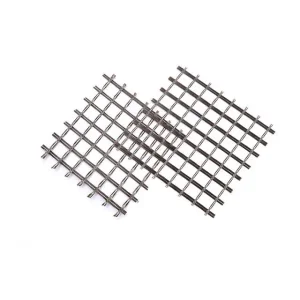
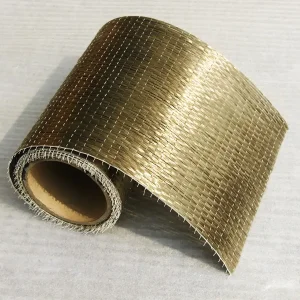
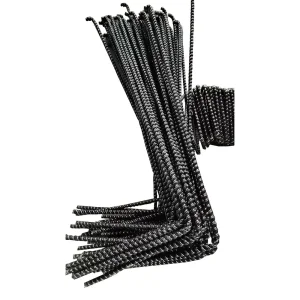
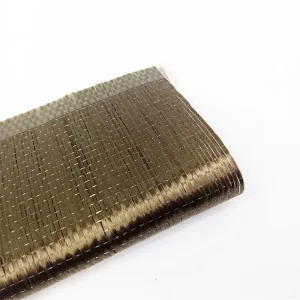
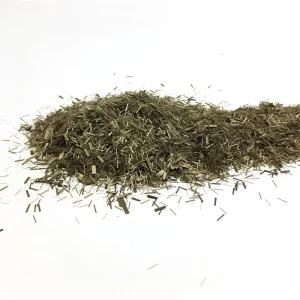
At China Beihai Group, we specialize in a comprehensive product line, including Basalt Fiber Needle Mats, Basalt Fiber Chopped Strand Mats, Unidirectional Woven Basalt Fabrics, High-Tensile Basalt Geogrids, Corrosion-Resistant Rebars, as well as expandable braided sleeves and tapes.
We supply advanced, sustainable engineering materials to clients in over 45 countries. Our focus centers on developing high-performance solutions for structural reinforcement, geothermal containment, petrochemical pipelines, and automotive insulation systems.
Collaborating with China Beihai means working directly with a leading vertical manufacturer. Our focus on quality, customization, and supply chain transparency ensures that every engineering project receives reliable, high-grade basalt materials.
Real-world deployments of custom basalt fabrics across key sectors, demonstrating high structural and thermal performance.
In municipal concrete projects, custom basalt fabric and mesh geogrids serve as non-corrosive reinforcement substrates. They help prevent micro-cracking and resist the alkali and acid environments typical of aging concrete structural components.
Our continuous basalt fiber fabrics are used to manufacture aerospace engine cowlings, secondary wing fairings, and fuselage thermal barriers. Basalt resists high vibration cycles and avoids thermal fatigue better than carbon fiber matrices.
During orbital launch phases, spacecraft skins experience high aerodynamic shear stress and heat. Basalt fabric-based composites serve as reliable ablation barriers, preserving vital internal cargo bays and guidance electronics.
Used to wrap high-temperature manifold assemblies and muffler shielding. By isolating radiant thermal loads, basalt fabric protects localized engine components and helps improve fuel economy in thermal engines and hybrid EV drivetrains.
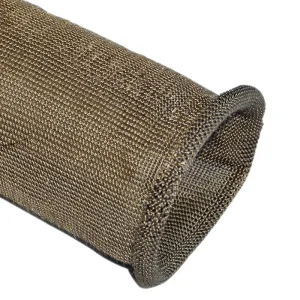
In offshore processing plants, basalt sleeves and fabrics protect high-pressure pipelines from ambient saltwater spray, high-temperature thermal flows, and direct ultraviolet degradation.
Unidirectional basalt fabrics are utilized for wrap-retrofitting load-bearing columns. This increases structural ductility, helping prevent catastrophic collapse during seismic events or high-impact vehicle collisions.








Evaluating high-performance engineering fabrics under intense structural and thermal stress environments.
| Material Property | Continuous Basalt Fabric | E-Glass Fiber Fabric | Carbon Fiber Fabric (PAN) | Aramid (Kevlar) Fabric |
|---|---|---|---|---|
| Continuous Temp Range | -260°C to +700°C | -60°C to +480°C | -50°C to +500°C (Inert) | -50°C to +250°C | Ultimate Melting Point | ~1450°C | ~840°C | ~3500°C (sublimation) | ~450°C (carbonizes) |
| Tensile Strength (MPa) | 4100 - 4800 | 3100 - 3400 | 3500 - 6000 | 2900 - 3400 |
| Alkali & Acid Resistance | Excellent (Self-passivating) | Poor (Vulnerable to alkali) | Excellent | Moderate (Degrades in acids) |
| Environmental Safety | 100% Organic, Zero toxic smoke | Contains chemicals & glass dust | Respirable particulate hazard | Synthetic polymer processing |
| Relative Sizing Coefficient | Uniform (Mineral sizing) | Variable organosilane | Epoxy-compatible sizing | Modified polyamide coatings |
Our long-term manufacturing roadmap focuses on optimizing fiber-resin interface adhesion. By developing nano-engineered chemical sizings, China Beihai Group aims to improve wet-out with high-performance epoxy, polyurethane, and phenolic matrix resins. This will enable thinner, lighter laminates with higher structural strength.
We are also actively researching advanced hybrid weaving systems, such as basalt-carbon composite weaves. These hybrid fabrics combine the high stiffness of carbon with the excellent thermal, impact, and chemical resistance of basalt, providing a cost-effective alternative for critical aerospace and high-temperature industrial shielding applications.
Insights from China Beihai Group regarding continuous fiber integration in next-generation robotic platforms.
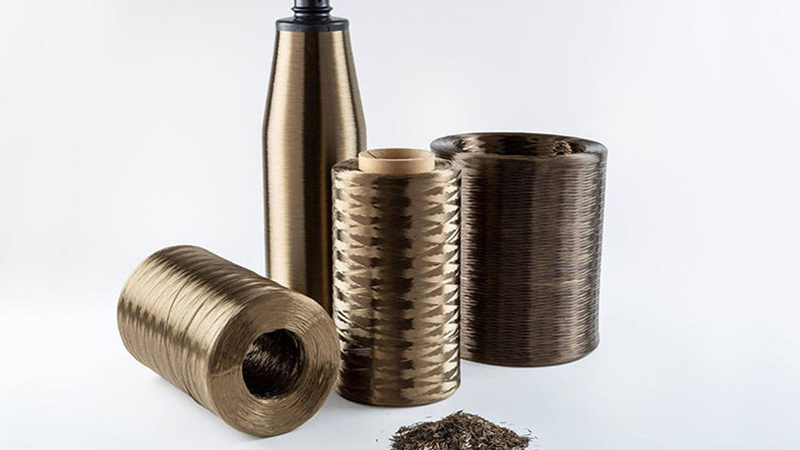
As drones monitor environmental fires and industrial robots perform precise, high-speed warehouse operations, lightweight structural protection is vital. China Beihai Group's basalt fabrics provide the structural performance and impact protection needed for these advanced systems.
By using basalt continuous fiber composites in mechanical chassis panels and engine housing enclosures, engineers can reduce system weight and improve battery efficiency. The inherent non-conductive, electromagnetic-transparent properties of basalt ensure clean communications and help shield vital onboard avionics systems from magnetic interference.
Read Full Innovation Brief →Our structural materials undergo rigorous testing, ensuring reliable performance in demanding operating environments.
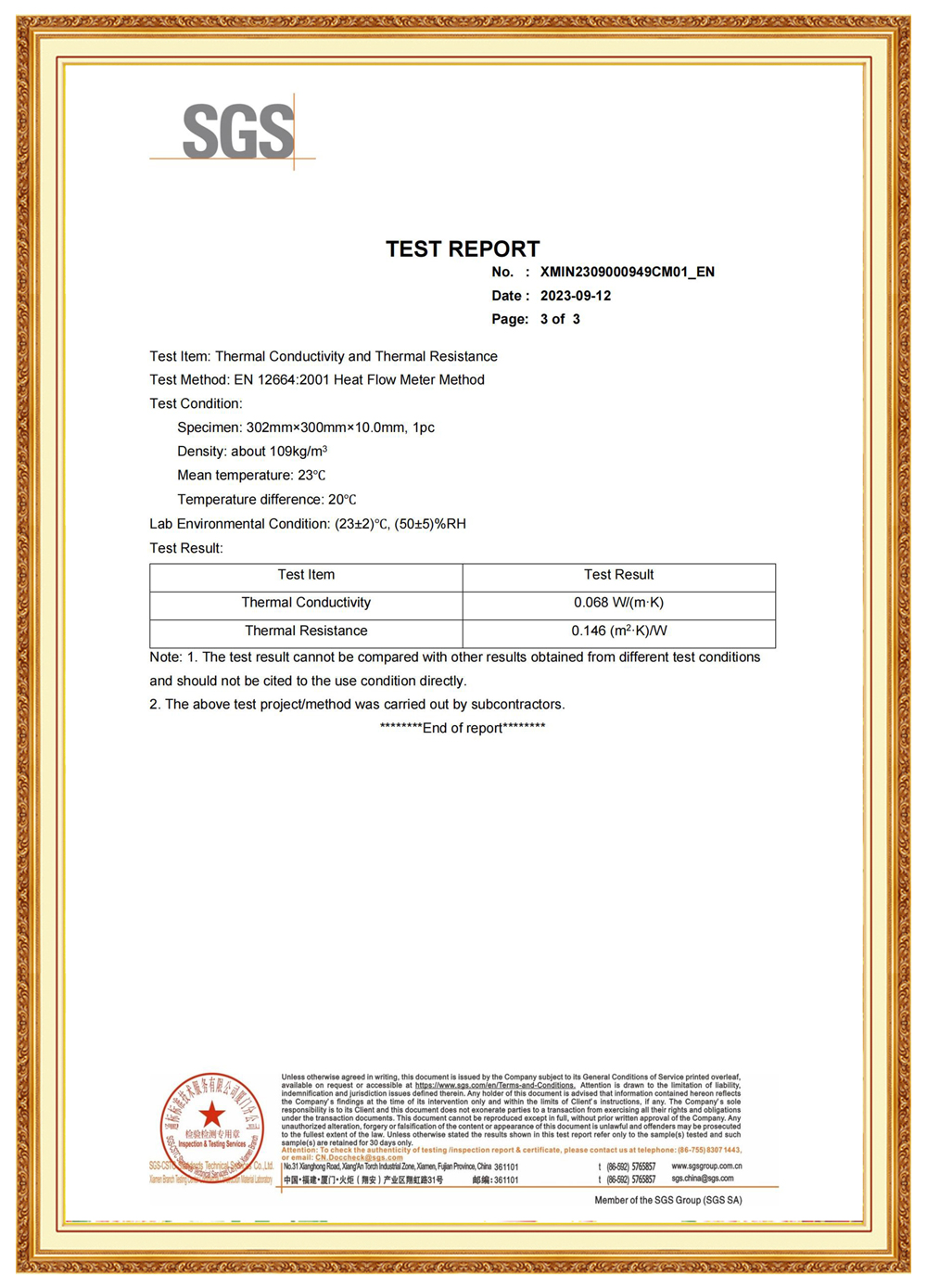
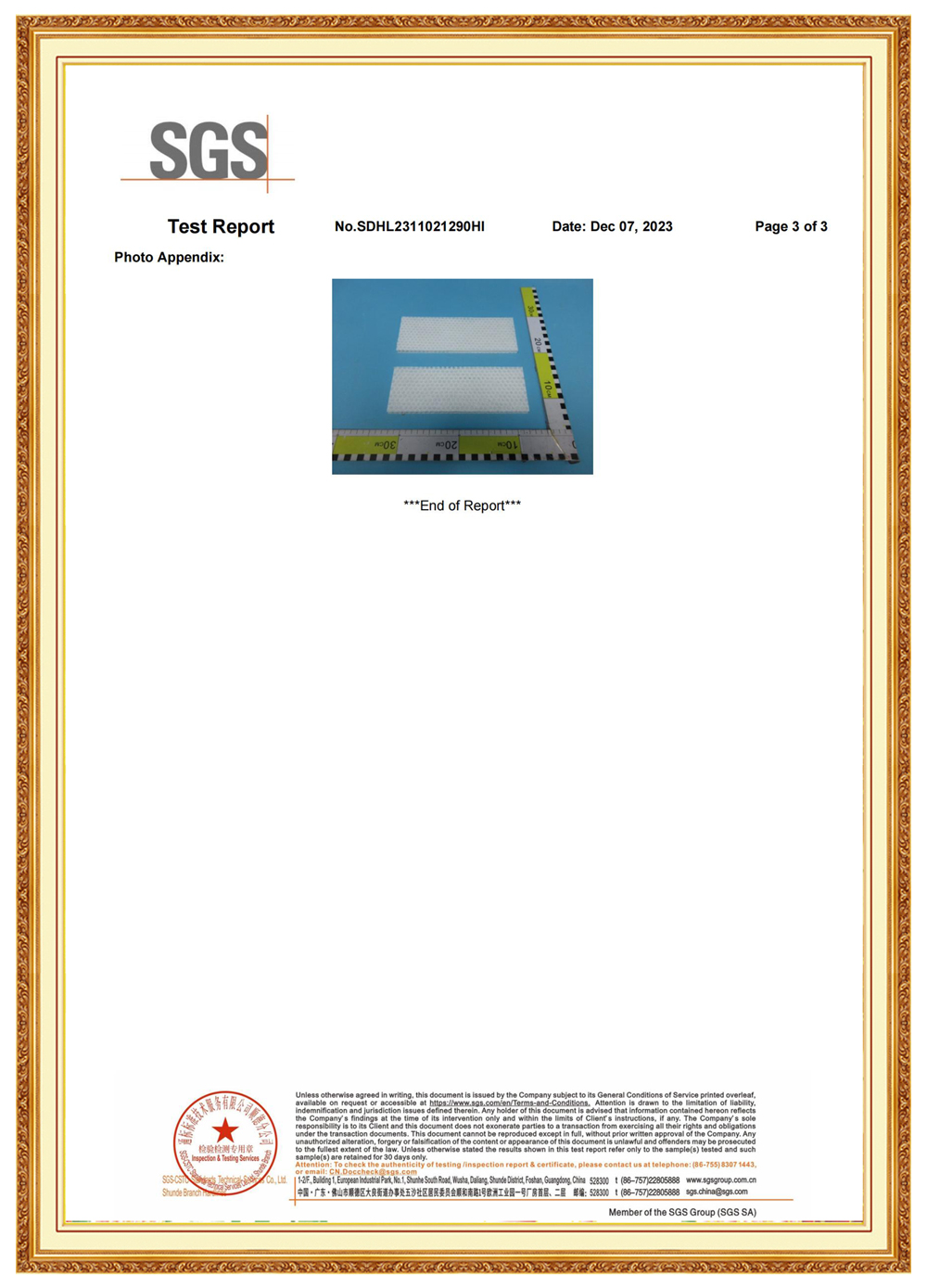
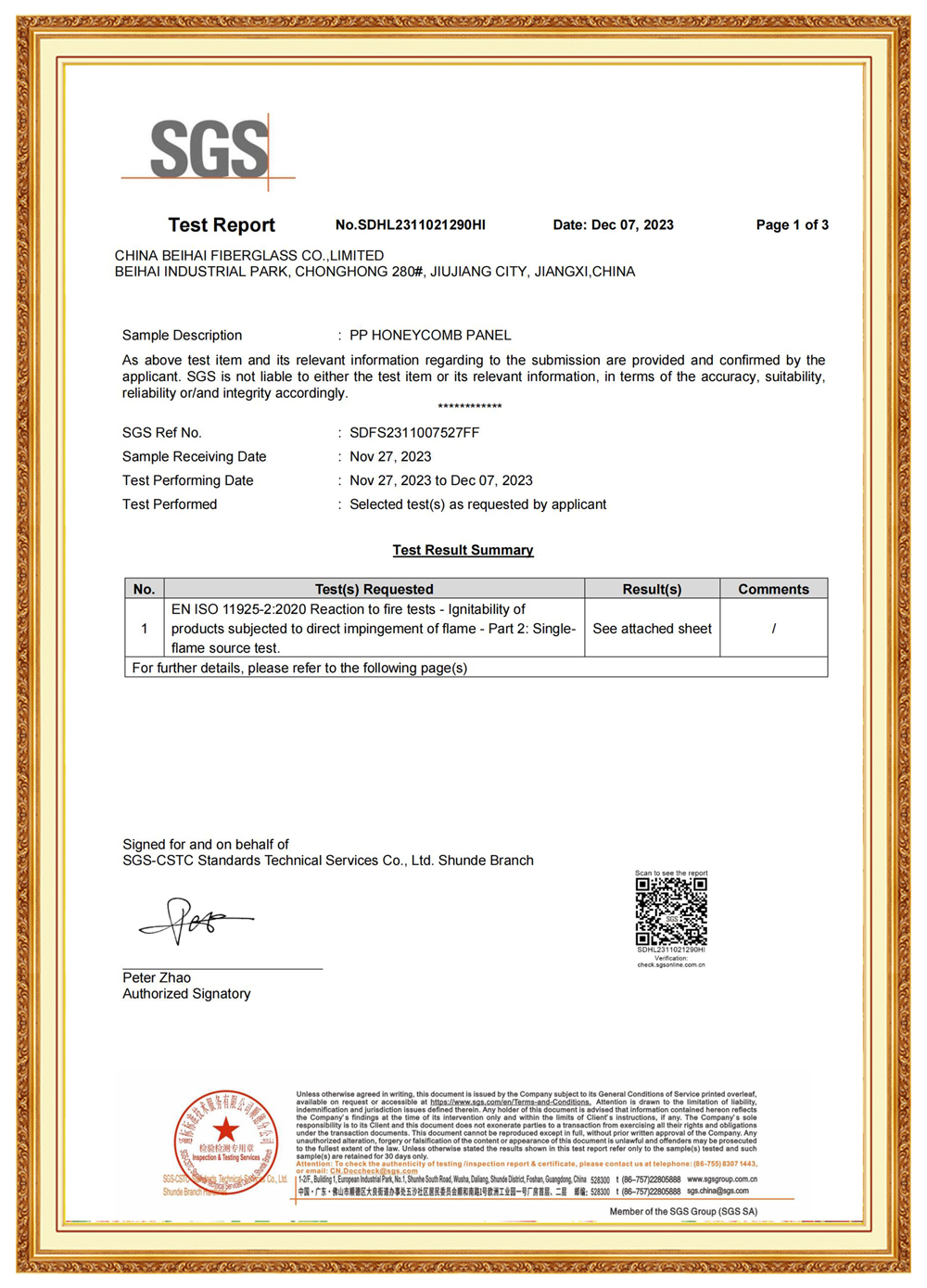
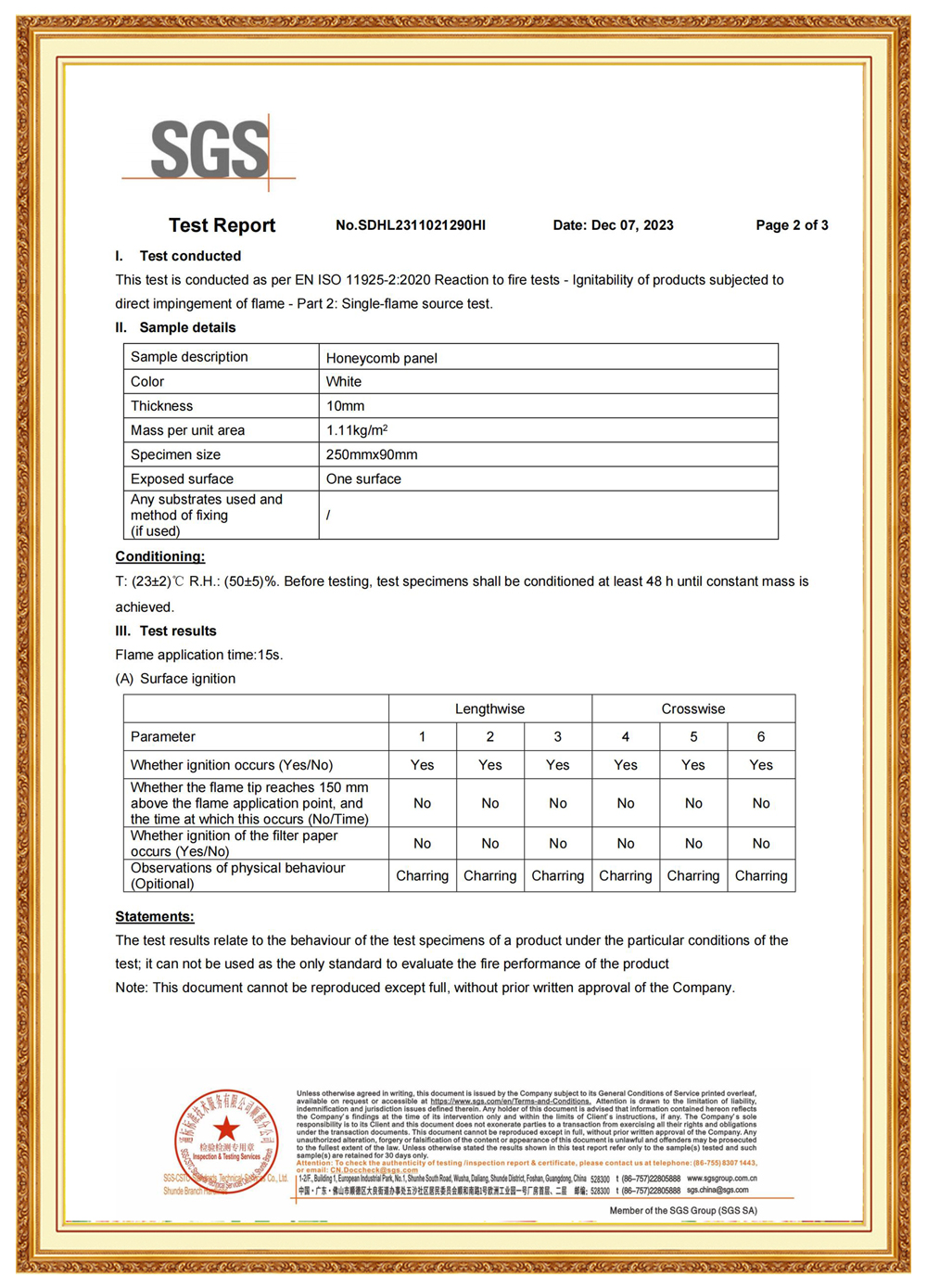
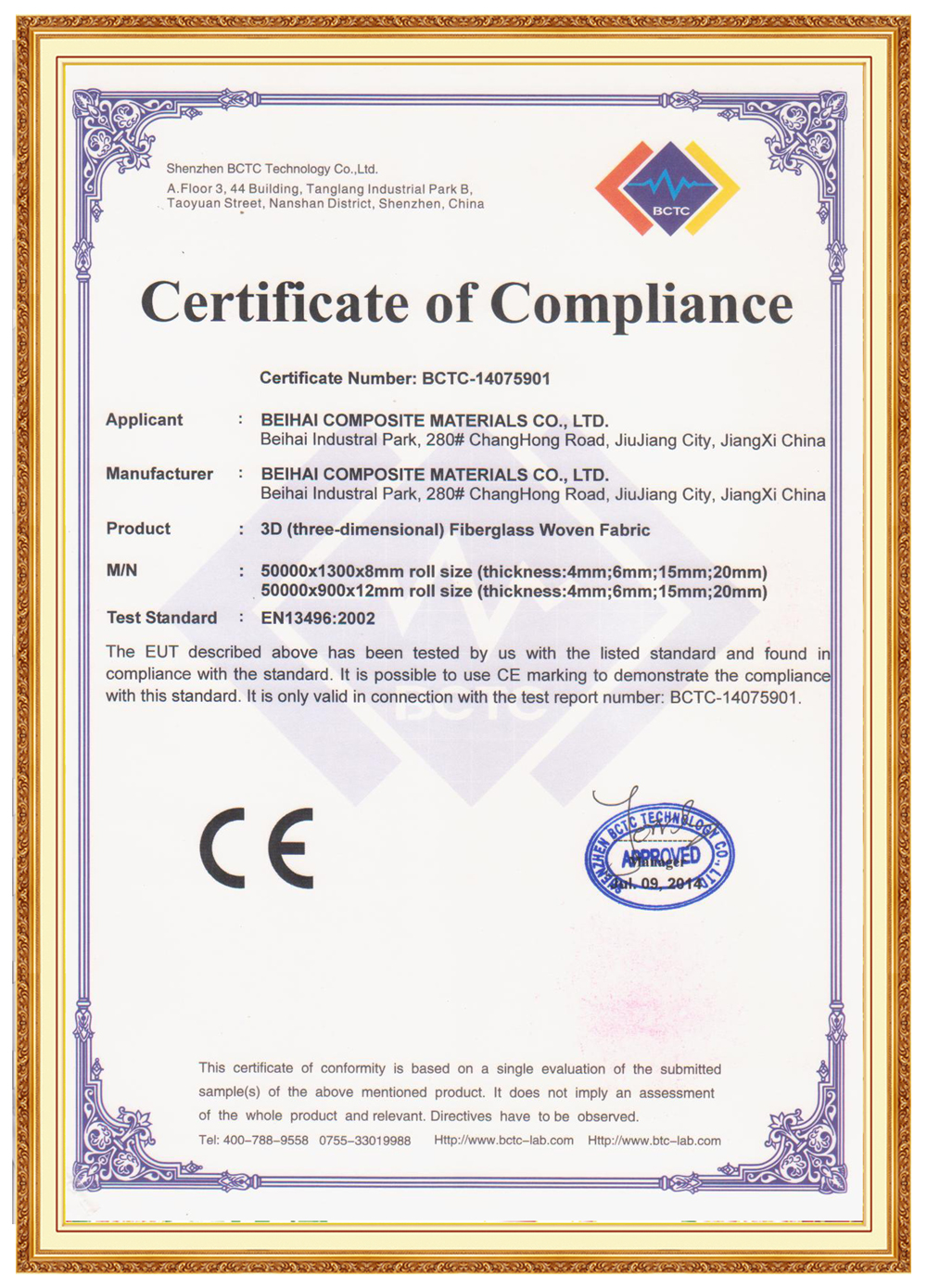
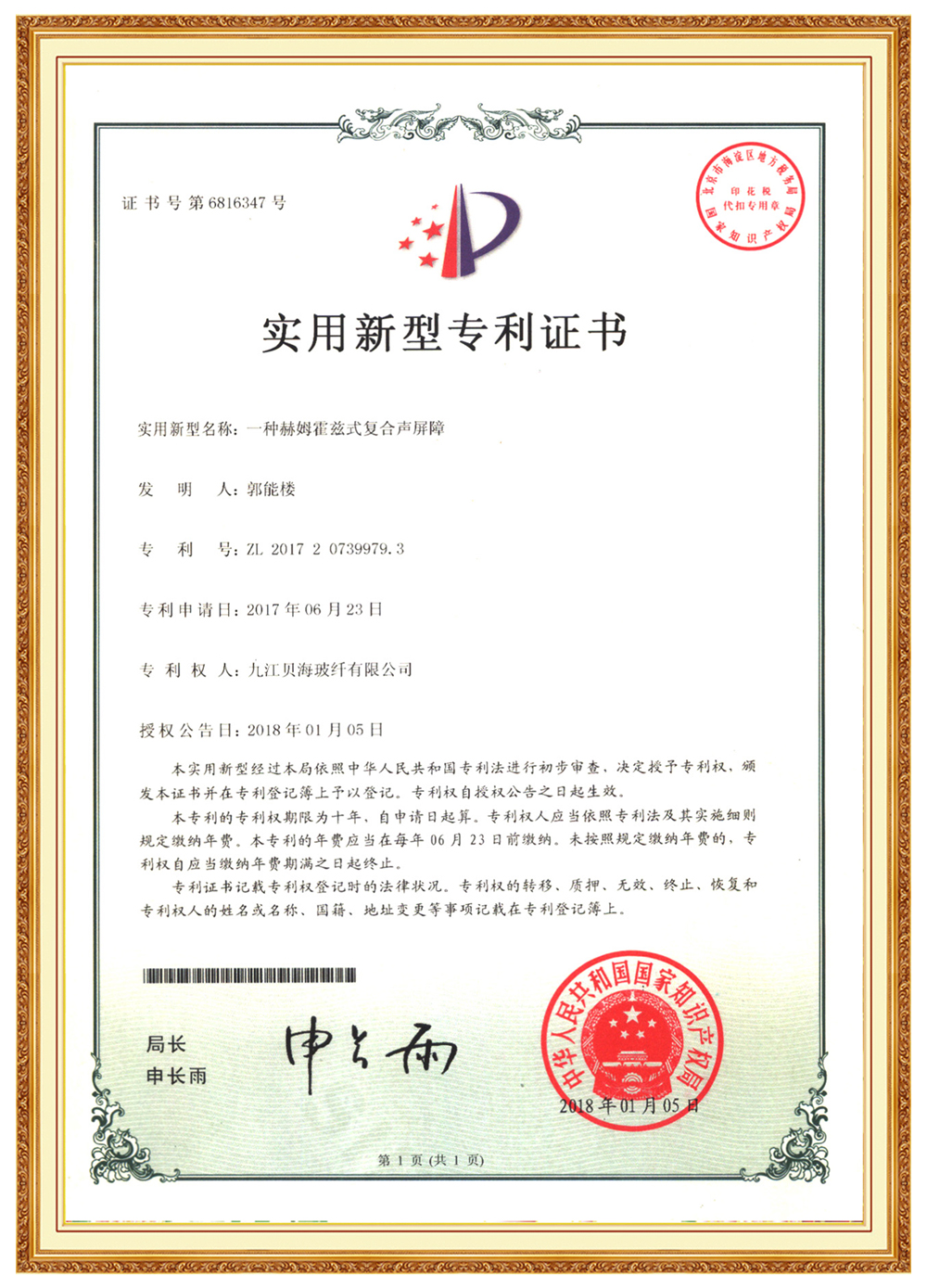
Addressing key engineering and logistical inquiries regarding custom basalt fabrics.
Our complete range of high-performance geogrids, protective sleeves, non-conductive rebars, and fire-resistant materials.
 Beihai Fiberglass