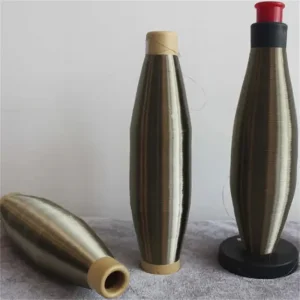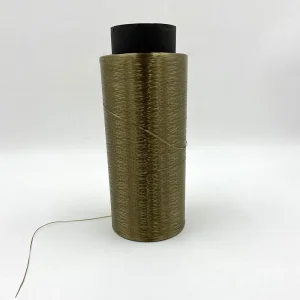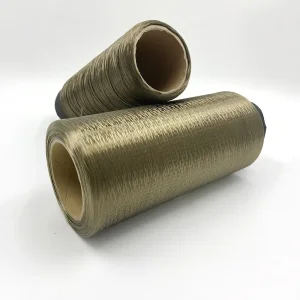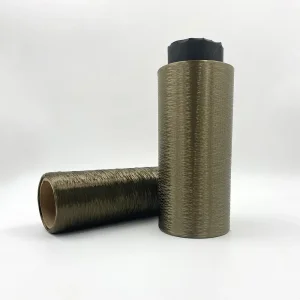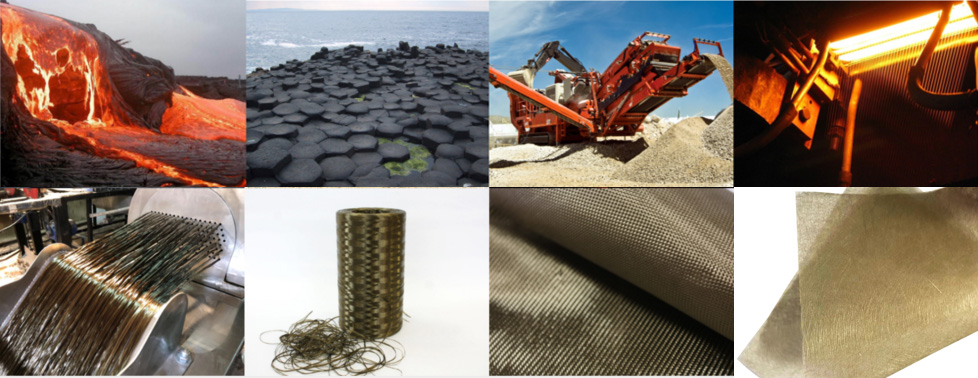
Product Features
Basalt fiber offers superior tensile strength, making it highly durable and resistant to wear and tear.
It can withstand high temperatures, often up to 700°C, without degrading, making it suitable for extreme conditions.
Unlike steel or glass fibers, basalt fiber is highly resistant to corrosion from chemicals, saltwater, and environmental factors.
Despite its strength, basalt fiber is lightweight, making it ideal for use in composite materials where reducing weight is important.
Made from natural volcanic rock, basalt fibers are eco-friendly and have a lower environmental impact compared to synthetic fibers.
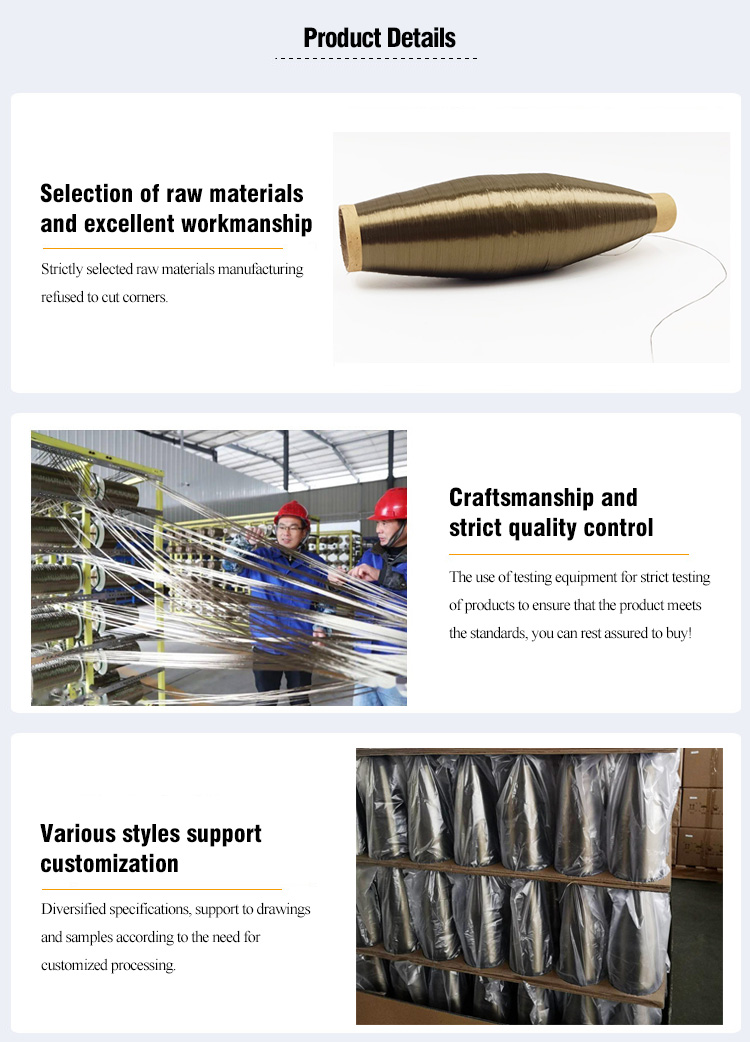
Product Specification
| Item |
Basalt Roving |
| Type of Size |
Silane |
| Size Code |
BH |
| Typical Linear Density (tex) |
500 |
200 |
600 |
700 |
400 |
1600 |
1200 |
| 300 |
1200 |
1400 |
800 |
2400 |
- |
| Filament (μm) |
15 |
16 |
16 |
17 |
18 |
18 |
22 |
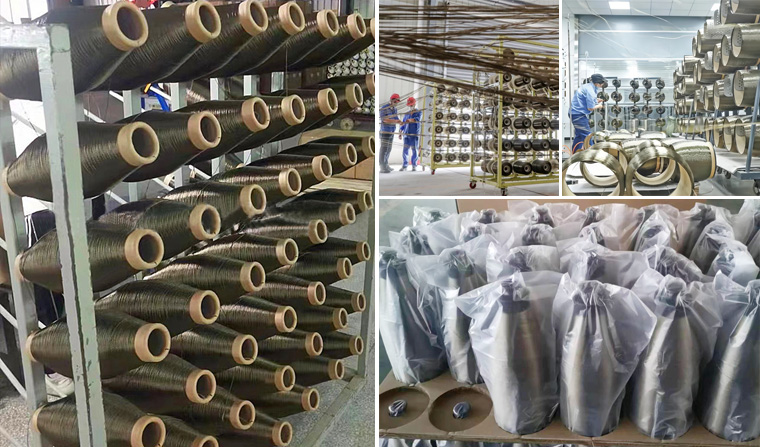
Product Applications
1
Fabric and tape with acid and alkali resistance and high temperature resistance
2
Needle-punched felt base cloth
3
Substrate for Electrical Insulation Board
4
Yarn, sewing and cord for electrical insulation
5
High-grade temperature-resistant and chemical-resistant fabrics
6
High-grade insulating materials such as motor, electrical appliances and electromagnetic wires
7
High temperature resistant, high elasticity, high modulus and high strength cloth yarn
8
Yarn for woven fabrics after special surface treatment: radiation-proof, high temperature resistance (650-980 C)
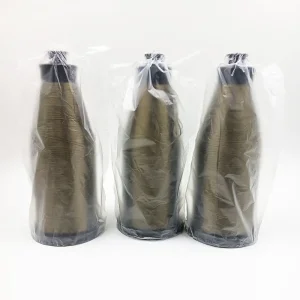
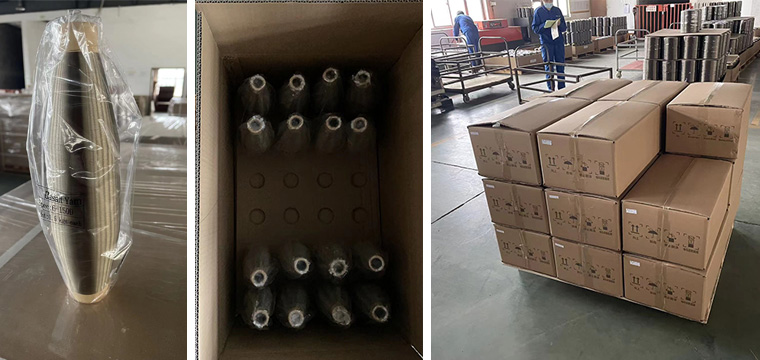
Packing
Frequently Asked Questions
Q1: What is the maximum temperature basalt fiber can withstand?
Basalt fiber is highly heat-resistant and can withstand temperatures typically up to 700°C without significant degradation, and up to 980°C with special treatments.
Q2: How does basalt fiber compare to glass fiber in terms of corrosion?
Unlike glass fibers, basalt fiber exhibits superior resistance to corrosion from chemicals, acids, alkalis, and saltwater environments.
Q3: Is basalt fiber an environmentally friendly material?
Yes, it is made from 100% natural volcanic basalt rock, making it eco-friendly with a lower environmental impact than synthetic alternatives like carbon or glass fiber.
Q4: What are the main benefits of using basalt roving in composites?
Key benefits include high tensile strength, lightweight properties, high elasticity modulus, and excellent electrical insulation.
Q5: In which industries is basalt fiber commonly used?
It is widely used in electrical insulation, chemical-resistant fabric manufacturing, needle-punched felt production, and high-temperature industrial textiles.
Q6: What linear densities (tex) are available for Basalt Roving?
Our typical linear densities range from 200 tex to 2400 tex, allowing for various industrial applications depending on the required strength and thickness.
 Beihai Fiberglass