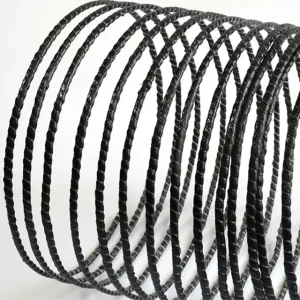
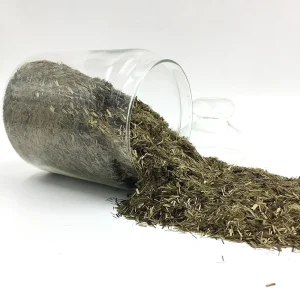
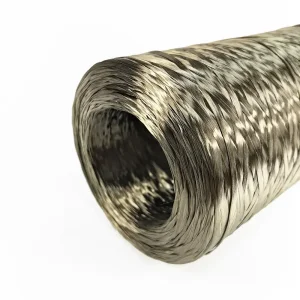
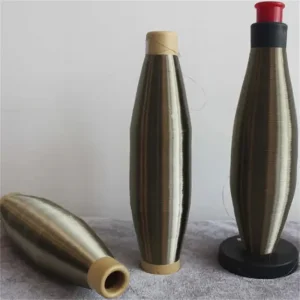
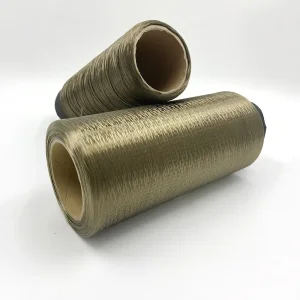
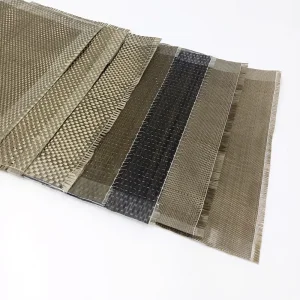
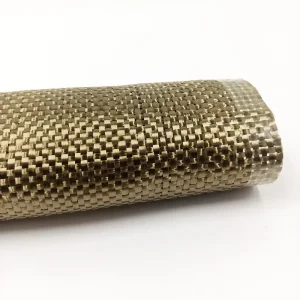
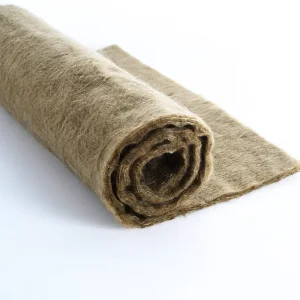
In the contemporary landscape of high-performance materials, Twisted Basalt Fiber (TBF) has emerged as a disruptive force, challenging the dominance of carbon fiber and E-glass in critical industrial applications. As a natural material derived from volcanic rock, basalt fiber represents the pinnacle of sustainable engineering. However, the transition from standard roving to "Twisted" variants marks a significant leap in mechanical capability. Twisting multiple filaments enhances the tensile strength, knot strength, and processing stability, making it indispensable for high-tension winding, weaving, and braiding processes.
Global demand for advanced composites is shifting toward materials that offer not just strength, but environmental resilience. Twisted basalt fiber provides an unique "Information Gain" for engineers: it maintains its structural integrity at temperatures where glass fiber fails and costs significantly less than carbon fiber while offering comparable chemical resistance. This whitepaper explores how custom manufacturers are now leveraging Factory 4.0 technologies to provide precision-engineered twisted yarns that meet the rigorous standards of aerospace, automotive, and civil engineering.
The global commercial status of basalt fiber is currently seeing a CAGR of over 12%, driven largely by the European Green Deal and the American Infrastructure Investment and Jobs Act. Both regions are seeking non-corrosive alternatives to steel rebar and high-performance insulation for geothermal energy systems. Our manufacturing facility in Jiujiang, Jiangxi, stands at the heart of this revolution, blending raw volcanic resources with sophisticated Chinese supply chain efficiency.
Global procurement teams are moving away from carbon-intensive materials. Twisted basalt fiber is the "Green Gold," offering a low-carbon footprint for LEED-certified projects.
Unlike E-glass, basalt fiber is naturally resistant to the harsh alkaline environment of concrete and the acidic conditions of petrochemical processing.
Advanced twisted yarns are being used in aircraft interiors and engine heat shields, providing superior acoustic insulation and fireproof safety.
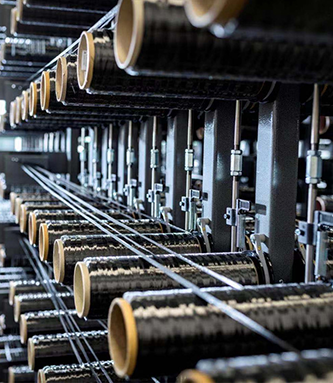
At China Beihai, we have integrated AI-driven quality control and automated twisting stations to ensure every spool of fiber meets international tolerances. Our Factory 4.0 approach focuses on:
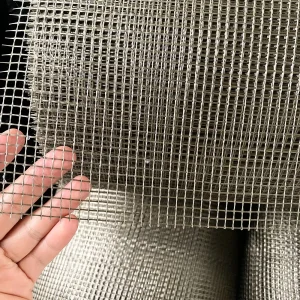
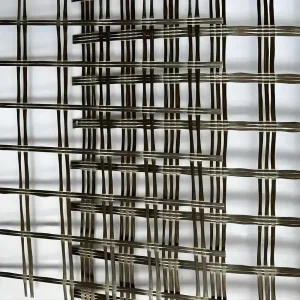
In coastal areas (e.g., Florida, Dubai), twisted basalt geogrids prevent bridge corrosion from salt spray, doubling the structure's lifespan compared to steel.
Twisted yarn's high-temperature stability makes it ideal for exhaust systems, providing noise dampening and thermal protection up to 700°C continuous use.
Twisted fibers are being used as conduits for fiber-optic sensors in "Smart Cities," allowing buildings to report their own structural health.
Custom basalt sleeves provide the chemical resistance needed for deep-well geothermal extraction where high pressure and sulfur are present.
China Beihai was founded in 2015 and is located in Jiujiang, Jiangxi Province. We are a high-tech enterprise focusing on the research, development, production, and sales of high-performance basalt continuous fiber and its production equipment manufacturing. As a leading enterprise in the domestic basalt fiber industry, we offer:
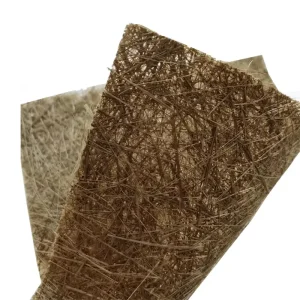
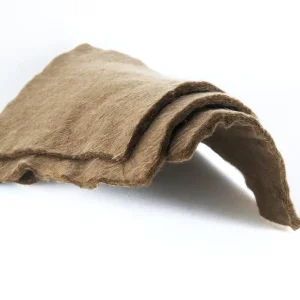
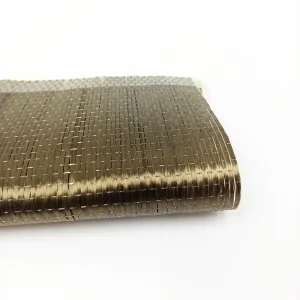
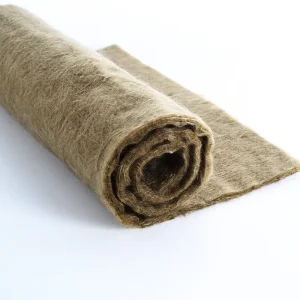
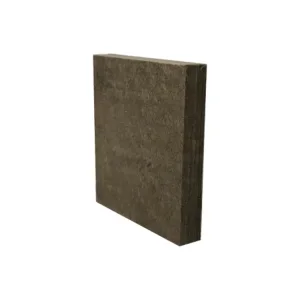
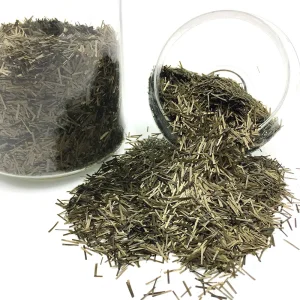
We specialize in a wide range of products including basalt fiber mat (chopped strand mat, cloth), roving, yarn, chopped strands, rebar, sleeves, and tape. Our products are designed to meet diverse industrial needs.
Dedicated to delivering high-quality, sustainable solutions for construction, geotechnical engineering, and manufacturing. We strive to innovate and cater to unique client requirements globally.
Choosing China Beihai means reliability and forward-thinking. Our commitment to quality, innovation, and sustainability ensures best-in-class solutions for your basalt product needs.
Standard roving consists of parallel filaments, while twisted basalt fiber (TBF) involves a mechanical twisting process (measured in TPM - twists per meter). Twisting improves the structural integrity of the yarn, making it suitable for high-speed textile machines and reducing "fuzz" during processing.
To provide a precise quote, manufacturers need the Tex (linear density), twist direction (S or Z), twist level, and the specific sizing (chemical coating) required for your resin system. Volume and destination also significantly impact logistics costs.
Yes. Basalt fiber production requires significantly less energy than glass fiber and uses no chemical additives during the melting process of the natural basalt rock, resulting in a much lower ecological footprint.
While carbon fiber has a higher modulus, basalt fiber offers better impact resistance, higher strain-to-failure ratios, and is non-conductive, making it a superior choice for many industrial and civil applications at 1/3 the cost.
With our Factory 4.0 automation, standard orders are processed within 7-14 days. Shipping to major hubs in Europe or North America typically takes 25-35 days via sea freight, or 5-7 days via air for urgent samples.
Join the revolution of sustainable, high-strength industrial materials. Our team of experts is ready to provide technical guidance and competitive manufacturing quotes for your custom needs.
 Beihai Fiberglass