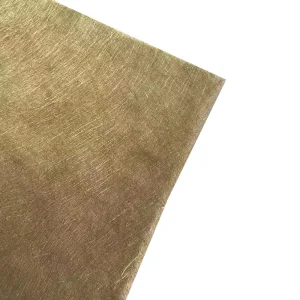
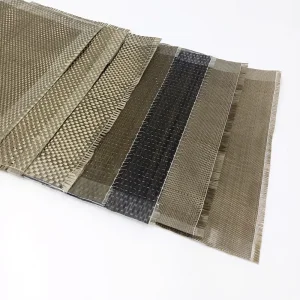
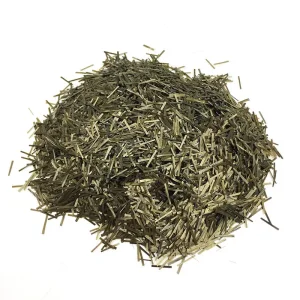
Wholesale Basalt Fiber Needle Mat Properties & Manufacturing Excellence

Premium Thermal Insulation Solutions for Global Industrial Infrastructure

🔬Engineering Properties: The Science of Basalt Fiber Needle Mat

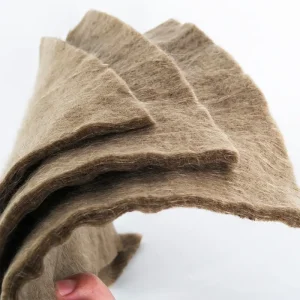
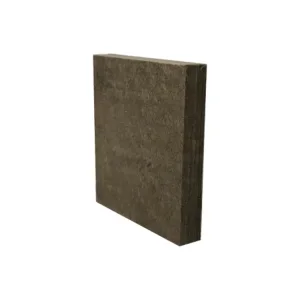
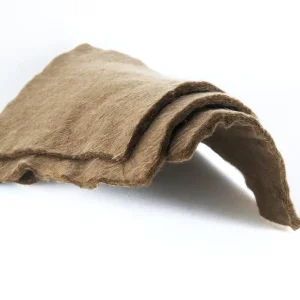
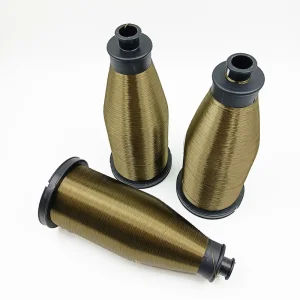
Basalt fiber needle mats represent the pinnacle of inorganic, high-temperature resistant insulation materials. Derived from 100% natural volcanic basalt rock, our needle mats undergo a proprietary continuous filament extrusion process, followed by mechanical needle punching—no chemical binders are added. This ensures environmental safety and superior performance consistency.

Key Technical Specifications:

  • Thermal Resistance: Operational stability up to 700°C (1292°F), with short-term peaks reaching 900°C.
  • Low Thermal Conductivity: Typically ranges between 0.035 - 0.045 W/m·K, providing exceptional heat retention.
  • Acoustic Insulation: Excellent noise absorption coefficient due to the complex, non-woven fiber structure.
  • Chemical Inertness: Highly resistant to acids, alkalis, and salt water, preventing corrosion in harsh marine or industrial environments.

🏭The China Advantage: Scalability & Technical Mastery

Choosing a Chinese manufacturer for basalt fiber needle mats offers unparalleled benefits in the current global market. Leveraging China's mature basalt industry ecosystem, factories like ours provide a strategic edge:

  • Advanced Production Capacity: Our facilities are equipped with automated needle-punching lines that ensure uniform density and thickness, crucial for high-load industrial applications.
  • Supply Chain Integration: By sourcing raw basalt ore directly from abundant regions and refining it using state-of-the-art furnace technology, we eliminate middle-man costs, offering competitive wholesale pricing without compromising on quality.
  • R&D and Customization: We don't just sell standard mats; we engineer solutions. Whether you require specific surface weights (g/m²) or composite backing, our R&D team works directly with engineering clients to match product properties to application requirements.

🚀Industry Development & Strategic Applications

The global shift toward green building and energy efficiency has accelerated the demand for basalt fiber. Unlike mineral wool or asbestos, basalt is sustainable, recyclable, and carbon-efficient.

Localized Application Scenarios:

  • Automotive & Aerospace: Utilized as heat shields for engines and exhaust systems, reducing weight while improving fire safety.
  • Marine Engineering: Chosen for its immunity to saltwater corrosion in bulkhead insulation and fire suppression systems.
  • Industrial Construction: Essential for insulating furnaces, kilns, and piping in chemical processing plants where fire risk is high.

🌐Global Procurement: What Buyers Need to Know

For international buyers, the "Basalt Fiber Needle Mat" market requires careful vetting. We advocate for full transparency in the procurement process:

  1. Third-Party Validation: Always demand test reports verifying thermal conductivity and non-combustibility ratings.
  2. Batch Consistency: Ensure the manufacturer has strict QC processes in place to maintain fiber diameter distribution.
  3. Lead Times & Logistics: We provide comprehensive logistics solutions, ensuring our products reach major global hubs efficiently.

Frequently Asked Questions (FAQ)

Q: Is basalt fiber needle mat harmful to human health?

A: No. Basalt fiber is an inert, non-toxic material. Unlike asbestos, which is fibrous and carcinogenic, basalt fibers are too large to be inhaled into the lungs, making them safe for installers and long-term use.

Q: What makes your needle mat different from standard fiberglass?

A: Basalt fiber is superior to E-glass (standard fiberglass) in heat resistance (700°C vs 450°C), chemical durability, and tensile strength, offering a longer lifespan in harsh environments.

Q: Can you provide custom density and dimensions?

A: Yes. We offer custom weight classes from 100g/m² to 1000g/m² and various roll widths to meet specific project demands.

Explore More of Our Basalt Solutions