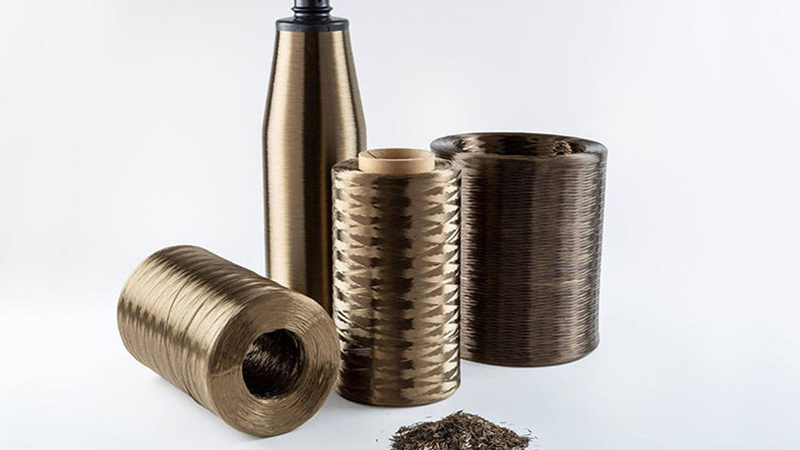
Direct supply paths from Jiujiang factory nodes. High structural consistency engineering materials designed to replace structural steel and conventional polymers.
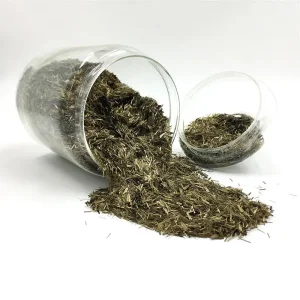
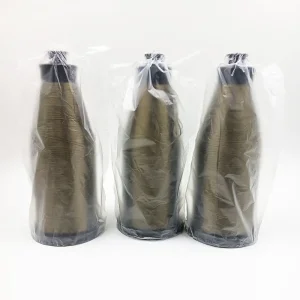
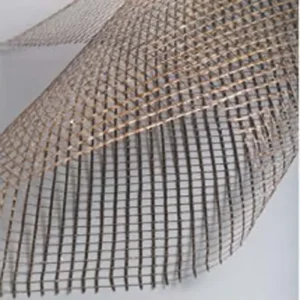
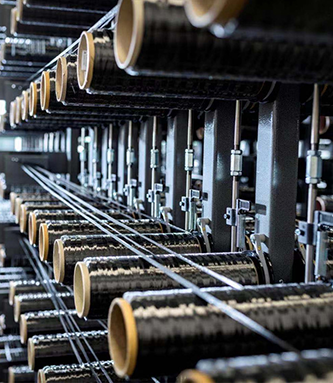
Founded in 2015 and headquartered in the high-tech industrial manufacturing hub of Jiujiang, Jiangxi Province, China Beihai has emerged as the leading high-tech enterprise prioritizing research, dynamic production, system integrations, and multi-tier global sales of high-performance basalt continuous fibers. Our facility is engineered for precise material control, deploying state-of-the-art platinum-rhodium drawing bushings to convert direct volcanic basalt rock into extremely high-tensile mineral filaments.
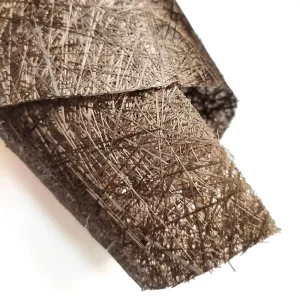
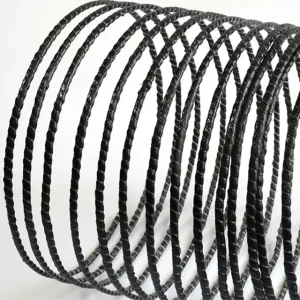
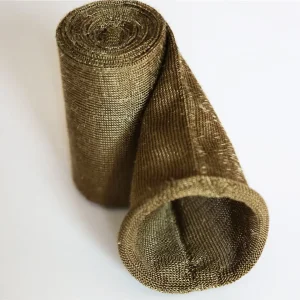
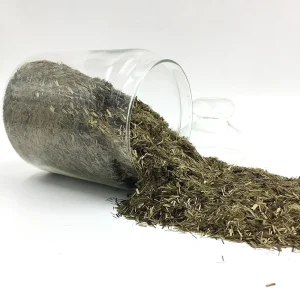
Leveraging deep industrial expertise, China Beihai does not simply produce raw inputs. We synthesize a cohesive system of basalt solutions including robust basalt fiber mats (chopped strand mats, needled insulation felt, surfacing tissue), roving strands, custom structural rebars, high-strength industrial weaving yarns, and high-stability insulation sleeves. Underpinned by strict quality management protocols, our solutions deliver unprecedented performance across the planet's most grueling construction, aerospace, marine, and chemical landscapes.
Why volcanic basalt continuous fiber is shifting structural design standards across global supply chains.
The global materials market is experiencing an irreversible pivot towards sustainable, high-capacity reinforcing media. Modern infrastructure is plagued by the early decay of reinforced concrete due to road salt infiltration, high-alkali aggregate reactions, and aggressive coastal marine environments. Carbon fiber, while structurally supreme, presents prohibitive procurement pricing and massive energy expenditure during fabrication. Glass fiber (E-glass), on the other hand, frequently experiences rapid tensile decay under high alkaline environments within cement matrices.
Continuous Basalt Fiber (CBF) serves as the optimal bridge. Formed by melting high-quality igneous rock at approximately 1450°C and extruding it continuously, CBF is a singular, eco-safe material with zero chemical emissions during production. It possesses an innate resistance to extreme acids, high concentrated salts, and caustic alkalis. As carbon-neutrality frameworks and ESG metrics are written into global engineering bids, the demand for basalt fiber mats and geotextile meshes has skyrocketed by 24% year-on-year. From structural bridge decks in North America to massive high-speed railway foundations in Europe, high-performance basalt mats are replacing glass and steel to construct long-life, maintenance-free, resilient engineering structures.
| Performance Parameter | Continuous Basalt Fiber (CBF) | E-Glass Fiber | Carbon Fiber (PAN-based) |
|---|---|---|---|
| Tensile Strength (MPa) | 3000 – 4800 | 2400 – 3400 | 3500 – 6000 |
| Elastic Modulus (GPa) | 89 – 110 | 72 – 76 | 230 – 600 |
| Elongation at Break (%) | 3.1 – 3.2 | 4.5 – 4.8 | 0.5 – 2.0 |
| Service Temperature Limit (°C) | -260 to +820 | -60 to +480 | -50 to +650 (non-oxidizing) |
| Alkali & Acid Stability | Excellent (Highly Hydrophobic) | Moderate to Poor (Rapid decay) | Excellent |
| Ecological Footprint | Extremely Low (100% natural mineral) | Moderate (synthetic additives) | Very High (high-energy synthesis) |
| Procurement Cost Index | Highly Competitive (Optimal ROI) | Low Initial Cost | Prohibitively High |
Addressing supply chain constraints, quality verification, and consistency in structural basalt composites.
Industrial procurement departments in the aerospace and automotive sectors demand fiber mats with highly controlled density tolerances. China Beihai solves this with continuous computer-monitored needling systems that maintain density deviations within ±2.5%, ensuring even resin distribution and predictable tensile properties across the composite.
When reinforcing cement or road structures, standard sizing coatings on mineral fibers can dissolve, causing early micro-cracking. Our proprietary chemical sizing formulations form a permanent barrier that blocks dynamic chemical deterioration, extending cement matrix lifespans up to 100 years.
Global infrastructure relies on precise fiber lengths. Large buyers often face delivery delays for bespoke specifications. We maintain six specialized continuous melting lines, facilitating rapid shifts from custom chopped strand lengths (6mm to 50mm) to heavy surfacing tissues without long re-tooling delays.
Engineered applications where Beihai Basalt Fiber products continuously redefine limits.

High-tensile chopped strands prevent micro-fissures in foundational concrete slabs, high-rise plaster layers, and structural facades.

Advanced composite continuous fibers optimize weight-to-strength ratios in unmanned aerial vehicle frames, cabin partitions, and high-frequency radomes.

Our needled mats are highly resilient against pyrolytic degradation, serving as excellent heat barriers inside launch vehicle engine compartments.

Road pavements and airport runways benefit from basalt geogrids that distribute high-tonnage wheel loads and eliminate concrete rutting.

Brake pad reinforcement, high-impact bumpers, and muffler wraps utilize chopped strands and needled mats to suppress thermal vibration.

Provides robust resistance to salt-water corrosion, impact forces, and weathering, preventing the deterioration of core concrete structures.

Alkali and acid-resistant wraps prevent environmental leaks in critical underground storage tanks and high-pressure chemical transport pipes.

Hull reinforcements and deep-sea structural components stay free from salt corrosion, avoiding biological decay and chemical aging.
Engineered composites that consistently exceed standard specification thresholds.
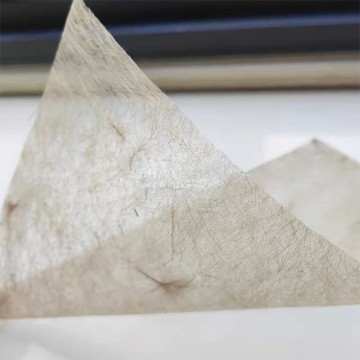
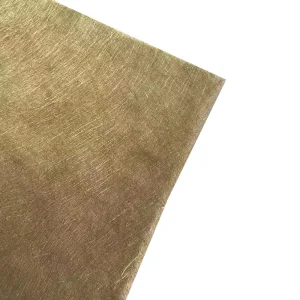
A non-woven thin sheet engineered to provide a smooth, resin-rich surface layer for fiber reinforced plastic (FRP) laminates, ensuring superb chemical resistance and dynamic surface finish.
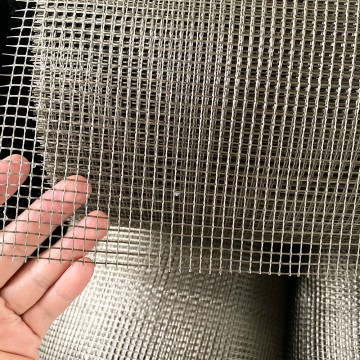
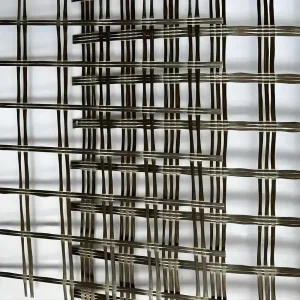
Our high performance mesh provides a superior reinforcement solution for concrete and plaster applications where high alkali resistance and tensile reinforcement are critical.
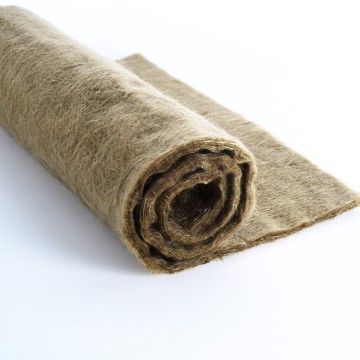
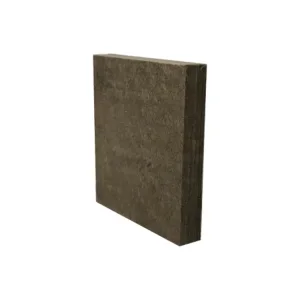
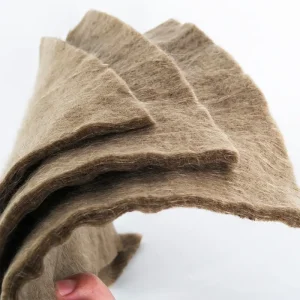
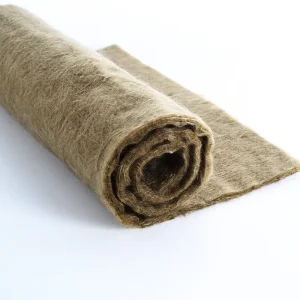
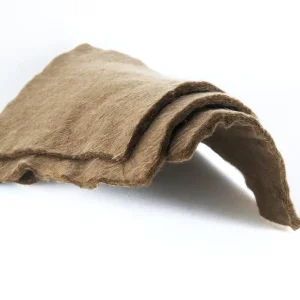
Manufactured by mechanically bonding continuous basalt fibers without any chemical binders, this high-density mat provides superior thermal and acoustic insulation.
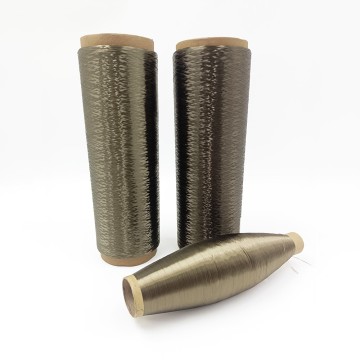
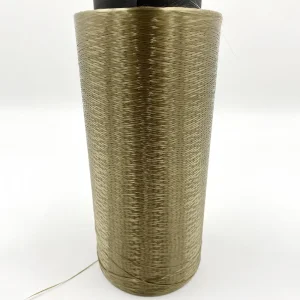
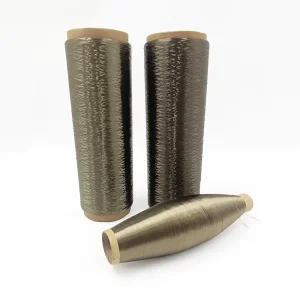
Engineered by twisting multiple continuous filaments to enhance mechanical strength, flexibility, and processing stability for heavy-duty industrial weaving applications.
Continuous progress in fiber manufacturing. How China Beihai is defining the next generation of mineral composites.
As industrial processes transition towards deep automation, China Beihai is rolling out a three-stage technology roadmap designed to maximize interfacial shear strength (IFSS) and thermal resistance. Current composites are limited by the bonding efficiency between mineral filaments and organic epoxy resins. Our R&D center is actively developing advanced nanotechnology-modified chemical sizing agents. By grafting nano-silica directly onto continuous basalt fibers, we can improve mechanical shear resistance by over 30% compared to standard materials.
Simultaneously, we are scaling production of ultra-fine filament continuous yarns (down to 5.5 microns). These ultra-fine filaments exhibit highly flexible handling characteristics, unlocking advanced robotic placement pathways like automated fiber placement (AFP) for UAV wings and intricate electric car structural battery trays. In addition, our upcoming recycling loop guarantees that clean scrap fibers from mat production are repurposed into structural chopped strands for high-grade friction materials, reinforcing our commitment to circular manufacturing.
Sourcing pure, uniform volcanic blocks. Eliminating impurities in gas-fueled melting furnaces to maintain homogeneous melt viscosity.
Drawing through high-precision platinum-rhodium bushings with automated laser monitoring of filament diameters.
Applying custom coupling agents designed to chemically bond with epoxies, phenolics, and cement matrices.
Transforming continuous fibers into chopped strand mats, needled felts, or surfacing tissues via mechanical interlocking.
Modern industrial operations require high structural reliability. In high-stakes operations where drones monitor forest fires or heavy automation robots handle precision sorting on factory floors, equipment must rely on materials that withstand thermal shifts, physical impacts, and chemical corrosion.
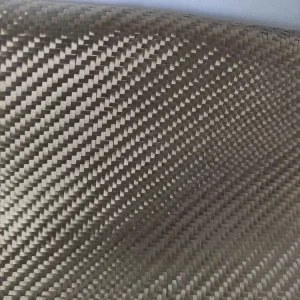
Our research team has successfully developed lightweight, high-temperature composite housings using high-density basalt needle mats and custom continuous woven fabrics. Unlike carbon fiber, which can cause electromagnetic shielding issues, basalt fiber is highly transparent to electromagnetic waves. This makes it the ideal material for structural enclosures housing high-frequency telemetry devices, advanced sensors, and communication antennas.
Undergoing stringent verification processes to satisfy demanding international standardizations.
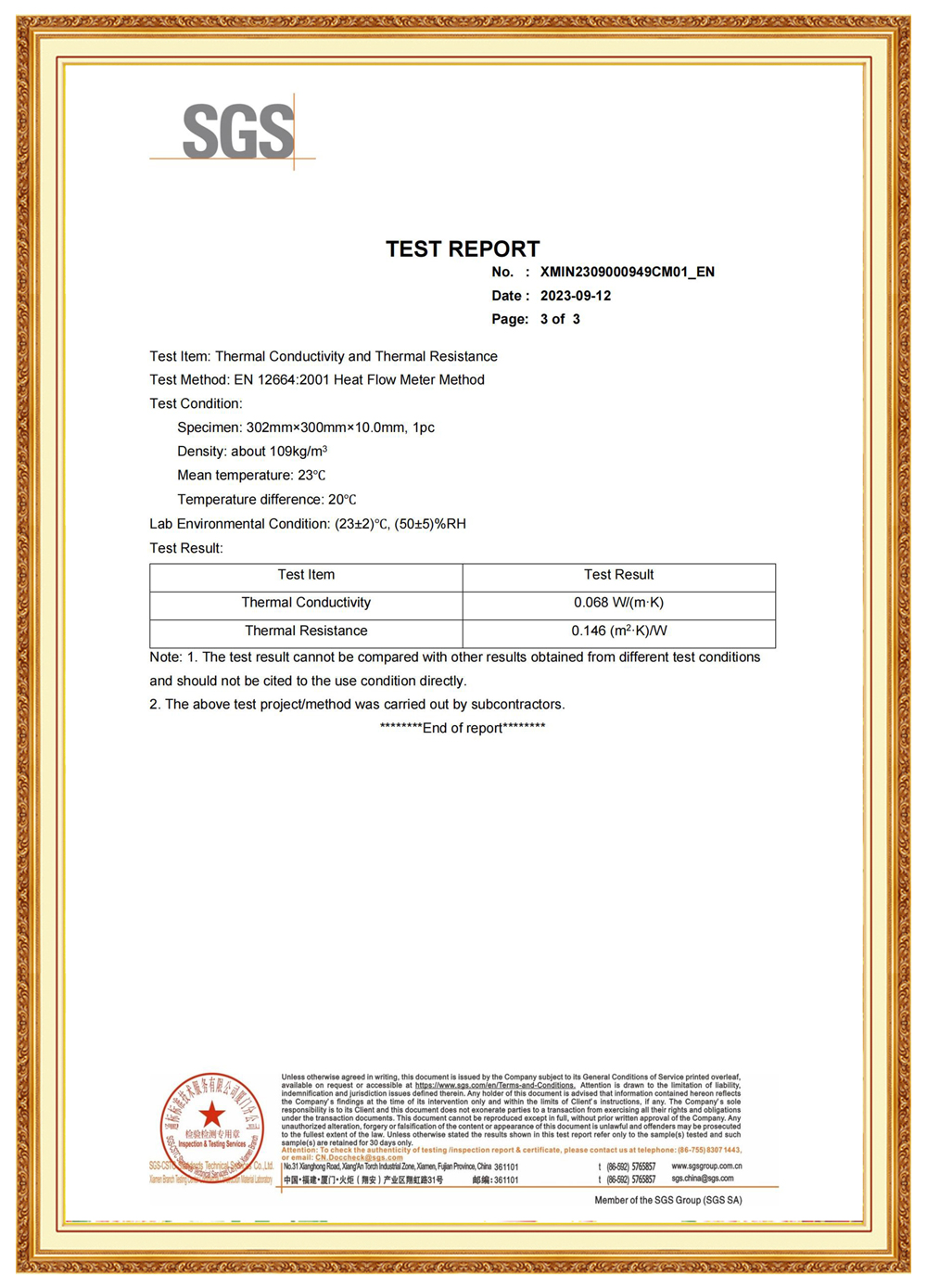
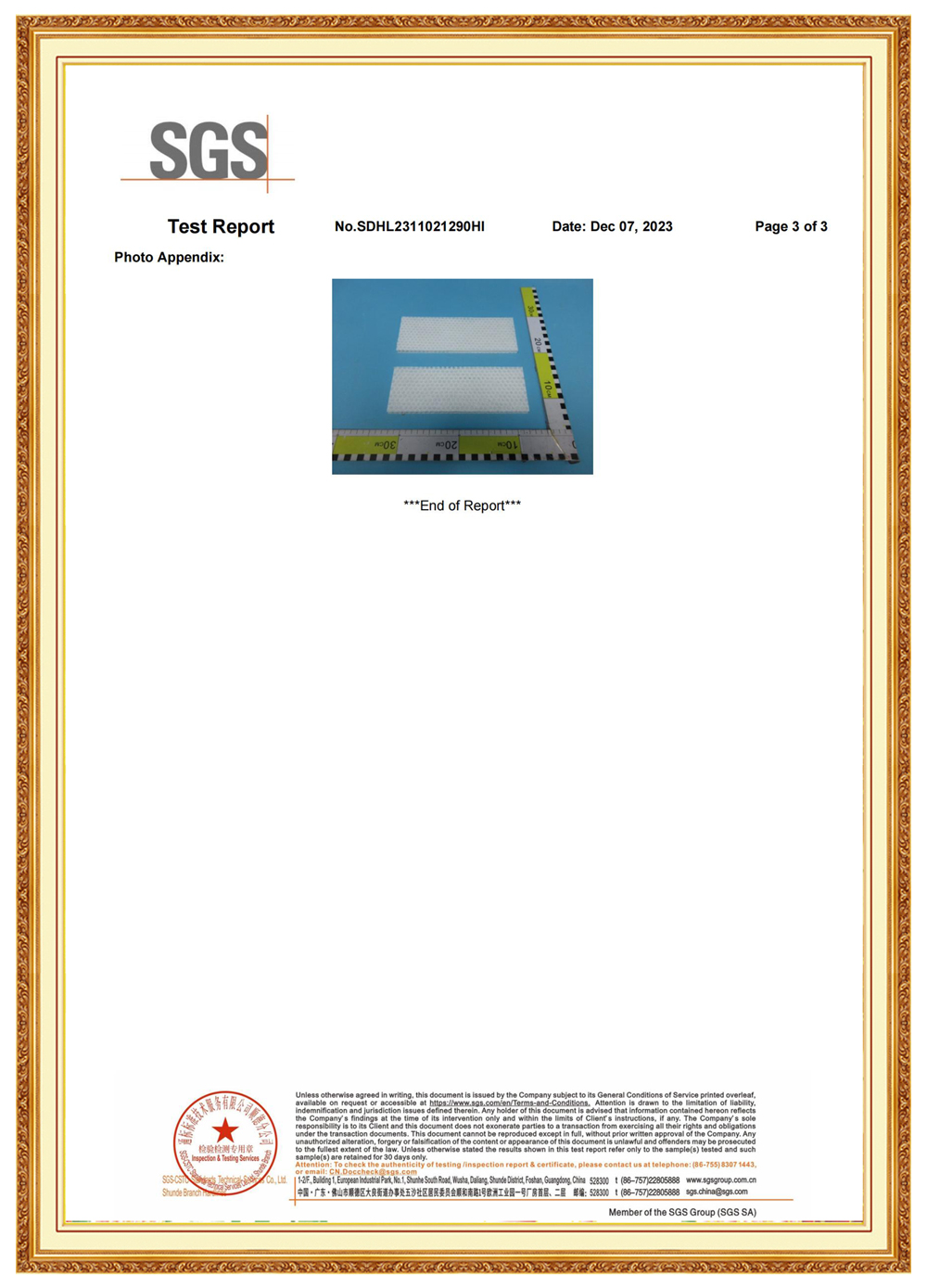
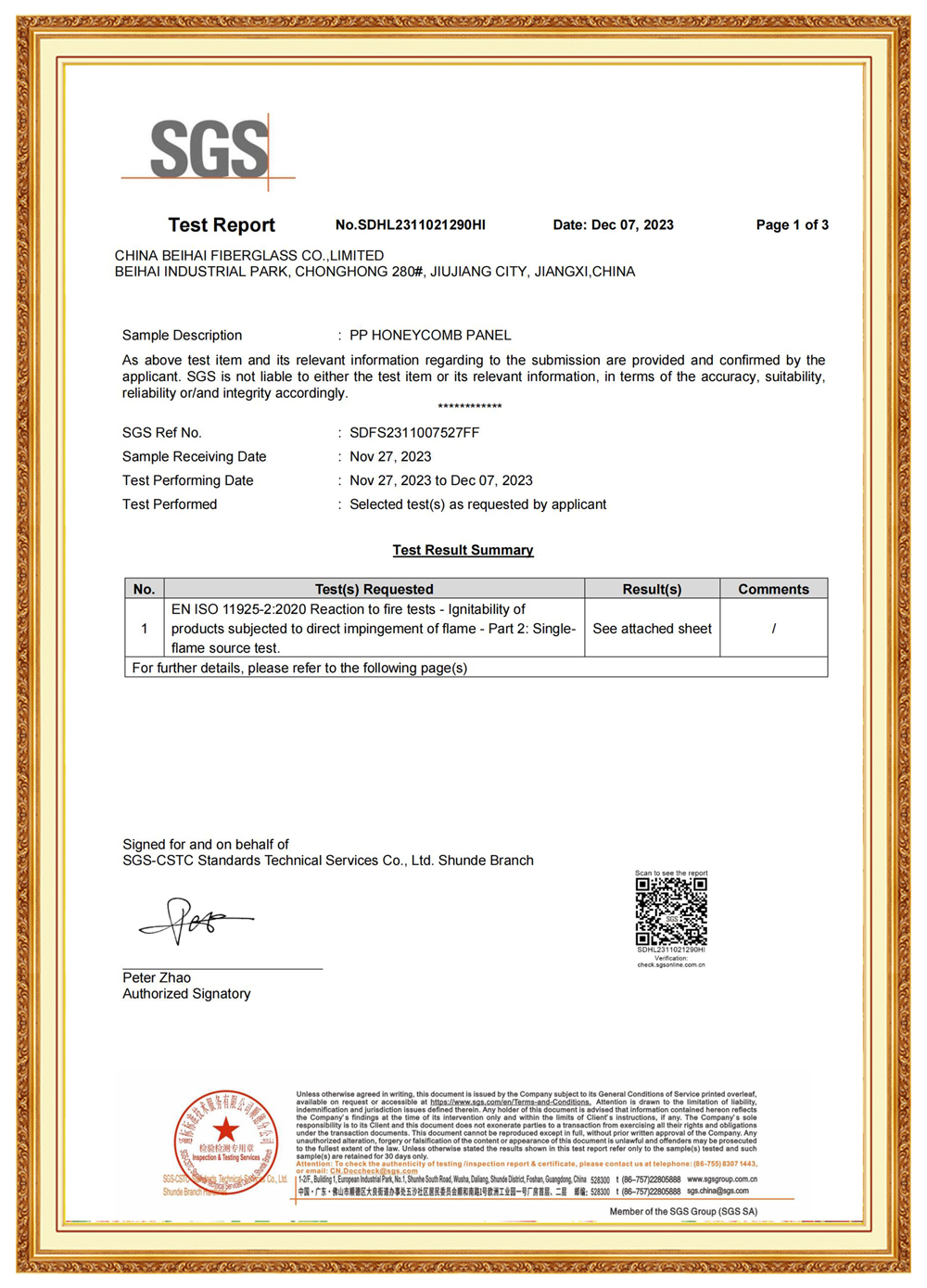
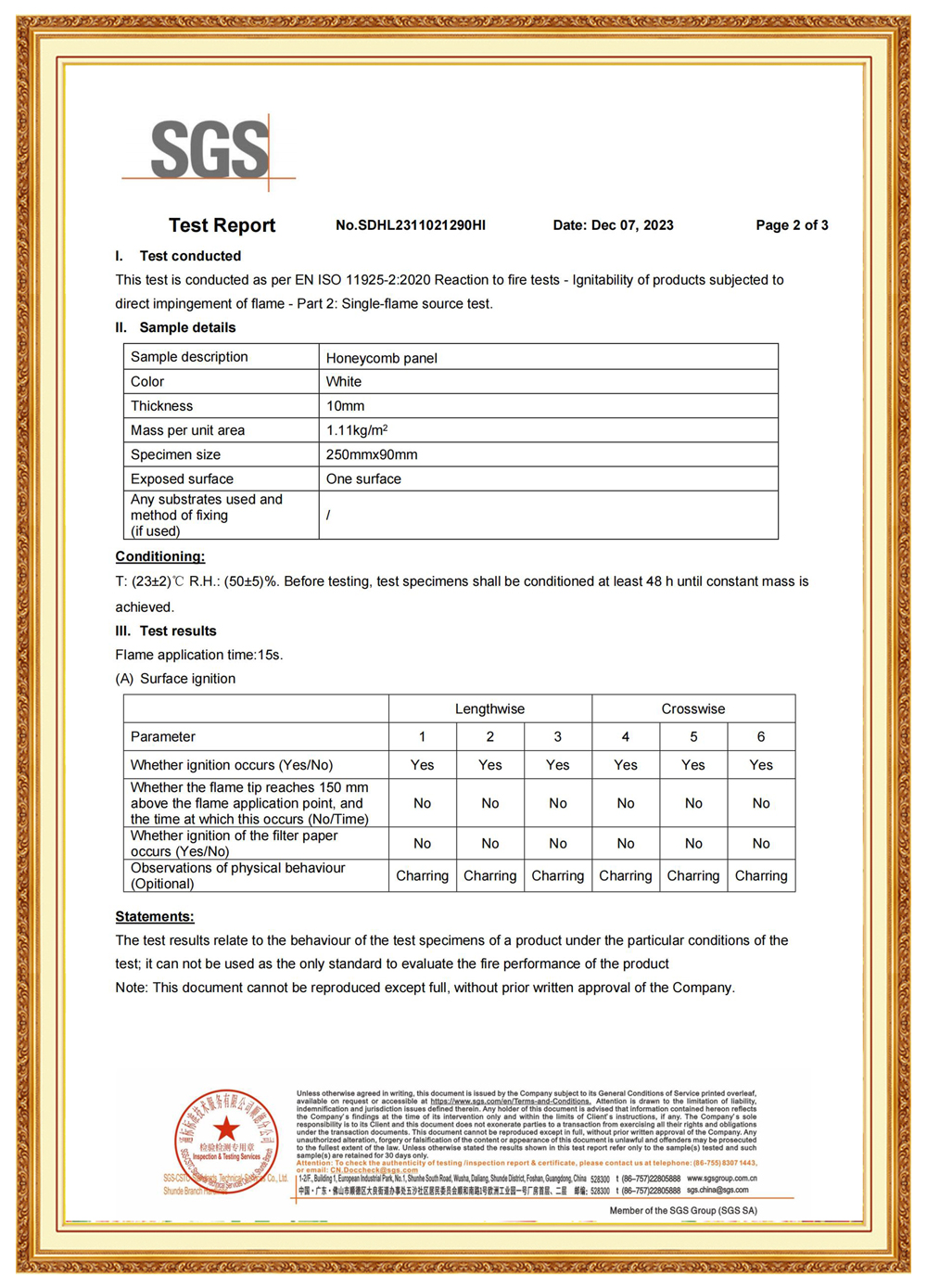
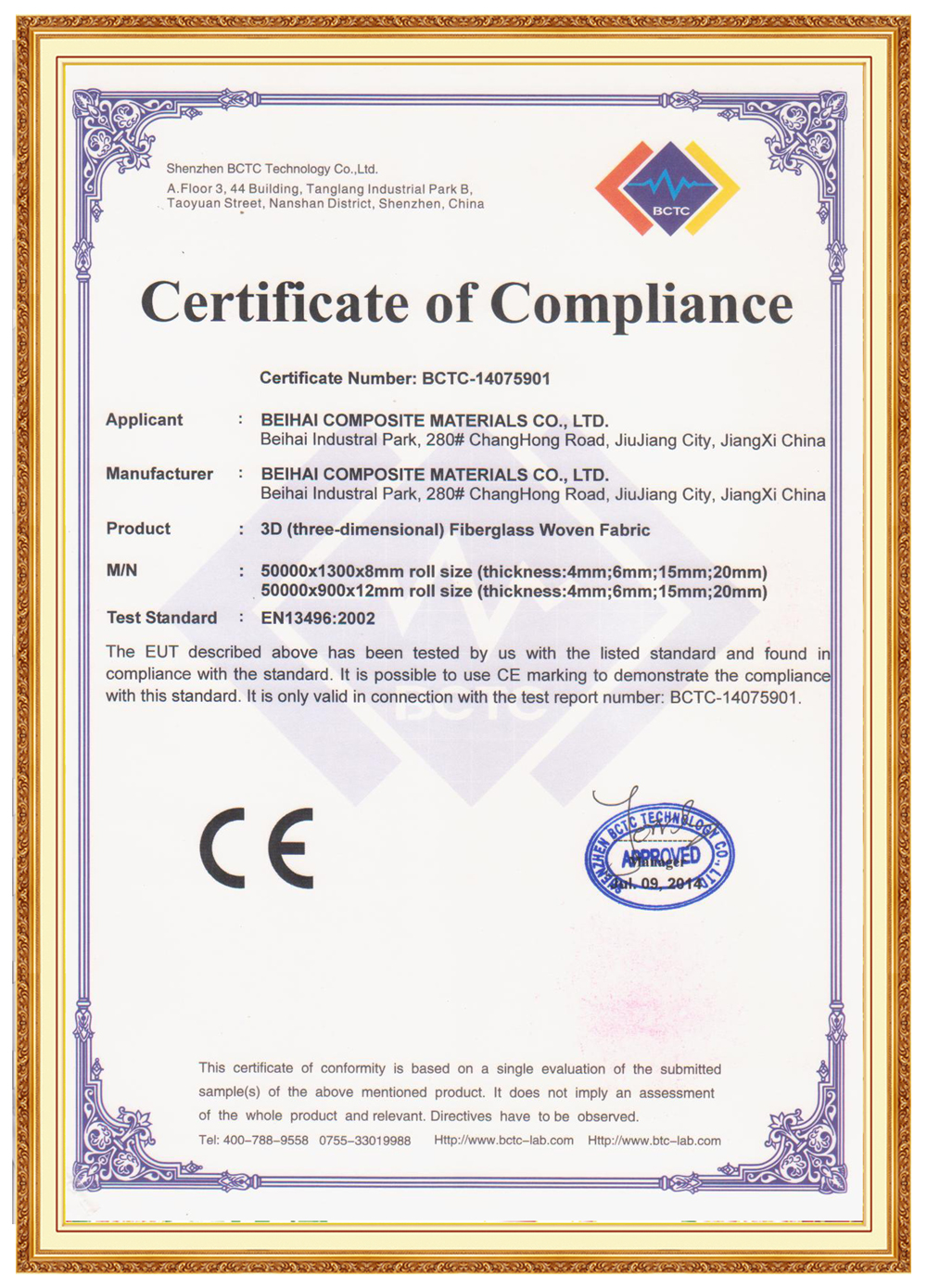
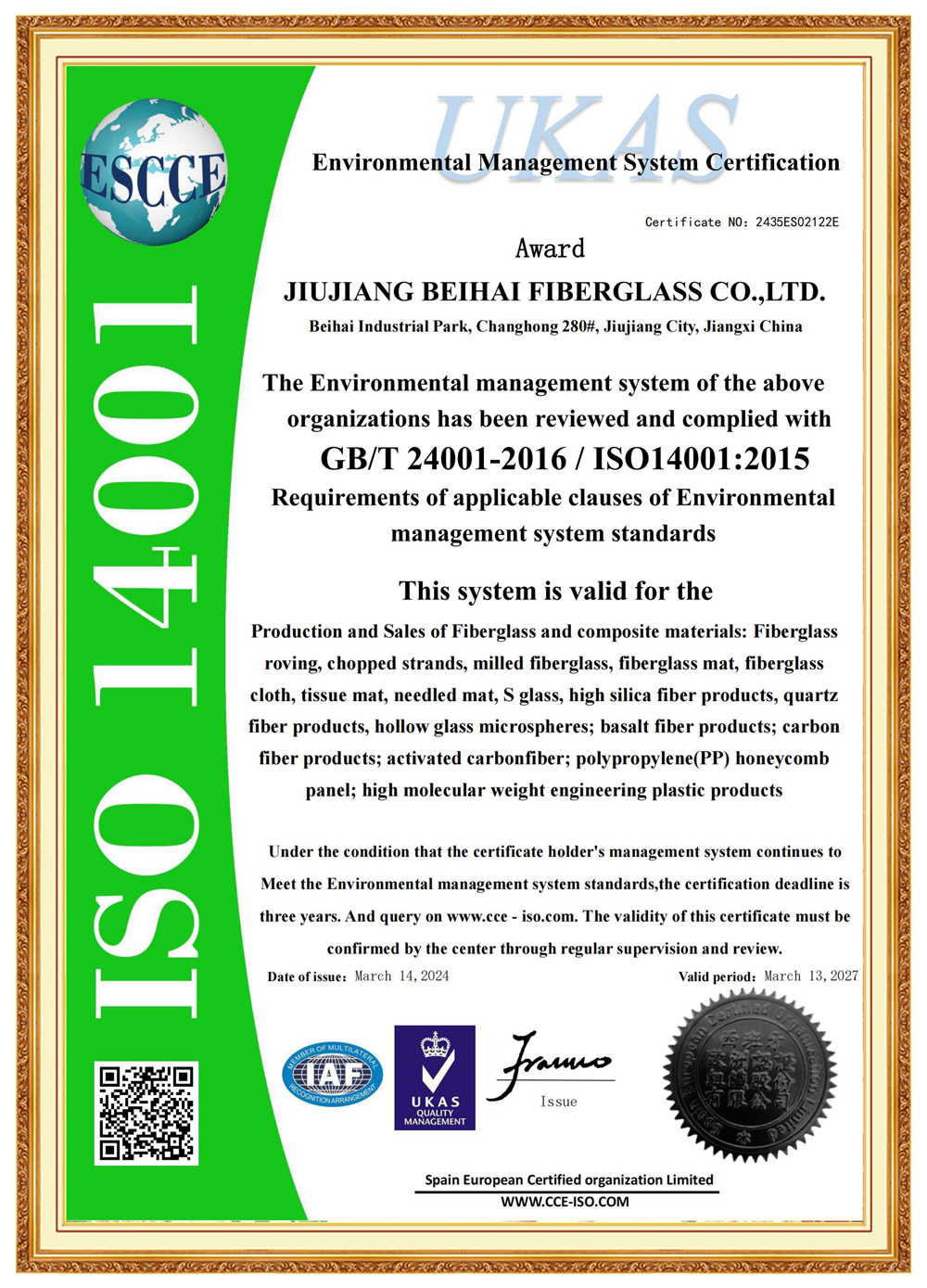
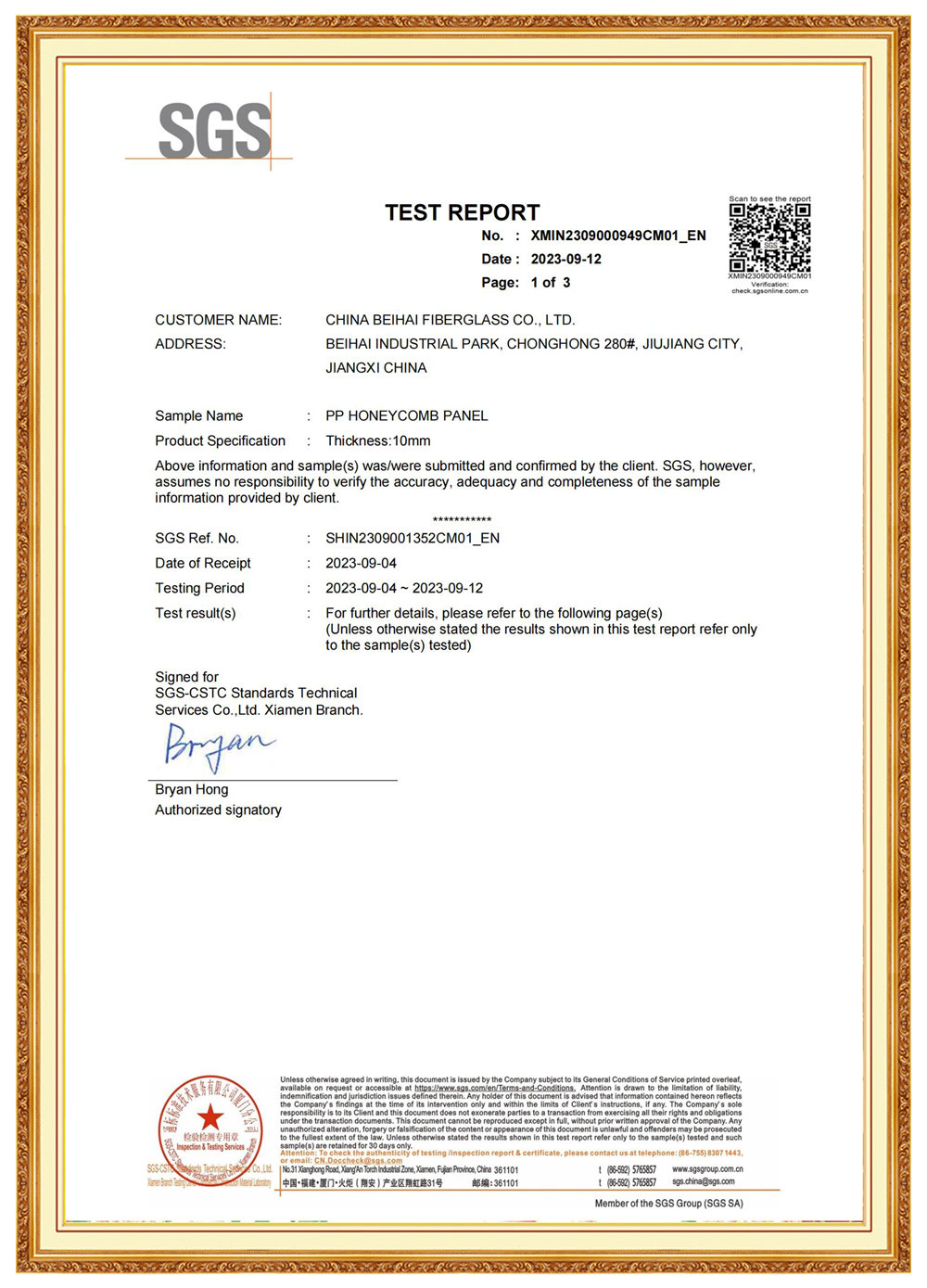
To support global supply chains, China Beihai maintains third-party certified compliance under international regulatory frameworks. Our factory processes are governed by the ISO 9001:2015 Quality Management System. Our products regularly pass rigorous testing under standard ASTM, CE, and RoHS protocols, ensuring they meet structural reinforcement and environmental safety standards across major global regions.

Providing direct answers to technical questions commonly raised by procurement directors and materials engineers.
Continuous Basalt Fiber (CBF) features a high-density molecular network of natural mineral oxides, providing a 15-20% higher tensile strength and a 25-30% higher modulus of elasticity compared to standard E-glass. This structural difference enables engineers to achieve thinner, lighter, and more rigid composite sections without sacrificing tensile capacity.
E-glass suffers rapid strength loss in high-alkali concrete matrices due to chemical corrosion of its silica structure. China Beihai basalt fibers are treated with a specialized alkaline-resistant sizing that prevents chemical attack, maintaining structural integrity and preventing micro-cracks over the long term.
Because our basalt needle mats are mechanically bonded without organic resin binders, they do not release smoke or toxic gases under high temperatures. They maintain structural integrity within an impressive operating range of -260°C to +820°C, outperforming glass and organic polymer barriers in critical thermal insulation applications.
While carbon fiber offers higher modulus values, it is electrically conductive, prone to galvanic corrosion when touching metals, and expensive to procure. Basalt fiber is an excellent alternative: it is completely non-conductive, chemically inert, has high tensile strength, and offers a much better cost-to-performance ratio for large projects.
Yes. Since basalt fiber is made entirely from natural volcanic rock, it can be crushed and melted back down for reuse, or repurposed into reinforcing chopped strands for concrete and asphalt, making it a highly sustainable choice that aligns with modern circular economy initiatives.
We supply surfacing tissue mats ranging from lightweight 30g/m² options for intricate cosmetic finishes up to 100g/m² options for heavy-duty chemical corrosion barriers. Custom sizing coatings can also be tailored to ensure compatibility with epoxy, polyester, or vinyl ester resin systems.
Basalt fiber has extremely low moisture absorption (under 0.1% by weight), keeping it highly stable in damp or underwater environments. This prevents the moisture-induced delamination that often limits the performance of organic aramid-reinforced composites.
With our automated melting facilities in Jiujiang, we maintain high production capacities. Standard container shipments are typically dispatched within 15-20 days of order confirmation, and we coordinate closely with global freight networks to ensure efficient customs clearance and delivery.
Engineered technical solutions for high-temperature filtration, industrial insulation, and advanced structural reinforcements.
 Beihai Fiberglass