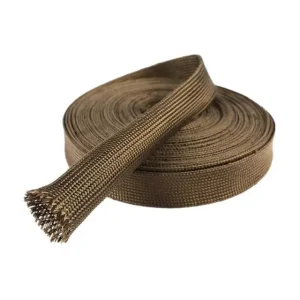
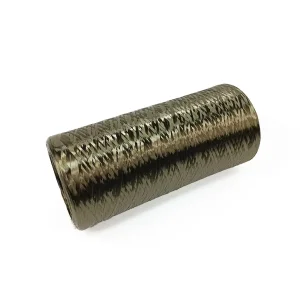
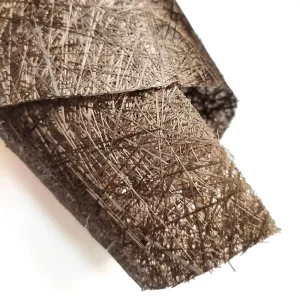
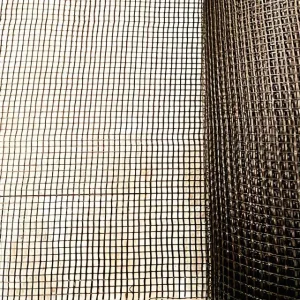
Decoding the Future of Geotechnical Reinforcement and Basalt Fiber Technology
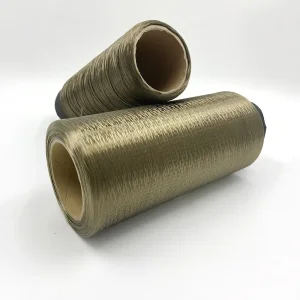
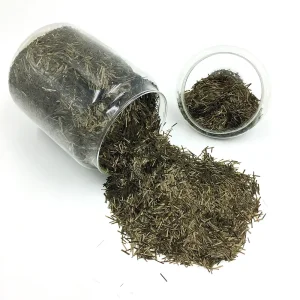
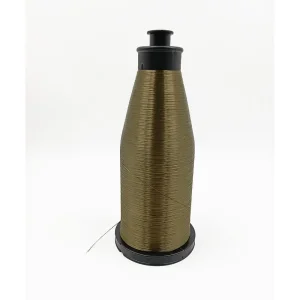
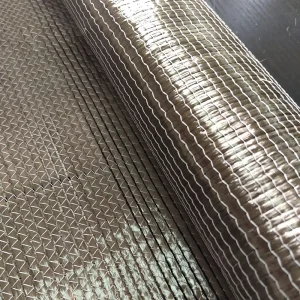
China Beihai, established in 2015 and headquartered in the industrial hub of Jiujiang, Jiangxi Province, stands as a titan in the high-performance basalt continuous fiber sector. As a national high-tech enterprise, we integrate R&D, advanced manufacturing, and global supply chain logistics to redefine the standards of High Strength Geogrid Mesh. Our focus is not merely on production but on providing "Information Gain" to engineers and contractors worldwide—offering data-driven insights into why basalt composites are the ultimate successor to legacy steel and polyester grids.
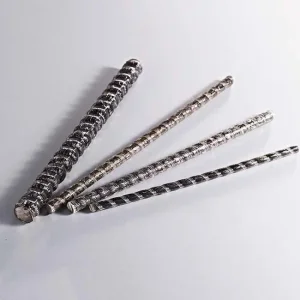
The global demand for infrastructure durability is peaking. Traditional materials often succumb to electrochemical corrosion, especially in saline environments or acidic soils. Our Basalt Fiber Rebar and geogrid products offer a non-corrosive, high-modulus alternative with a thermal expansion coefficient nearly identical to concrete, ensuring structural integrity for over 100 years. In this whitepaper, we explore the convergence of nanotechnology and geotechnical engineering, focusing on the supply chain resilience of Chinese factories and the evolving landscape of global construction.
Tailored Engineering for Localized Geotechnical Challenges
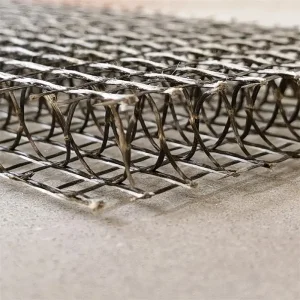
In regions with extreme temperature fluctuations (Middle East/Northern Europe), our basalt geogrid prevents reflective cracking. It withstands up to 600°C during asphalt paving without melting, unlike polymer grids.
Localized support for sea wall reinforcement in Southeast Asia. Basalt’s natural resistance to salt-water corrosion makes it the primary choice for bridge pier protection and wharf stabilization.
Ensuring zero-settlement roadbeds for HSR projects. The high modulus of our mesh provides the necessary stiffness to support dynamic loads at 350km/h, common in the vast Chinese and European rail networks.
Integrating AI and Smart Sensing into Reinforcement Materials
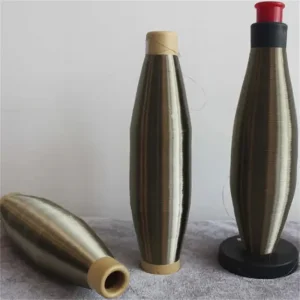
Mastering the "Green Standard" basalt melting process. Achieving tensile strengths exceeding 2100 MPa and enhancing the bonding interface between fiber and coating (Bitumen/PVC/Latex).
Developing "Sensory Geogrids" where basalt fibers are co-woven with fiber-optic sensors. This allows for real-time monitoring of roadbed stress and deformation via AI-driven cloud platforms, enabling predictive maintenance for smart cities.
Transitioning to 100% renewable energy in basalt factories. Basalt fiber already has a lower carbon footprint than glass or steel; the goal is to provide a fully circular product lifecycle for global "Net Zero" compliance.
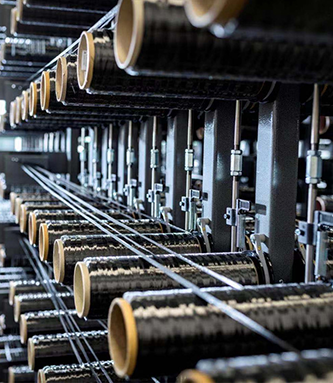
Why do global contractors source from China Beihai? It is not just about cost; it is about Supply Chain Resilience. Located in Jiangxi, we sit at the heart of a logistics network that connects to major ports (Ningbo/Shanghai) within 24 hours.
All High Strength Geogrid products undergo rigorous testing according to ASTM D6637 and EN ISO 10319, ensuring global interoperability.
Our engineering team provides deep technical consultation, from CAD design for soil stabilization to onsite installation guidance.
We provide full technical data sheets (TDS) and material safety data sheets (MSDS) localized in 15+ languages for regional regulatory approval.
Basalt fiber has a higher tensile strength and much higher chemical resistance, especially in high-alkaline environments like concrete. It also has a wider working temperature range (-260°C to +700°C).
Yes. As a leading manufacturer, our looms are adjustable to create custom apertures (e.g., 25x25mm, 50x50mm) and custom widths up to 6 meters to fit specific project requirements.
Standard orders are processed within 15-20 days. Thanks to our Jiujiang factory capacity, we maintain a rolling stock of common specifications for emergency infrastructure needs.
Absolutely. It is made from natural volcanic rock through a single-component melting process with no chemical additives, making it 100% recyclable and inert.
 Beihai Fiberglass