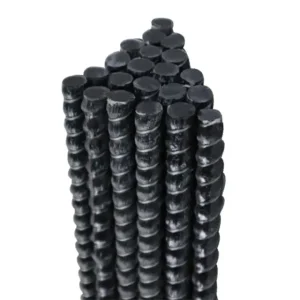
Wholesale High Strength Basalt Rebar for Underground Construction Pricelist, Suppliers

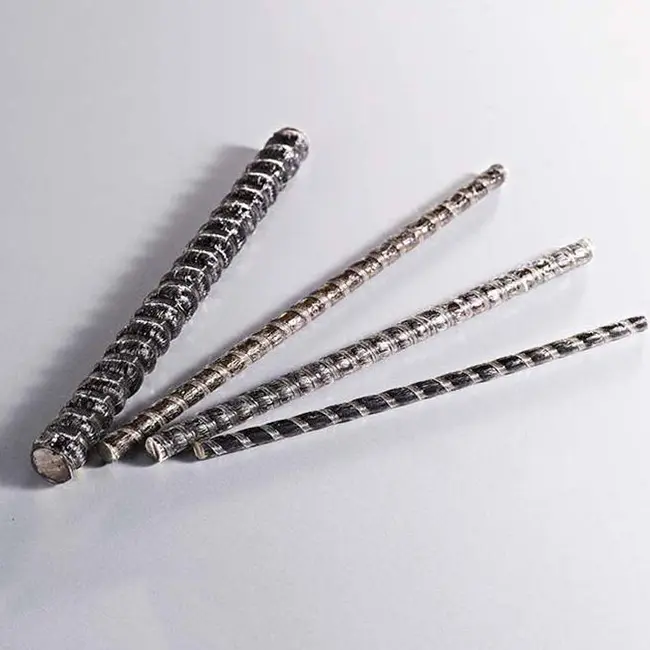
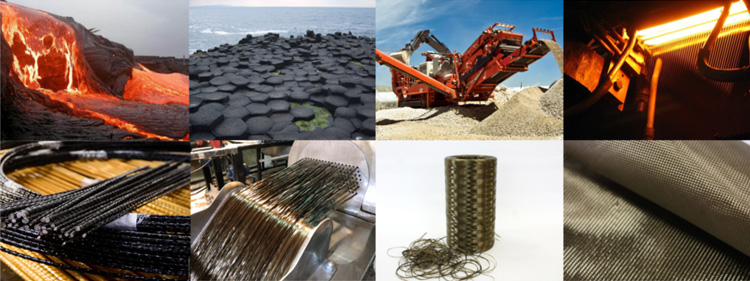
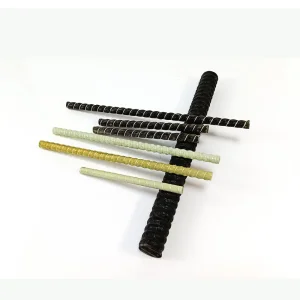
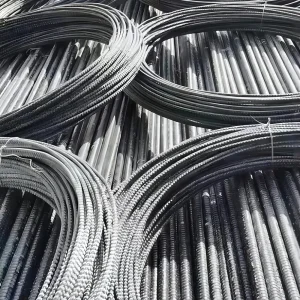
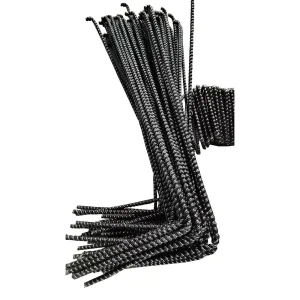
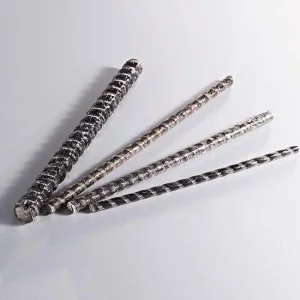
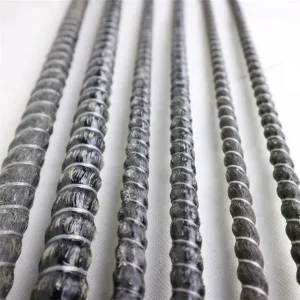
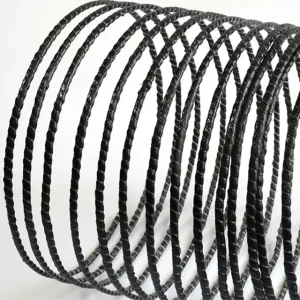
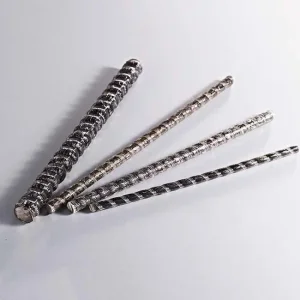
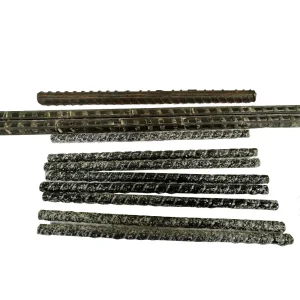
Basalt fiber is a new type of composite material combined with resin, filler, curing agent and other matrix, and formed by pultrusion process.

Product Description

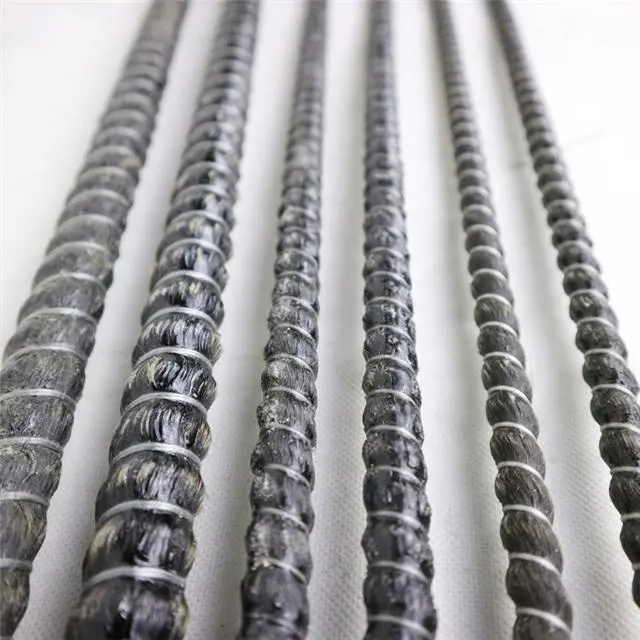
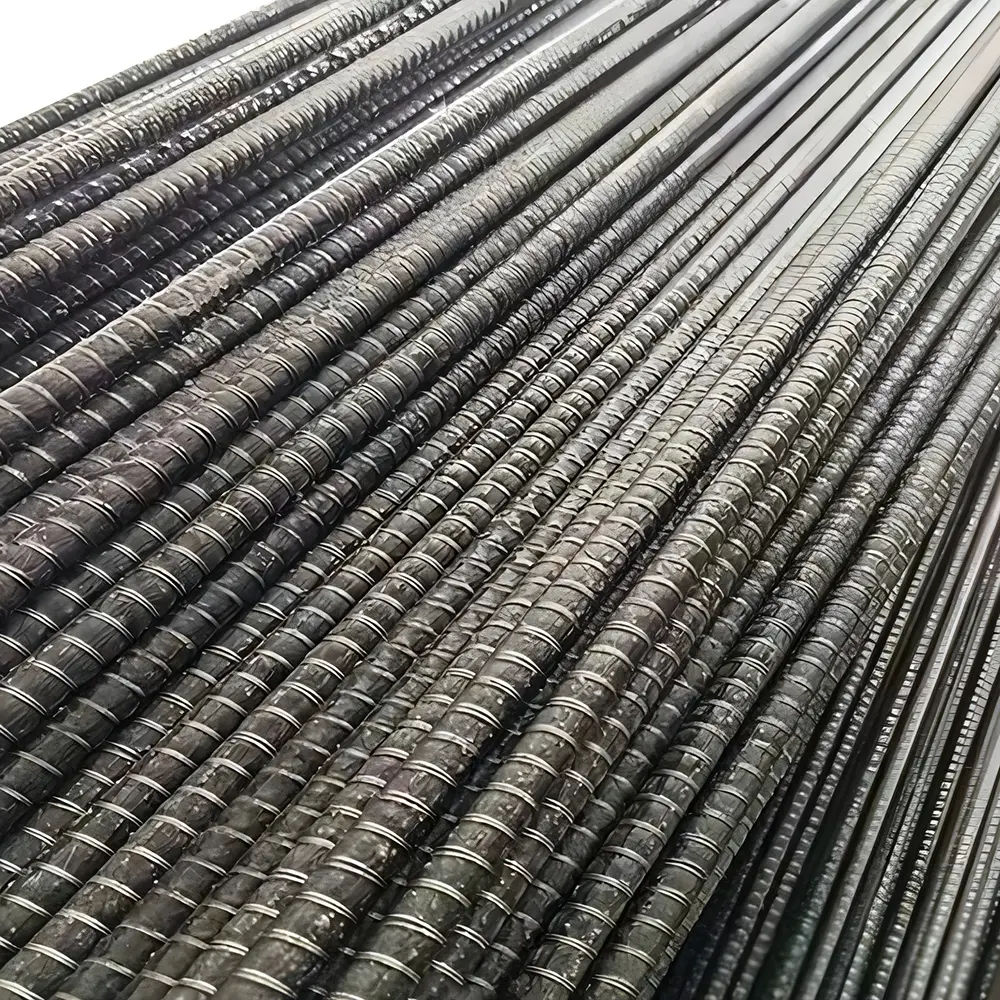
Basalt Rebar Main
Product Features
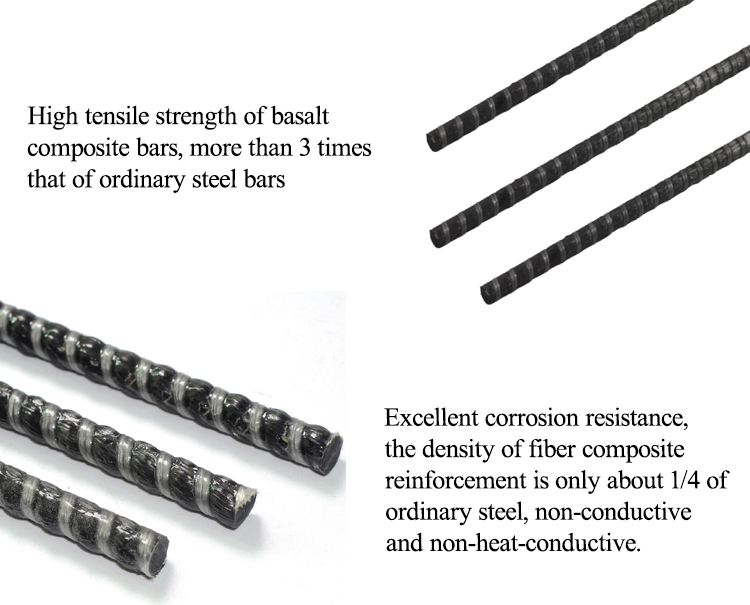
High Tensile Strength: More than 3 times the strength of ordinary steel bars.
Excellent Corrosion Resistance: Unmatched durability against chemical agents.
Lightweight: Density is less than 2.0g/cm³, about 1/4 the weight of steel.
Thermal Compatibility: Expansion coefficient similar to concrete, reducing temperature stress.
Non-Conductive & Non-Magnetic: Good wave-transmitting performance and no shielding.
Eco-Friendly: Saves 5.24tce of standard coal carbon emissions per ton.

Basalt Structural Rods and Fibers naturally assimilate into concrete or cement-based products, readily replacing traditional reinforcement while improving the final structural integrity.
Basalt Rebar Advantages
Product Specification
Brand (N/M) Weight (g/m) Diameter (mm) Cross Sectional Area (mm²) Tensile Strength (MPa) Ultimate Tension (KN) Elastic Modulus (GPa) Limiting Strain (%)
BH-426412.56135016.96552.30
BH-657628.26125035.33552.27
BH-8104850.24120060.29552.18
BH-101621078.5120094.2522.31
BH-1221912113.041100124.34502.20
BH-1430714153.861000153.86482.08
BH-1641216200.961000200.96482.08
BH-1851318254.34900228.9452.08
BH-2063520314900286.2452.08
BH-2277022379.94800303.95422.00
BH-2599225490.625800392.5422.00
Product Application

Basalt Fiber Reinforced Polymer Rebar (BFRP) is non-magnetic, electrically insulated, and extremely resistant to chemical corrosion. It is widely used in specialized construction departments such as medical infrastructure (MRI rooms), airports, military facilities, and anti-radar buildings.
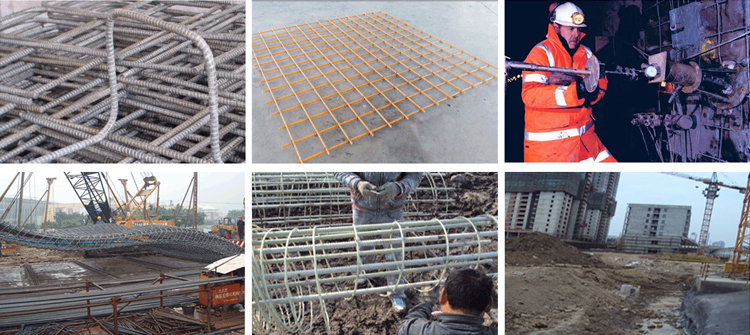
  • 1. Civil Engineering: Used in earthquake observation stations, seaport pier protection, metro stations, bridges, and prestressed concrete highways.
  • 2. Chemical Industry: Ideal for anti-corrosion chemical plants and storage tanks due to high resistance to acid, alkali, and salts.
  • 3. Underground Engineering: Enhances structural strength in tunnels and underground parking lots without interfering with electrical or communication systems.
Basalt Rebar Application Scenarios
Frequently Asked Questions
Q1: What are the main advantages of Basalt Fiber Rebar (BFRP) over steel?
BFRP offers 3 times the tensile strength of steel, is 1/4 the weight, and is completely immune to corrosion from acids, alkalis, and salts.
Q2: Is Basalt Rebar suitable for magnetic sensitive areas?
Yes, BFRP is non-magnetic and electrically insulated, making it perfect for MRI rooms, radar stations, and electronic equipment environments.
Q3: How does BFRP perform in concrete structures regarding temperature?
It has a thermal expansion coefficient very similar to cement concrete, which prevents internal stress and cracking caused by temperature fluctuations.
Q4: Is the installation of Basalt Rebar difficult?
Because it is significantly lighter than steel, it reduces labor intensity and transportation costs, making handling and installation much easier.
Q5: Is Basalt Rebar an environmentally friendly material?
Yes, it is a sustainable material. Each ton of basalt fiber composite bars can save 5.24tce of standard coal carbon emissions compared to traditional materials.
Q6: Can Basalt Rebar be used in marine environments?
Absolutely. Its superior corrosion resistance makes it an ideal choice for seaport piers, sea walls, and any infrastructure exposed to saltwater.

Related Products