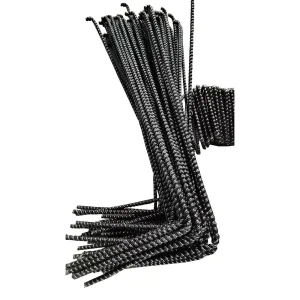
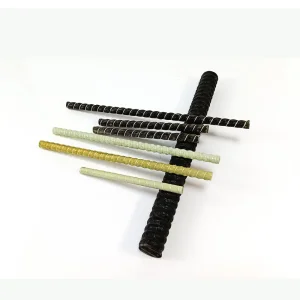
In the modern era of civil engineering, the limitations of traditional steel reinforcement (rebar) have become increasingly apparent. Issues such as electrochemical corrosion, high carbon footprint during production, and weight-related logistics costs are driving a global transition toward non-metal rebar alternatives—specifically, Basalt Fiber Reinforced Polymer (BFRP) and Glass Fiber Reinforced Polymer (GFRP).
The global infrastructure sector is currently facing a "Corrosion Crisis." Billions of dollars are spent annually on maintaining concrete structures damaged by the oxidation of steel rebars, especially in coastal, marine, and chemical environments. As a premier Wholesale Non-Metal Rebar Supplier & Factory, Beihai Group is at the forefront of this shift, providing high-performance solutions that offer:
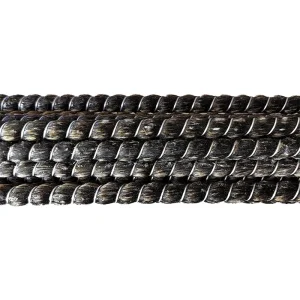
At China Beihai, our technical roadmap centers on the continuous improvement of basalt fiber manufacturing equipment and surface treatment technologies. Non-metal rebar is not just a replacement; it is an upgrade. By utilizing advanced pultrusion processes, we ensure that our rebar provides:
Corrosion Proof
Tensile Strength
Weight of Steel
Years Lifespan
We provide tailored solutions for diverse environmental conditions:
In high-salinity environments, traditional steel creates "concrete cancer." Our basalt rebar provides the ultimate defense, extending the structural life of bridges, seawalls, and piers.
With increasing traffic loads, non-metal rebar prevents degradation caused by de-icing salts and extreme temperature fluctuations, ensuring road resilience.
The lightweight nature of our materials significantly lowers logistics and labor costs during underground construction, facilitating faster project completion.
The future of the non-metal rebar industry lies in "Intelligent Reinforcement." We are actively researching the integration of fiber-optic sensing directly into basalt rebars to create "smart structures" capable of monitoring their own stress, strain, and structural integrity in real-time. This is the next frontier of civil engineering.
A: While the initial material cost may differ, the lifecycle cost—factoring in reduced maintenance, no need for rust inhibitors, and cheaper transport/installation—makes non-metal rebar significantly more cost-effective for long-term projects.
A: Yes, it is used extensively in architectural elements, balcony reinforcements, and facade support, where weight reduction is a critical engineering requirement.
A: As a specialized manufacturer, we offer diameters ranging from 4mm to 30mm, customized to specific project engineering specifications.
 Beihai Fiberglass