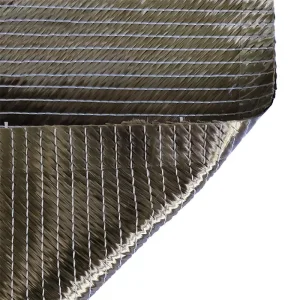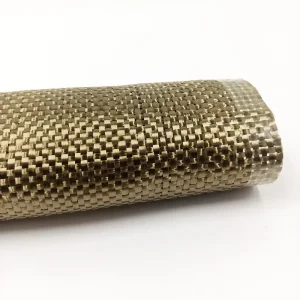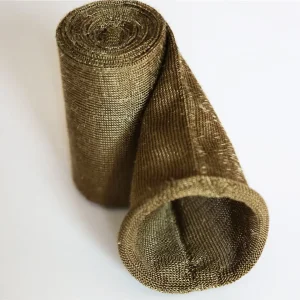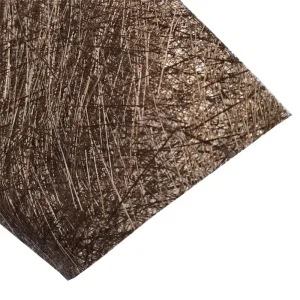
Optimized for high-strength reinforcement in Indonesian civil engineering.
View Specifications →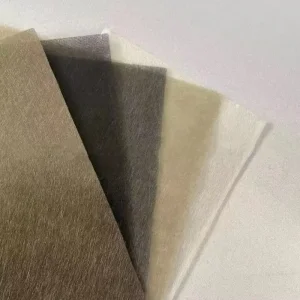
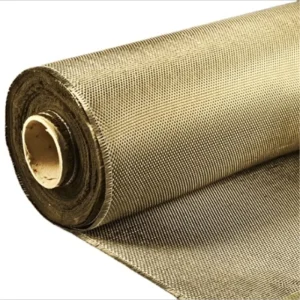
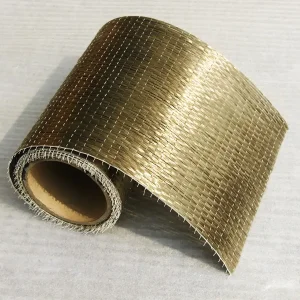
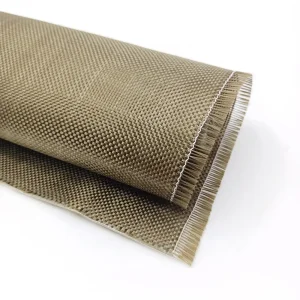
Superior surface finish and corrosion resistance for coastal environments.
Get Local Quotes →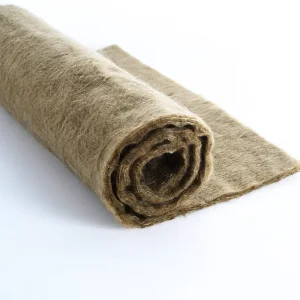
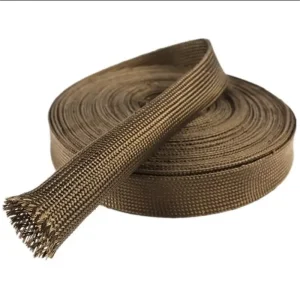
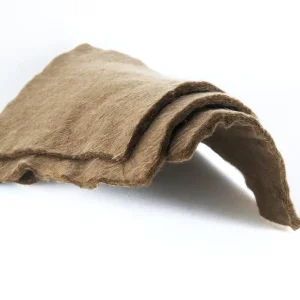
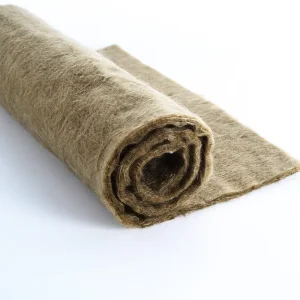
Grade-A fire resistance for Indonesia's expanding energy sector.
Technical Data →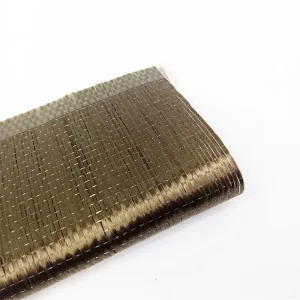
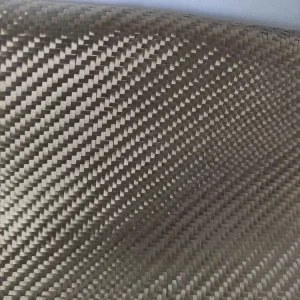
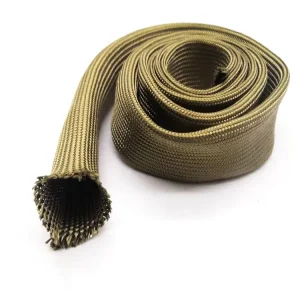
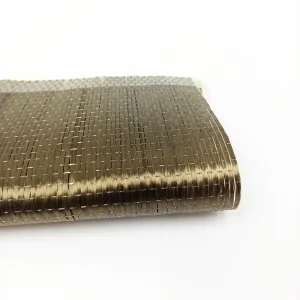
High-modulus fabric for seismic retrofitting in earthquake-prone zones.
Price List 2024 →As the world’s largest archipelago, Indonesia faces unique engineering challenges: extreme humidity, high salinity, volcanic activity, and an ambitious infrastructure roadmap. Basalt fiber fabric, derived from natural volcanic rock, represents the ultimate "Green Material" of the 21st century, offering a non-corrosive, high-strength alternative to traditional steel and glass fiber.
Thermal Resistance
Strength of Steel
Eco-Friendly
Corrosion Rate
With the development of Nusantara (IKN), Indonesia's new capital, the demand for sustainable, lightweight, and disaster-resilient materials has skyrocketed. Traditional steel reinforcement often fails in coastal regions like Kalimantan and Java due to rapid oxidation. Basalt Fiber Reinforced Polymers (BFRP) and fabrics are now being integrated into Indonesian National Standards (SNI) for maritime structures, high-speed rail sleepers, and seismic-resistant building components.
Globally, the Basalt Fiber market is projected to reach USD 400 million by 2027. The shift is driven by the Global Decarbonization Trend. Production of basalt fiber consumes 80% less energy than carbon fiber and is fully recyclable. The technology roadmap involves the transition from simple rovings to complex multi-axial fabrics and hybrid weaves that combine the toughness of Aramid with the rigidity of Basalt.
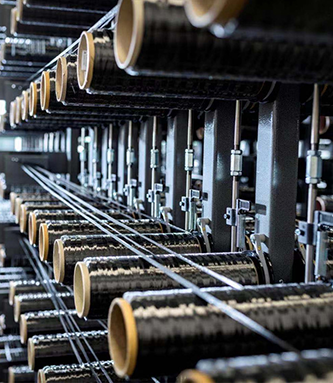
China Beihai, founded in 2015 and located in Jiujiang, Jiangxi Province, is a high-tech enterprise focusing on the research, development, production, and sales of high-performance basalt continuous fiber. As a leading enterprise in the global basalt industry, we serve the Southeast Asian market—specifically Indonesia—with customized logistics and technical support.
Enhancing concrete durability in Jakarta high-rises. Basalt meshes prevent shrinkage cracks in tropical heat.
Corrosion-proof hulls and decks for Indonesian inter-island ferries. Immune to salt-water degradation.
Soundproofing panels for the domestic Indonesian EV market (e.g., Hyundai/Wuling local production).
Insulation for steam pipes in West Java geothermal plants, resisting temperatures up to 700°C.
Basalt fiber is ideal for your engineering projects. Its high strength, corrosion resistance and lightweight properties allow it to easily solve a variety of challenges in buildings, bridges, roads and other infrastructure projects. In Indonesia, where volcanic rock is abundant, we utilize the finest natural resources to create high-performance industrial fabrics.
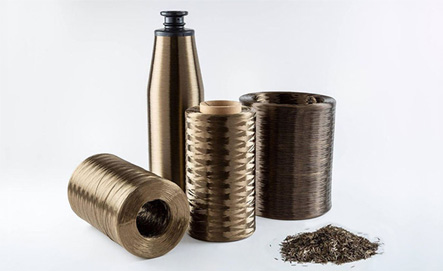
Continuous filaments used for pultrusion and filament winding. Ideal for manufacturing non-conductive telegraph poles and composite pipes across the archipelago.
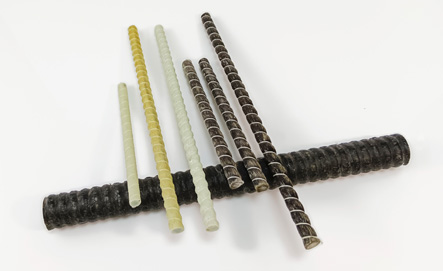
The ultimate replacement for steel in concrete. Perfect for bridge piers in Sulawesi and port facilities in Makassar where traditional rebar rusts in years.
A: E-Glass fibers often degrade in high-humidity and alkaline environments. Basalt fiber is naturally resistant to moisture absorption and chemical attack, making it far superior for the Indonesian climate.
A: Yes, our basalt products meet ASTM D7957 and are being tested against SNI (Standar Nasional Indonesia) requirements for structural reinforcement.
A: We offer streamlined shipping from Jiujiang port, with average transit times of 10-14 days to major Indonesian ports.
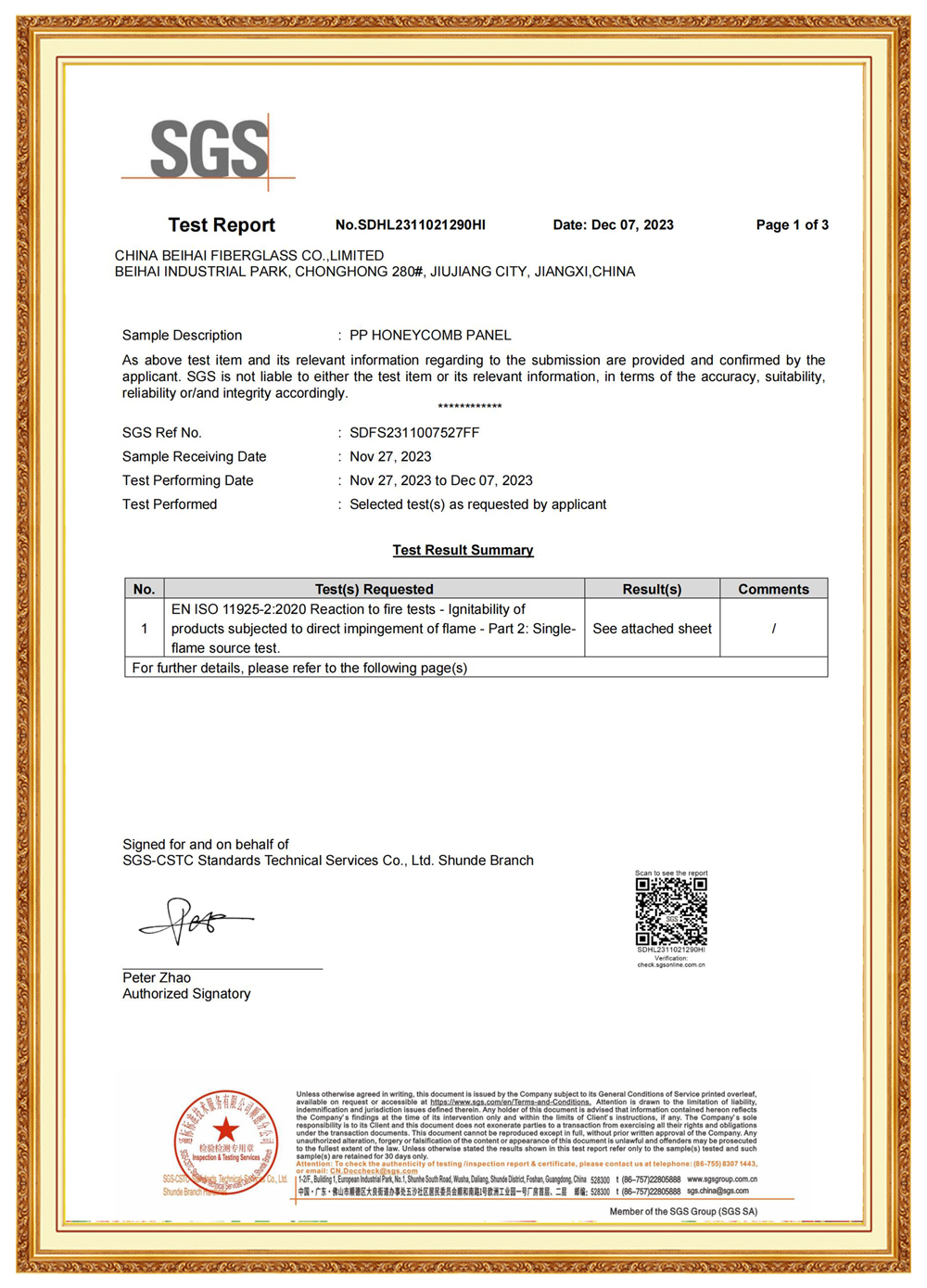
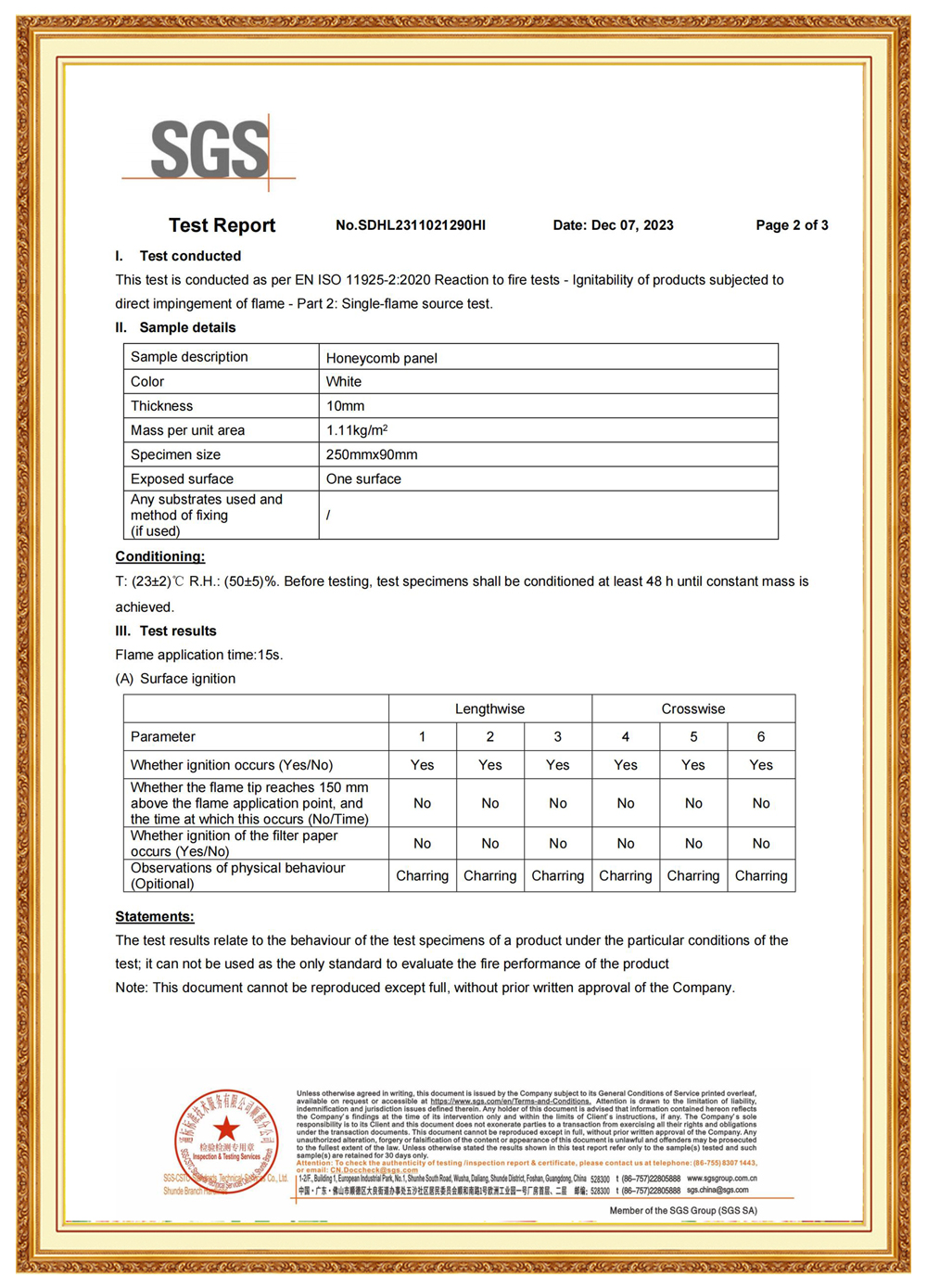
A: Absolutely. With a melting point of 1450°C, our fireproof fabrics provide a critical safety barrier that exceeds local fire safety regulations.
Ready to upgrade your Indonesian project with volcanic-strength composite materials? Contact our technical team for a custom quote and material analysis.
Send Inquiry Now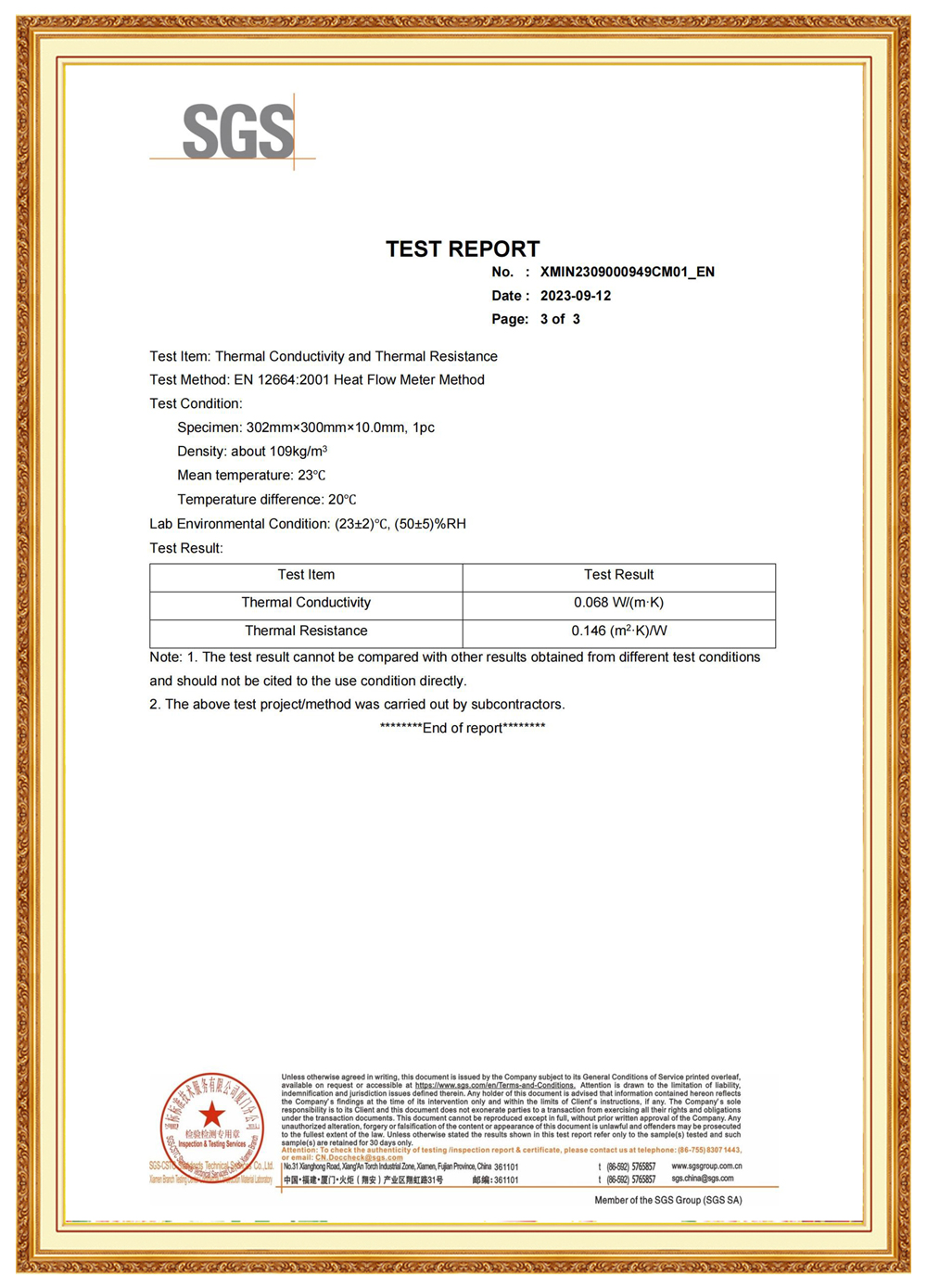
 Beihai Fiberglass