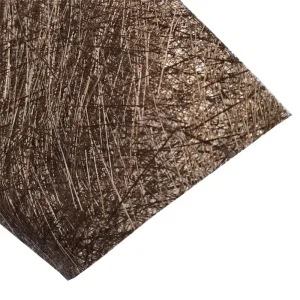
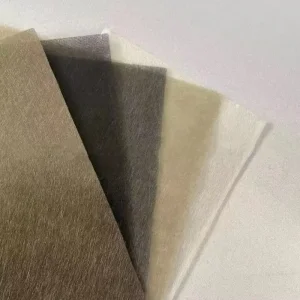
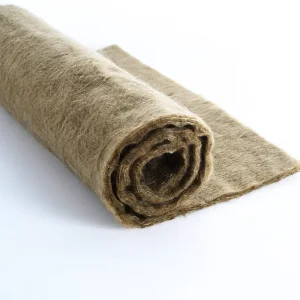
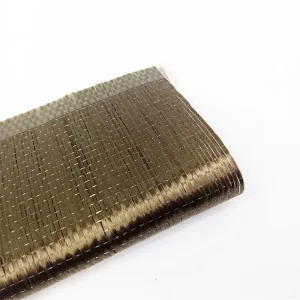
As Brazil continues to expand its infrastructure through the Programa de Aceleração do Crescimento (PAC), the engineering sector is increasingly seeking materials that offer both longevity and sustainability. Traditional reinforcement materials like carbon fiber are often cost-prohibitive, while fiberglass lacks the necessary chemical resistance for Brazil's saline coastal environments.
From the offshore oil platforms in the Campos Basin to the civil infrastructure projects in Curitiba, the shift toward basalt fiber (BFRP) is driven by the need for high tensile strength, exceptional dielectric properties, and an operating temperature range of -260°C to +700°C.
Founded in 2015 and headquartered in Jiujiang, Jiangxi, China Beihai has emerged as a high-tech titan in the basalt continuous fiber industry. Our commitment to E-E-A-T principles is demonstrated through our rigorous R&D and our "Factory 4.0" production lines.
Our Jiangxi facility integrates automated furnace controls to ensure consistent filament diameters (7μm to 22μm), essential for high-end fabric weaving.
We specialize in supply chain resilience, offering optimized shipping routes to the Port of Santos and Port of Paranaguá with full customs documentation support.
Holding international certifications, our products meet the stringent requirements of Brazil’s ABNT NBR standards for construction and industrial materials.
The global basalt fiber market is projected to witness a CAGR of over 12% through 2030. Key drivers include:
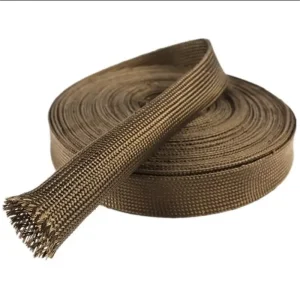
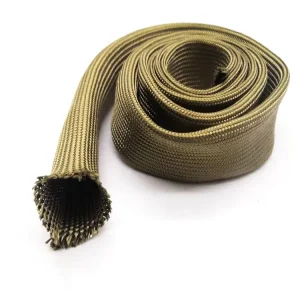
Brazil's Pre-salt oil reserves require materials that resist high pressure and chemical corrosion. Our basalt sleeves and tapes are used for pipeline protection and cable insulation in subsea environments.
In humid regions like the Amazon basin, basalt rebar and mesh prevent concrete spalling, a common issue with traditional steel reinforcement in high-humidity zones.
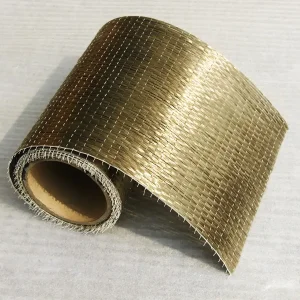
With Brazil's leadership in renewable energy, basalt fiber unidirectional cloth is being explored for wind turbine blade repairs and biomass plant insulation.
In a post-pandemic world, procurement stability is paramount for Brazilian manufacturers. China Beihai’s "Smart Factory" approach ensures:
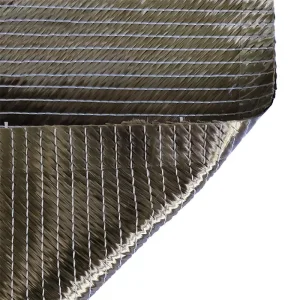
Efficiency: Automated weaving machines produce 24/7, reducing lead times for large-scale orders of Basalt Biaxial Fabrics (+45°/-45°).
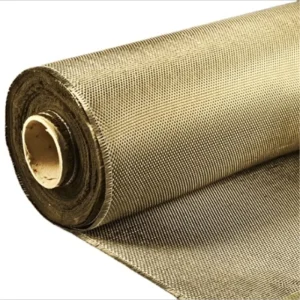
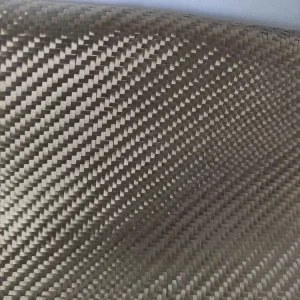
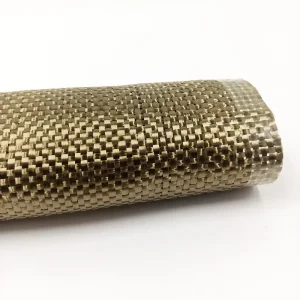
Customization: We offer bespoke weaving patterns (Twill, Plain, Satin) tailored to specific industrial requirements in Manaus Free Trade Zone.
Cost-Optimization: By controlling the entire process from basalt ore melting to final fabric finishing, we eliminate middle-man costs, passing the savings directly to our Brazilian partners.
A: Basalt fiber is naturally resistant to alkalis and acids without the need for specialized coatings. In saline coastal environments like Recife or Vitória, basalt maintains its structural integrity 3x longer than E-glass.
A: Typically, production takes 7-15 days, and sea freight takes approximately 35-45 days. We provide real-time tracking and handle all necessary export documentation for Mercosur compliance.
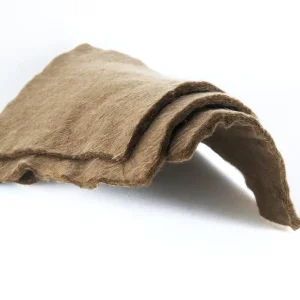
A: Yes! Our Basalt Fiber Fireproof Fabric is rated for extreme temperatures, making it ideal for fire curtains, welding blankets, and structural protection in accordance with Brazilian safety regulations.
A: Absolutely. Our fabrics are sized to be compatible with Epoxy, Polyester, and Vinyl Ester resins, which are widely available in the Brazilian market.
Looking for something specific? Our Jiangxi factory provides custom engineering for all Brazilian industrial sectors.
Request Technical Specification SheetWhether you are reinforcing a bridge in the humid Pantanal or insulating a petrochemical pipeline in Macaé, China Beihai’s Basalt Fiber is your ultimate choice for performance and sustainability. Our dedication to the E-E-A-T principle ensures that every meter of fabric we ship to Brazil is backed by years of expertise and a commitment to global excellence.
Get Your Custom Brazil Quote Today Beihai Fiberglass