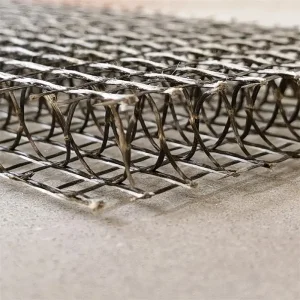
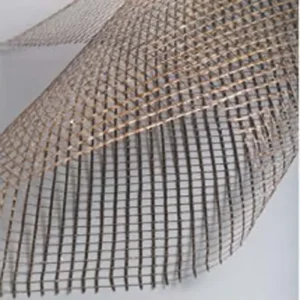
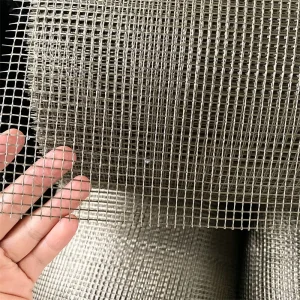
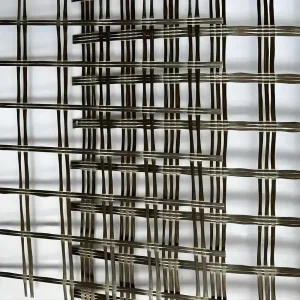
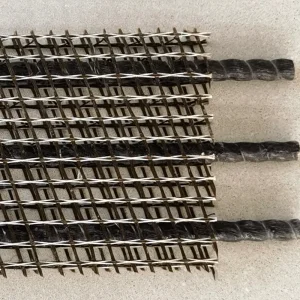
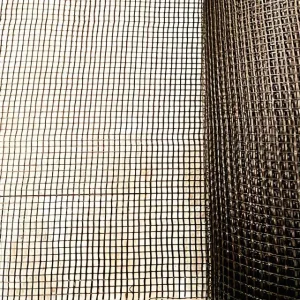
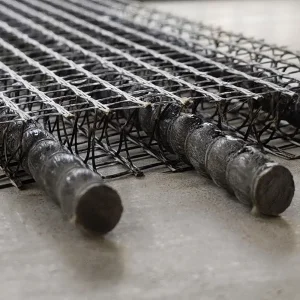
Hamburg, a city defined by its relationship with water—from the busy Port of Hamburg to the intricate network of canals—faces unique infrastructure challenges. The saline environment accelerates the corrosion of traditional steel-reinforced concrete. As the city pushes toward greener, more resilient urban development, civil engineers and procurement specialists are increasingly looking at Basalt Fiber Mesh as a transformative material.
Unlike conventional steel reinforcement, basalt fiber is chemically inert, non-corrosive, and offers a superior strength-to-weight ratio. For projects in Hamburg, such as port facility upgrades, bridge rehabilitations, and coastal barrier reinforcements, basalt fiber mesh provides a maintenance-free lifecycle that significantly reduces long-term operational expenditures (OPEX).
The global construction sector is shifting away from carbon-intensive materials. Basalt fiber, derived from volcanic rock, is environmentally friendly and energy-efficient to produce. European procurement managers, particularly those in Hamburg, are aligning their supply chains with high-quality manufacturers who can ensure consistent tensile strength and ISO-certified production standards. Our direct link to advanced manufacturing hubs in China provides Hamburg companies with a competitive advantage: premium material access at scalable prices.
China Beihai and the broader Chinese basalt industry have achieved unmatched economies of scale. By integrating the entire supply chain—from basalt mining to fiber spinning and mesh weaving—Chinese manufacturers significantly reduce overheads. This efficiency allows international buyers to source high-tensile strength mesh that meets rigorous German DIN standards while maintaining a price point that makes large-scale infrastructure projects viable.
Absolutely. Because basalt fiber is non-conductive and rust-proof, it is actually superior to steel in the salt-rich, humid environment of Hamburg, preventing the "concrete cancer" often caused by rusting steel rebars.
We facilitate direct shipping to Hamburg port facilities. Our team manages the technical documentation, ensuring all compliance and certification (like CE marking if required) is handled before shipment to streamline customs clearance.
Basalt fiber mesh acts as an anti-cracking layer in asphalt pavement. It significantly extends the service life of roads by distributing tensile forces, effectively preventing reflective cracking—ideal for the high-traffic conditions found in Hamburg.
 Beihai Fiberglass