Engineered to resist the corrosive maritime environments of Portugal's coastline. Discover our top performance certifications.
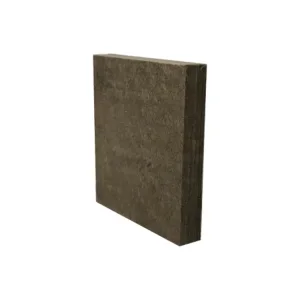
Offers superior structural thermal barrier and fireproof insulation ratings suitable for Portuguese sustainable architectural envelopes.
Get Supplier Quotes
Specially formulated with organic binder technology for excellent acoustic mitigation and thermal values matching Euroclass standards.
View Specifications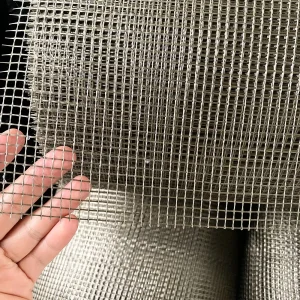
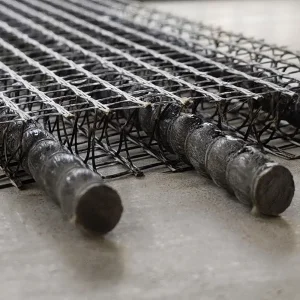
Optimal grid reinforcement for mortar and concrete plaster systems protecting coastal structures against salt air degradation.
Explore Mesh Products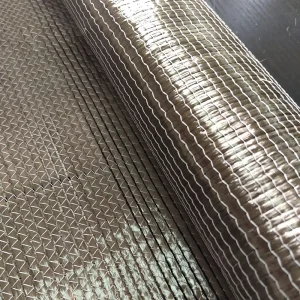
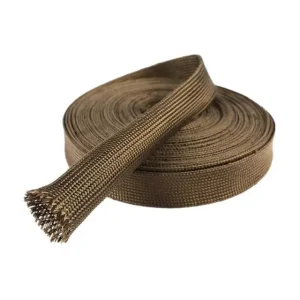
Heavy-duty heat insulation fabric engineered for high-temperature shields in shipping, automotive, and logistics hubs.
Inspect Fireproof ClothExploring the macroeconomic drivers, localized coastal challenges, and structural advantages of volcanic-rock composite materials in the Iberian Peninsula.
Portugal is aggressively moving towards decarbonizing its heavy industries and civil infrastructure sectors. Under the framework of the European Green Deal and the *Plano de Recuperação e Resiliência* (PRR), construction materials are undergoing a rigorous shift from high-carbon materials like traditional steel rebar to bio-based and highly stable composite materials.
The vast maritime territory of Portugal (the third largest Exclusive Economic Zone in the EU) subjects coastal infrastructures in cities like Lisbon, Porto, Aveiro, and Sines to chronic chloride-induced corrosion from the Atlantic Ocean. Standard carbon-steel reinforcements inside marine concrete structures deteriorate rapidly, leading to billions of Euros in rehabilitation costs. The adoption of continuous basalt fiber—inherently immune to chemical, acidic, and salt-based corrosion—represents a quantum leap in structural longevity.
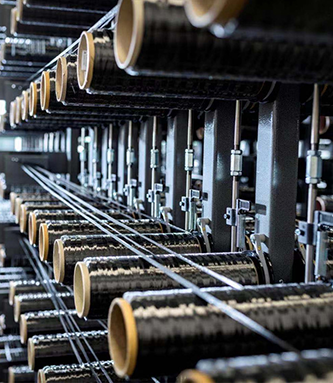
Founded in 2015 and strategically headquartered in the industrial high-tech sector of Jiujiang, Jiangxi Province, China Beihai has emerged as a premier globally integrated high-tech enterprise. We focus heavily on the research, design, production, and worldwide distribution of continuous basalt fiber products, alongside constructing state-of-the-art basalt drawing machinery.
Our collaboration network reaches across mainland Europe, servicing infrastructure demands within Lisbon, Porto, Braga, and Coimbra. By integrating our large-scale manufacture capacities with Portugal's local logistics hubs, we provide continuous basalt fiber roving, reinforcing meshes, insulating needled mats, and structurally superior basalt rebar configurations that comply perfectly with European EN standards.
Working with China Beihai ensures engineering firms receive optimized solutions directly from a pioneer of basalt technology. We oversee the entire lifecycle of basalt fiber creation—from selecting quarry stone of high-density mineral composition to pulling uniform micro-filaments under precise thermal environments.


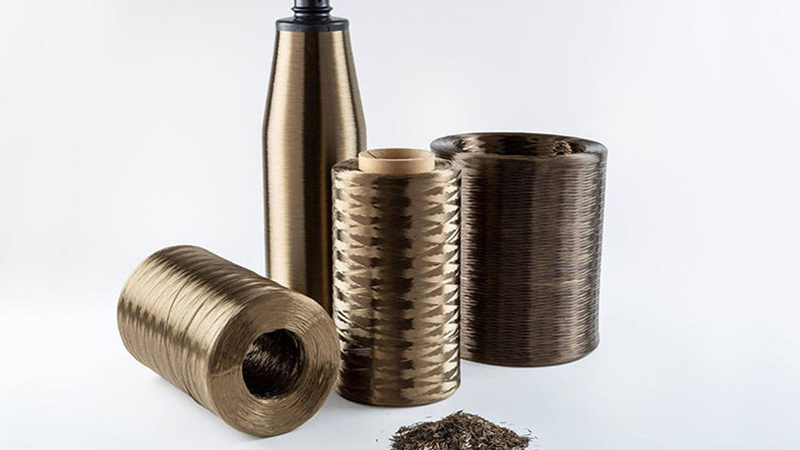
A comprehensive product lineup from raw basalt roving, woven fabric, high-tensile basalt rebar (4-30mm), thermal needled mats, to structural fire sleeves tailored to industrial needs.

We synthesize geologic basalt elements with modern high-performance sizing chemistries, solving concrete cracking, sea corrosion, and fire propagation problems in global megaprojects.
Our industry-leading scalability, ISO certifications, consistent physical parameters, and deep structural domain expertise align with the expectations of EU composite procurement teams.
Why structural and civil engineers choose continuous basalt over standard industrial reinforcements like E-Glass, Carbon, and structural steel.
| Property / Material | Basalt Fiber (Beihai BCF) | E-Glass Fiber | Carbon Fiber (Standard Modulus) | Structural Steel (Rebar Grade) |
|---|---|---|---|---|
| Tensile Strength (MPa) | 3000 - 4800 | 2000 - 3400 | 3500 - 6000 | 400 - 550 |
| Elastic Modulus (GPa) | 89 - 110 | 72 - 76 | 230 - 240 | 200 - 210 |
| Density (g/cm³) | 2.63 - 2.80 | 2.54 - 2.60 | 1.75 - 1.80 | 7.85 |
| Thermal Range (°C) | -260 to +820 | -60 to +300 | Up to +650 (Inert) | Up to +500 |
| Alkali Resistance in Concrete | Excellent (Resins / Sizing protect) | Poor (Prone to glass degradation) | Excellent | Poor (Chloride corrosion vulnerability) |
| Life Cycle Carbon footprint | Extremely Low (Natural Melting) | Moderate | High (Energy intensive synthetic synthesis) | Extremely High |
From historical architectural seismic restoration to deep-sea installations and high-speed rail links.
Seaports, seawalls, docks, and canal infrastructure constructed in Portuguese coastal waters undergo intense salinity exposure. Utilizing Basalt Rebar and Mesh inside maritime concrete prevents internal structural cracking caused by steel rust expansion, expanding concrete lifespan beyond 100 years.
Preserving historical masonry structures in places like Lisbon's Alfama or Porto's Ribeira is highly critical. Unidirectional basalt fiber fabrics provide non-invasive structural strengthening, reinforcing historical walls against seismic occurrences without adding substantial dead weight.
As Portugal scales up its offshore wind turbine capacity off the coast of Sines and Viana do Castelo, basalt composites present the ideal structural base solution. Non-magnetic, chemically inert, and fatigue-resistant composites reduce underwater maintenance and inspection cycles.
How China Beihai is driving the transition toward 100% circular and carbon-negative building systems by 2030.
Transitioning our core melting operations to green energy-driven induction furnaces, slashing carbon emissions by 40% per ton of continuous fiber drawn.
Developing bio-derived silane sizes that improve coupling mechanisms between volcanic glass filaments and epoxy/vinyl ester polymers.
Formulating thermoplastic basalt composite solutions that allow structural components to be safely shredded and remolded at product end-of-life.
Integrating artificial intelligence monitoring algorithms in our drawing plates to guarantee zero micro-filament variations.
Adhering to strict European structural norms is crucial for engineering teams working in Portugal. All basalt products distributed by China Beihai conform to strict performance metrics verified by independent testing bureaus.
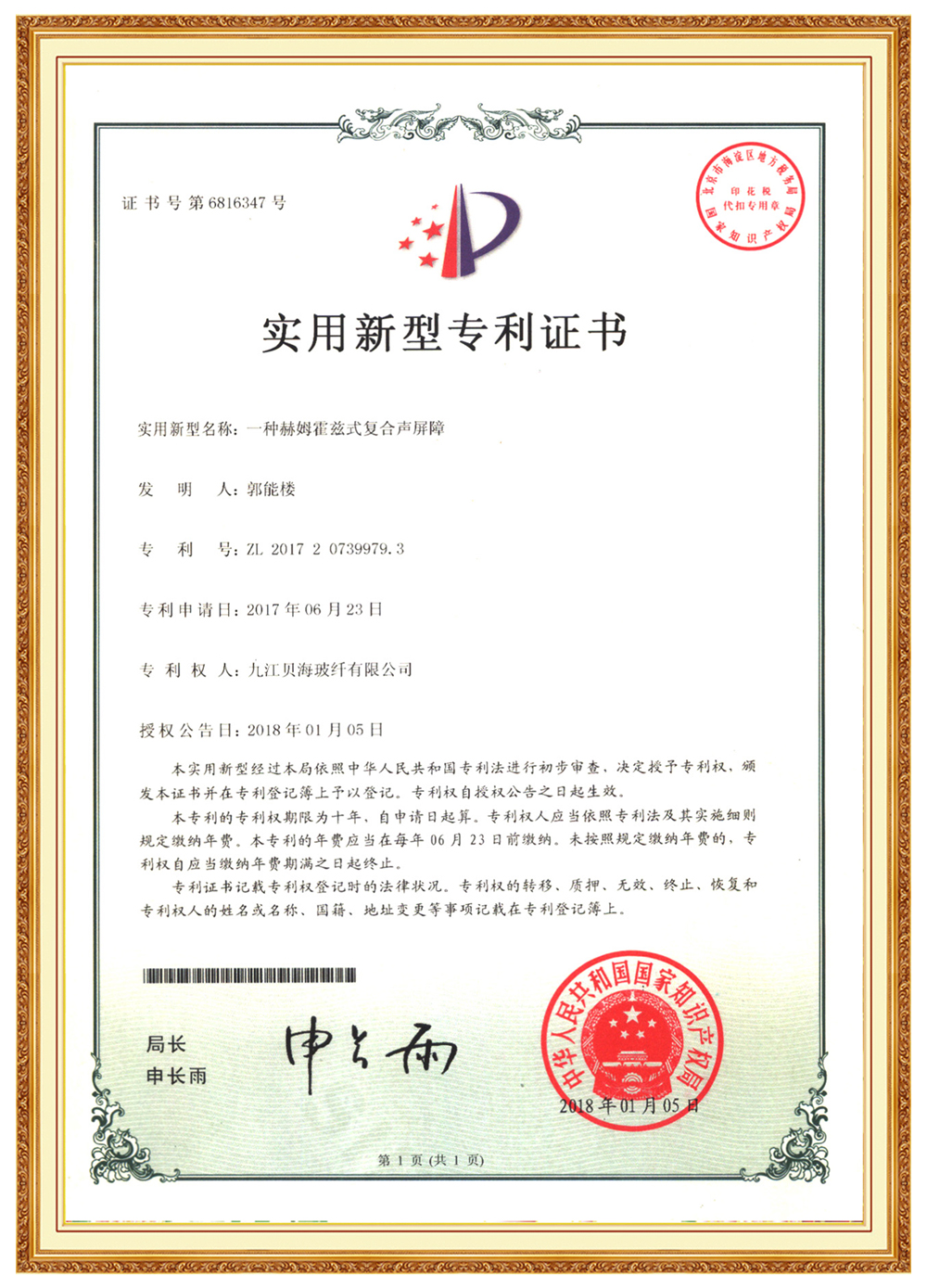
Order high-performance basalt fibers, mats, continuous rovings, and reinforced structural composites directly from the manufacturer.
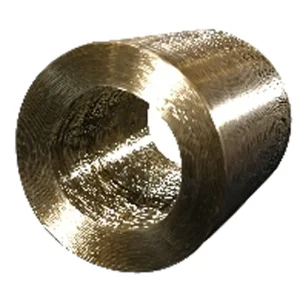
Offers superior tensile resistance and processing stability in structural filament winding and pultrusion applications.
Request Quotes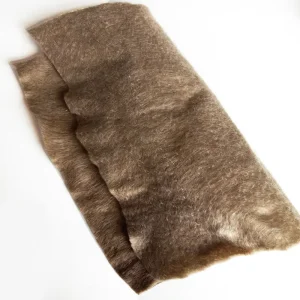
Highly dense non-woven felt for effective thermal barrier, acoustic suppression, and sound attenuation inside industrial sites.
Request Price List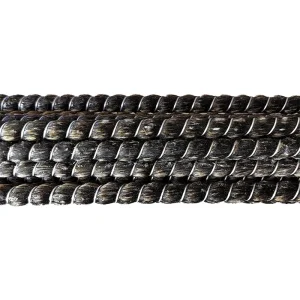
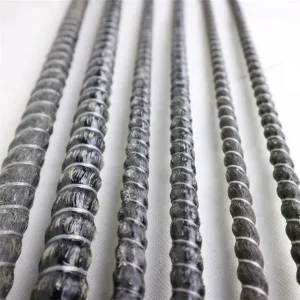
An incredibly strong alternative to traditional steel bars. Fully non-corrosive and non-conductive reinforcement solution.
View Supplier Options
Designed for external wall thermal preservation and top-tier fire suppression ratings across high-rise residential projects.
Get Factory Quotes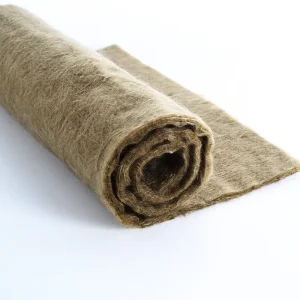
Excellent structural integrity under massive heat exposure. Ideal for manufacturing exhaust liners and heat shield panels.
Request Quotations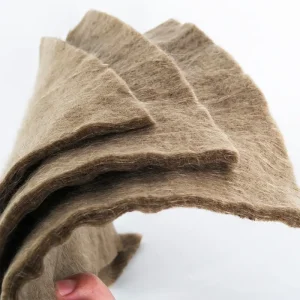
100% natural volcanic insulation mat manufactured with advanced bonding techniques, leaving zero chemical footprint.
Explore Pricing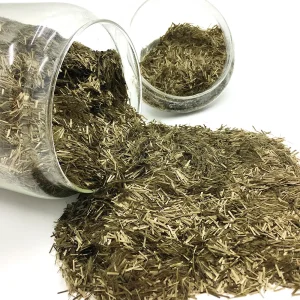
Engineered for direct mixing into concrete and architectural plasters to minimize shrinkage cracks and structural fatigue.
Contact Manufacturer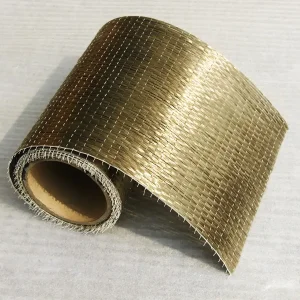
High-modulus wrapping material created to strengthen masonry, columns, and bridge decks under tectonic activity.
Learn MoreEssential technical insights on continuous basalt fiber structural design, longevity, and supply chain logistics for Portuguese engineers.
E-glass fibers suffer from chemical degradation when exposed to alkaline concrete matrices and salt spray over time. Basalt fiber is naturally resistant to acids, alkalis, and salts because of its specific chemical makeup, which consists of natural volcanic rock. This provides a long-lasting reinforcement solution for docks and seawalls along Portugal's long coastline.
Our structural basalt rebar features a tensile strength exceeding 1100 MPa—nearly three times that of Grade 60 structural steel. Additionally, it operates at just a quarter of steel's density, making transport and manual installation much faster, reducing logistics labor costs in European urban centers.
Yes, all our shipments are backed by complete chemical and mechanical testing certificates. Our manufacturing process follows ISO 9001:2015 specifications, ensuring fully compliant integration into Portuguese projects under the Eurocode structural frameworks.
Depending on volume and custom sizing parameters, our manufacturing queue typically takes 15 to 25 days. Maritime transit from our high-tech industrial base in Jiujiang to major ports like Sines or Lisbon takes approximately 30 to 35 days, supported by complete Customs customs clearances and paperwork.
Get in touch with our composite engineering experts today to request raw material samples, structural calculations, or a comprehensive quote for your next major civil engineering project in Portugal.
As drone-patrolled forests and intelligent industrial robots scale in precision, high-tech structures depend heavily on volcanic mineral composites...
 Beihai Fiberglass