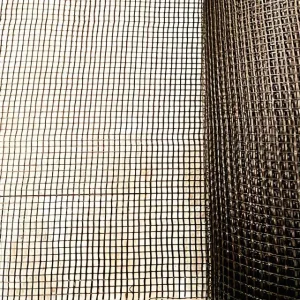
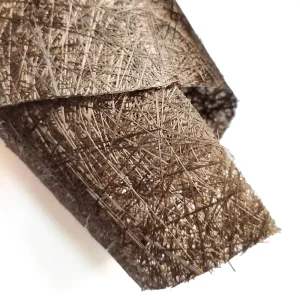
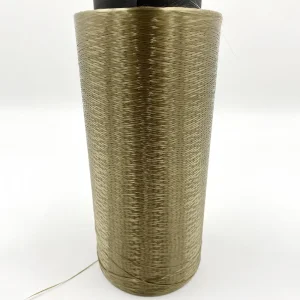
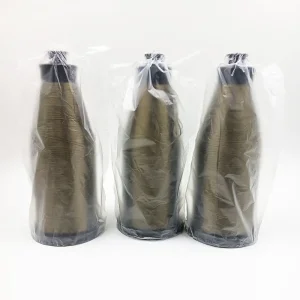
In the rapidly evolving landscape of advanced materials, Basalt Fiber has emerged as the definitive champion of sustainability and mechanical superiority. As an inert, non-toxic, and naturally occurring volcanic mineral, basalt fiber provides a greener, more resilient alternative to traditional carbon fiber and fiberglass, particularly in extreme environment applications.
The Chinese basalt industry, led by entities like China Beihai, has achieved a critical mass in R&D and supply chain integration. By leveraging localized access to high-grade igneous rock deposits and state-of-the-art smelting technologies, we offer an unmatched value proposition: high-precision manufacturing at an industrial scale. Our factories utilize advanced continuous fiber drawing techniques, ensuring consistent filament diameter and superior tensile strength across every batch.
Global procurement is shifting from purely cost-based decisions to lifecycle-value based decisions. Modern infrastructure—from smart cities in the Middle East to deep-sea platforms in the North Sea—requires materials that resist corrosion, acid, and alkali degradation. Basalt fiber is the only material that satisfies these requirements while remaining 100% recyclable. We are witnessing a 20% year-on-year growth in demand for basalt-based composites as governments mandate lower carbon-footprint construction materials.
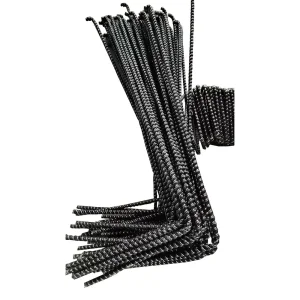
Replacing steel rebar with basalt FRP in bridge decks and coastal structures to prevent salt-induced corrosion and concrete spalling.
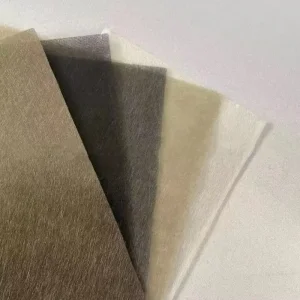
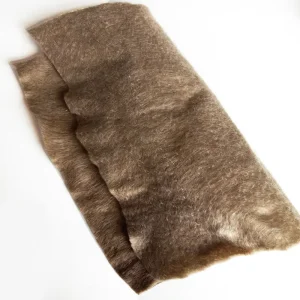
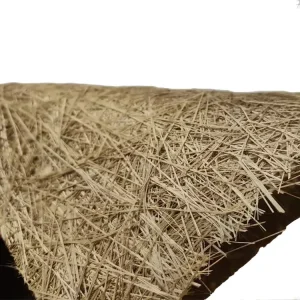
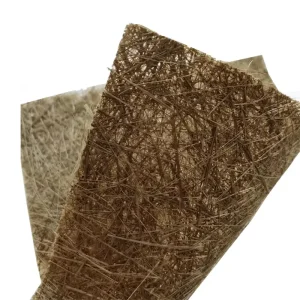
High-density needled mats for industrial furnaces, aircraft turbines, and high-speed rail fire-safety partitioning.
Lightweight, high-stiffness composite panels that contribute to energy efficiency and structural integrity in EVs and next-gen aircraft.
Corrosion-resistant pipes and tank liners for harsh chemical environments where metal pipes fail within months.
A: China’s leadership in basalt fiber production comes from deep vertical integration. We control everything from raw rock sourcing to fiber processing, which results in strict quality control and massive economies of scale that cannot be replicated elsewhere.
A: Basalt fiber offers 15-20% higher tensile strength, significantly better acid and alkali resistance, and a much wider operating temperature range (-260°C to +700°C), making it a premium choice for long-term structural longevity.
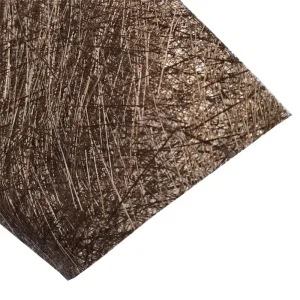
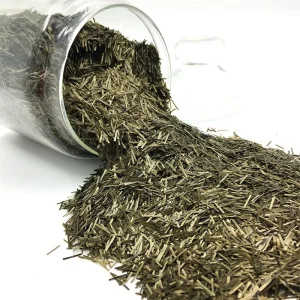
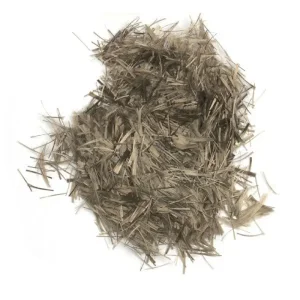
A: Yes. We specialize in custom chopped strands for BMC, specific rebar diameters, and bespoke surfacing tissues designed for your specific resin systems.
 Beihai Fiberglass