Explore our top-tier basalt products designed to replace traditional reinforcement options with enhanced chemical stability and high tensile properties.
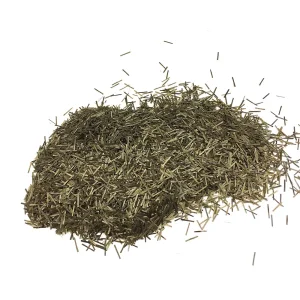
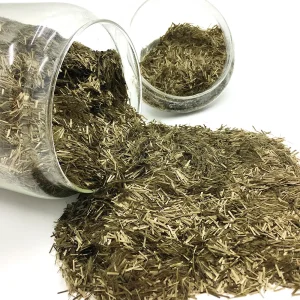
Extruded directly from selected volcanic basalt rocks melted at temperatures exceeding 1450°C, basalt mineral chopped fibers are produced through rapid melt drawing without toxic chemical additions. This structural dynamic produces a green, durable product that exhibits outstanding tensile performance, excellent anti-corrosion behavior, and natural resistance to acid and alkaline degradation.
Compared to conventional E-glass or synthetic options, basalt chopped strands possess an exceptional thermal envelope (-260°C to +820°C) and an elastic modulus that surpasses E-glass by up to 20%. As a key additive in concrete matrixes, high-temperature friction components, and composite structures, basalt mineral chopped strands effectively mitigate thermal stress crack propagation, structural fatigue, and internal concrete matrix degradation.
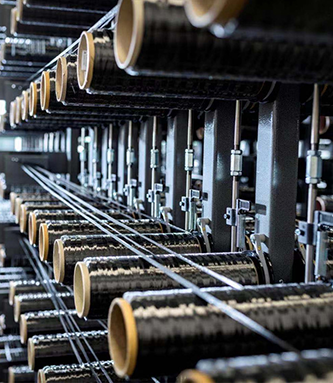
Operating from Jiujiang, Jiangxi, China Beihai Group leads the high-tech domestic basalt continuous fiber industry with fully integrated development and equipment manufacturing.
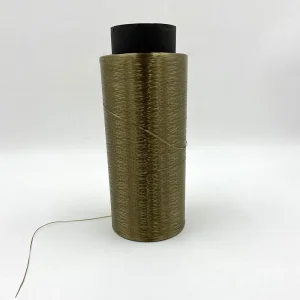
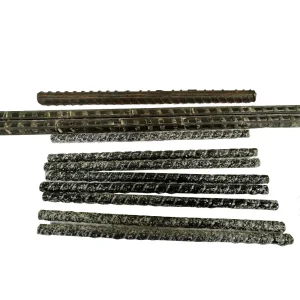
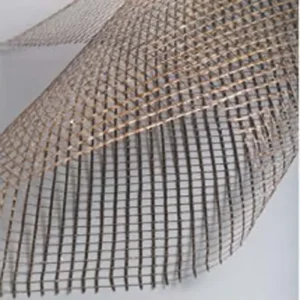
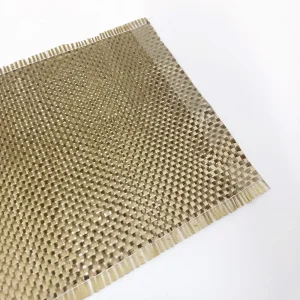
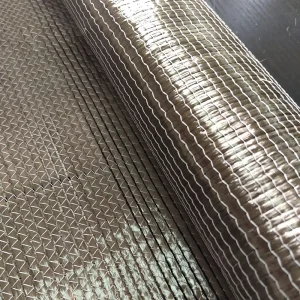
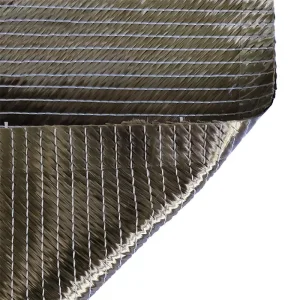
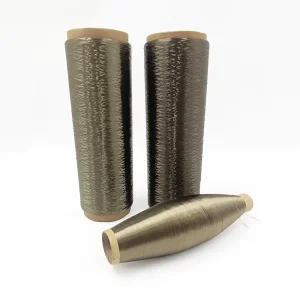
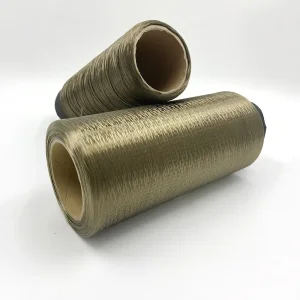
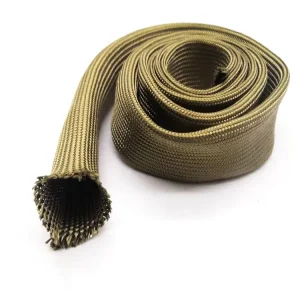
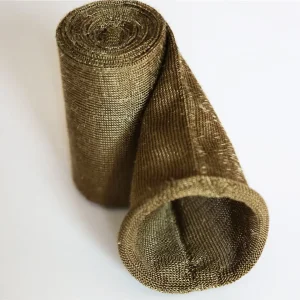
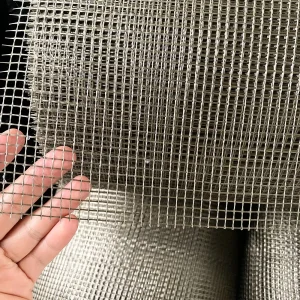
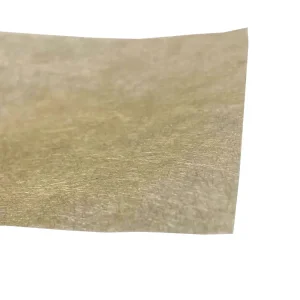
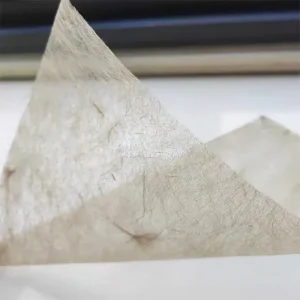
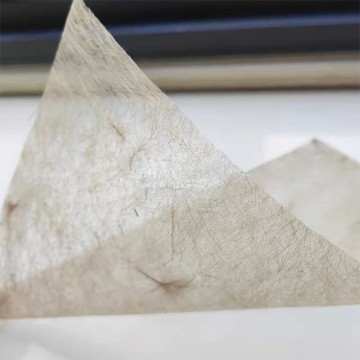
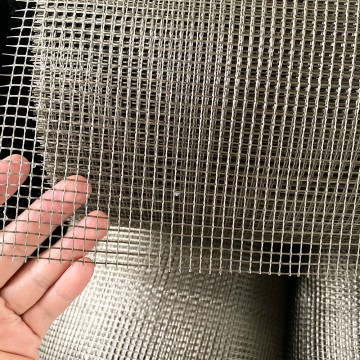
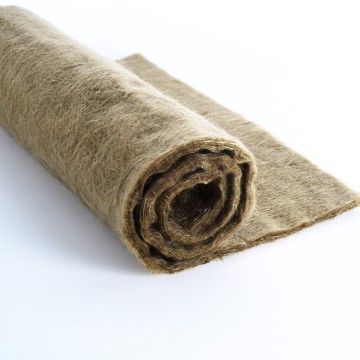
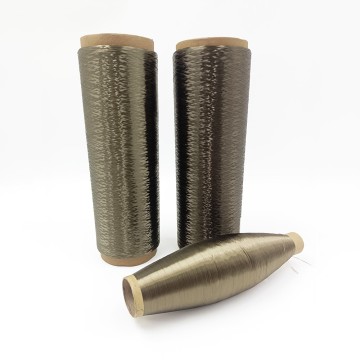
At China Beihai Group, we specialize in manufacturing basalt fiber mats, chopped strand mats, woven fabrics, basalt roving, basalt yarn, and specialized architectural elements such as basalt fiber rebar, protective sleeves, and high-strength wrap tapes. Each product line is engineered to address demanding thermal, moisture, and load dynamics.
Our operations prioritize processing optimization and thermal precision. By controlling the melt viscosity and chemical balance of continuous basalt filament, we deliver sustainable solutions suited for geotechnical structures, environmental barriers, and lightweight industrial composites. Every batch is tracked to maintain uniform mechanical properties.
Selecting China Beihai links your project directly with an established continuous basalt manufacturer. Our state-of-the-art Jiujiang production plant, built in 2015, coordinates automated glass-furnace draws to support stable wholesale volumes. With standard-compliant raw inputs and strict processing, we serve as a reliable industrial partner.
From bridge defenses to aerospace insulation, basalt fiber's physical characteristics provide structural upgrades across demanding operational conditions.

Used in foundation works, concrete facades, and high-stress building components. Basalt chopped strand reinforcement increases flexural strength, controls shrinkage cracks, and resists environmental weathering over long service lifespans.

Ideal for fabricating engine cowlings, internal partition walls, and soundproofing layers. Basalt fiber provides critical thermal protection and weight savings, enhancing overall aircraft efficiency and safety.

Our research teams optimize continuous basalt filaments for rocket booster shielding, thermal reentry layers, and exhaust components, where structural integrity must remain stable under extreme temperature spikes.

Adding basalt strands directly into a concrete wet mix improves tensile properties and impact resistance. This structural change suppresses micro-cracks and protects against internal chemical decay in coastal engineering.

Basalt fiber is widely utilized to replace heavy steel components and synthetic plastics. Its thermal stability makes it well-suited for brake pads, exhaust mufflers, underbody panels, and bumper systems.

High strength, environmental durability, and impact absorption make basalt fiber jackets ideal for protecting concrete bridge columns from water currents, marine salt ingress, and vehicular impact.

Basalt's resistance to hydrocarbons and hot acids protects transport pipelines, chemical storage vessels, and refinery facilities from corrosion and leak pathways.

Designed for hulls, offshore decks, and underwater structural repairs. Marine environments require the non-corrosive and biological resistance properties provided by basalt fiber composite overlays.
Compare the physical properties of continuous basalt mineral fibers with traditional alternatives.
| Physical/Mechanical Property | Continuous Basalt Fiber (CBF) | E-Glass Fiber | Carbon Fiber (Standard) |
|---|---|---|---|
| Tensile Strength (MPa) | 3000 – 4800 | 2400 – 3400 | 3500 – 4900 |
| Elastic Modulus (GPa) | 85 – 115 | 72 – 76 | 230 – 240 |
| Elongation at Break (%) | 3.1 – 3.2 | 4.5 – 4.7 | 1.5 – 2.0 |
| Density (g/cm³) | 2.63 – 2.80 | 2.54 – 2.60 | 1.75 – 1.80 |
| Thermal Range (°C) | -260 to +820 | -60 to +650 | Up to +2000 (inert gas) |
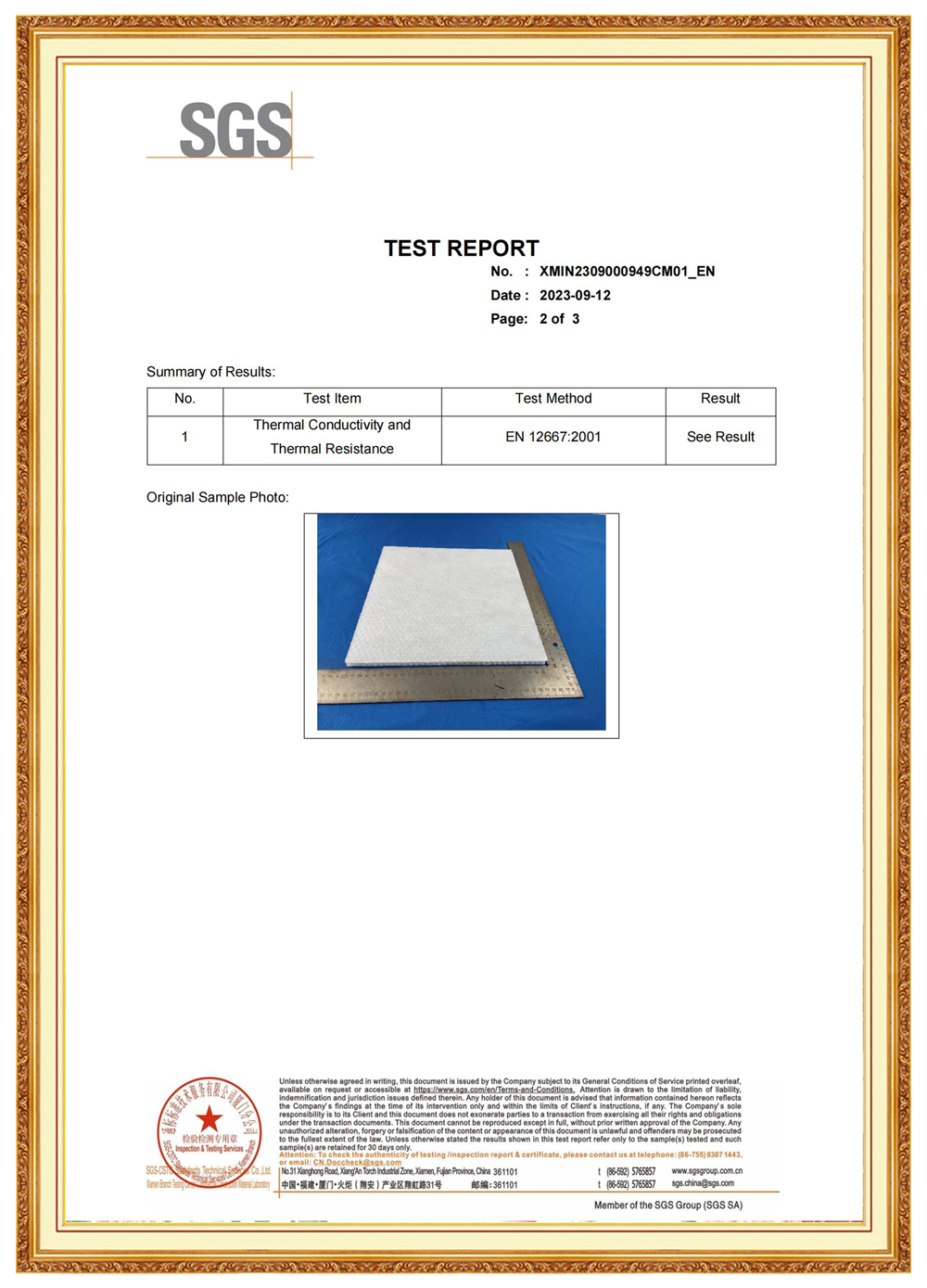
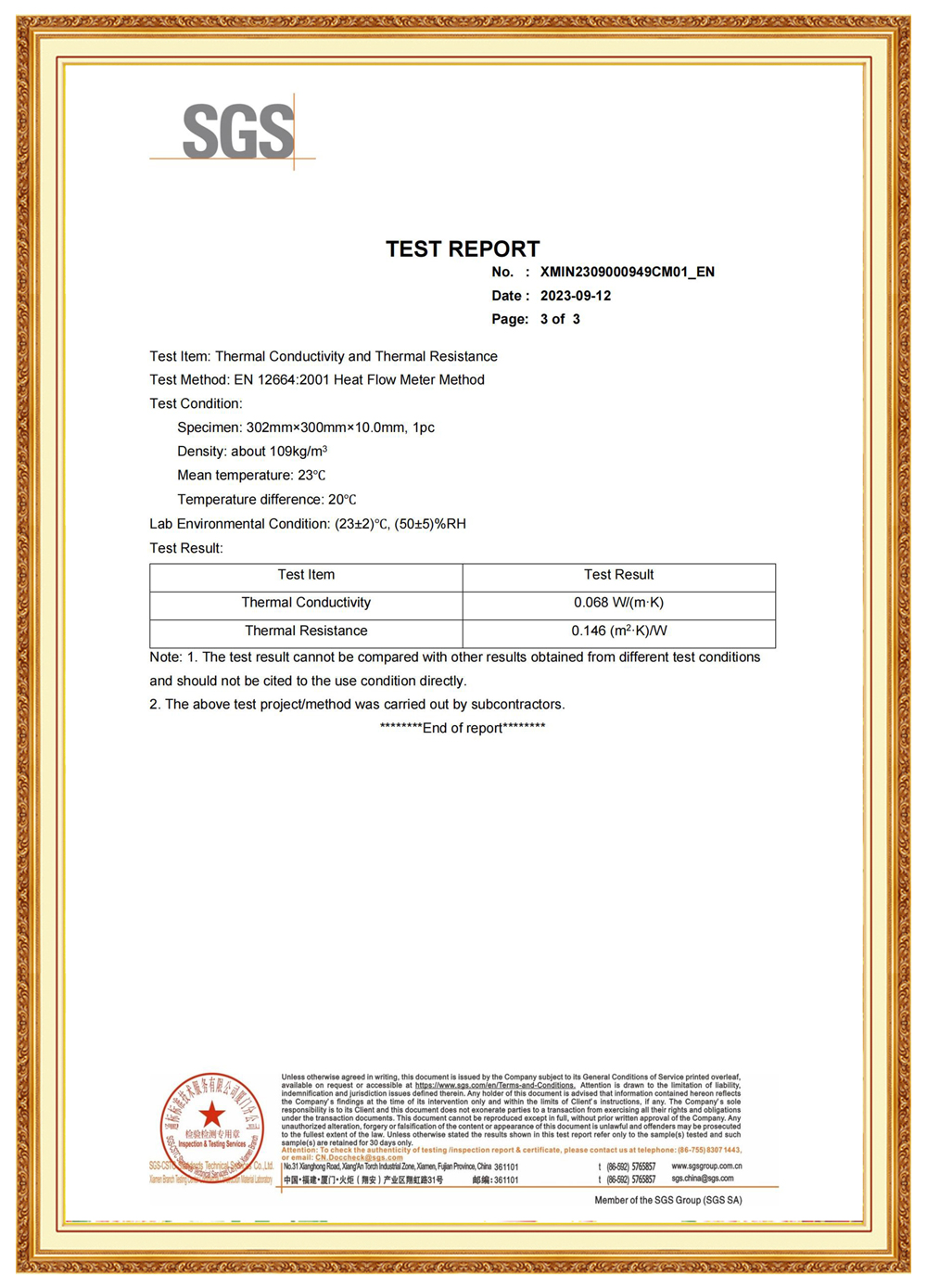
| Thermal Conductivity (W/m·K) | 0.031 – 0.038 | 0.035 – 0.040 | 1.0 – 8.0 |
| Alkali & Acid Resistance | Excellent (pH 3–12 stability) | Moderate (Degrades in alkalis) | Excellent |
China Beihai processes raw volcanic rocks under strict ISO management systems. Our testing regimes ensure full compatibility with domestic and international structural codes.
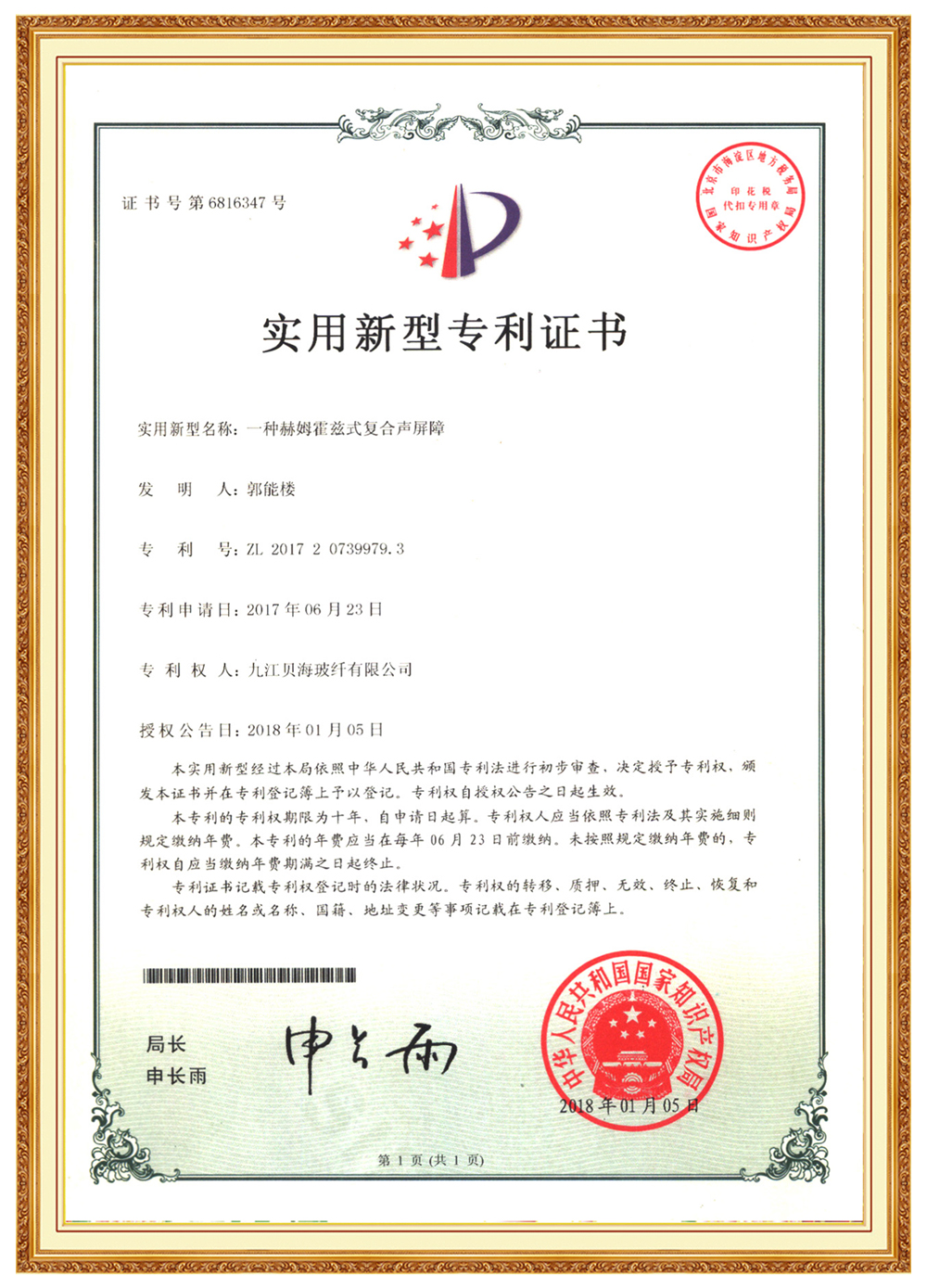
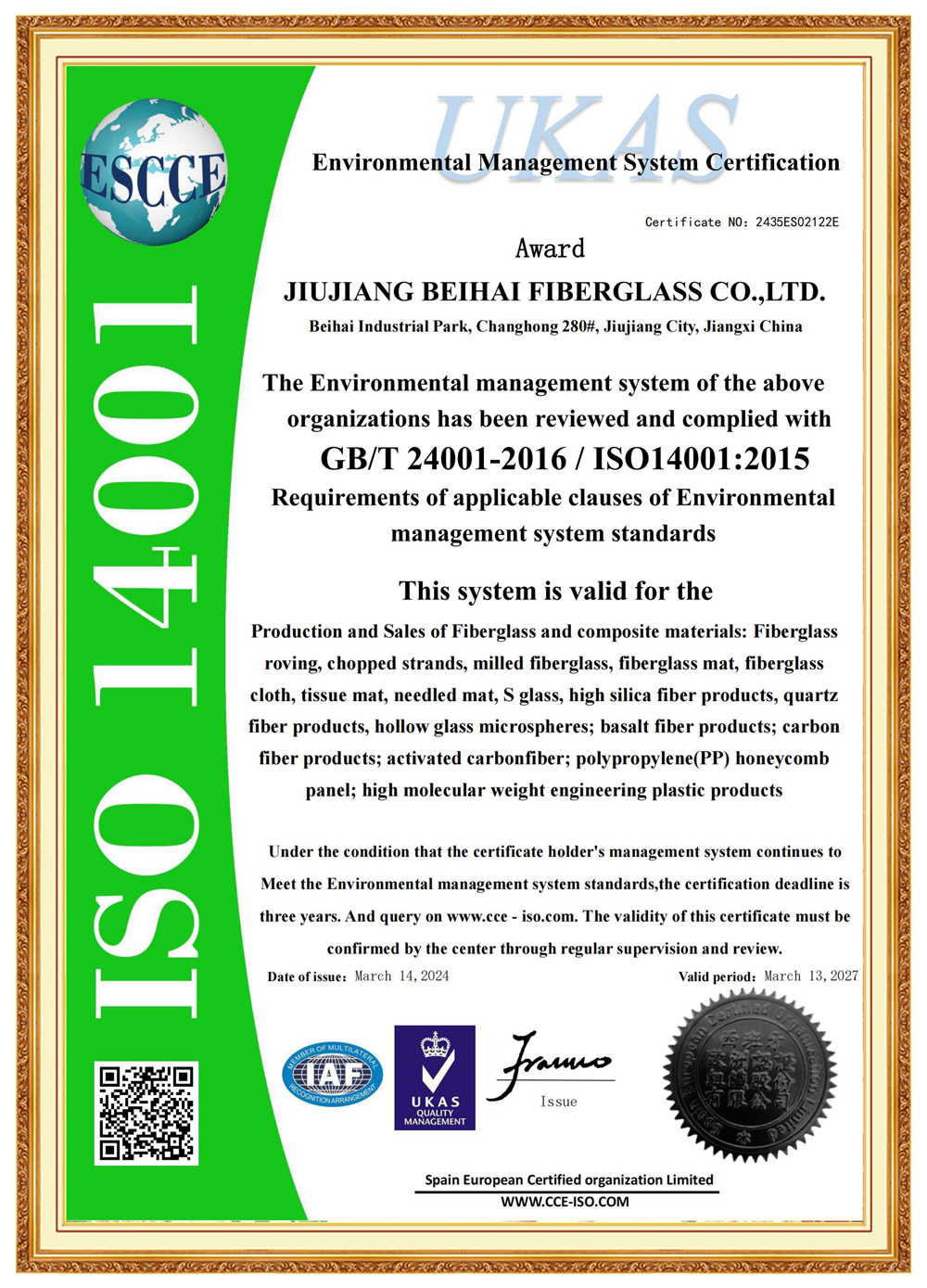

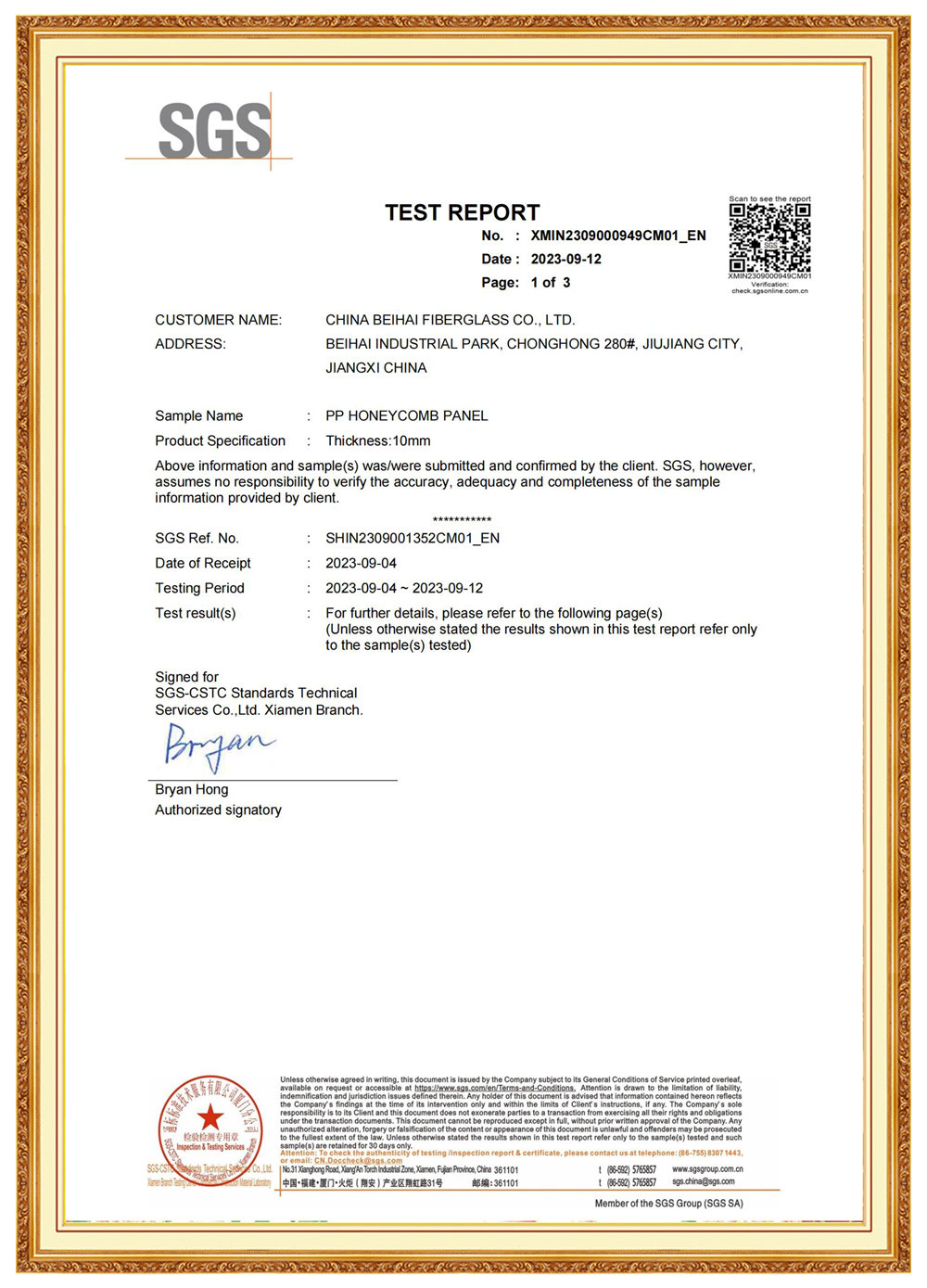
We advance basalt continuous fiber technology towards environmental efficiency and optimized industrial performance.
Developing next-generation electric hybrid melting chambers to lower heat loss, increase yield reliability, and reduce fuel usage per ton of extruded basalt roving.
Improving polymer sizing chemistry to increase adhesion between continuous basalt fibers and standard epoxy or concrete matrices, ensuring high structural load transfer.
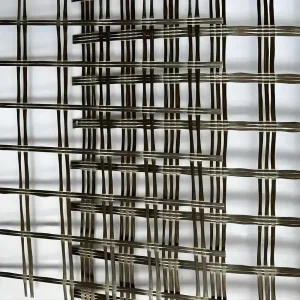
Deploying precise 3D weaving systems to supply custom biaxial fabrics, multi-axial meshes, and thick composite rebar profiles for specialized infrastructure requirements.
Stay informed on the advancements driving modern continuous fiber engineering and basalt composite applications.
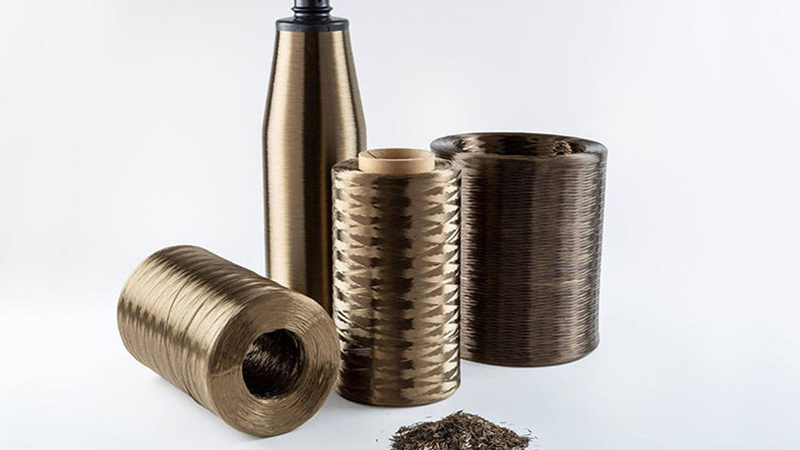
As automated machinery and smart infrastructure projects require lightweight, high-strength materials, continuous basalt fibers serve as key performance enhancements. From reinforcement grids in heavy transit roads to custom composite panels in structural systems, basalt's non-corrosive properties and high tensile modulus provide high-performance solutions for structural design challenges.
Read Full InsightRead through clear technical guidance prepared by our product engineering division to support your planning requirements.
Unlike E-glass, which decomposes inside the highly alkaline environment of curing concrete (pH 12–13), basalt chopped strands exhibit strong chemical resistance due to their stable chemical composition and high silica/alumina balance. They prevent alkali-silica reaction (ASR) failure, maintaining concrete reinforcement integrity over decadal design cycles.
For standard concrete mixtures, a typical addition of 2.0 to 4.5 kg of basalt chopped strands per cubic meter provides significant crack control and tensile enhancement. In asphalt applications, addition rates of 0.3% to 0.5% by weight of the aggregate mix are recommended to increase fatigue resistance and reduce high-temperature rutting.
Basalt fibers retain structural properties at extreme cryogenic levels (-260°C) without embrittlement, and sustain operation up to 820°C. They do not drip, support combustion, or release toxic gases during thermal exposure, outperforming carbon and glass composites under severe fire ratings.
Yes, our continuous basalt strands, rovings, and rebar lines are produced under ISO 9001 quality controls. They comply with ASTM D8005, ASTM D7913, and EN standards for high-strength composite systems, ensuring acceptance in public works and infrastructure projects worldwide.
Select from our specialized basalt mats, chemical resistant sleeves, and soil reinforcement grids to protect heavy installations.
Our engineering division highlights four basalt composite categories optimized for immediate commercial deployment.
 Beihai Fiberglass