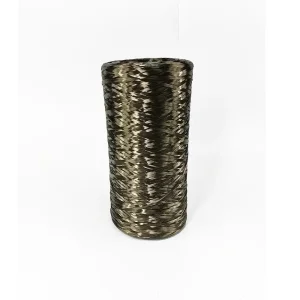
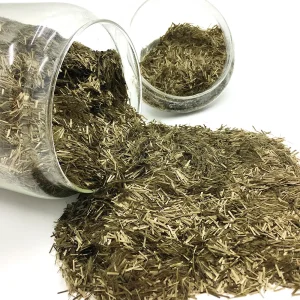
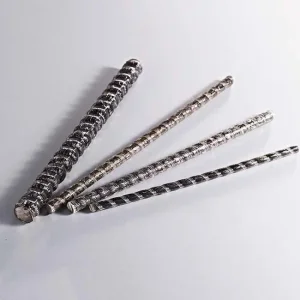
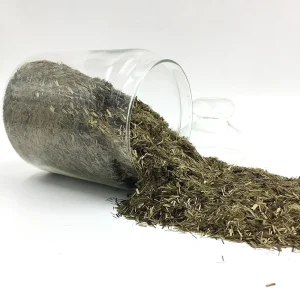
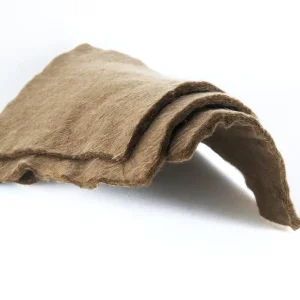
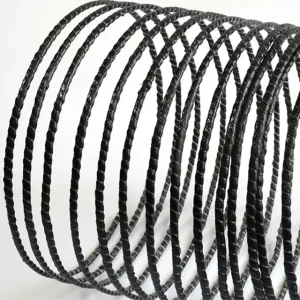
Chopped basalt fiber strands (CBFS) are derived from pure volcanic rock. Unlike glass fiber, basalt offers a higher modulus of elasticity, incredible thermal stability (-260°C to +700°C), and native resistance to acids and alkalis. It is the bridge between affordable E-glass and high-cost Carbon fiber.
As global regulations tighten on carbon footprints, Basalt Fiber stands out as a 100% natural, eco-friendly material. The production process requires no chemical additives and consumes significantly less energy than synthetic alternatives, aligning perfectly with ESG goals.
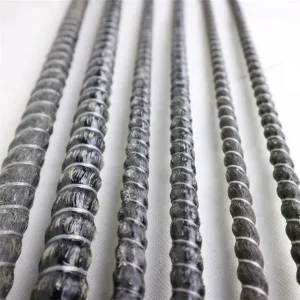
In the construction sector, CBFS has moved from a niche additive to a primary reinforcement requirement for high-performance concrete (HPC) and ultra-high performance concrete (UHPC), providing crack control and structural longevity that steel cannot match.
Higher Tensile Strength than Glass Fiber
Natural & Recyclable Materials
Operational Temperature Limit
Corrosion Rate in Acidic Environments
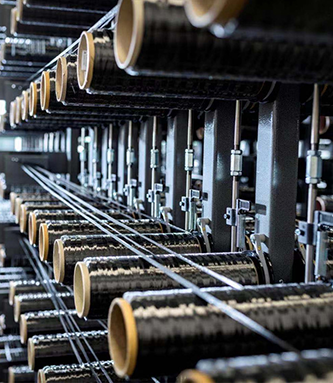
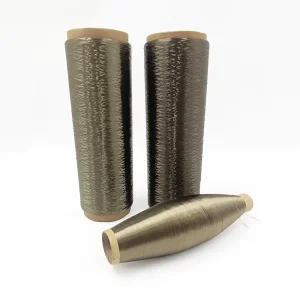
As a leading China Chopped Basalt Fiber Strands Manufacturer, China Beihai (founded in 2015) has pioneered the integration of advanced basalt continuous fiber technology. Our factory efficiency isn't just about volume; it's about consistency.
Our basalt fiber strands aren't just materials; they are solutions for the world's most demanding industrial environments.

Used in brake pads (friction materials) and engine covers. CBFS provides high-temperature stability and reduces vehicle weight, directly improving fuel efficiency and EV range.

Ideal for spacecraft shell materials and thermal protection systems. Its non-combustible nature and radiation resistance make it superior to carbon fiber in specific orbital applications.

In bridge pier protection and road construction, chopped strands prevent shrinkage cracks. They do not rust, unlike steel reinforcement, making them perfect for marine and coastal infrastructure.

High corrosion resistance makes CBFS ideal for underground storage tanks and marine vessel hulls. It withstands the harsh chemical environments of oil refining without structural degradation.

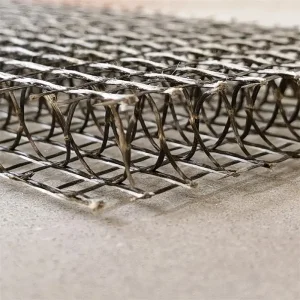
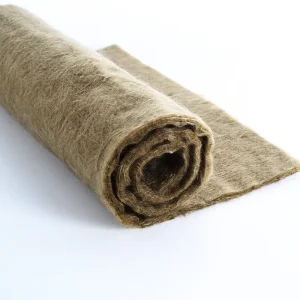
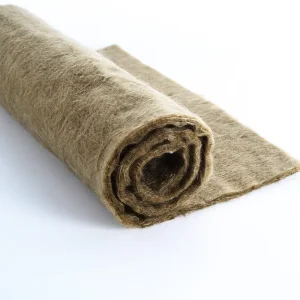
Used in the manufacturing of needle mats and felt for thermal barriers in power plants and fire-resistant clothing layers.

The latest trend involves using CBFS in 3D printing filaments for architectural structures, providing the necessary tensile strength for large-scale additive manufacturing.
The global basalt fiber market is projected to witness a CAGR of over 12% through 2030. Key drivers include:
Governments are mandating "Green Building" materials. Basalt fiber's low embodied carbon makes it the preferred choice for sustainable cities.
Combining basalt with carbon fiber to create "Bascobon" materials that balance cost and performance for mass-market automotive parts.
Integrating sensors within basalt-reinforced concrete for real-time structural health monitoring in bridges and tunnels.
For international procurement officers and engineering firms, sourcing Chopped Basalt Fiber Strands from China requires attention to several technical benchmarks:
 Beihai Fiberglass