Direct from Jiangxi's Premiere High-Tech Continuous Basalt Melting Plant. Selected high-tensile components engineered for roads, bridges, and severe marine conditions.
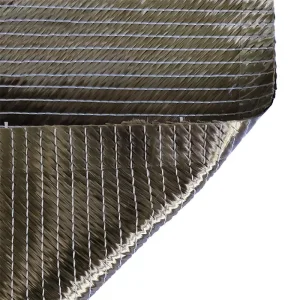
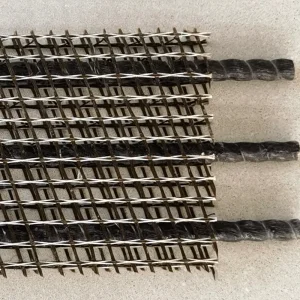
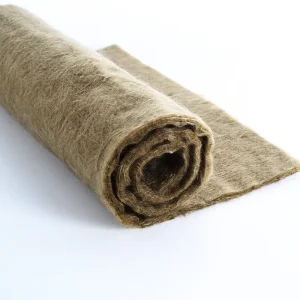
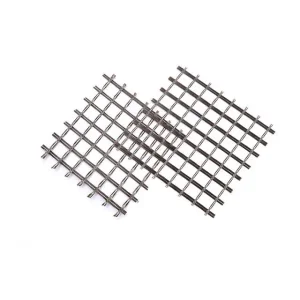
An in-depth structural review of green continuous basalt fiber composite materials in civil engineering and high-load architectural systems.
Continuous Basalt Fiber (CBF) represents one of the most critical breakthroughs in modern green material science. Extruded directly from high-purity natural basalt rock melted at extreme temperatures ranging from 1450°C to 1500°C, basalt fiber is a 100% inorganic silicate material. Unlike E-glass fibers, which are highly susceptible to alkaline attack inside concrete matrices, or carbon fibers, which carry prohibitive procurement costs for global civil projects, basalt stands as a supreme middle-ground alternative offering extraordinary performance margins.
For structural engineering, concrete cracking, seismic vulnerability, and steel corrosion inside reinforced concrete structures (RC structures) remain perpetual systemic failure modes. By introducing high-modulus, high-tensile basalt fiber mesh and rebar, civil design engineers can bypass these vulnerabilities entirely. CBF possesses a natural imperviousness to acids, alkaline mixtures, rust, and electromagnetic interference, establishing itself as the absolute standard for premium reinforcement materials.
Melting Point Base
Steel Tensile Ratio
Inorganic & Rust-Proof
To +700°C Temp Span
The global construction landscape is currently undergoing a massive structural shift guided by strict decarbonization goals (such as the EU Green Deal and global net-zero initiatives). High-energy steel manufacturing contributes significantly to global carbon footprints. Basalt fiber, requiring no chemical raw materials during melting, exhibits an exceptionally low carbon footprint throughout its life cycle.
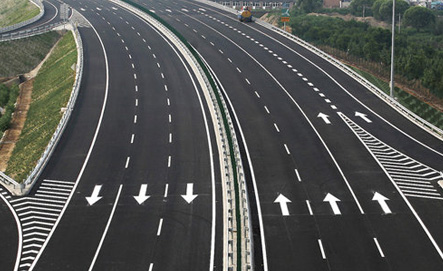
Furthermore, civil authorities are facing astronomical rehabilitation bills for bridges, highway pavements, and maritime structures damaged by internal steel rebar corrosion. Road salting in cold climates and marine chloride exposure accelerate steel oxidation, resulting in concrete spalling. Industry data shows that basalt fiber mesh and rebar can extend the operating lifespan of key bridge decks and coastal retaining walls by up to 300%, eliminating costly maintenance cycles and enhancing overall project life-cycle return on investment (ROI).
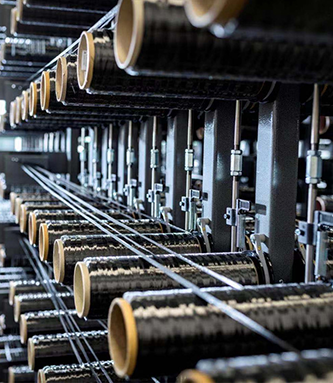
Founded in 2015 and strategically located in the high-tech industrial zone of Jiujiang, Jiangxi Province, China Beihai stands as an authoritative leader in high-performance continuous basalt fiber production and advanced equipment manufacturing.
Through our massive industrial melting furnaces and proprietary platinum-rhodium alloy bushing draft technology, we deliver continuous, high-consistency basalt roving, structural rebar, and highly robust composite geotextiles. Our R&D division collaborates with top-tier material scientists to systematically enhance the tensile thresholds, sizing compatibility, and structural versatility of basalt fiber composites.

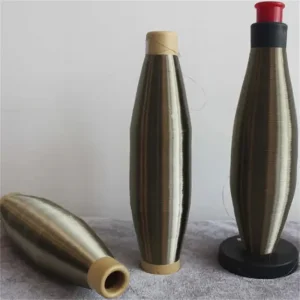
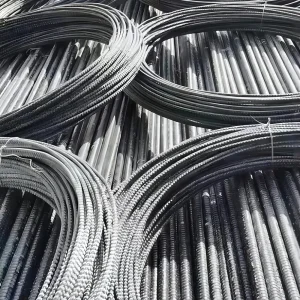
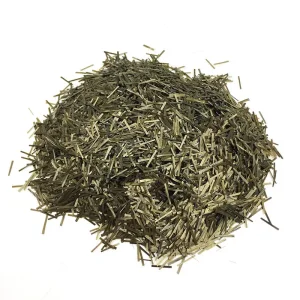
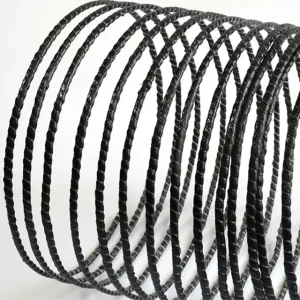
At China Beihai group, we specialize in the production of a wide range of products including basalt fiber mat (Basalt fiber chopped strand mat, Basalt fiber cloth), basalt fiber roving, basalt fiber yarn, basalt fiber chopped strands, and basalt fiber products (Basalt Fiber rebar, basalt fiber sleeves and tape). Our products are designed to meet the diverse needs of various industries, providing high-quality solutions for our customers.

At China Beihai group, we are dedicated to the production of a wide array of basalt-based products, ranging from basalt fiber mat, fabric, and roving to chopped strand and specialized construction materials. Our focus is on delivering high-quality, sustainable solutions for industries such as construction, geotechnical engineering, and manufacturing. With a commitment to innovation and excellence, we strive to cater to the unique requirements of our clients by offering a comprehensive selection of basalt-derived products.

Choosing to work with China Beihai means working with a leading manufacturer of basalt products. Our commitment to quality, innovation and sustainability sets us apart, ensuring our customers receive best-in-class solutions for their diverse needs. Reliability and customer satisfaction, we offer a wide range of high-quality basalt materials and construction products, backed by our dedication to excellence and industry expertise. When you partner with China Beihai, you can trust that you are working with a reliable and forward-thinking partner. A thought supplier for all your basalt product needs.
Basalt fiber is ideal for your engineering projects. Its high strength, corrosion resistance and lightweight properties allow it to easily solve a variety of challenges. In buildings, bridges, roads and other infrastructure projects, basalt fibers demonstrate outstanding performance, extending structural life and reducing maintenance costs. Choose basalt fiber, choose reliability and durability.

Our basalt products have diverse applications in the field of house construction, delivering superior load distribution and crack mitigation.

In the aerospace field, basalt fibers are ideal for manufacturing lightweight, high-temperature structural aircraft wings and engine components.

Enabling space-grade shell materials, thermal protection systems, and high-temperature engine components through specialized surface sizing treatments.

Basalt-added concrete offers increased tensile strength, outstanding chemical resistance, high fracture limits, and excellent overall workability.

Aiding vehicle structural components with high-modulus basalt fiber composites to decrease body weight and significantly improve fuel economy.

Providing essential protective barriers that absorb shock impacts, resist ocean salinity, prevent fire damage, and prolong civil infrastructure lifespan.

The high corrosion resistance of basalt fiber makes it uniquely advantageous for petrochemical storage tanks, high-pressure piping, and containment wells.

Impervious to salt spray, sea water erosion, and UV rays. Ideal for hulls, offshore platform pathways, and deep-ocean mooring systems.
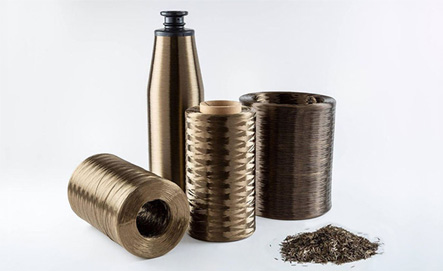
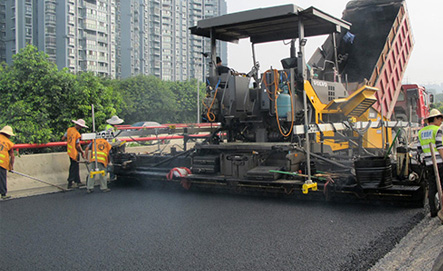
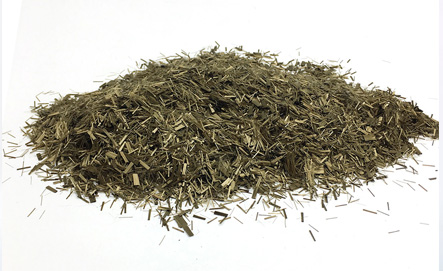
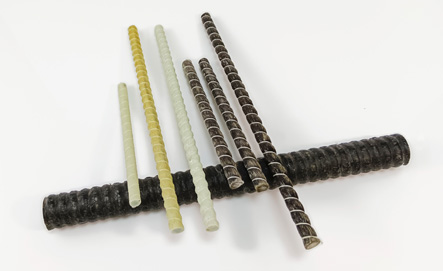
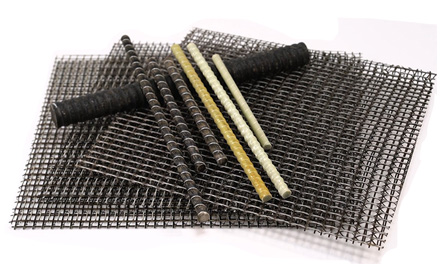
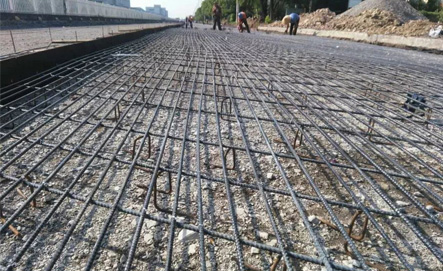
Industry-proven, top-performing basalt fiber components designed for aggressive civil and environmental applications.
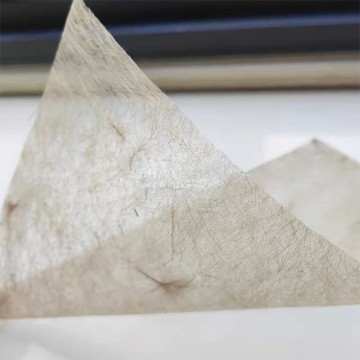
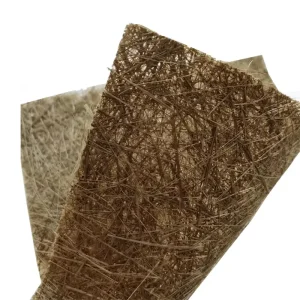
Basalt Fiber Surfacing Tissue Mat is a non-woven thin sheet engineered to provide a smooth resin-rich surface layer for fiber-reinforced plastic (FRP) structures.
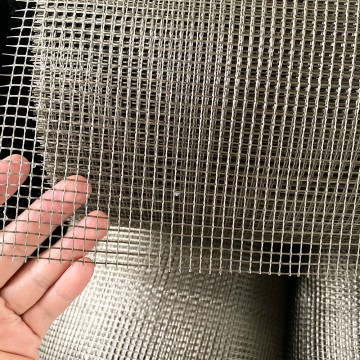
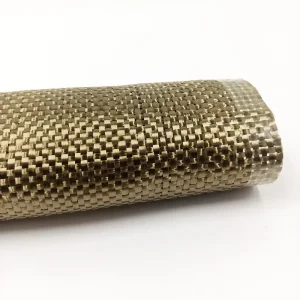
Our high-performance Basalt Fiber Mesh provides a superior reinforcement solution for concrete and plaster applications where high alkali resistance is mandatory.
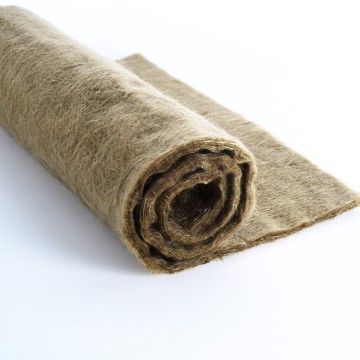
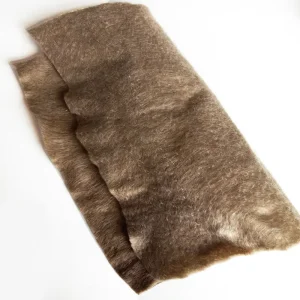
Our Basalt Fiber Needled Mat is a high-density insulation material manufactured by mechanically bonding continuous basalt fibers without any chemical binders.
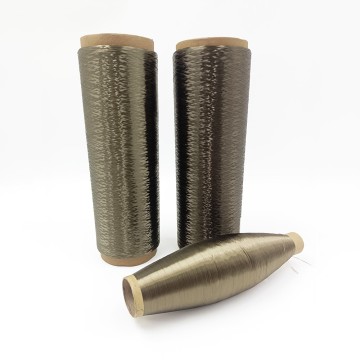
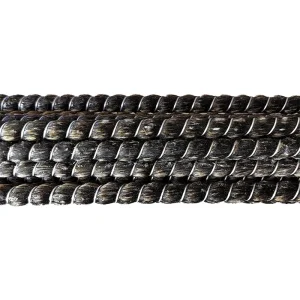
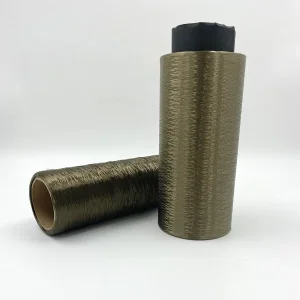
Our Basalt Fiber Twisted Yarn is engineered by twisting multiple continuous filaments to enhance mechanical strength and processing stability for braiding.
| Physical Property | Continuous Basalt Fiber (CBF) | E-Glass Fiber | Structural Carbon Fiber | Reinforcement Steel (Grade 60) |
|---|---|---|---|---|
| Density (g/cm³) | 2.63 - 2.80 | 2.54 - 2.60 | 1.75 - 1.80 | 7.85 |
| Tensile Strength (MPa) | 3000 - 4500 | 2000 - 3400 | 3500 - 6000 | 500 - 700 |
| Elastic Modulus (GPa) | 89 - 110 | 72 - 76 | 230 - 600 | 200 |
| Max Service Temp (°C) | 700 | 380 | 650 | 500 |
| Alkali Resistance (% Retention) | > 92% (in concrete matrix) | Poor (Degrades quickly) | Excellent | N/A (Rusts immediately) |
| Electromagnetic Profile | Inert (Non-conductive) | Inert (Non-conductive) | Conductive | Magnetic / Conductive |
Optimizing supply chain operations, custom sizing, and quality validation matrices for complex global infrastructure tenders.
When international engineering consultants analyze the Total Cost of Ownership (TCO) for modern arterial highways or subway tube linings, they recognize that structural lifecycle durability outweighs initial material costs. Steel is heavy, expensive to ship, prone to rapid chemical oxidation, and requires expensive labor-intensive bending on site. Basalt fiber mesh and rebar weigh approximately 75% less than steel for the equivalent structural volume. This translates directly to profound savings in overland logistics, oceanic freight rates, and on-site manual handling costs.
Located strategically in Jiujiang, Jiangxi, China Beihai leverages direct inland river shipping networks connected directly to prime deep-water container terminals (including Shanghai and Shenzhen). This logistical ecosystem ensures reliable, timely transport schedules and stable pricing for bulk basalt direct roving and reinforcing geogrids to Europe, North America, the Middle East, and Southeast Asia.
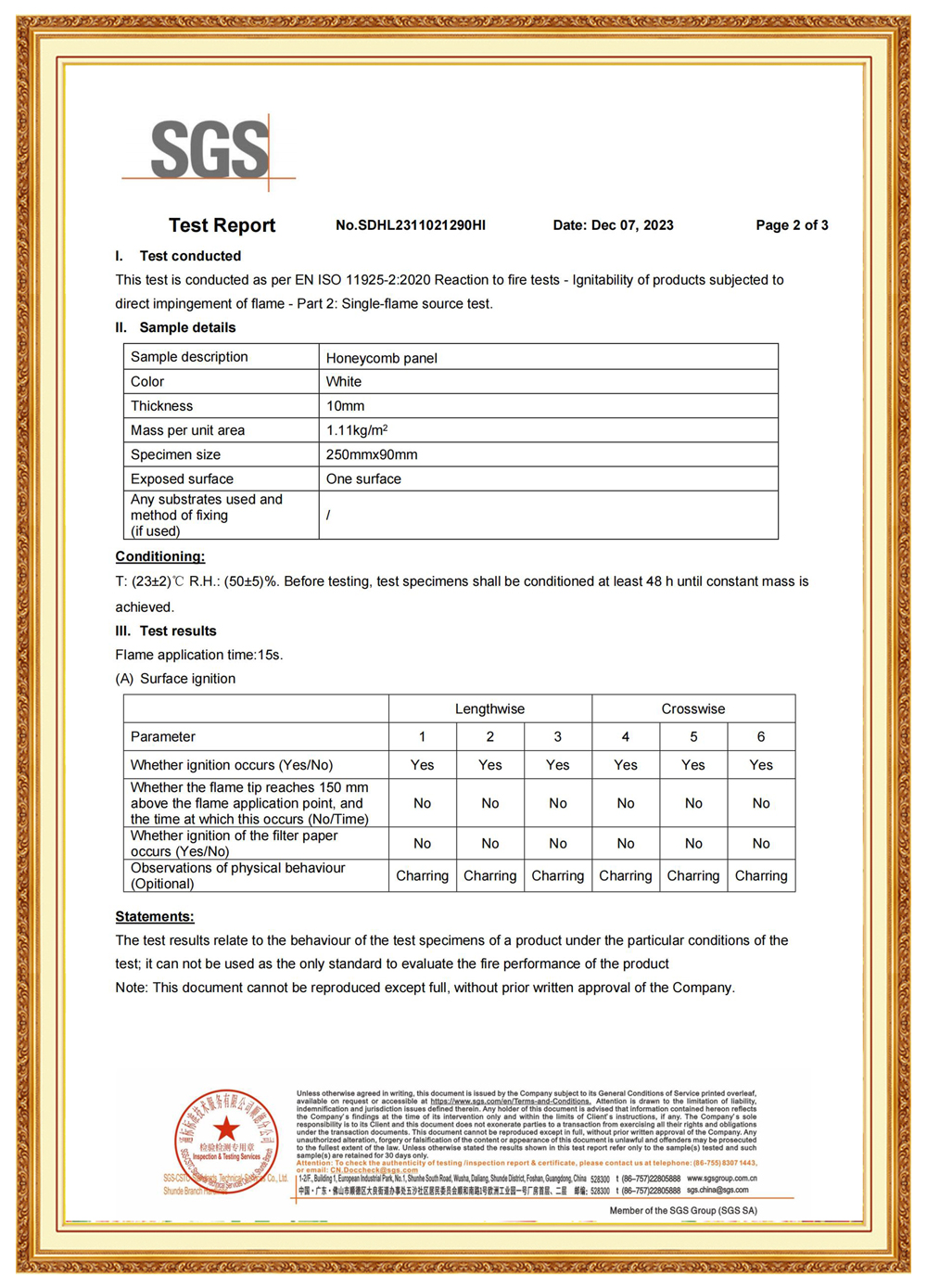
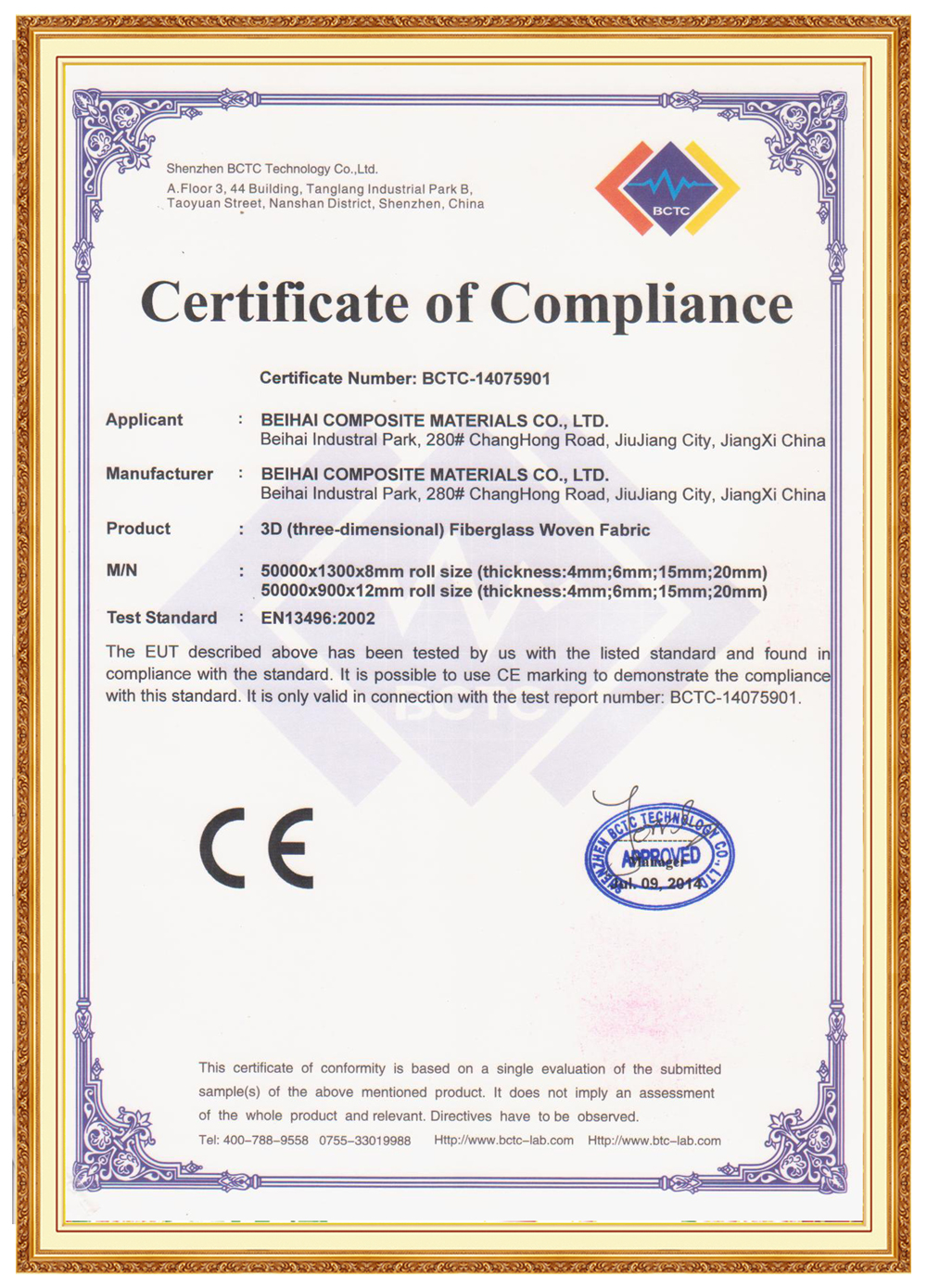
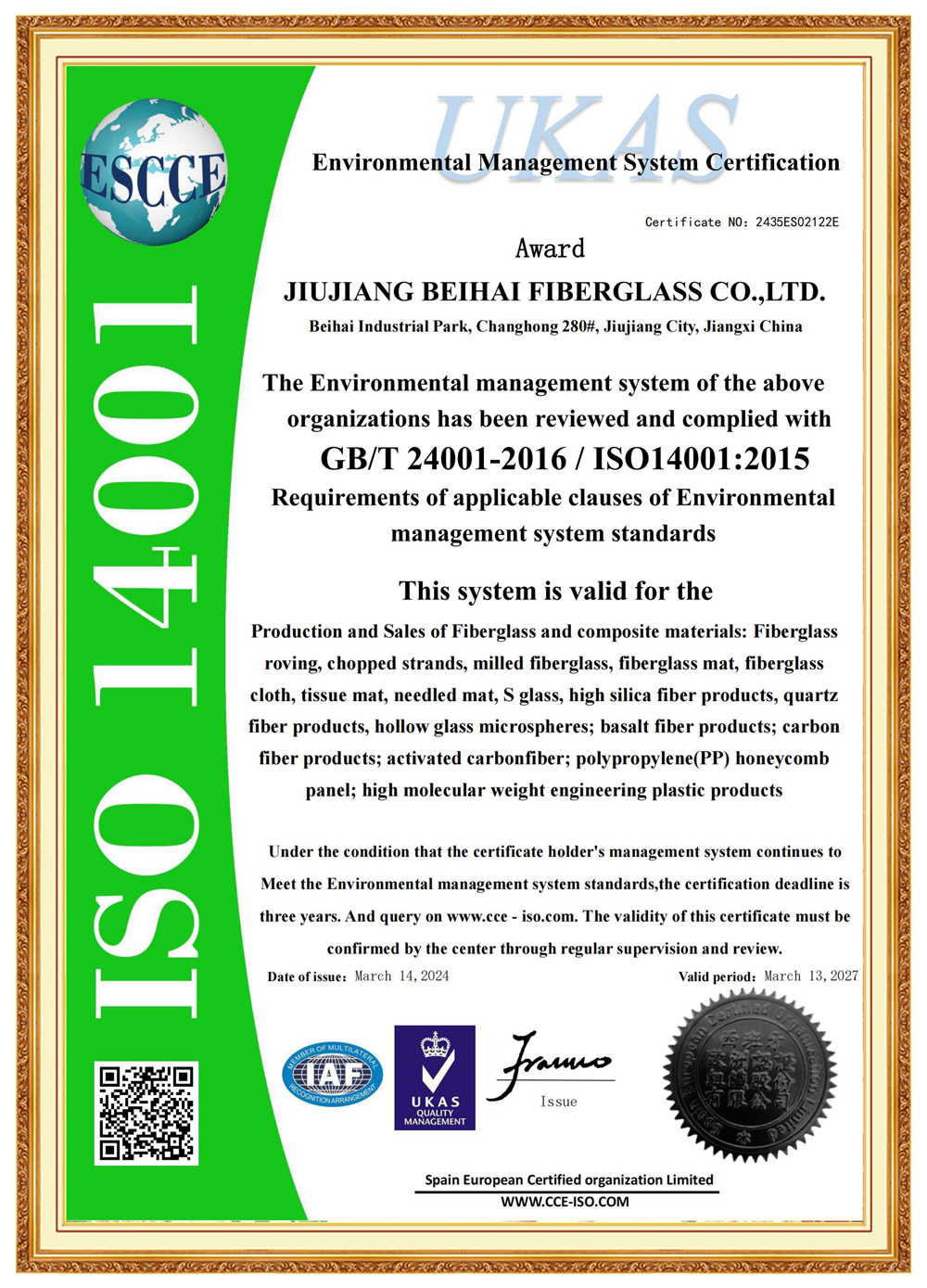
We recognize that structural safety is paramount for civil engineers, municipal developers, and international contractors. Our quality testing laboratories monitor every production lot from raw rock mineral input to finished continuous fiber spools. We enforce rigorous structural compliance with globally recognized testing procedures:
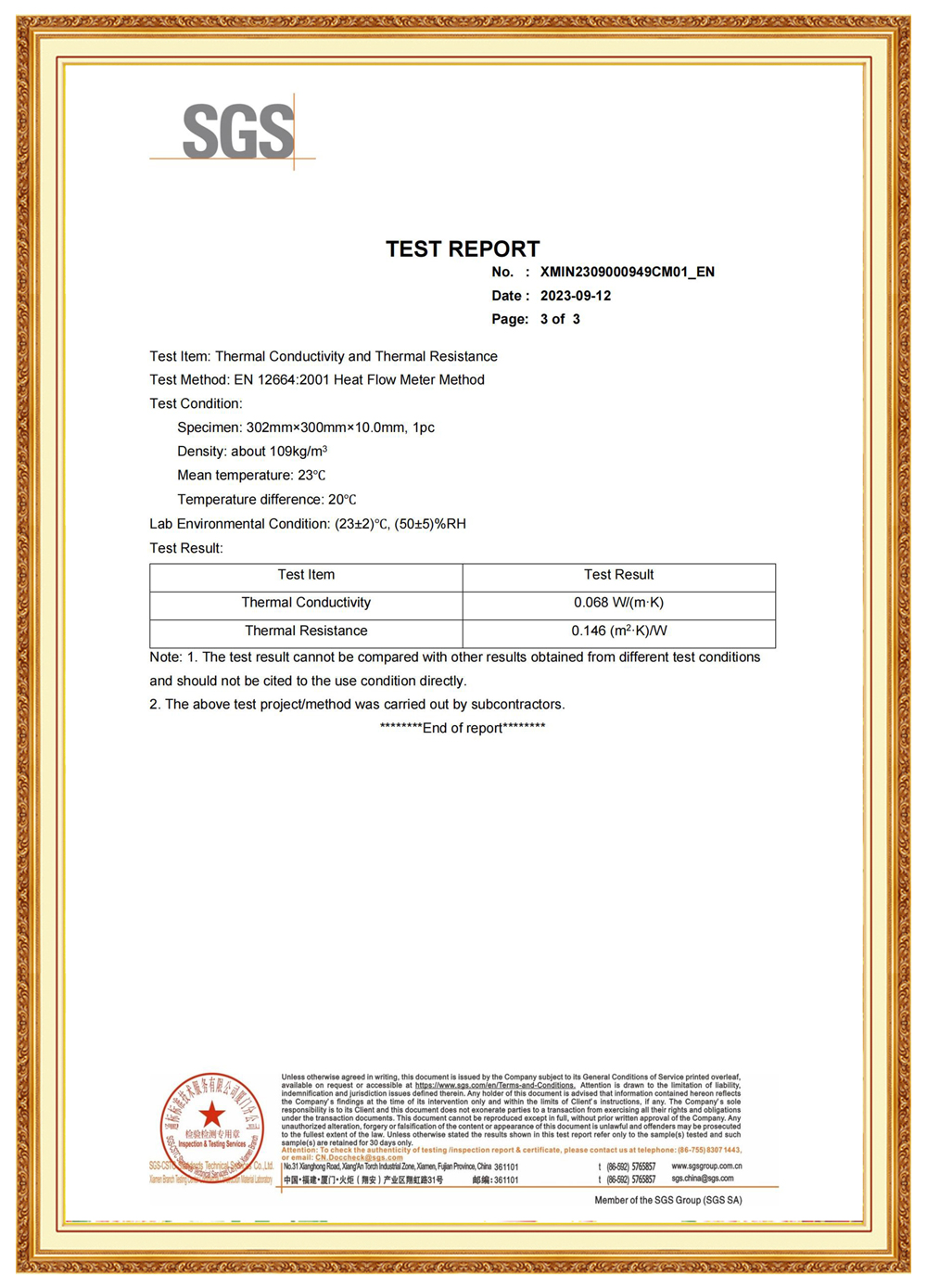
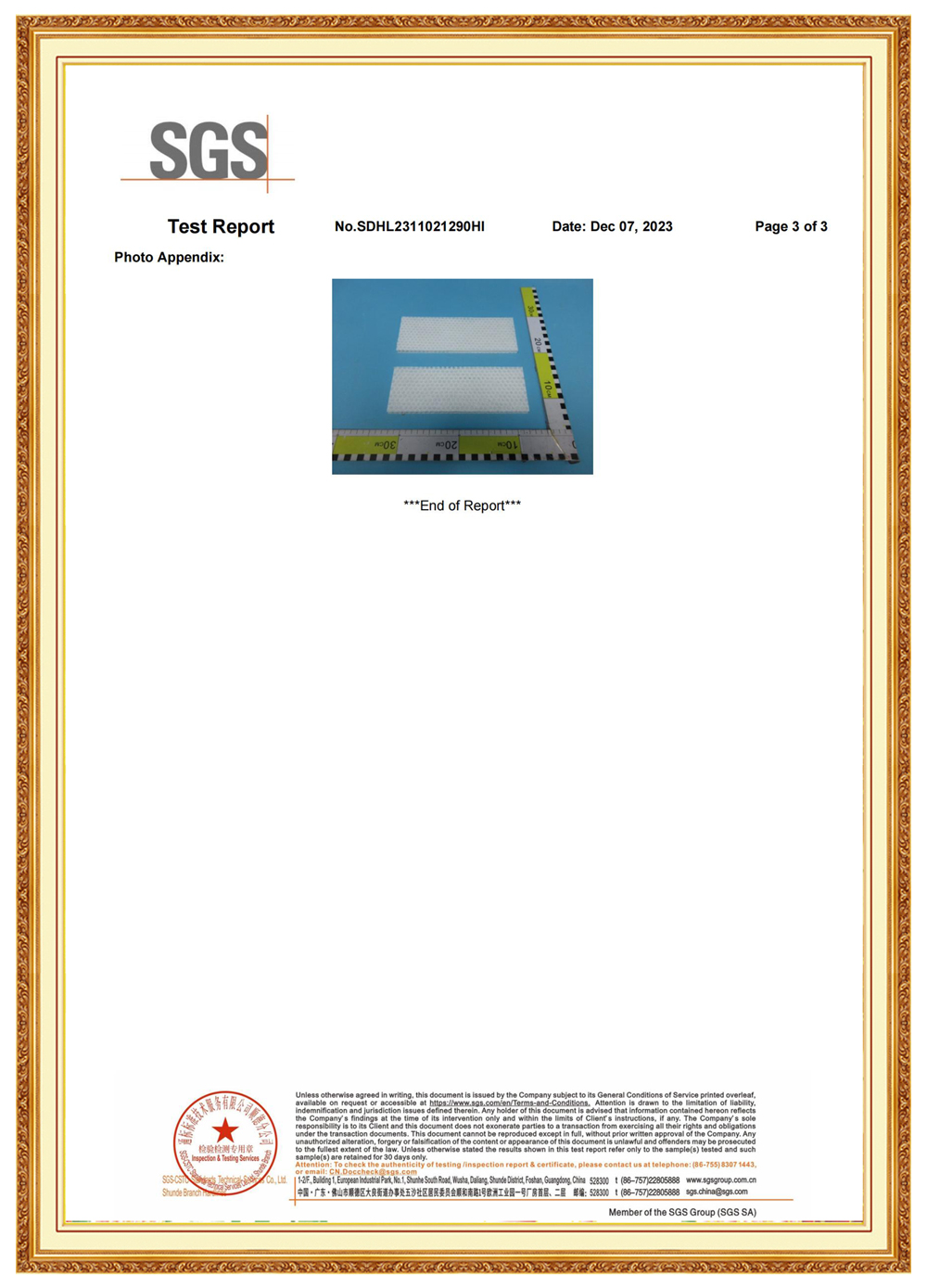
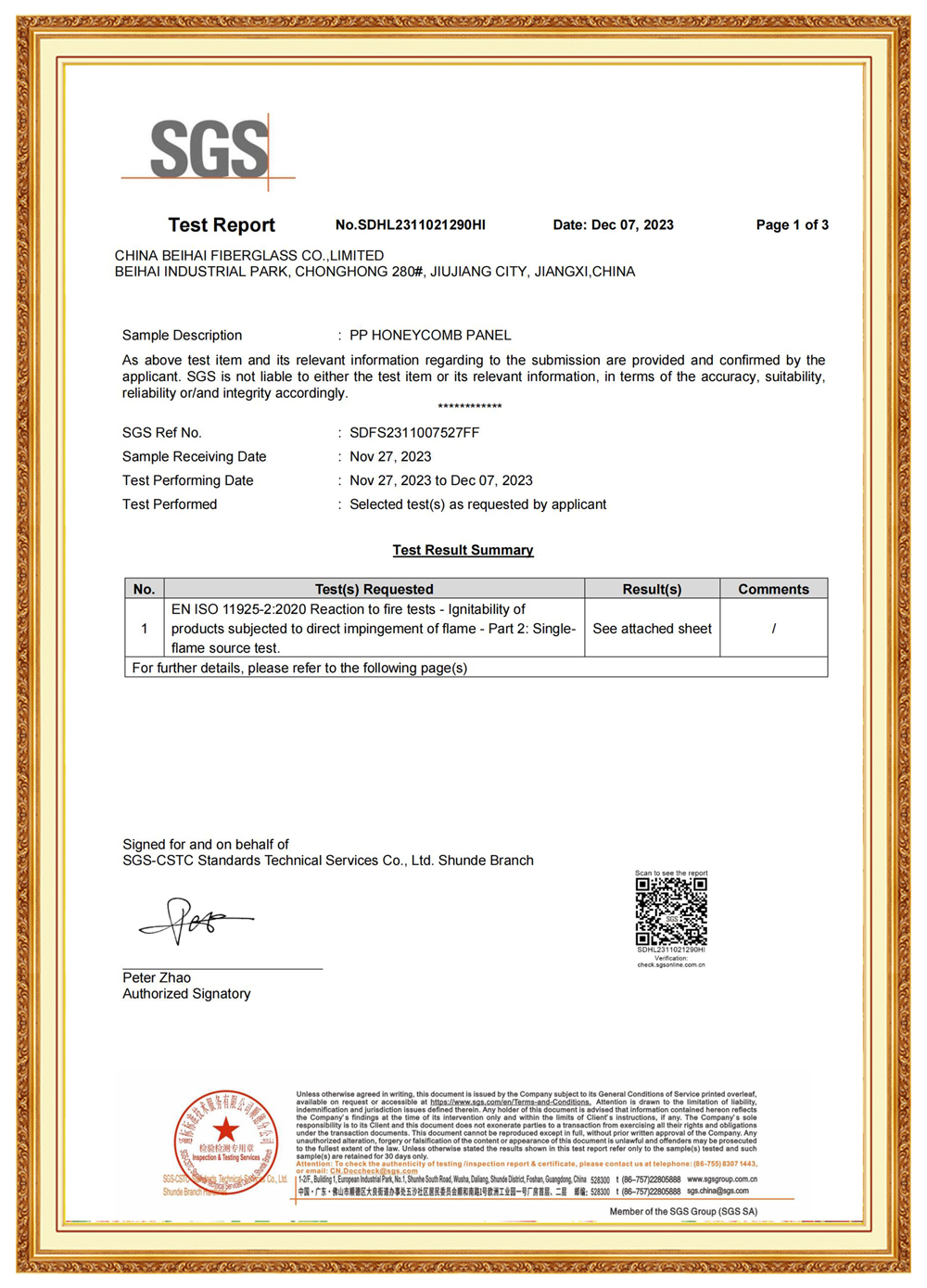
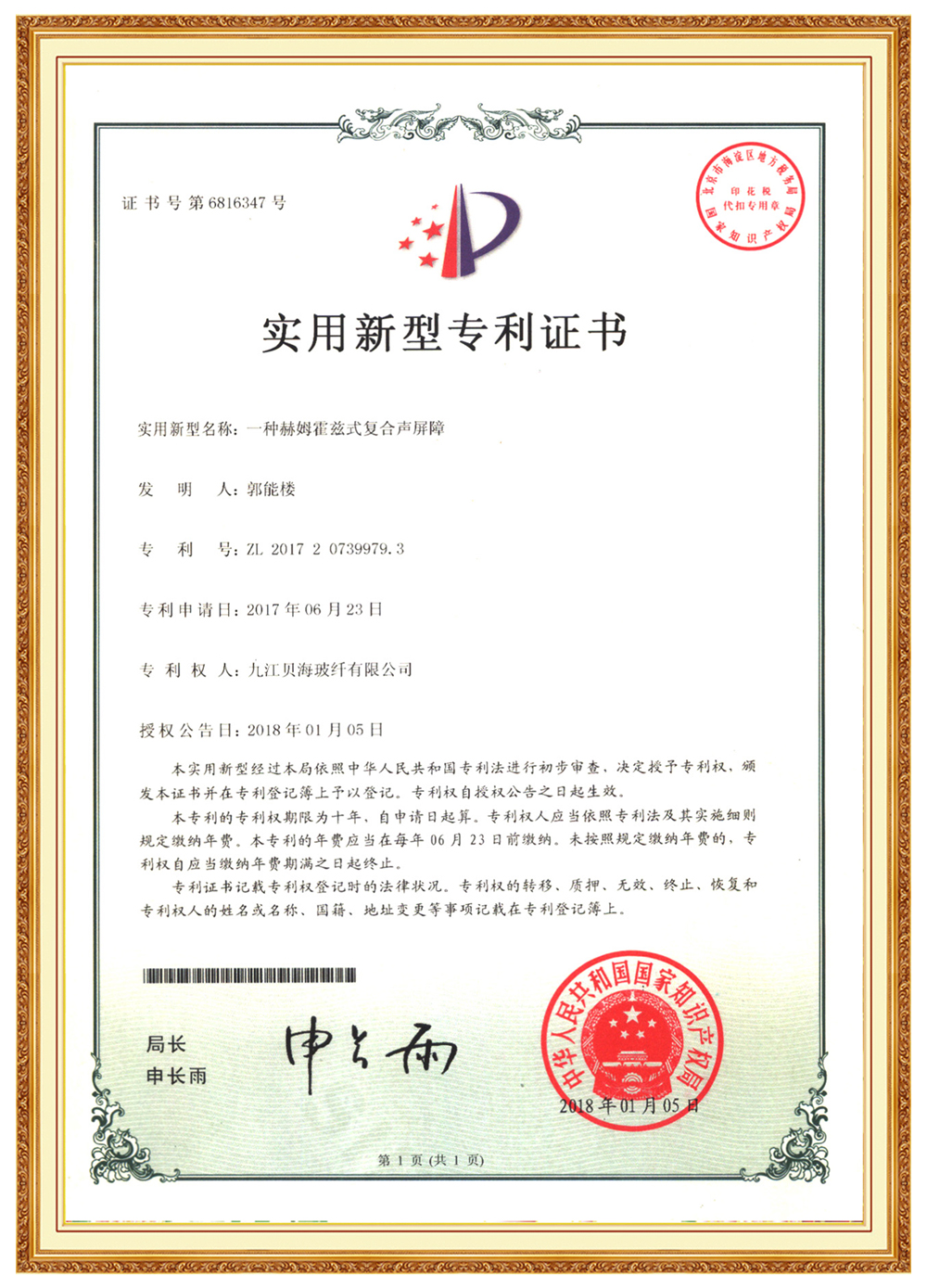
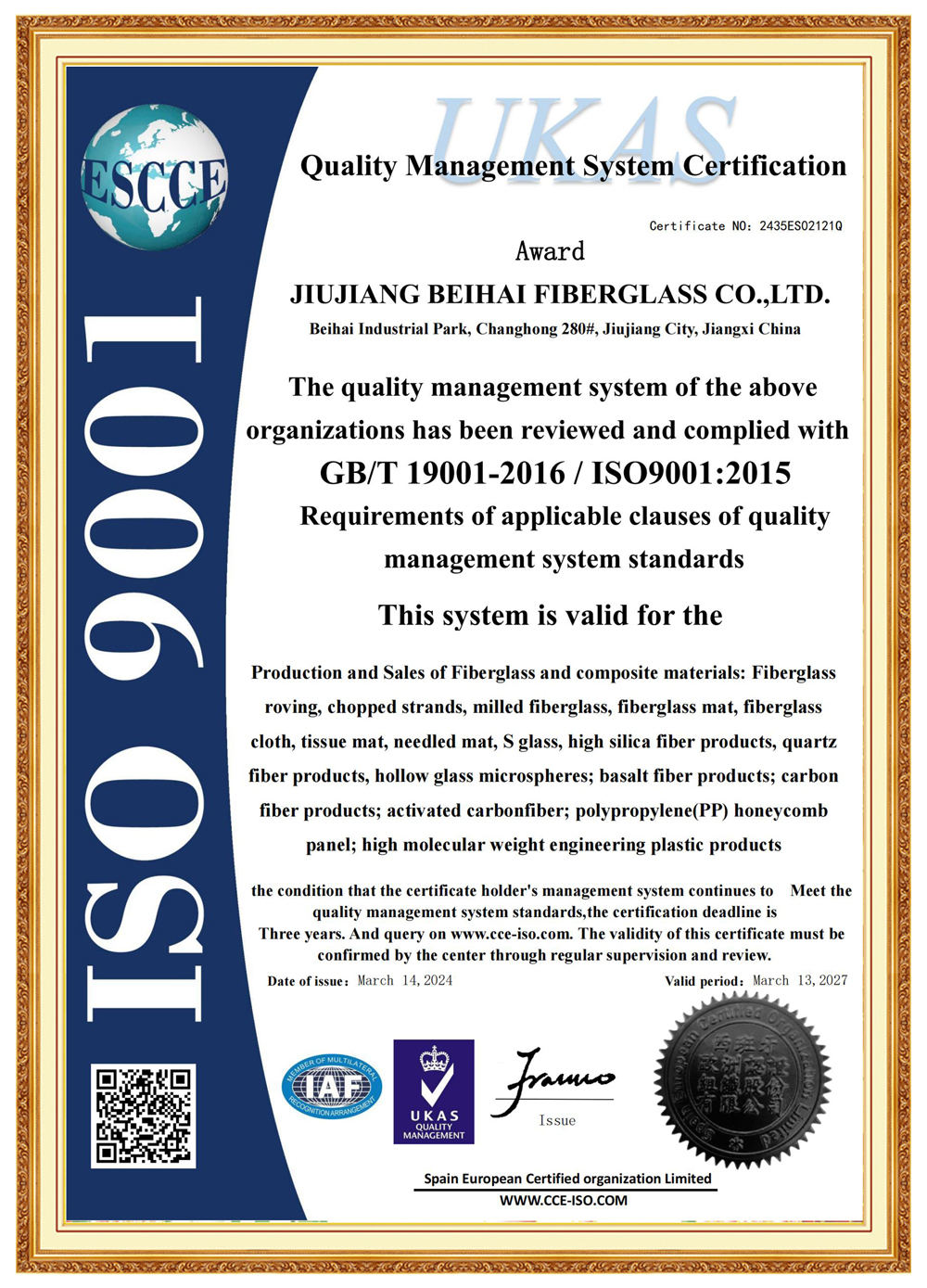
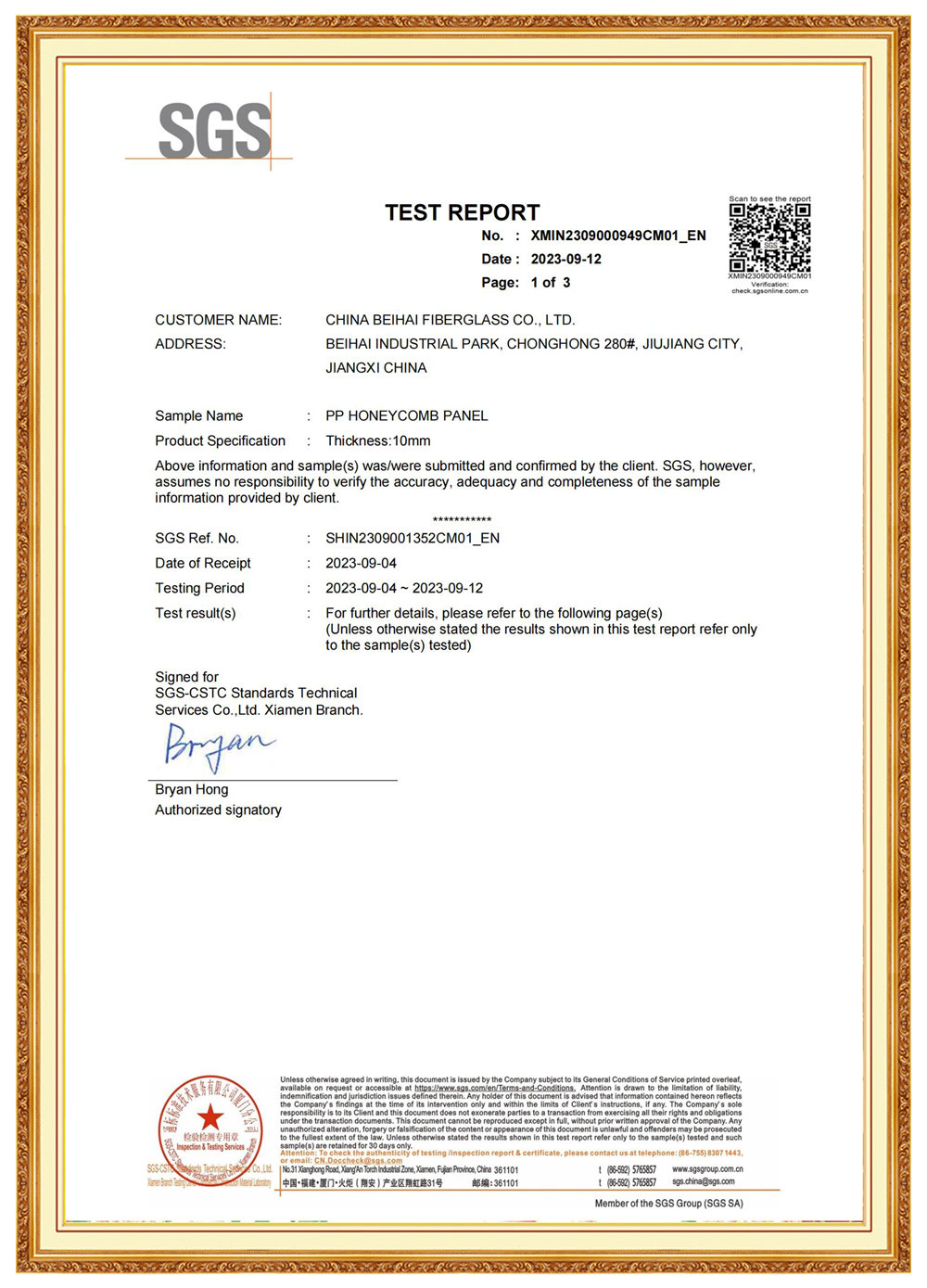
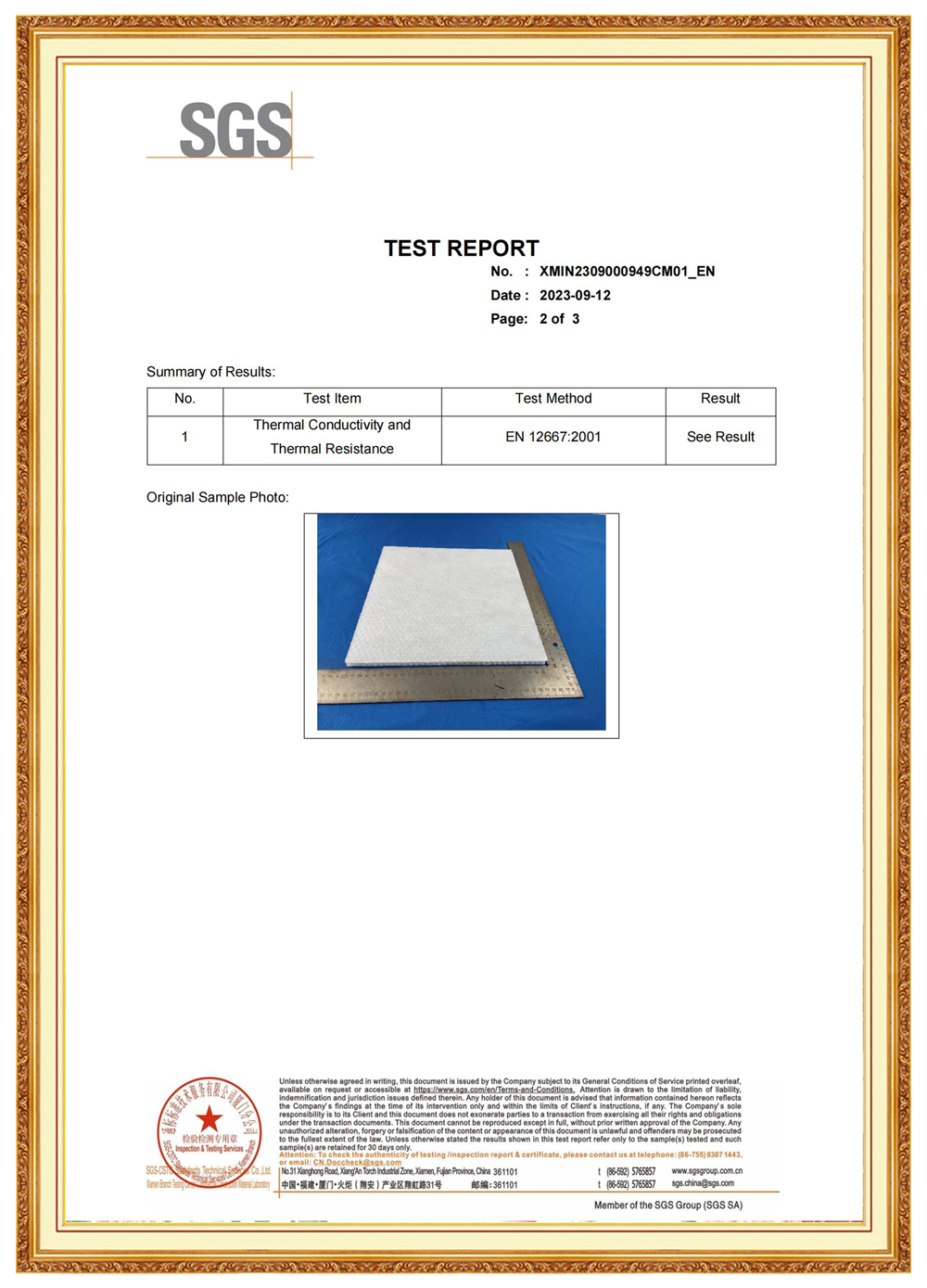
China Beihai maintains strict alignment with international quality standards. Below is our catalog of ISO, CE, and structural testing certificates confirming structural excellence.

As drones slice through the sky to monitor wildfires, and intelligent robots execute repetitive tasks with precision on the factory floor, the efficient operation of this smart equipment is often underpinned by a "hardcore support" system. China Beihai's R&D department has engineered next-generation, high-stiffness micro-diameter basalt fibers to reinforce robotic mechanical limbs, drone frames, and dynamic architectural sensors. These advanced composites provide exceptional vibration absorption, low dielectric constant profiles, and maximum structural stability under thermal loads.
Read the Full Whitepaper →Addressing critical material performance, chemical degradation, design limits, and installation procedures for Continuous Basalt Fiber composite systems.
Hydrating cement paste creates a highly alkaline pore solution, typically reaching a pH level of 12.5 to 13.5. Standard E-glass fibers are rich in silica molecules that react with hydroxyl ions (alkaline environment), leading to progressive dissolution and loss of mechanical strength. Continuous basalt fiber (CBF) features a unique, dense network of silicon, aluminum, and iron oxides (with a lower silica content compared to glass fiber) which exhibits high resistance to alkaline attack. This ensures excellent retention of tensile capacity over decades of environmental exposure.
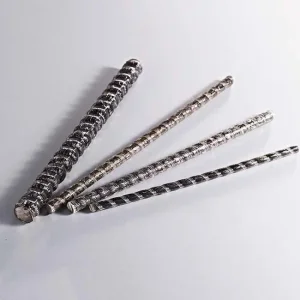
Basalt fiber-reinforced polymer (BFRP) rebars feature a coefficient of thermal expansion (CTE) that closely matches concrete (approximately 9-11 x 10^-6 /°C). Unlike steel, which expands at a higher rate and creates internal tension cracking under extreme thermal cycles, BFRP rebars prevent delamination and micro-cracking inside the concrete block. Additionally, BFRP does not rust or expand to crack concrete, which is the primary cause of structural degradation in bridge decks and parking garages.
Yes. Basalt fiber needled mats are certified non-combustible and maintain structural integrity under continuous exposure to extreme temperatures up to 700°C, and short-term spikes up to 900°C. In comparison, mineral wool or glass wool degradation starts significantly lower (under 400°C). Our needled mats generate zero toxic smoke or gas under flame contact, satisfying the strict requirements of civil safety codes for building envelopes, furnace protection, and automotive engines.
Unlike stiff polymer or steel mesh grids, high-tensile basalt geogrids are lightweight, highly flexible, and conform easily to irregular terrain, saving significant labor time on-site. They can be bent easily without breaking, and their high tensile strength prevents deformation. They are typically unrolled directly onto base sub-grades or intermediate asphalt layers, secured with simple staples, and covered with standard aggregates. This limits asphalt fatigue cracking by distributing heavy truck wheel loads over a larger area.
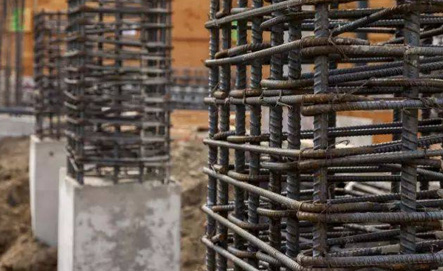
High-durability structural components, plain twill fabrics, corrosion-proof direct roving, and heavy-duty basalt rebars for underground foundations and bridge piers.
 Beihai Fiberglass