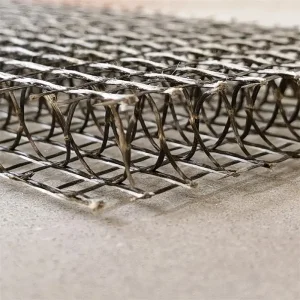
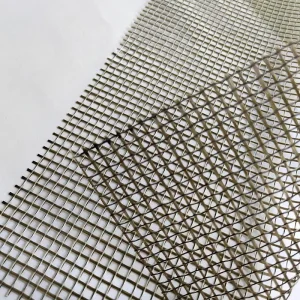
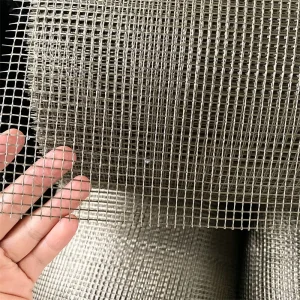
The global geotechnical engineering market is undergoing a seismic shift. As climate change accelerates and the need for sustainable, low-carbon infrastructure grows, traditional synthetic and steel reinforcements are being scrutinized for their environmental footprint and long-term durability issues. Lightweight Basalt Geogrid has emerged as a revolutionary solution, offering a unique combination of volcanic strength and advanced polymer science.
Derived from natural volcanic rock, basalt fibers are non-toxic, non-combustible, and inherently resistant to acid, alkali, and salt environments. In 2024, the procurement demand from global enterprises—particularly in North America, the EU, and Southeast Asia—has pivoted toward "Green Geo-solutions" that reduce the CO2 baseline of civil engineering projects by up to 40% compared to carbon or glass fiber alternatives.
Current global industrial trends indicate a 12% CAGR for high-performance basalt composites, driven by large-scale road rehabilitation and coastal protection projects in harsh climates.
Basalt geogrid production requires significantly less energy than carbon fiber, providing a clear "Information Gain" for ESG-focused contractors and government agencies.
Major construction conglomerates are moving away from steel mesh in concrete pavement due to corrosion; basalt’s inert nature eliminates "concrete rot" entirely.
China Beihai's technical roadmap for 2025-2030 focuses on three pillars: Hybrid Sizing Technology, Nano-Coating Integration, and Automated Precision Weaving. By modifying the surface of basalt fibers at a molecular level, we enhance the bonding strength between the geogrid and bituminous or concrete matrices by 25%.
Preventing reflective cracking in asphalt overlays. Our geogrid acts as a stress-relief interlayer, doubling the life of highway pavements.
Harbor walls and sea dikes. Unlike steel, basalt thrives in saline environments, requiring zero maintenance over a 50-year lifecycle.
Providing high-modulus support for embankments on marshy or expansive soils, significantly reducing settlement risk.
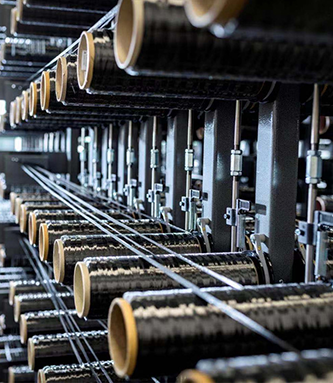
China Beihai is founded in 2015 and located in Jiujiang, Jiangxi Province. China Beihai is a high-tech enterprise focusing on the research, development, production and sales of high-performance basalt continuous fiber and its production equipment manufacturing, as well as a leading enterprise in the domestic basalt fiber industry.
Our commitment to quality, innovation and sustainability sets us apart, ensuring our customers receive best-in-class solutions for their diverse needs. Reliability and customer satisfaction, we offer a wide range of high-quality basalt materials and construction products.

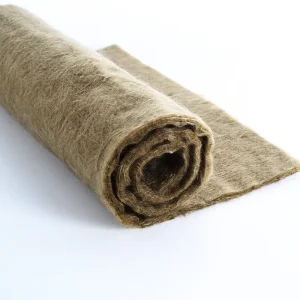
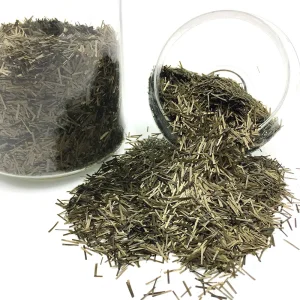
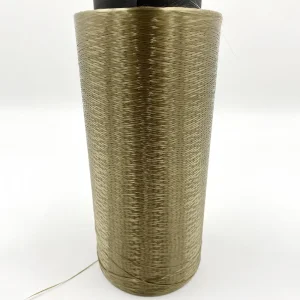
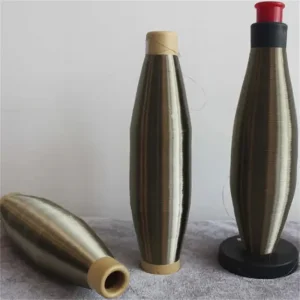
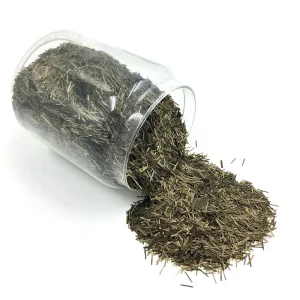
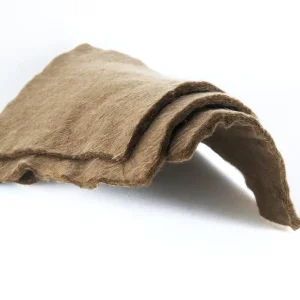
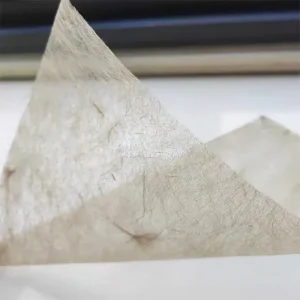
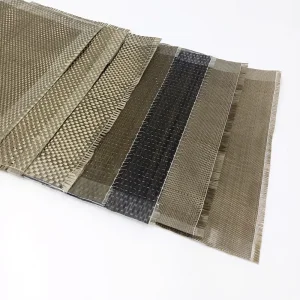
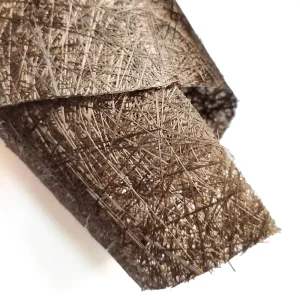
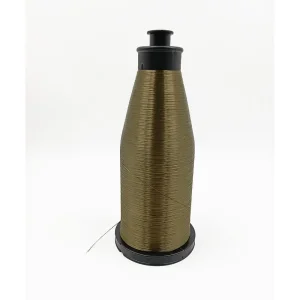
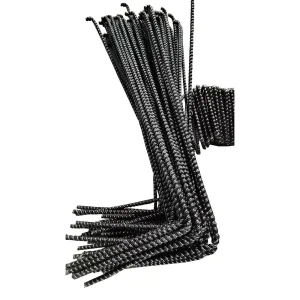
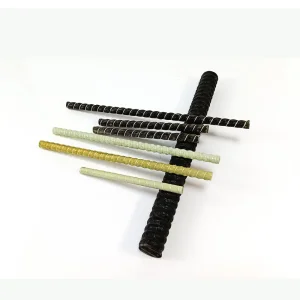
Specializing in basalt fiber mat, roving, yarn, chopped strands, rebar, and specialized lightweight geogrids designed for heavy-duty load bearing.

We deliver sustainable geotechnical solutions for aerospace, automotive, and infrastructure sectors through innovative fiber-drawing technology.

Work with a thought-leader supplier. Our Best-in-class basalt materials are backed by rigorous QC and international certifications.
Our Basalt Geogrid products meet ASTM D6637 for tensile properties and ISO 9001:2015 for manufacturing consistency, ensuring seamless integration into public works tenders.
We offer site-specific engineering consultations and localized technical documentation in over 10 languages to support contractors in the US, Europe, and Middle East.
With strategic warehousing near major Chinese ports, we offer DDP/CIF terms with specialized moisture-proof packaging to ensure product integrity during sea transit.
Unveiling the Infinite Potential of Basalt across global industries.

Diverse applications in reinforcement of house foundations and structural walls.

Manufacturing aircraft wings, spacecraft shells, and high-temp engine components.

Increased crack resistance and durability in bridges, highways, and infrastructure.

Lightweight composite materials for next-gen vehicle efficiency and impact safety.

Protecting abutment structures from collisions, fire, and extreme corrosion.
 Beihai Fiberglass