Engineered to deliver exceptional mechanical performance, high temperature tolerance, and chemical corrosion resistance for demanding industrial applications worldwide.
Basalt Continuous Fiber (BCF) represents a monumental paradigm shift in high-performance materials science. Derived entirely from raw volcanic basalt rock through a sophisticated, single-component melting process without chemical additives, BCF serves as an environmentally clean, high-tensile mineral fiber. In the global composites market, BCF stands as a highly viable, structurally superior alternative to traditional E-glass fibers, and a cost-effective, highly durable counterpart to carbon fibers.
Today, the global industrial ecosystem faces critical structural issues: rapid corrosion of steel rebar in concrete, thermal degradation of insulation materials under extreme temperatures, and heavy carbon footprints of synthetic polymers. Basalt continuous fiber uniquely answers these calls. Offering a service temperature range spanning from -260°C to +700°C, a naturally high tensile strength (up to 4800 MPa in specialized configurations), and an absolute immunity to rust and chemical attack, BCF is redefining the boundaries of civil infrastructure, aerospace, marine engineering, and automobile manufacturing. As commercial entities prioritize environmental sustainability and life-cycle longevity, the demand for high-integrity custom basalt fibers has escalated dramatically.
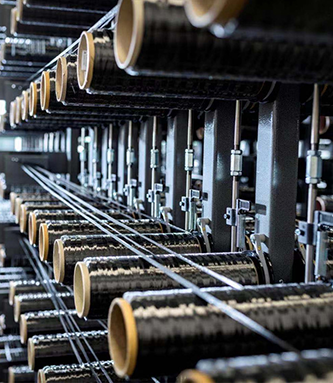
Founded in 2015 and strategically situated in the industrial hub of Jiujiang, Jiangxi Province, China Beihai is a recognized high-tech enterprise dedicated to the research, development, production, and worldwide sales of top-tier basalt continuous fiber (BCF). We do not simply weave fiber; we manufacture the heavy machinery and advanced platinum-rhodium bushing equipment that define the industry’s production baseline.
Through robust research initiatives and vertical integration, China Beihai operates as a leading enterprise in the domestic basalt fiber industry. Our holistic engineering focus ensures that raw volcanic rock is converted into premium roving, chopped strands, needle mats, geogrids, and rebars with unmatched consistency, providing our global clients with highly stable and structurally optimized structural materials.
“Choosing to work with China Beihai means working with a leading manufacturer of basalt products. Our commitment to quality, innovation and sustainability sets us apart, ensuring our customers receive best-in-class solutions for their diverse needs. Built on reliability and customer satisfaction, we offer a wide range of high-quality basalt materials and construction products, backed by our dedication to excellence and industry expertise. When you partner with China Beihai, you can trust that you are working with a reliable and forward-thinking partner. A thought-supplier for all your basalt product needs.”
The versatility of Basalt Continuous Fiber enables localized deployment across critical segments, transforming engineered solutions at the ground level:

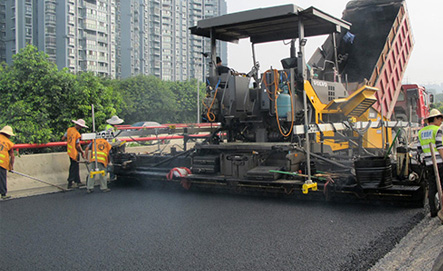
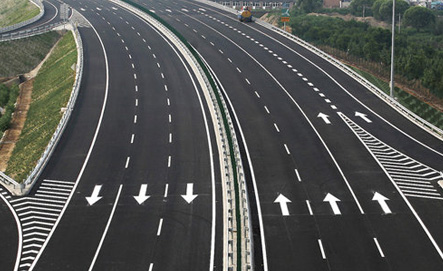
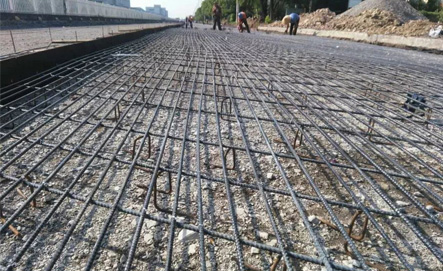
Reinforcing high-stress architectural panels, bridges, and high-speed rail beds. Basalt geogrids prevent reflective roadbed cracking, while basalt chopped strands reinforce structural concrete layers against micro-cracking.

Used to construct non-structural aircraft cabin elements, protective thermal shielding, and engine nacelle linings due to its superior flame-retardant index (LOI > 38) and incredibly low smoke emission rates.

Employed in spacecraft shells, thermal protection systems (TPS), and aerospace engine exhaust sleeves. Basalt continuous fibers sustain high vibration and extreme cryo-to-vacuum thermal cycling without structural failure.

In highly corrosive marine environments, replacing steel rebar with basalt rebar ensures zero electrochemical oxidation. Structures near salt water achieve a lifespan of 100+ years with zero rust-based cracking.

With electric vehicles (EVs) prioritizing lightweight engineering to increase battery range, basalt fiber composite undertrays, brake pads, and interior trims offer massive weight savings without sacrificing impact durability.

Protective basalt fiber jackets wrapped around bridge piers provide excellent shear reinforcement, energy absorption during collisions, and localized protection from acidic water and harsh freeze-thaw weathering.

Continuous basalt-wound pipes transport acids, crude oil, and hot corrosive chemicals safely. High resistance to H2S, HCl, and NaOH ensures safe operations without internal epoxy lining failures.

Used to construct superstructures for commercial ships and offshore drilling rigs. Excellent resistance to saltwater corrosion and low electromagnetic signature make it invaluable for navy applications.
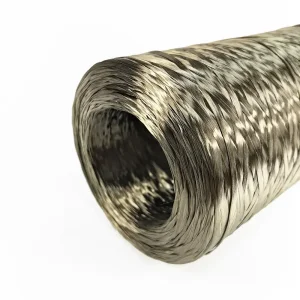
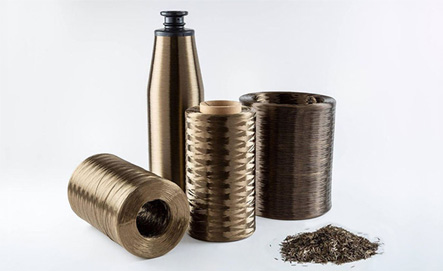
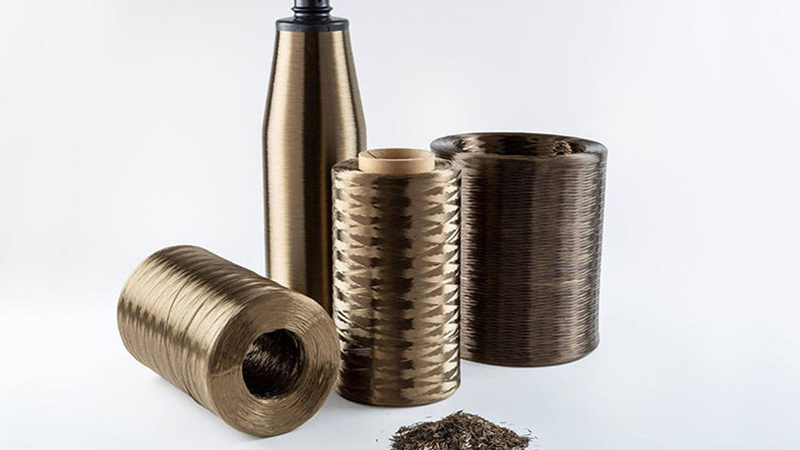
Our Direct Roving is processed through an automated, high-precision bushing feeding system. The raw, crushed basalt rock is vitrified at 1450°C and pulled through platinum-rhodium alloy die plates to yield continuous filaments with diameters ranging from 9 to 22 micrometers. Special sizing formulations are applied, ensuring compatibility with epoxy, polyester, vinyl ester, and phenolic resins.
Designed for winding pipelines, pultruding structural profiles, and weaving high-tensile fabrics, China Beihai direct rovings guarantee zero filament breakages, consistent linear density (TEX), and superb dry-wet tensile retention properties.
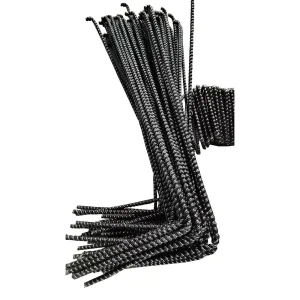
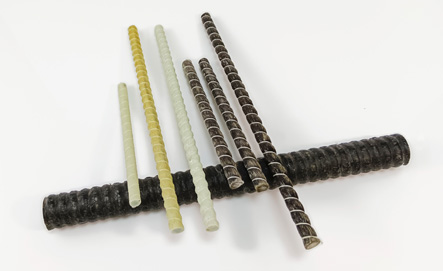
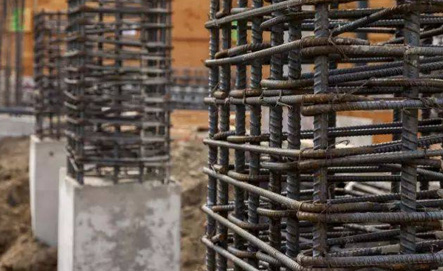
Basalt Fiber Reinforced Polymer (BFRP) rebar is the ultimate, non-rusting replacement for steel rebar in concrete infrastructure. Possessing a density only 25% of steel, BFRP rebar drastically reduces freight costs and construction labor times. More importantly, it delivers a tensile strength up to three times that of standard A3 grade steel, coupled with an absolute immunity to chloride ions.
It is perfectly suited for building harbor walls, seawalls, bridge decks, and magnetic resonance imaging (MRI) medical rooms where magnetic transparency is required. Our rebars are manufactured with specialized sand-coated or ribbed surfaces to maximize interfacial bond strength with concrete.
The manufacture of high-integrity basalt continuous fiber involves extreme thermal control. Unlike glass fibers, which require complex batch mixtures of silica, limestone, boric acid, and clay, basalt production is a pure, single-material process. Raw basalt stones of precise chemical compositions—specifically targeting SiO2 (45-52%), Al2O3 (12-16%), and FeO/Fe2O3 (8-13%)—are crushed, washed, and loaded into computerized natural gas or electric-arc furnaces. The material is brought to a fully homogenized molten state at 1450°C.
Once stable, the liquified volcanic glass is gravity-fed to platinum-rhodium alloy bushings. Under highly precise tension controls, the molten stream is drawn into continuous micro-filaments. The rate of drawing dictates the exact fiber diameter. Our advanced manufacturing roadmap focuses on two primary vectors: the minimization of structural energy consumption via waste-heat recuperation and the formulation of nano-engineered sizing coats to elevate dry-to-wet interface bonding in acidic chemical mediums. Our technological target is to scale down the average filament diameter variance to less than 0.3 micrometers, providing our industrial consumers with the most consistent mechanical load distribution possible.

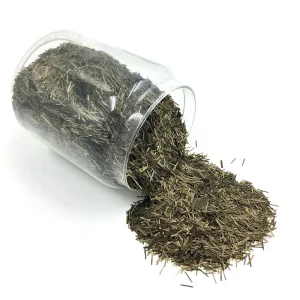
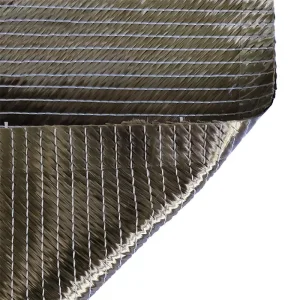
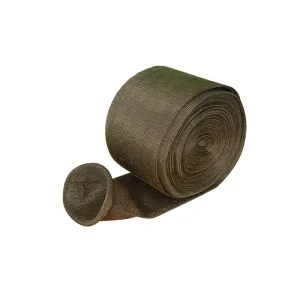
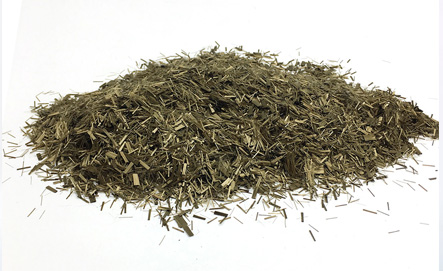
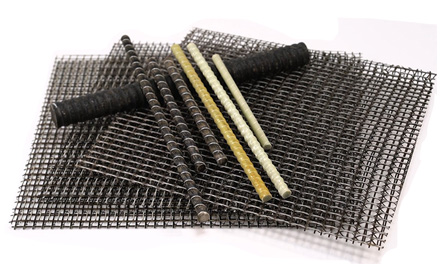
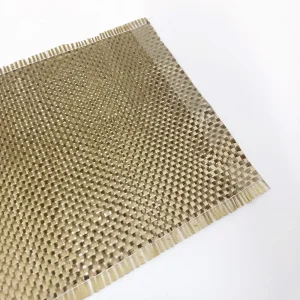
At China Beihai Group, we produce basalt chopped strands, rovings, needle mats, high-tensile mesh, biaxial and unidirectional fabrics, high-temperature sleeving, and customized BFRP rebars to solve engineering challenges across all industrial verticals.

We operate highly automated continuous furnaces in Jiangxi. By controlling both the raw mineral selection and the proprietary bushing design, we guarantee top-tier mechanical characteristics across every production batch.

Every product is certified to meet rigid global testing criteria. Partnering with China Beihai ensures immediate access to continuous material supply, tailored structural customizations, and dedicated field engineering support.
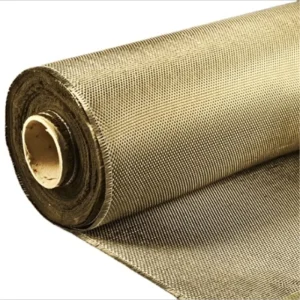
Highly engineered, heat-stabilized, and acid-resistant basalt components recommended by our materials engineers.
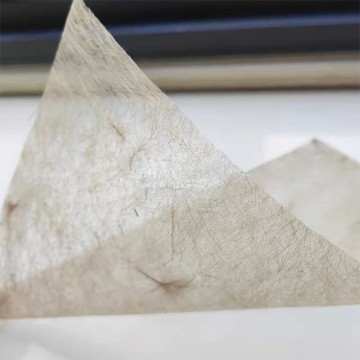
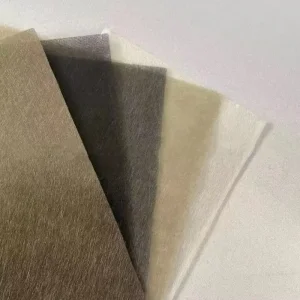
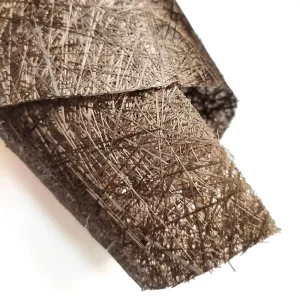
A non-woven thin sheet engineered to provide a smooth, resin-rich surface layer for fiber reinforced plastic (FRP) laminates.
Read More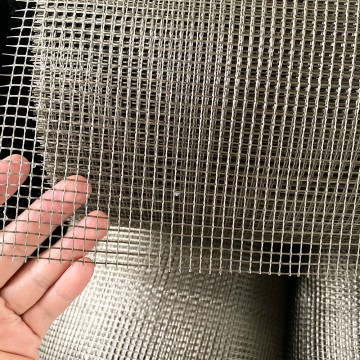
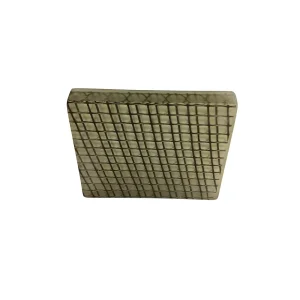
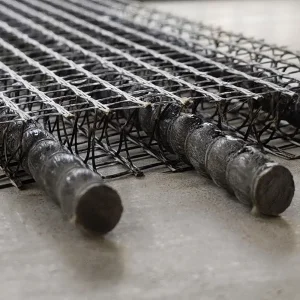
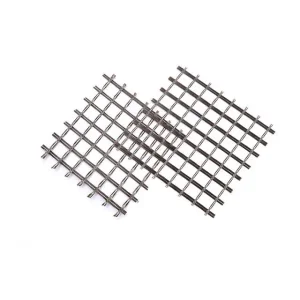
Provides a superior reinforcement solution for concrete and plaster applications where high alkali resistance is mandatory.
Read More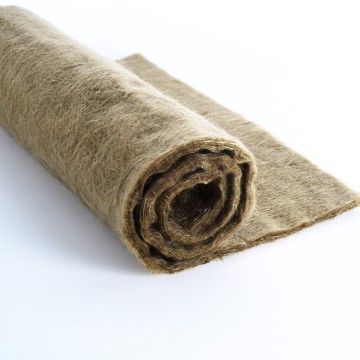
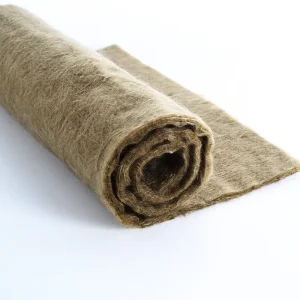
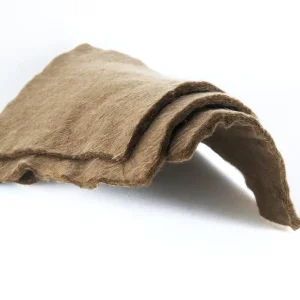
A high-density insulation material manufactured by mechanically bonding continuous basalt fibers without chemical binders.
Read More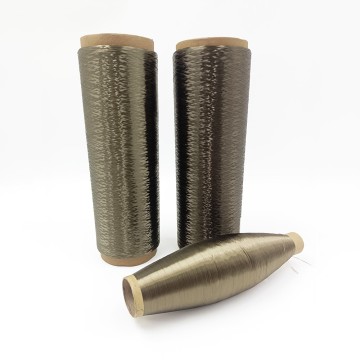
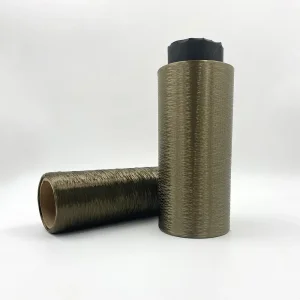
Engineered by twisting multiple continuous filaments to enhance mechanical strength and processing stability for braiding.
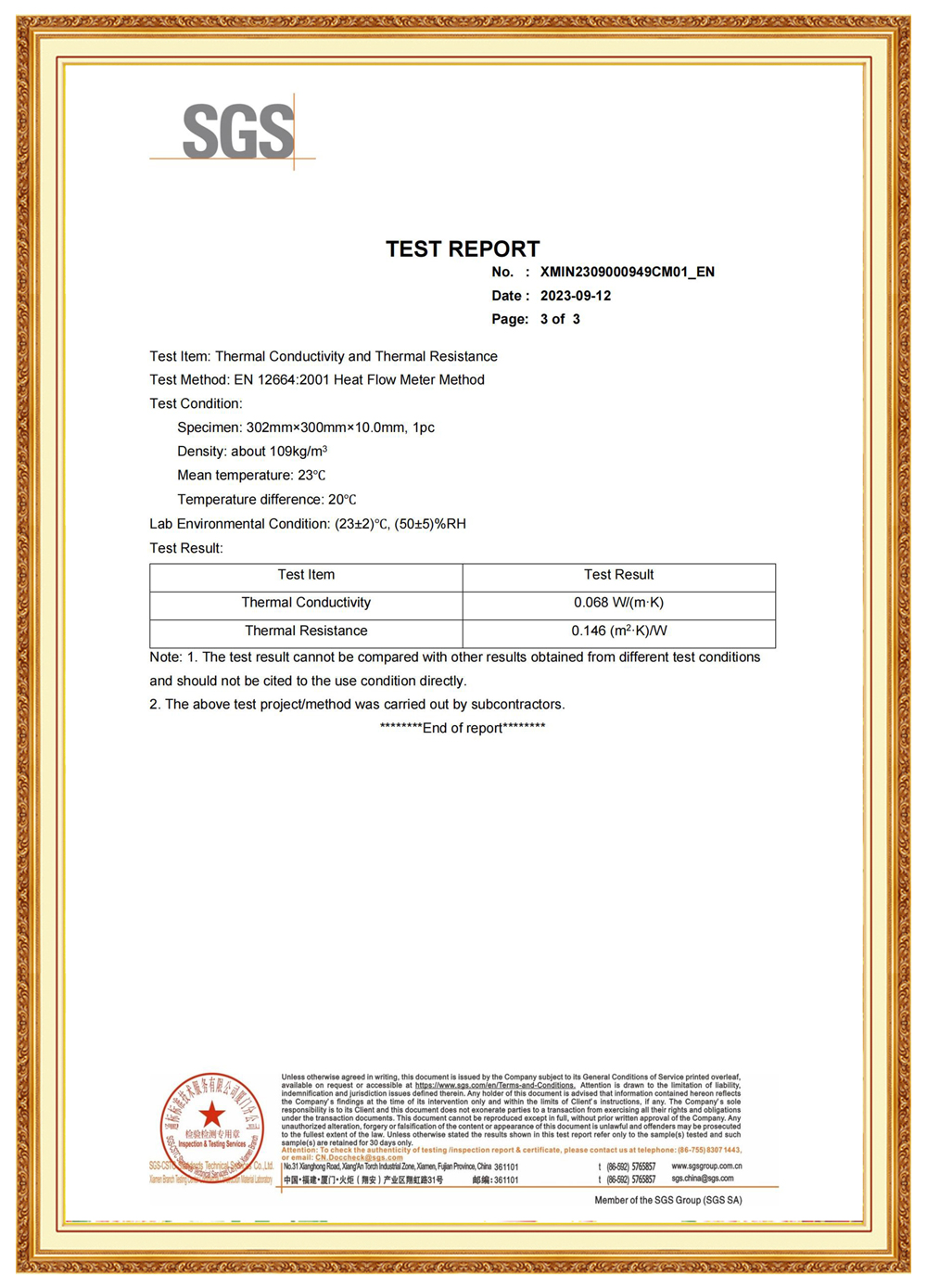
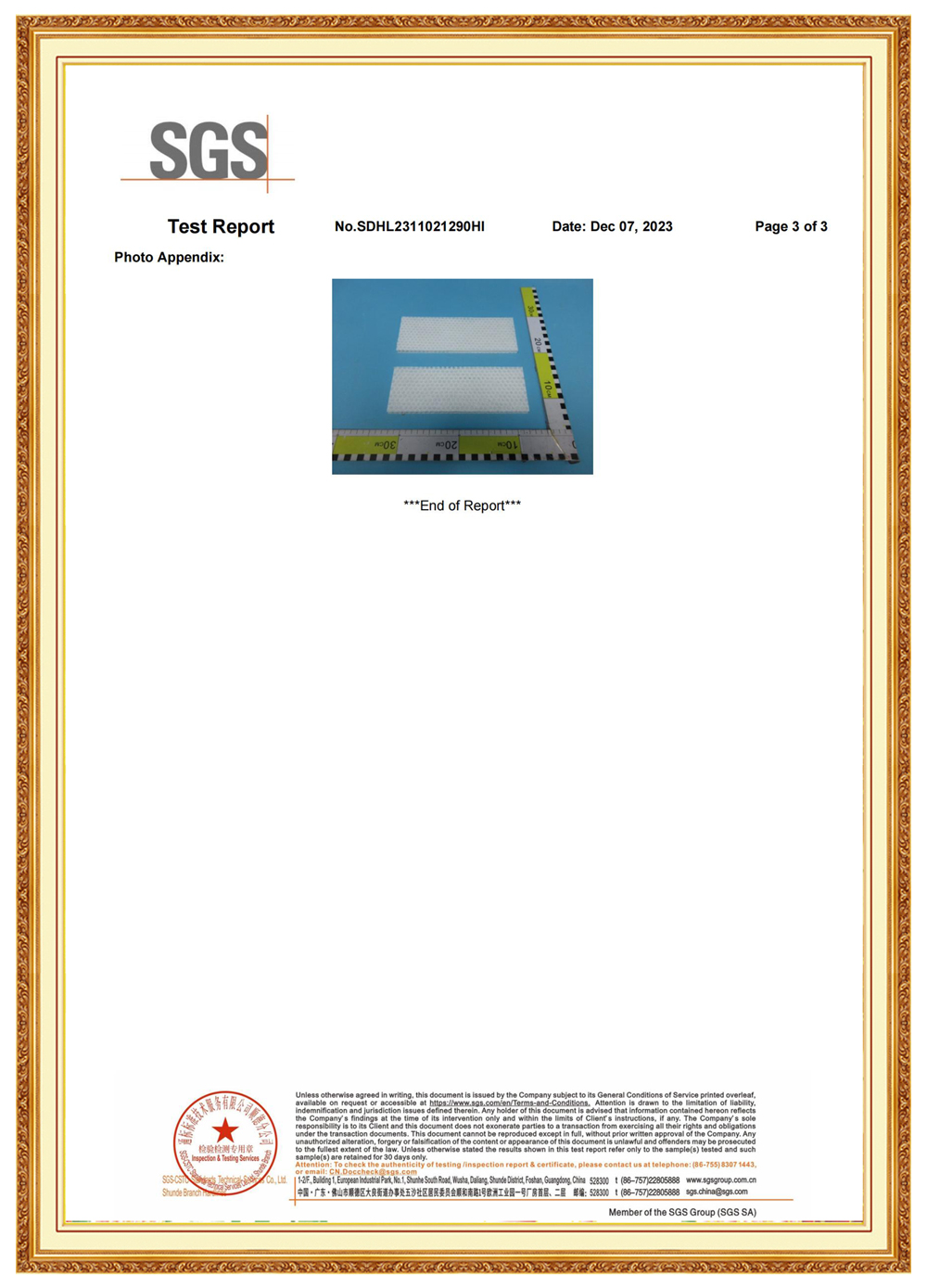
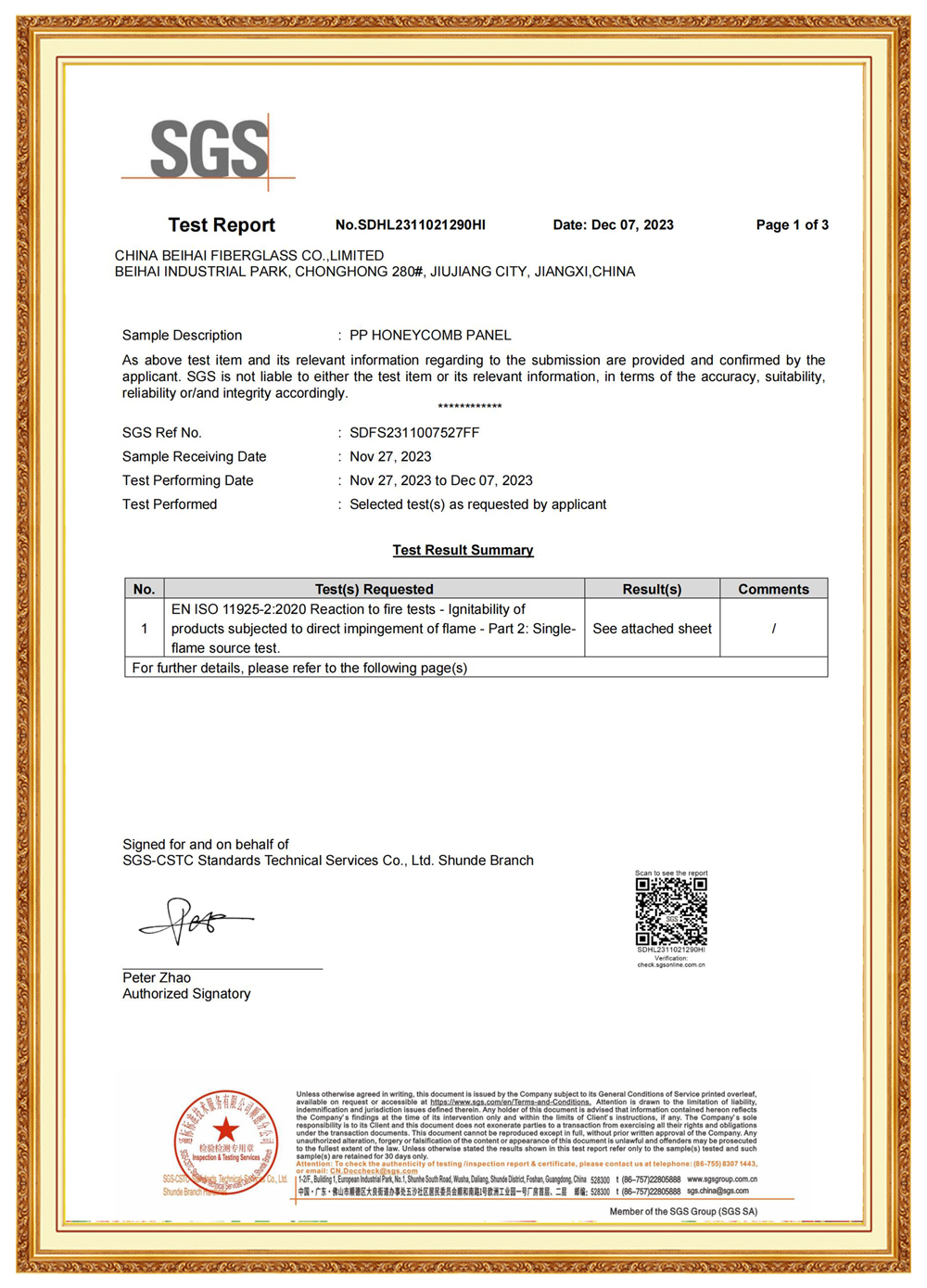
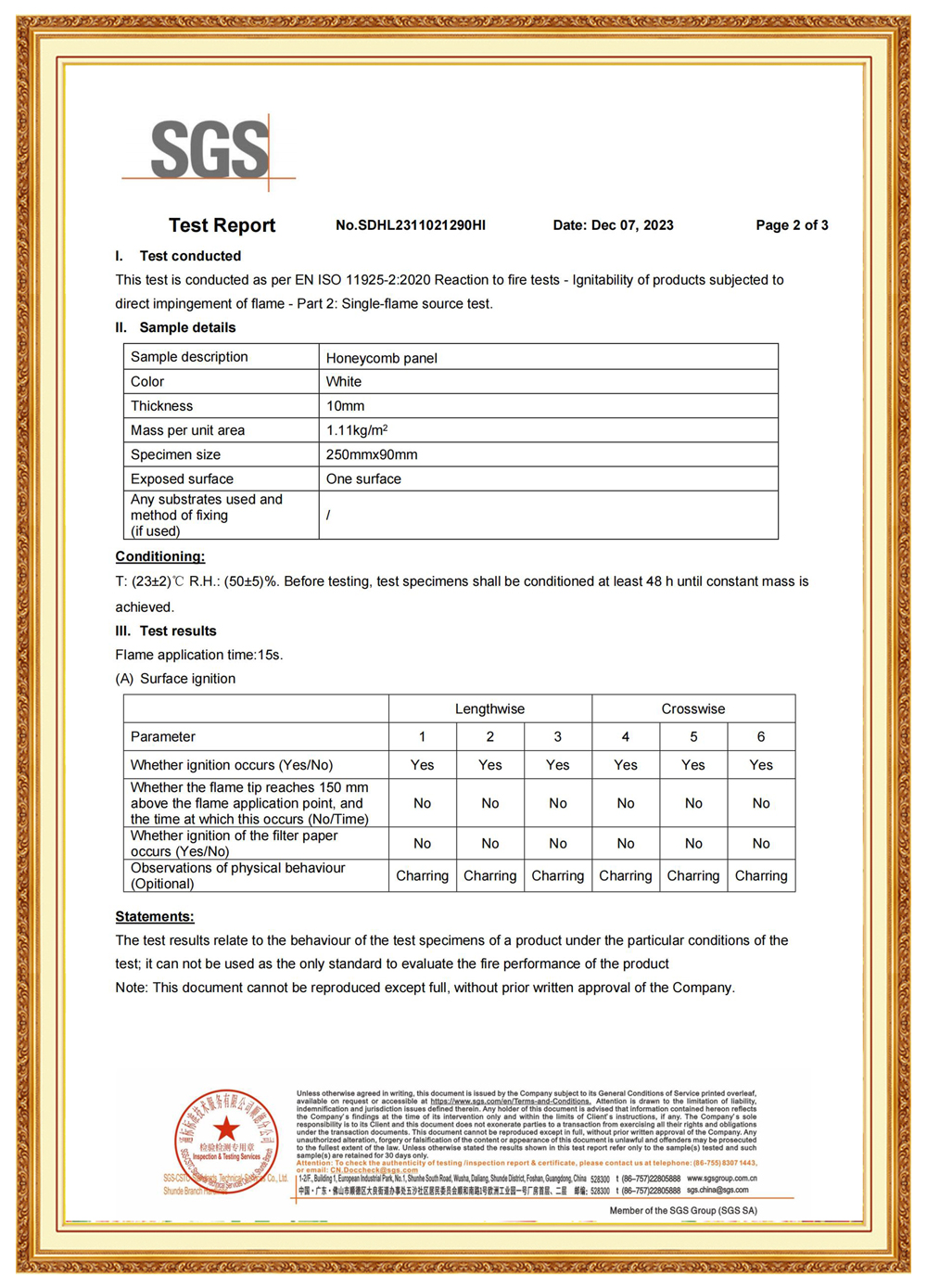
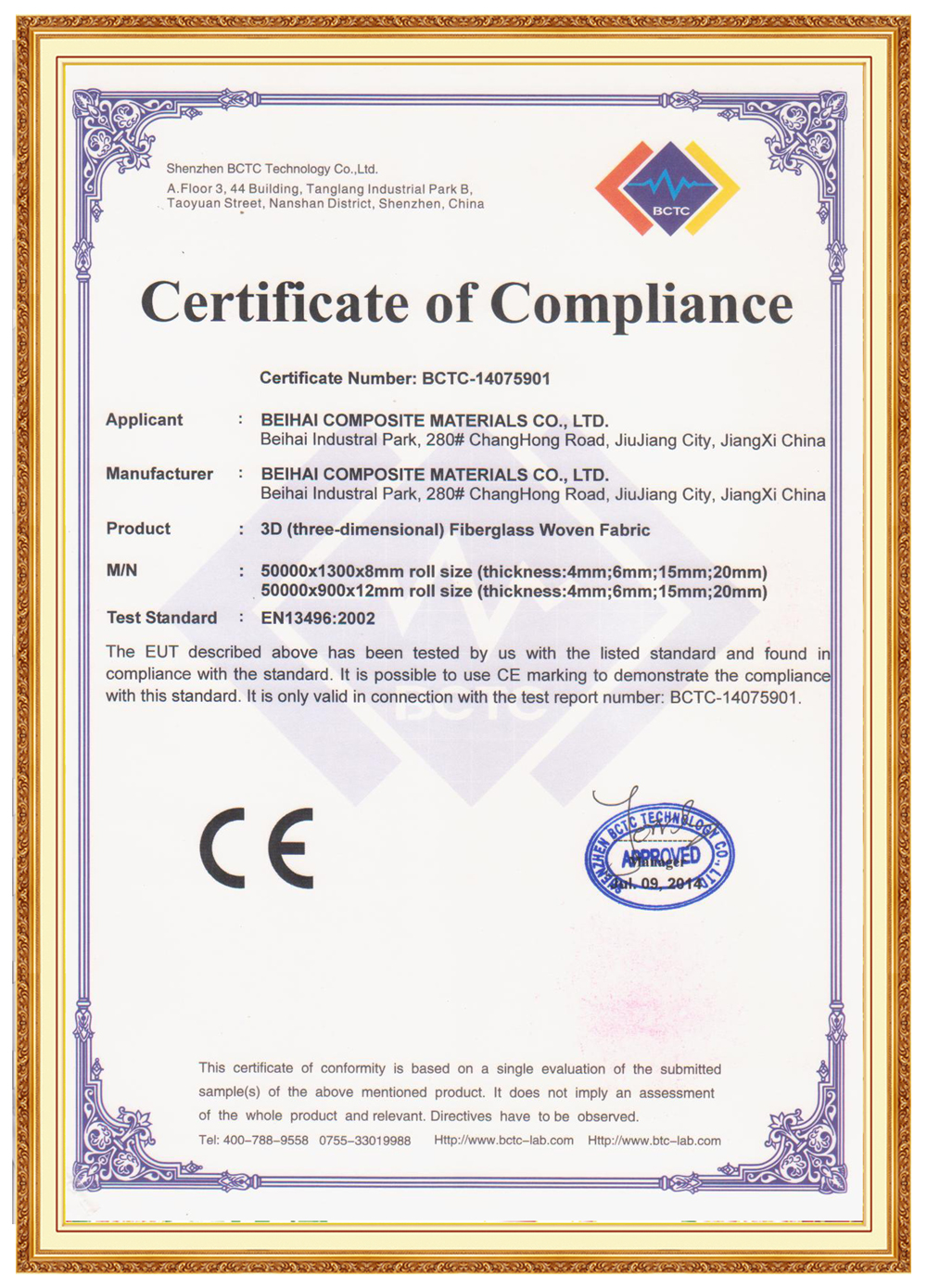
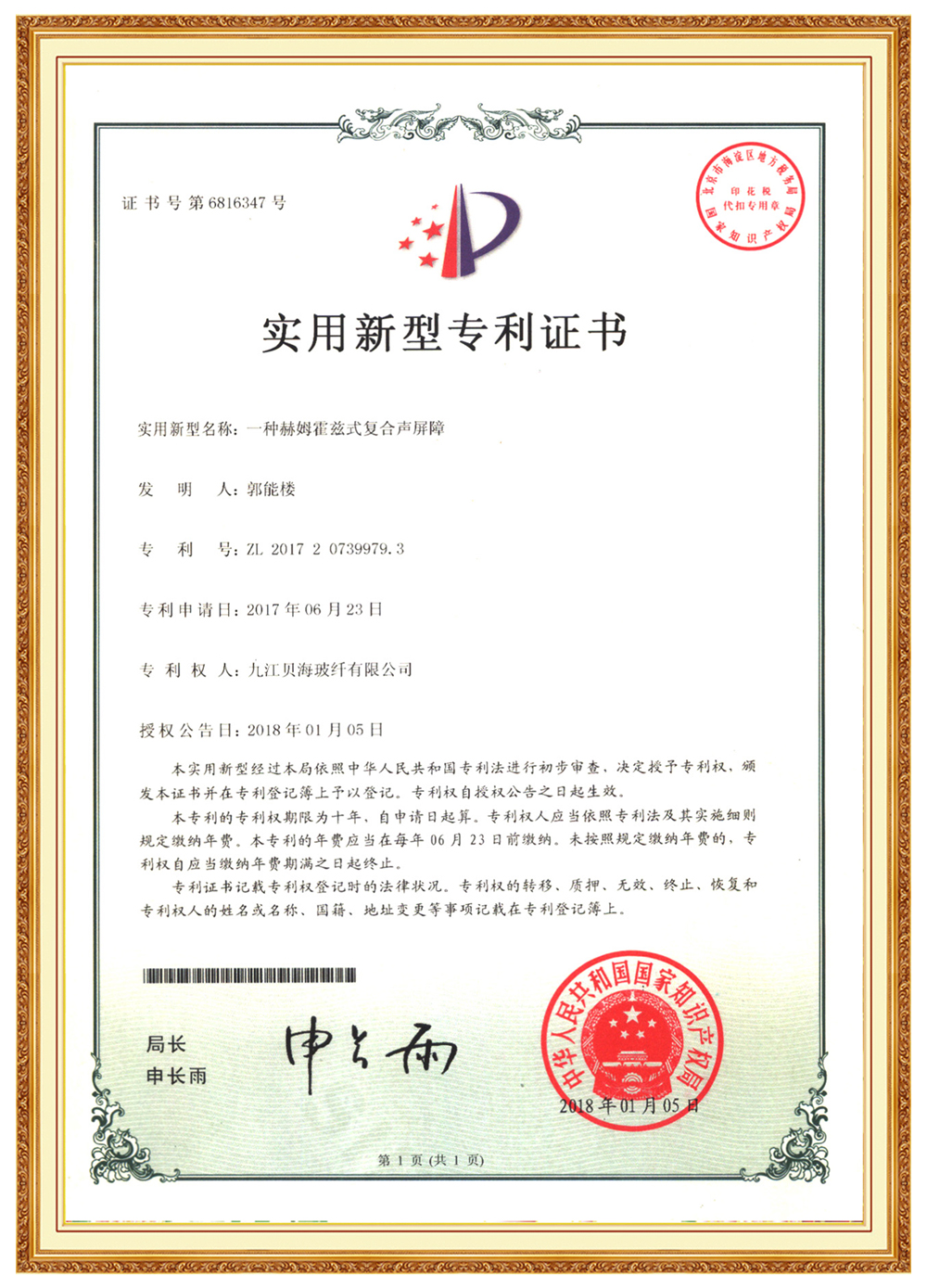
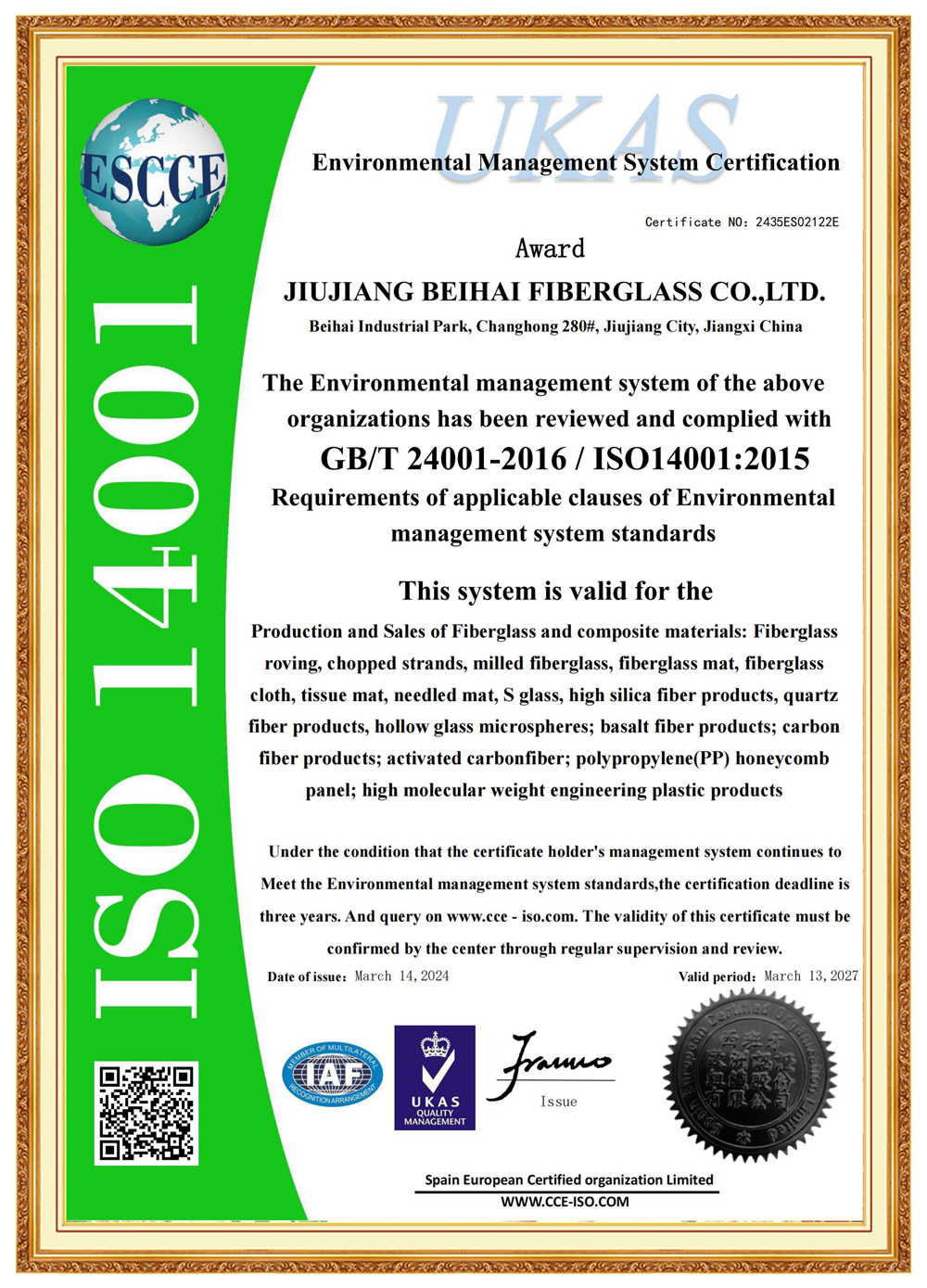
Read MoreEnsuring complete compliance with standard global ASTM, ISO, and REACH specifications. Every shipment is rigorously verified.

Stay up to date with the latest technological developments and market insights from China Beihai Group.

As advanced commercial drones fly through complex airspace to monitor wildfires, and intelligent multi-axis robots execute repetitive tasks with high precision on the smart factory floor, the structural operation of this lightweight equipment is strongly supported by a "hardcore" material: basalt fiber composite. High rigidity, structural fatigue resistance, and absolute electromagnetic transparency make basalt the perfect building block for the next wave of industrial automation.
Providing direct, transparent, and authoritative answers to the most common queries raised by procurement teams, materials scientists, and civil engineers.
Basalt fiber bridges the massive performance and cost gap between E-Glass and Carbon Fiber. In terms of mechanical strength, BCF offers 15% to 30% higher tensile strength and a 20% higher elastic modulus compared to E-glass. When compared to carbon fiber, BCF is highly cost-efficient, far more impact-resistant, and non-conductive, while providing excellent resistance to chemical corrosion. Additionally, BCF is highly stable across a wider operating temperature range (-260°C to +700°C), whereas carbon fibers oxidize rapidly above 500°C.
Due to its natural chemical structure inherited from high-iron volcanic mineral rock, basalt fiber exhibits natural resistance to acids, alkalis, and salts. Our proprietary alkali-resistant sizings further protect the filaments from concrete's highly alkaline environments (pH values up to 13.5). This unique combination prevents hydrolytic attacks and electrochemical oxidation, ensuring that basalt-reinforced structures maintain structural integrity in seaside locations, chemical plants, and marine ports.
As a vertically integrated supplier and equipment builder, China Beihai provides comprehensive customization capabilities. Buyers can request specific filament diameters (from 9μm to 22μm), linear densities (ranging from 300 Tex to 4800 Tex), and sizing formulations optimized for Epoxy, Polyurethane, Vinylester, or Phenolic resins. Additionally, chopped strands can be customized in length (3mm, 6mm, 12mm, 18mm, 24mm, or 50mm) to match the dispersion parameters of specific concrete mixes.
Our strategic manufacturing base in Jiujiang, Jiangxi, leverages stable access to high-grade volcanic basalt reserves. Because we design and build our own raw furnace systems and platinum-rhodium bushing arrays, we are fully independent of third-party tooling supply chains. This localized integration isolates our global partners from cost volatility, allowing us to maintain stable, bulk-rate pricing and reliable production lead times even during volatile global cargo conditions.
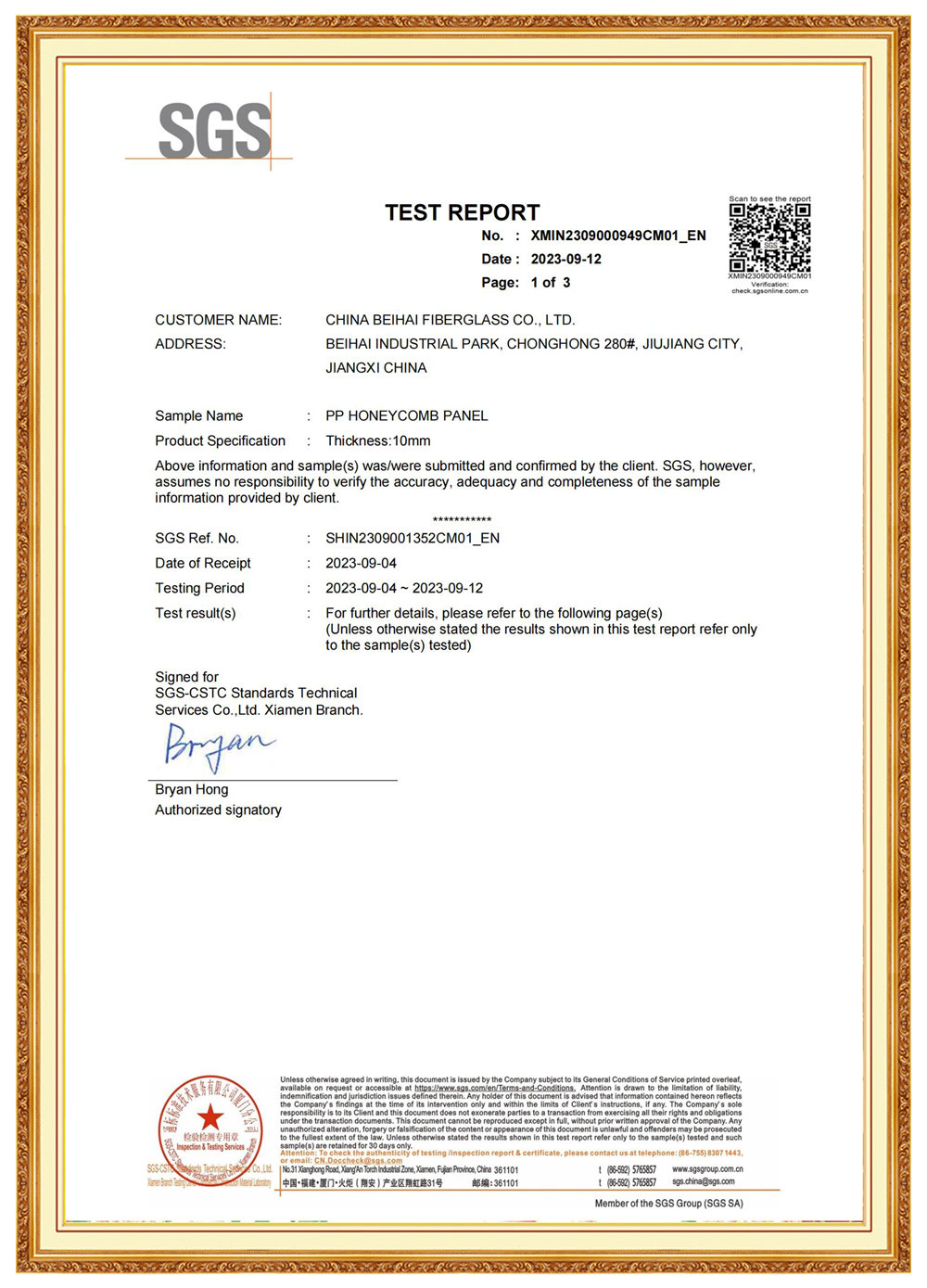
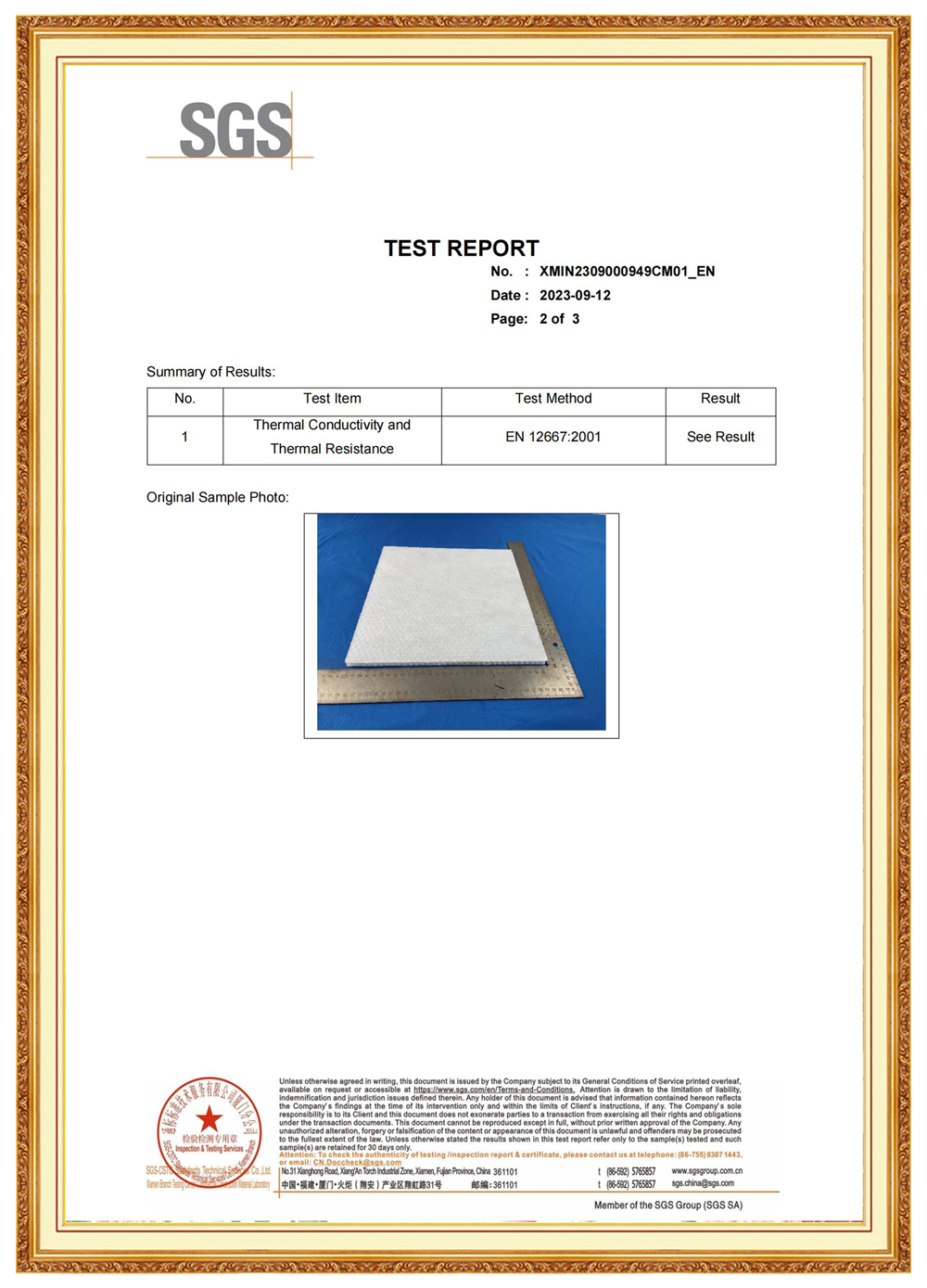
Our raw continuous fibers, direct rovings, and BFRP rebars are tested and certified to comply with strict ASTM (American Society for Testing and Materials), ISO 9001 (Quality Management Systems), ISO 14001 (Environmental Standards), and European REACH standards. Each export consignment is accompanied by a certified Material Test Report (MTR) verifying tensile strength, filament diameter variance, sizing ratio, and chemical composition.
Select a product to view technical specifications, dimension tables, and to request a custom bulk quotation.
 Beihai Fiberglass