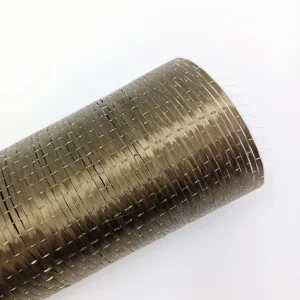
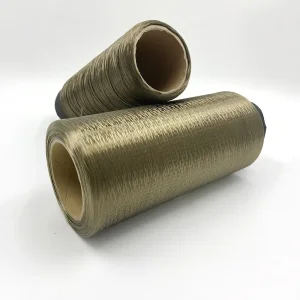
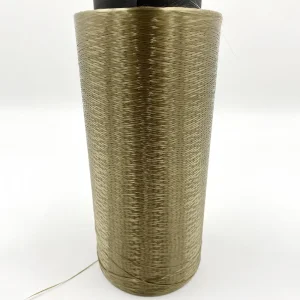
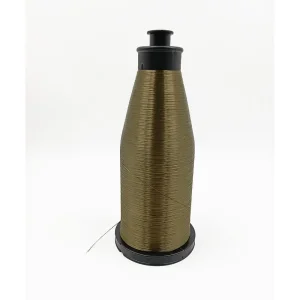
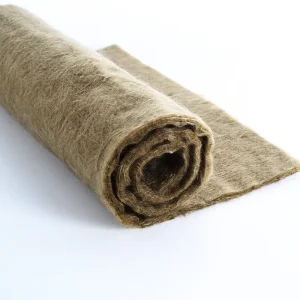
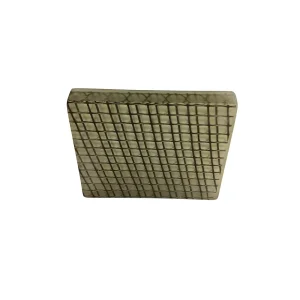
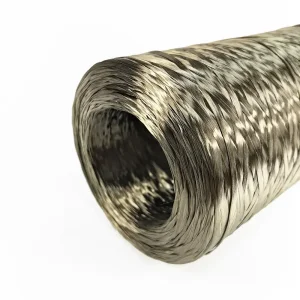
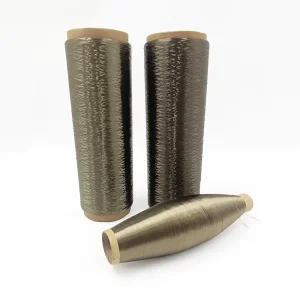
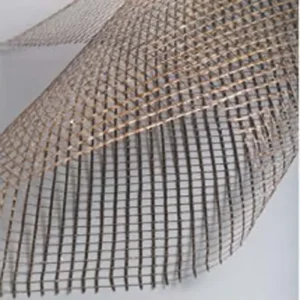
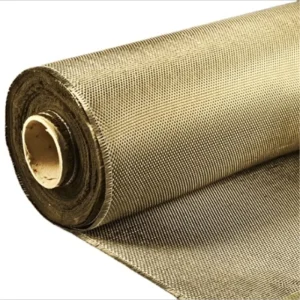
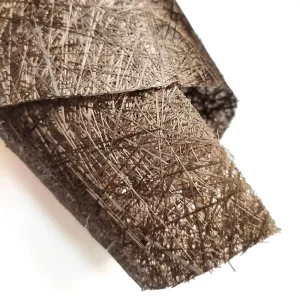
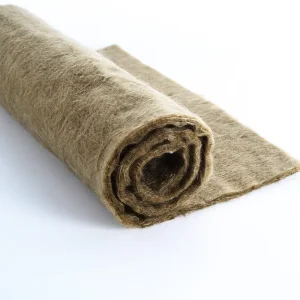
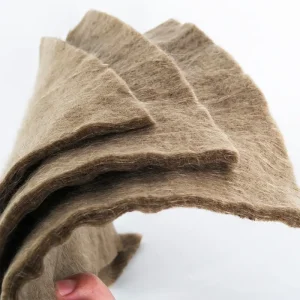
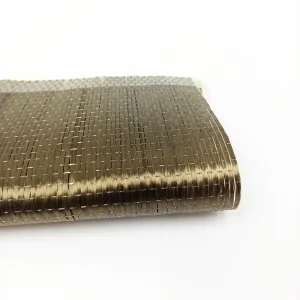
The global transition towards sustainable industrial materials has positioned basalt fiber as a disruptive force in material science. Unlike synthetic carbon fiber or energy-intensive glass fiber, basalt fiber is derived from volcanic rock, offering a naturally eco-friendly manufacturing process with high mechanical performance.
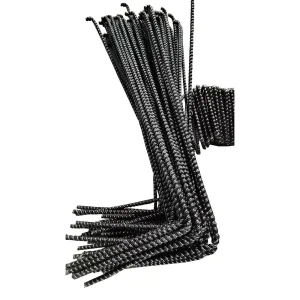
As the construction and automotive sectors prioritize lightweight and corrosion-resistant solutions, the demand for basalt fiber has surged. Our research indicates that basalt-based composites are increasingly replacing steel rebar in corrosive environments, such as coastal infrastructure and chemical processing plants. The "Information Gain" for engineers lies in the superior chemical inertness of basalt, which significantly reduces the lifecycle maintenance costs of infrastructure projects.
Our R&D department at China Beihai is actively integrating nanotechnology to enhance fiber-resin interface adhesion. Future development is focusing on three key areas: Automated Composite Placement (ACP), hybrid braiding for aerospace components, and bio-based resin compatibility. As we move toward 2030, the shift from conventional manufacturing to "Smart Basalt Composites"—fibers embedded with structural health monitoring sensors—represents the next frontier.
Understanding regional compliance is the cornerstone of our global trade strategy. Whether navigating ASTM standards for North American construction or conforming to Eurocode specifications, our team ensures every shipment meets destination-specific regulatory requirements.
 Beihai Fiberglass