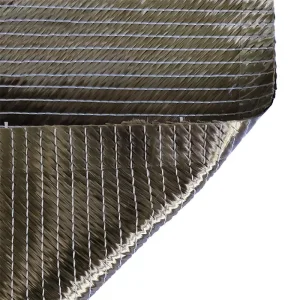
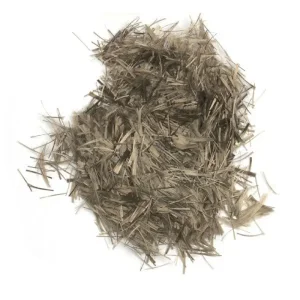
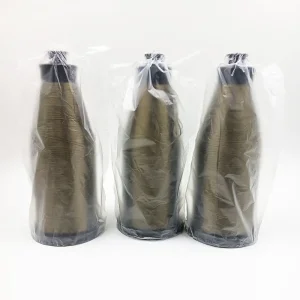
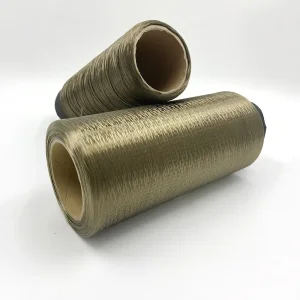
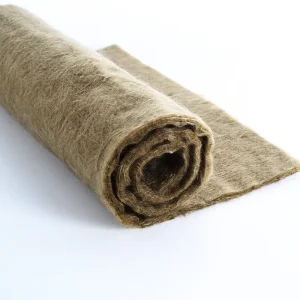
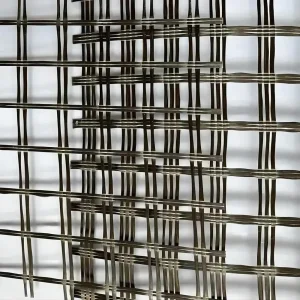
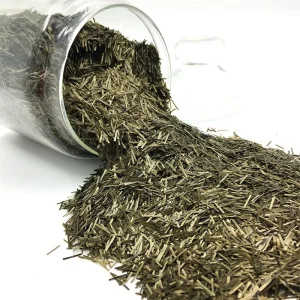
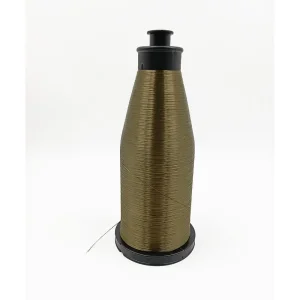
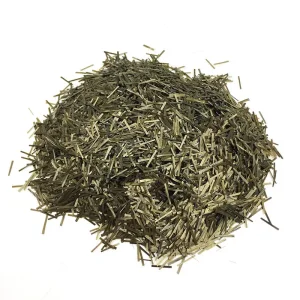
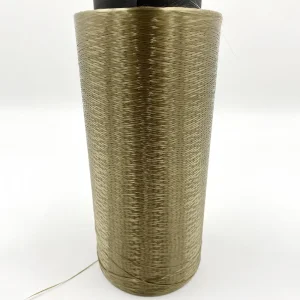
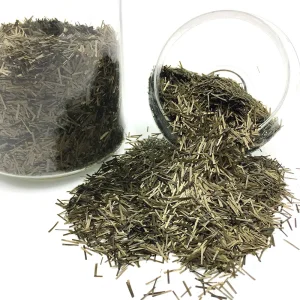
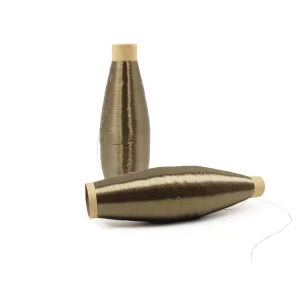
Basalt fiber has emerged as a cornerstone of modern material science, offering a unique combination of strength, chemical resistance, and environmental sustainability. As a leading manufacturer, China Beihai focuses on the semantic and technical integration of basalt fibers into global industrial standards.
The market for basalt fiber is transitioning from a niche aerospace material to a fundamental component in civil engineering, automotive, and marine industries. Unlike carbon fiber, which is energy-intensive to produce, or glass fiber, which struggles with chemical corrosion, basalt fiber is derived from volcanic rock, offering a naturally sustainable lifecycle. Industry data suggests a CAGR (Compound Annual Growth Rate) exceeding 10% in the next five years, driven by the global push for carbon neutrality.
Our research and development pipeline focuses on three pillars:
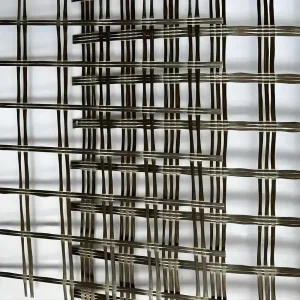
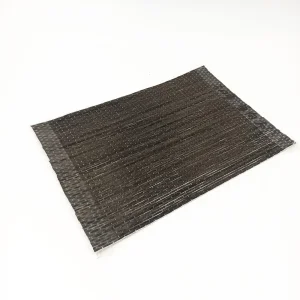
We solve the "durability paradox" in civil engineering. Concrete structures reinforced with traditional steel often suffer from oxidation (rust) within 20-30 years. Our Basalt Fiber Surfacing and Rebar solutions provide a permanent, non-conductive, and chemically inert reinforcement layer that extends the life of bridges, highways, and tunnels to over 100 years, drastically reducing life-cycle costs and environmental impact.
Basalt fiber exhibits higher tensile strength, superior thermal resistance (up to 700°C), and significantly better resistance to acidic and alkaline environments compared to standard E-glass fibers.
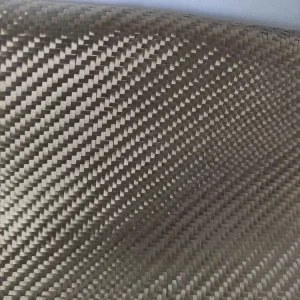
Yes. As a direct manufacturer, we offer custom sizing, coating (silane or epoxy sizing), and weave patterns to meet specific resin compatibility and mechanical requirements for your projects.
Absolutely. The production process involves melting volcanic basalt rock without the use of chemical additives or binders, resulting in a 100% natural, non-toxic, and environmentally neutral product.
By replacing traditional steel reinforcement, it eliminates the need for expensive cathodic protection and periodic maintenance, providing owners with long-term data on structural integrity and reduced operational costs.
 Beihai Fiberglass