 Beihai Fiberglass


Understanding Basalt Fiber Yarn Pricing Mechanisms
An Analytical Procurement Guide for Procurement Directors & Structural Engineers
In the competitive landscape of high-performance reinforcements, basalt fiber yarn has emerged as a preferred solution for structural, high-temperature, and corrosive environments. However, understanding the factors that influence its pricing is critical for procurement directors seeking to optimize their supply chains.
1. Global Basalt Fiber Yarn Pricing Dynamics
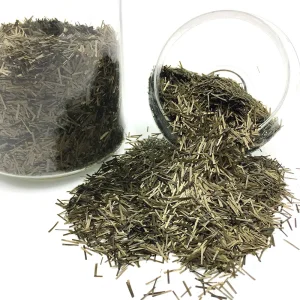
Unlike glass fiber, which relies on complex chemical batches, basalt fiber is manufactured directly from selected basalt volcanic ore through high-temperature melting processes. The pricing of custom basalt fiber yarn is determined by several factors:
- Raw Material Selection: The chemical composition of the volcanic ore (specifically Fe2O3, FeO, and Al2O3 ratios) affects both the melting point and the strength of the final fiber. Higher-purity ore yielding superior mechanical values commands premium pricing.
- Energy Consumption: Maintaining the basalt melting pool at 1,450°C to 1,500°C requires advanced electric furnace technology. Plant locations, localized energy contracts, and eco-friendly gas configurations directly influence manufacturing costs.
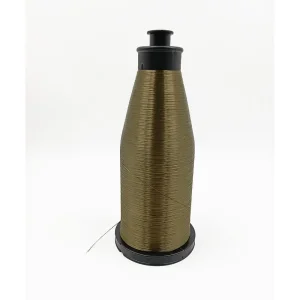
- Filament Diameter & Tex Specifications: Finer filaments (e.g., 9-micron filaments versus 13-micron filaments) require significantly more processing time and control. Consequently, lower Tex values (e.g., 68 Tex) generally command a higher per-kilogram cost compared to thicker alternatives (e.g., 136 Tex or 2400 Tex).
- Sizing Chemistries: The application of specialized organosilane sizing agents represents a significant portion of yarn costs. These agents are formulated to ensure compatibility with specific matrix systems, such as epoxy, vinyl ester, or concrete.
"For large-scale infrastructure projects, calculating the Total Cost of Ownership (TCO) reveals that while basalt fiber yarn requires a higher initial investment than traditional E-glass, its superior corrosion resistance and longer service life yield significant savings in lifecycle maintenance costs."
2. Global Enterprise Sourcing & Procurement Demands
Industrial buyers across North America, the European Union, and East Asia prioritize long-term chemical reliability and structural integrity. Procurement strategies must shift from basic unit-price negotiations to comprehensive supply security:
Supply Chain Integrity and Batch-to-Batch Consistency
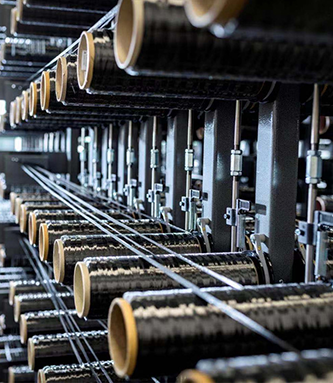
B2B buyers require continuous filament yarn that exhibits minimal variance in tensile strength and sizing compatibility. Modern automated glass-lined melting pools ensure consistent fiber yields, reducing the micro-cracks that can cause structural failures under cyclic mechanical loads.
Custom Tailoring to Modern Industrial Specifications
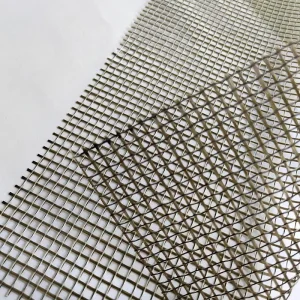
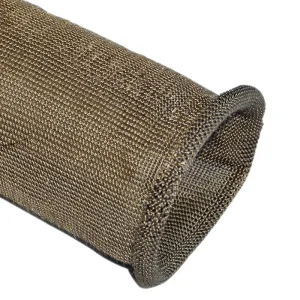
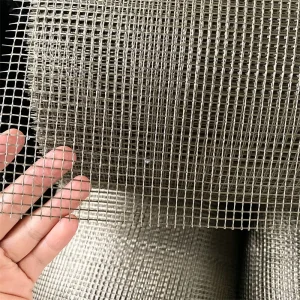
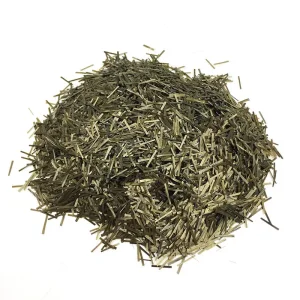
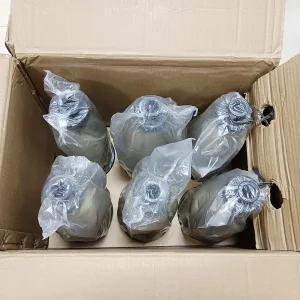
Whether procuring high-density braided sleeves for chemical transport pipelines or high-strength mesh for tunnels, custom specifications are essential. Tailored twist densities (Z-twist or S-twist), oil concentrations, and moisture-controlled packaging ensure the yarn integrates seamlessly into automated composite lines.
3. Technology Roadmap: The Green Transformation of Volcanic Materials
As decarbonization initiatives expand worldwide, China Beihai remains at the forefront of sustainable composite manufacturing. Our technology roadmap focuses on two main areas:
First, we are transitioning to Closed-Loop All-Electric Heating Systems. By using renewable energy sources for our melting pools, we aim to reduce the carbon footprint of basalt fiber by over 30% compared to traditional natural gas-fired systems.
Second, we are developing Bio-Compatible, High-Temperature Resistant Sizing Agents. These advanced sizing systems are designed to withstand continuous operating temperatures above 650°C without degrading or emitting volatile organic compounds (VOCs).