 Beihai Fiberglass
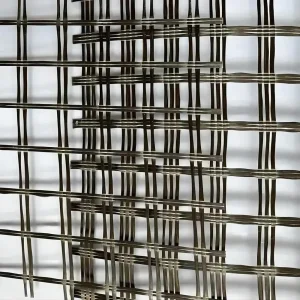
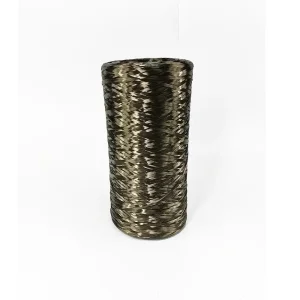
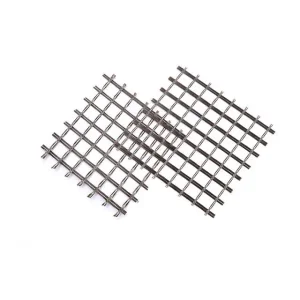
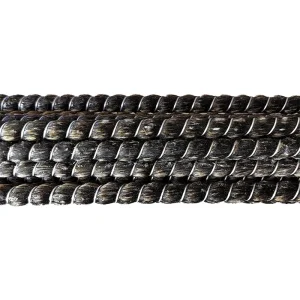
1. Executive Analysis: The Physics & Superiority of Continuous Basalt Fiber (CBF)
Within the rigorous field of modern thermodynamic insulation, materials engineers face the compounding challenges of high-vibration stress, elevated oxidative environments, and chemical vulnerability. Traditional amorphous silica-based E-glass substrates, while highly cost-effective, consistently fall short in dynamic structural integrity past 500°C. In contrast, Continuous Basalt Fiber (CBF) sleeving represents a phenomenal thermodynamic and mechanical leap forward, providing reliable insulation levels for critical component jackets up to 750°C (with brief peak excursions reaching 980°C).
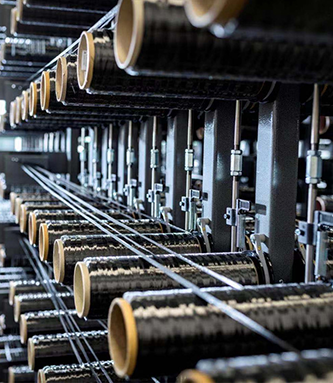
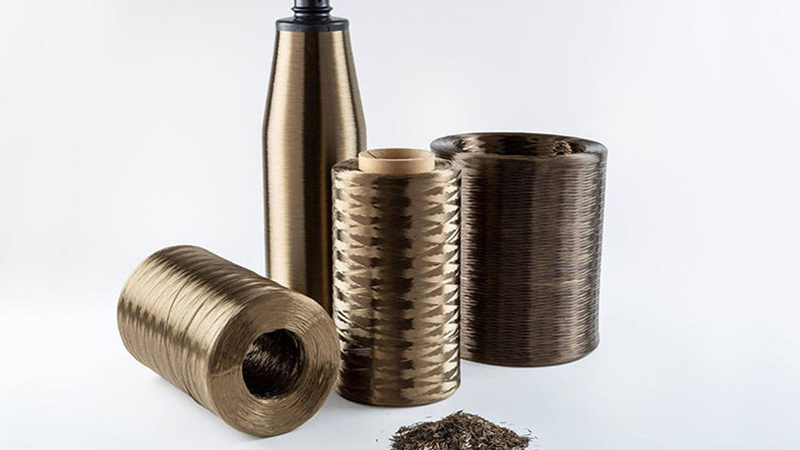
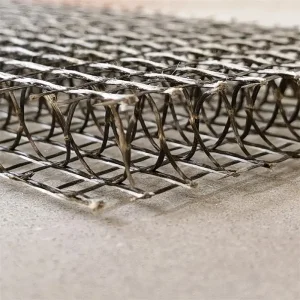
Unlike typical synthesized silica glass matrices, continuous basalt fibers are manufactured through a single-component melt process using pure quarry-sourced volcanic basalt rock. Solid basalt minerals are crushed, liquefied at temperatures between 1450°C and 1500°C in specialized electric-arc furnaces, and extruded through ultra-hard platinum-rhodium alloy bushing dies. The natural combination of chemical oxides present within basalt—specifically SiO₂, Al₂O₃, Fe₂O₃, FeO, CaO, and MgO—gives this natural mineral weave superior thermodynamic properties:
- Thermal Stability: Sustains structurally complete insulation across an immense thermal operational range spanning from -260°C to +750°C.
- High Tensile Strength: CBF single filaments have a tensile strength between 3000 to 4800 MPa, vastly surpassing ordinary E-glass and approaching carbon fiber parameters at a fraction of the cost.
- Inherent Resistance to Chemicals: Outperforms glass sleeves when subjected to strong acids, alkaline runoff, high salinity, and hot water vapor, rendering it ideal for deep chemical and subsea industrial installations.
- Environmental Sustainability: Derived from 100% natural, single-ingredient inert volcanic rock. The extrusion process generates no toxic effluents, microplastic shedding, or chemical off-gassing, aligning perfectly with modern global carbon neutrality objectives.
| Physical / Chemical Metric | E-Glass Fiberglass Sleeving | Pure Basalt Continuous Sleeving | Carbon Fiber Sleeving |
|---|---|---|---|
| Maximum Operational Temperature | ~550°C | ~750°C (Up to 980°C Peaks) | ~450°C (Oxidizing Environment) |
| Tensile Strength (MPa) | 2000 - 2500 | 3000 - 4800 | 3500 - 5500 |
| Elastic Modulus (GPa) | 72 - 76 | 85 - 110 | 220 - 240 |
| Chemical Resistance (Acid/Alkali) | Poor to Fair | Exceptional | Good |
| Dielectric Strength (kV/mm) | 8 - 12 | 12 - 20 (Highly Insulative) | Conductive (Poor Insulation) |
2. Tailored Customization: Architecture of Custom Basalt Sleeving & Coating Options
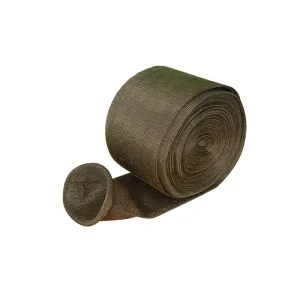
Industrial installations are rarely uniform. To fulfill strict aerospace, defense, marine, and energy transmission configurations, China Beihai Group provides advanced, multi-layer customized basalt fiber sleeving. These sleeves can be configured to protect high-vibration exhaust manifolds, cryogenic fuel piping, or hydraulic systems under constant operational pressure. Custom specifications include:
A. Mechanical Braiding Configurations
Depending on expansion requirements, we weave our sleeves using two primary technical methods:
1. Expandable Braided Structure: Utilizes a specialized diagonal lock-stitch pattern, allowing the sleeve diameter to expand up to 1.5 to 2 times its nominal resting size. This configuration is ideal for sliding over asymmetrical connectors, wiring junctions, and high-pressure hose bends.
2. Heavy-Duty Non-Expandable Dense Knit: Prioritizes maximum thermal wall thickness and thermal heat retention. This creates a dense, non-stretch thermal barrier that resists slag splashes, molten metal runoffs, and abrasive physical contact.
B. Advanced Coating Infusions
To enhance resistance against abrasion, moisture ingress, and dielectric breakdown, we apply premium surface coatings:
- High-Grade Organic Silicone Rubber Coating: Provides a robust, self-extinguishing barrier that stops molten metal slag splashes up to 1650°C (short-term exposure). Ideal for aerospace ducting and smelting plants.
- Vermiculite High-Heat Retardant Coating: Enhances the continuous heat resistance of the basalt fibers up to 1000°C by creating an protective carbon-free crystalline crust under direct flame contact.
- PTFE & Fluoropolymer Dispersions: Designed specifically for petrochemical oil-well exploration rigs to achieve total immunity against extremely corrosive drilling muds, hydrogen sulfide, and strong alkaline mixtures.
3. Advanced Technical Roadmap & Future R&D Horizons
At the China Beihai state-of-the-art laboratory in Jiangxi, our engineering teams are continually expanding the boundaries of mineral fiber science. Our technical roadmap focuses on three main developments:
Nano-Siliceous Ceramic Layering
We are developing basalt sleeves pre-treated with vapor-deposited nano-ceramic oxides. This allows the sleeve to operate reliably up to 1100°C without mechanical degradation.
Intelligent Hybrid Weaves
By co-weaving continuous basalt fibers alongside synthetic aramid fibers (Kevlar) or carbon fibers, we produce hybrid sleeves with unmatched structural impact resistance and light weight.
Circular Closed-Loop Weaving
We are designing clean chemical stripping agents to melt and re-extrude basalt sleeves at the end of their operational lifecycle, providing a 100% circular, zero-waste thermal management solution.
4. China Beihai Group: Unmatched Supply Chain Resilience & Cost Advantages
Purchasing industrial goods internationally requires confidence in supply chain consistency, strict quality control, and rapid production cycles. Founded in 2015 in Jiujiang, Jiangxi Province, China Beihai Group has grown from a regional pioneer into a high-tech domestic leader in the basalt continuous fiber sector.
Our strategic advantage stems from a robust raw material supply and an integrated production network. Jiangxi Province and the surrounding central-southern region contain highly consistent basalt reserves of high chemical purity, allowing us to source materials with minimal transportation costs. Our vertically integrated production model handles every stage of manufacturing—from raw volcanic quarry sorting and high-temperature furnace melting to precision sleeve braiding, testing, and custom packaging. This structural advantage translates to stable, cost-effective pricing for our partners, regardless of changes in international raw material markets.