Engineered for extreme structural reinforcements, mechanical resilience, and advanced thermal shield barriers.
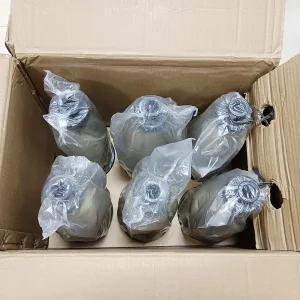
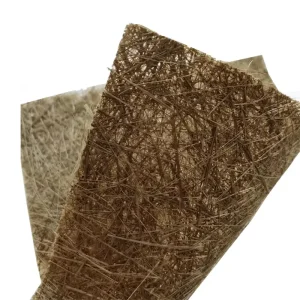
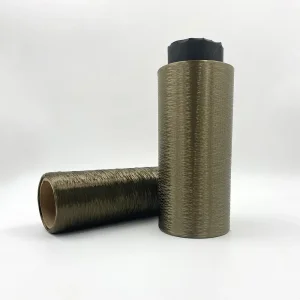
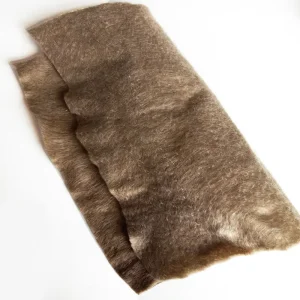
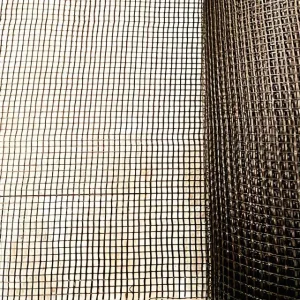
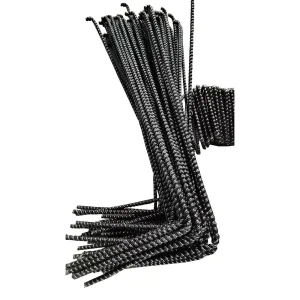
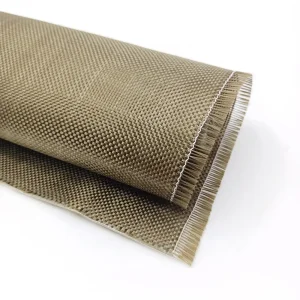
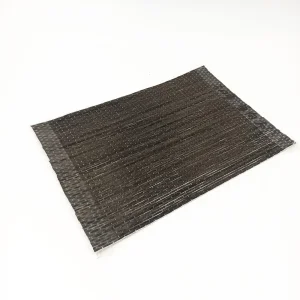
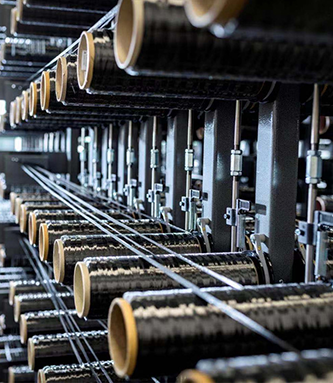
In modern structural engineering, advanced thermodynamic systems require raw insulation materials that resist thermal degradation without compromising safety or sustainability. Basalt needle felt insulation represents a major advancement in this field. Derived from high-purity volcanic basalt rock, this material is formed through continuous melt extrusion at temperatures exceeding 1450°C. The resulting inorganic filaments are mechanically bonded using state-of-the-art needling machines, eliminating the need for chemical binders or synthetic resins.
Our needle-punched basalt fiber mats provide excellent thermal stability, chemical inertness, and acoustic absorption across broad temperature profiles (ranging from -260°C to +820°C). Unlike conventional glass fiber or polymer foams, basalt needle felt does not release toxic fumes or hazardous smoke under direct flame contact. This makes it an ideal option for demanding environments in modern aviation, marine engineering, and petrochemical installations.
A comparative analysis of physical parameters, heat resistance capacities, and mechanical strengths.
| Performance Metric | Basalt Needle Felt | E-Glass Mat | Ceramic Fiber Mat | Rockwool / Mineral Wool |
|---|---|---|---|---|
| Maximum Temp Limit | 820°C (1500°F) | 600°C (1112°F) | 1260°C (2300°F) | 650°C (1200°F) |
| Thermal Conductivity (at 200°C) | 0.046 W/m·K | 0.062 W/m·K | 0.075 W/m·K | 0.082 W/m·K |
| Tensile Strength (MPa) | 3000 - 4500 | 1500 - 2500 | Very Low (Brittle) | Extremely Low |
| Vibrational Settlement | None (Mechanically Interlocked) | Moderate Loss of Structure | Severe Dusting & Flaking | Compaction & Failure |
| Acid/Alkali Resistance | Excellent (High Silicate Matrix) | Poor to Moderate | Good | Poor |
| E-E-A-T Safety Classification | Non-toxic / Non-respirable | Slightly Irritant | Class 2B Carcinogen risk | Respirable fibers |
Basalt fibers reduce lifecycle replacement rates by up to 40% compared to E-glass in corrosive or high-vibration systems, cutting industrial downtime and operational costs.
Our advanced needles allow us to adjust densities from 80kg/m³ to 220kg/m³ and customize thicknesses from 3mm to 25mm to meet specific space limitations.
Made entirely of natural stone with no chemical binders, this material complies with strict REACH and RoHS regulations and does not off-gas in extreme heat.
Our industrial capacity, technological advantages, and dedicated R&D focus.

Founded in 2015 and based in Jiujiang, Jiangxi Province, China Beihai is a high-tech enterprise focused on the research, development, production, and sale of high-performance basalt continuous fibers. We also manufacture advanced basalt fiber processing equipment, making us a leading force in the domestic basalt fiber industry.
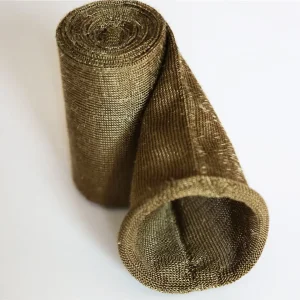
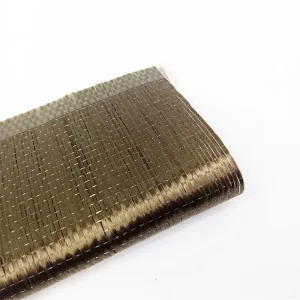
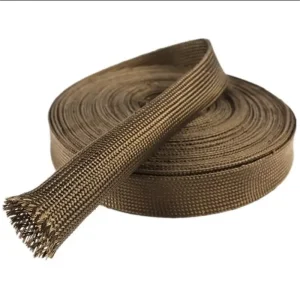
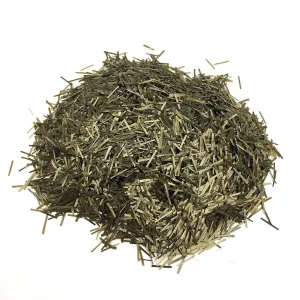
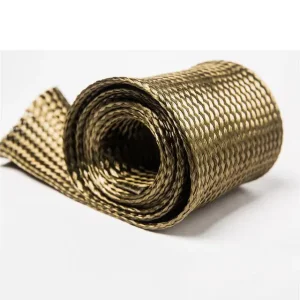
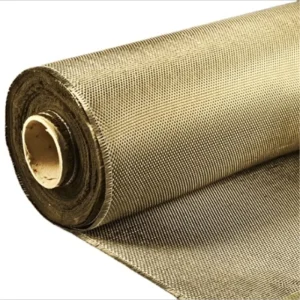
At China Beihai Group, we specialize in producing a wide range of products including basalt fiber mats (chopped strand mats and basalt fiber cloth), basalt fiber roving, basalt fiber yarn, basalt fiber chopped strands, and specialized construction products (such as basalt fiber rebar, sleeves, and tape).
Working with China Beihai means partnering with a leading manufacturer committed to quality, innovation, and sustainability. We offer best-in-class, forward-thinking solutions backed by industry expertise and a dedication to customer satisfaction.
Basalt fiber is an exceptional choice for demanding engineering projects. Its high strength, corrosion resistance, and lightweight properties help engineers overcome complex design challenges. In buildings, bridges, highways, and other infrastructure systems, basalt fibers demonstrate reliable performance, extending structural life and lowering long-term maintenance costs.
Engineered to meet strict structural and thermodynamic specifications in high-performance fields.
Protects pipelines from high-temperature corrosion and chemical exposure. Basalt's natural acid and alkali resistance prevents corrosion under insulation (CUI) in coastal and offshore refining systems.
Used in silencer fillings, exhaust heat wraps, and engine shields. Basalt needle felt withstands extreme exhaust gas heat and continuous road vibration without shedding fibers.
Used in aircraft engine housings, fuselage heat shields, and spacecraft insulation. The continuous basalt fiber provides lightweight protection against radiative and convective heat.
Provides high temperature resistance, thermal shielding, and structural reinforcement. Helps prevent cracking and strengthens key load-bearing sections in commercial and industrial structures.
Ideal for thermal insulation and acoustic dampening in engine rooms and high-risk fire zones. Resists moisture and saltwater corrosion, preventing material decay and degradation.
Protects key support columns from environmental exposure, water damage, and impact wear. Helps extend the lifespan of heavy infrastructure while lowering ongoing repair costs.
We manufacture custom products designed for specific industrial systems, thermal tolerances, and mechanical requirements.
As an experienced supplier, China Beihai provides comprehensive custom options for basalt needle felt insulation. Our engineering teams configure mechanical properties to match your precise application requirements.
Every batch goes through strict quality checks at our Jiangxi production facility, verifying fiber diameter consistency, mechanical needle density, and thermal limits to ensure dependable performance in the field.
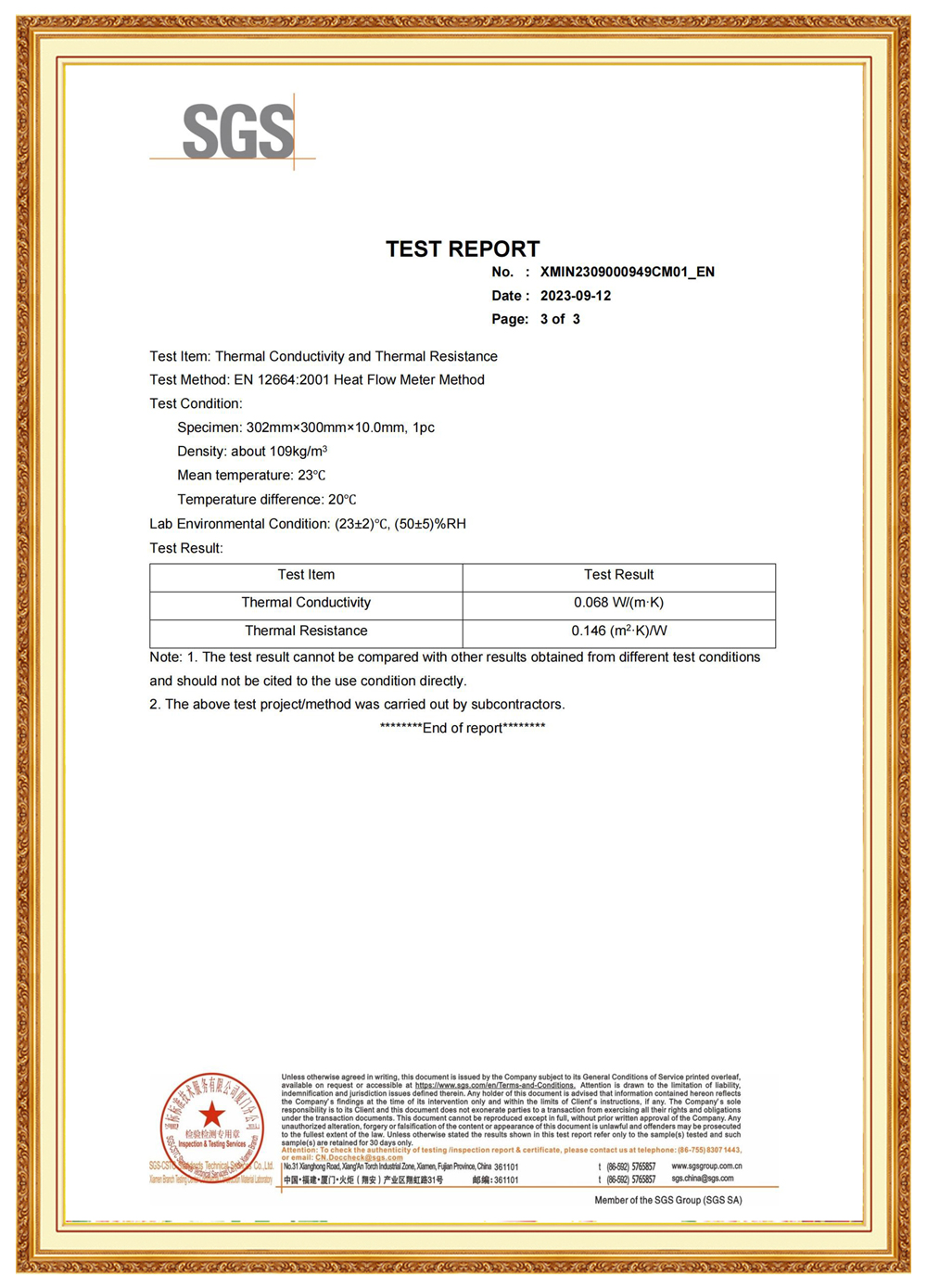
Certified Quality Management System
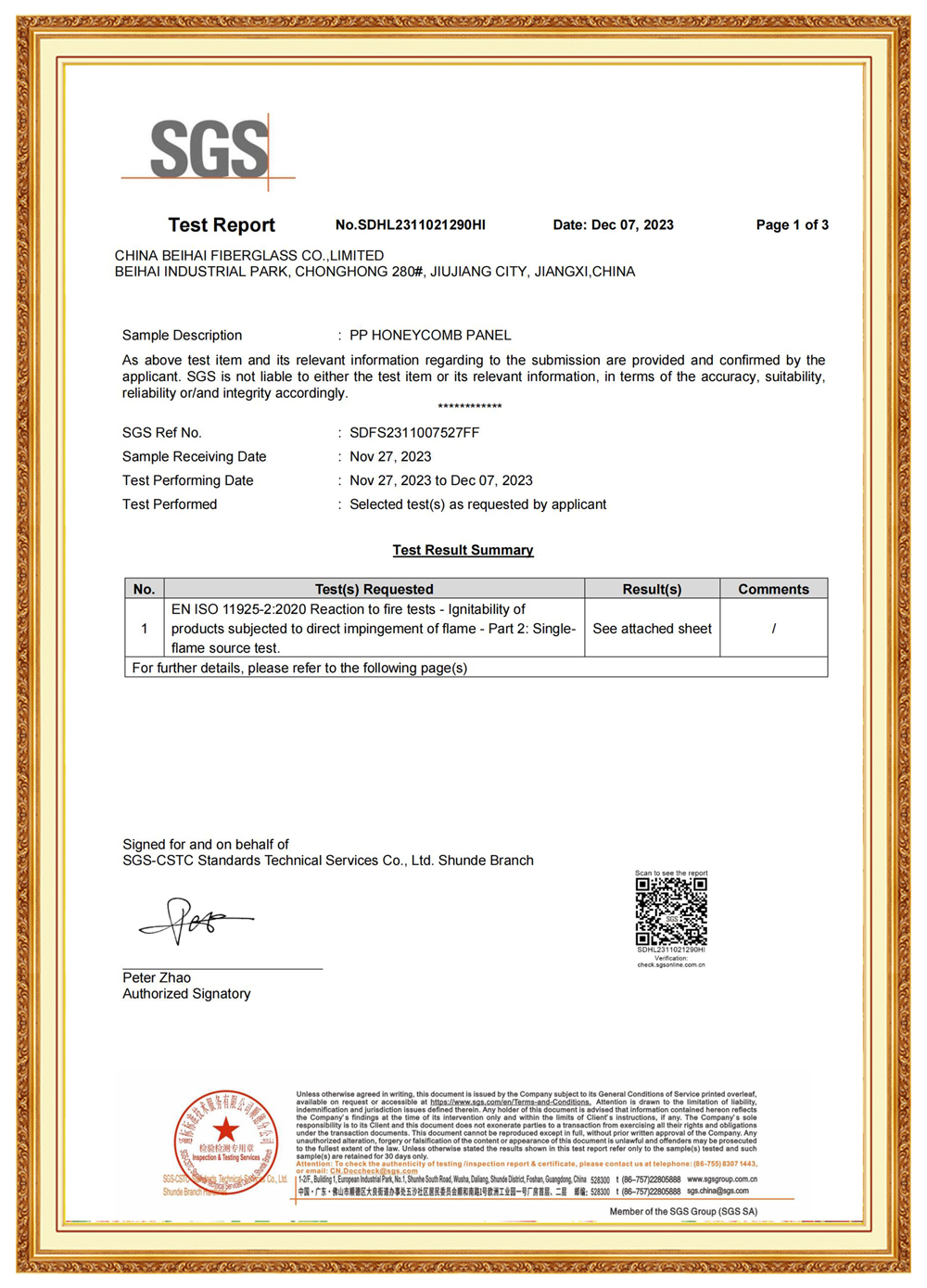
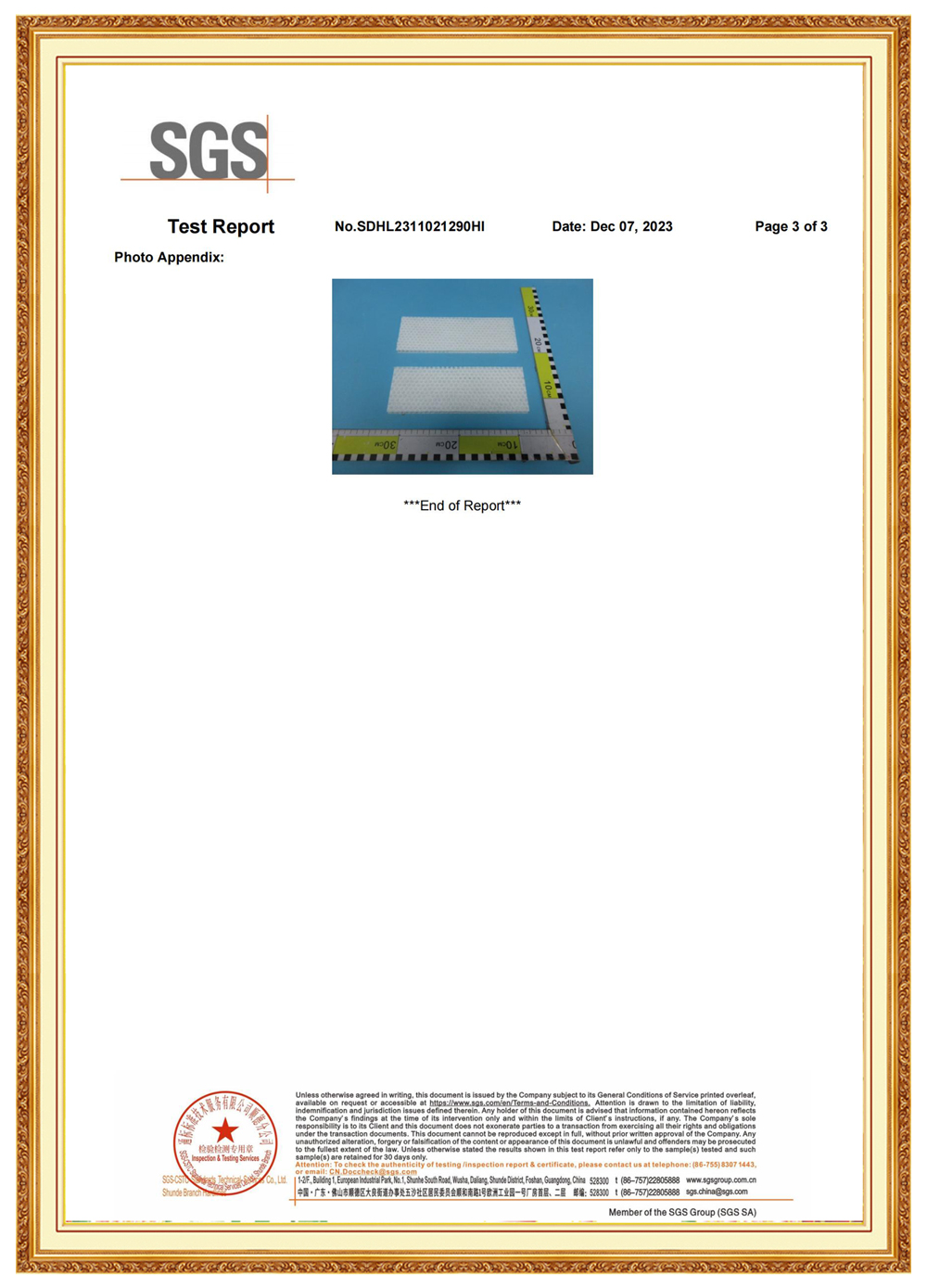
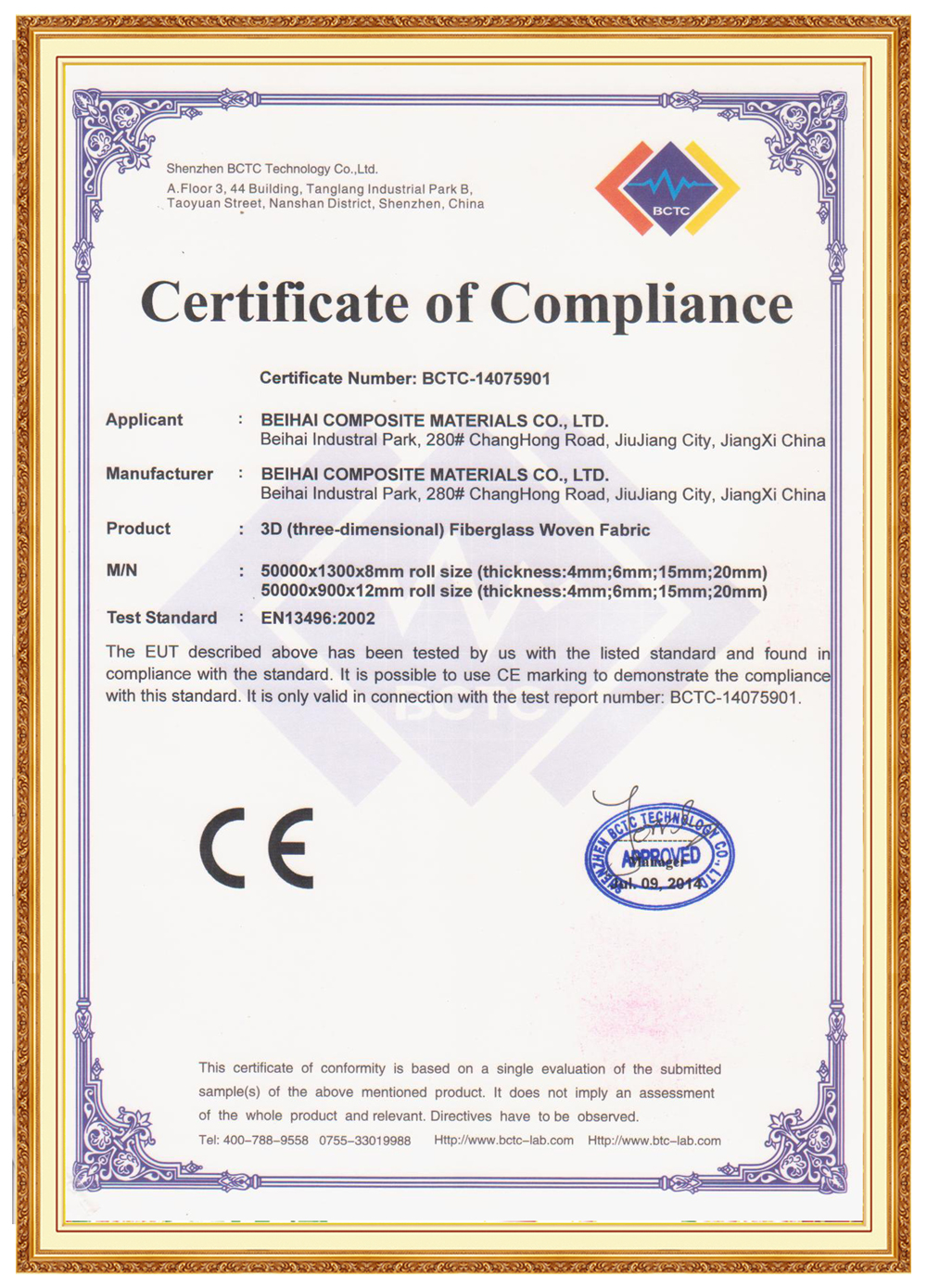
European Market Construction Product Safety
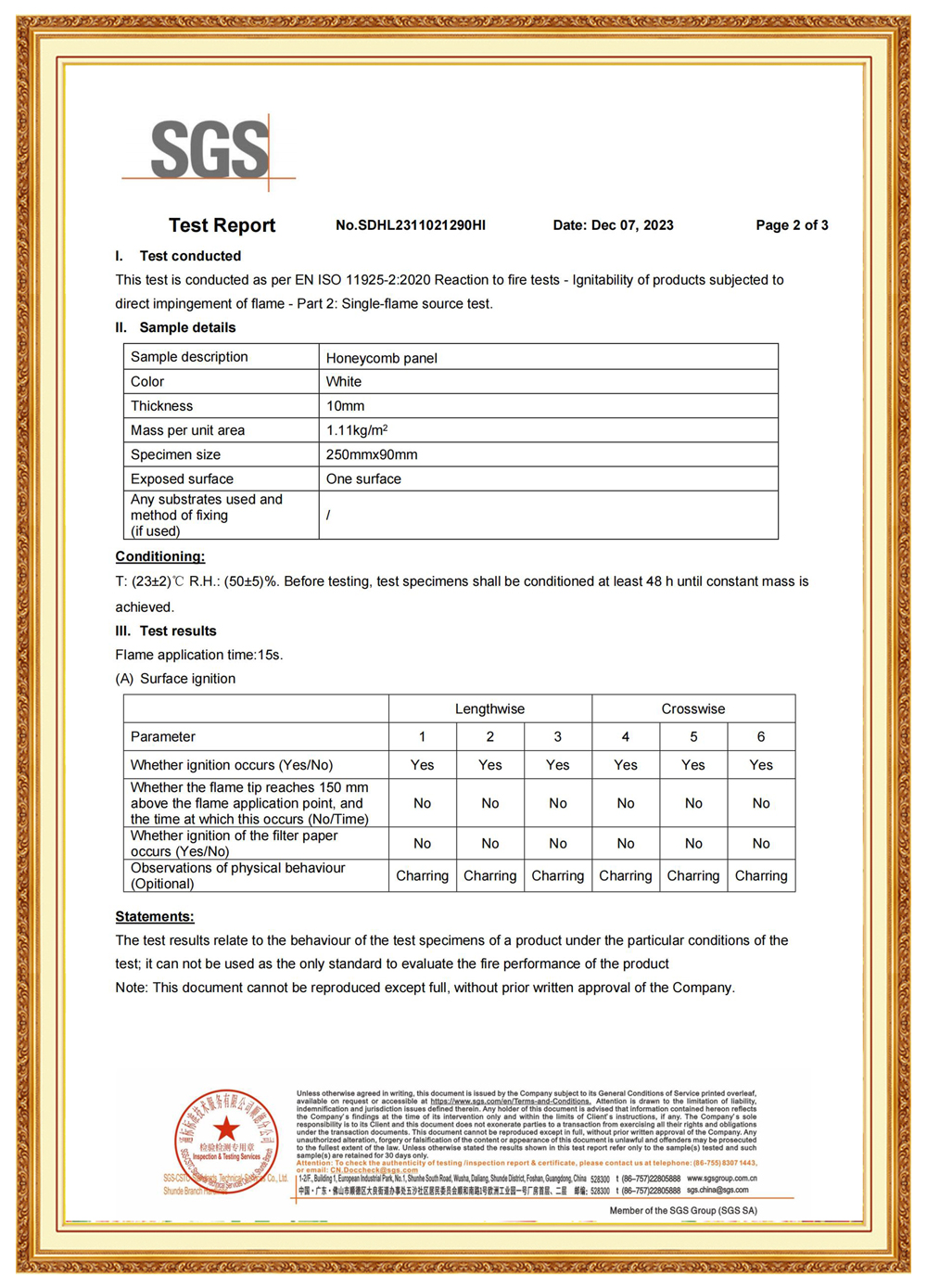
Class A Flame Spread & Zero Smoke Index
100% Bio-soluble and Eco-friendly Certified
Decarbonization, high-efficiency manufacturing processes, and the evolution of sustainable materials.
Our raw material basalt is naturally abundant and sourced responsibly. Extracting basalt has a low environmental footprint, requiring no synthetic chemicals or complex mining processes.
Our electric melting furnaces in Jiujiang, Jiangxi, are designed for energy efficiency. This setup significantly reduces greenhouse gas emissions compared to traditional gas or coke-fired glass melting facilities.
Unlike ceramic fibers that pose disposal challenges, spent basalt needle mats can be crushed and safely recycled into high-performance concrete composites or structural aggregates.
Detailed answers to common questions about basalt needle felt insulation from global procurement teams and structural engineers.
Basalt needle felt provides much higher heat resistance (up to 820°C compared to 600°C for E-glass) and better durability in high-vibration systems. Since it does not contain binders, it will not smoke, off-gas, or lose mechanical integrity under direct heat. Additionally, basalt fibers offer stronger resistance to acids, alkalis, and moisture, making them highly effective at preventing corrosion under insulation (CUI).
Yes. We offer fully custom configurations to meet your project specifications. Our basalt needle mats can be produced in thicknesses from 3mm to 25mm and densities from 80 kg/m³ to 220 kg/m³. We also offer dynamic composite backings, including high-reflectivity aluminum foil, high-silica fabric, or heat-resistant adhesive films to simplify installation.
Our manufacturing processes and materials are fully certified. Our facility operates under ISO 9001:2015 quality standards, and our basalt needle mats meet CE construction requirements. They carry an ASTM E84 Class A fire safety rating, are RoHS and REACH compliant, and are classified as non-toxic, bio-soluble, and safe for both workers and the environment.
Our needle-punched basalt fiber mats are mechanically bonded without binders, ensuring they retain their structural form even under high-vibration conditions, such as in automotive exhausts or aircraft engine systems. Unlike fiberglass or mineral wool, which can break down and pack tight under stress, basalt needle felt stays stable, keeping its thermal and acoustic properties intact over long-term use.
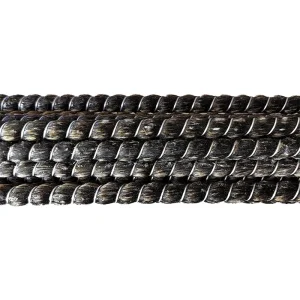
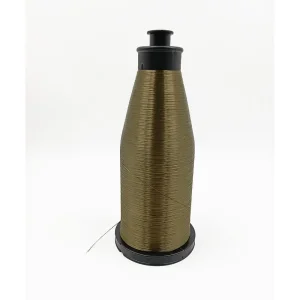
Engineered high-temperature basalt rebars, sleeves, tape profiles, and structural composite systems.
 Beihai Fiberglass