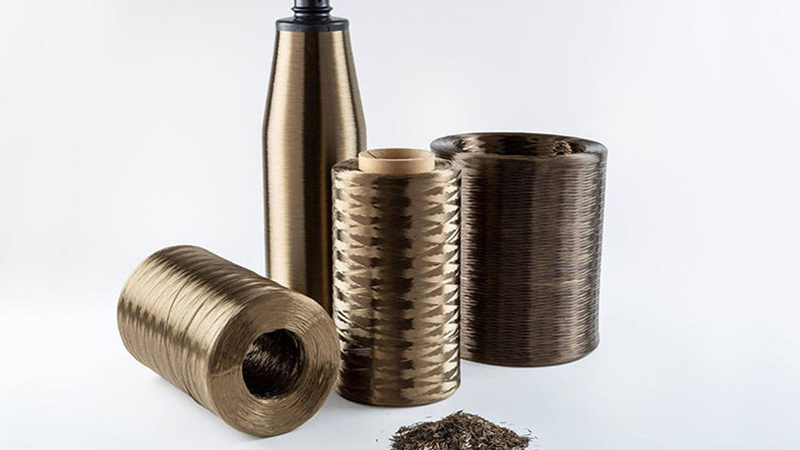
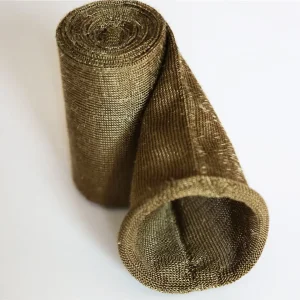
Explore our foundational range of high-performance continuous basalt fiber products, manufactured to withstand extreme temperatures, mechanical stress, and aggressive chemical environments.
Unlocking the Thermodynamic Superiority and High-Performance Mechanical Applications of Continuous Basalt Composites
Historically recognized for its incredible compressive strength in volcanic geological formations, columnar basalt represents one of nature's most robust structural wonders. The uniform, slow-cooling crystallization process of basic lava creates hexagonal, pentagonal, and octagonal columns of incredible density. In modern structural engineering, we have unlocked a massive information gain by taking this raw, thermodynamic resilience and turning it into Continuous Basalt Fiber (CBF) and custom-fabricated structures.
Unlike traditional E-glass or carbon fiber composites, basalt fiber is a 100% natural, green material, synthesized by melting selected volcanic rock components at ultra-high temperatures (1450°C to 1500°C) with no added chemicals. This single-component material offers structural designers an unparalleled combination of corrosion resistance, fireproofing capabilities, and extreme thermal limits, while maintaining an eco-friendly carbon footprint.
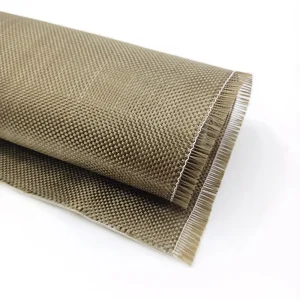
At China Beihai Group, we refine raw basalt into precision engineered composites—such as basalt fiber mats, rovings, chopped strands, twisted yarns, and custom concrete rebars. This deep scientific specialization provides the exact performance profile required in modern deep foundation engineering, municipal highway design, aerospace structures, and high-temperature industrial pipelines.
3000 – 4800 MPa (surpassing traditional structural steel and glass fibers).
Continuous operations from -260°C up to +700°C (perfect for space & marine operations).
Highly stable in concentrated alkaline solutions, acids, and salt spray environments.
Zero toxic gas emissions during production or processing, fully recyclable.
Empowering multi-disciplinary engineering projects through scaled industrial capabilities and high-fidelity manufacturing processes.
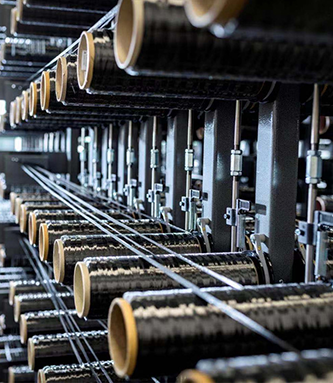
Founded in 2015 and located in the industrial development hub of Jiujiang, Jiangxi Province, China Beihai is a designated state-level high-tech enterprise. Our operation focuses on the comprehensive research, development, production, and distribution of high-performance basalt continuous fibers, alongside the proprietary engineering and manufacturing of industrial fiber production equipment.
We are proud to serve as a leading standard-setter within the domestic basalt fiber space. By controlling the complete supply chain—from select volcanic stone sorting to high-tech platinum-rhodium crucible bushing draw techniques—we guarantee unmatched chemical consistency and structural reliability.
Whether the requirement is high-density chopped strand mats, woven rovings, or specialized composite rebars for heavy civil applications, China Beihai Group offers advanced material science and engineering customized for dynamic global requirements.
Why Tier-1 global contractors and B2B procurement professionals select China Beihai as their strategic materials supplier.

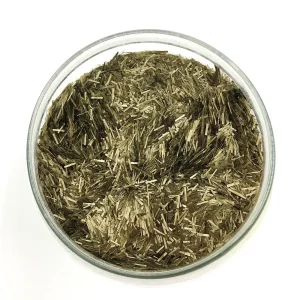
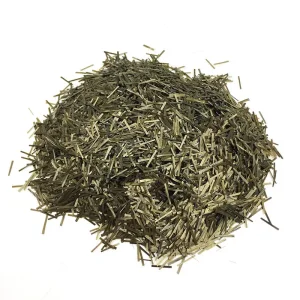
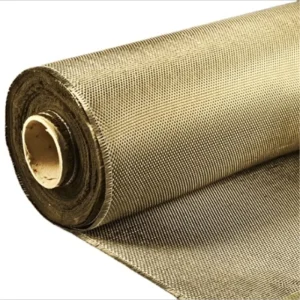
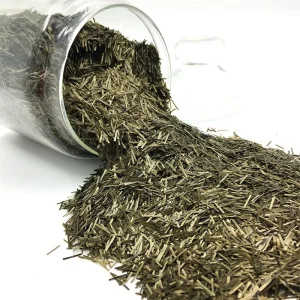
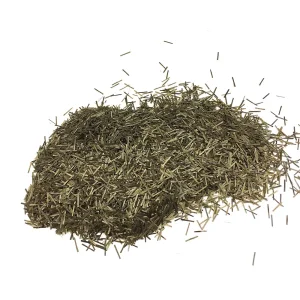
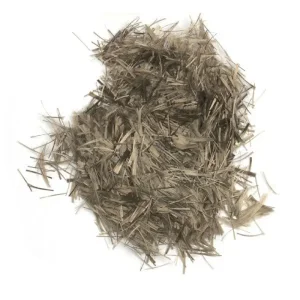
At China Beihai Group, we specialize in the continuous production of a wide range of products including basalt fiber mats (chopped strand mats, surfacing tissues, woven cloth), high-tensile basalt fiber roving, thermal twisted yarns, chopped strands for BMC/SMC processes, and durable composite rebar.

Dedicated to the manufacturing of fully natural green composite materials, our production line implements rigorous zero-emission melting routines. We offer sustainable alternatives to conventional structural reinforcements in civil engineering, roadworks, maritime protection, and municipal pipelines.

Choosing to partner with China Beihai ensures immediate access to continuous raw material, standardized product chemistry, and dynamic global pricing structures. We support your custom engineering specifications with rigorous quality testing, backed by recognized ISO and CE certifications.
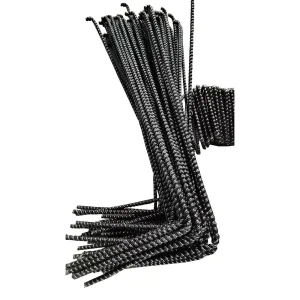
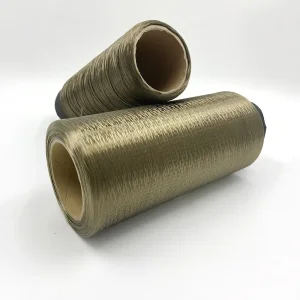
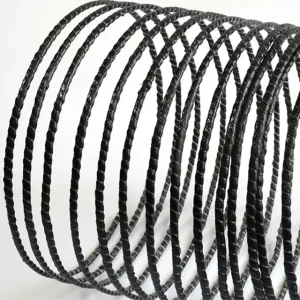
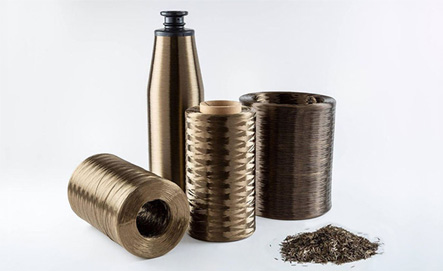
A detailed inspection of two core industrial solutions: continuous multi-filament roving packages and high-performance composite concrete reinforcement bars.
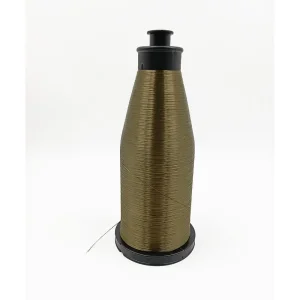
Our basalt fiber roving is a collection of continuous untwisted parallel strands or single-end strands processed directly from pure volcanic stone melt. It serves as the vital base material for winding pipes, storage tanks, pultrusion profiles, and weaving structural fabrics.
Coated with customized sizing agents (silane-based), our rovings are designed to achieve complete compatibility with epoxy, vinyl ester, polyester, and phenolic resin systems. This ensures extremely fast wetting, clean processing with minimal fuzz generation, and high interlaminar shear strength in completed composites.
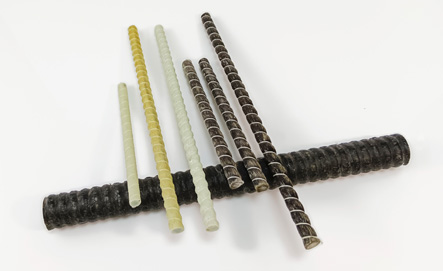
As an advanced rust-proof and lightweight alternative to traditional steel bars, basalt rebar exhibits superior acid and alkali resistance. This makes it an invaluable asset in concrete construction exposed to marine spray, deicing salts, or chemical processing plants.
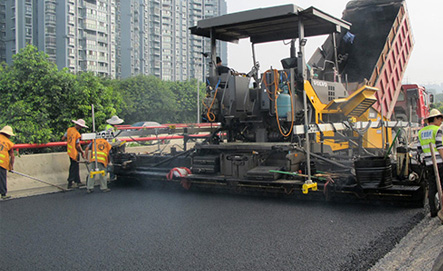
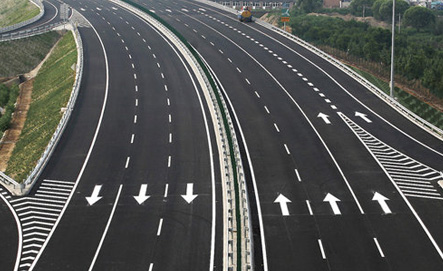
Designed for heavy civil engineering, bridge deck panels, and municipal highways, our basalt composite rebar possesses a density of only 1/4 that of traditional steel, yet offers over 2 times the ultimate tensile capacity. It drastically reduces structural dead-load while extending service lifetimes to over 100 years.
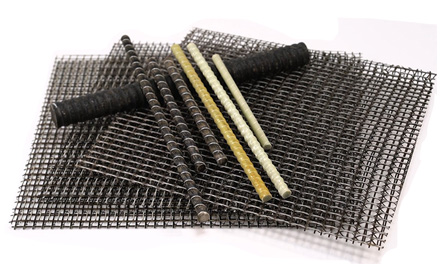
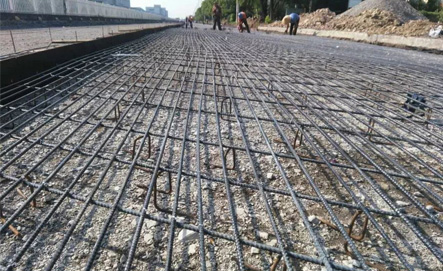
Deploying advanced basalt materials across key infrastructure, transportation, petrochemical, and defense networks worldwide.

Providing micro-reinforcement for self-leveling mortar and thin-clad volcanic fiber reinforcing panels.

Lightweight composite interior liners, cargo containment covers, and thermal shielding wraps.

Proprietary multi-filament sizing for structural spacecraft shields and rocket fuel cell outer insulation.

Mitigating early plastic shrinkage crack formation while upgrading flexural load capacity.

Sound attenuation panels, high-friction brake pads, and heat-resistant exhaust system shrouds.

Protecting crucial support piles from cyclic wave corrosion, ice shear impact, and debris collisions.

Corrosion-proof chemical transport pipes, storage vessel reinforcement, and acidic-well casings.

Anti-fouling hull reinforcement fibers, subsea pipeline wraps, and tidal zone structures.
Premium specialized designs optimized for chemical stability, high tensile capacity, and extreme heat resistance.
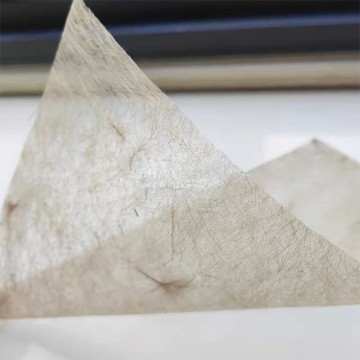
Ultra-thin non-woven surfacing tissue mat engineered to yield smooth, resin-rich corrosion protection layers for composite molds.
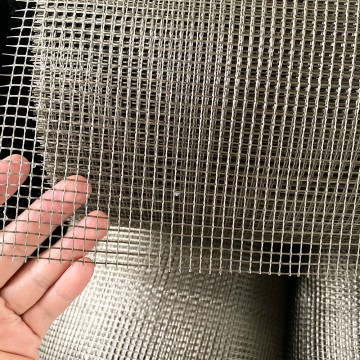
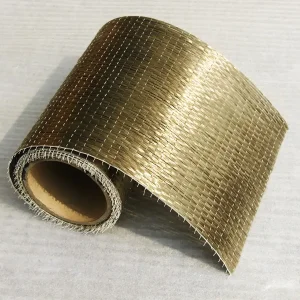
Engineered grids providing excellent structural consolidation for concrete walls, facade plaster, and geogrid roadways.
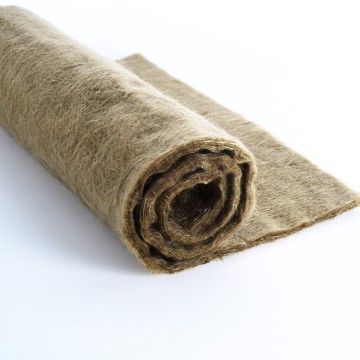
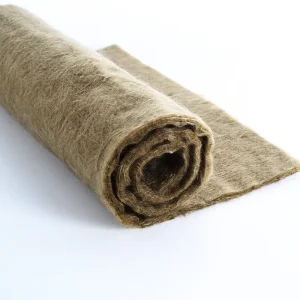
Eco-friendly mechanical bonding of continuous filaments. Completely chemical binder-free thermal and acoustic barriers.
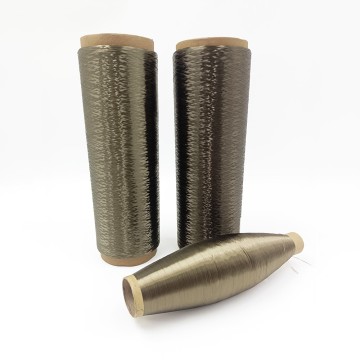
Multiple continuous filaments twisted with precision. Dramatically improves braiding, weaving, and sewing performance.
An in-depth review of cost indicators, dynamic market variations, and strategic quality controls for professional corporate buyers.
When preparing dynamic project tenders or analyzing custom basalt fiber pricelists, professional procurement coordinators must recognize that continuous basalt fiber (CBF) pricing is dictated by distinct quality and chemical criteria:
Operating directly from Jiangxi, China Beihai Group balances massive raw material access with optimized logistics. This allows us to provide international civil contractors and industrial material brokers with exceptionally competitive, factory-direct wholesale pricing.
| Product Type | Standard Spec | Key Commercial Application |
|---|---|---|
| Basalt Rebar | Φ 4mm – 32mm | Bridges, Marine Decks, Sea Walls |
| Direct Roving | 600 – 4800 Tex | Pultrusion, Tank Winding, Weaving |
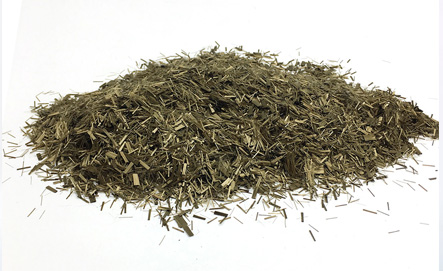
| Chopped Strands | 3mm – 50mm | Concrete Crack Control, SMC/BMC |
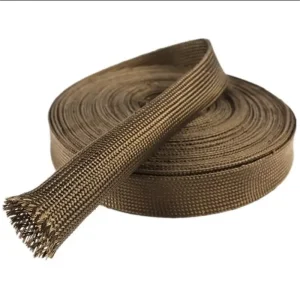
| Insulation Sleeve/Tape | Custom Width/ID | Exhaust Protectors, Cable Wraps |
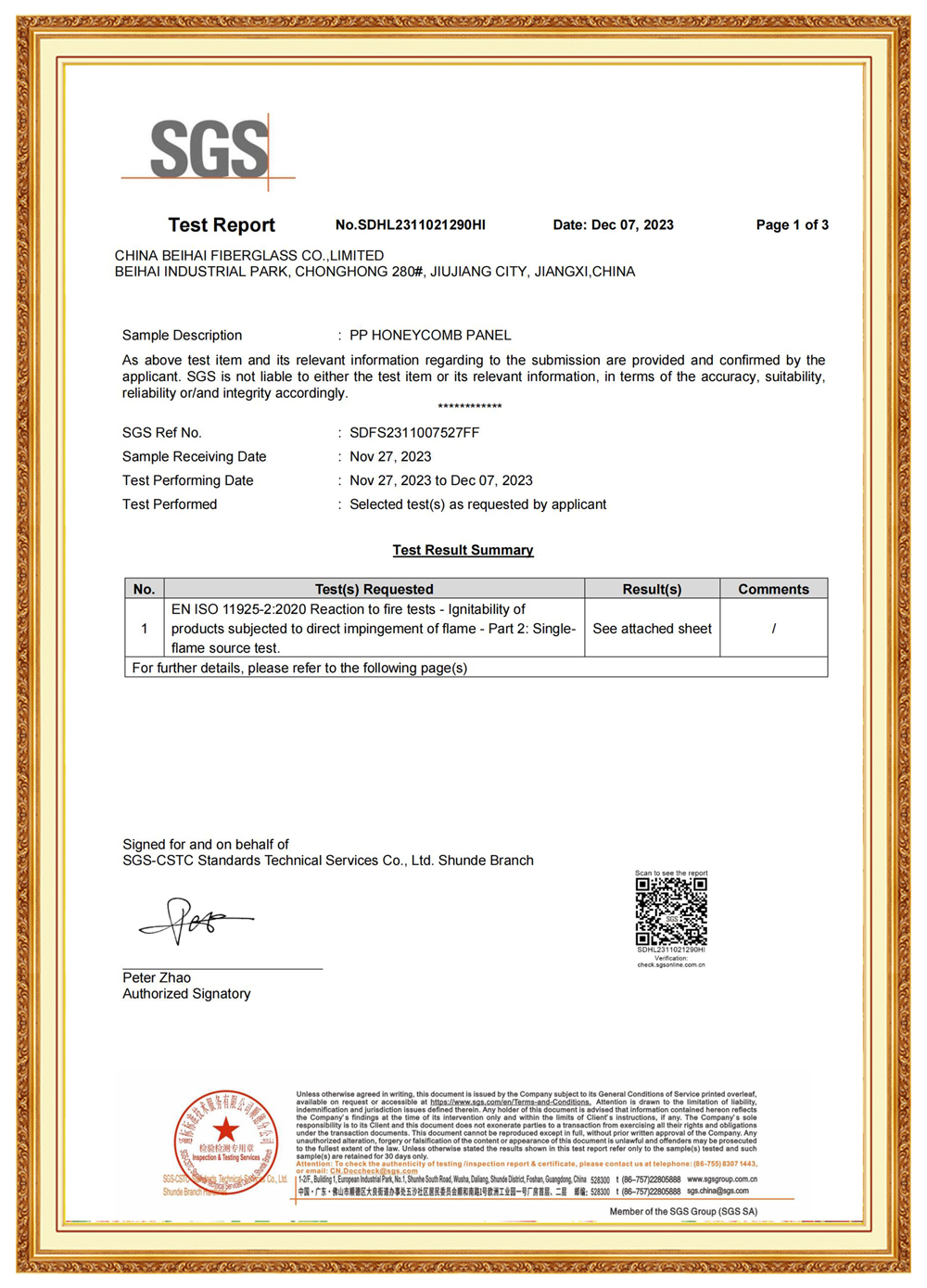
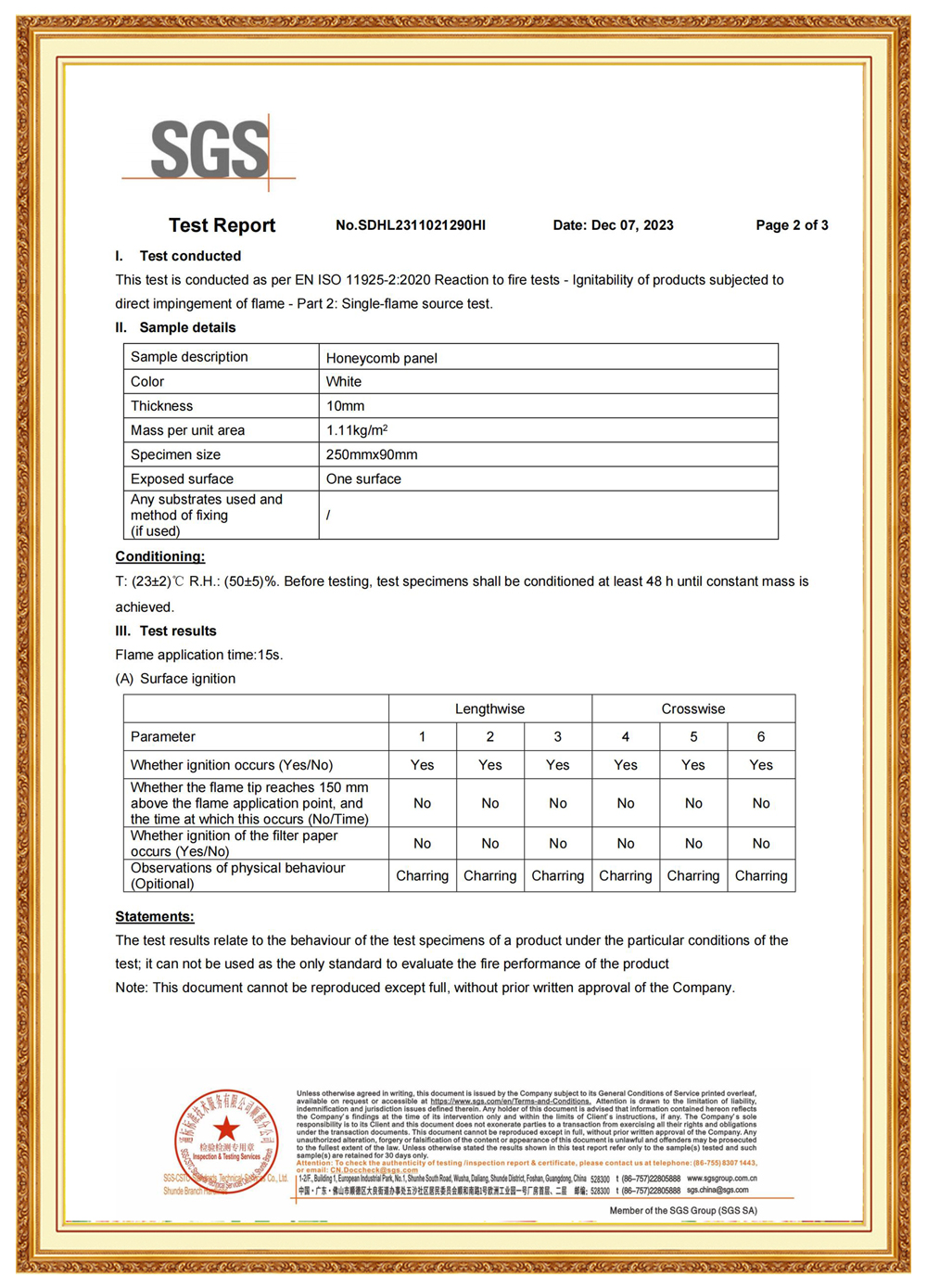
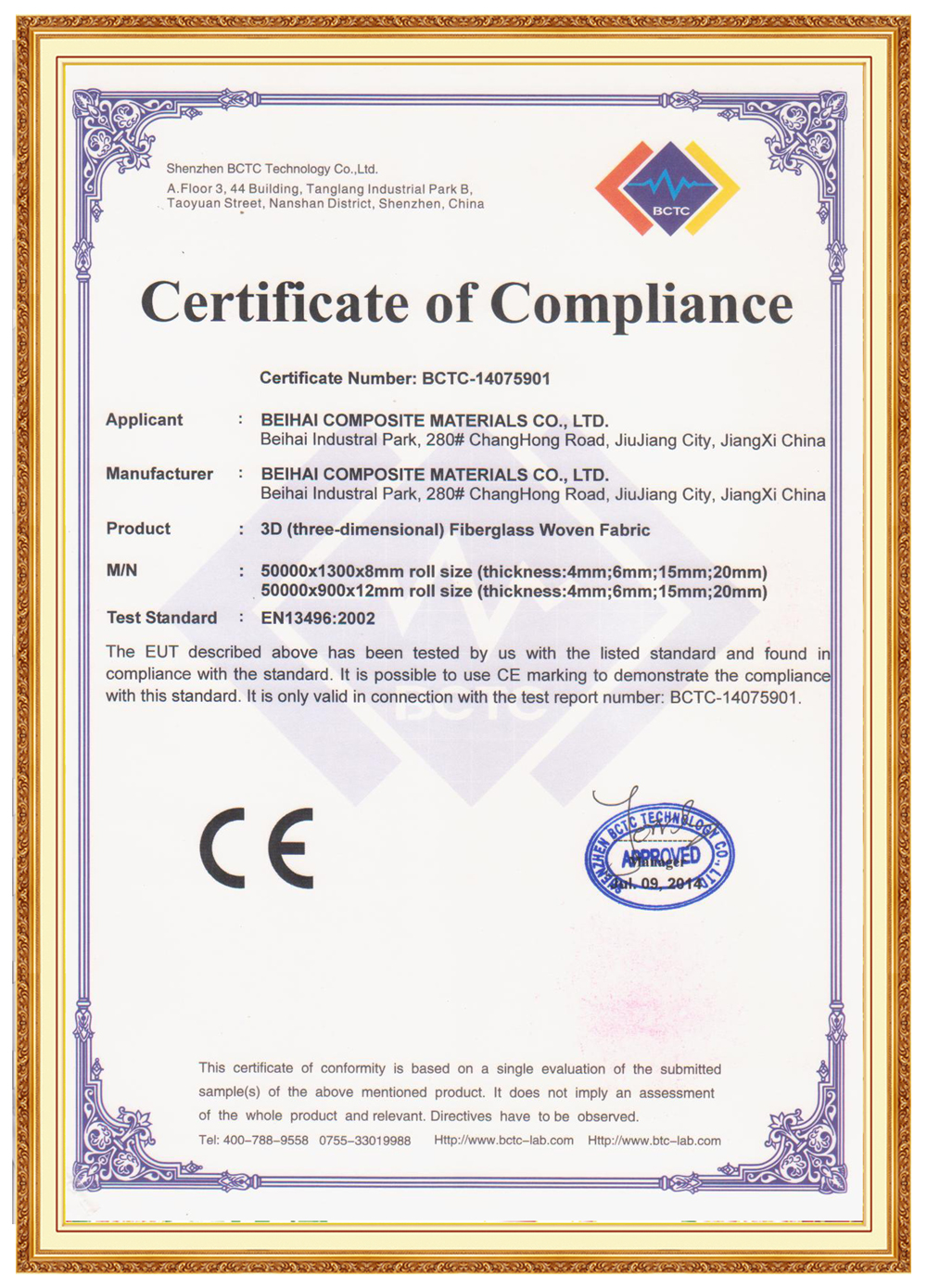
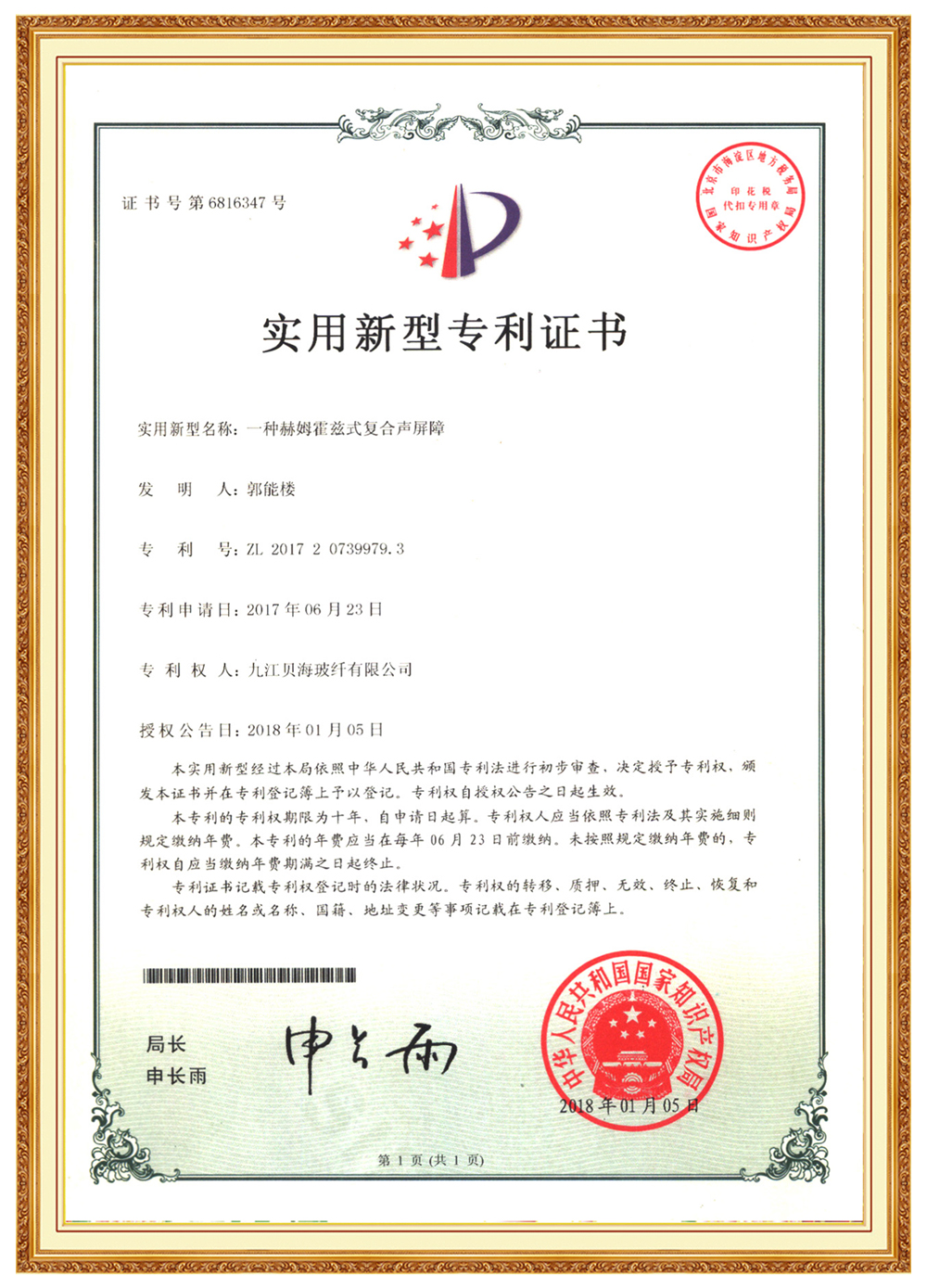
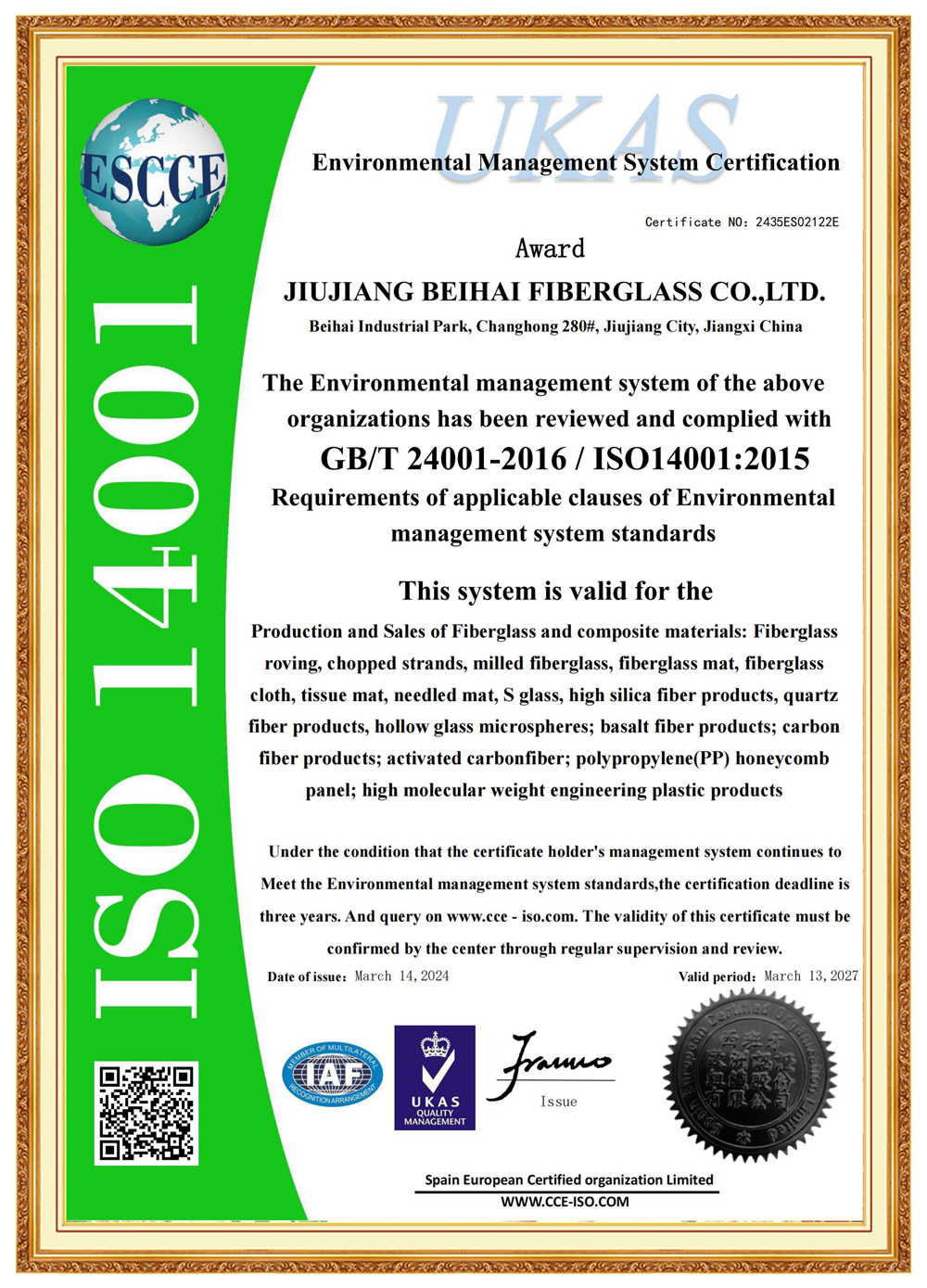
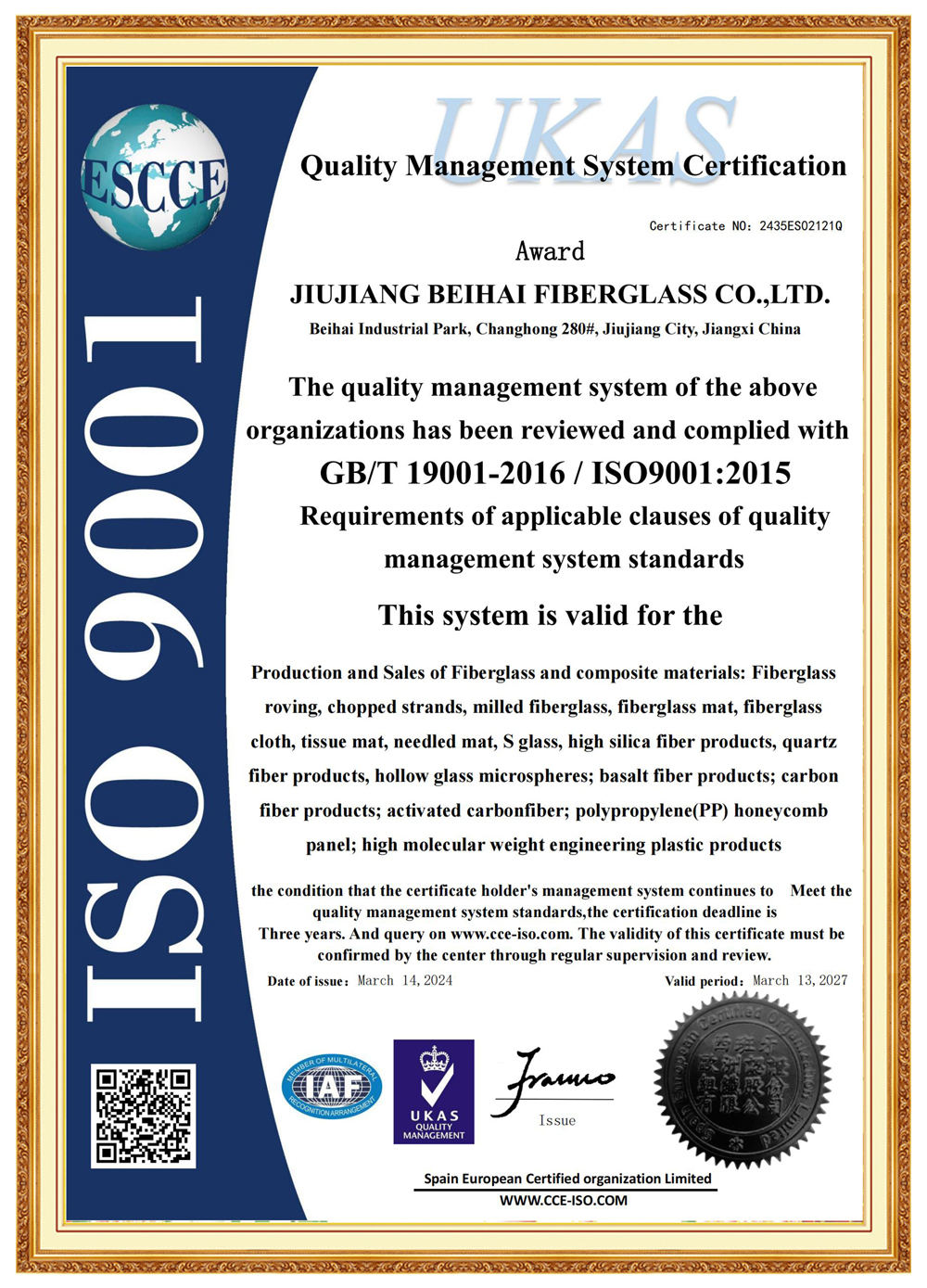
Our complete production cycles adhere to international safety, performance, and durability guidelines.
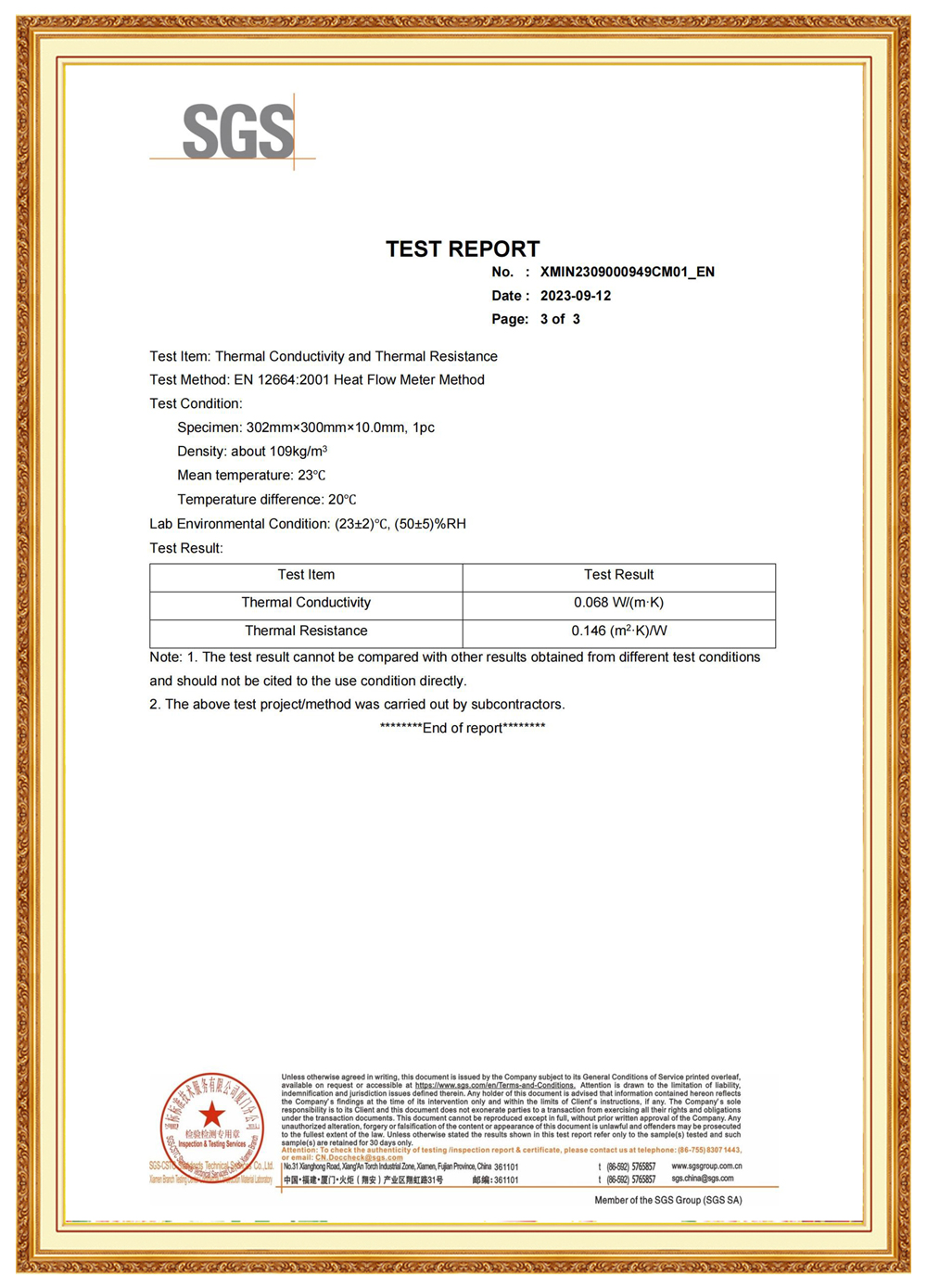
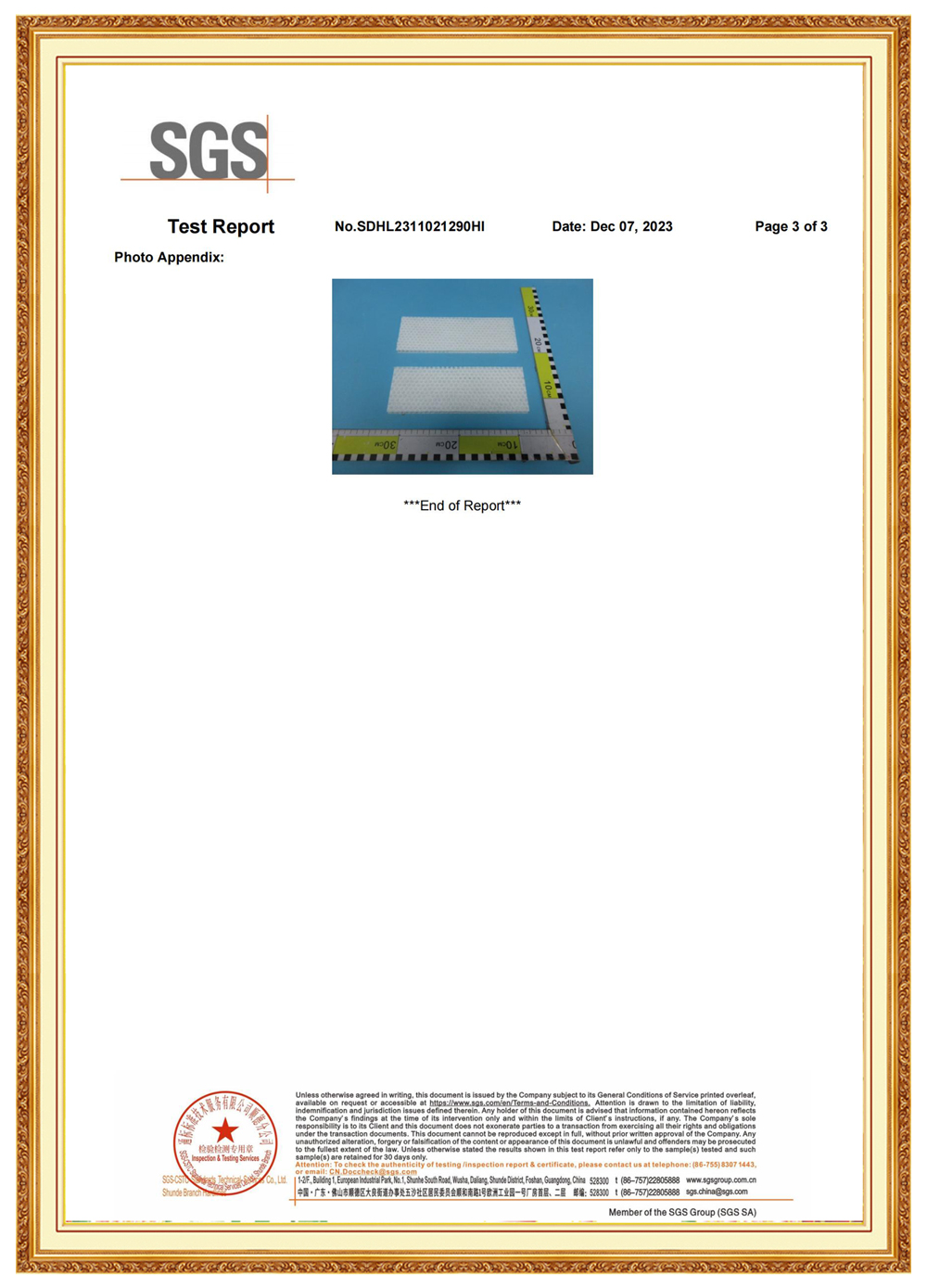
Tracking the sustainable composite revolution, smart robot housings, and high-performance engineering integrations.
Addressing primary technical queries and quality validation checklists for materials engineers and procurement professionals.
Continuous Basalt Fiber (CBF) occupies a high-value mid-tier performance and cost segment between E-glass and carbon fibers. CBF offers a 30% higher tensile strength, significantly higher elasticity modulus, and far superior acid, alkali, and chemical resistance than standard E-glass.
When compared to carbon fiber, basalt fiber is much more cost-effective, provides natural RF (radio frequency) transparency, and can function across wider thermal bounds (stable from cryogenic ranges up to 700°C), making it the premier option for complex architectural and electrical applications.
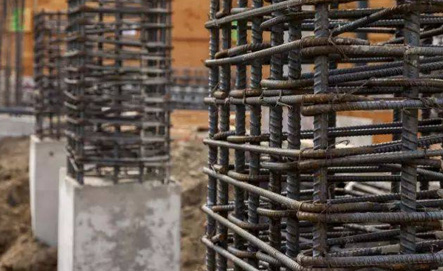
Steel rebar rusts when moisture, salt, and oxygen penetrate concrete, causing internal cracking and structural failure. Basalt rebar is inherently chemically inert and 100% rustproof. It maintains complete structural integrity when exposed to extreme marine conditions, tidal splash zones, and aggressive alkaline soil components.
Furthermore, because basalt composite rebar has a thermal expansion coefficient highly similar to high-density concrete, it eliminates internal shear stress under massive temperature fluctuations.
At China Beihai, we run advanced high-speed filament winding lines with specialized chemical sizings. Sizings act as the crucial coupling agent interface between the basalt filament surface and the matrix resin.
We manufacture customized silane-based sizing configurations designed for quick compatibility with Epoxy (EP), Vinyl Ester (VE), and Unsaturated Polyester (UP) resins, along with specialized thermal sizings for high-temperature injection molding (BMC/SMC processes). This maximizes interlaminar shear strength (ILSS) and prevents air pocket formation.
Our entire supply system undergoes rigid testing procedures. All batches are checked for moisture levels (held below 0.2%), resin-compatibility indexes, and single-filament tensile limits.
We operate strictly under ISO 9001 quality management guidelines, and all continuous fiber and composite rebar series carry accredited CE certificates, assuring international structural conformity.
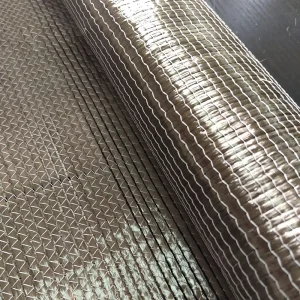
Engineered chopped strands, high-efficiency needled mats, thermal sleeves, and chemical-resistant woven fabrics configured for specialized B2B demands.
 Beihai Fiberglass