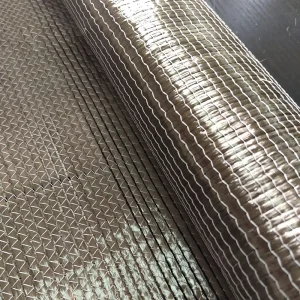
Explore our elite portfolio of architectural-grade, chemical-tolerant, and dynamic high-temperature basalt fabrics and reinforcements directly from the factory.
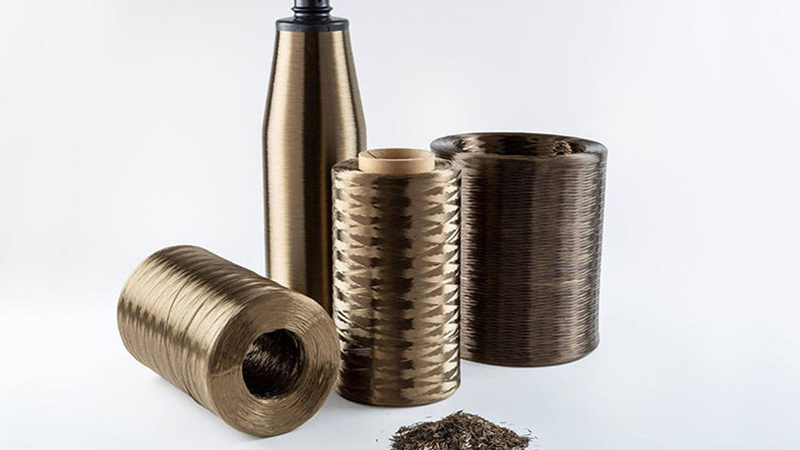
Continuous Basalt Fiber (CBF) represents a monumental paradigm shift in high-performance materials science. Derived by melting 100% pure volcanic basalt rock at temperatures exceeding 1450°C, it possesses unique chemical resistance, thermal stability, and mechanical strength that bridge the gap between traditional E-glass and high-cost carbon fibers.
Industries worldwide are aggressively pivoting toward basalt fiber to satisfy the dual requirements of rigorous decarbonization mandates and extreme hazard protection. As standard synthetic fibers falter under high heat or degrade in alkaline environments (such as within hydration concrete matrixes), volcanic basalt maintains structural integrity without releasing volatile organic compounds (VOCs) or toxic gases during thermal events.
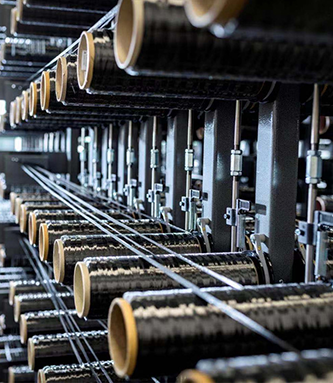
A premier force in high-performance continuous basalt fiber production and machinery design.
Founded in 2015 and strategically positioned in the industrial hub of Jiujiang, Jiangxi Province, China Beihai is a certified high-tech enterprise dedicated to the intensive research, development, and high-volume production of premium continuous basalt fibers. Leveraging state-of-the-art multi-nozzle platinum-rhodium alloy bushing processes, we consistently fabricate high-purity basalt products for demanding industrial specifications.
Unlike standard converters, China Beihai designs and fabricates its own proprietary kiln structures and drawing machines, guaranteeing full vertical integration. This absolute control over thermal gradient profiles and chemical treatment sizing allows us to supply fibers with remarkable consistency, minimal breakages, and pristine structural integrity across massive global distribution cycles.
A visual breakdown of the metrics that establish China Beihai as the industry benchmark for basalt fiber exports.
Unveiling the exact raw material profile and melting parameters that guarantee supreme performance.
Continuous basalt fiber is processed without any chemical additives during its conversion, eliminating chemical waste runoff. The rock is crushed, thoroughly washed, and loaded into computerized natural gas or electric-arc furnaces. The material transitions into liquid basalt at 1450°C–1500°C. Maintaining a exact viscosity profile during draw-down is crucial; any local variance in iron or silicon concentration risks fiber breakage.
Our raw material undergoes stringent elemental testing, ensuring perfect ratios of major oxides:
China Beihai is spearheading next-generation structural basalt variants aimed at demanding, ultra-high performance requirements:
How China Beihai Group ensures unbeatable pricing without compromising extreme structural tolerances.

Our direct long-term partnerships with high-purity basalt quarries insulate Beihai from raw material supply shocks, providing stable baseline costs for continuous global distribution.

Operating high-output modern continuous pool kilns yields exceptional yield efficiency, lowering fixed operational overheads and translating directly to highly competitive wholesale rates.

Located adjacent to critical domestic shipping corridors in Jiujiang, we offer fast container consolidation, customs pre-clearance, and seamless tracking to key international ports.
Unveiling the practical, real-world utility of fire-resistant basalt products across structural sectors.

Our non-combustible basalt cloth serves as the primary barrier in commercial firewall divisions, elevator shaft insulating systems, and fire-escape exit cladding.

Providing high-performance basalt blankets that deliver reliable acoustic insulation and heat barrier properties in modern jet propulsion cowlings and wing structures.

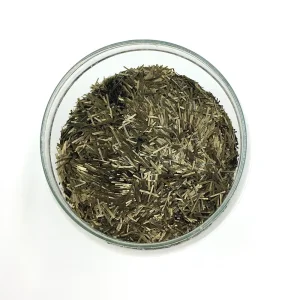
Specially manufactured continuous filaments utilized as composite bases for heat protection systems, shielding probes and launchers during intense thermal reentry.

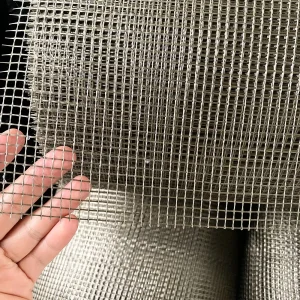
Alkali-resistant mesh that prevents macro-cracking in high-moisture floor slabs, parking garages, structural shotcrete applications, and pool liners.

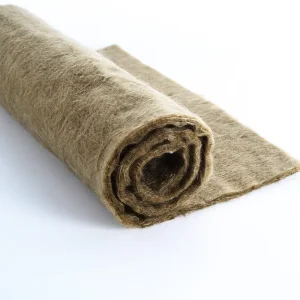
Extreme thermal needle mats utilized as soundproofing cores, heat shielding inserts, and custom exhaust wraps to enhance catalytic converter efficiency.

Wrapping bridge columns in thick, corrosion-proof basalt mesh jackets to mitigate dynamic impact damage and resist severe road salt corrosion cycles.

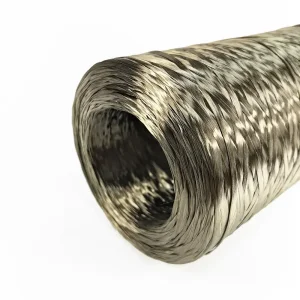
Highly resistant to chemical acid attacks, making continuous basalt roving the ultimate solution for wrapping underground crude oil transmission pipelines.

Impervious to salt spray and high moisture, basalt fabric replaces standard glass fibers to safeguard bulkheads and ship structural holds.
Top technical selections engineered to solve immediate thermal and chemical structural challenges.
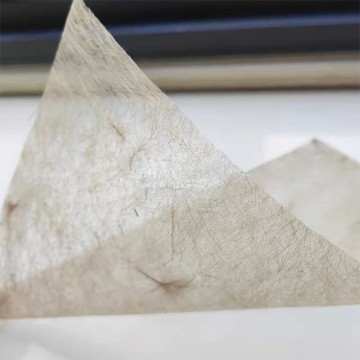
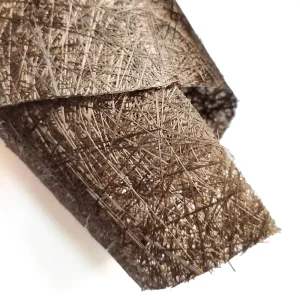
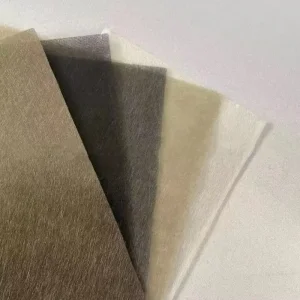
A non-woven thin sheet engineered to provide a smooth, resin-rich surface layer for fiber-reinforced plastic (FRP) structures.
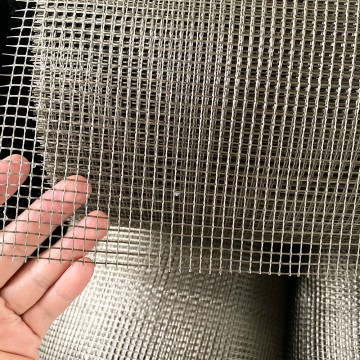
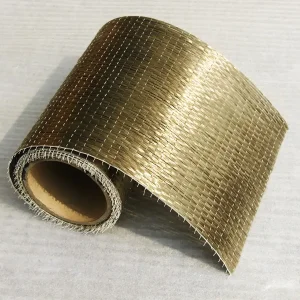
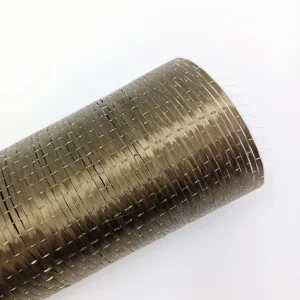
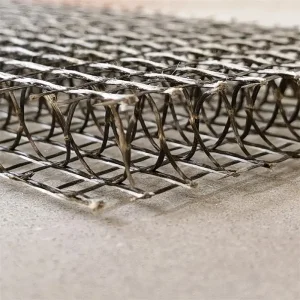
Provides a superior reinforcement solution for concrete and plaster applications where high alkali resistance is mandatory.
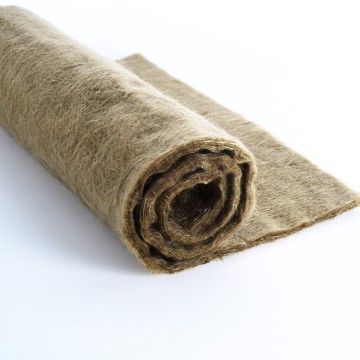
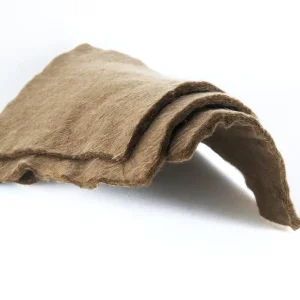
A high-density insulation material manufactured by mechanically bonding continuous basalt fibers without chemical binders.
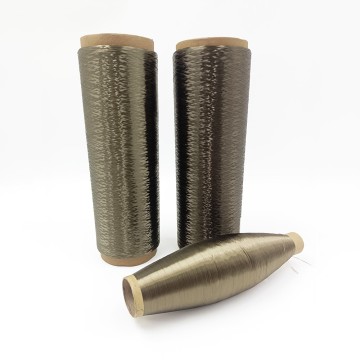
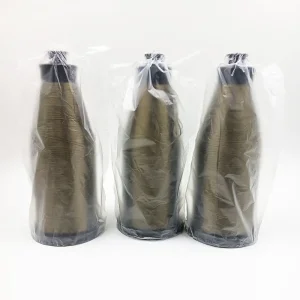
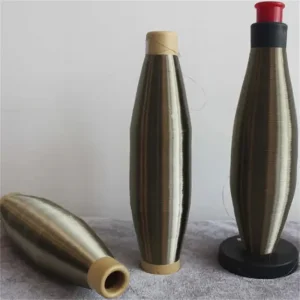
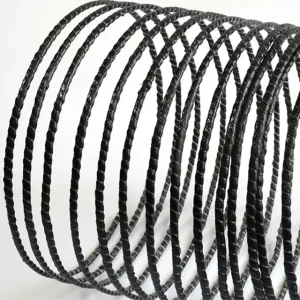
Engineered by twisting multiple continuous filaments to enhance mechanical strength and processing stability for braiding.
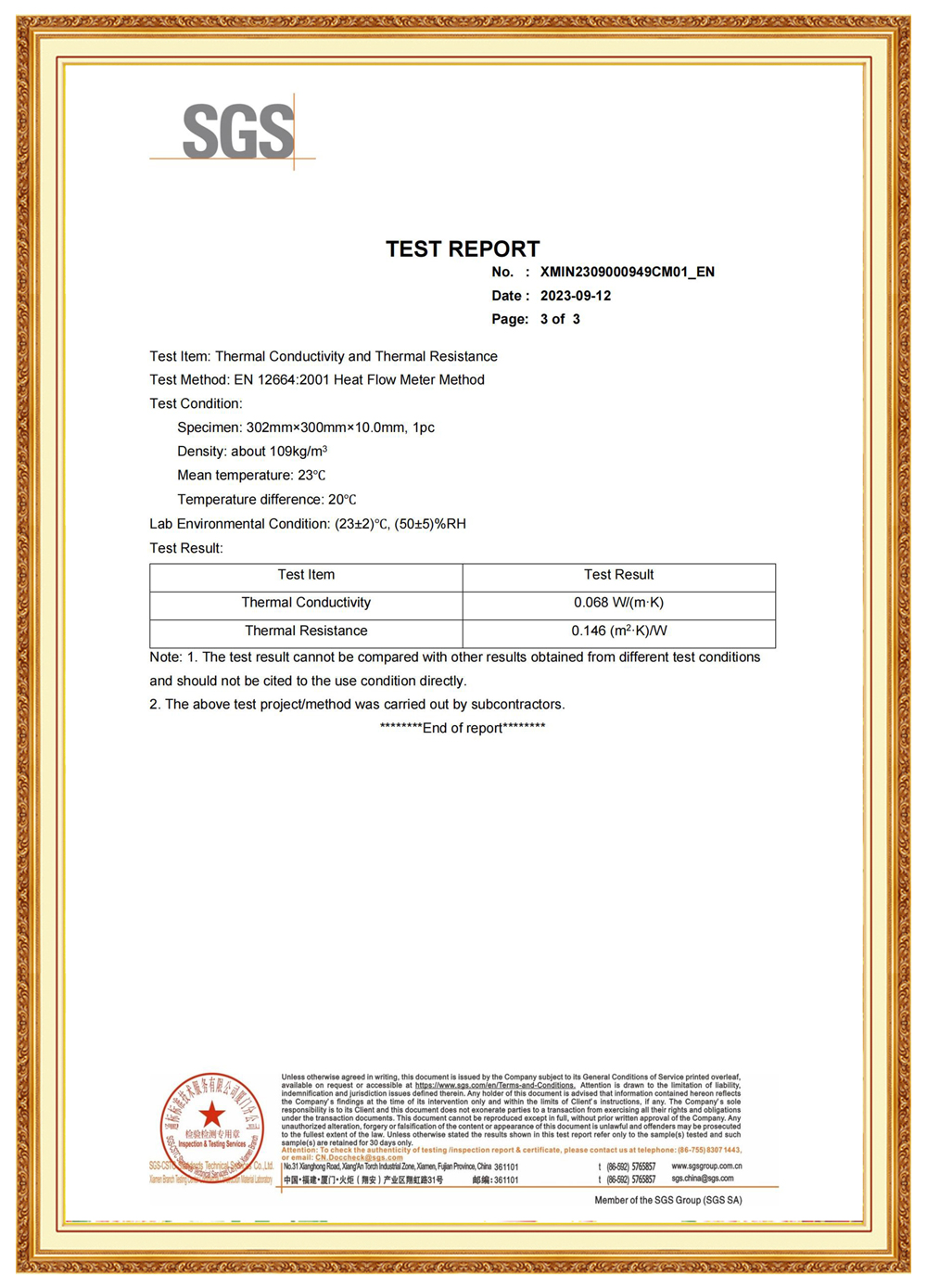
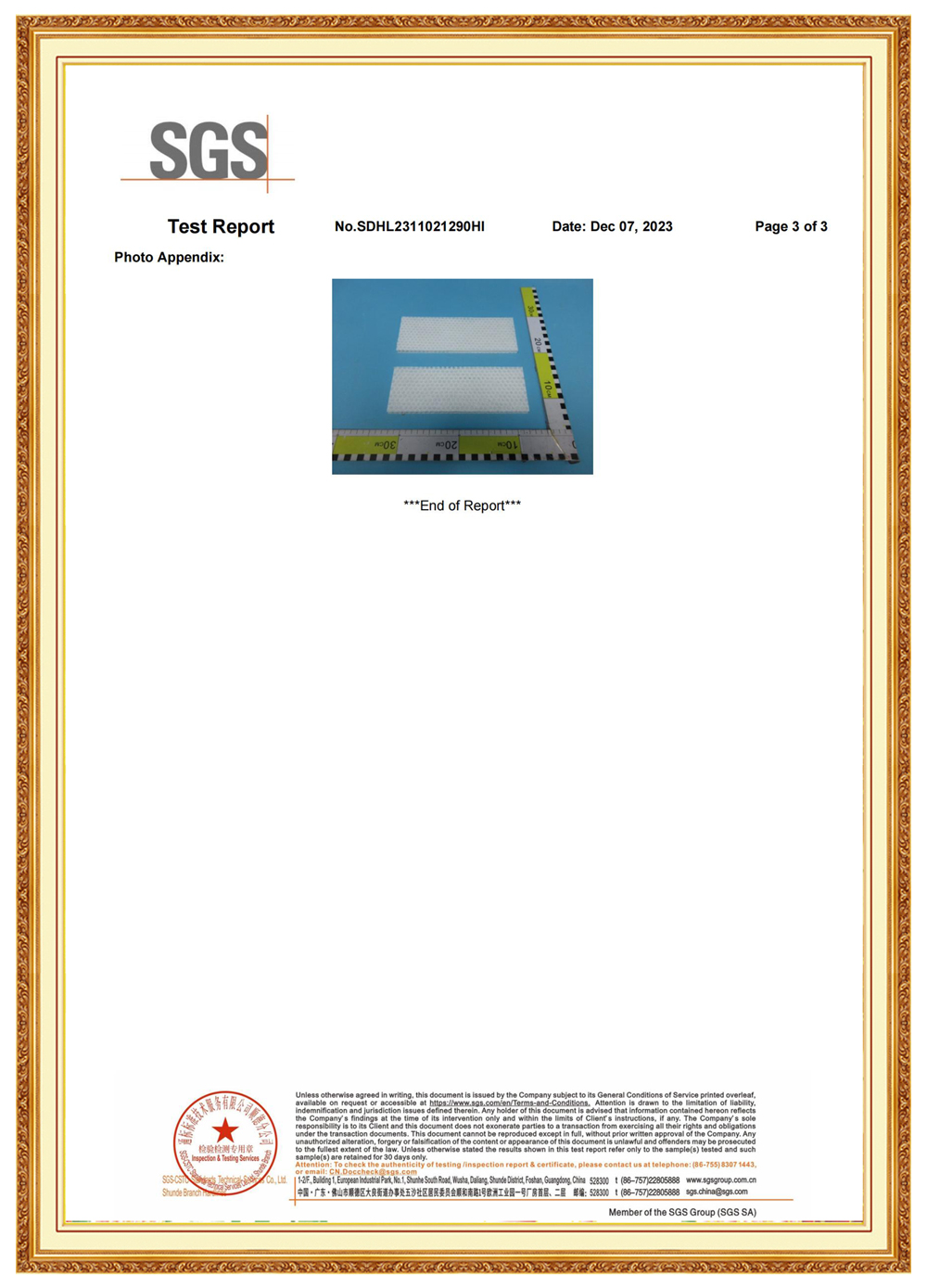
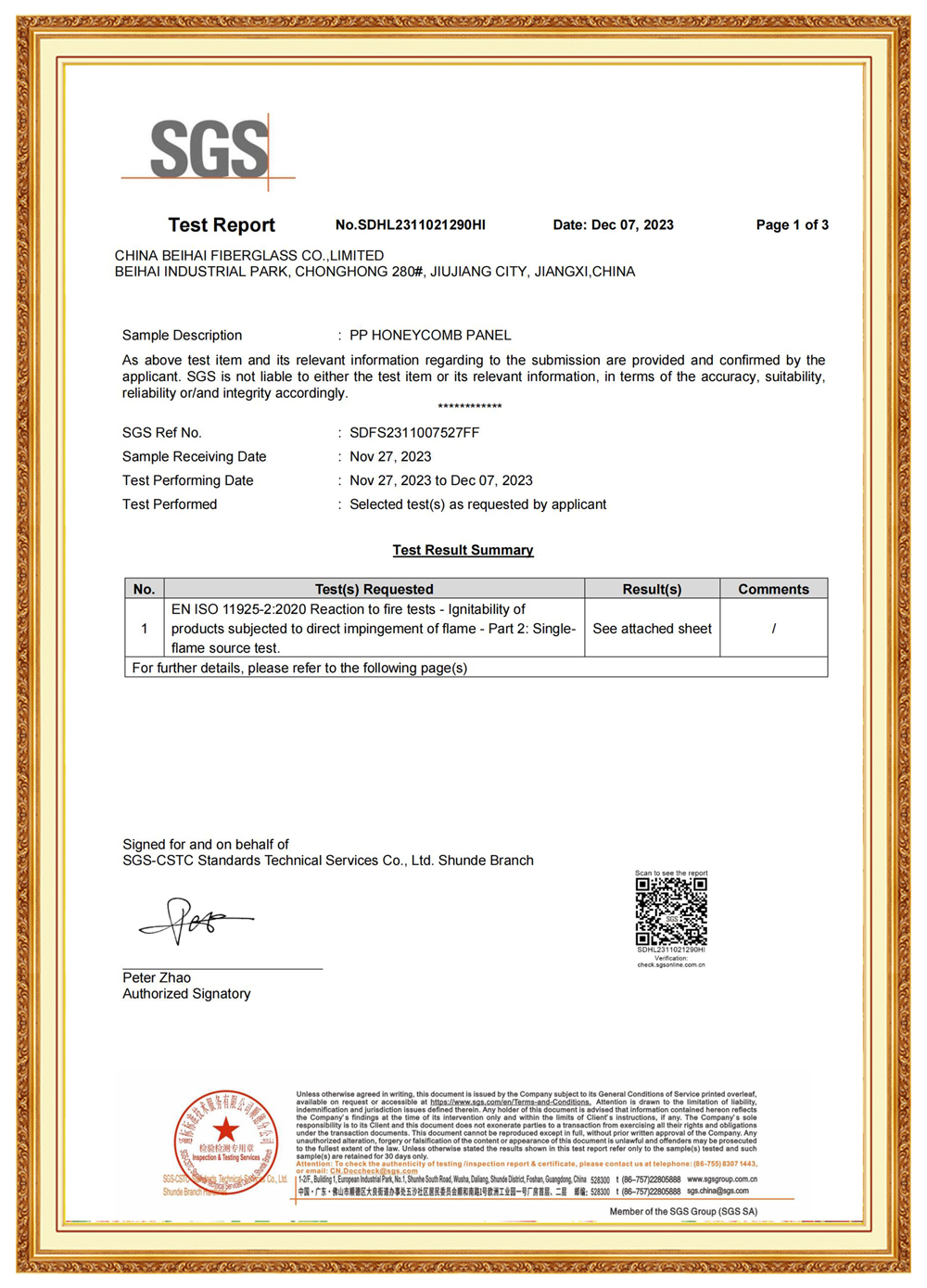
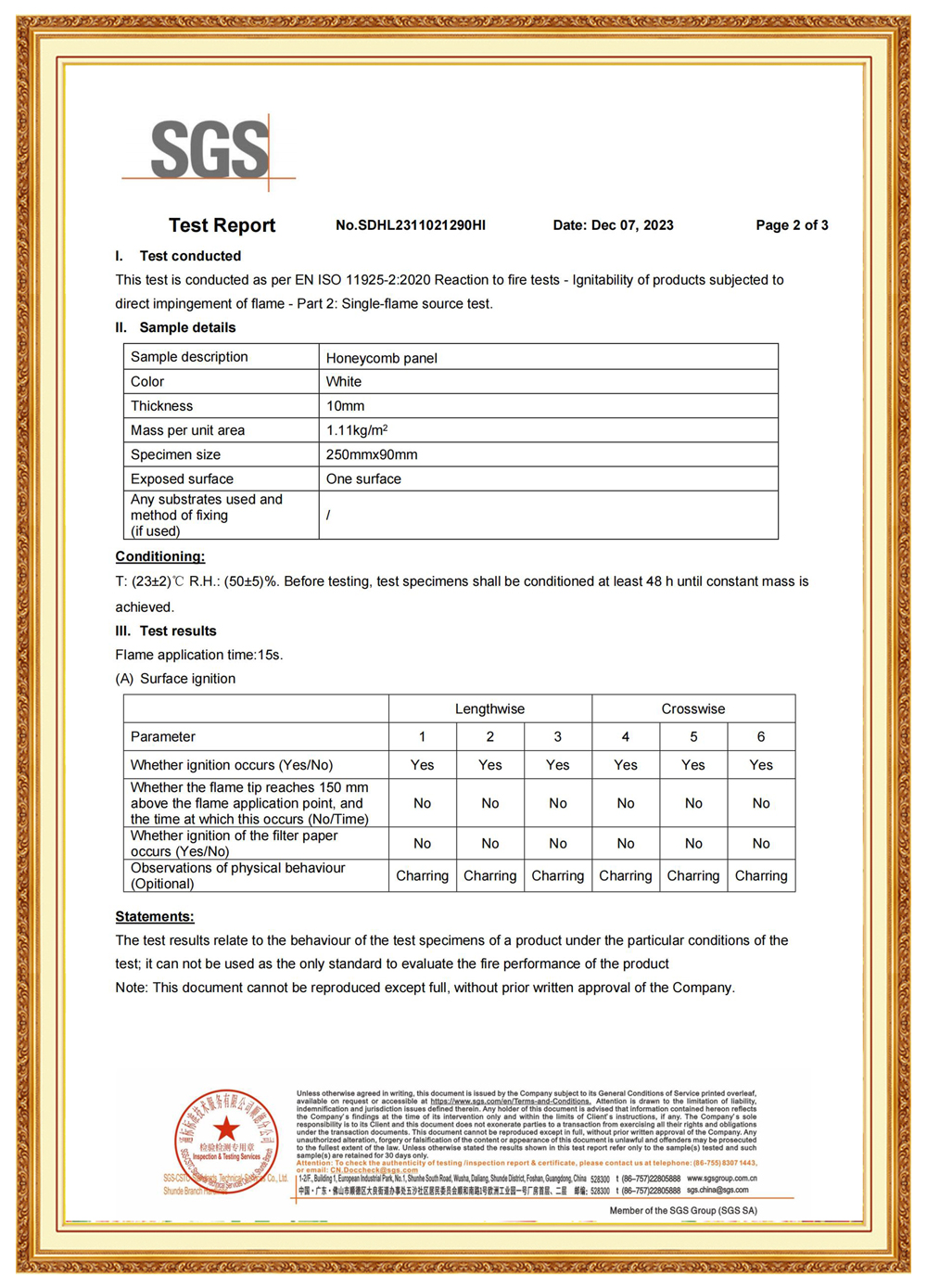
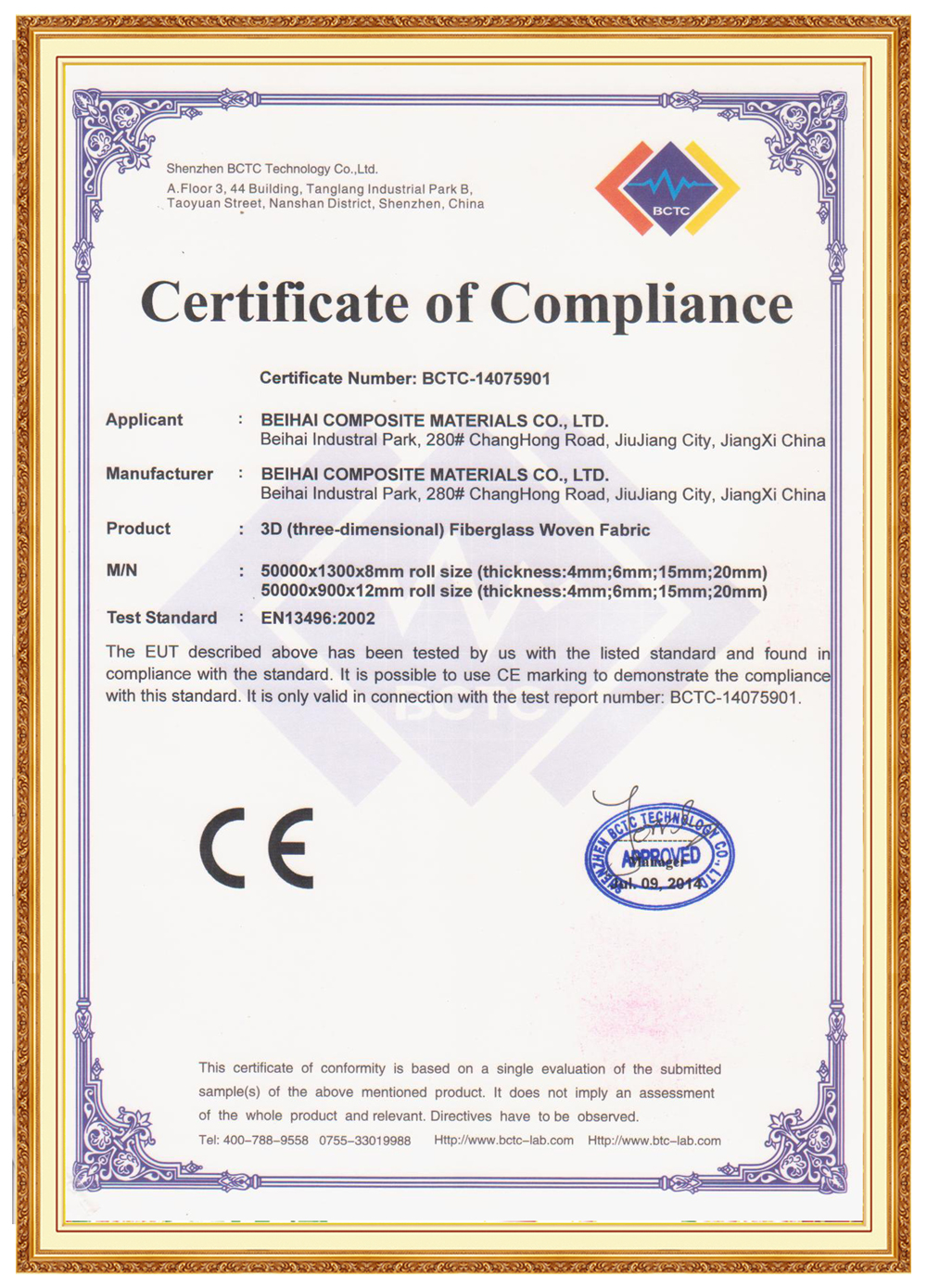
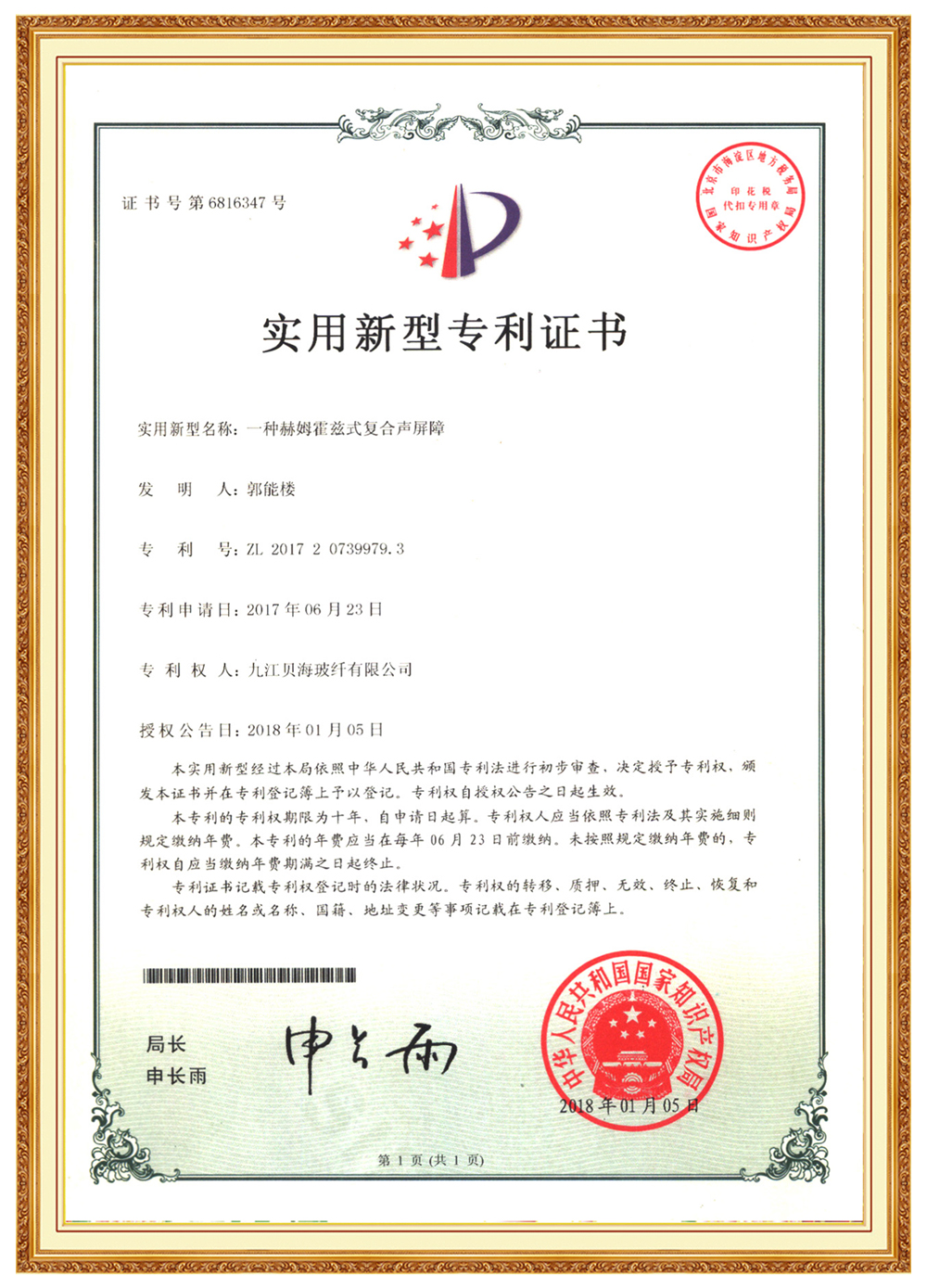
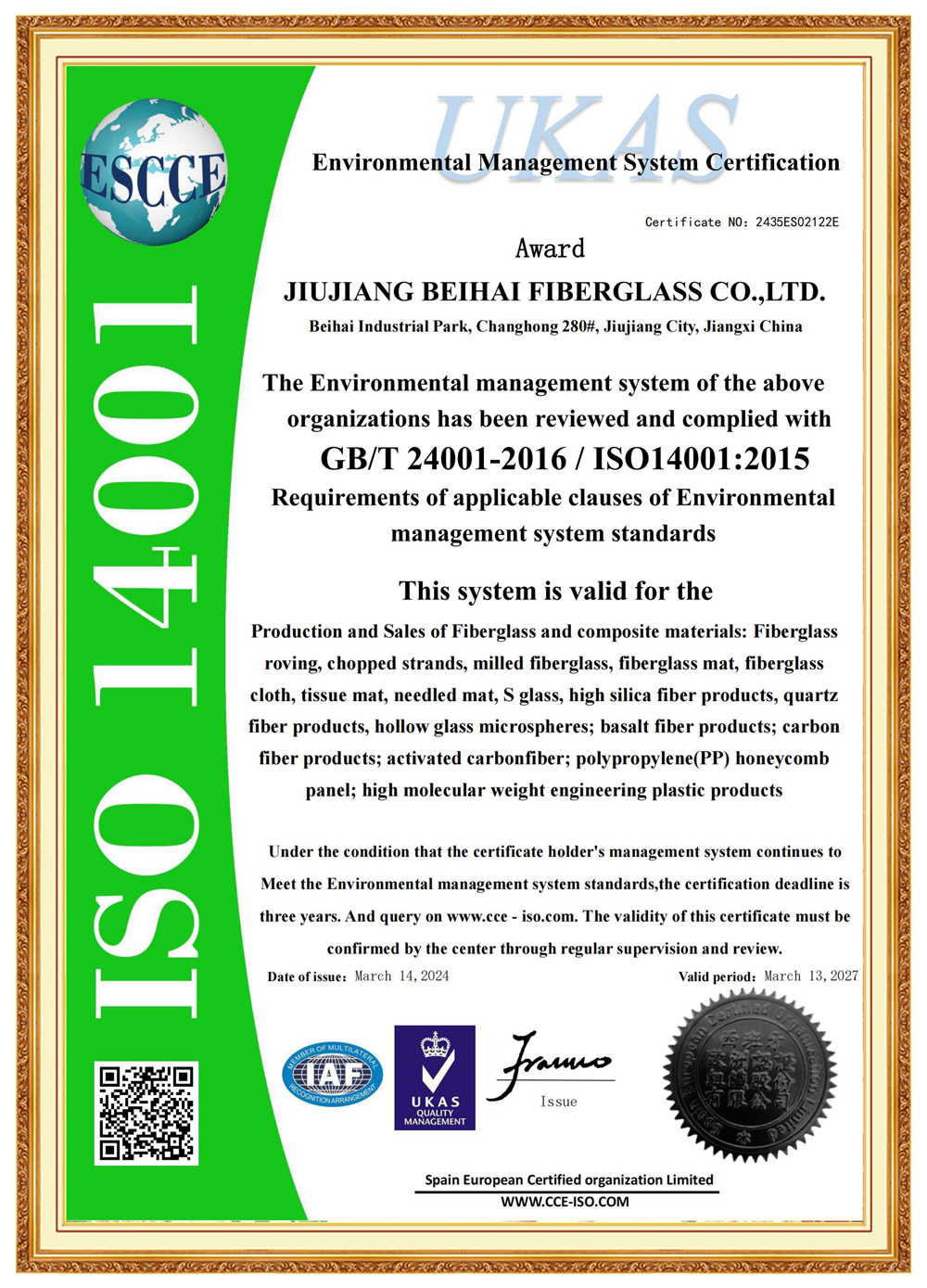
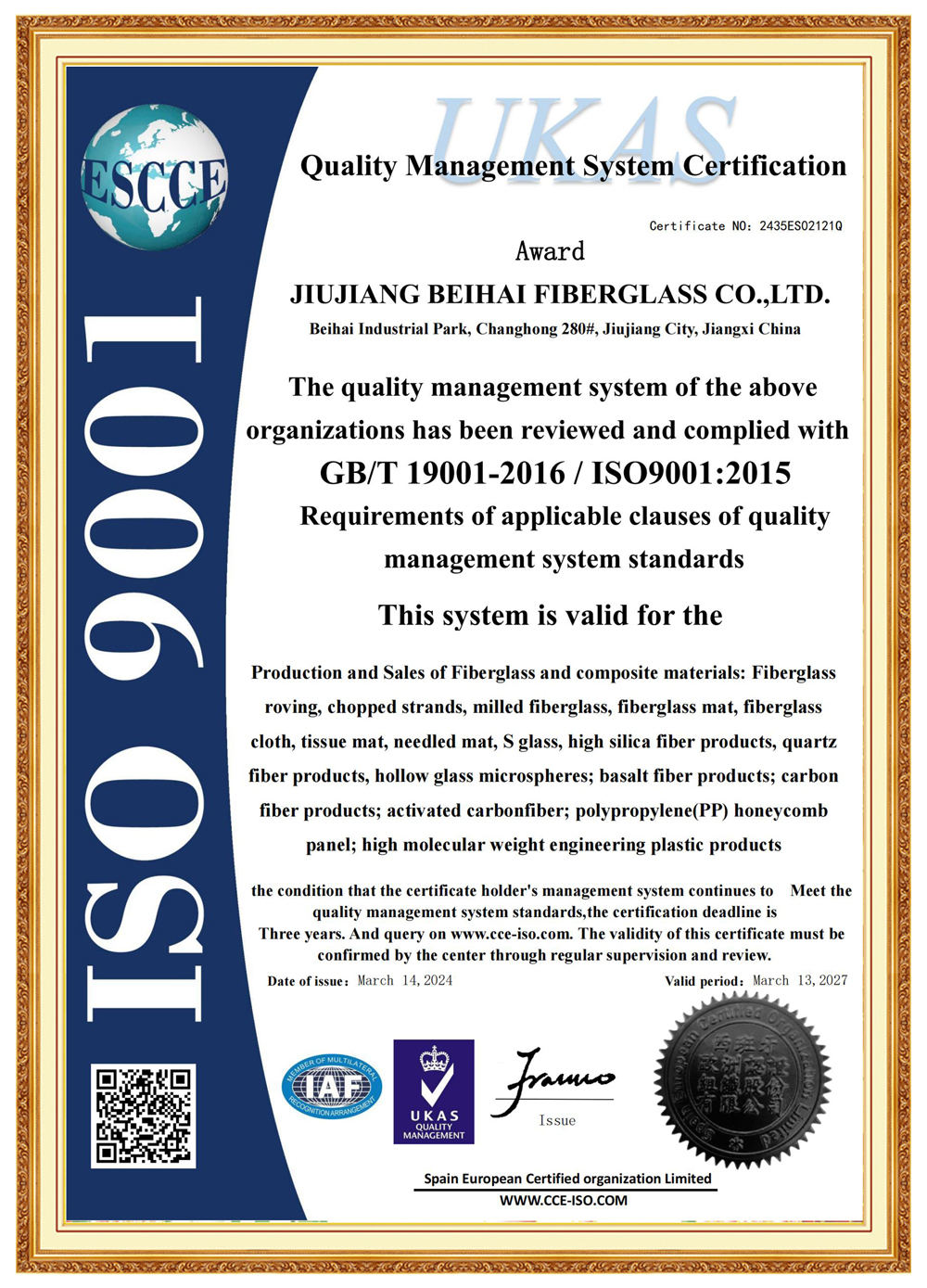
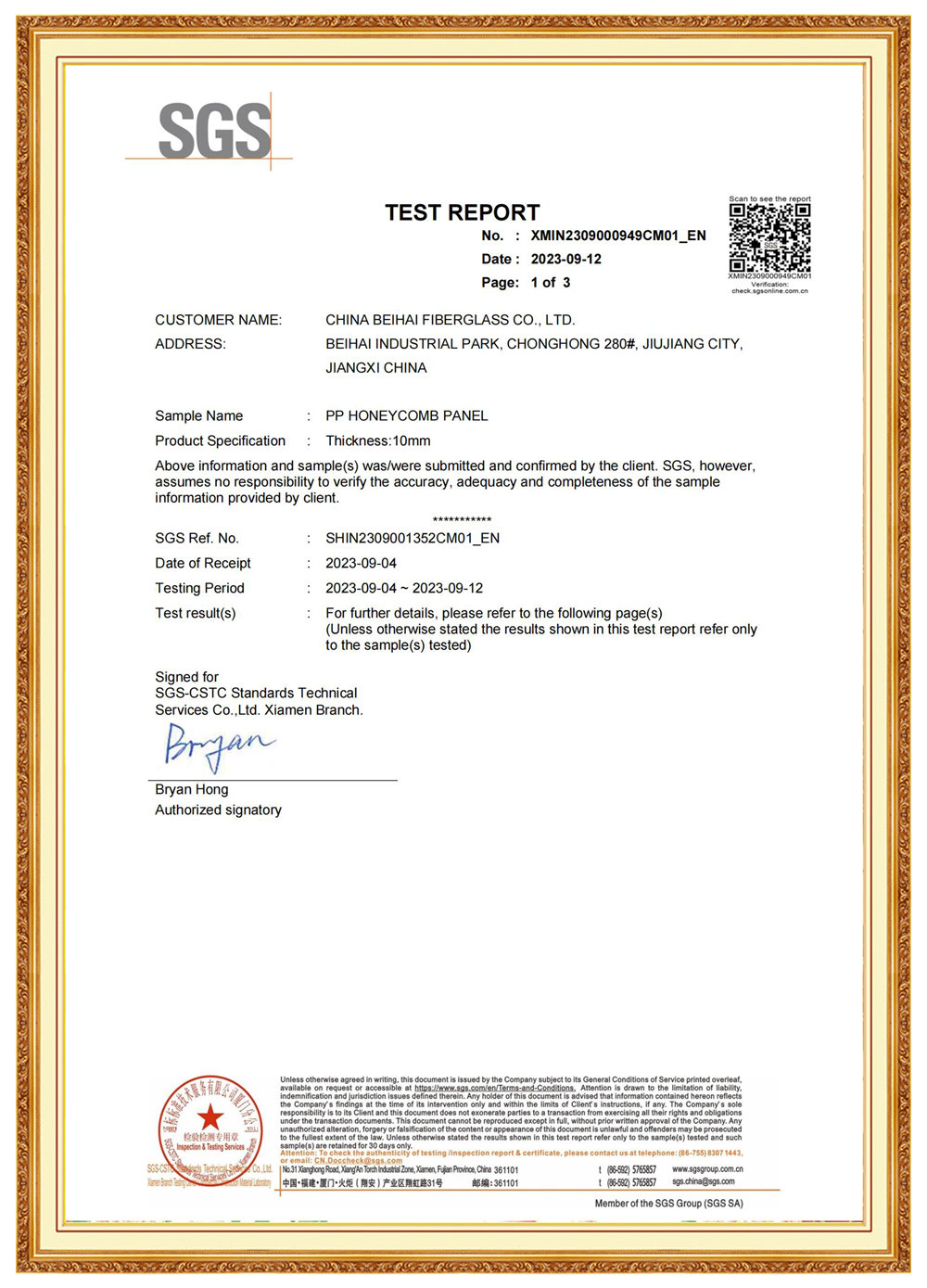
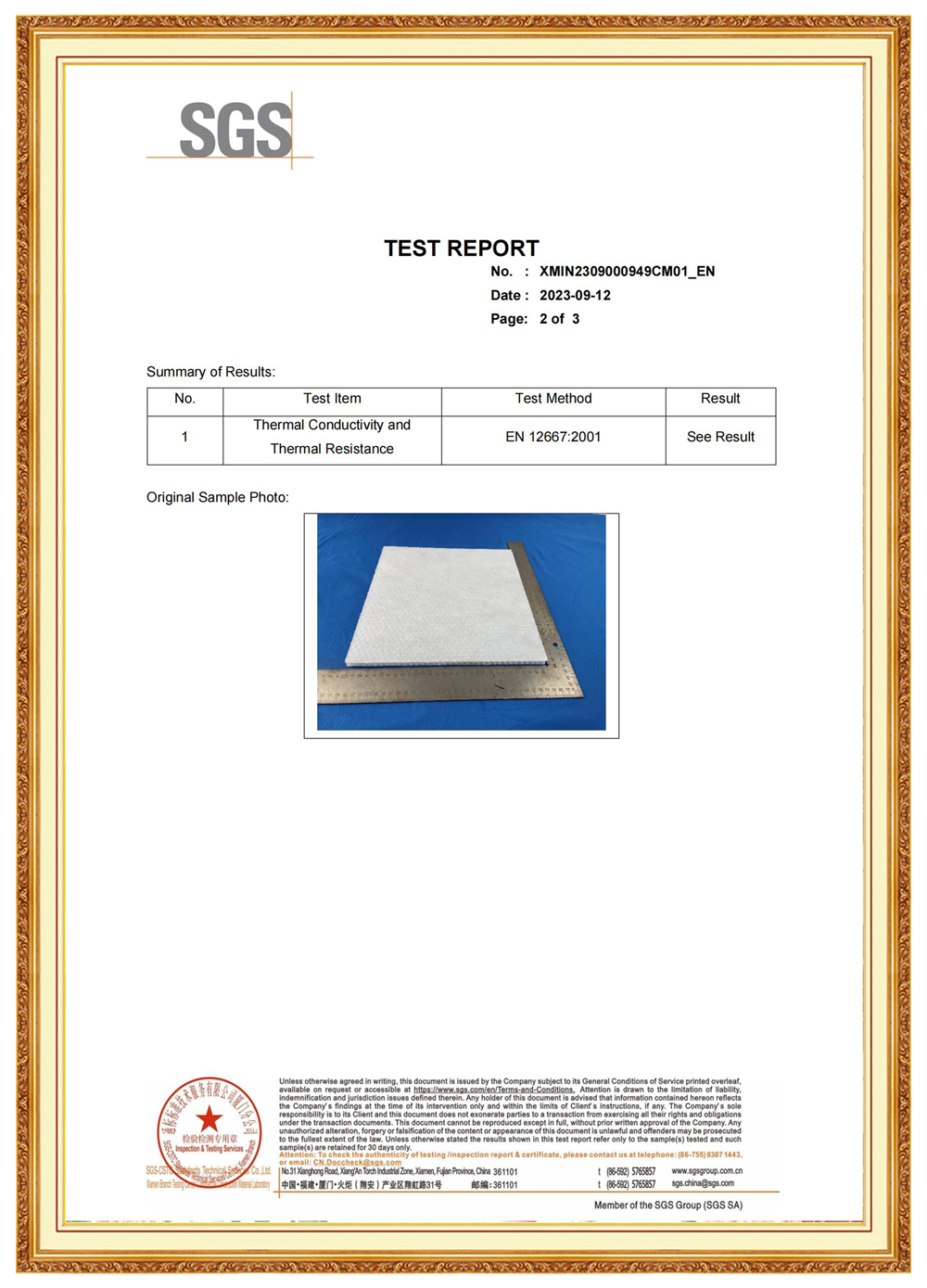
Navigating global building regulations requires absolute, verified material documentation. At China Beihai, our products undergo meticulous testing by accredited third-party laboratories to assure performance reliability before export.
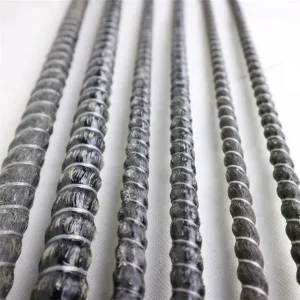
We supply full batch trace certificates matching key international criteria, including ASTM D792 (density), ASTM D3039 (tensile strength), ASTM D7205 (basalt rebar), and strict European EN fire classifications. Furthermore, our raw chemical matrices are fully compliant with RoHS and REACH protocols, confirming that zero heavy metals or harmful emissions are introduced to your projects.
Our localized support desks across North America, Europe, and the Middle East provide specialized structural assessments, on-site installation guides, and custom fiber formulation services to align precisely with your municipal fire and building safety codes.
Direct, data-driven answers addressing the core questions of structural designers, buyers, and builders.
Explore the bleeding edge of materials engineering utilizing Beihai Basalt Technology.

As unmanned aerial vehicles (UAVs) navigate challenging fire zones to trace active wildfires, and industrial heavy-duty robotics execute tasks with millimeter precision across high-heat factory lines, the efficient operation of this smart hardware is supported by a foundational materials breakthrough: basalt fiber composite housing.
By substituting standard carbon fiber shells with high-temperature basalt fabrics, robotic systems are insulated against extreme heat, electrical conductivity risks, and dynamic impact shocks. Our engineering teams in Jiangxi continuously innovate with advanced weaving structures, helping global partners integrate reliable basalt technologies into their cutting-edge automated hardware designs.
Unmatched tensile stability and environmental safety for high-stress bridge networks, marine projects, and structural fireproofing.
 Beihai Fiberglass