Explore our high-performance architectural meshes, corrosion-resistant tapes, and thermal basalt fiber reinforcement systems.
In the modern landscape of structural engineering, defense fabrication, and advanced thermodynamics, standard synthetic fibers are constantly tested by operating environments of extreme stress and chemical reactivity. Fireproof Basalt Fabric, forged directly from molten volcanic basalt rock at temperatures exceeding 1450°C, has emerged as a key advancement in engineering materials. Unlike carbon fiber, which is carbon-intensive, and fiberglass, which degrades in alkaline structures, continuous basalt fiber (BCF) offers a unique balance of thermal resistance, chemical inertness, high tensile strength, and environmental sustainability.
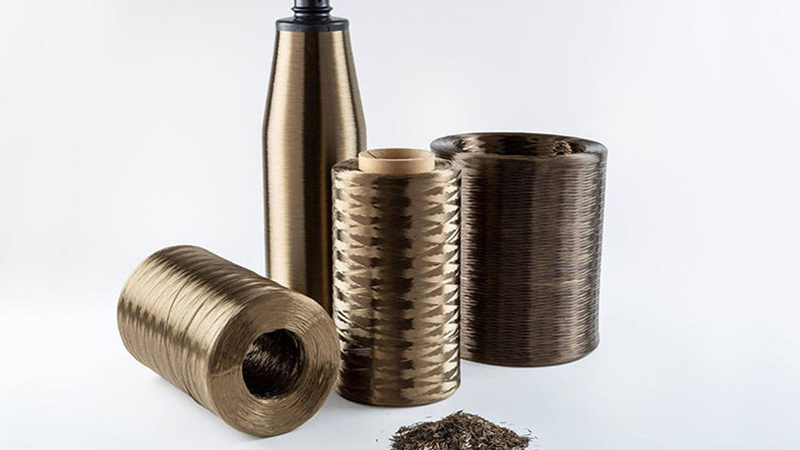
Underlying Physics of Basalt Continuous Fiber (BCF): Basalt is an igneous rock formed from the rapid cooling of magnesium-rich and iron-rich lava. When extruded through platinum-rhodium alloy bushing tips, it yields single-ingredient amorphous continuous filaments. The resulting fabric inherits the thermal, mechanical, and chemical properties of natural volcanic basalt, making it a reliable barrier against extreme fire and corrosion.
The global demand for high-performance fireproof fabrics is growing, driven by stricter fire safety regulations and environmental mandates. In North America and the European Union, standard materials like carbon and aramid fibers are facing supply limitations and high carbon footprints. Basalt fabric offers a reliable alternative, particularly in civil engineering, automotive insulation, and marine fire barriers. The market is shifting from simple fire-resistant materials to structural materials that provide high-strength reinforcement while remaining completely inert during thermal stress, preventing the release of toxic outgassing products typical of organic resins.
Founded in 2015 and located in the industrial corridor of Jiujiang, Jiangxi Province, China Beihai has grown to become a leading high-tech enterprise focusing on high-performance basalt continuous fiber. Our facility integrates raw material selection, digital melting tank technologies, and automated weaving looms into a single, cohesive workflow.
Our competitive advantage centers on raw material purity and heat-control systems. By using basalt rock sourced from selected volcanic regions, we maintain stable chemical compositions in our melt. Our automated production line reduces filament defects, ensuring high tensile strength. This level of quality control allows China Beihai to produce large volumes of basalt fiber meshes, rovings, chopped strands, rebars, and specialty fireproof fabrics that meet stringent ASTM and EN certification standards.
Our localized supply chain in Jiangxi Province enables efficient manufacturing and global distribution. From direct roving draws to custom plain, twill, and biaxial weavings, China Beihai delivers custom technical solutions designed to meet the exact specifications of global tier-1 buyers.
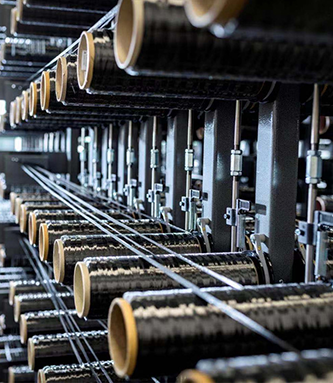
A trusted partner for high-performance basalt continuous fiber and technical composite solutions.

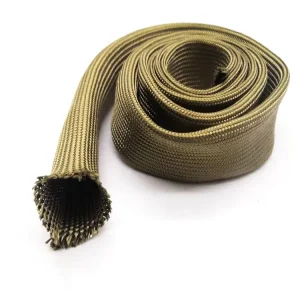
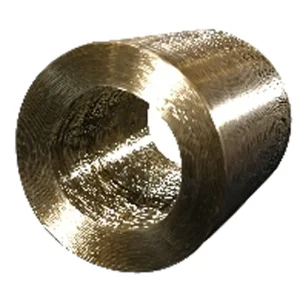
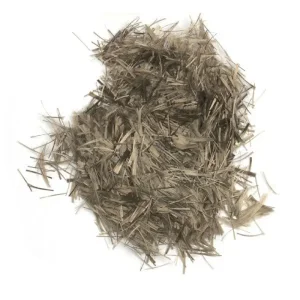
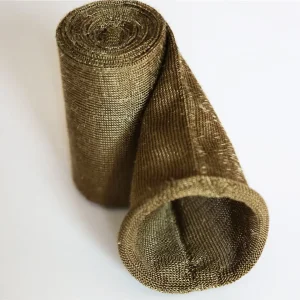
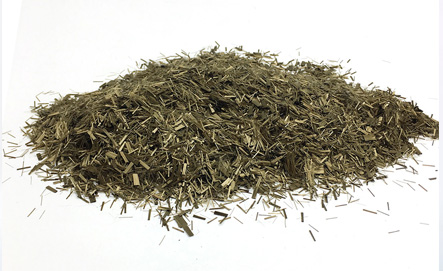
We specialize in the production of basalt fiber mats (including chopped strand mats and woven fabrics), basalt fiber roving, high-strength yarns, chopped strands, basalt rebar (4-30mm), sleeves, and high-temperature tapes. Our comprehensive catalog is engineered to support structural reinforcement, heat shield wrapping, and advanced composite fabrication across global industrial sectors.

At China Beihai Group, we turn volcanic basalt into high-performance materials for industries like geotechnical engineering, aerospace manufacturing, and civil construction. By utilizing automated drawing lines and customized sizing formulations, we deliver durable, eco-friendly products tailored to the challenging environmental conditions faced by our clients.

Partnering with China Beihai means collaborating with a vertically integrated manufacturer dedicated to quality, technical innovation, and reliable supply. We provide end-to-end quality assurance, competitive pricing frameworks, and expert engineering support to ensure your structural or thermal projects are executed with high-grade, certified basalt composites.
To help engineers and procurement directors make informed decisions, we have compiled a performance comparison matrix evaluating basalt fiber against standard E-glass and Carbon fiber reinforcement materials.
| Physical/Thermal Property | Continuous Basalt Fiber (BCF) | E-Glass Fiber | Carbon Fiber (Standard Pan) |
|---|---|---|---|
| Operating Temperature Range | -260°C to +820°C | -60°C to +650°C | Up to +500°C (Oxidizing Env.) |
| Tensile Strength (MPa) | 3000 - 4800 | 2000 - 3400 | 3500 - 6000 |
| Elastic Modulus (GPa) | 89 - 110 | 72 - 76 | 230 - 290 |
| Alkali Resistance (pH 12+ retention) | Excellent (High Chemical Stability) | Poor (Rapid degradation) | Excellent |
| Environmental Impact / Sustainability | Extremely Low (100% natural inert rock) | Medium (Synthetic chemical processing) | High (Energy-intensive carbonization) |
| Corrosion & UV Resistance | Immune to UV, high acid/alkali tolerance | Highly susceptible to chemical attack | Excellent resistance |
Basalt fiber is ideal for demanding engineering projects. Its high strength, corrosion resistance, and lightweight properties help solve structural and environmental challenges.
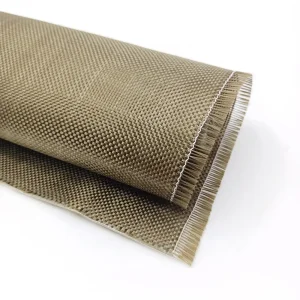
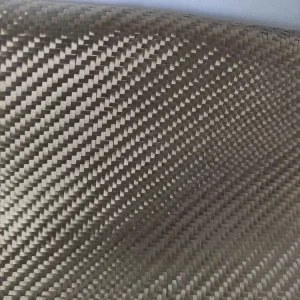
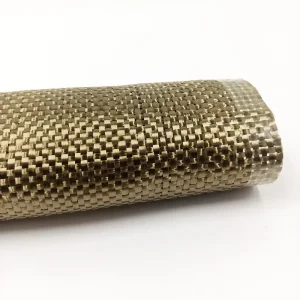
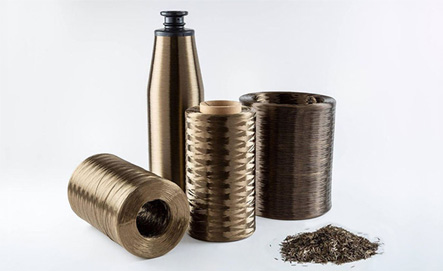
Continuous basalt roving is the foundation of our entire product family. Extruded as single-source strands, it exhibits high structural integrity and serves as the primary raw material for weaving plain, twill, and biaxial fabrics. These woven fabrics are widely used in fire shelters, aerospace heat insulation wrap, chemical pipeline lagging, and advanced resin-infused composite parts.
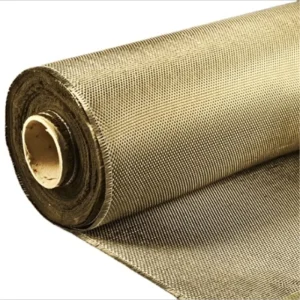
Our continuous basalt fiber fabrics are chemically inert, non-combustible, and retain their tensile properties across a wide temperature range, making them an excellent choice for demanding high-temperature environments.
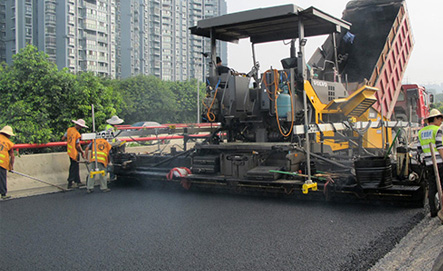
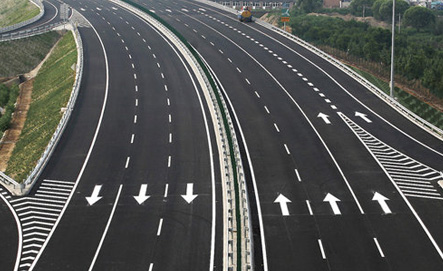
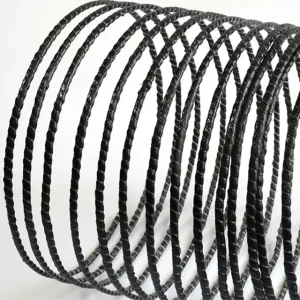
Basalt fiber rebar is a high-strength, lightweight, and corrosion-free alternative to traditional steel bars. It is widely used to reinforce concrete structures in civil engineering projects, including marine seawalls, bridge decks, and highway pavements. Its natural resistance to acids, alkalis, and chloride ions prevents internal rust and concrete spalling, significantly extending structural lifespans and reducing maintenance costs.
Our basalt rebar features a high-bond sand-coated or ribbed surface profile, ensuring excellent load transfer and structural integrity in demanding architectural and industrial projects.
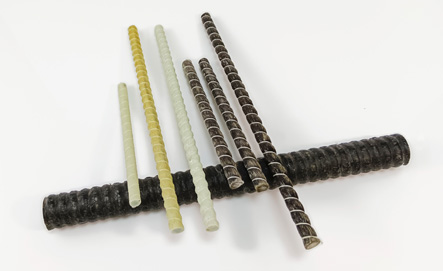
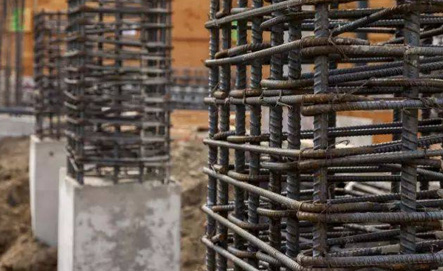
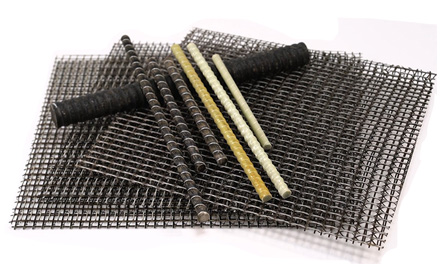
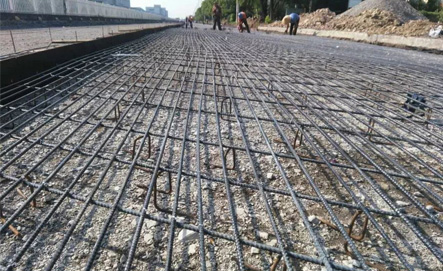
Engineered for high thermal resistance, concrete reinforcement, and chemical stability.
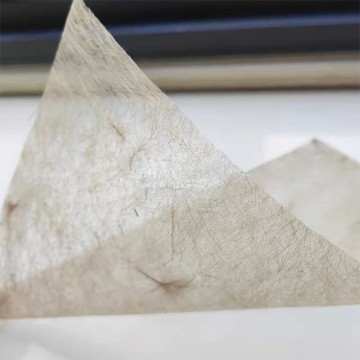
A non-woven thin sheet engineered to provide a smooth, resin-rich surface layer for fiber-reinforced plastic (FRP) structures.
Read More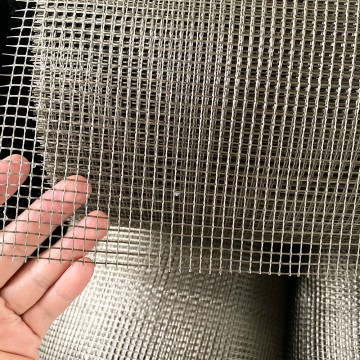
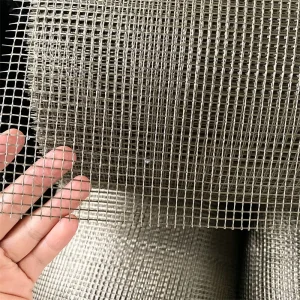
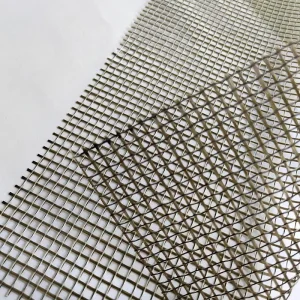
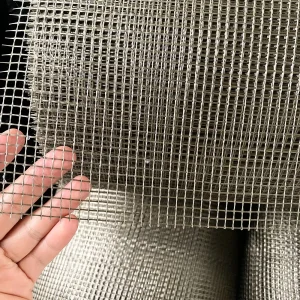
High-performance basalt fiber mesh provides structural reinforcement in concrete and plaster applications where high alkali resistance is required.
Read More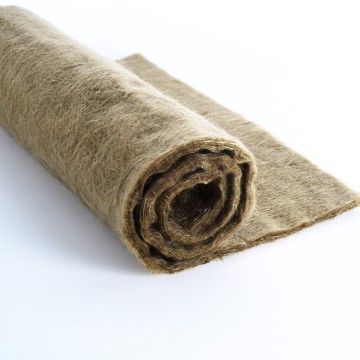
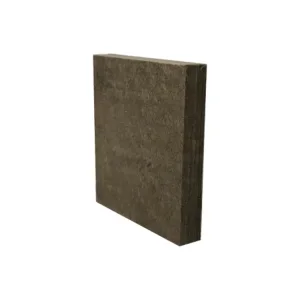
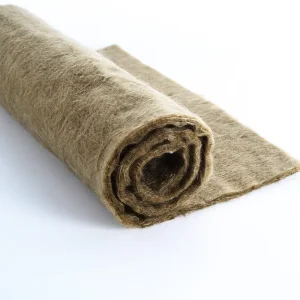
A high-density insulation material manufactured by mechanically bonding continuous basalt fibers without chemical binders.
Read More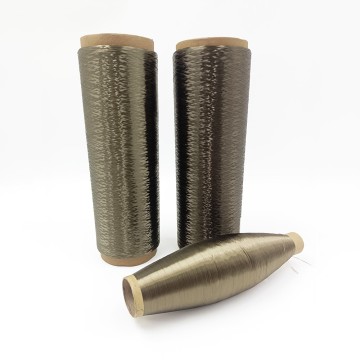
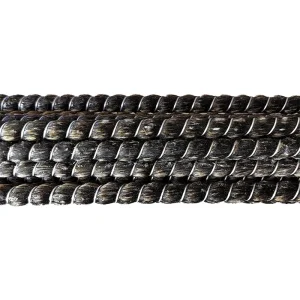
Engineered by twisting multiple continuous filaments to enhance mechanical strength and processing stability for braiding and weaving.
Read MoreFrom deep-sea marine platforms to high-temperature automotive heat shields, basalt continuous fiber delivers reliable, long-lasting performance.

Provides structural reinforcement in wall insulation systems, plaster coatings, and high-load architectural frameworks.

Used to fabricate lightweight, high-temperature composite aircraft interior panels and engine heat barriers.

Applied in thermal protection systems, spacecraft shell insulation layers, and high-temperature engine components.

Reinforces marine seawalls, bridge decks, and highway pavements with corrosion-resistant, high-bond basalt rebar.

High-density basalt needle felts are used for thermal management in exhaust systems and vehicle soundproofing panels.

Protects concrete bridge substructures from ship impacts, environmental weathering, and chemical erosion.

Excellent chemical resistance provides durable corrosion protection for underground storage tanks and pipelines.

Used to construct marine engine fire walls, deck insulations, and offshore structure composites.
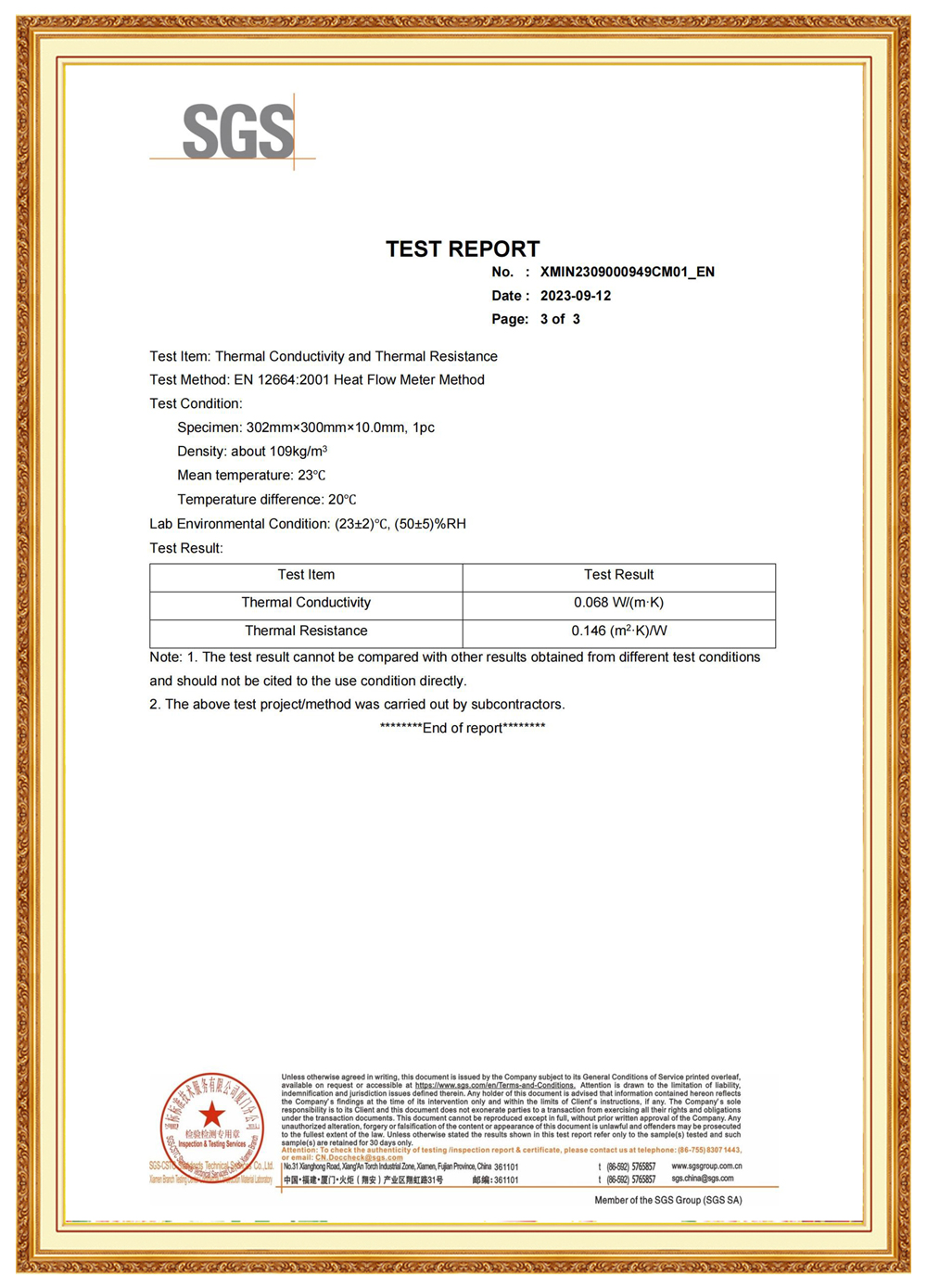
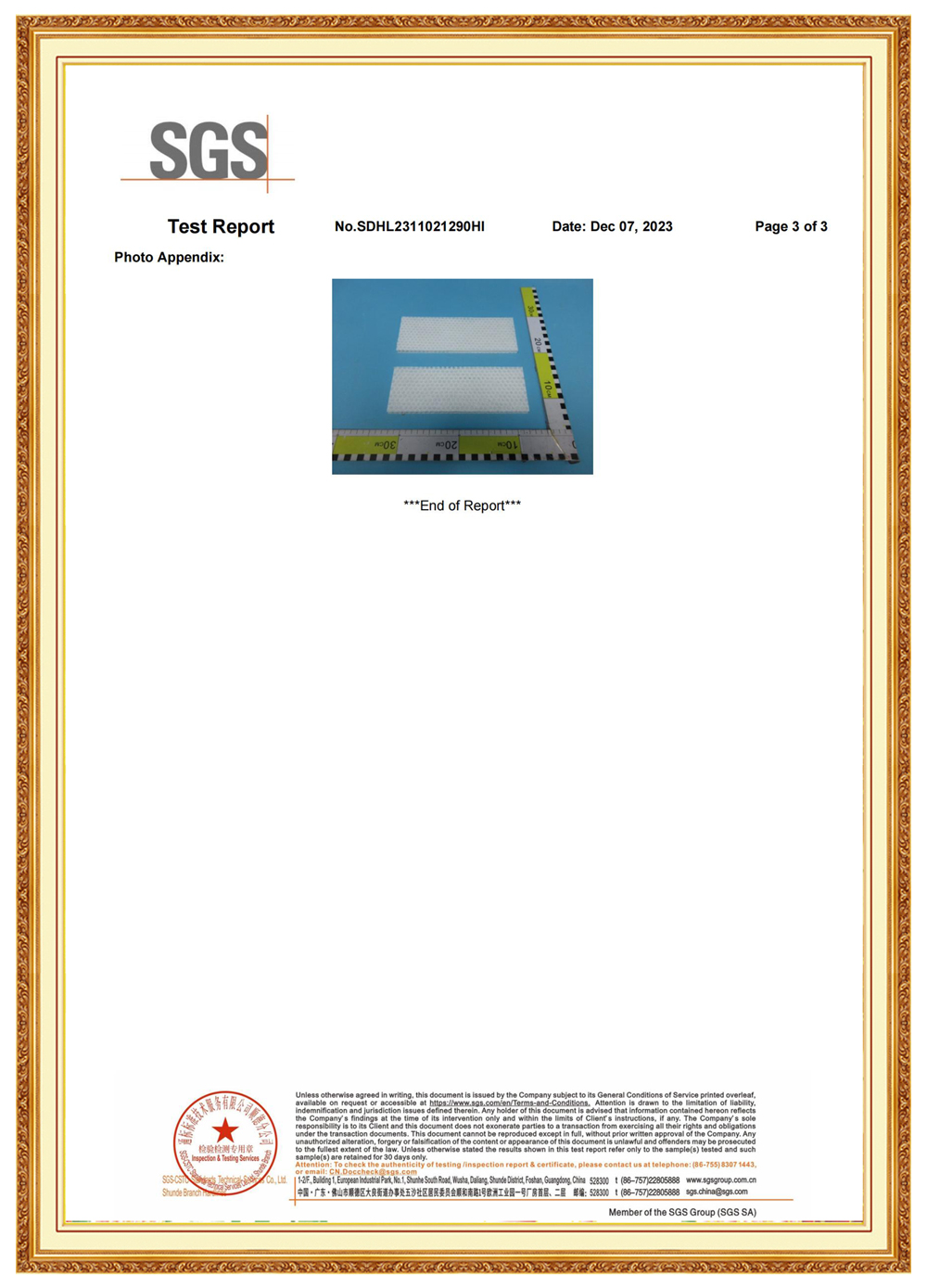
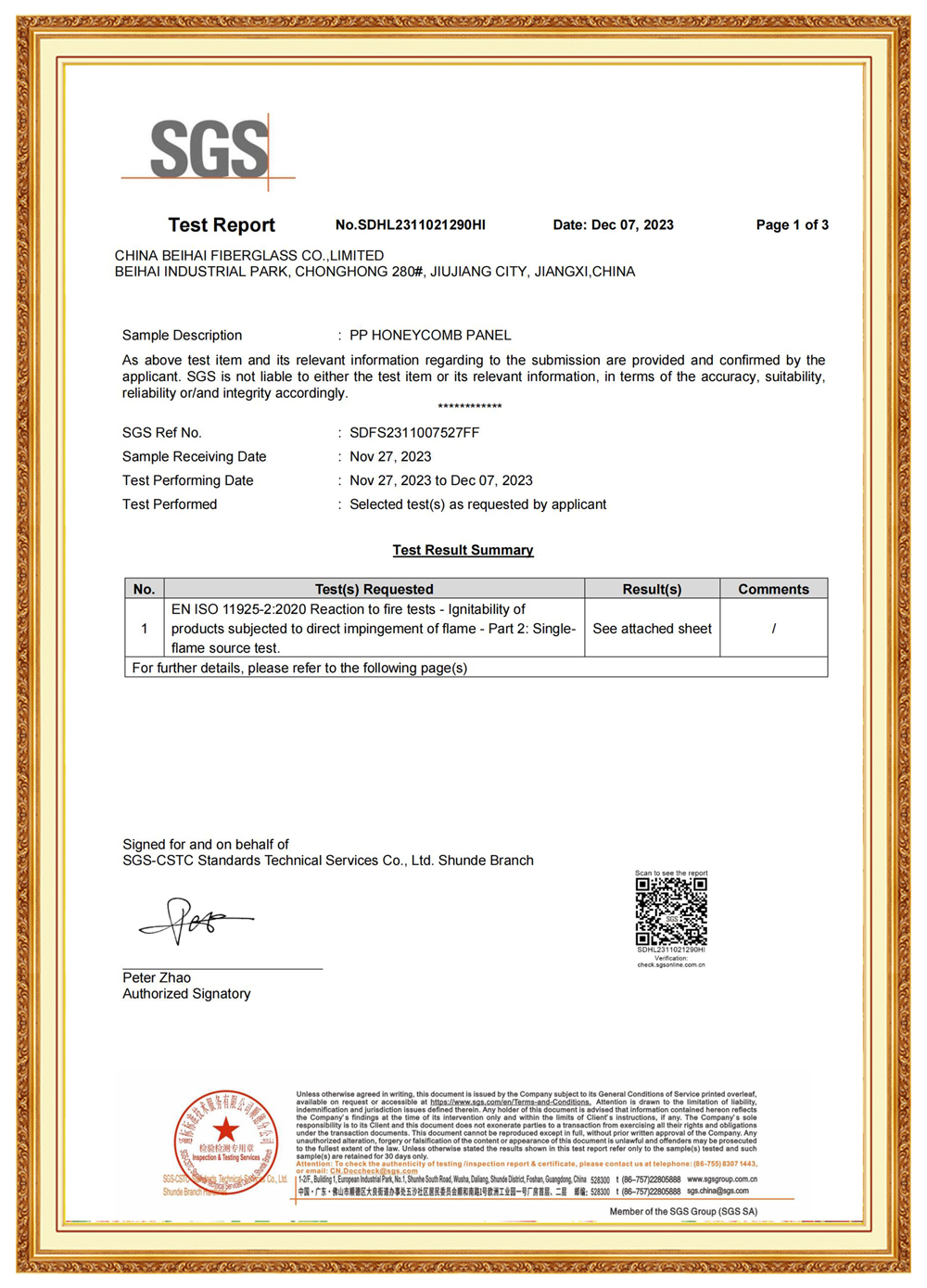
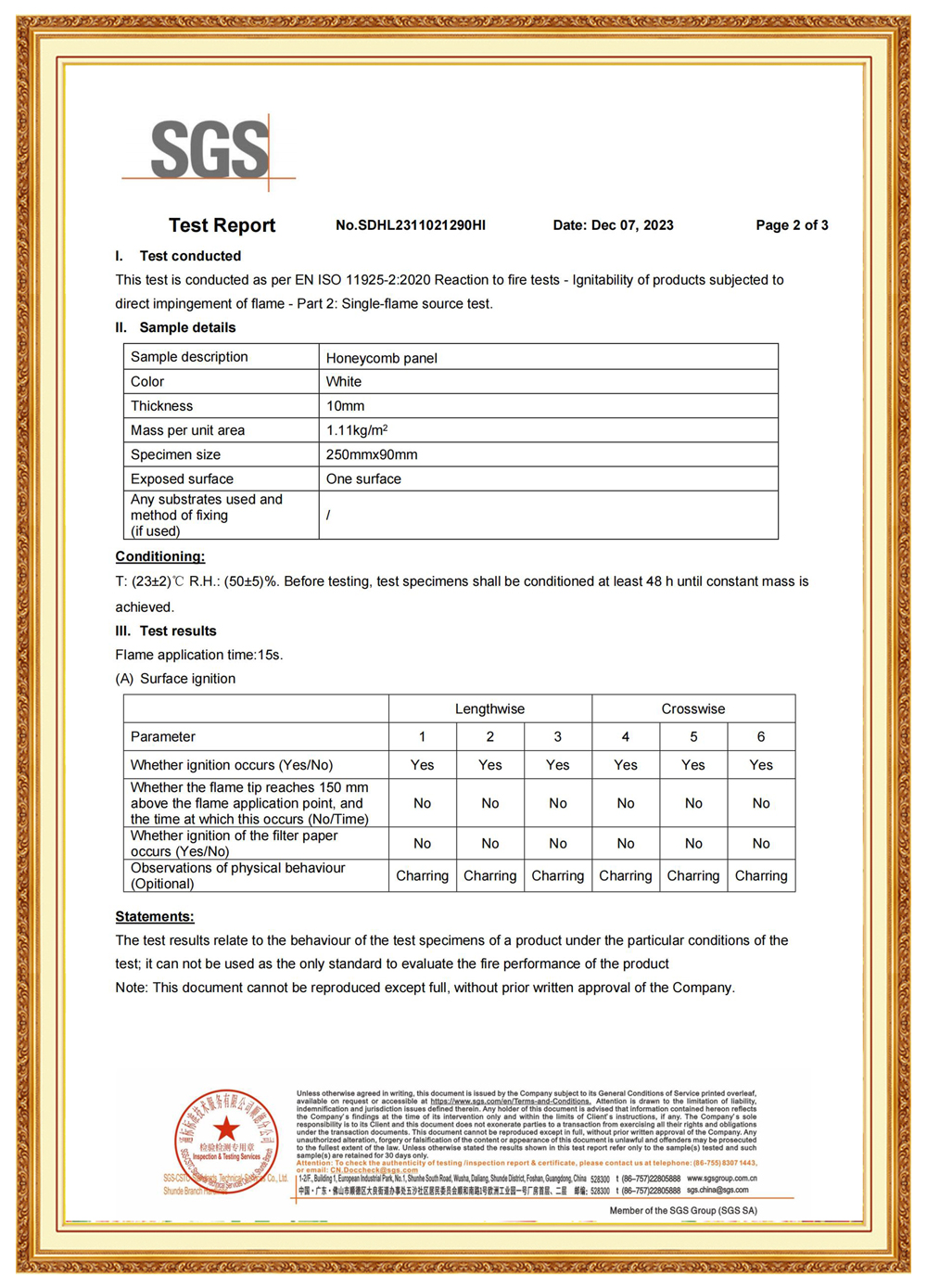
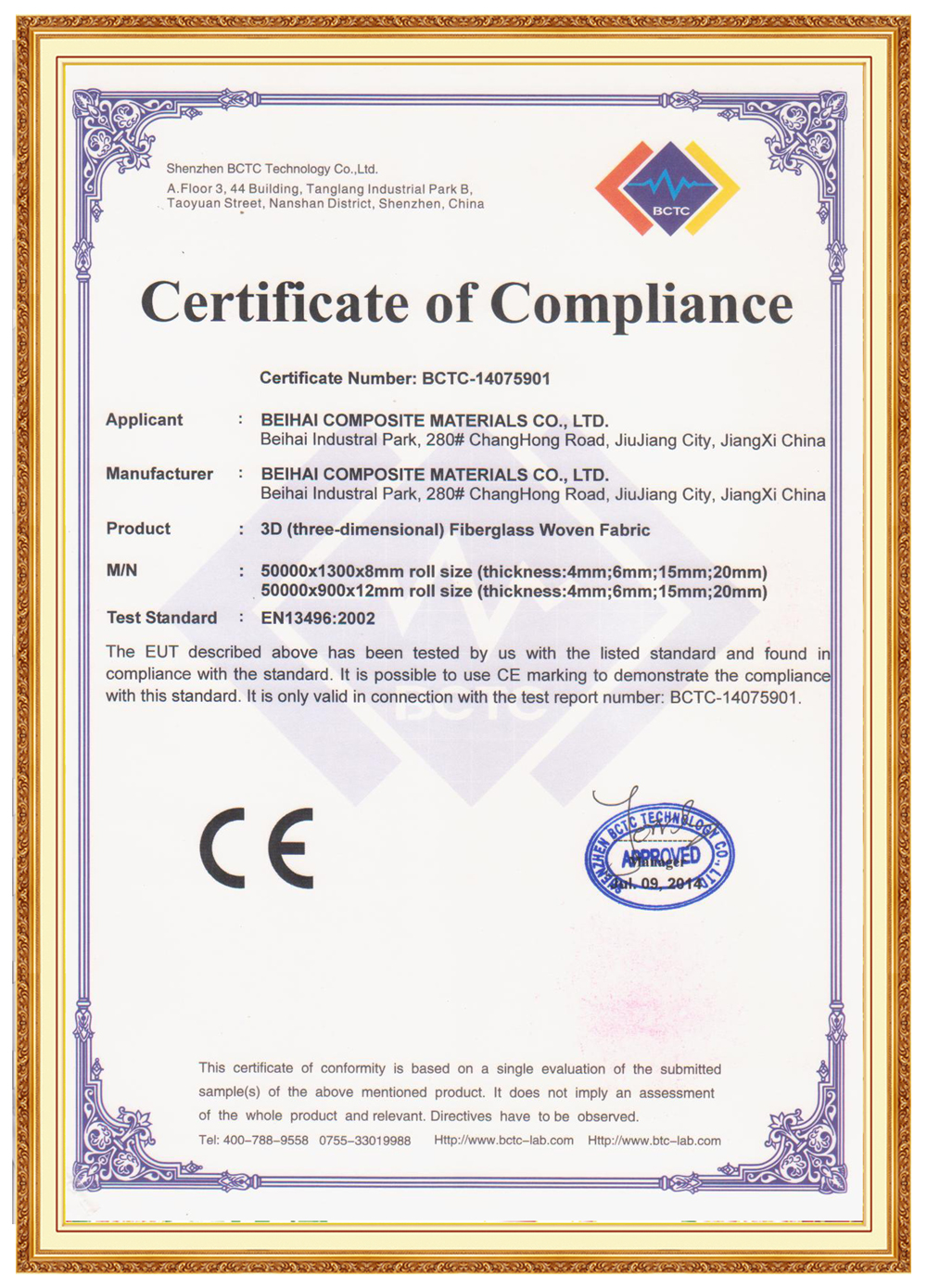
Our manufacturing and quality control systems are certified to meet international structural and safety standards.
Stay informed about emerging technologies, regulatory updates, and new applications for basalt fiber composites.

As advanced drones monitor remote environments and high-precision robots automate industrial production, the demand for lightweight, high-strength structural materials is growing. Continuous basalt fiber composites provide a strong, durable, and temperature-resistant material solution for modern industrial systems.
 Published by China Beihai Group Research & Development Lab
Common technical questions answered by China Beihai's engineering and design support teams.
Our custom fireproof basalt continuous fiber fabrics maintain stable performance in operating temperatures from -260°C to +820°C. The raw filament has a sintering/melting point of approximately 1450°C, providing robust thermal protection compared to standard fiberglass or aramid products.
Basalt rebar is significantly lighter than steel, weighing approximately one-fourth as much, while offering higher tensile strength. Because it is completely rust-free and resistant to acids and alkalis, it is an excellent alternative to epoxy-coated steel in marine civil engineering, preventing concrete spalling and extending the lifespan of infrastructure.
Yes. E-glass and standard fiberglass materials degrade quickly in the high-alkali environment of portland cement (pH 12 to 13.5). In contrast, China Beihai's custom-formulated basalt fiber mesh features special sizing chemistry that provides high alkali resistance, making it an excellent reinforcement for exterior wall plastering and concrete mixtures.
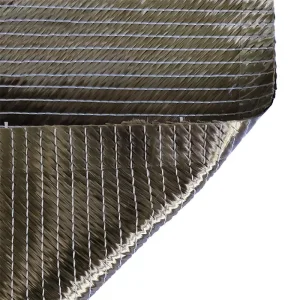
Yes, China Beihai Group offers custom solutions tailored to your project requirements. We can weave basalt fabrics in plain, twill, satin, or biaxial configurations (+45°/-45° and 0°/90°). Additionally, we can apply custom surface coatings, including vermiculite, silicone, and PTFE, to meet specific thermal and abrasive protection needs.
No. Continuous basalt fiber is an entirely inorganic material made from natural igneous rock, without synthetic chemicals or organic additives. As a result, it does not smoke, outgas, or release toxic chemicals when exposed to direct flames, ensuring safe occupant evacuation during industrial fires.
All our production is carried out under an ISO 9001:2015 certified quality management system. Our basalt fiber products are manufactured to meet ASTM, EN, and GB testing methodologies, ensuring reliable mechanical strength, fire safety compliance, and chemical resistance for critical applications.
Explore our high-performance fireproof fabrics, multi-axial reinforcement sheets, and acoustic needle felts.
Whether you require custom weaving configurations, special chemical sizing, or mass production of certified basalt meshes and rebars, China Beihai provides reliable manufacturing and supply solutions.
Contact Our Technical Sales Team Beihai Fiberglass