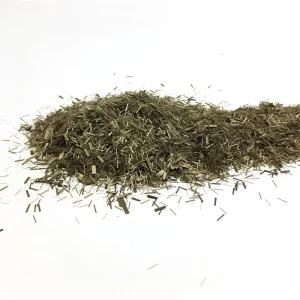
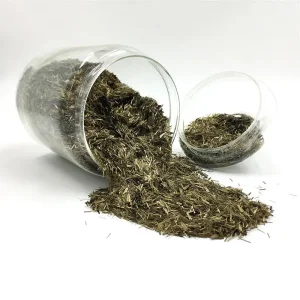
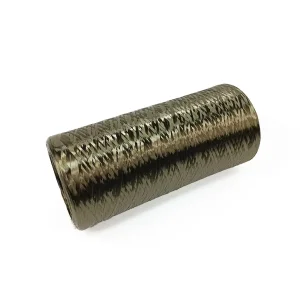
Continuous Basalt Fiber represents an elite paradigm shift in heavy industrial material selection. Unlike synthetic carbon materials or fragile E-glass structures, basalt fiber is drawn directly from 100% natural, single-component volcanic rock melts without chemical additives. The resultant composite structural rovings boast exceptional tensile integrity, superior thermodynamic stability, and absolute immunity to aggressive chemical corrosion.
For modern civil infrastructure, high-stress pultruded rebars, petrochemical pipelines, and advanced thermal insulations, high-strength basalt roving acts as a highly resilient replacement for structural steel and traditional reinforcing matrices. By optimizing structural life-cycles, minimizing systemic maintenance profiles, and ensuring massive mechanical reliability, basalt composites are actively defining the clean-tech era of global industrial manufacturing.
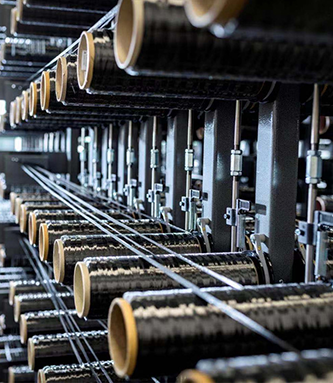
Founded in 2015 in the industrial technology center of Jiujiang, Jiangxi Province, China Beihai has grown into a world-class high-tech enterprise focusing on the R&D, processing, custom configuration, and mass-scale production of high-performance basalt continuous fibers. We are not just a supplier; we design, build, and optimize specialized basalt continuous fiber drawing furnaces, standing as a premier industry pioneer globally.
Our Jiangxi manufacturing facility maintains state-of-the-art platinum-rhodium alloy bushing plates and gas-electric hybrid melting furnaces, generating top-tier continuous filaments that meet rigorous global parameters. Through our dedication to excellence, sustainable engineering, and strict ISO quality regimes, we serve high-tech clients across six continents, supplying bulk-weight roving and custom composite products designed for extreme applications.
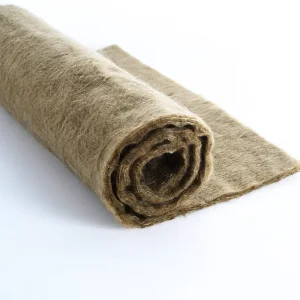
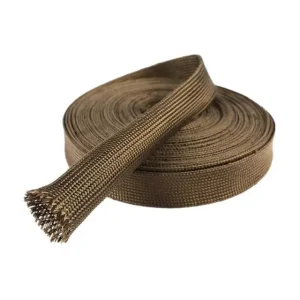
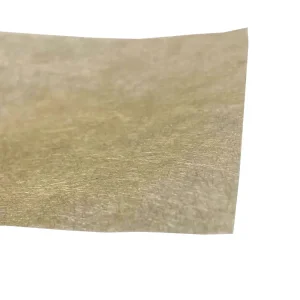
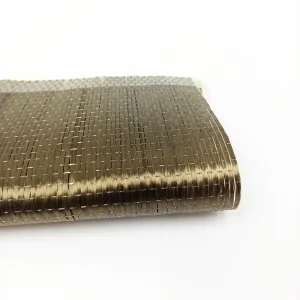
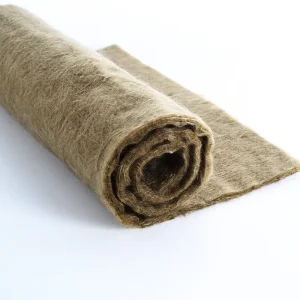
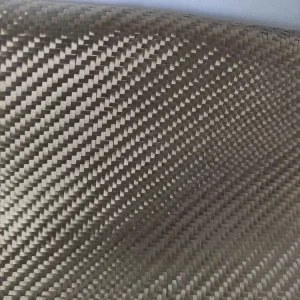
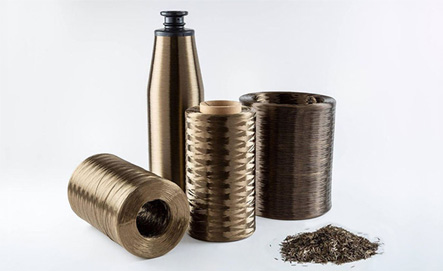
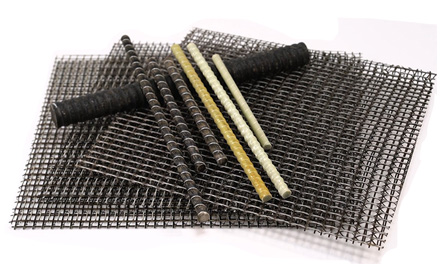
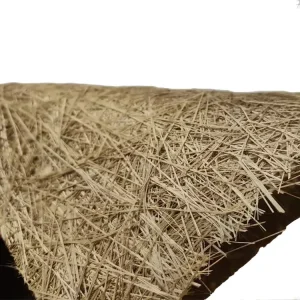
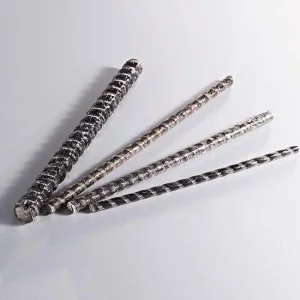
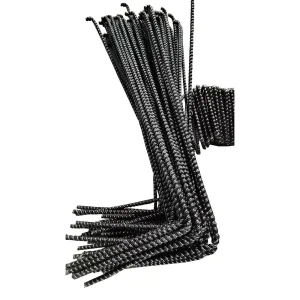
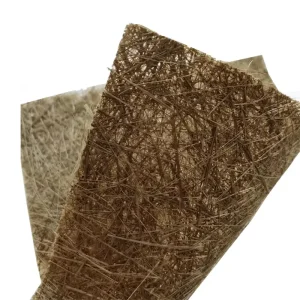
Explore Basalt Roving RangeWe provide a comprehensive, vertically integrated selection of basalt continuous fiber products. From raw assembled roving and direct sizing-treated continuous yarns to structural basalt reinforcement rebars, high-density needled mats, thermal protection tissue wraps, braided protective sleeves, and high-tensile unidirectional woven fabrics.
At China Beihai Group, we utilize customized thermal smelting technology to melt high-grade natural basalt rock at 1450°C. By precisely pulling micro-filaments through alloy bushing systems, we deliver environmentally neutral, non-combustible material composites engineered to support demanding infrastructural, municipal, and geotechnical systems.
Choosing China Beihai translates to collaborating with an industry-certified machinery manufacturer and direct fiber drawer. We offer highly competitive custom tailoring on chemical sizing agents, spool weight variations, filament diameters (9µm to 22µm), and custom surface treatments, backed by real-time mechanical data and rigorous quality assurance.
Our high-strength basalt direct & assembled rovings are designed to excel under extreme mechanical and thermal environments. The table below represents standard testing properties and parameters compared to standard glass materials.
To optimize adhesion with resin matrices, China Beihai applies engineered chemical sizing. Direct rovings meant for pultrusion are treated with epoxy-compatible silane sizing, ensuring a flawless interfacial shear strength (IFSS). Direct formulations are also customized for polyester, vinyl ester, phenolic, and thermoplastic polyurethanes, securing optimal wetting speeds and minimizing mechanical fuzzing.
Jiangxi Province and adjacent regions boast rich, uniform volcanic mineral deposits. This local mineral reserve ensures consistent igneous rock profiles, exhibiting minimal variance in vital oxides (SiO₂, Al₂O₃, Fe₂O₃, FeO, CaO, MgO). This chemical stability guarantees stable raw feedstocks, yielding continuous fibers with high uniform structural properties.
Continuous basalt drawing is highly energy-intensive, requiring steady thermal operations. Our strategic industrial location in Jiujiang allows us to leverage natural gas grids alongside advanced electrical boost technologies. This integrated energy approach lowers unit cost while maintaining precise temperature control, reducing the carbon footprint of production.
Positioned along the Yangtze River corridors, Jiujiang serves as a major trade intersection. This high-efficiency infrastructure enables seamless inland container shipments directly to coastal deep-water ports (such as Shanghai and Ningbo), drastically cutting international freight fees, customs delays, and securing safe transit for large orders.
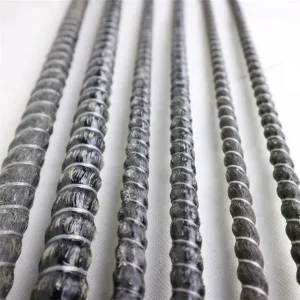
High-strength basalt direct roving is extensively used to pultrude non-magnetic basalt rebar. It serves as an immune, rust-free reinforcing alternative to steel within concrete subjected to marine spray, de-icing salts, and high-voltage magnetic fields.
Basalt fiber fabrics and custom reinforcement wraps protect bridge piers against physical vessel impact, dynamic current stress, and corrosive chemical attack. Unlike steel, it exhibits no internal volume expansion or rust-induced spalling.
In high-velocity aeronautics, basalt continuous filament provides high thermal shielding and mechanical resistance. Aerospace engineers use basalt wraps to protect engine compartments, wing panels, and internal cargo lines from heat and flame spread.
Due to its high resistance to acids and hydrocarbons, basalt filament-wound tubing is ideal for oil and gas flowlines, wastewater treatment, and offshore processing stations, eliminating typical scale build-ups.
From an ecological and carbon lifecycle footprint perspective, high-strength basalt roving is a highly sustainable high-performance composite fiber. E-glass and carbon fiber manufacturing systems consume large amounts of industrial energy and release volatile chemical emissions during synthesis.
Basalt continuous drawing is a clean process. The single-ingredient basalt rock is placed directly into a specialized gas-electric furnace. No chemical solvents, strong acids, or complex reagents are used to refine the melt. Consequently, the carbon footprint of basalt fiber is up to 80% lower than equivalent carbon fiber systems and significantly below standard fiberglass.
Additionally, basalt fiber products are 100% inert and safe for disposal, posing no hazardous dust risks during grinding or sawing. They meet the strict environmental compliance standards required by green building initiatives globally.
Large infrastructure developers and compounders require highly consistent supply lines and rigid specification compliance. China Beihai Group ensures seamless procurement through dedicated engineering and supply-chain protocols:
We support custom Tex weights ranging from 300 Tex to 4800 Tex, allowing buyers to optimize winding speeds, pultrusion rates, and surface wetting. Filament diameters can be customized to prevent micro-shear stresses in critical components.
Every shipment is backed by batch-tested compliance data, including tensile testing, alkali resistance verification, moisture absorption analysis, and spool mass checks. We follow global standards like ASTM, ISO, and GB/T.
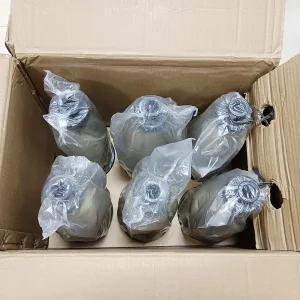
Moisture ingress is the primary cause of fiber sizing degradation. China Beihai employs vacuum-sealed barrier packaging, heavy-duty seaworthy pallets, and robust outer boxes to ensure products arrive in pristine condition.
High-strength basalt direct roving delivers a tensile strength between 3000 to 4800 MPa, representing a 15% to 30% performance advantage over standard E-glass fibers. It also provides a higher elastic modulus (85 to 110 GPa), offering superior structural stiffness under load.
Yes. China Beihai applies custom chemical sizing formulations (typically silane coupling agents) during the high-speed filament winding process. We customize spools to work seamlessly with epoxy, vinyl ester, polyester, polyurethane, and phenolic resin systems.
Basalt fiber exhibits excellent resistance to alkalis. While standard glass fibers degrade rapidly in alkaline concrete environments (high pH), basalt direct roving maintains over 85% of its original strength, preventing long-term concrete failure.
With a continuous operating temperature limit of +820°C and a sintering threshold of 1050°C, basalt fiber offers high thermal performance. It is non-combustible and does not release toxic fumes, making it ideal for high-heat industrial insulation.
For standard specifications (e.g., 1200 Tex, 2400 Tex direct roving), our Jiujiang facility maintains consistent stock. Custom spools, tailored sizing, or special filament configurations generally have a production lead time of 15 to 25 days from contract finalization.
Partner with China Beihai Group. Get in touch with our technical sales division for custom Tex values, tailored silane coupling formulas, bulk pricing sheets, and immediate logistical routing.
Request Technical Integration Package Beihai Fiberglass