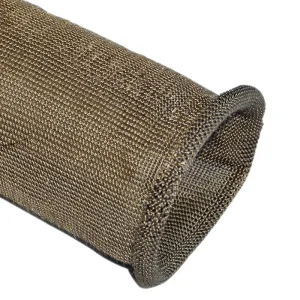
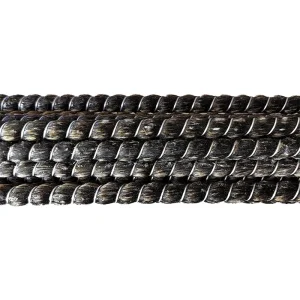
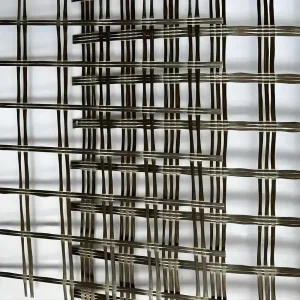
Explore the standard and highly customized product lines from China Beihai Group, formulated with proprietary silane-based sizing for maximized resin compatibility and mechanical yield.
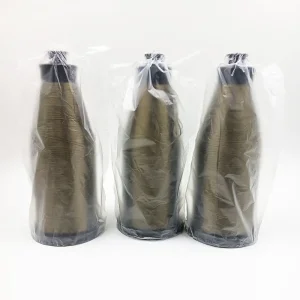
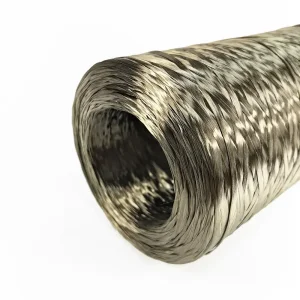
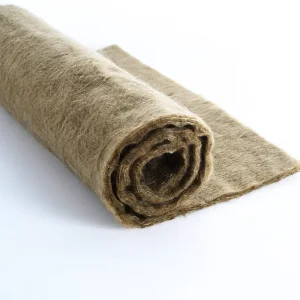
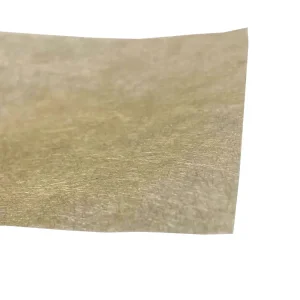
For modern structural designs demanding light-weighting and extended operating lifetimes under aggressive chemical and environmental exposure, traditional materials like structural steel and generic E-glass fiber are increasingly showing physical limits. Continuous Basalt Fiber (CBF) provides structural engineers and material scientists with an ultra-strong, naturally inert, green alternative. Unlike synthetic composite reinforcement matrices, basalt roving exhibits exceptional dimensional stability across temperatures ranging from -260°C to +820°C, with extremely low moisture absorption coefficients.
Key Semantic Concept: Custom Lightweight Basalt Roving exhibits superior high-modulus, high-frequency signal shielding properties, and chemical durability when integrated in thermosetting resin systems like epoxy, vinyl ester, or phenolic matrices.
To maximize Information Gain, we present standardized structural characteristics comparing continuous basalt roving against industrial structural fibers. These figures highlight why basalt delivers superior cost-to-performance outcomes.
| Mechanical & Physical Parameter | Lightweight Basalt Roving (China Beihai) | E-Glass Fiber Roving | Carbon Fiber Roving (Standard PAN) |
|---|---|---|---|
| Density (g/cm³) | 2.63 - 2.80 | 2.54 - 2.62 | 1.75 - 1.80 |
| Tensile Strength (MPa) | 3200 - 4500 | 2000 - 2400 | 3500 - 4800 |
| Elastic Modulus (GPa) | 85 - 95 | 72 - 76 | 230 - 240 |
| Elongation at Break (%) | 3.1 - 3.3 | 4.5 - 4.8 | 1.5 - 2.0 |
| Max Operating Temperature (°C) | +820 | +600 | +500 (in oxygen) |
| Alkali & Acid Resistance | Outstanding (Zero Hydrolysis) | Poor (High degradation) | High (But subject to galvanic corrosion) |
| Relative Sourcing Cost Index | Medium (Highly Competitive) | Low | Extremely High |
Founded in 2015 and strategically based in Jiujiang, Jiangxi Province, China Beihai Group utilizes fully proprietary furnace designs and advanced automated continuous drawing technology to process premium volcanic mineral basalt.
We consolidate the entire vertical workflow—from raw volcanic quarrying and sorting to high-tech furnace melt drawing and localized technical logistics—to support global buyers.
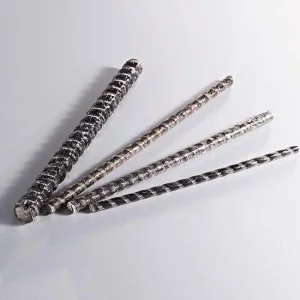
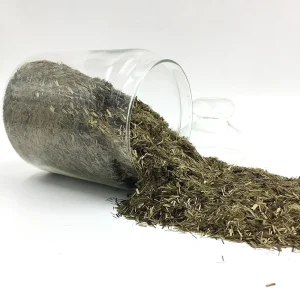
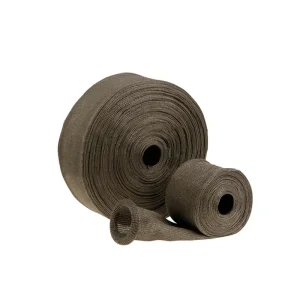
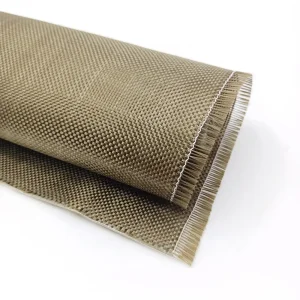
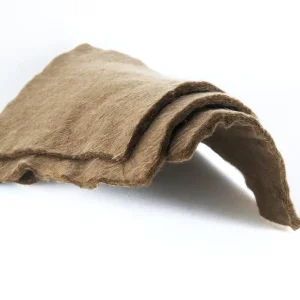
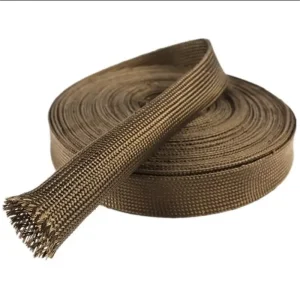
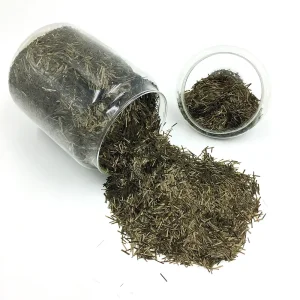
At China Beihai group, we specialize in the production of a wide range of products including basalt fiber mat (Basalt fiber chopped strand mat, Basalt fiber cloth), basalt fiber roving, basalt fiber yarn, basalt fiber chopped strands, and structural basalt fiber products (Basalt Fiber rebar, basalt fiber sleeves and tape). Our products are designed to meet the diverse needs of modern high-performance industries, providing reliable solutions for global engineering requirements.
We are dedicated to the manufacturing of structural, sustainable, basalt-derived products. By maintaining continuous control over thermal drawing processes, sizing formulations, and post-treatments, we provide civil engineering, aerospace, petrochemical, and automotive sectors with standard-compliant basalt composite materials. We partner with clients to customize continuous filaments ranging from 300 to 4800 Tex, tailored specifically for pultrusion, filament winding, weaving, or compounding lines.
Choosing to work with China Beihai means working with a leading manufacturer of basalt products. Our commitment to quality, innovation and sustainability sets us apart, ensuring our customers receive best-in-class solutions for their diverse needs. With guaranteed consistency, reliable logistics, and proactive customer satisfaction, we supply high-quality basalt materials and construction products backed by technical expertise. When you partner with China Beihai, you can trust that you are working with a reliable, forward-thinking partner and an optimized supplier for all your basalt fiber needs.
Continuous Basalt Fiber provides significant engineering utility across critical high-stress structural domains, outperforming traditional metals in harsh conditions.

Our basalt products have diverse applications in house construction, seismic retrofitting, wall plastering mesh, and lightweight insulating panels, extending overall building design lifespans.

In the aerospace field, basalt fibers are ideal for manufacturing aircraft cabin interior components, non-structural wings, radomes, and engine compartment thermal-acoustic barriers.

Through fine process control and surface treatment technologies, Beihai produces basalt fibers used in spacecraft shell reinforcement, heat shielding, and high-temperature engine gaskets.

Basalt-added concrete offers key advantages in engineering projects, including increased crack propagation resistance, improved workability, and robust performance under freeze-thaw cycles.

Addressing automotive light-weighting goals, Beihai works closely with component developers to apply basalt composites in brake pads, exhaust mufflers, CNG fuel cylinders, and underbody shields.

Basalt's mechanical durability and anti-corrosive properties make it ideal for wrapping marine bridge abutments, shielding them from salt-water spray, dynamic wave action, and boat impacts.

The excellent chemical resistance of basalt roving prevents corrosion-related failures in underground chemical storage tanks, chemical pipelines, and refining scrubber towers.

For ship construction and harbor docks, basalt roving composite profiles provide high tensile strength without risk of corrosion, water ingress, or eco-toxic biocide leaching.
Global enterprise procurement relies on predictable logistics, cost stability, and strict quality verification. China Beihai Group ensures all three parameters are managed professionally.
China holds some of the world's most stable volcanic basalt mineral deposits. Our geological experts carefully analyze quarry chemical profiles (ensuring SiO₂ content of 48-52% and Al₂O₃ of 15-18%) to ensure optimal drawability and zero impurities.
Moving away from outdated crucible furnaces, China Beihai uses automated 100-nozzle multi-tip platinum-rhodium alloy bushings in electric pool kilns. This technology ensures uniform fiber diameter distribution (typically 9µm to 22µm) and excellent Tex consistency across large batches.
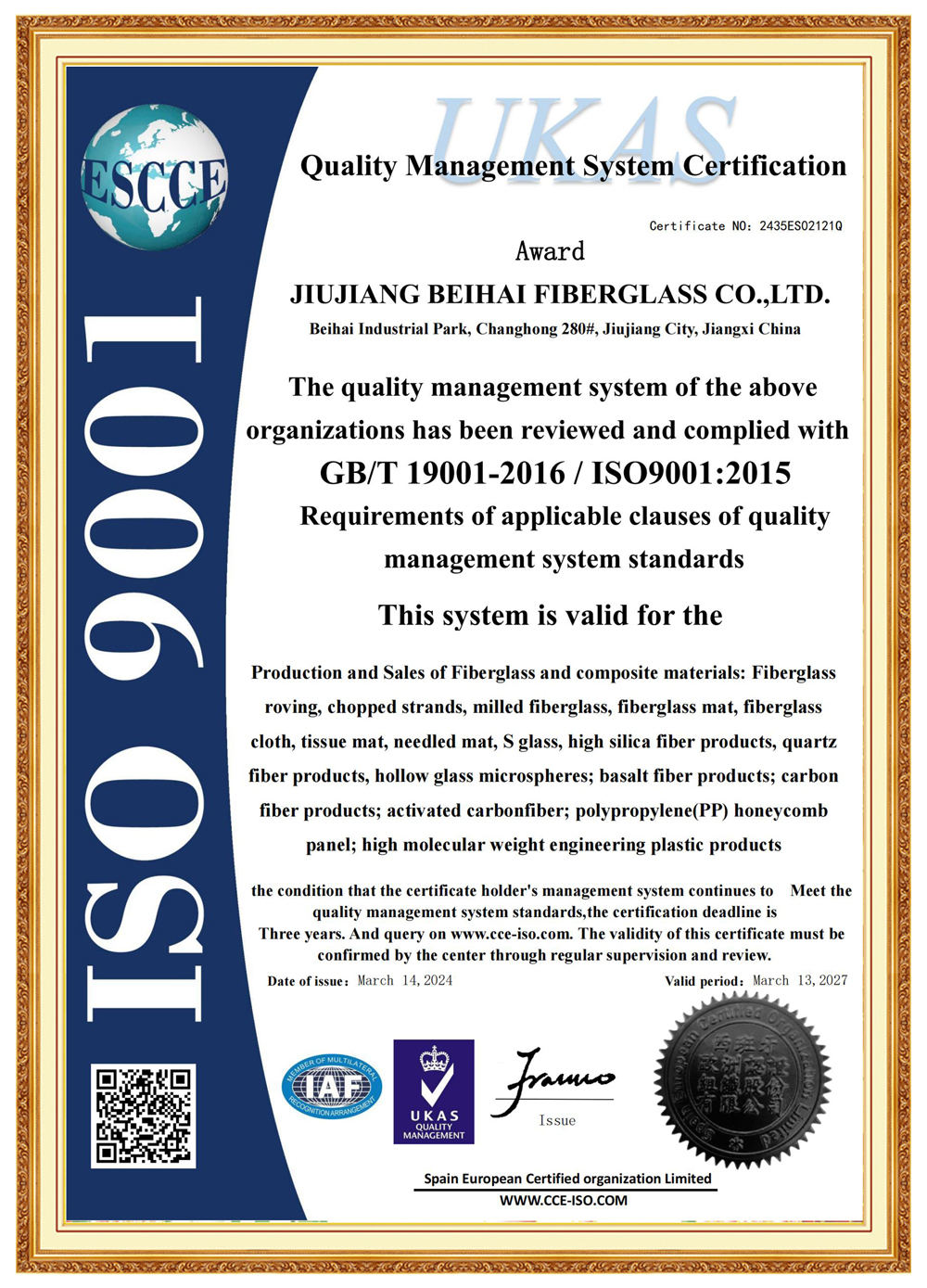
Our manufacturing and processing lines strictly comply with international standards. We maintain ISO 9001:2015 Quality Management Systems and provide full compliance documentation, including REACH and RoHS certifications for epoxy sizing.
When preparing corporate RFQs and examining basalt roving pricelists, global buyers should prioritize these critical technical parameters:
Standard structural basalt roving options typically range from 300 to 4800 Tex, with filament diameters between 13μm and 22μm. Selecting the correct diameter prevents fiber breakage during pultrusion and high-tension winding processes.
Sizing represents the silane finish applied to the fiber during drawing. The chemical formula must be matched to your matrix resin (e.g., epoxy-compatible sizing for structural rebars, or vinyl ester-optimized sizing for corrosive marine environments).
For high-integrity composites, ensure the moisture absorption coefficient of your basalt roving is under 0.1%. China Beihai seals all shipments in specialized moisture-barrier packaging to ensure dry arrival and immediate processing readiness.
As global carbon neutrality targets tighten, the demand for sustainable, high-performance structural reinforcement materials is accelerating. Continuous Basalt Fiber is moving to the center of composite design.
Traditional steel and concrete production account for substantial global carbon emissions. Basalt fiber rebar offers a significantly smaller carbon footprint, is completely rust-proof, and can double the functional lifespan of public infrastructure projects.
Engineering firms are increasingly utilizing hybrid reinforcement systems. Combining high-modulus carbon fibers with impact-resistant, cost-effective continuous basalt roving optimizes performance-to-cost ratios for high-stress industrial applications.
The combination of naturally sourced continuous volcanic basalt filaments with bio-based thermoset resins creates 100% recyclable, highly sustainable structural composites, helping manufacturers meet circular economy goals.
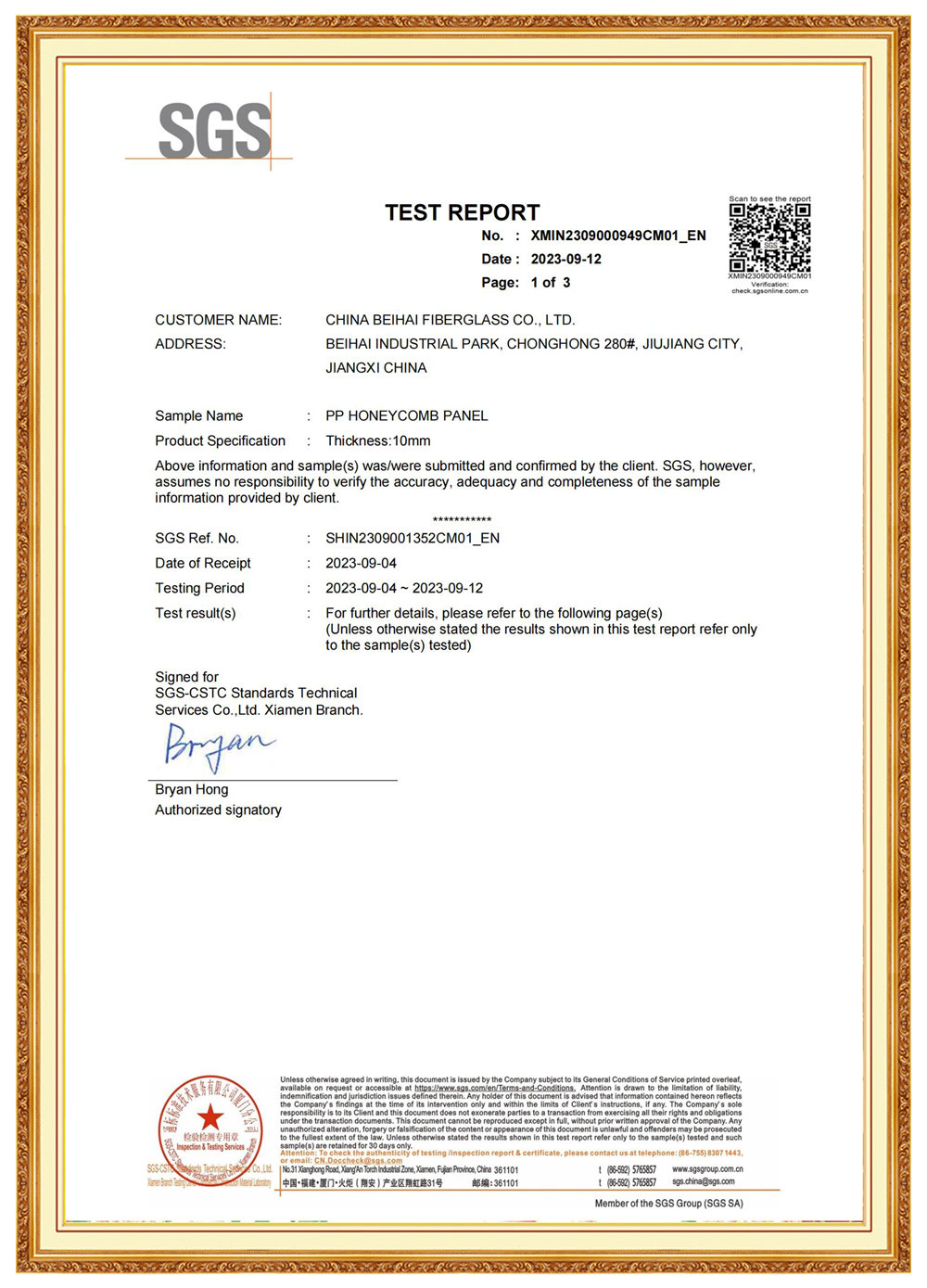
Our basalt products undergo rigorous mechanical and chemical validation testing to meet high global engineering standards.
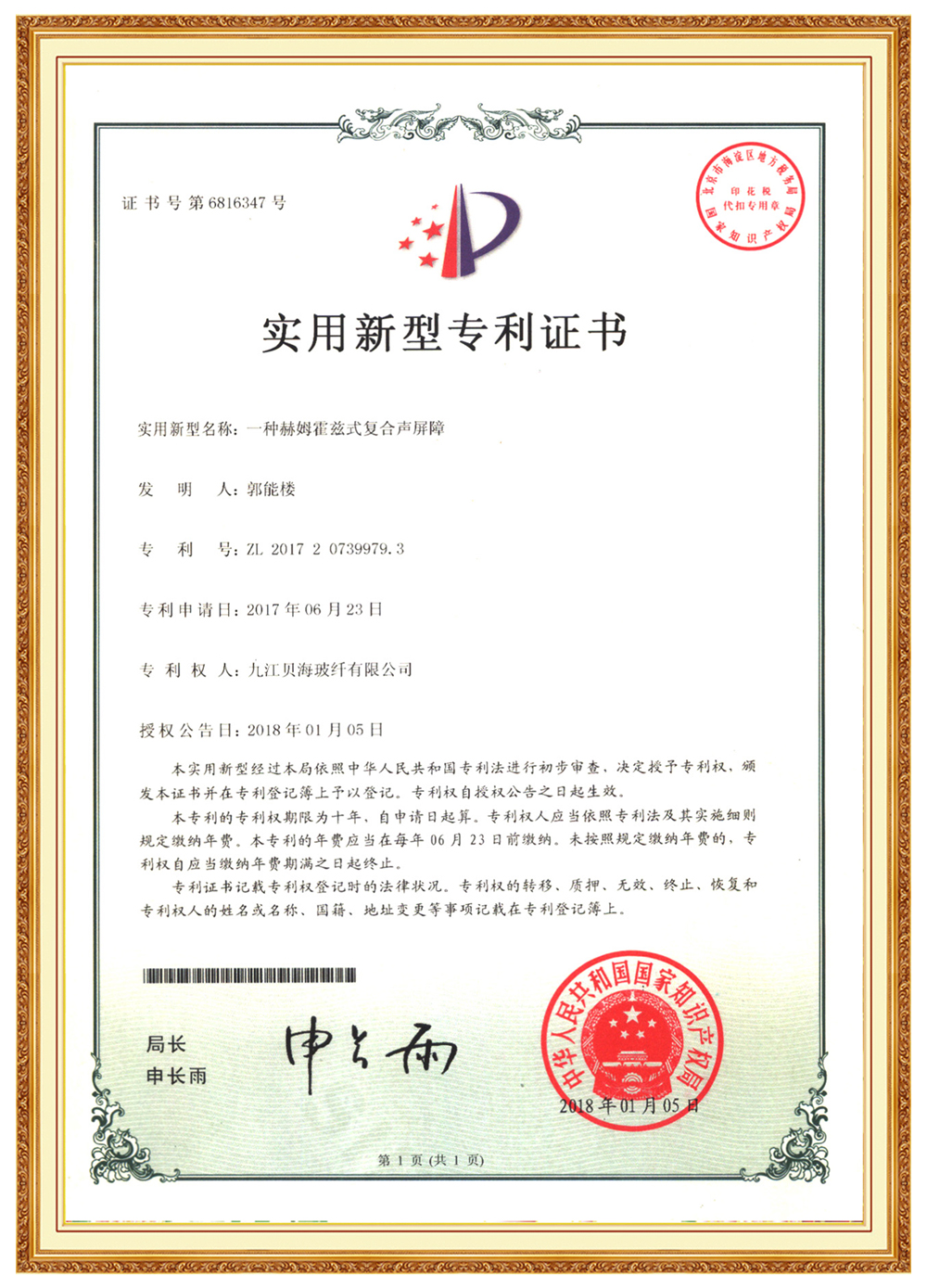
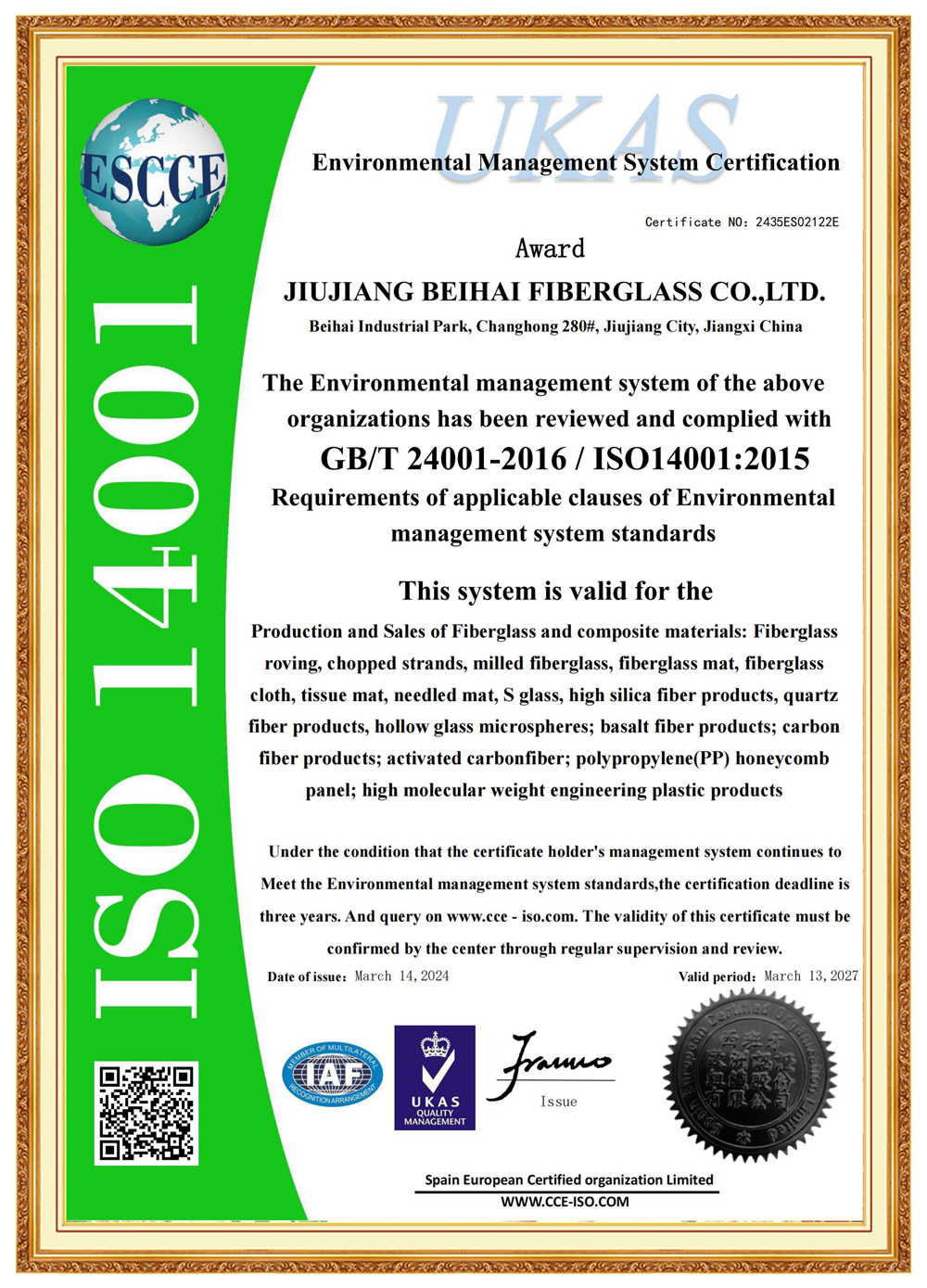
Key technical answers addressing structural integration, chemical performance, and procurement practices.
Explore the remaining customized products from China Beihai Group, engineered to perform under extreme structural, thermal, and chemical conditions.
 Beihai Fiberglass