Explore our foundational range of highly resilient basalt materials engineered directly for high-temperature and structural applications.
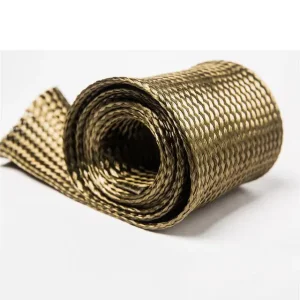
Specifically fabricated to protect electrical wiring, exhaust conduits, and critical pipeline networks from sustained thermal shock.
Read More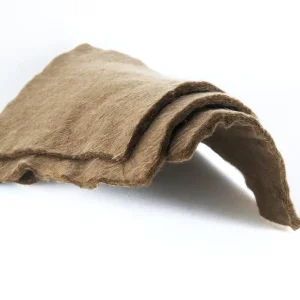
An eco-friendly, chemical-free thermal barriers offering superb acoustic damping and non-combustible heat shielding parameters.
Read More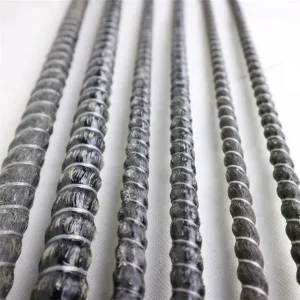
An ultra-lightweight, high-tensile substitute for traditional reinforcement steel, designed to eliminate corrosion fatigue.
Read More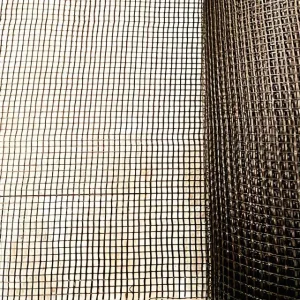
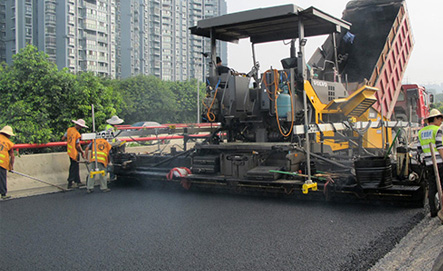
Heavy-duty geotextile structure specifically engineered to absorb cyclic stress loads and prevent reflective pavement cracking.
Read More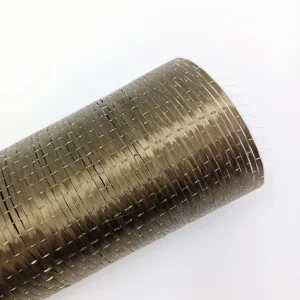
Engineered for architectural building safety, ship hull reinforcement, and advanced high-end polymer prepregs.
Read More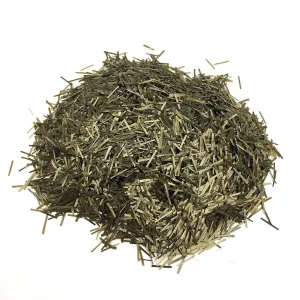
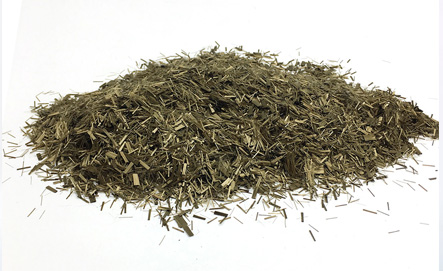
Direct additives for structural concrete batches, decreasing micro-fissuring and significantly optimizing fracture toughness.
Read More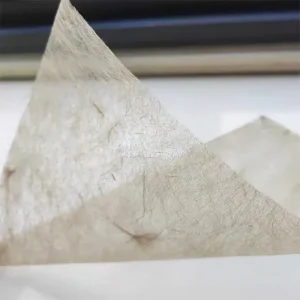
Ultra-thin surfacing tissues engineered to deliver resin-rich, smooth, and corrosion-resistant composite finishes.
Read More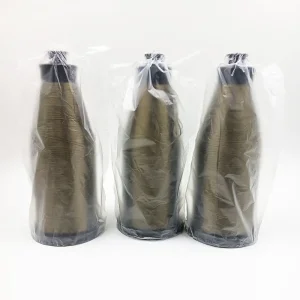
Advanced twisted filament yarn with unmatched insulation ratings, perfectly suited for textile braiding, weaving, and sewing.
Read MoreContinuous Basalt Fiber (CBF) represents one of the most promising technological developments in green mineral material sciences. Formed by melting quarried volcanic basalt stone in specialized electric-arc furnaces at temperatures ranging between 1450°C and 1500°C, this single-component inorganic material contains no synthetic chemical additives or toxic resins during the initial spinning process. The raw melt is continuously drawn through platinum-rhodium alloy bushing plates to yield precise, high-uniformity micro-filaments with diameters ranging from 9µm to 22µm.
Compared to traditional E-glass and carbon fibers, basalt filaments demonstrate exceptional physical properties. They possess a natural tensile strength reaching 3000 to 4800 MPa, surpassing standard structural steel by up to four times, while only maintaining one-quarter of the physical weight. From a thermodynamic perspective, basalt fibers withstand exposure to elevated thermal ranges starting from -260°C to up to +700°C without undergoing physical degradation, melting, or toxic outgassing. This makes basalt fiber products a crucial element for modern safety, green infrastructure, and high-performance composites.
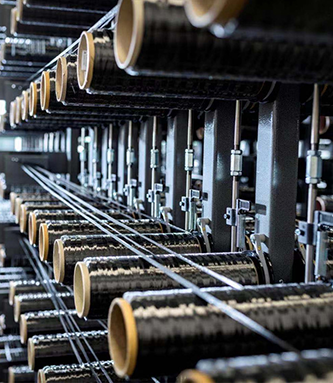
Analyzing the scale, geographical benefits, and core technical advantages of our state-of-the-art Jiujiang production base.
Founded in 2015 and located in Jiujiang, Jiangxi Province, China Beihai is a high-tech enterprise focusing on the research, development, production, and sales of high-performance basalt continuous fiber and its production equipment. Our centralized facility allows us to process vast reserves of raw volcanic basalt while maintaining strict quality control over every production run.
By designing and fabricating our own advanced continuous fiber production machinery, we control pricing and ensure technological consistency. Our multi-tip platinum-rhodium alloy bushing technology reduces the incidence of fiber breakage, allowing us to maintain stable, long-filament yields that are compatible with global structural specifications.
Choosing to work with China Beihai means working with a leading manufacturer of basalt products. We offer complete customization of basalt fiber mats, fabrics, roving, chopped strands, rebars, sleeves, and geogrids. Our localized cost-efficiency and direct logistics routes from Jiujiang ensure highly competitive wholesale prices for global buyers.
A closer technical examination of Basalt Fiber Roving and Basalt Fiber Rebars as the next-generation replacements for conventional materials.
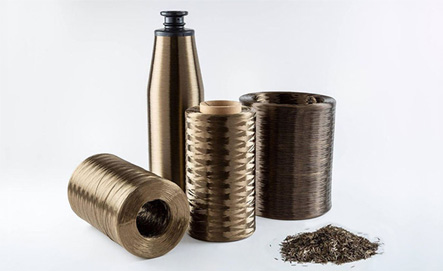
Basalt Fiber Roving is manufactured by gathering a specified number of high-strength parallel single filaments together without twisting. The resulting structural roving exhibits outstanding tensile resistance, chemical inertness, and structural longevity, which are essential for composite applications.
At China Beihai Group, we utilize specialized organic and organosilicon sizing agents. These chemically bond the basalt mineral fibers with various resins, including epoxy, vinyl ester, polyester, and phenolic matrices. The resulting composite components are widely used in winding high-pressure pipes, pressure vessels, and pultruded structural profiles.
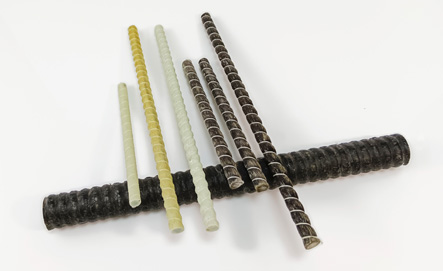
Basalt Fiber Rebar (BFRP) is a structural reinforcement bar created through pultrusion using continuous basalt fiber and an epoxy resin matrix. It serves as a non-corrosive, high-strength alternative to traditional black carbon steel and epoxy-coated steel reinforcing rebars.
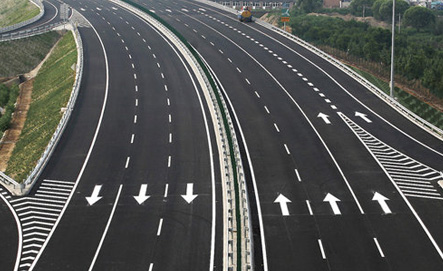
Because basalt rebar has a thermal expansion coefficient highly compatible with structural concrete mixtures, it reduces internal stress cracking. It is completely inert to alkaline corrosion from cement paste and acidic exposure, making it ideal for marine bulkheads, coastal bridge piers, and roadway salt zones.
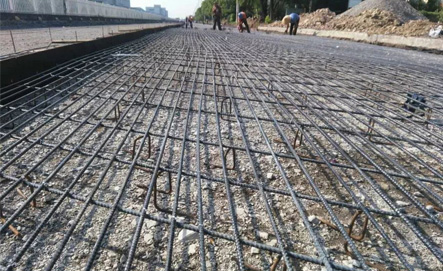
Discover how China Beihai basalt fiber solutions solve structural, chemical, and thermodynamic issues across eight primary sectors.

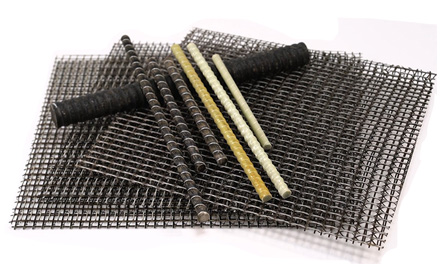
Our range of basalt fiber reinforcement meshes, unidirectional sheets, and rebars reduces cracking in wall plasters and foundation structures.

Providing advanced acoustic damping materials, interior panel structures, and engine thermal shielding with continuous basalt webs.

Designed to handle thermal shifts, vacuum extremes, and cosmic radiation, safeguarding critical satellite and launch structures.

Mixing chopped basalt filaments directly into the slurry increases impact tolerance, tensile load capacity, and reduces spalling.

Reducing weight in bumper assemblies, exhaust system linings, and EV battery boxes while maintaining high structural crash ratings.

Offering extreme protection against structural abrasion, salt-water ingress, and heavy currents in marine splash zones.

Corrosion-proof solutions for storage tanks, pipeline coatings, and refining facility structural elements exposed to acids.

Our basalt fibers prevent galvanic corrosion, helping construct durable, fireproof composite vessel hulls and offshore platforms.
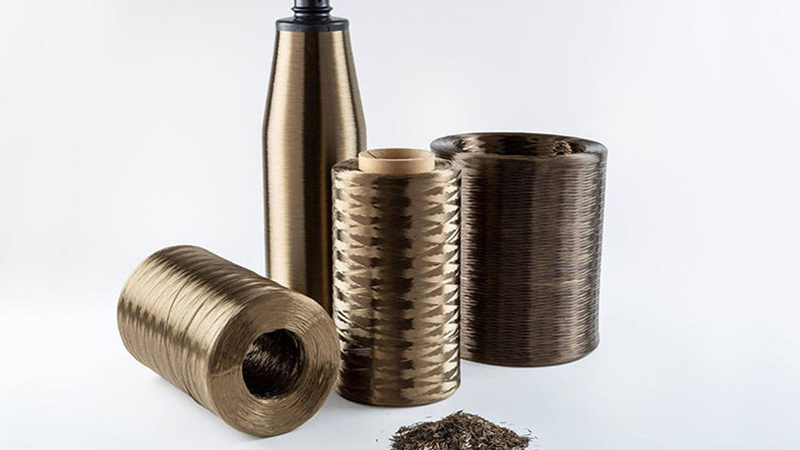
Industrial procurement departments evaluate raw fiber products based on strict quality parameters. For continuous basalt filament products, testing focuses on structural properties like moisture absorption, alkaline environment longevity, thermal degradation, and interface shear strength with polymer coatings.
China Beihai Group ensures complete adherence to international industrial benchmarks, including ASTM D7913 (bond strength testing for concrete rebars) and ISO 2078 (nomenclature and specification requirements for textile filaments). Our integrated plant structure manages raw stone chemistry from the quarry, ensuring a consistent acidity coefficient (Mk) of 1.8 to 2.2. This baseline ensures excellent resistance to acid and alkali damage, which is essential for civil infrastructure projects designed to last for generations.
By operating modern multi-bushing lines in Jiujiang, we offer stable bulk pricing structures that insulate procurement programs from fluctuating energy and raw material costs. Our standard export packing includes waterproof, vacuum-sealed barrier film layers that prevent ambient atmospheric moisture from degrading chemical sizing layers during shipping.
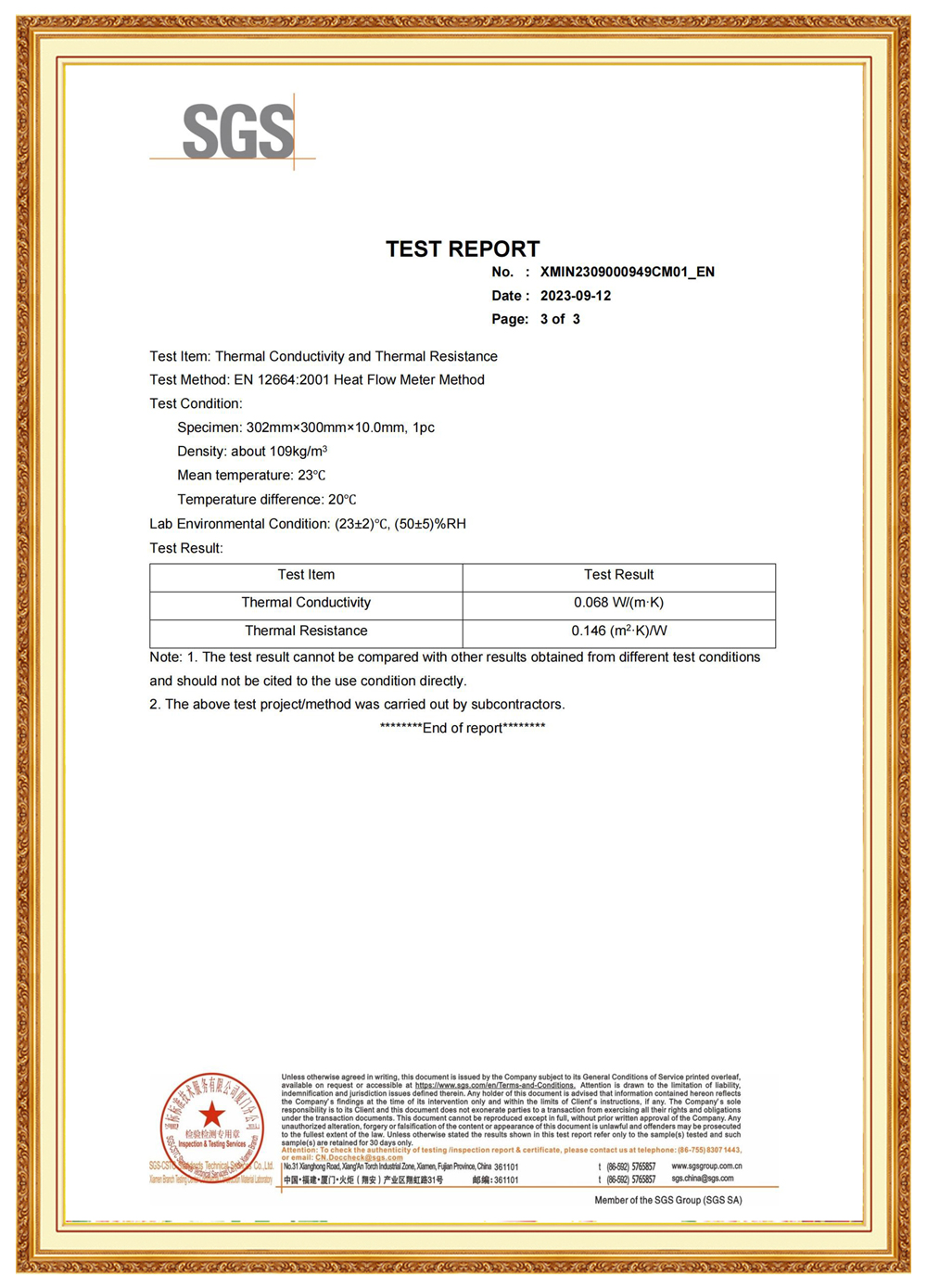
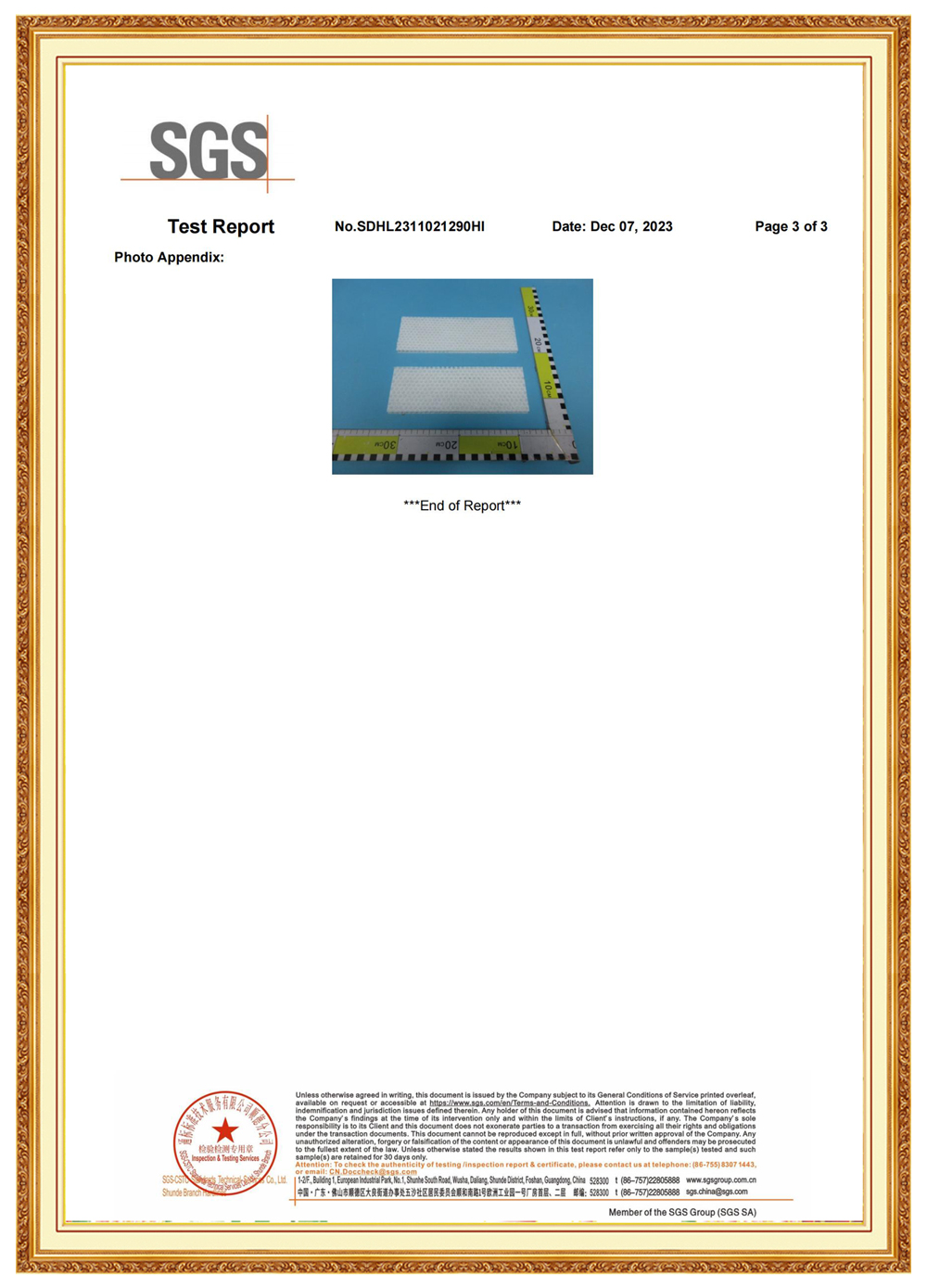
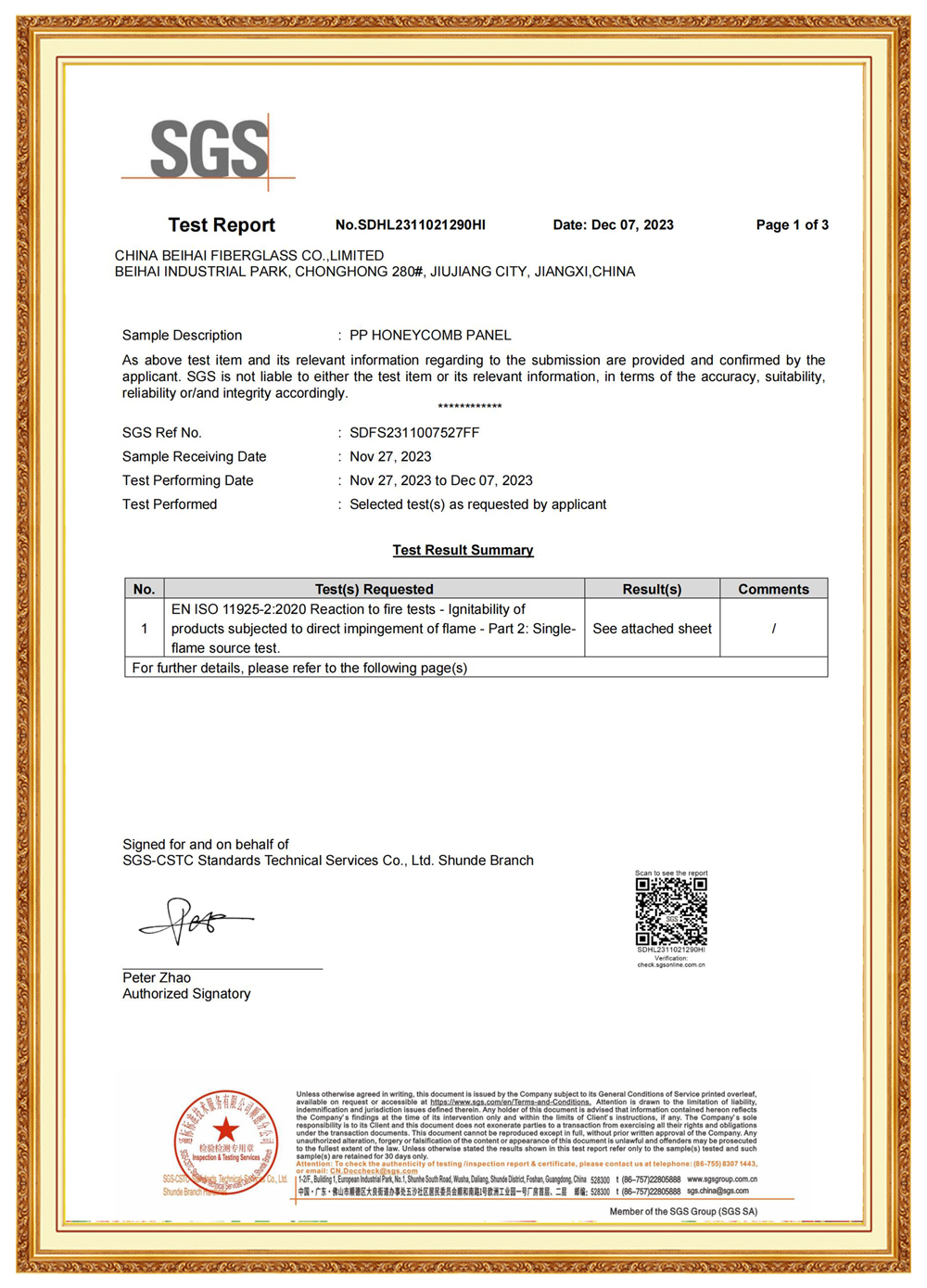
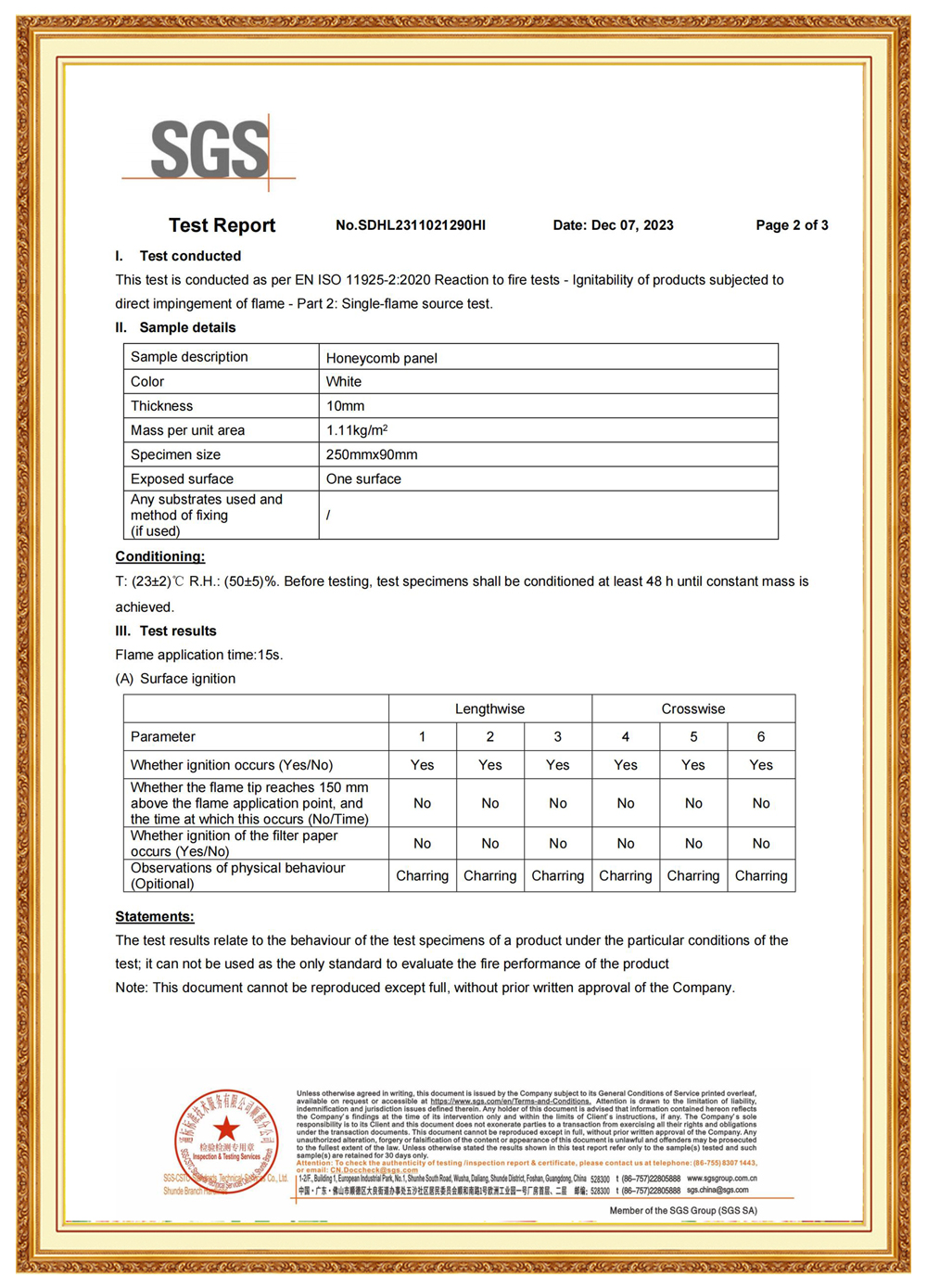
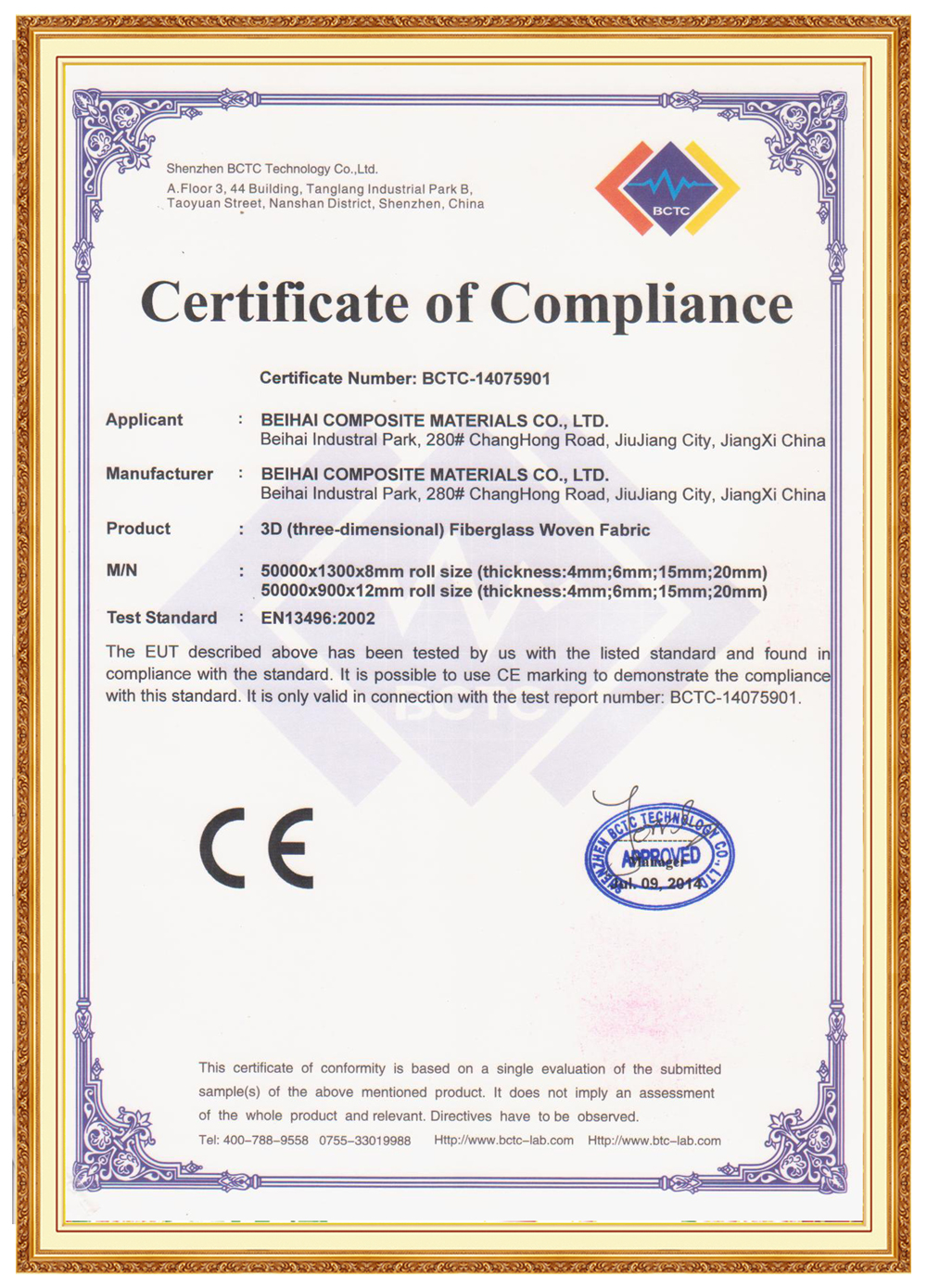
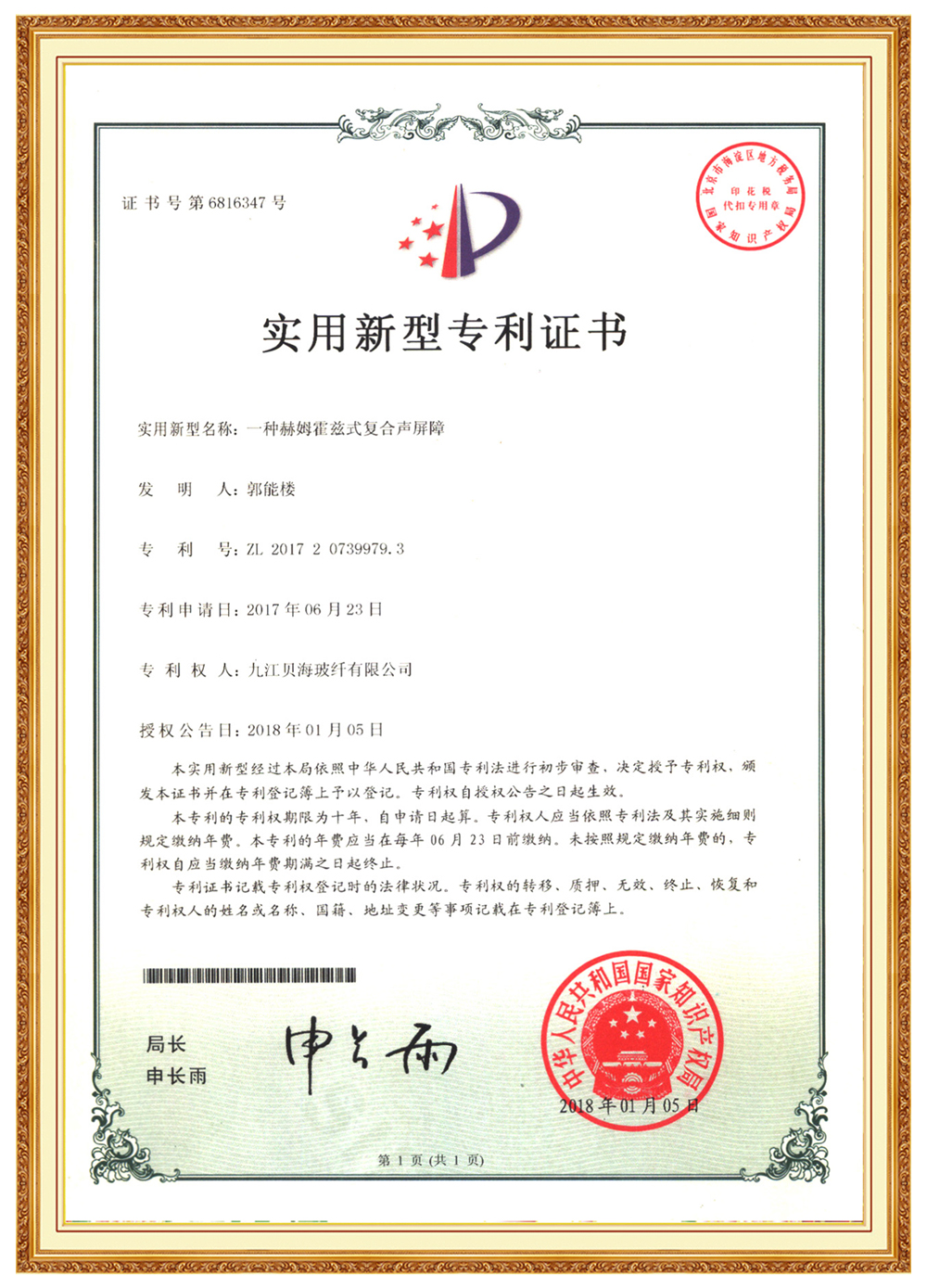
Our commitment to rigorous industrial testing ensures our products meet international quality and performance standards.
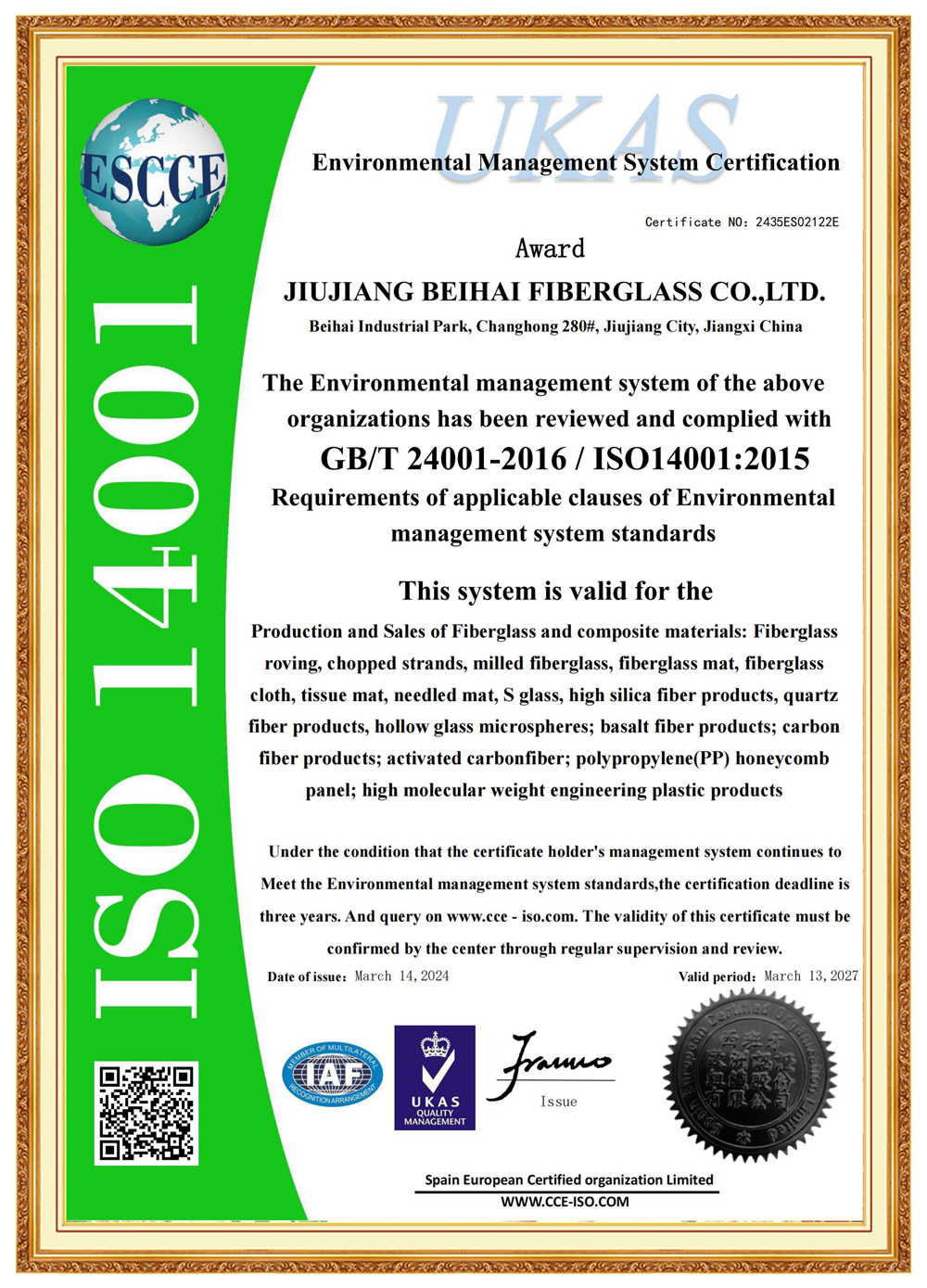

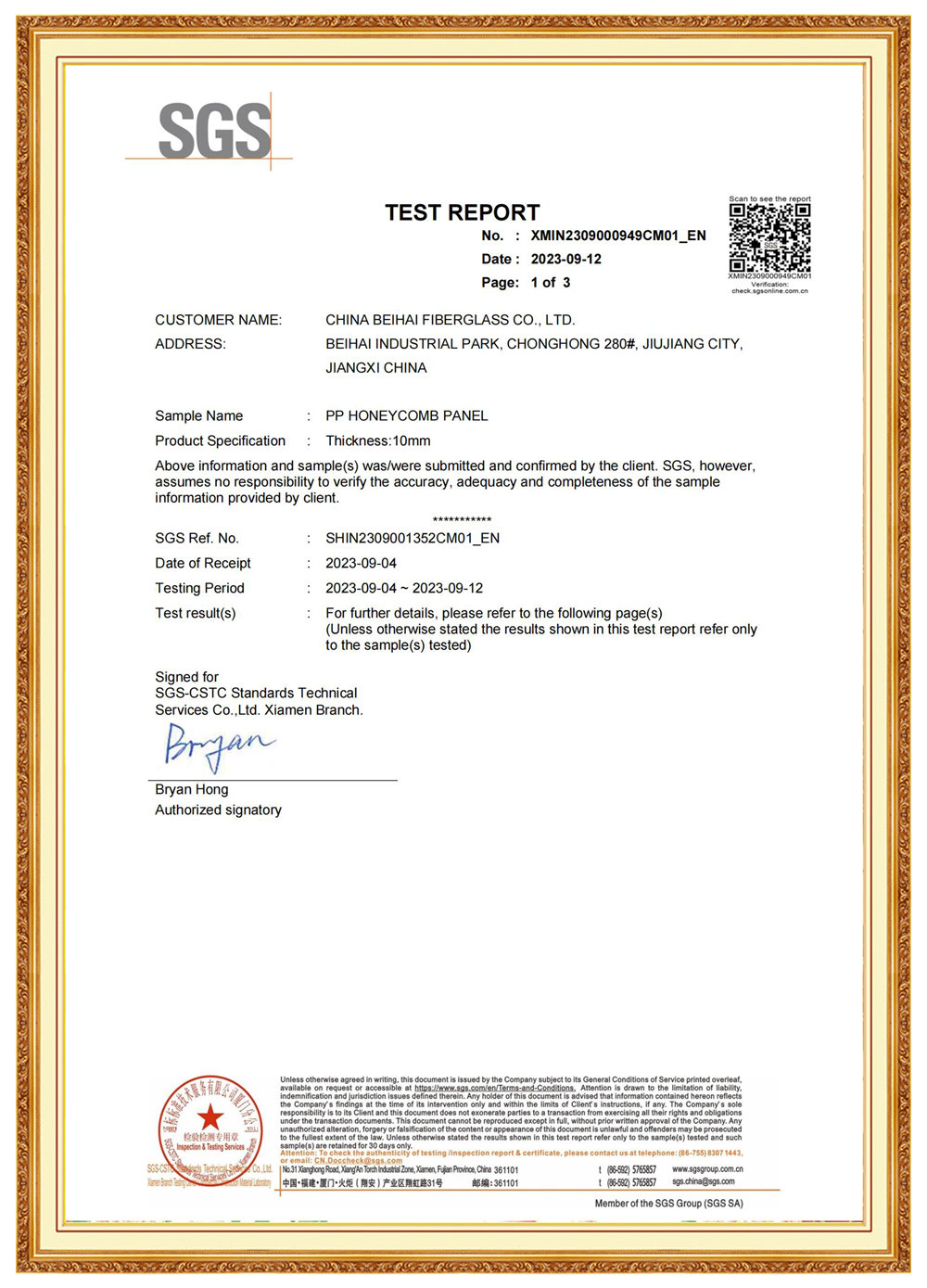
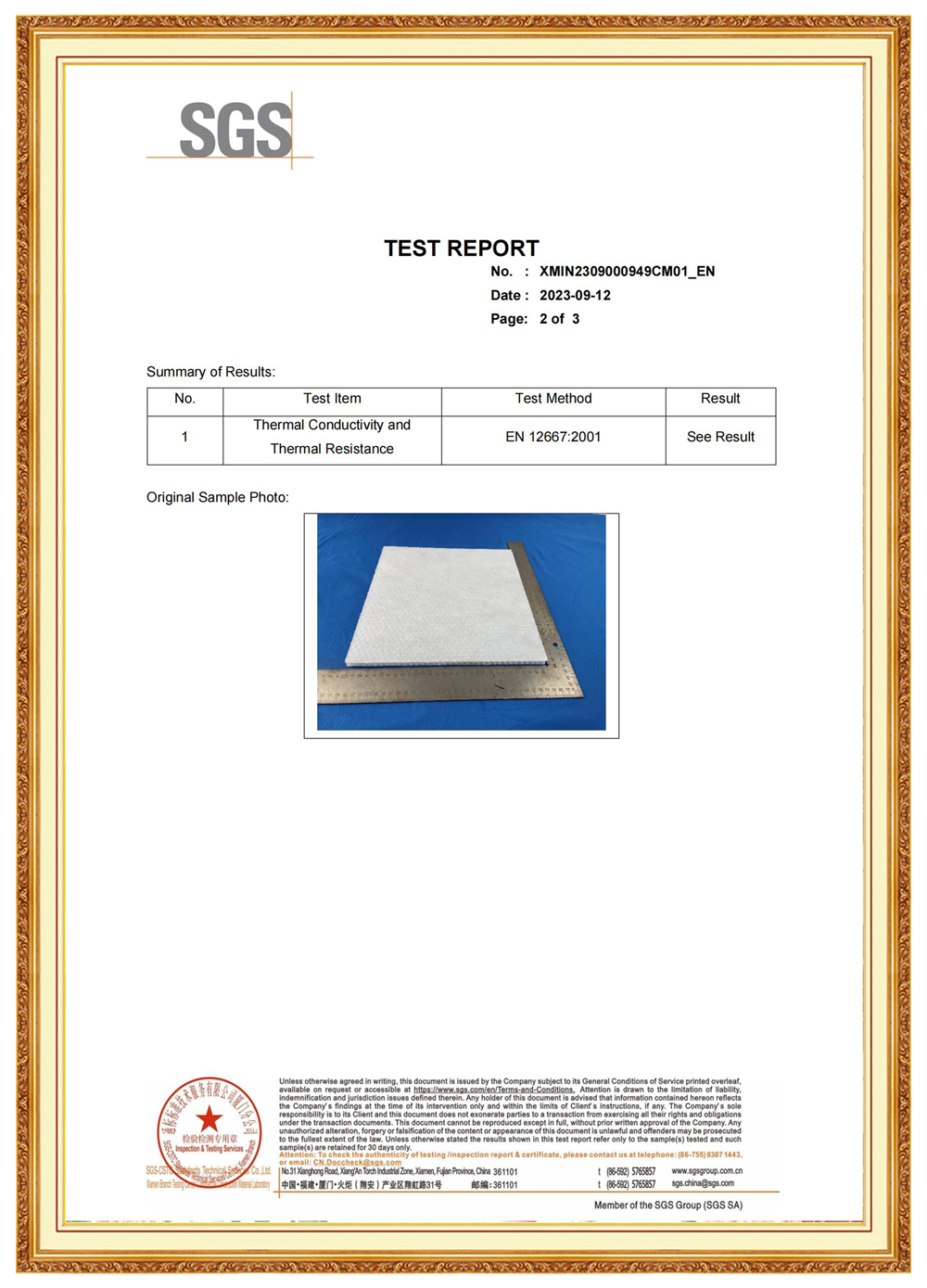
Global decarbonization mandates and carbon border tax mechanisms (like CBAM in the EU) are accelerating the transition from synthetic polymers and high-emission metals to sustainable mineral composites. Continuous basalt fiber stands out in this movement, offering a low environmental footprint with carbon emissions during manufacturing up to 70% lower than standard glass or carbon fiber materials.
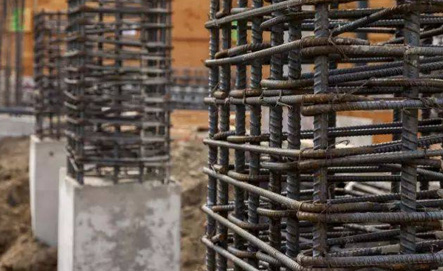
The civil construction sector is rapidly adopting BFRP products to extend the lifespan of municipal structures to over 100 years. Unlike traditional steel reinforcement, which expands and cracks concrete during oxidation, basalt rebar remains chemically inert in coastal zones and winter salt conditions. This eliminates the need for expensive repairs, saving billions in municipal budgets.
Looking ahead, integrating basalt fibers with recycled polymer matrices presents new opportunities for circular economy applications. Our engineering teams at China Beihai are currently developing advanced chemical sizings designed to bond basalt filaments with high-density polyethylene (HDPE) and polypropylene (PP) matrices. This research aims to enable the cost-efficient recycling of large-scale automotive, aerospace, and energy industry products at the end of their operational lifespan.

Comprehensive technical answers to core questions from structural engineers and global procurement managers.
Our wholesale basalt fiber pricing is determined by filament diameter (measured in micrometers, µm), yield linear density (measured in Tex), sizing type (silane, epoxy, or multi-matrix compatible), and overall volume. Thin filaments (9-13µm) require slower drawing speeds and higher energy per ton, resulting in higher prices than coarser continuous rovings (15-22µm). For bulk purchase agreements, China Beihai provides structured tiered pricing, with special terms for annual volume contracts.
High-quality continuous basalt fiber requires volcanic basalt stone with a silicon dioxide (SiO2) concentration between 46% and 52%, combined with iron oxide (FeO + Fe2O3) levels under 12%. This chemical balance is essential to prevent micro-crystallization within the furnace bushings, ensuring smooth filament drawing. Our Jiangxi production base secures select basalt stone reserves, guaranteeing consistent acidity levels and high tensile strength for every batch.
Yes. Basalt Fiber Rebar is a superior alternative to steel in structures exposed to corrosive environments, magnetic fields, or high moisture, such as bridges, seawalls, subways, and chemical plants. It has four times the tensile strength of steel and is 75% lighter. However, engineers must account for the differences in elastic modulus during design, using standard composite formulas like ACI 440.1R to ensure proper load distribution.
Untreated mineral fibers can degrade in the highly alkaline environments (pH 12.5–13.5) found inside curing concrete. To prevent this, China Beihai coats our chopped strands, meshes, and rebars with specialized, alkali-resistant epoxy and vinyl ester sizings. This protective layer isolates the basalt core from hydroxyl ions, ensuring long-term structural integrity in coastal and high-humidity applications.
Moisture absorption can weaken the chemical sizing on basalt fibers, reducing resin adhesion. To ensure our products arrive in optimal condition, we pack all continuous rovings, needle mats, and chopped strands in heavy-duty polyethylene bags with desiccant packs, which are then vacuum-sealed before palletization. This robust packaging protects the fibers from humidity during long-distance ocean shipping, ensuring consistent performance upon arrival.
Stay informed about the latest advances in basalt fiber technology and real-world project applications.
From monitoring wildfires with drones to heavy industrial robotics, advanced lightweight composites are key to modern engineering. High-purity continuous basalt fiber is becoming a vital structural element for high-performance and safety-critical applications worldwide.
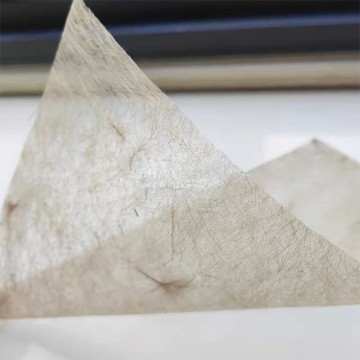
Engineered as a thin, non-woven backing sheet to provide resin-rich finishes on composite components. These tissue mats help protect industrial pipes, tanks, and structural panels from corrosion and weather degradation.
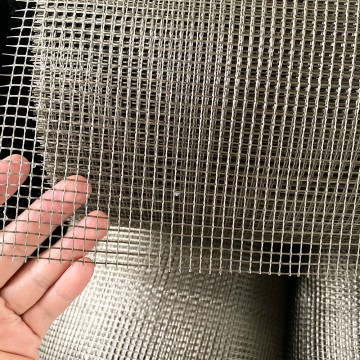
Designed with special coatings for architectural plastering and concrete rendering, this high-performance mesh resists alkali environments and prevents cracks in external thermal insulation composite systems (ETICS).
Explore our highly specialized basalt geogrids, custom needle mats, and insulation fabrics tailored for heavy industrial engineering.
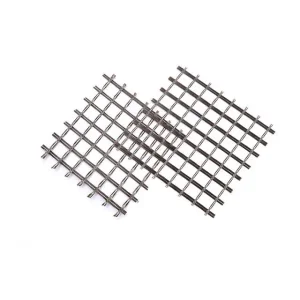
Designed with robust structural grids to stabilize soils, reinforce railway subgrades, and extend road life.
Read More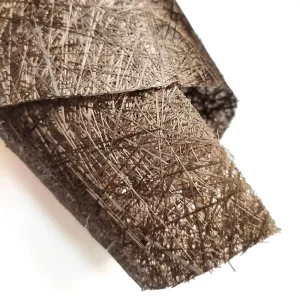
Ideal for mold laminates and chemical processing equipment, offering high acid tolerance and easy resin saturation.
Read More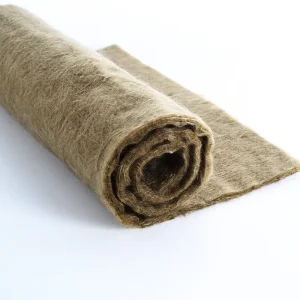
A high-density insulation mat manufactured without chemical binders, ideal for thermal isolation in automotive exhaust systems and industrial ovens.
Read More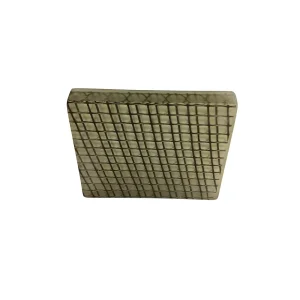
A 3D grid layout designed to reinforce concrete structures and internal wall plasters, minimizing surface shrinkage cracks.
Read More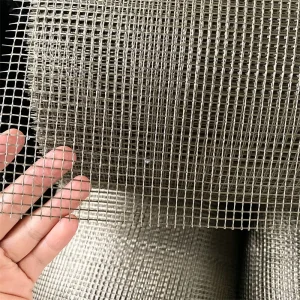
Providing dependable structural integrity and thermal insulation for high-temperature pipe jackets and fire barriers.
Read More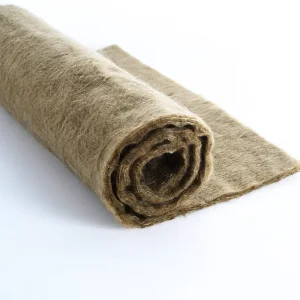
Manufactured from pure volcanic rock, this highly stable mat offers reliable insulation for extreme thermal systems and industrial furnaces.
Read More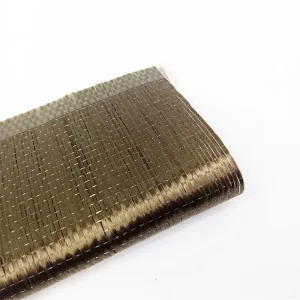
A high-performance unidirectional fabric designed for structural reinforcement, earthquake retrofitting, and load upgrades in concrete buildings.
Read More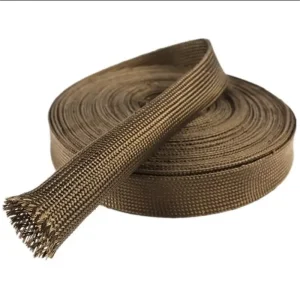
Flexible, woven mineral sleeves and tapes designed for insulating exhaust runs, hoses, and wiring looms in high-heat industrial setups.
Read More Beihai Fiberglass