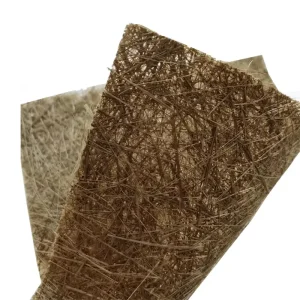
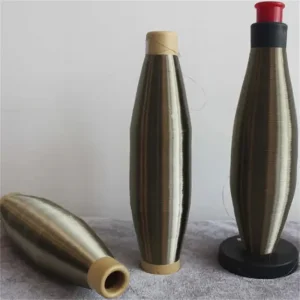
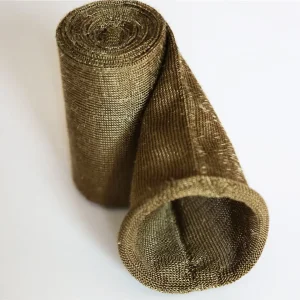
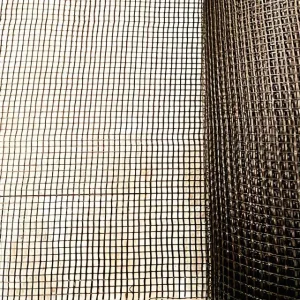
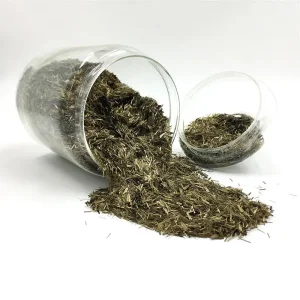
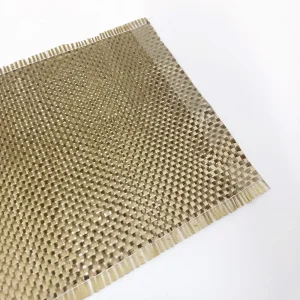
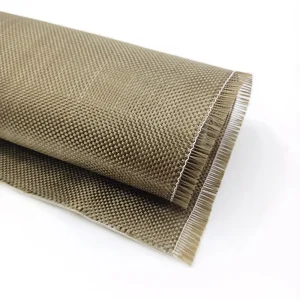
In the evolving landscape of industrial safety and material science, Basalt Fiber Fireproof Fabric has emerged as a pinnacle of "Inorganic Green Material." Unlike traditional fiberglass or carbon fiber, basalt fiber is derived directly from volcanic rock through a single-component melting process, requiring no additives. This whitepaper explores the multifaceted properties of basalt fireproof textiles, the strategic manufacturing advantages of Chinese factories, and the macro-economic shifts driving global demand.
The core competitive advantage of wholesale basalt fiber fireproof fabric lies in its unique molecular structure. Manufacturers and factories focusing on high-end basalt textiles optimize for three primary vectors: Thermal Stability, Mechanical Integrity, and Chemical Resistance.
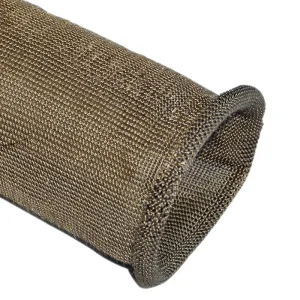
Basalt fireproof fabric maintains its structural integrity at temperatures where E-glass fibers begin to soften (around 600°C). It can withstand continuous operating temperatures of up to 700°C and short-term thermal shocks exceeding 900°C. This makes it an ideal choice for fire curtains, welding blankets, and aerospace insulation.
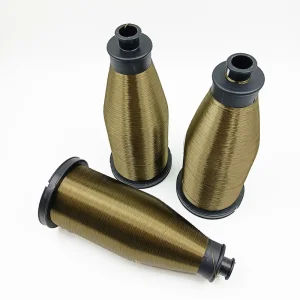
Basalt filaments possess a specific strength that is 2.5 times that of alloy steel and 1.5 times that of glass fiber. In fabric form, this translates to superior puncture resistance and tear strength, essential for protective clothing in foundries and oil & gas environments.
China Beihai, founded in 2015 and located in Jiujiang, Jiangxi Province, represents the cutting edge of basalt fiber integration. Sourcing "Wholesale Basalt Fiber Fireproof Fabric" from leading Chinese factories provides several strategic benefits:
From raw volcanic rock selection to continuous filament drawing and textile weaving, we control the entire lifecycle to ensure cost-efficiency and quality consistency.
Our research teams specialize in surface treatment technologies, enhancing the adhesion of basalt fabrics to various resins and coatings (Silicone, PTFE, Vermiculite).
With massive output capacity, we cater to global procurement needs for infrastructure projects, automotive manufacturing, and aerospace supply chains.
The global shift toward "Carbon Neutrality" and "Sustainable Construction" is propelling basalt fiber into the mainstream. As an inorganic material, basalt fiber has a significantly lower carbon footprint during production compared to carbon fiber or steel.
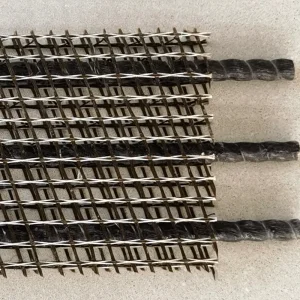
In bridge and tunnel construction, basalt fiber fireproof fabrics are used in conjunction with basalt rebar to prevent "spalling"—the explosive breaking of concrete during intense fires. This saves lives and preserves the structural core of national infrastructure.
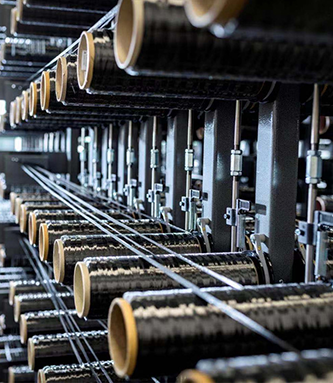
China Beihai is a high-tech enterprise focusing on the research, development, production and sales of high-performance basalt continuous fiber. Located in Jiujiang, Jiangxi, we lead the domestic basalt fiber industry through innovation in production equipment and material science.
Our Mission: Unveiling the Infinite Potential of Basalt to solve engineering challenges in building, aviation, and automotive sectors.

Reinforcement and fireproofing for modern structures.

Thermal protection for engine components and shells.

Lightweight composites for exhaust and heat shields.

Corrosion-resistant textiles for harsh environments.
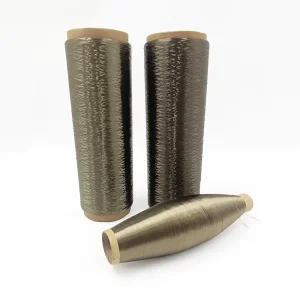
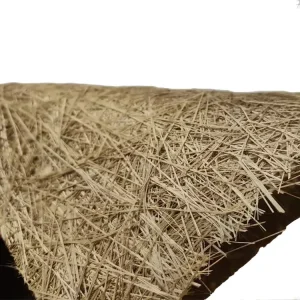
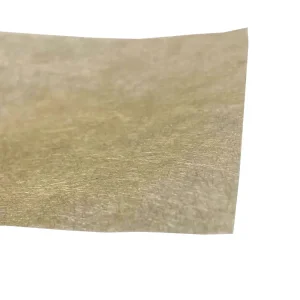
 Beihai Fiberglass