Founded in 2015 and strategically located in Jiujiang, Jiangxi Province, China Beihai is a premier high-tech enterprise dedicated to the intensive research, custom development, precision production, and global distribution of high-performance basalt continuous fiber solutions.
By integrating state-of-the-art furnace technology with high-efficiency weaving systems, we have secured our position as an authoritative pioneer in China's advanced basalt composite industry. We supply world-class manufacturing infrastructures, aerospace contractors, and structural engineers with robust alternatives to steel and traditional glass fibers.
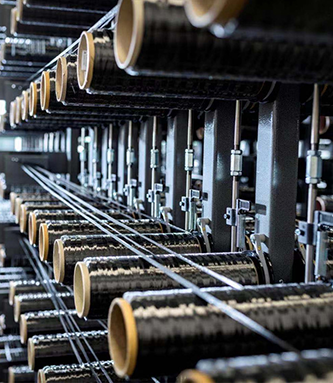
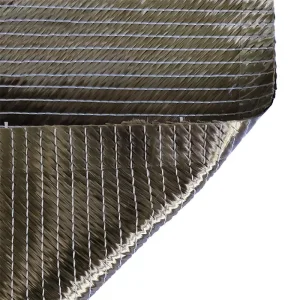
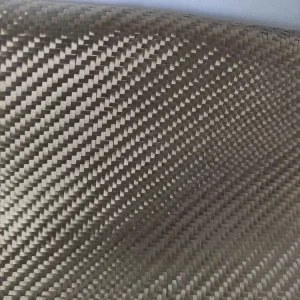
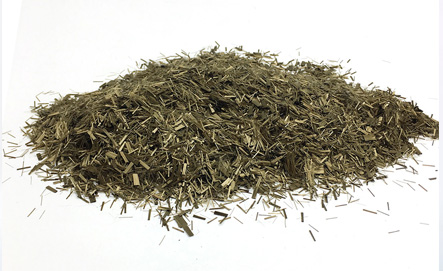
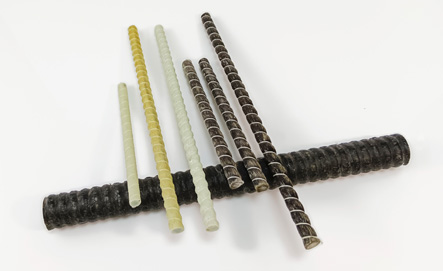
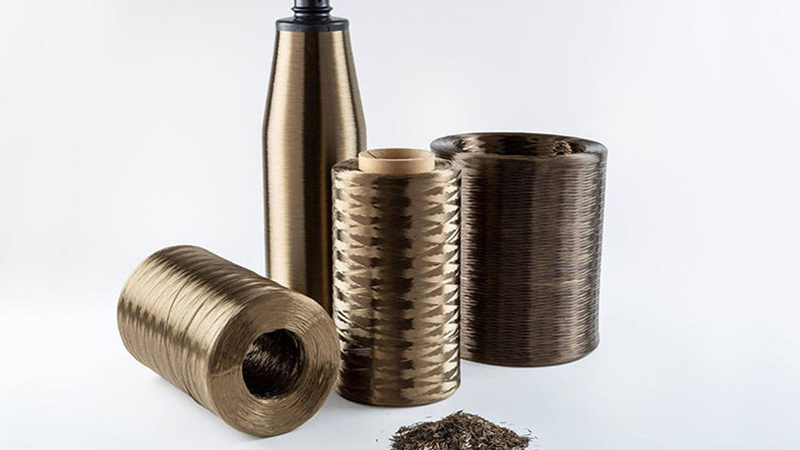
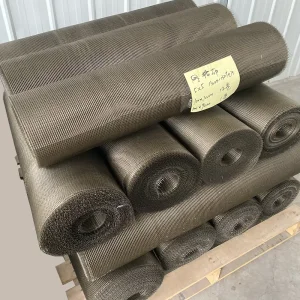
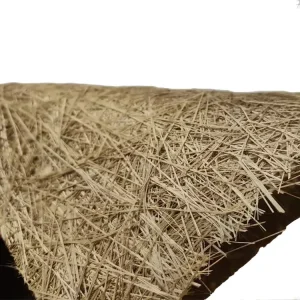
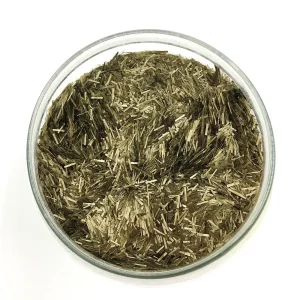
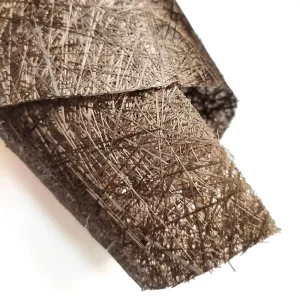
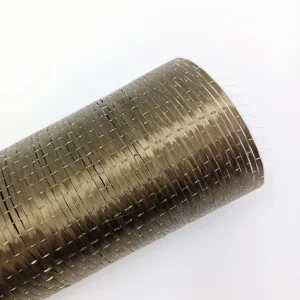
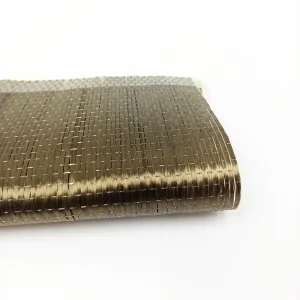
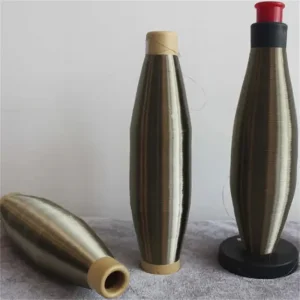
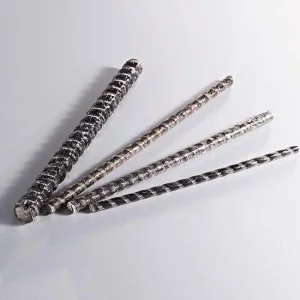
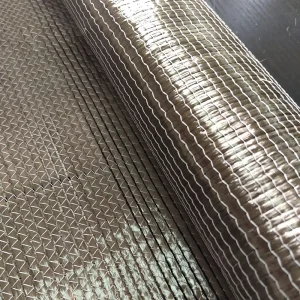
At China Beihai group, we specialize in the production of a wide range of products including basalt fiber mat (Basalt fiber chopped strand mat, Basalt fiber cloth), basalt fiber roving, basalt fiber yarn, basalt fiber chopped strands, and specialized basalt fiber products (Basalt Fiber rebar, basalt fiber sleeves, and tape). Our products are meticulously engineered to meet the strict demands of diverse international markets, offering optimized pricing and custom quotes for engineering firms.
We deliver next-generation sustainable structural solutions for high-temperature insulation, fireproofing, geogrid reinforcement, and high-alkali concrete reinforcement. Operating advanced melting furnaces, we ensure structural purity and thermal uniformity across all continuous basalt fibers, catering directly to complex aerospace, petrochemical, and defense projects worldwide.
Partnering with China Beihai guarantees factory-direct access, deep supply chain resilience, rigorous quality assurance certified by international bodies, and extensive customization options. We leverage proprietary material formulations to lower thermal conductivity and maximize structural tensile strength, serving as a trusted supplier for global distributors and tier-1 procurement agencies.
A Comprehensive Study of Volcanic-Rock Composites, Pricing Structures, and Thermal-Shielding Performance in High-Temperature Sectors.
In modern heavy industry, standard glass fiber or plastic insulation sleeves are rapidly showing their technical limitations when exposed to aggressive temperatures, acid rain, chemical leaks, and continuous vibrations. Global procurement trends are shifting focus toward high-performance mineral composites. Among these, Basalt Fiber Woven Sleeving represents the peak of mineral-fiber engineering. Sourced from natural volcanic basalt rock, continuous basalt fiber combines extreme temperature tolerances, structural chemical inertness, and impressive tensile strength.
This whitepaper analyzes the technical roadmap, cost variables, localized industrial application profiles, and wholesale procurement structures for Basalt Fiber Woven Sleeves. By utilizing continuous basalt fibers manufactured through a single-component melting system at 1450°C, China Beihai produces braided sleeves characterized by zero toxic gas emissions under heat, exceptional electrical shielding parameters, and robust resistance to strong acids and alkalines. Understanding these fundamental mechanical and chemical advantages is paramount for material scientists and industrial buyers looking to optimize total lifecycle efficiency.
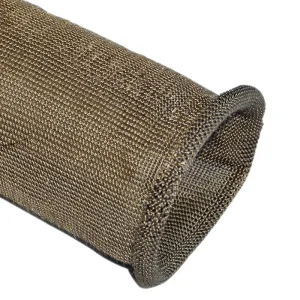
Basalt fiber woven sleeving is fabricated by braiding multiple continuous basalt filament yarns. Unlike glass fibers (E-Glass or S-Glass) which incorporate heavy chemical additives that decompose under intense thermal cycles, basalt sleeves are made entirely of 100% natural, single-component volcanic rock. This raw material purity ensures that when exposed to structural heat loads reaching 650°C (continuous) and short peaks of up to 980°C, the chemical lattice of the sleeving remains stable.
Additionally, basalt fibers do not degrade when exposed to ultraviolet radiation, making them perfect for outdoor pipelines, electrical conduits, and naval applications. The fibers are naturally non-combustible and, during severe fire hazards, do not release hazardous fumes or black smoke—a key regulatory requirement in civilian transport, public rail networks, and modern mining platforms.
| Physical Property / Parameter | E-Glass Sleeving | Carbon Fiber Sleeving | Basalt Fiber Sleeving (Beihai Spec) |
|---|---|---|---|
| Operating Temp Range | -60°C to +450°C | -100°C to +400°C (in air) | -260°C to +650°C (Continuous) |
| Thermal Conductivity (W/m·K) | 0.045 - 0.052 | 1.5 - 5.0 (High Heat Transfer) | 0.031 - 0.038 (Superb Insulation) |
| Alkali Resistance (% Retention) | Poor (Rapid degradation in cement) | Excellent | High (Alkali Resistant & Insulated) |
| Dielectric Strength (kV/mm) | 10 - 15 | Conductive (Unsuitable for isolation) | 18 - 25 (Excellent Insulator) |
| Tensile Modulus (GPa) | 72 - 76 | 230 - 600 | 89 - 110 |
Because of its flexible woven structure, basalt fiber sleeving easily expands or contracts to fit tightly over industrial hoses, high-voltage cables, metal pipes, and automotive exhaust systems. Below are detailed, localized scenarios where our sleeving is used:
Procuring directly from China Beihai offers significant cost and logistics advantages. Located in Jiangxi's industrial corridor, our facility leverages direct, local supply chains for high-purity basalt rock. Our continuous melting furnaces are powered by optimized energy networks, reducing overall production costs.
By controlling the entire production line—from melting the basalt rock to drawing the filaments and braiding the final sleeving—we maintain tight control over material quality and pricing. This integrated production model makes China Beihai a highly reliable partner, offering stable lead times and competitive pricing even during global supply chain fluctuations.
The next generation of basalt fiber woven sleeving is focused on functional hybrid integrations. China Beihai's R&D department is currently testing smart thermal-chromic coatings that change color when a pipeline exceeds safe temperature thresholds.
We are also developing vermiculite, silicone, and PTFE-coated basalt sleeves to provide even better oil-shedding capabilities, moisture protection, and mechanical wear resistance. These developments will expand basalt's applications in advanced robotics, unmanned aerial vehicles (UAVs), and commercial spaceflight engineering.
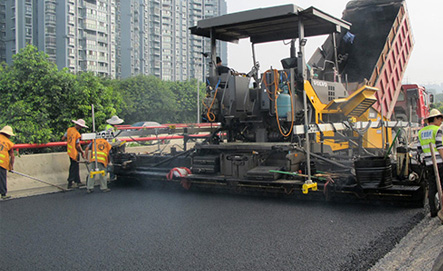
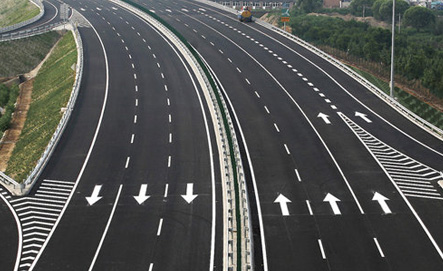
Basalt fiber is ideal for your engineering projects. Its high strength, corrosion resistance and lightweight properties allow it to easily solve a variety of challenges. In buildings, bridges, roads and other infrastructure projects, basalt fibers demonstrate outstanding performance, extending structural life and reducing maintenance costs. Choose basalt fiber, choose reliability and durability.
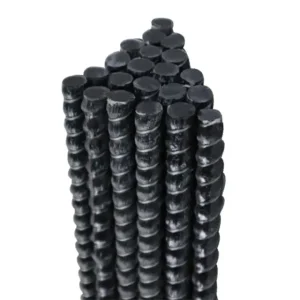
Basalt fiber rebar is a high-strength alternative to traditional steel bars and is used in a wide range of applications for reinforcing concrete structures in various fields, and its excellent performance makes it ideal for a variety of construction applications such as bridges, highways, buildings and other infrastructure projects.
FIND OUT MORE →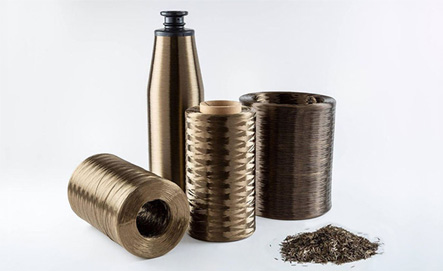
Direct from our Jiujiang production lines. Globally certified and performance guaranteed.
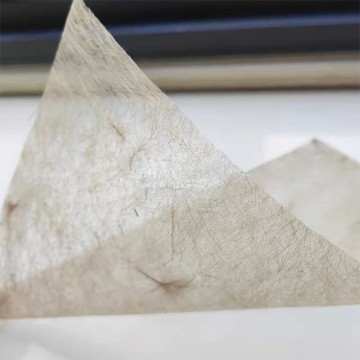
Basalt Fiber Surfacing Tissue Mat is a non-woven thin sheet engineered to provide a smooth resin-rich surface layer for fiber-reinforced plastic...
Read More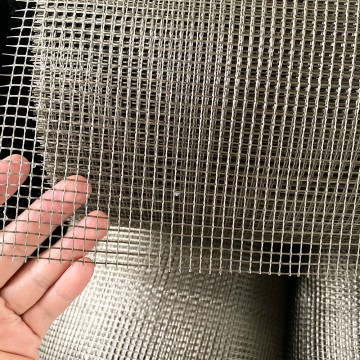
Our high performance Basalt Fiber Mesh provides a superior reinforcement solution for concrete and plaster applications where high alkali resistance is required...
Read More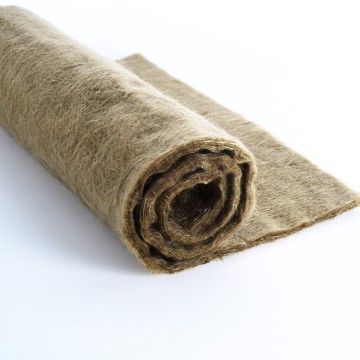
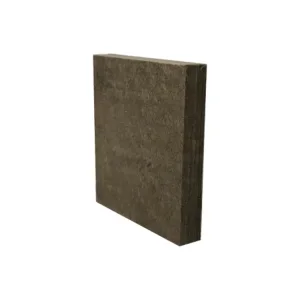
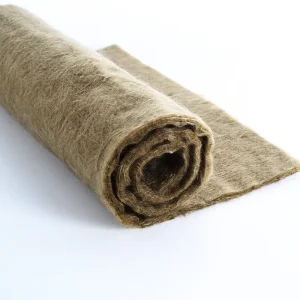
Our Basalt Fiber Needled Mat is a high-density insulation material manufactured by mechanically bonding continuous basalt fibers without any chemical binders...
Read More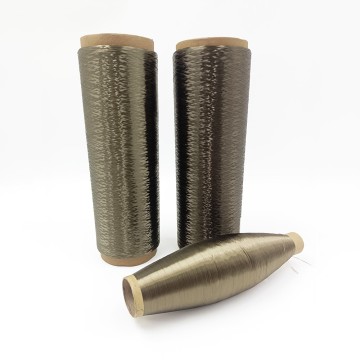
Our Basalt Fiber Twisted Yarn is engineered by twisting multiple continuous filaments to enhance mechanical strength and processing stability...
Read MoreHow continuous volcanic fiber transforms durability, safety, and weight metrics across international industries.
Our basalt products have diverse applications in the field of house construction, offering seismic resistance, high load capacities, and absolute fire safety insulation.
In the aerospace field, basalt fibers are ideal for manufacturing aircraft wings and engine components, minimizing weight while ensuring extreme thermal shielding limits.
Through fine process control and surface treatment technologies, the research team has made it possible to use basalt fibers in the manufacture of spacecraft shell materials, thermal protection systems, and high-temperature-resistant components of aircraft engines.
Basalt-added concrete offers a number of advantages in engineering projects, including increased strength and durability, increased crack resistance, improved chemical resistance and improved workability.
Facing the trend of lightweight automobile materials, the company has repeatedly conducted tests during the research and development of basalt fiber composites, and realized the wide application of basalt fiber products in the automobile field.
Basalt's high strength, durability and protective properties make it ideal for protecting bridge abutment structures from vehicle collisions, fire, corrosion and the natural environment.
The corrosion resistance of basalt fiber gives it a unique advantage in the petrochemical field, resisting extreme acid-gas deterioration and line corrosion.
Basalt fiber as a high-performance fiber, made of composite materials with lightweight, high strength, can be designed, corrosion resistance, acid and alkali resistance, etc. Our global projects represent real-world case validations of volcanic-rock continuous fiber efficiency.
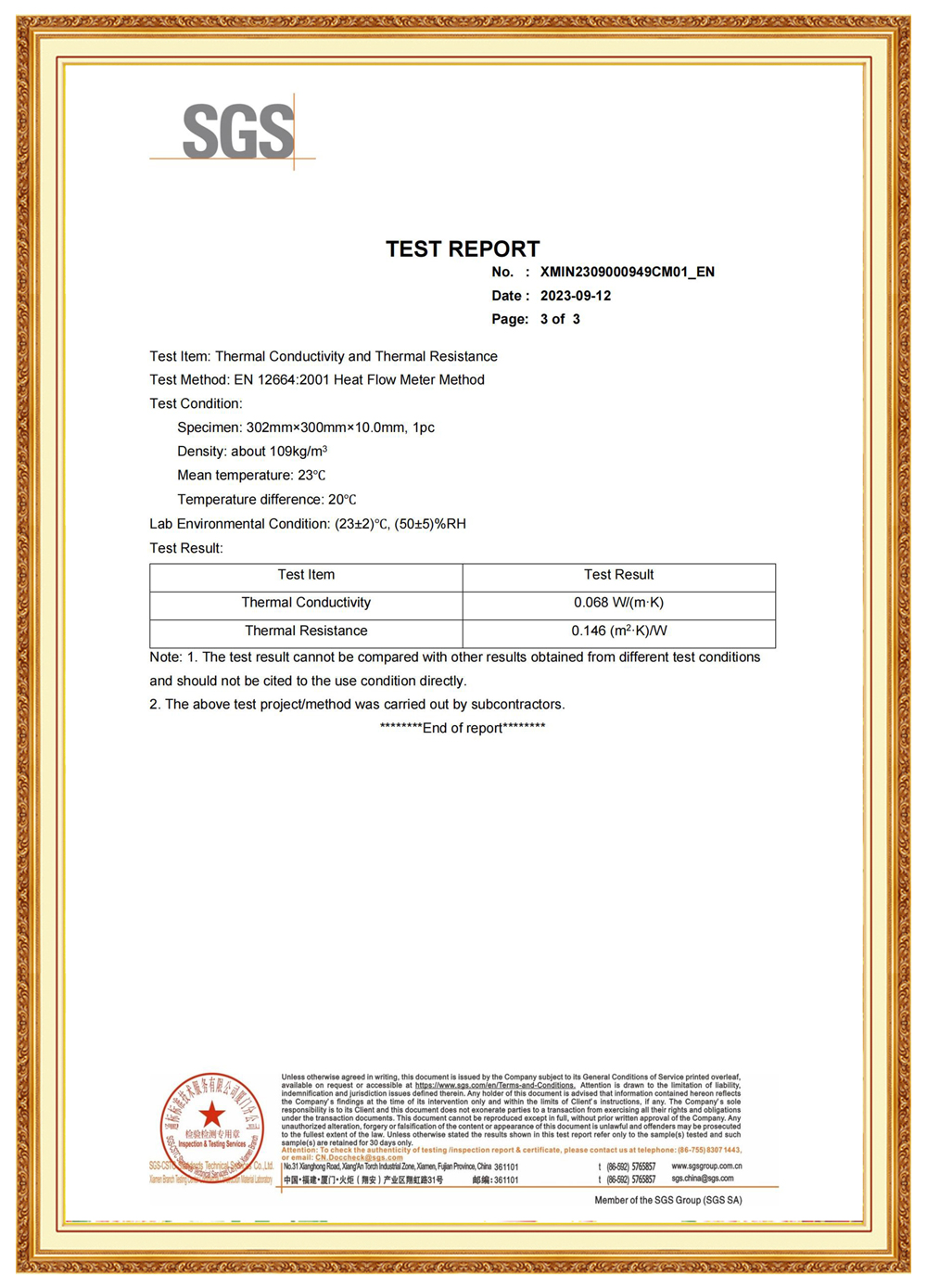
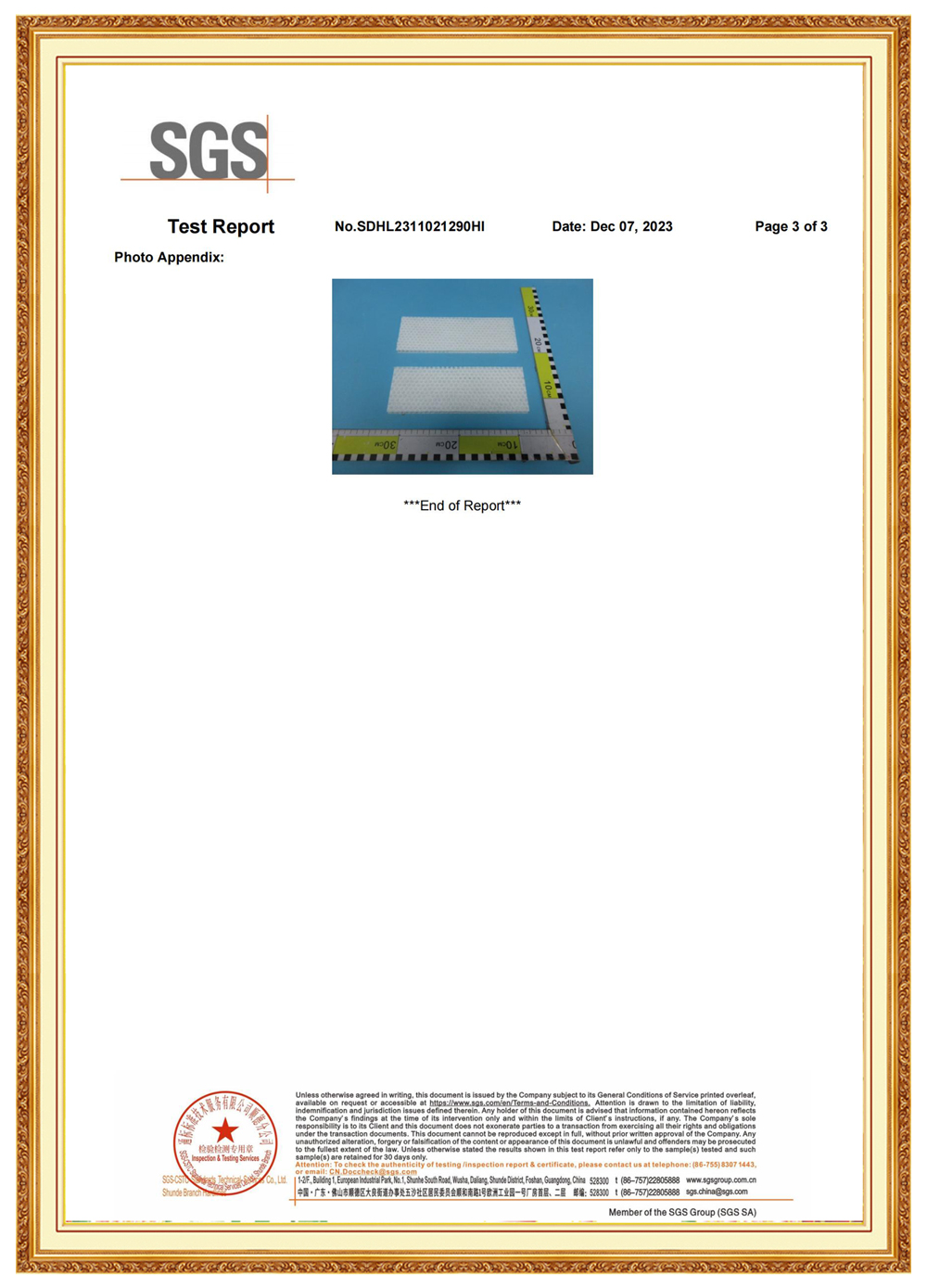
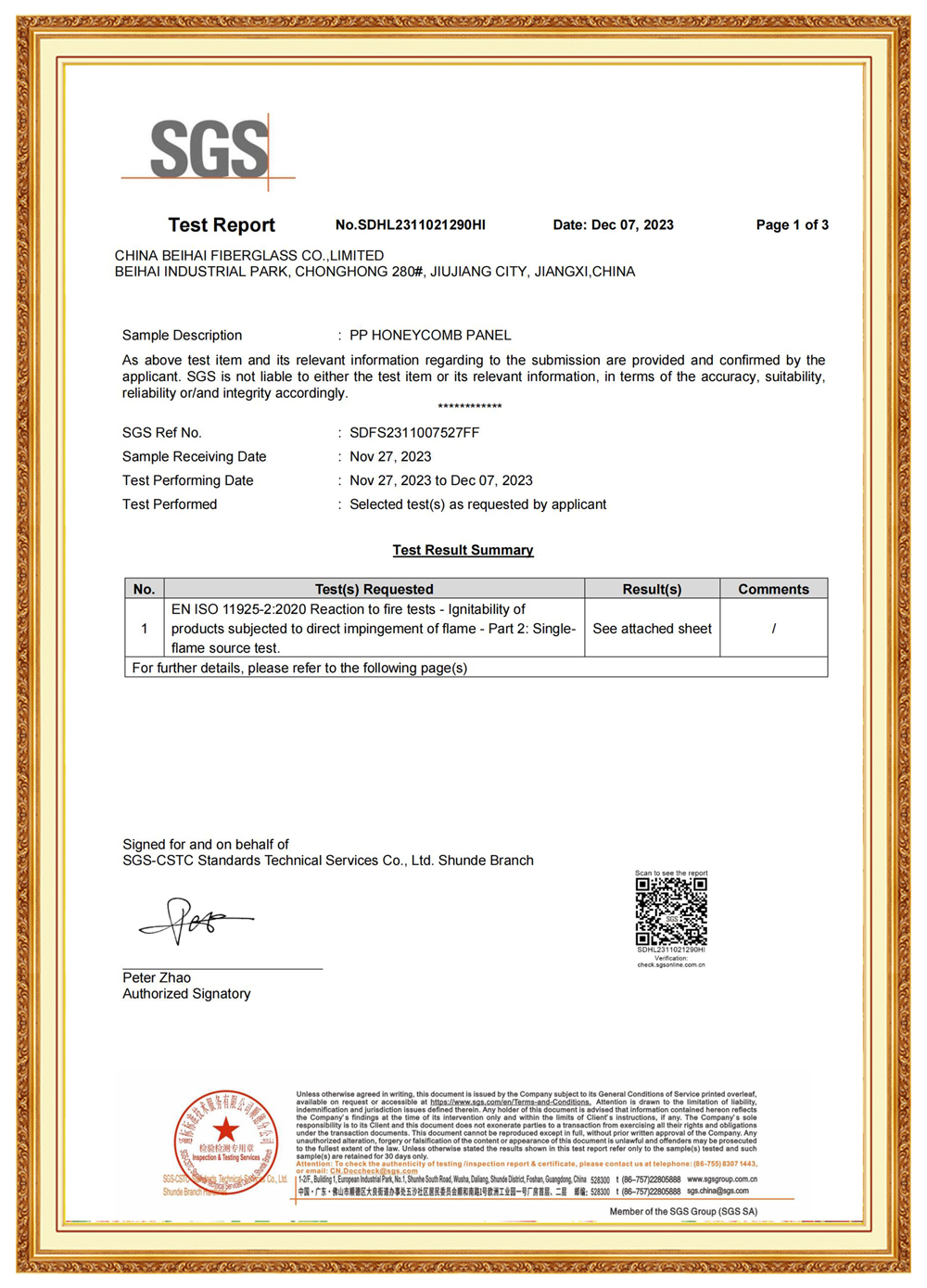
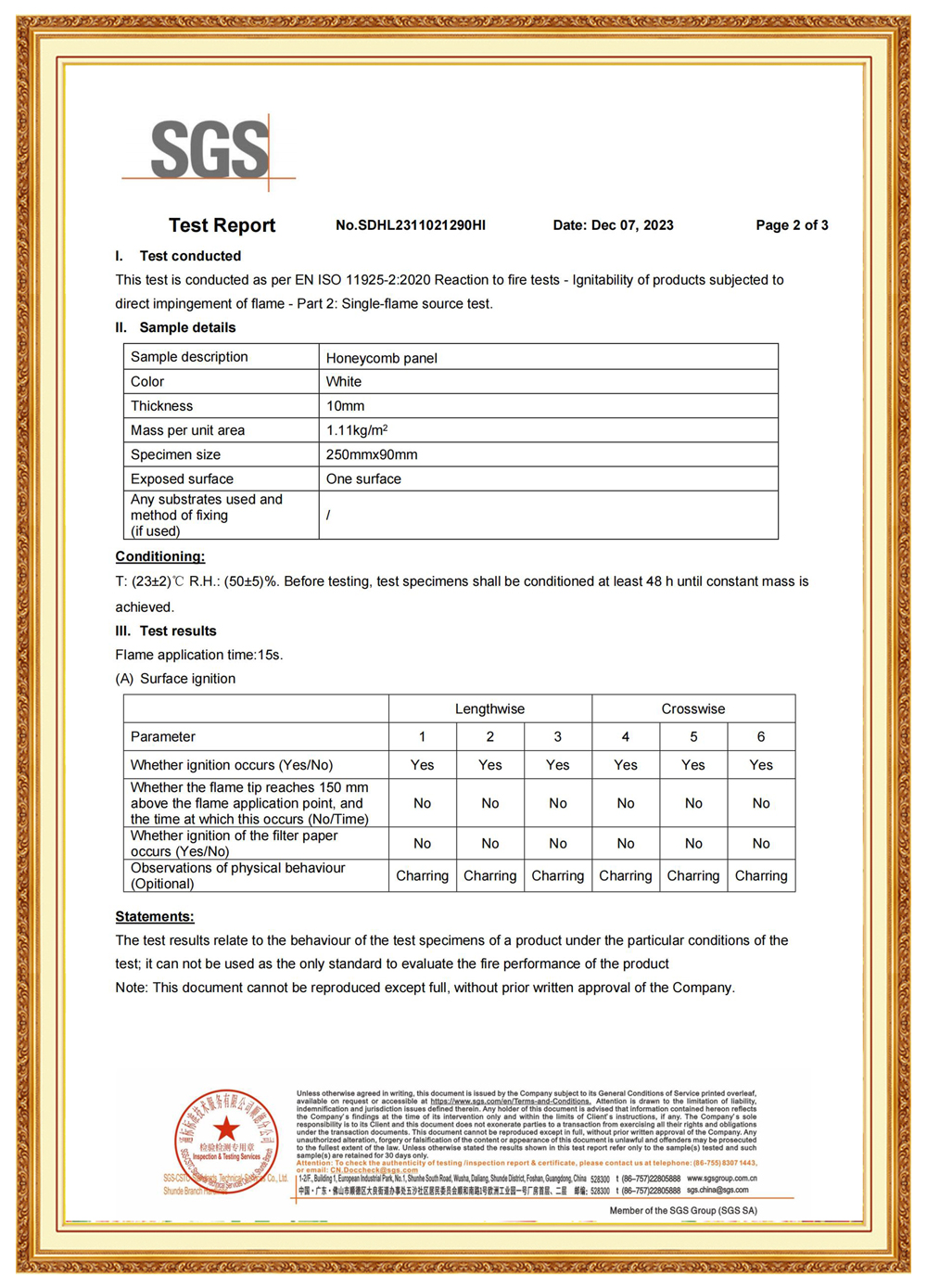
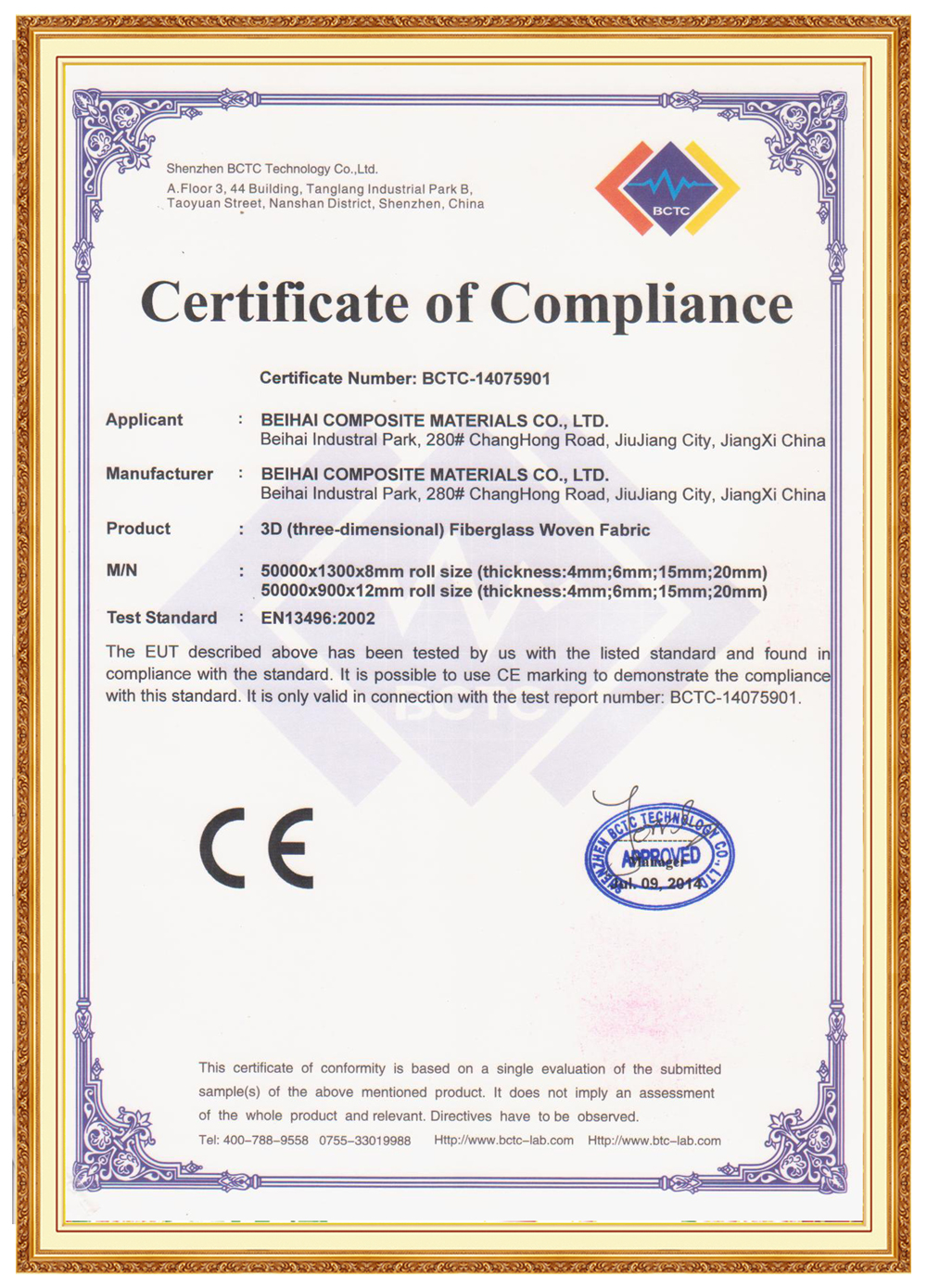
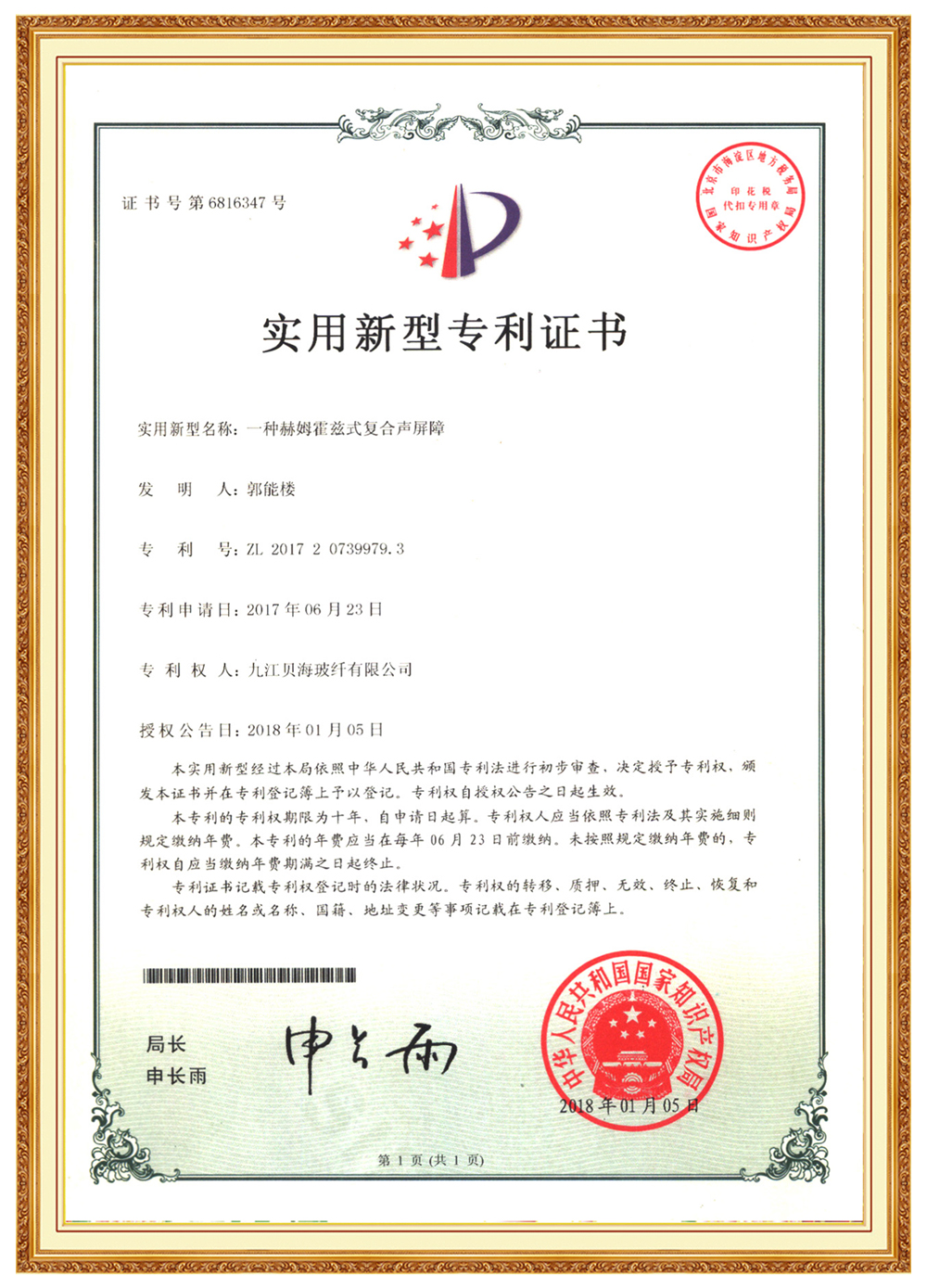
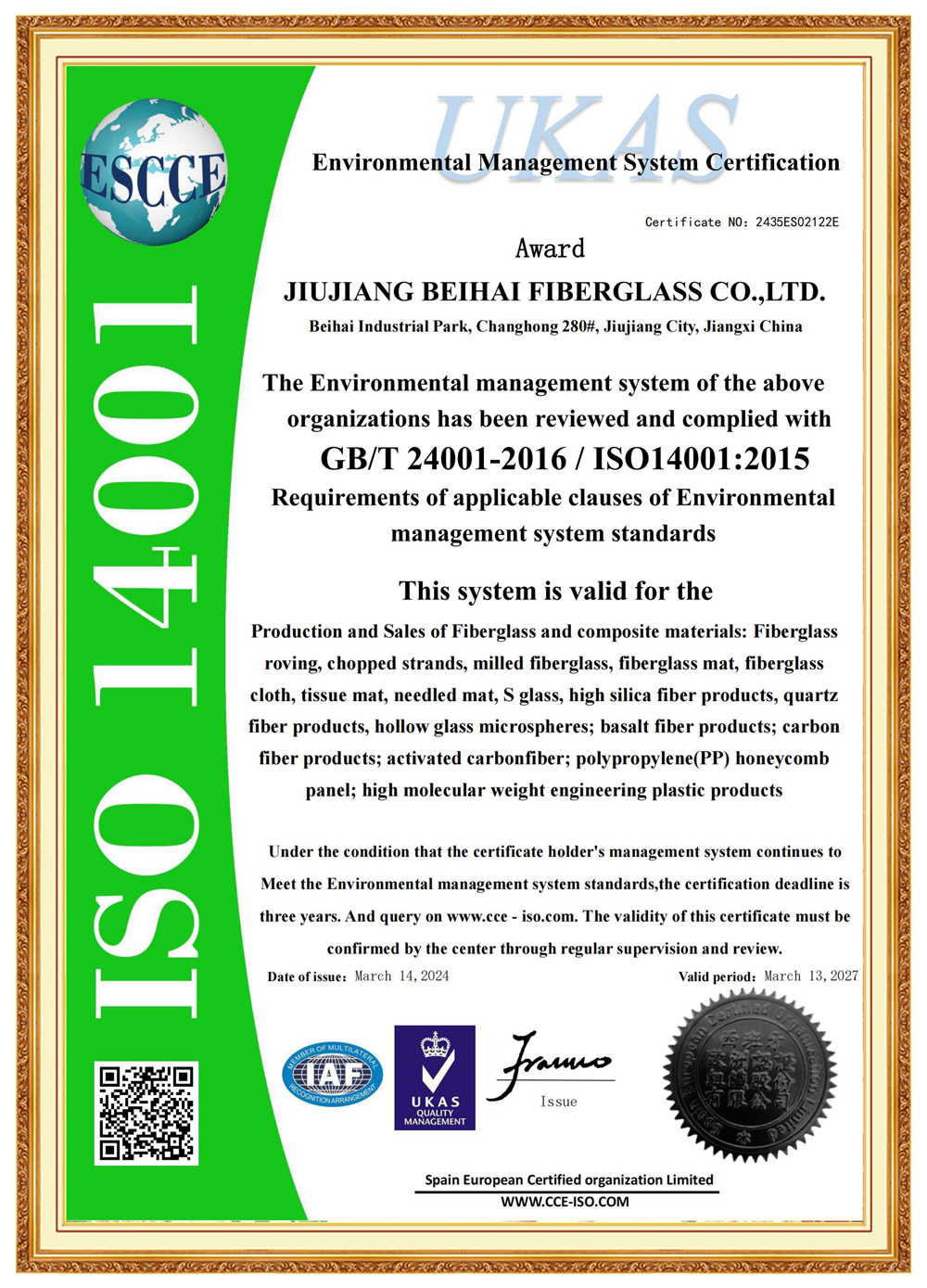
China Beihai products pass strict tests from third-party certification bodies, ensuring compliance with global import standards.

Keep up with technical updates, industry research, and new applications for high-performance basalt fibers.
Get quick, direct answers to common questions about basalt fiber woven sleeving specifications, bulk orders, and pricing.
 Beihai Fiberglass