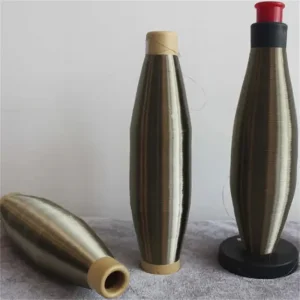
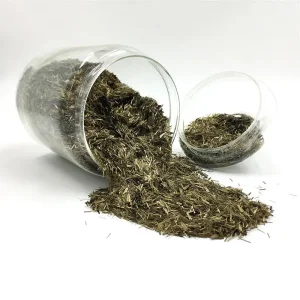
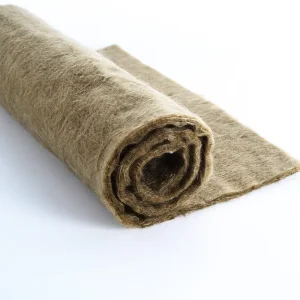
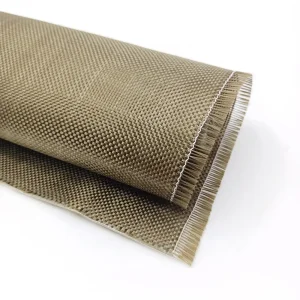
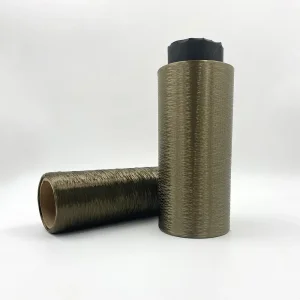
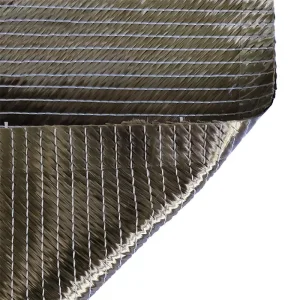
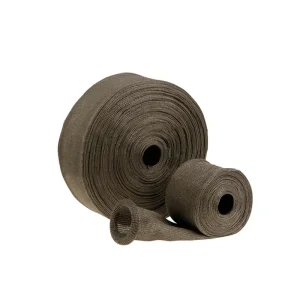
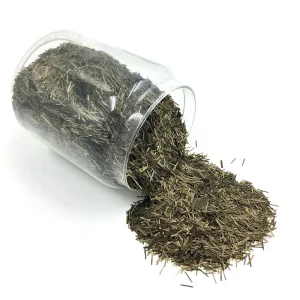
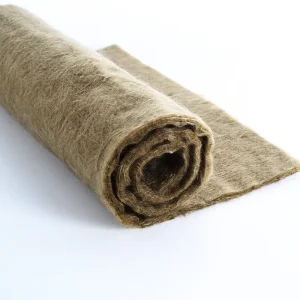
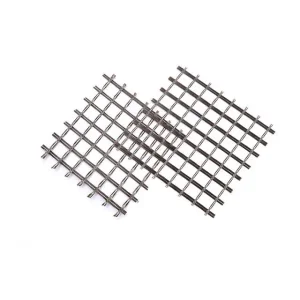
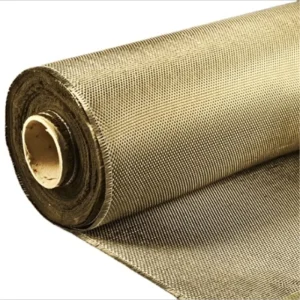
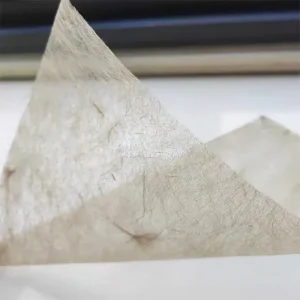
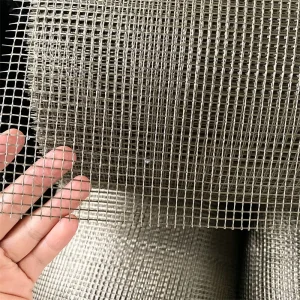
Basalt Filament Yarn (BFY) is a single-component inorganic fiber produced by melting natural volcanic basalt rock at 1450°C - 1500°C. Unlike glass fiber, basalt yarn offers a significantly higher elastic modulus (85-110 GPa) and exceptional thermal stability, maintaining structural integrity from -260°C to +700°C.
In the era of "Dual Carbon" goals, basalt fiber stands out as a 100% eco-friendly material. During production, it consumes 80% less energy than carbon fiber and produces no toxic gas emissions. It is fully recyclable, providing a sustainable alternative for LEED-certified construction projects.
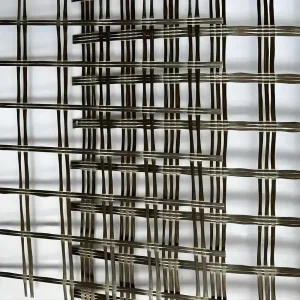
Our basalt yarn is specifically engineered for concrete reinforcement. Its inherent resistance to strong alkalis and acids makes it superior to E-glass in marine environments and chemical processing plants, preventing the catastrophic "delamination" seen in traditional steel reinforcements.
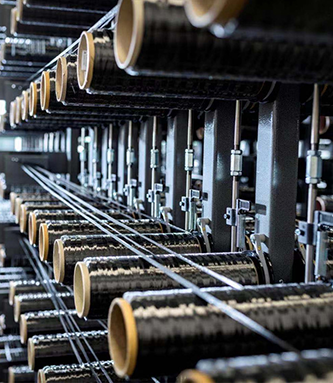
Founded in 2015 in Jiujiang, Jiangxi, China Beihai has emerged as a high-tech powerhouse. We don't just sell yarn; we manufacture the specialized furnaces and drawing equipment that define the industry standard. Our vertical integration allows us to control purity from the raw volcanic ore to the final twisted yarn.
Our Global Supply Chain Advantage:
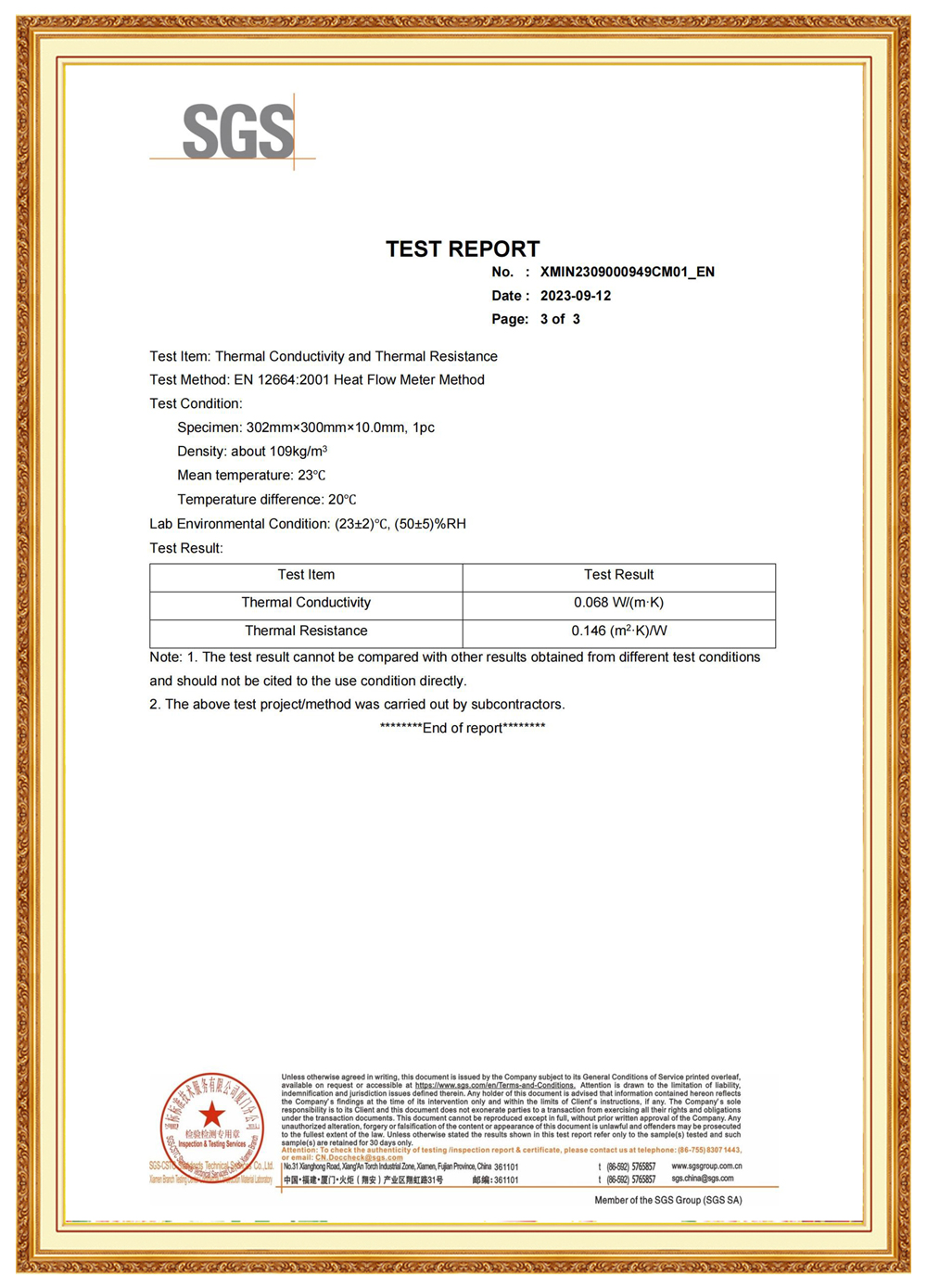
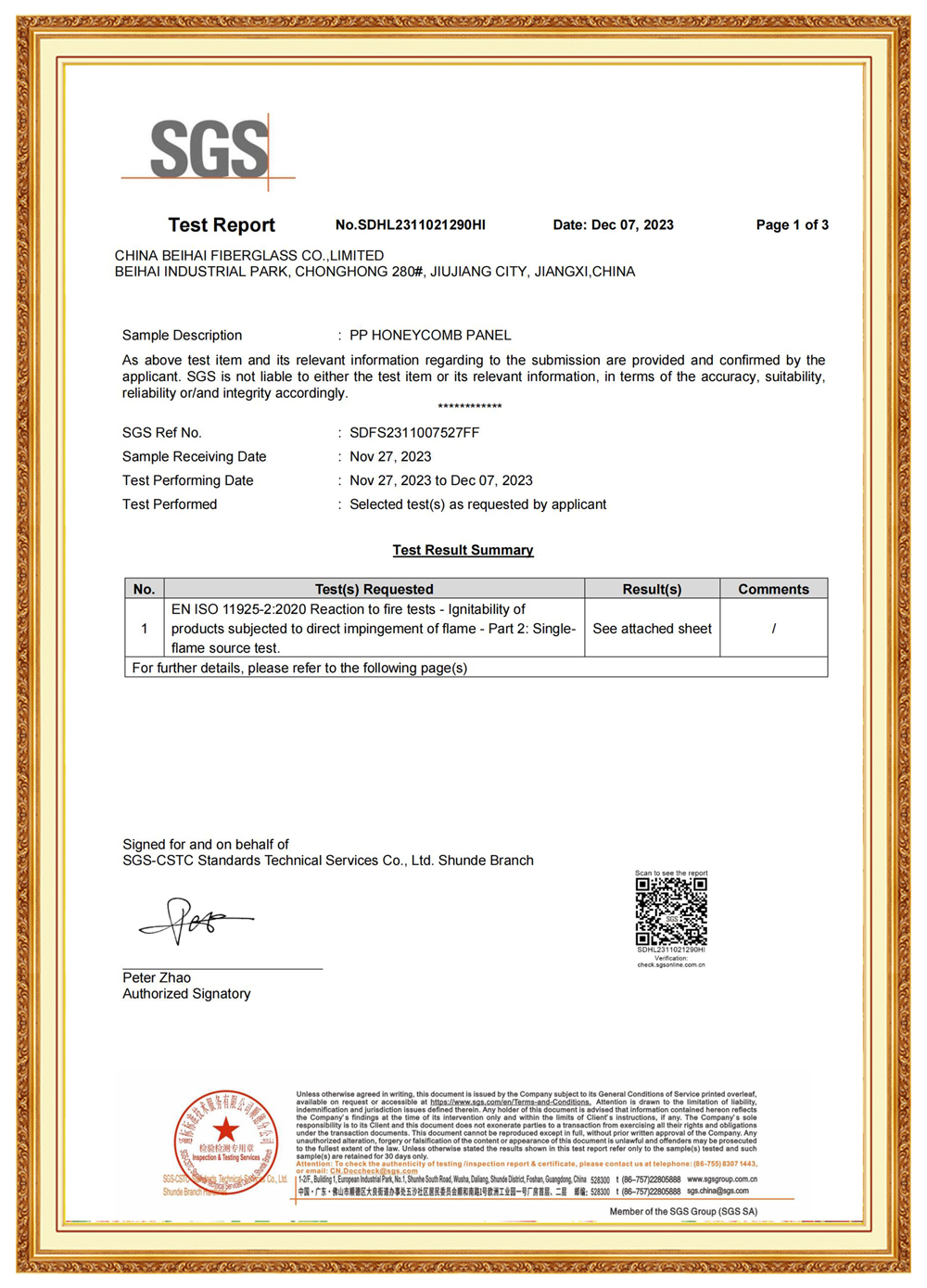
All products meet ASTM D8108, ISO 9001, and REACH standards. We provide full Material Safety Data Sheets (MSDS) and technical data sheets (TDS) for customs and engineering audits.
For large-scale infrastructure projects in the EU, USA, or Southeast Asia, we provide localized technical support to assist in composite structural design and basalt-to-resin compatibility testing.
Strategic partnerships with global freight forwarders ensure DDP/CIF/FOB delivery with specialized moisture-proof packaging for long-distance maritime transport.
From specific twist counts (Tex) to specialized sizing agents for high-temperature thermoplastic molding, we customize the chemistry to fit your local manufacturing process.
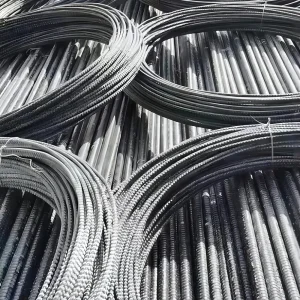
Replacing steel rebar with Basalt Rebar in bridge piers and seawalls to eliminate rust-related structural failure.

Used in soundproofing panels, brake pads, and engine covers. Basalt fiber is 20% lighter than glass fiber with better vibration damping.

Engineered for thermal protection shields and spacecraft shells where electromagnetic transparency and fire resistance are non-negotiable.
Basalt fiber wound pipes offer unmatched resistance to crude oil corrosion and high-pressure environments compared to traditional FRP.
A: Basalt yarn offers 15-20% higher tensile strength and 25-30% higher modulus. It is inherently UV resistant and has a much higher melting point (1450°C), making it the safer choice for fire-critical applications.
A: We utilize automated furnace control systems and laser filament monitoring. Every batch of basalt ore is chemically analyzed before melting to ensure the silica and alumina ratios meet our strict performance thresholds.
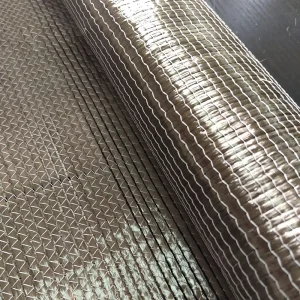
A: Yes, our twisted yarns are designed for high-speed weaving and pultrusion machines. The sizing agent is optimized to reduce friction and prevent filament breakage during the weaving process.
A: Typical lead times are 15-25 days. For long-term contract partners, we maintain a safety stock of common Tex counts (e.g., 300, 600, 1200, 2400 Tex) for immediate dispatch.

As drones slice through the sky to monitor wildfires, and intelligent robots execute repetitive tasks with precision on the factory floor, the efficient operation of this smart equipment is often underpinned by basalt fiber composites. Our research team has made it possible to use basalt fibers in the manufacture of spacecraft shell materials and thermal protection systems.
Read the Full Technical Whitepaper → Beihai Fiberglass