High-tensile, corrosion-resistant basalt fiber components for industrial-grade reinforcement.
As of 2024, the global construction industry is undergoing a paradigm shift. Traditional carbon steel rebar, while historically reliable, is failing under the pressures of accelerated chloride-induced corrosion in coastal regions and chemically aggressive industrial environments. The annual global cost of corrosion is estimated at $2.5 trillion USD, nearly 3.4% of the global GDP. Wholesale composite rebar, specifically Basalt Fiber Reinforced Polymer (BFRP), has emerged as the definitive solution to eliminate the "rust-expansion-crack" cycle that plagues concrete infrastructure.
Transitioning from a niche material to a mainstream industrial standard, composite rebar is now integrated into national building codes across North America (ACI 440.11), Europe (Eurocode 2), and Asia. The demand is driven by the Life Cycle Cost Analysis (LCCA), where BFRP's 100-year design life significantly outperforms steel's 40-year typical cycle in harsh environments.
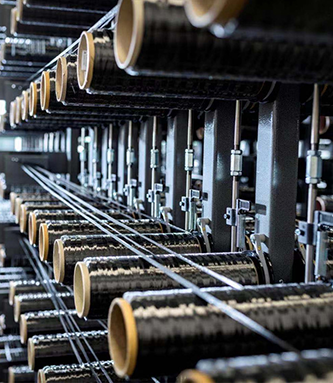
Lighter than Steel
Tensile Strength
Corrosion Rate
Design Lifespan
Founded in 2015 and headquartered in Jiujiang, Jiangxi Province, China Beihai stands as a high-tech pillar of the basalt continuous fiber industry. Our specialization isn't just in manufacturing; it's in the technological orchestration of basalt fiber production equipment and end-use composite applications.
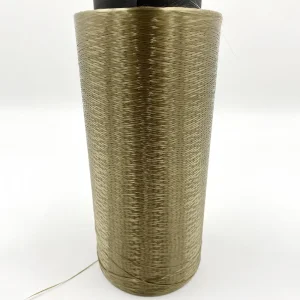
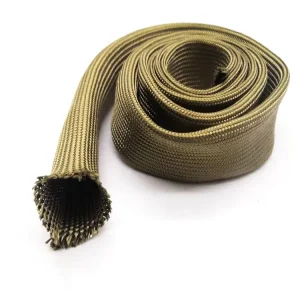
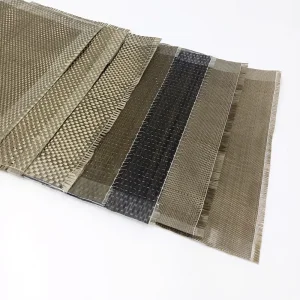
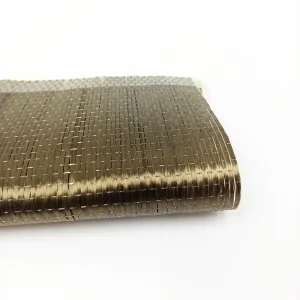
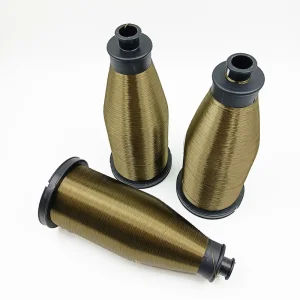
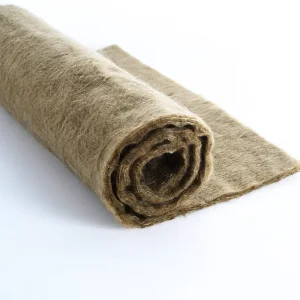
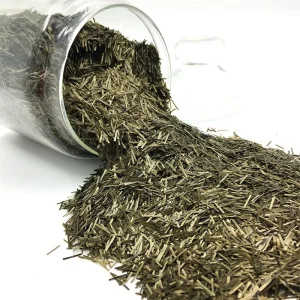
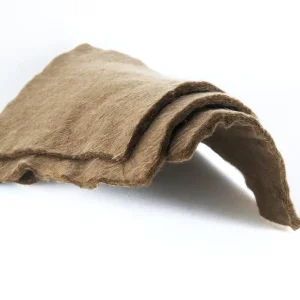
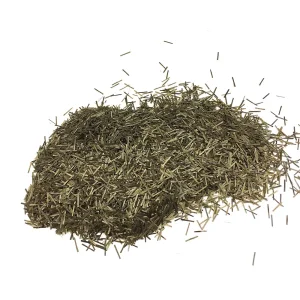
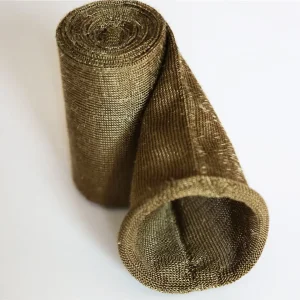
At China Beihai Group, we specialize in a diverse portfolio including: Basalt fiber mat, roving, yarn, chopped strands, and specialized BFRP Rebar. Unlike traditional suppliers, our approach is rooted in Information Gain: we provide the data, engineering support, and testing protocols required to ensure our basalt sleeves and tapes meet the rigorous demands of automotive, petrochemical, and marine engineering sectors.
Choosing China Beihai means partnering with a forward-thinking supplier. Our sustainability roadmap aligns with global carbon-neutrality goals, as basalt fiber production consumes significantly less energy and produces fewer CO2 emissions than traditional steel smelting.
Tailored composite solutions for high-consequence environments.

Pier protection, seawalls, and offshore platforms. Basalt rebar is immune to salt-water degradation, eliminating the need for expensive epoxy coatings.

Temporary and permanent rock bolting. BFRP rebar is "soft-cutting," allowing Tunnel Boring Machines (TBM) to pass through without damage to the cutter head.

Electromagnetic neutrality is critical for medical imaging rooms. Our composite rebar contains no metal, preventing signal interference in high-precision labs.
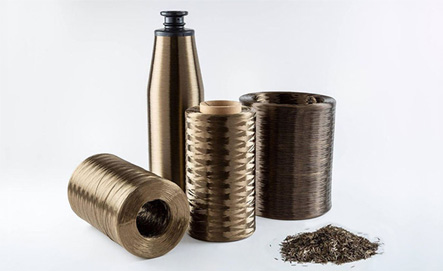
The future of composite reinforcement lies in Smart Rebar—the integration of fiber-optic sensors within the basalt matrix during the pultrusion process. This allows for real-time structural health monitoring (SHM), providing data on stress, strain, and temperature directly from the concrete core.
China Beihai is actively researching Next-Gen Hybrid Composites, combining basalt fiber with carbon fiber to optimize the cost-to-strength ratio for ultra-high-performance concrete (UHPC) applications. Our commitment to innovation ensures that our clients stay ahead of regulatory changes and environmental mandates.
Ensuring your projects meet the highest safety and regulatory standards.
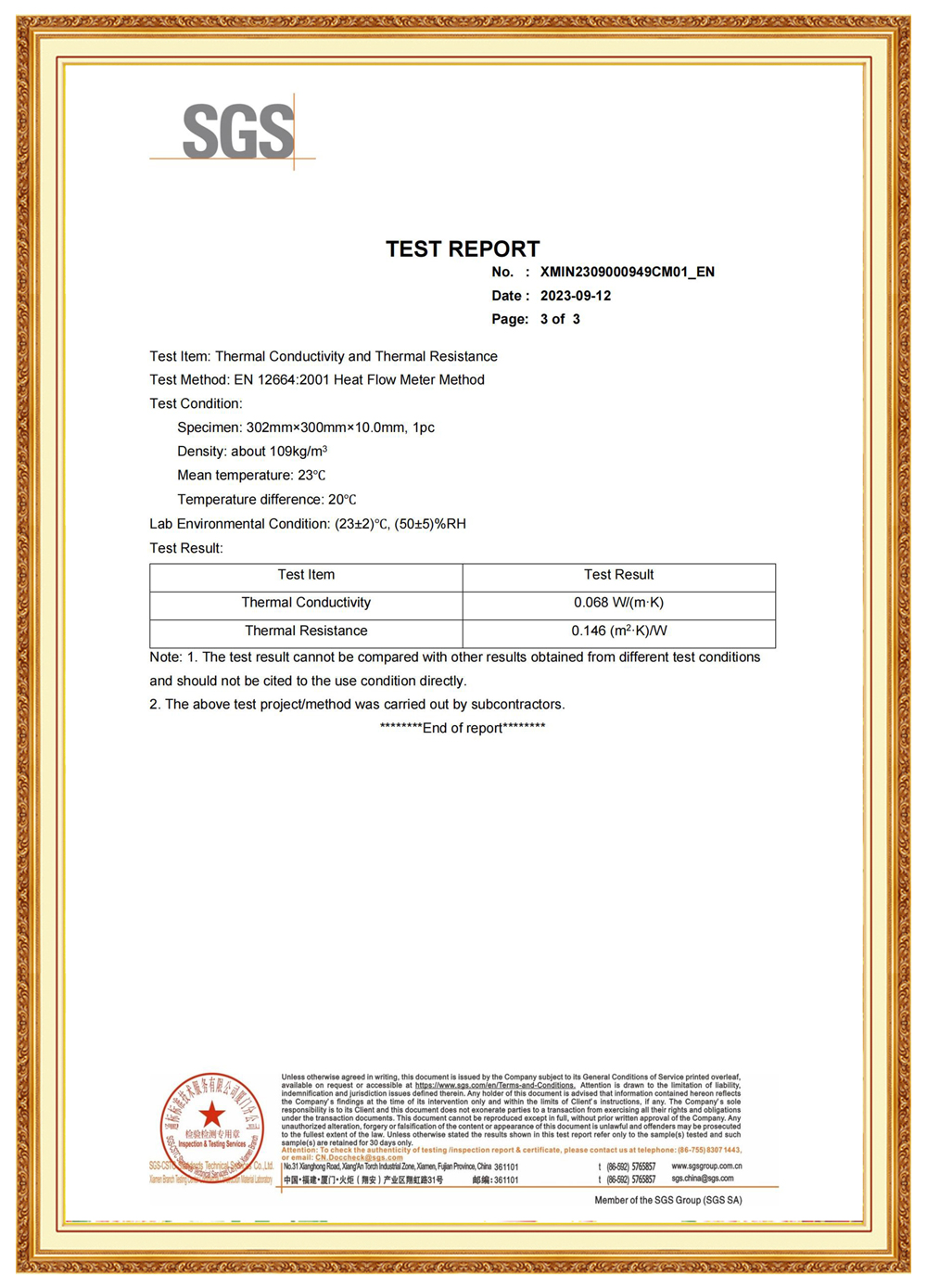
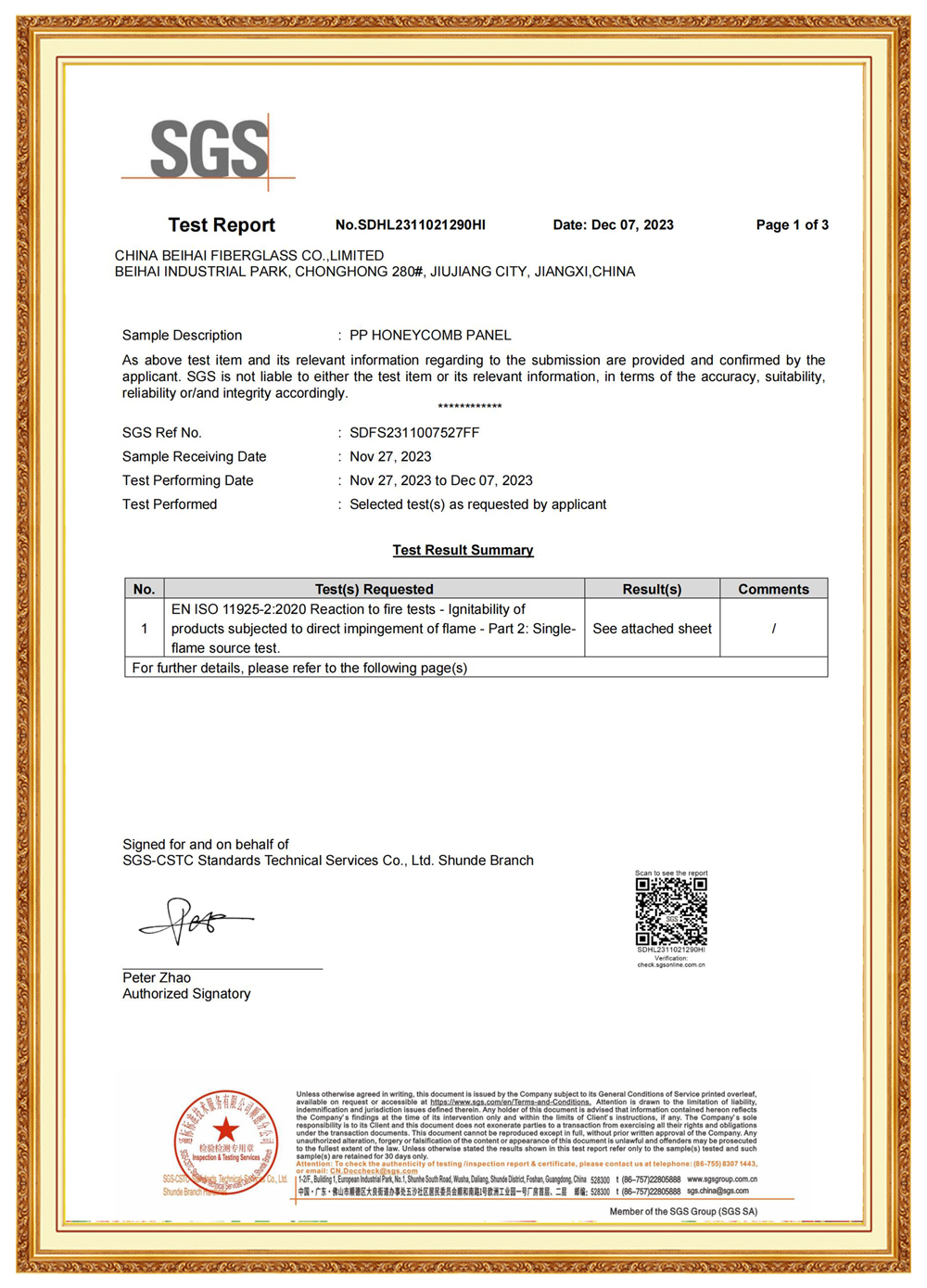
Our products are ISO 9001 and CE certified. We provide full traceability from the raw basalt volcanic rock to the finished pultruded rebar, ensuring consistency in alkali resistance and thermal stability.
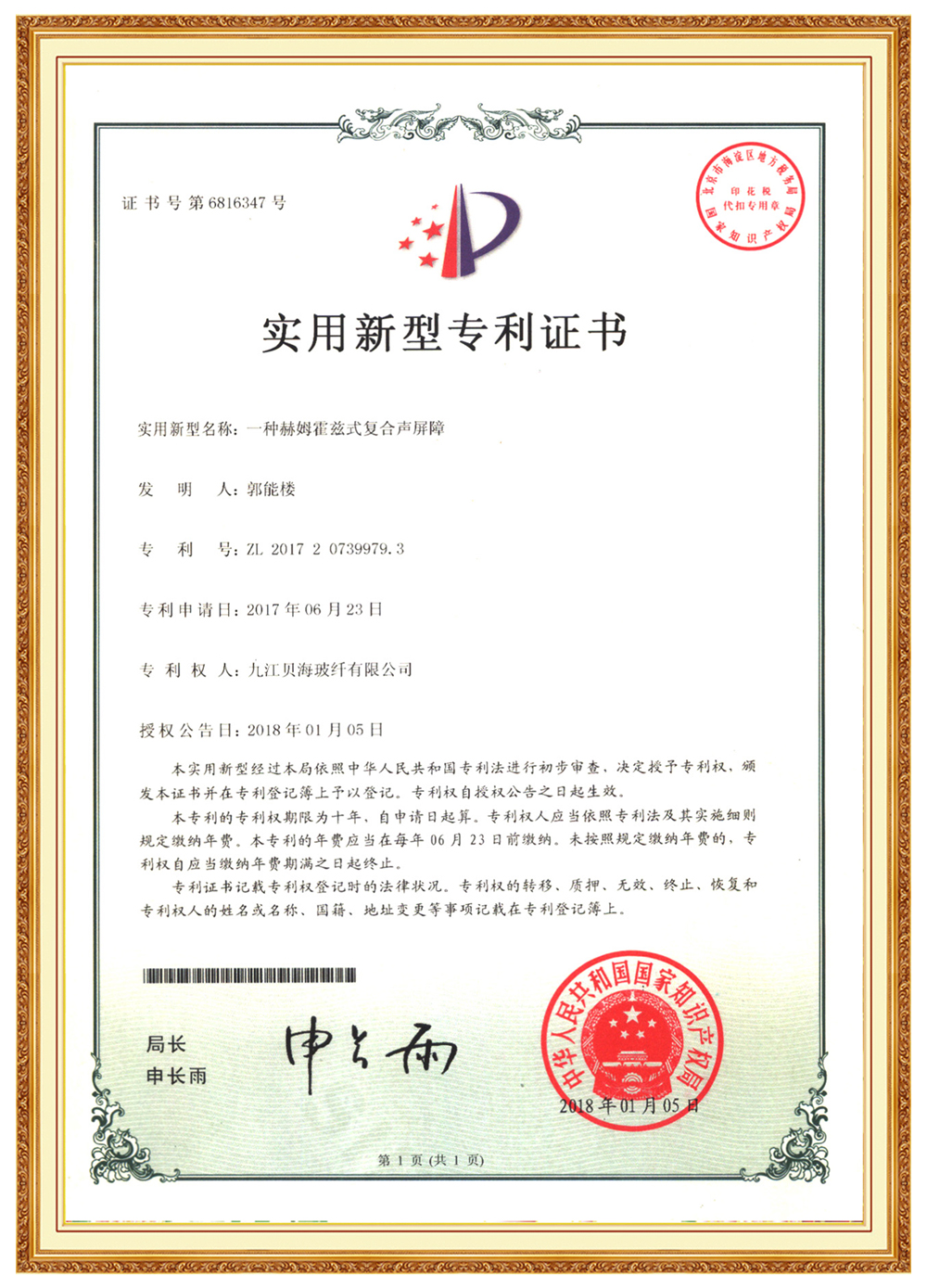
With strategic warehousing and a robust supply chain, China Beihai guarantees localized support for large-scale infrastructure projects, reducing lead times and ensuring on-site delivery sync with construction schedules.
We don't just sell products; we offer structural calculation support. Our engineers help translate steel-based designs into optimized composite reinforcement layouts to maximize economic value.
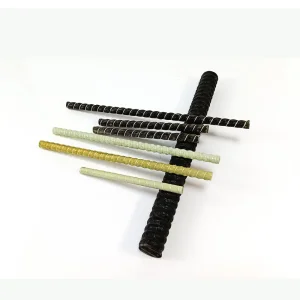
A: Basalt rebar typically features a sand-coated or ribbed surface profile. Tests show that the bond strength of BFRP to concrete is comparable to or higher than that of deformed steel bars, ensuring excellent structural load transfer without slipping.
A: While the polymer matrix in composite rebar will degrade at high temperatures (typically >300°C), the basalt fibers themselves are fire-proof (melting point >1450°C). In reinforced concrete, the concrete cover provides the necessary thermal insulation to meet standard fire ratings.
A: No. Unlike steel, composite rebar is an anisotropic material and cannot be cold-bent in the field. All bends (stirrups, corners) must be pre-fabricated during the manufacturing process at our facility based on your design specs.
A: One of the greatest advantages of BFRP rebar is that its coefficient of thermal expansion is very close to that of concrete. This prevents internal stress and delamination during temperature fluctuations, unlike other materials like aluminum or some plastics.
A: Our basalt rebar is treated with UV-resistant resins. However, like all polymers, prolonged direct exposure to intense sunlight for months can affect the surface. We recommend covering stored rebar if it will not be cast in concrete within 3-4 weeks.
As drones slice through the sky to monitor wildfires, and intelligent robots execute repetitive tasks with precision on the factory floor, the efficient operation of this smart equipment is often underpinned by a "hardcore support": Basalt Fiber composites. These materials are not just replacing steel; they are enabling designs previously thought impossible due to weight or environmental constraints.

Basalt fiber is ideal for your engineering projects. Its high strength, corrosion resistance and lightweight properties allow it to easily solve a variety of challenges. In buildings, bridges, roads and other infrastructure projects, basalt fibers demonstrate outstanding performance, extending structural life and reducing maintenance costs. Choose basalt fiber, choose reliability and durability.
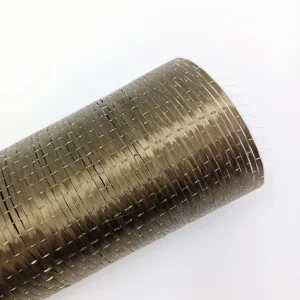
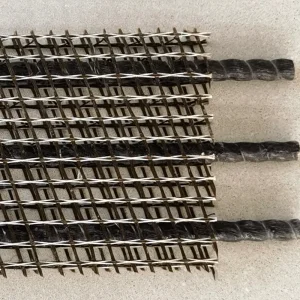
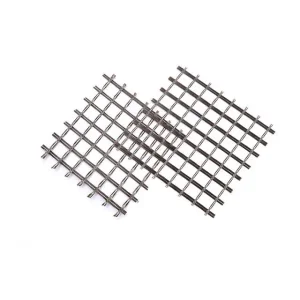
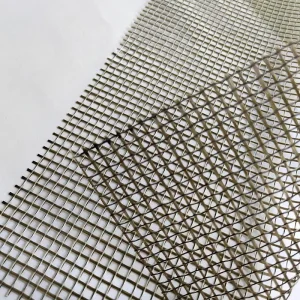
China Beihai continues to lead with processes that ensure high tensile basalt fiber mesh for roadbed reinforcement and tunnel stability. Our history of excellence is documented in every batch we produce.
Wholesale availability for global export and local distribution.
 Beihai Fiberglass