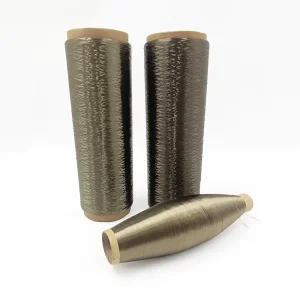
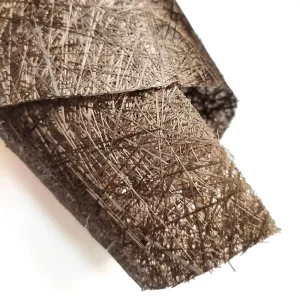
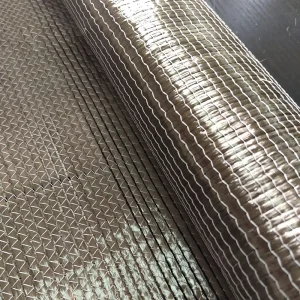
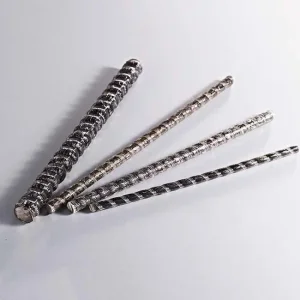
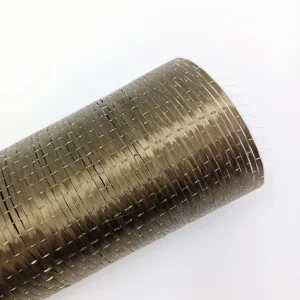
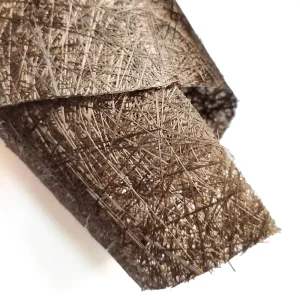
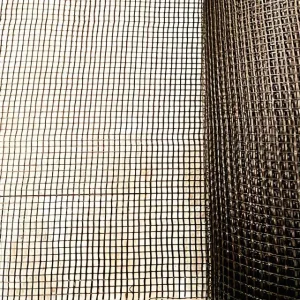
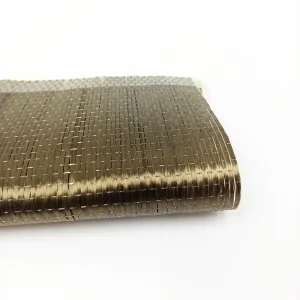
Explore our elite portfolio of continuous basalt fiber products, designed as high-performance, non-corrosive, and eco-friendly structural alternatives to traditional steel reinforcement and e-glass.
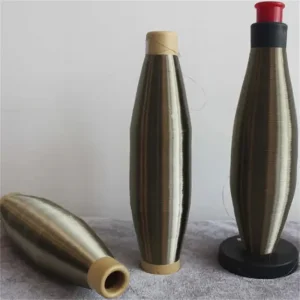
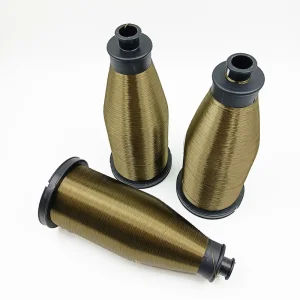
As the modern B2B manufacturing landscape transitions to the carbon-neutral circular economy, global engineering and procurement sectors are actively searching for high-performance materials that do not compromise environmental integrity. Continuous Basalt Fiber (CBF), processed into high-integrity eco-friendly basalt yarn, stands as a crowning achievement of geological chemical engineering. Sourced from 100% natural, abundant volcanic rock, basalt fibers require zero chemical additives or artificial inputs during melting and drawing processes, ensuring a zero-waste, eco-conscious industrial lifecycle.
Unlike steel or synthetic composites that generate colossal greenhouse emissions during refining, basalt yarn is extruded directly from crushed vulcanite mineral deposits at temperatures exceeding 1450°C. The process utilizes energy-optimized electric furnace designs that minimize absolute thermal release. This unique single-ingredient mineral base ensures that the resulting fiber remains entirely bio-neutral, flameproof, corrosion-proof, and fundamentally non-toxic throughout its lifespan and eventual structural recycling.
From deep-sea ocean platforms where saline oxidation rapidly degrades carbon steel, to heavy chemical vessels vulnerable to strong acids, basalt yarn delivers structural integrity, chemical passivity, and extreme thermal limits unmatched by traditional mineral filaments.
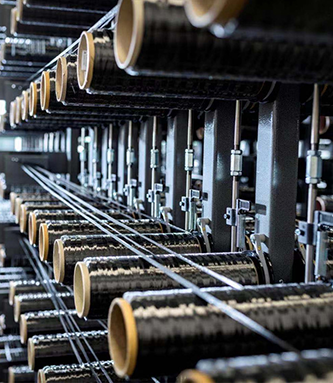
Understanding the molecular advantage of Continuous Basalt Fiber (CBF) over mainstream structural alternatives through scientific engineering metrics.
Continuous Basalt Fiber is inherently superior to standard E-glass and alloy reinforcements in molecular stability. Composed predominantly of silicon dioxide (SiO₂), aluminum oxide (Al₂O₃), iron oxides (FeO and Fe₂O₃), calcium oxide (CaO), and magnesium oxide (MgO), basalt's natural chemical network grants it absolute chemical resistance across high alkaline concrete matrix zones (pH values up to 13.5) and highly acidic industrial environments.
| Performance Metric | Continuous Basalt Yarn (CBF) | E-Glass Fiber | Carbon Fiber (Standard Pan) | Carbon Steel (Structural Grade) |
|---|---|---|---|---|
| Tensile Strength (MPa) | 3,000 - 4,800 | 2,000 - 3,400 | 3,500 - 6,000 | 400 - 600 |
| Elastic Modulus (GPa) | 89 - 110 | 72 - 76 | 230 - 290 | 200 - 210 |
| Continuous Working Temp (°C) | -260 to +700°C | -60 to +380°C | Up to +450°C (In Inert) | Up to +400°C |
| Corrosion & Salt Resistance | Outstanding (Inert to Salts & Acids) | Moderate (Prone to Acid Attack) | Excellent (Except Galvanic Reaction) | Poor (Prone to Rapid Oxidation) |
| Specific Gravity (g/cm³) | 2.63 - 2.80 | 2.54 - 2.60 | 1.75 - 1.80 | 7.85 |
| Carbon Footprint Lifecycle | Extremely Low (Natural Single-source Melt) | High (Synthetic Raw Sourcing) | Very High (Complex Polymer Precursor) | Severe (High Carbon Coking Process) |
How China Beihai achieves absolute consistency and maximum tensile retention in continuous basalt yarn drawing.
Our raw vulcanite is sourced from pristine basalt rock beds with verified oxide concentrations. This ensures uniform melting profiles inside our energy-efficient gas-electric furnaces, avoiding variations in fiber diameter and tensile weak spots.
Our continuous basalt fiber filaments are drawn through high-precision, 2400-hole platinum-rhodium alloy bushing plates. This guarantees uniform monofilament diameters down to 9-15 microns, preserving optimal structural integrity.
We apply customized silane sizing agents formulated specifically for cement, epoxy, and polyester matrices. This optimizes the interfacial shear strength (IFSS), preventing delamination under intense shear stresses.
How China Beihai continuous basalt fiber delivers structural reinforcement, extreme temperature survival, and weight savings across primary industries.
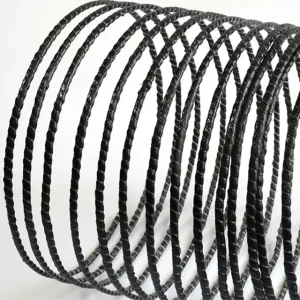
By shifting from conventional steel rebars to high-strength Basalt Rebars, construction engineers protect structures from water ingress, coastal saline attack, and aggressive soil conditions. Basalt's identical thermal expansion coefficient to concrete eliminates structural cracks caused by seasonal temperature changes, drastically extending the design life of tunnels, retaining walls, and sea barriers without costly repair work.
Our specialized eco-friendly basalt yarn is woven into insulation shields and structural underbody paneling for electric vehicles (EVs). Basalt's exceptional fire containment rating makes it a critical thermal runaway barrier for lithium-ion battery enclosures, preventing catastrophic heat transfer while significantly reducing overall vehicle weight compared to steel or aluminum panels.
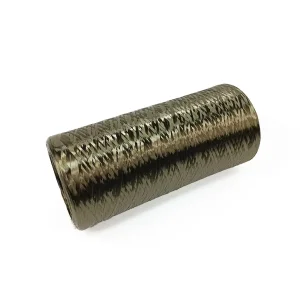
In high-pressure oil and gas pipe production, continuous basalt roving is wound with epoxy resins to manufacture non-corrosive, chemical-inert pipelines. Basalt fiber is highly resistant to hydrogen sulfide (H₂S) and organic solvents. For aerospace projects, basalt's non-magnetic characteristics and RF-transparency make it ideal for structural radomes, satellite component shielding, and high-velocity aircraft engine fairings.
From deep-sea marine reinforcement to specialized high-temperature industrial shielding, basalt yarn is the material of choice.
Our robust basalt fiber structural systems prevent concrete spalling and carbonation in humid urban environments.
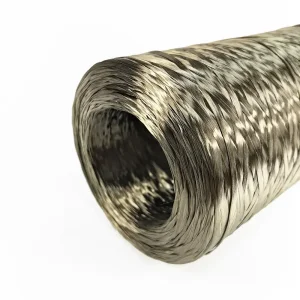
Lightweight thermal blankets woven from basalt continuous yarns protect core systems from exhaust heat.
Basalt's unique RF transparency makes it highly effective for specialized space telecommunication domes.
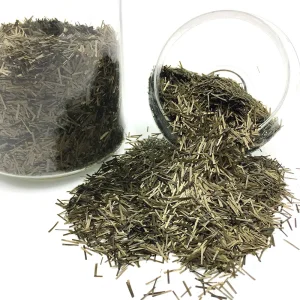
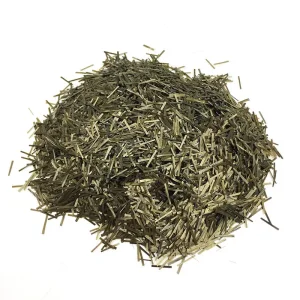
Direct integration of high-tensile basalt chopped strands prevents micro-cracking and shrinkage in precast structures.
Woven basalt fabrics form rigid, impact-resistant underbody shields for global electric vehicles.
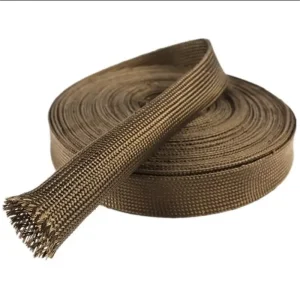
Highly effective non-corrosive jacket wrapping prevents salt spalling on bridges and coastal marine piles.
Eliminates localized galvanic corrosion and acid erosion in underground hydrocarbon transport pipelines.
Saltwater-resistant basalt fiber hull fabrics replace degradable fiberglass, reducing lifelong maintenance costs.
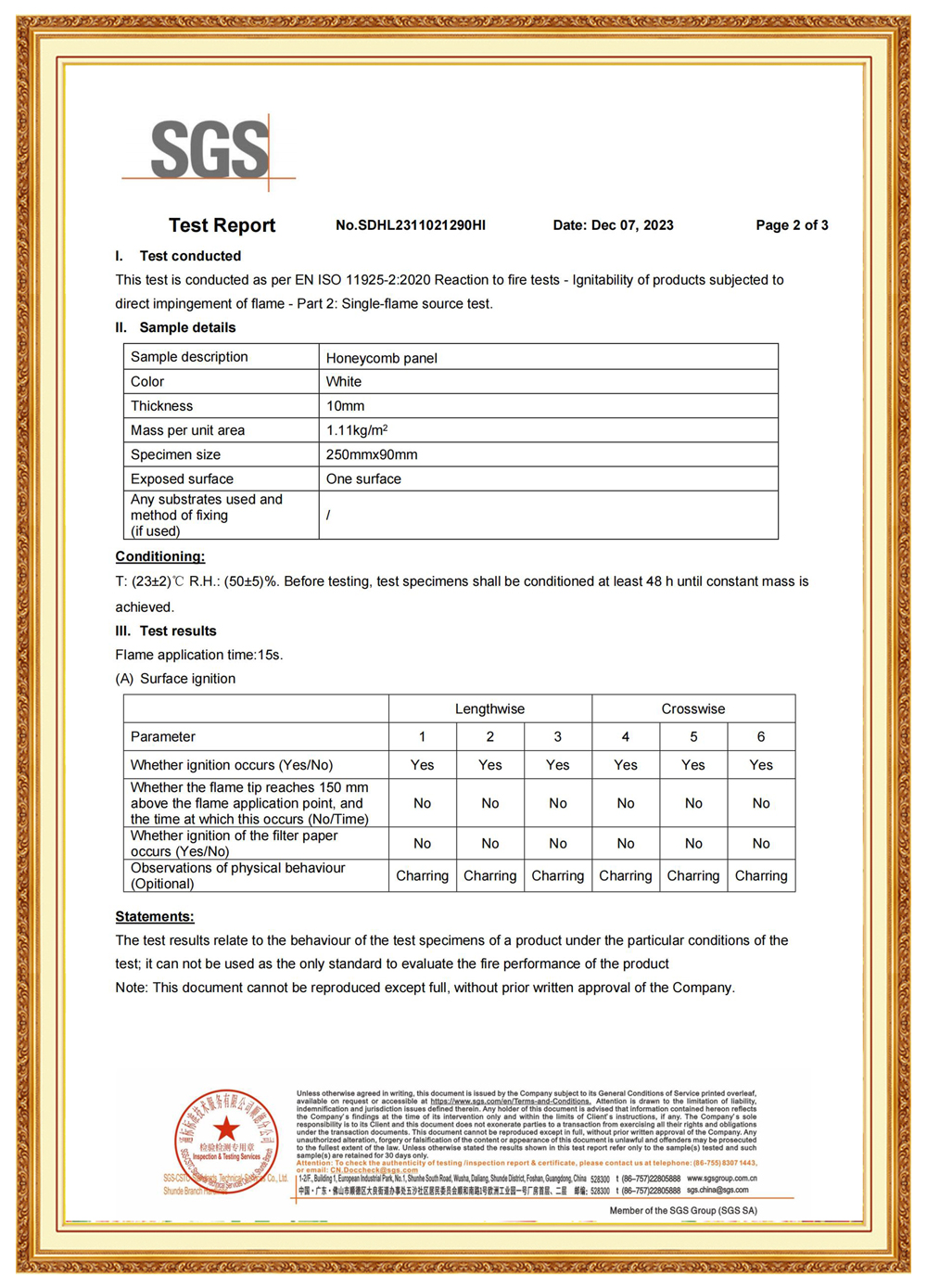
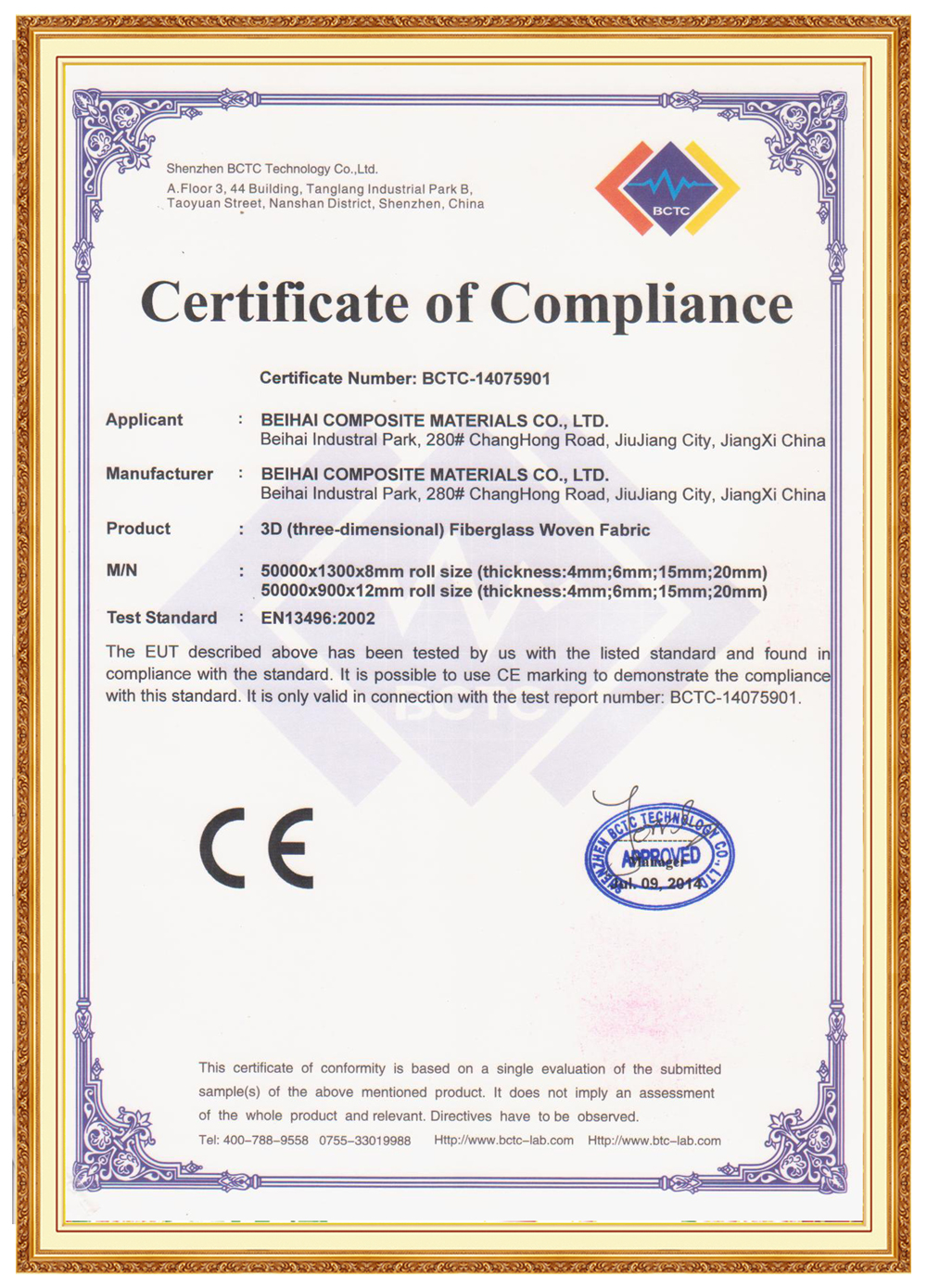
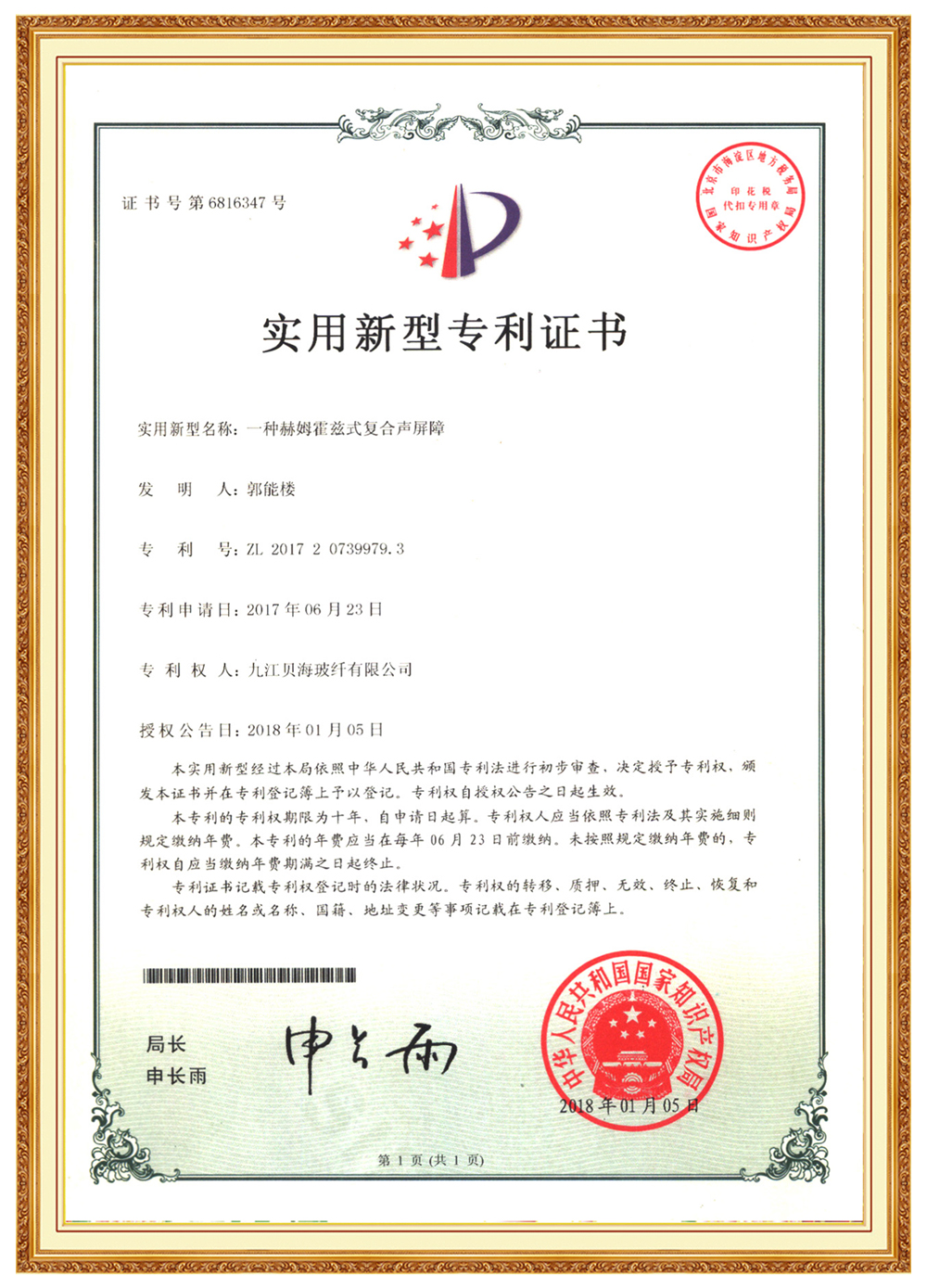
To successfully integrate new materials into high-liability sectors like public infrastructure and aerospace, rigorous regulatory compliance is non-negotiable. At China Beihai Group, our continuous basalt fiber manufacturing plants adhere to the strict requirements of ISO 9001:2015 Quality Management Systems and ISO 14001:2015 Environmental Protocols.
Every shipment of eco-friendly basalt yarn, roving, and rebar undergoes detailed laboratory testing, including tensile strength verification, thermal stability monitoring, and chemical aging trials. Our products conform to the globally recognized material standards of the ASTM International D30 Composite Committee and the American Concrete Institute (ACI 440.1R-15) guidelines for FRP concrete reinforcement. For European imports, our basalt fibers are fully registered under REACH and carry full CE Certification, verifying their suitability for infrastructure projects across the EU.
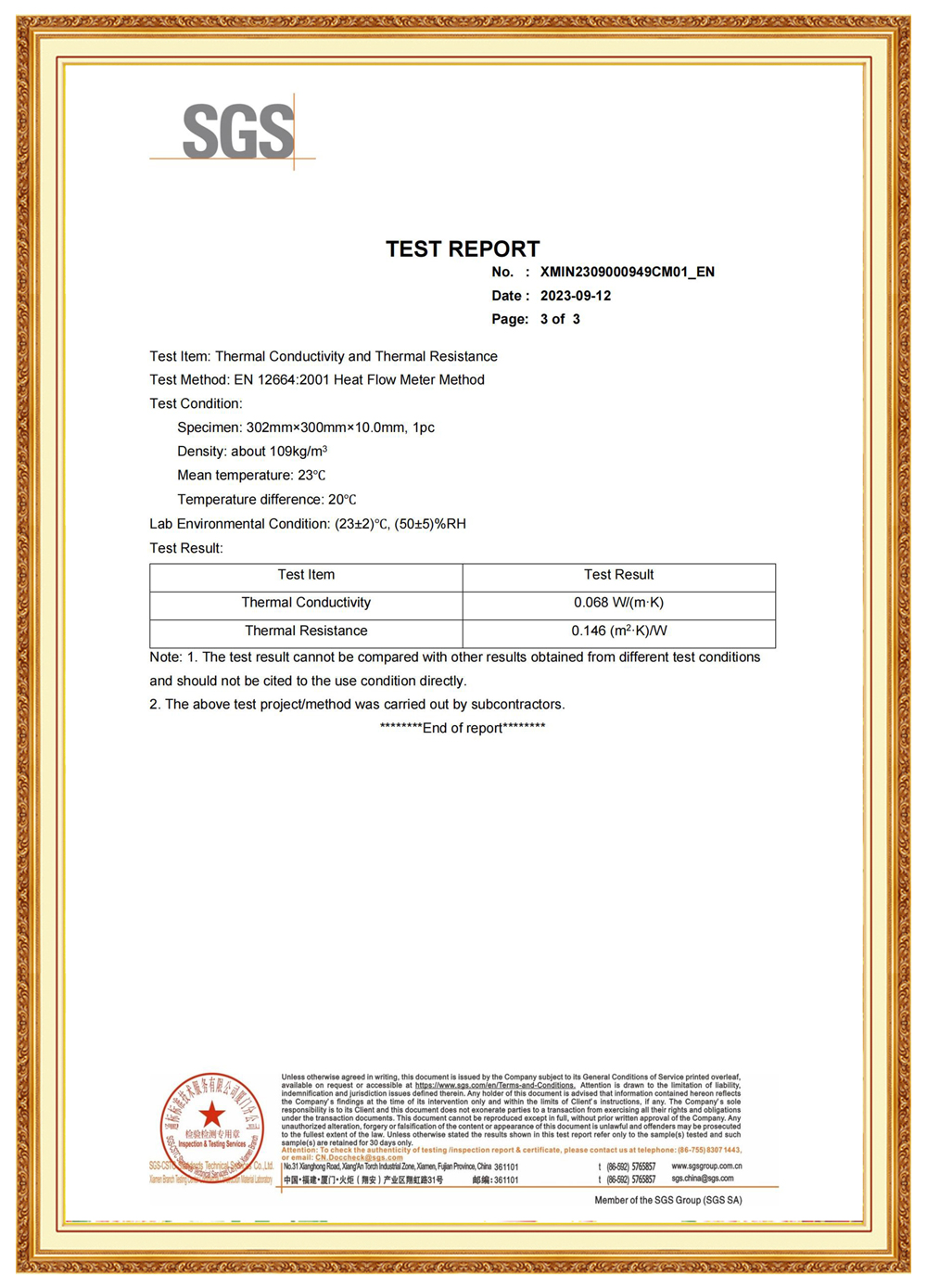
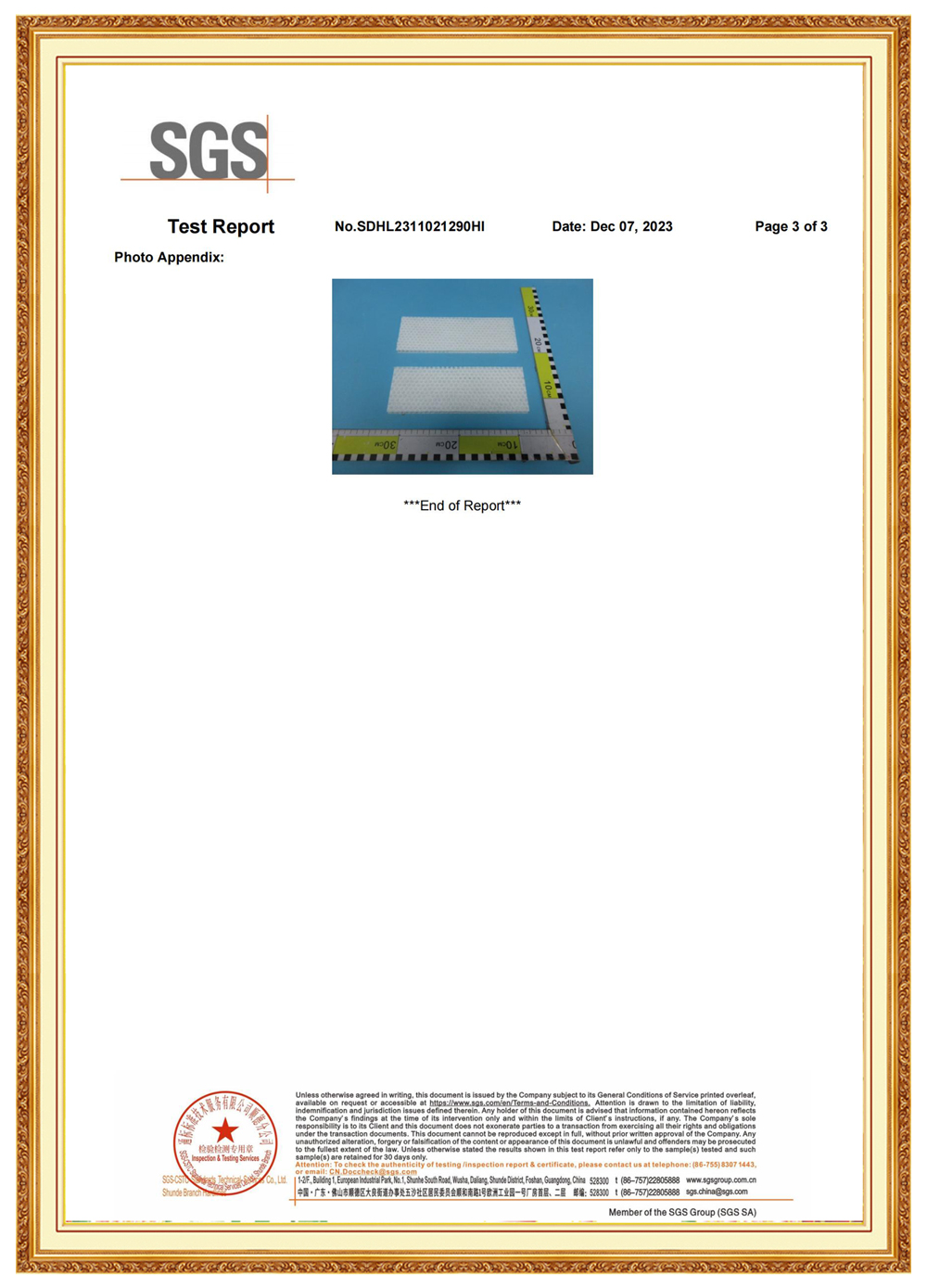
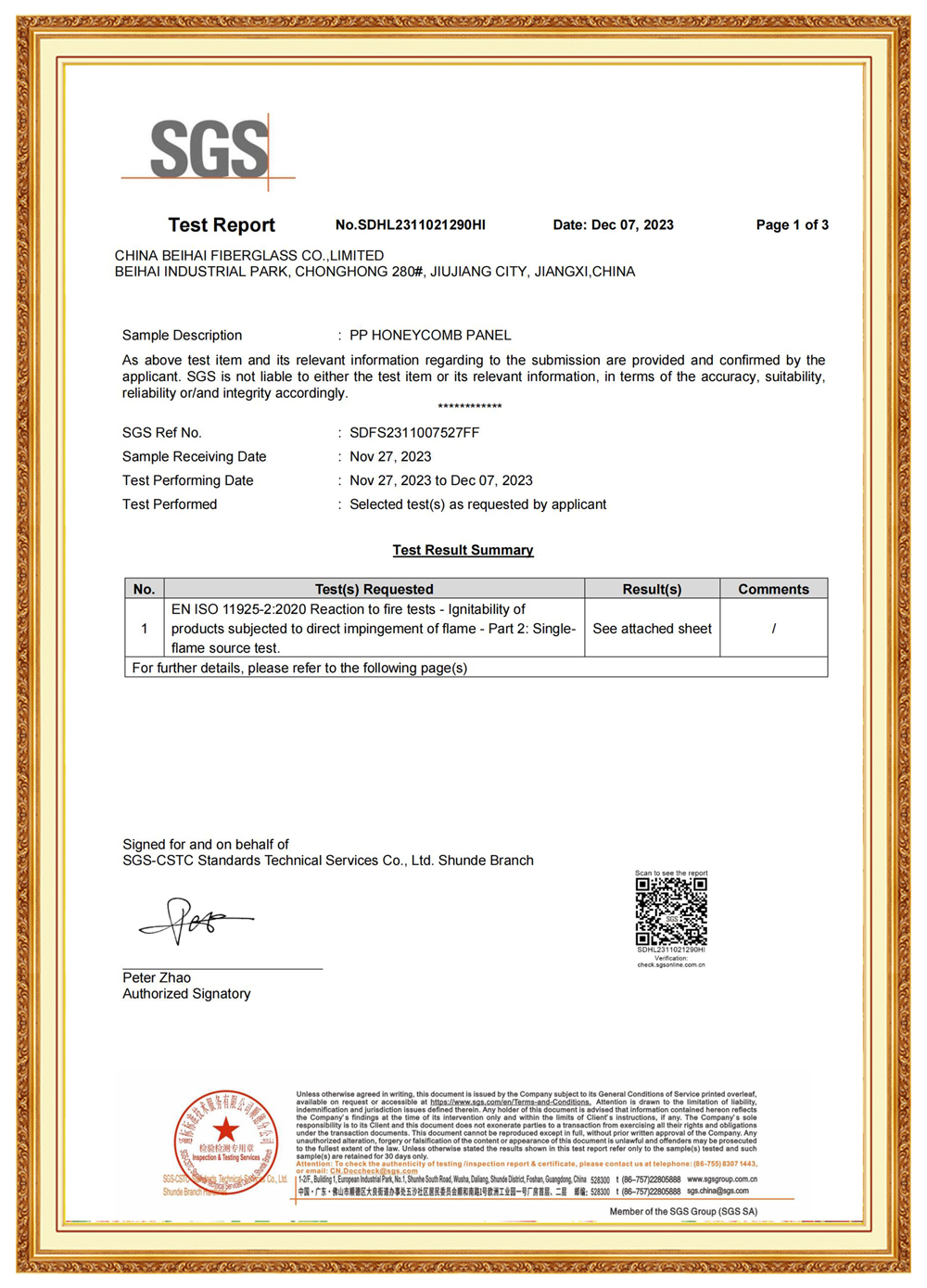
Investing in structural material innovation to meet carbon neutrality milestones.
Deploying energy-efficient gas-electric hybrid melting furnaces across all China Beihai plants to reduce process emissions by an additional 25% while maintaining absolute thermal control.
Developing bio-sourced sizing agents that pair seamlessly with bio-epoxy resins. This will enable the production of 100% circular, carbon-neutral basalt composite rods.
Achieving carbon-neutral continuous basalt fiber manufacturing across our entire B2B pipeline by relying exclusively on grid-connected solar, wind, and green hydrogen power systems.
Providing direct answers regarding mechanical performance, sizing chemistry, and trade logistics.
Explore the remainder of our engineered product range, optimized for high thermal loads, concrete roads, and high-performance composite winding.
Discover how continuous basalt fiber is replacing traditional E-glass and steel, driving structural performance and sustainability in the field.
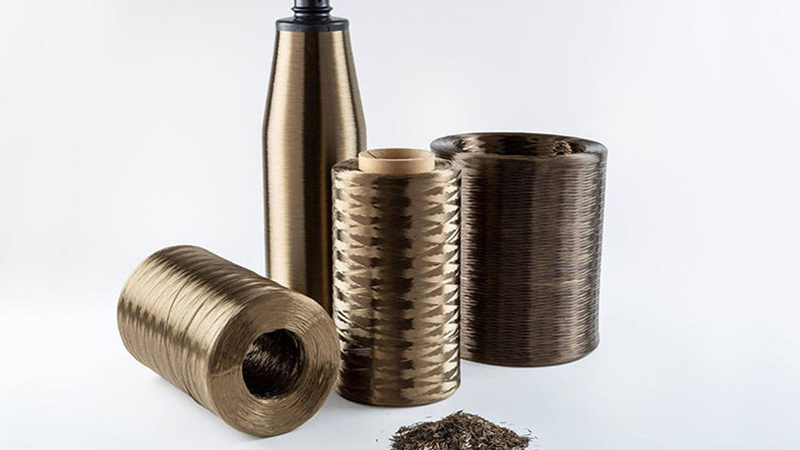
As advanced telemetry drones slice through the sky to monitor active wildfires, and automated robotic arms execute repetitive structural tasks with high precision on the factory floor, the efficiency and safety of this equipment is increasingly supported by high-performance composite designs. Traditional E-glass and carbon composites face challenges, such as susceptibility to sudden impact fracturing, high processing footprints, and high conductivity. Continuous basalt fiber delivers a superior, high-strength structural alternative.
By using continuous basalt yarn in structural framing, drone manufacturers achieve exceptional weight savings and high impact resistance, while maintaining high radio frequency (RF) transparency for telemetry. China Beihai continues to drive this materials revolution, supporting key industries worldwide with high-quality, sustainable solutions.
 Beihai Fiberglass