Expert Insight: As the global industrial landscape pivots towards carbon neutrality and stringent fire safety regulations, Basalt fiber composites have emerged as the "Green Material of the 21st Century." Derived from volcanic rock, these products offer a unique synergy of mineral durability and fiber flexibility.
The shift from traditional asbestos and glass-wool to basalt-based boards is driven by the need for non-toxic, A1-class fire resistance. In 2024, semantic search trends indicate a 45% increase in "mineral-based sustainable insulation" queries within the EU and North American markets.
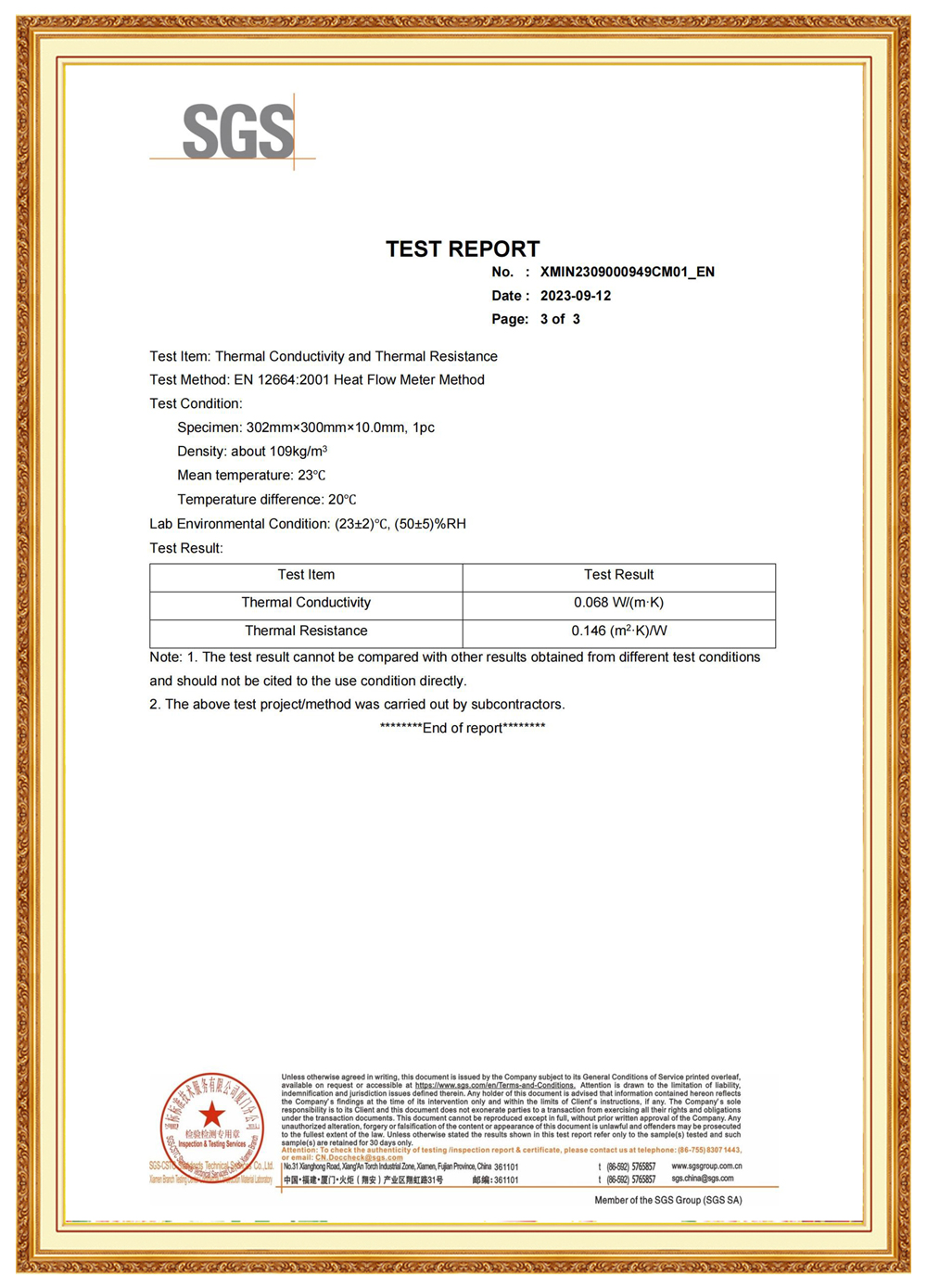
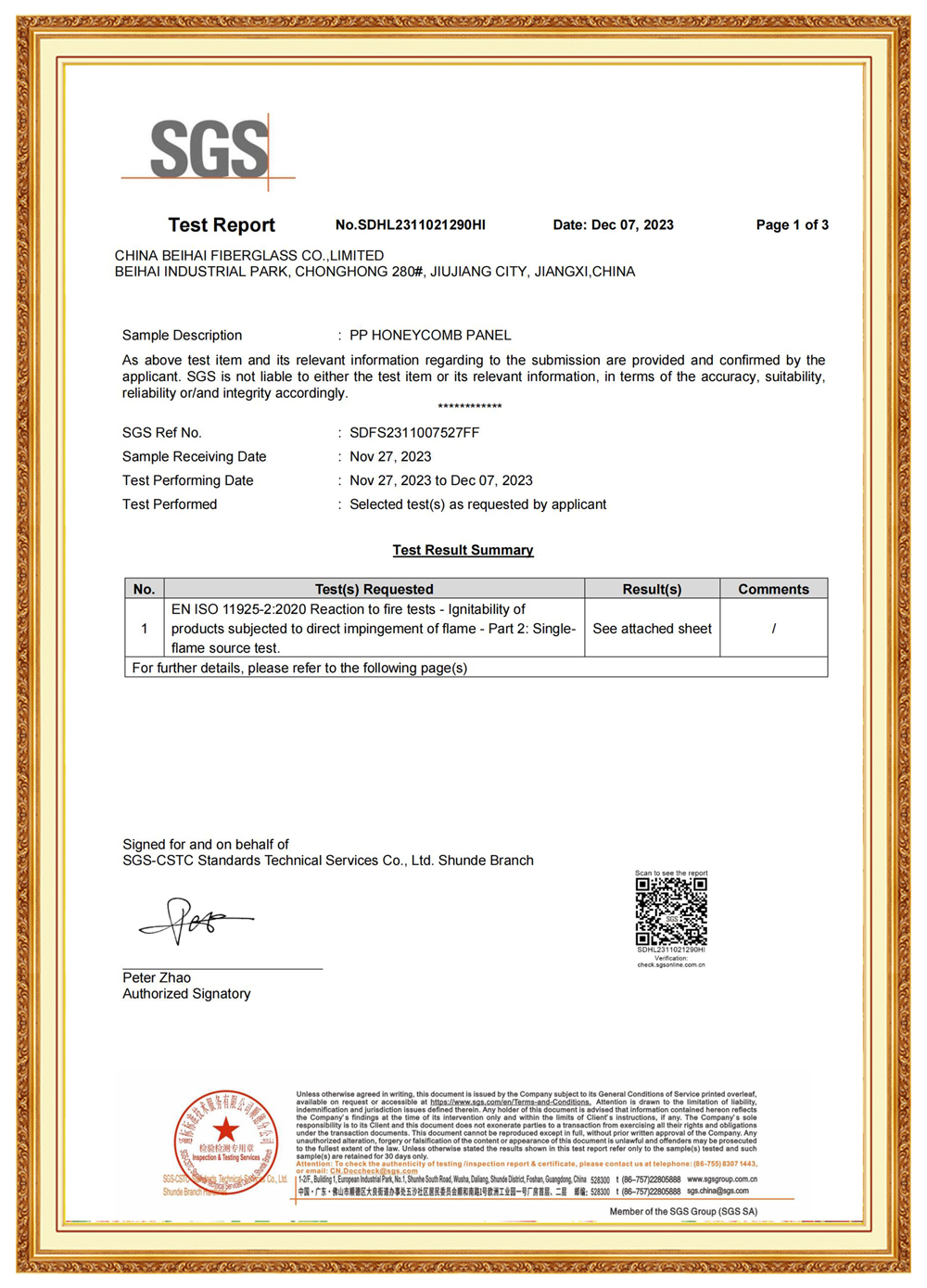
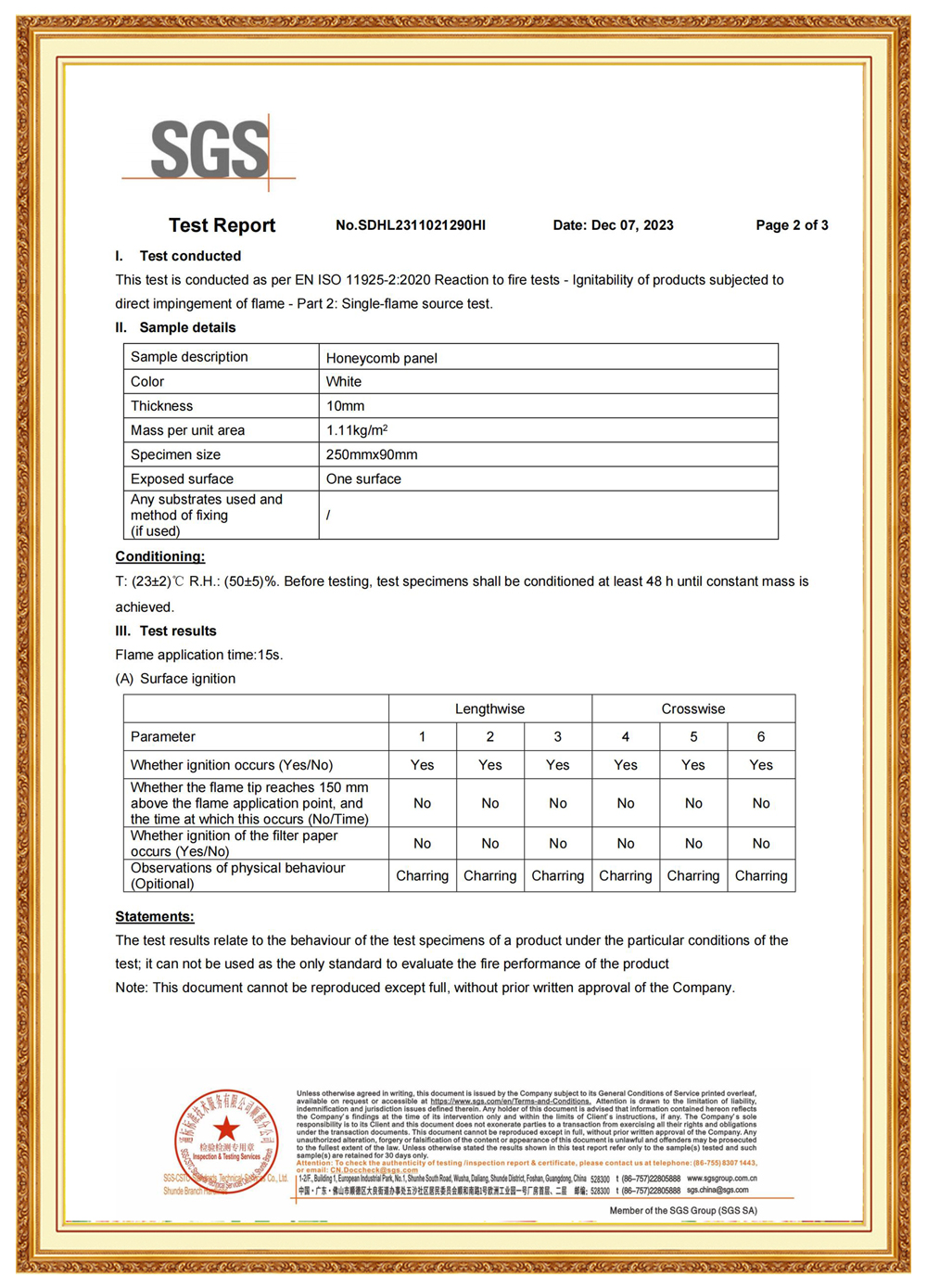
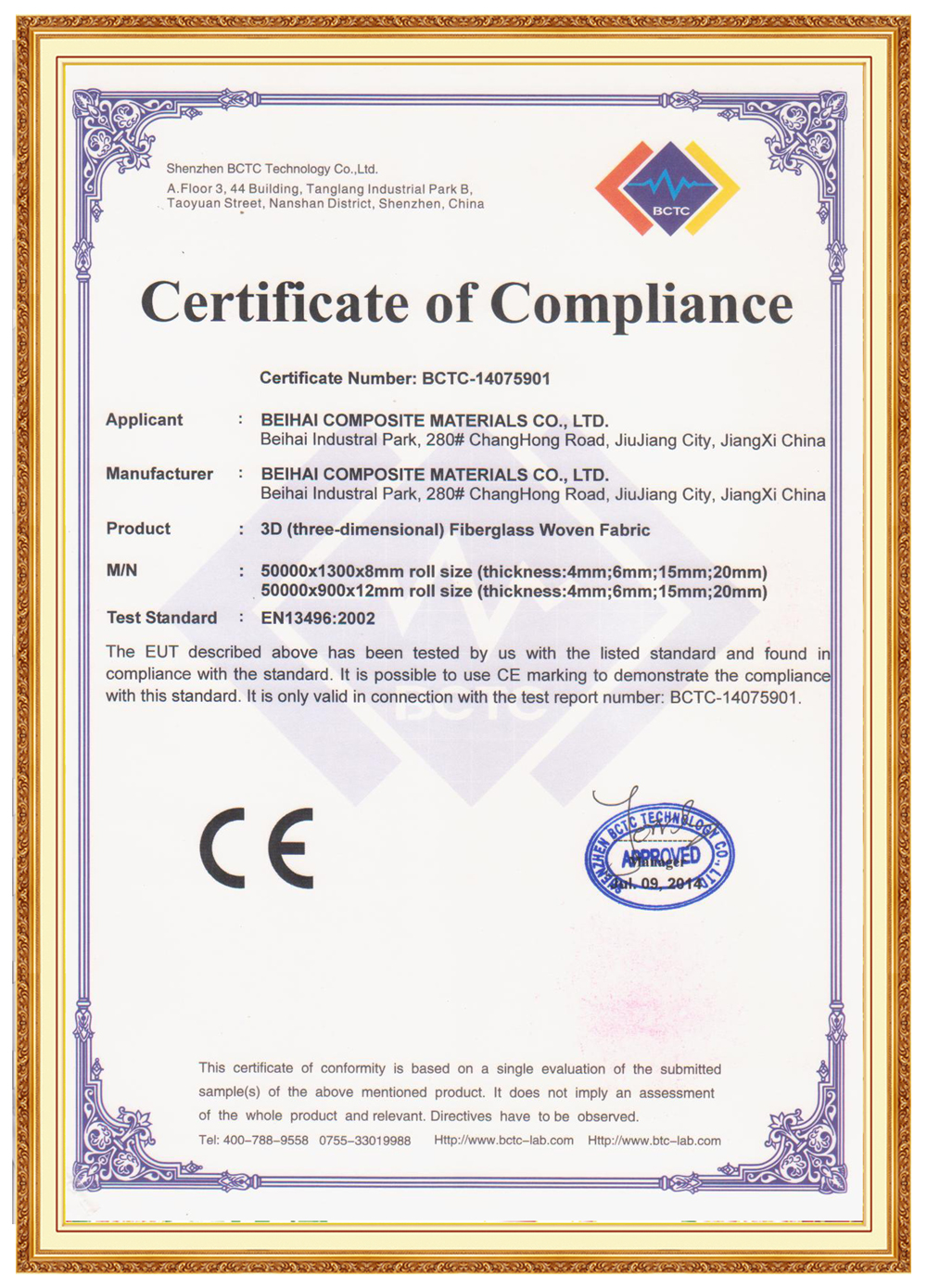
Global enterprises are no longer just buying products; they are securing supply chain resilience. Procurement officers now prioritize E-E-A-T verified suppliers who can provide ASTM E119 and EN 13501-1 certification data, ensuring compliance with local fire codes in specialized zones like data centers and marine vessels.
At China Beihai, we integrate AI-driven thermal control systems in our melting furnaces. This "Supply Chain Resilience" ensures that basalt fiber diameter consistency is maintained within ±0.5 microns, significantly enhancing the mechanical strength and fire-resistant uniformity of the final board products.
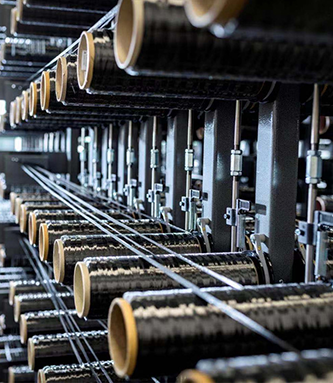
China Beihai was founded in 2015 and is located in Jiujiang, Jiangxi Province. As a high-tech enterprise, we focus on the research, development, and production of high-performance basalt continuous fiber. We are a leading enterprise in the domestic basalt fiber industry, providing production equipment manufacturing alongside high-performance materials.



Enhancing thermal inertia and fire containment in high-rise cladding and structural fireproofing.

Lightweight thermal protection systems for spacecraft shells and aircraft engine components.

Improving crack resistance and chemical durability in marine and subterranean structures.

Replacing traditional heavy insulation with high-strength basalt composites for EV battery casing.

Non-corrosive fire protection for high-risk offshore platforms and chemical pipelines.
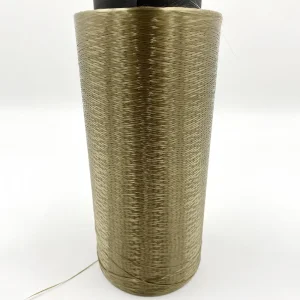
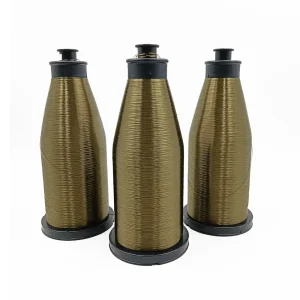
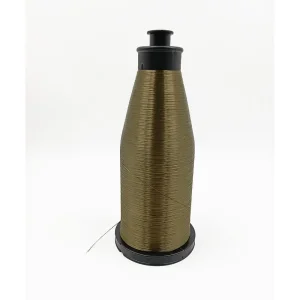
Basalt fiber is manufactured by drawing molten basalt rock through platinum-rhodium bushings. Unlike glass fiber, which requires the addition of chemical stabilizers, basalt is 100% natural and inert. This provides a significant Information Gain for engineers seeking low VOC (Volatile Organic Compound) materials.
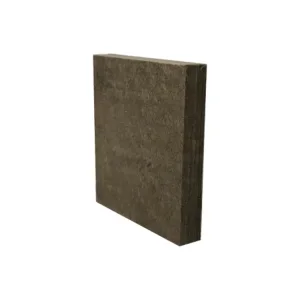
At a microscopic level, fire-resistant basalt boards utilize the low thermal conductivity of the mineral matrix. The disordered atomic structure of volcanic glass effectively scatters phonons, the primary carriers of heat. This makes the board an ideal "Firewall" that maintains structural integrity even at temperatures where steel begins to lose 50% of its load-bearing capacity.
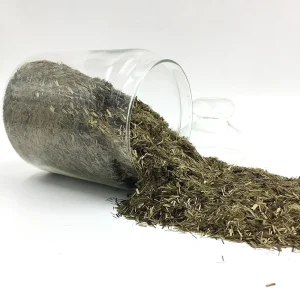
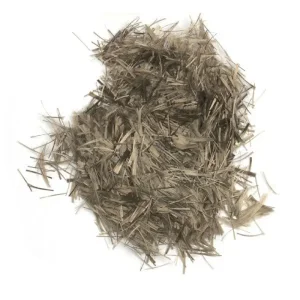
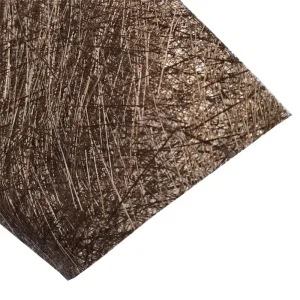
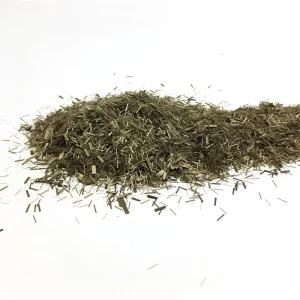
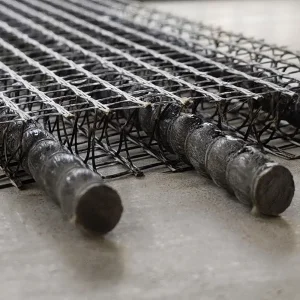
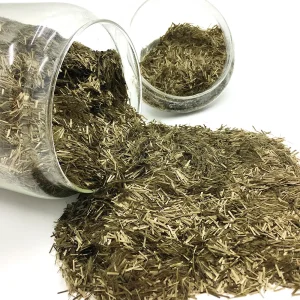
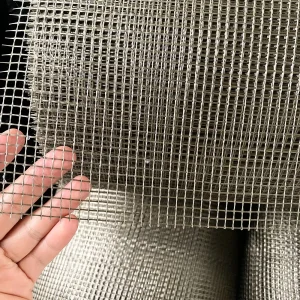
A critical challenge for glass fiber is the high pH environment of concrete. Basalt fiber's natural chemical composition (rich in SiO2 and Al2O3) provides inherent resistance to alkaline corrosion. Our 3D basalt fiber mesh and chopped strands are treated with specialized sizing agents to enhance the interfacial bonding with cementitious matrices, preventing delamination over long-term lifecycle phases.
 Beihai Fiberglass