As modern heavy industries scale up their operations under extreme thermodynamic and chemically volatile conditions, standard insulation materials like E-glass fiberglass and organic polymers are hitting their absolute limits. Fireproof Basalt Fiber Sleeves represent a quantum leap in advanced structural protection. Manufactured directly from raw basalt volcanic rocks melted at 1450°C, these continuous filament basalt sleeves deliver unparalleled thermal protection, electrical insulation, and chemical resilience.
Unlike glass fibers, basalt sleeves do not contain chemical additives that off-gas or degrade under intense heat. They operate efficiently within an impressive continuous service temperature window of -260°C to +700°C, with intermittent spikes reaching up to 980°C. For procurement directors, engineering heads, and industrial designers, choosing basalt fiber sleeves means locking in structural integrity, avoiding toxic decomposition, and ensuring long-term systemic durability.
By leveraging an organic manufacturing workflow that boasts a significantly lower carbon footprint than carbon fiber or specialized aramid compounds, basalt sleeves also satisfy modern environmental governance (ESG) targets. This whitepaper breaks down the chemical compositions, mechanical traits, and global application architectures that make fireproof basalt sleeves the premium choice for modern safety engineering.
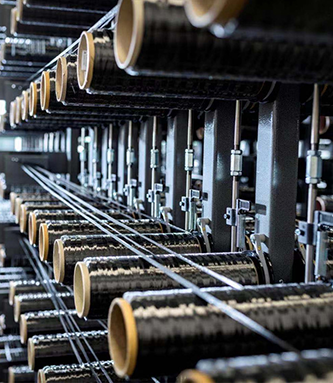
Founded in 2015 and strategically located in Jiujiang, Jiangxi Province, China Beihai is a premier national high-tech enterprise. We focus heavily on the research, development, production, and worldwide distribution of continuous basalt fiber products and their proprietary production machinery.
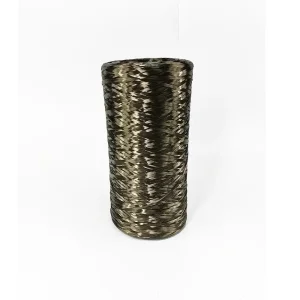
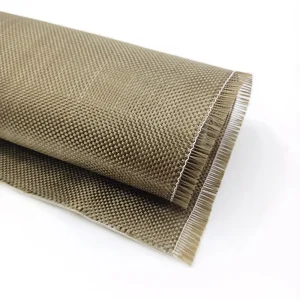
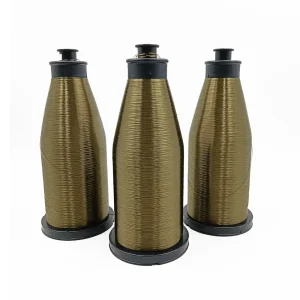
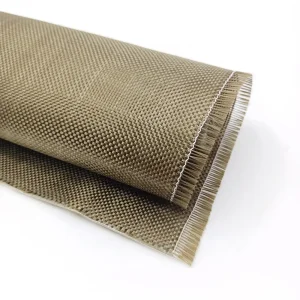
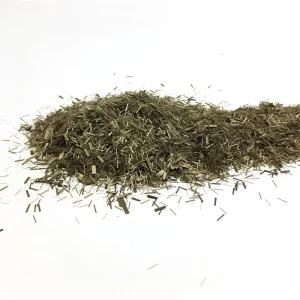
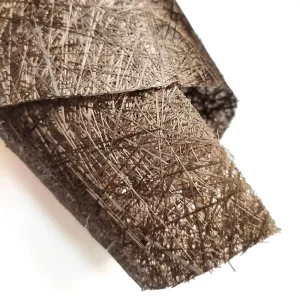
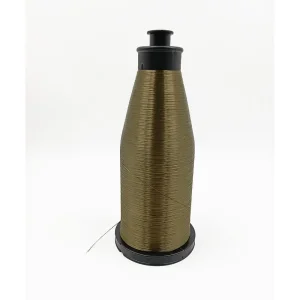
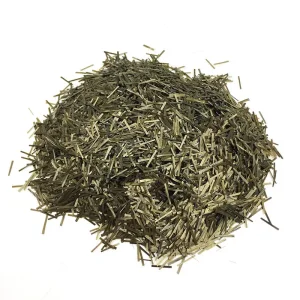
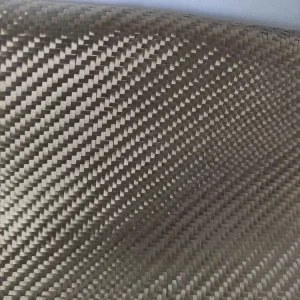
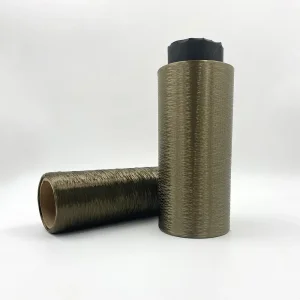
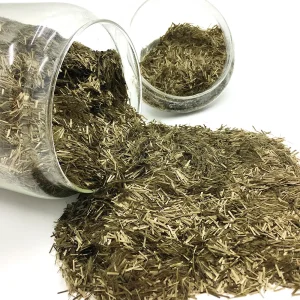
At China Beihai group, we specialize in the production of a wide range of products including basalt fiber mat (Basalt fiber chopped strand mat, Basalt fiber cloth), basalt fiber roving, basalt fiber yarn, basalt fiber chopped strands, and specialized basalt fiber finished products (Basalt Fiber rebar, basalt fiber sleeves and tape). Our products are meticulously engineered to satisfy the specific demands of highly technical and harsh industrial environments worldwide.
We deliver sustainable, high-integrity basalt-derived structural solutions. We develop materials that protect high-voltage electrical arrays, structural columns, chemical transport pipelines, and aerospace engine parts. Focusing on quality control, advanced surface treatment, and customized resin-compatibility, we ensure our global partners always stay ahead of structural and environmental degradation challenges.
Partnering with China Beihai means collaborating directly with an industry leader. Our relentless focus on structural quality, continuous production technology innovation, and environmental sustainability distinguishes us. Our extensive production infrastructure guarantees reliable product delivery, comprehensive customization capabilities, and rigorous compliance checks, making us the ultimate partner for all global basalt applications.
Basalt fiber is ideal for your engineering projects. Its high strength, corrosion resistance, and lightweight properties allow it to easily solve a variety of complex challenges across multiple critical sectors.
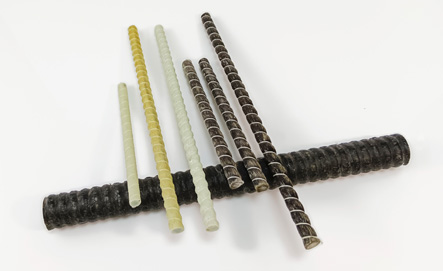
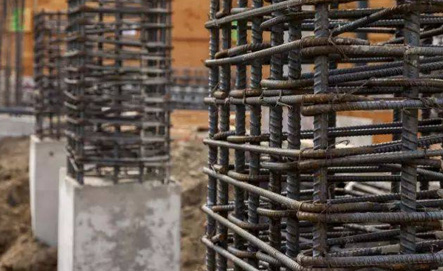
Basalt fiber rebar stands as a highly robust alternative to traditional steel bars. It is widely utilized for reinforcing heavy concrete elements across diverse structural fields. Due to its complete immunity to rust and chemical degradation, basalt rebar is the ideal material for bridges, marine walls, highways, and critical civil infrastructure designs.
Additionally, it provides electrical isolation, zero magnetic interference, and extremely low thermal conductivity. These unique traits prevent structural cracking and dramatically extend the lifespan of concrete structures, while substantially lowering maintenance budgets.
Find Out More About Rebar| Property Parameter | Continuous Basalt Fiber Sleeve | Standard E-Glass Sleeve | High-Temp Silica Sleeve |
|---|---|---|---|
| Continuous Operating Temp | -260°C to +700°C | -60°C to +550°C | -60°C to +1000°C |
| Peak Exposure Limit | +980°C | +650°C | +1600°C |
| Chemical / Acid Resistance | Excellent (pH 1 - 13) | Moderate (pH 4 - 9) | Excellent (Except Hydrofluoric) |
| Tensile Strength (MPa) | 3200 - 4800 MPa | 2000 - 3000 MPa | 1500 - 2000 MPa |
| Eco-Safety / Off-gassing | Zero Toxic Gases, Inert | Potential Organic Off-gassing | Minimal Organic Off-gassing |
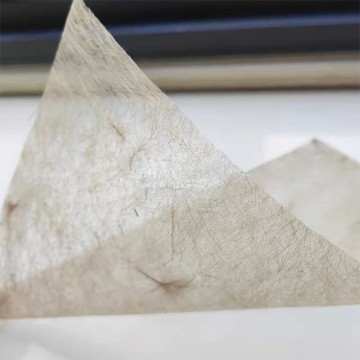
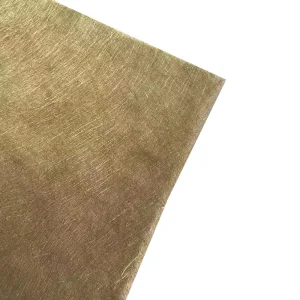
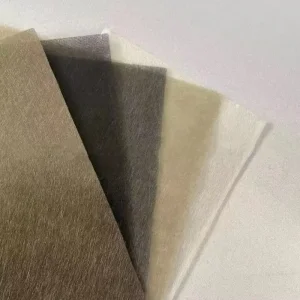
A non-woven thin sheet engineered to provide a smooth, resin-rich surface layer for fiber-reinforced plastic structures, enhancing corrosion and impact resistance.
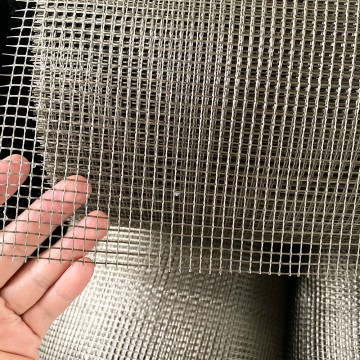
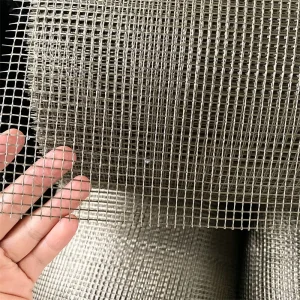
Provides a superior reinforcement solution for concrete and plaster applications where high alkali resistance is essential to prevent long-term decay.
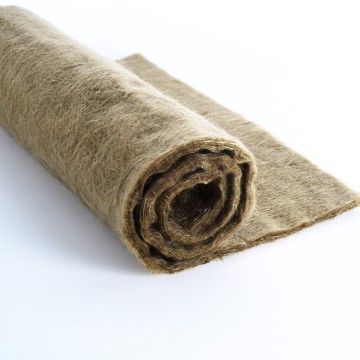
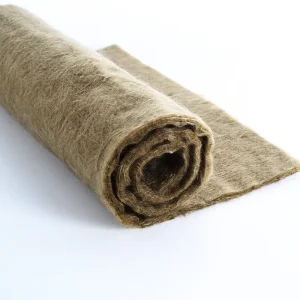
A high-density insulation material manufactured by mechanically bonding continuous basalt fibers without any chemical binders to ensure zero toxic off-gassing.
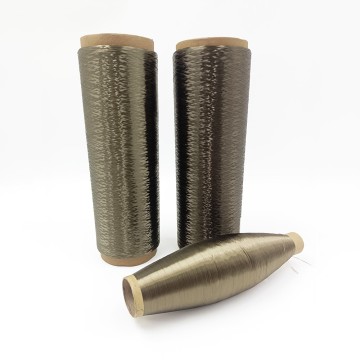
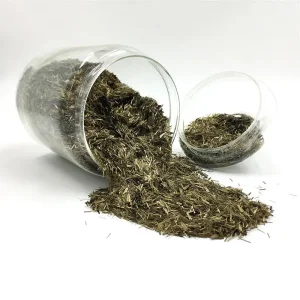
Engineered by twisting multiple continuous filaments to enhance mechanical strength and processing stability for heavy-duty applications.
China Beihai’s high-performance basalt sleeve systems are designed to operate under the absolute harshest macro-environmental conditions on Earth and beyond.
Our structural basalt systems are actively used in the field of building construction. They insulate heavy structures, partition fire-retardant walls, and reinforcement pathways without introducing toxic chemicals or expanding under thermal distress.
In aerospace applications, basalt sleeves and fibers protect critical electronics, fuel lines, engine systems, spacecraft shell layouts, and thermal management systems from rapid thermal fluctuations and high kinetic friction.
By blending chopped basalt strands or implementing basalt meshes, modern concrete exhibits increased compressive strength, superior chemical immunity, enhanced crack control, and minimized degradation under moisture cycles.
Meeting the strict demands of vehicle weight reduction, basalt sleeves serve as lightweight, robust insulating layers for exhaust systems, manifold covers, and under-hood electronics, shielding sensitive systems from intense engine heat.
Our specialized basalt casings shield crucial bridge supports from vehicle impact, fire, aggressive chemical runoff, saltwater erosion, and extreme humidity patterns, avoiding structural concrete decay.
With its superior acid and alkali resistance, basalt fiber wrapping structures protect oil and natural gas piping from galvanic corrosion, soil chemical reactions, and aggressive ambient ocean environments.
Global procurement teams looking to source Wholesale Basalt Fiber Sleeves require specialized manufacturing parameters. China Beihai offers complete OEM support, ensuring that custom braided and knitted sleeves align perfectly with your project specifications.
We supply internal diameters ranging from 2mm up to 150mm. Sleeving configurations are customizable with continuous wall thicknesses from 1mm up to 5mm, tailored to your exact mechanical and insulation requirements.
To enhance handling and eliminate basalt dust micro-shedding, sleeves can be coated with high-temp silicone, polyurethane, or specialized acrylic solutions, ensuring optimal flexibility and robust protection during installation.
Our factory structures in Jiangxi optimize high-capacity shipments. We offer clear MOQ structures, certified testing documentation, and standard packaging to guarantee immediate installation readiness upon arrival.
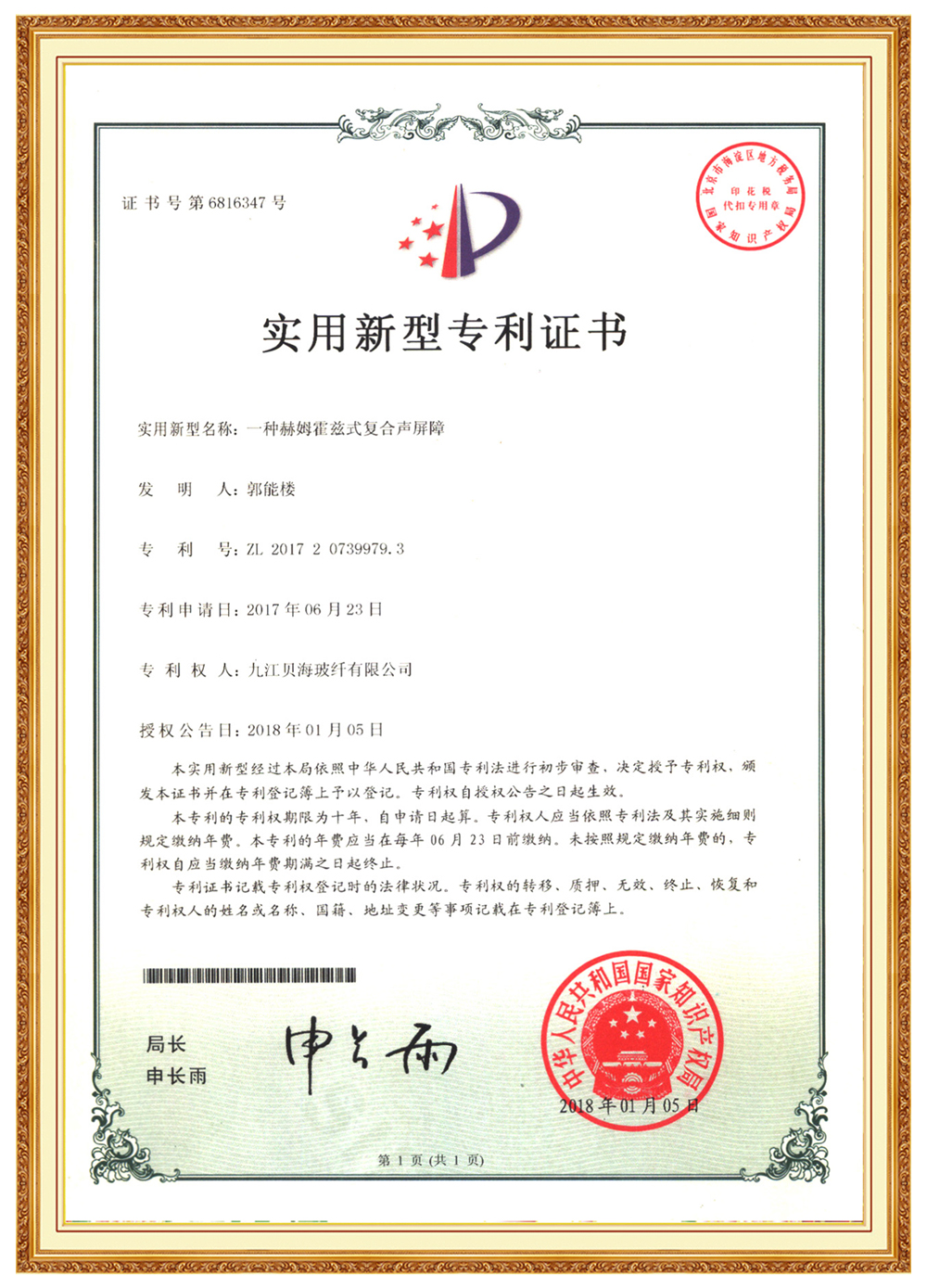
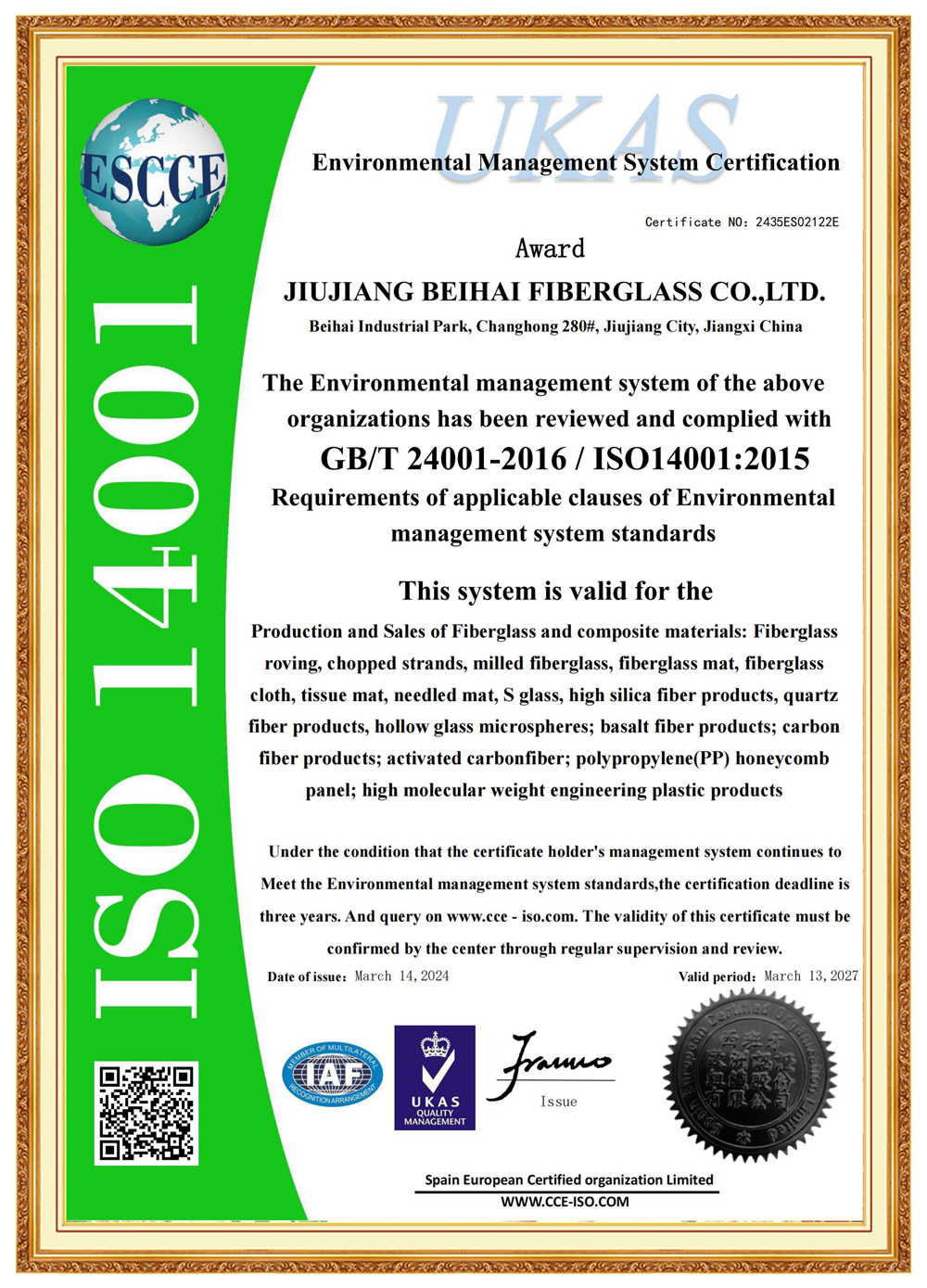
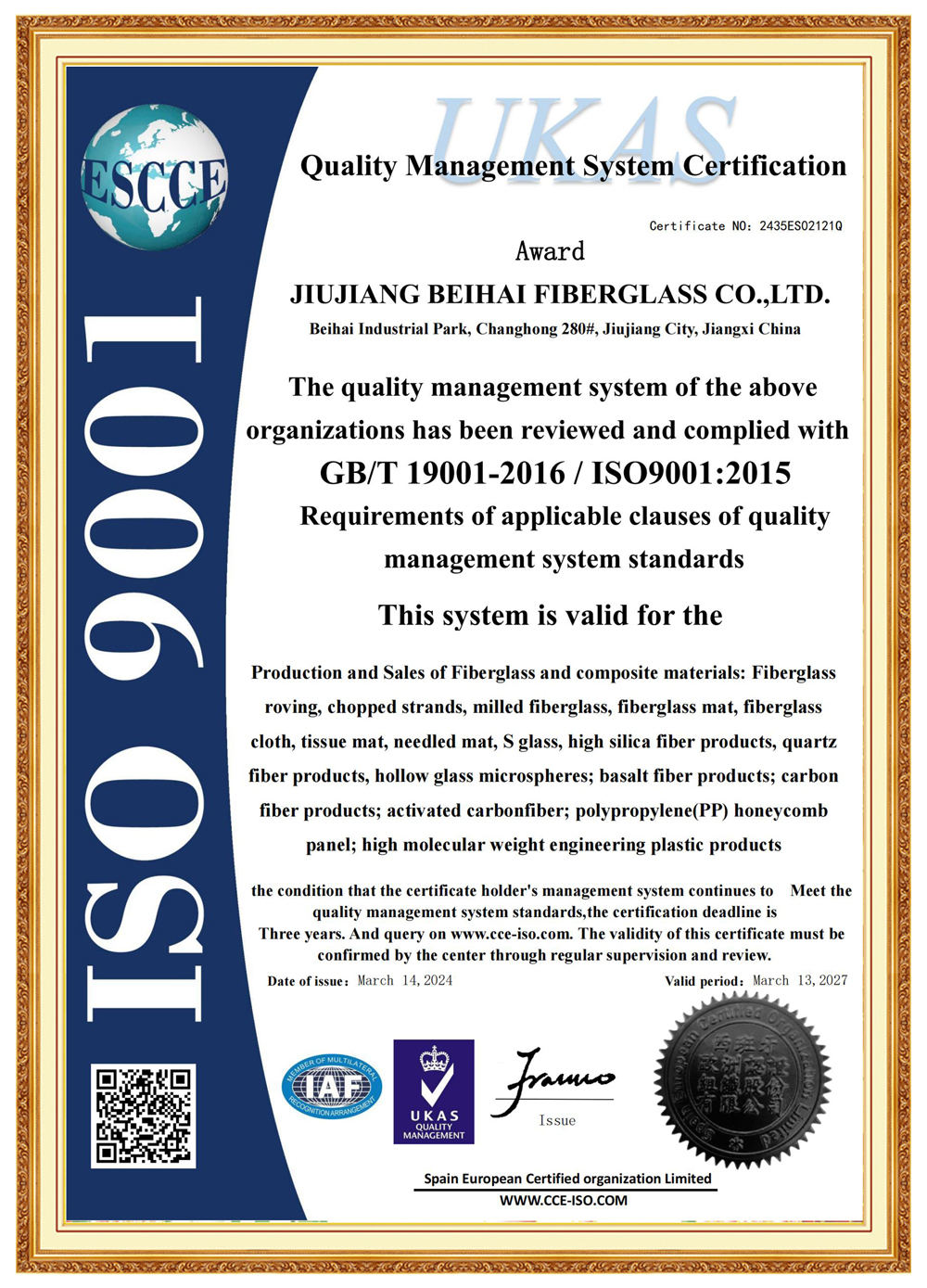
We subject our basalt products to stringent global quality tests to ensure ultimate compliance, reliability, and security for the most demanding applications.
As drones slice through the sky to monitor wildfires, and intelligent robots execute repetitive tasks with precision on the factory floor, the efficient operation of this smart equipment is often underpinned by a "hardcore support" system.
Modern electrical components and mechanical pathways are prone to rapid thermal spikes and friction. Basalt fiber sleeves and wraps offer the ideal shielding compound, shielding wires and lines from extreme environment shifts while maintaining structural flexibility.
By protecting continuous processing lines, aerospace control panels, and automated factory floor networks, basalt fiber continues to drive a major materials revolution, paving the way for next-generation smart robotic and aerospace systems.
View Latest Industry News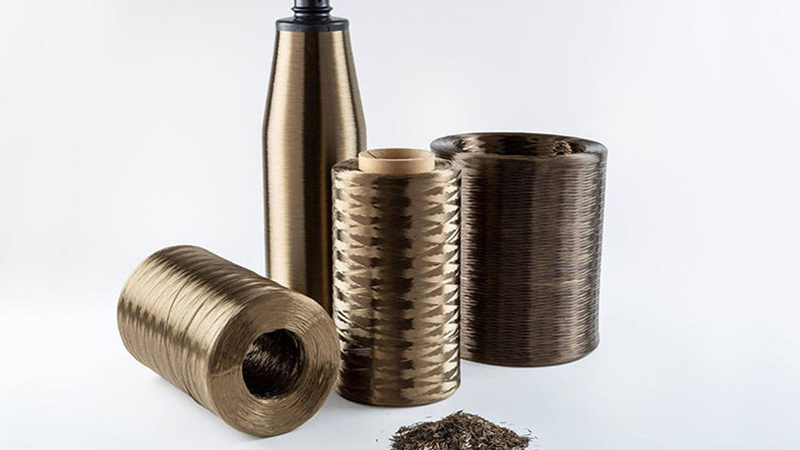
Find expert engineering answers to the most common queries regarding basalt fiber sleeve integration, mechanical parameters, and direct sourcing.
Basalt fiber sleeves perform significantly better than standard E-glass fiberglass sleeves. While E-glass degrades and loses structural strength at around 550°C, basalt fiber sleeves easily withstand continuous temperatures of up to 700°C, with thermal protection peaks reaching up to 980°C. Additionally, basalt fibers contain no toxic chemical binders or synthetic additives, meaning they release absolutely zero smoke, toxic gas, or hazardous particulate matter when exposed directly to open flames.
Yes. Due to their dense natural volcanic composition, basalt fiber sleeves demonstrate exceptional resistance to highly acidic and alkaline environments (ranging across pH levels from 1 to 13). They are highly resistant to hydrochloric acids, industrial solvents, saline exposure, and standard hydraulic fluids. This makes them far superior to carbon steel and fiberglass in rugged petrochemical plants, offshore oil platforms, and corrosive chemical processing lines.
China Beihai offers complete manufacturing flexibility for our partners. We customize basalt sleeve internal diameters from 2mm to 150mm and wall thicknesses from 1mm to 5mm. Additionally, we provide custom braiding patterns (loose weave for expandable sizing or tight knit for robust insulation) and specialized outer coatings such as liquid silicone, high-temp acrylics, and polyurethane to eliminate micro-dust and simplify handling during high-volume manual assemblies.
Yes, basalt fiber is a 100% natural, single-component green material. It is manufactured strictly from pure basalt rock collected directly from volcanic deposits, without any heavy chemical additives or synthetic compounds during extrusion. The energy consumption and carbon footprint of producing basalt fibers are significantly lower than those of carbon fiber, aramid fibers, or specialty chemical synthetics, allowing companies to hit their modern environmental, social, and governance (ESG) targets.
At China Beihai, we run an end-to-end quality control system at our Jiujiang, Jiangxi production complex. Every batch of continuous volcanic basalt fibers undergoes rigorous testing for tensile strength, density parameters, heat resistance, and chemical reactivity. We hold verified ISO 9001:2015, CE, and SGS certifications, providing global distributors, EPC contractors, and OEM builders with complete documentation for direct compliance validation.
 Beihai Fiberglass