Explore our high-performance non-metallic rebar products, high-strength basalt meshes, and continuous fiber yarns engineered to bypass traditional steel degradation limitations.
Civil infrastructure throughout the 21st century faces a compounding threat: structural concrete degradation driven by internal steel corrosion. In maritime regions, high-saline coastal corridors, and chemical manufacturing sites, standard carbon steel reinforcement fails prematurely, generating billions in annual repair costs. This global economic and structural challenge has fueled the rapid, aggressive market adoption of Non-Metallic Rebar solutions.
Derived primarily from inert volcanic rock and specialized polymers, Basalt Fiber Reinforced Polymer (BFRP) is setting new benchmarks. Unlike steel, non-metallic rebar features zero susceptibility to electrochemical oxidation. Leading global engineering institutes, including the American Concrete Institute (ACI) and the European Federation for Construction, have progressively established design codes (such as ACI 440.1R and ASTM D7957) that officially validate non-metallic reinforcement inside structurally critical assemblies.
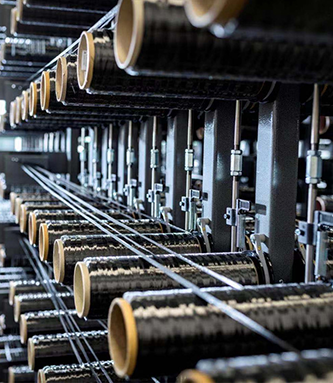
Leading continuous basalt fiber production and manufacturing operations from Jiujiang, Jiangxi, China.

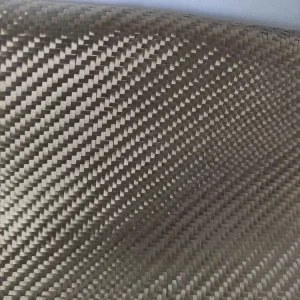
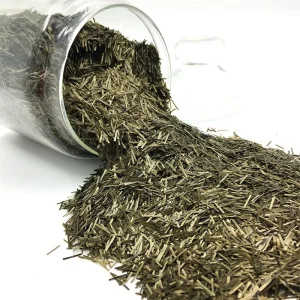
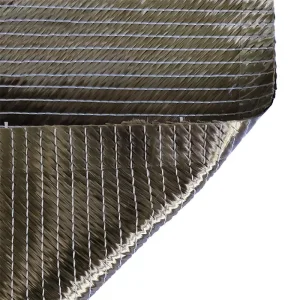
At China Beihai Group, we specialize in high-tech research, manufacturing, and supply of basalt continuous fibers. Our extensive range includes basalt fiber mat (chopped strand mats and plain weave cloth), basalt roving, basalt yarn, chopped strands, basalt FRP rebar, insulation sleeves, and structural composite tapes. Our formulations are engineered for demanding mechanical envelopes.

Founded in 2015, we operate advanced volcanic basalt melting ovens and continuous drawing lines in Jiujiang, Jiangxi Province. We drive sustainable structural innovation across building construction, civil infrastructure, aerospace, marine engineering, and geotechnical projects. Through precision chemical coatings and sizing, we ensure optimal polymer matrix bonding.

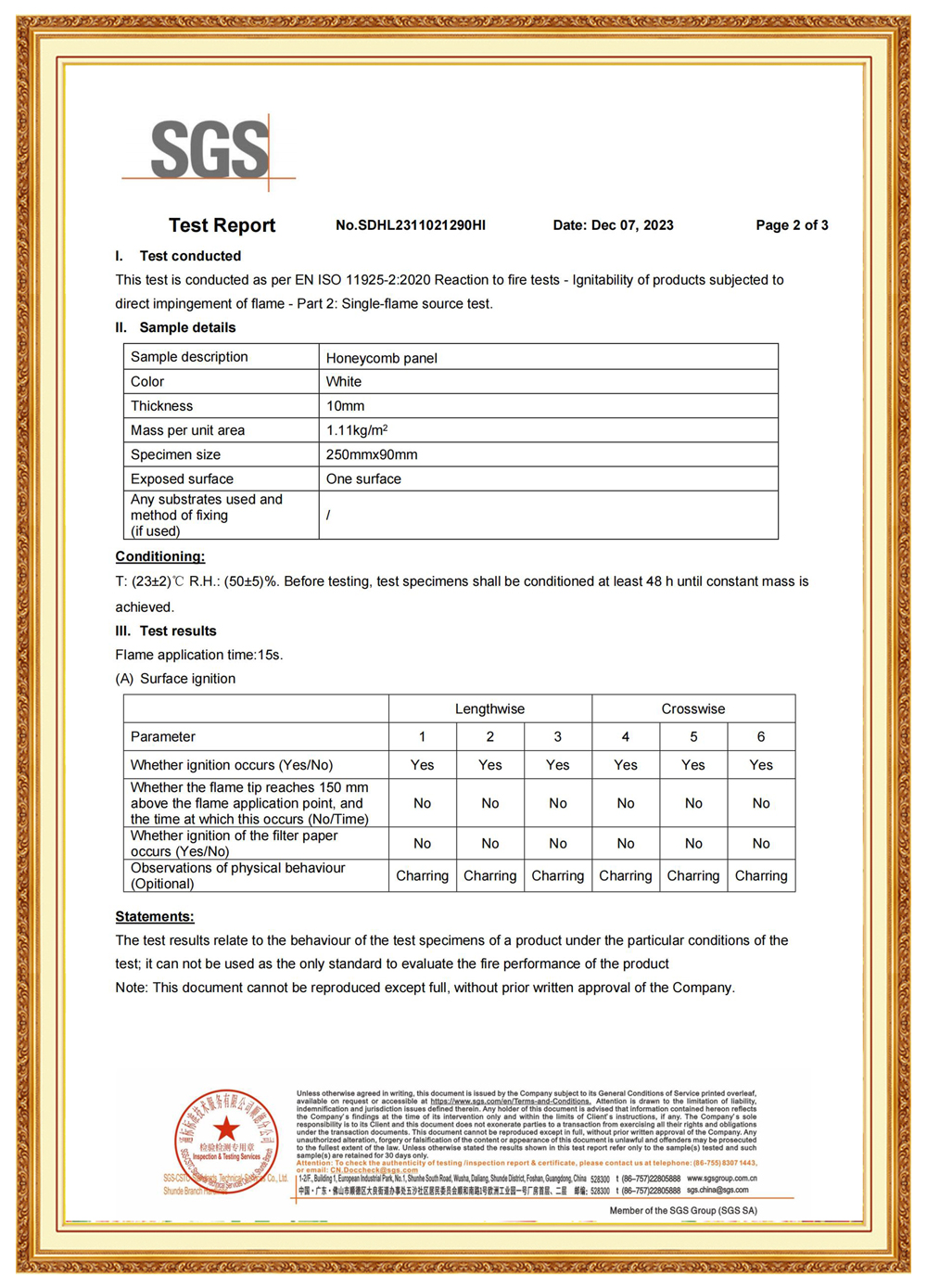
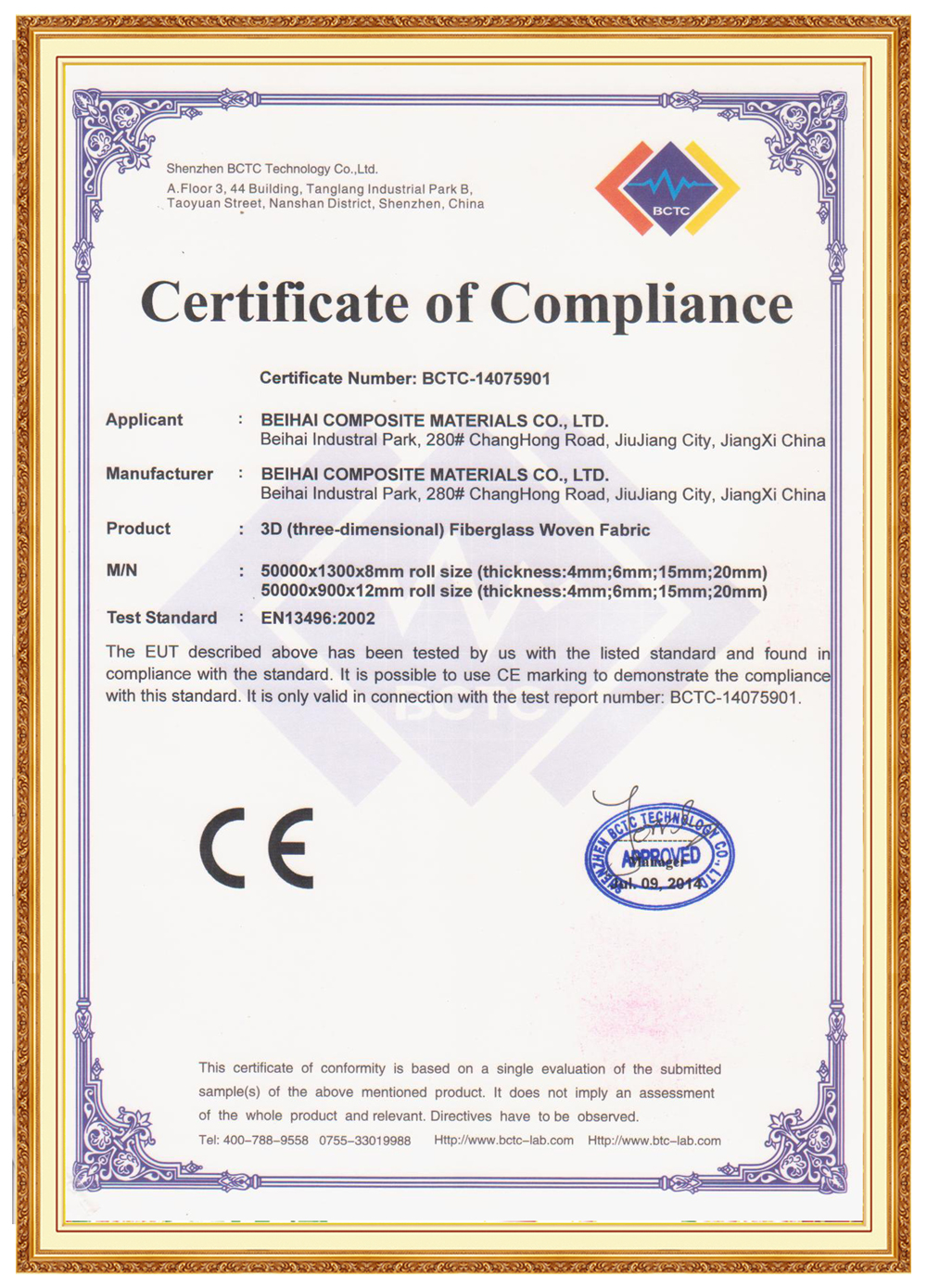
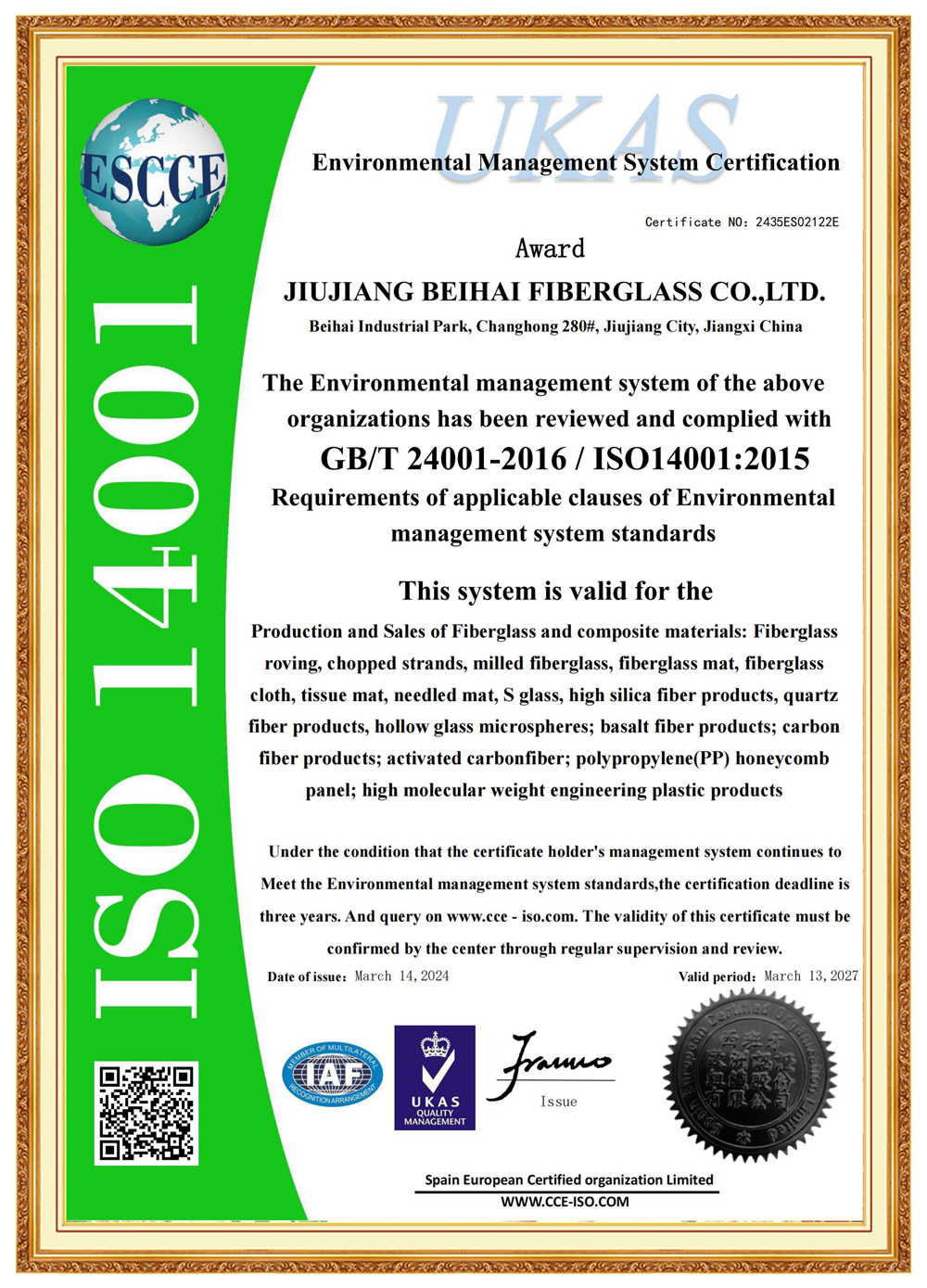
Our commitment to rigorous, state-of-the-art materials testing sets China Beihai apart. With full international ISO, ASTM, and CE certifications, we ensure every batch of non-metallic rebar exhibits structural dependability. Our deep supply chain capacity guarantees volume scale and consistent physical attributes for megastructures globally.
A comparative structural evaluation of mechanical properties demonstrating high efficiency, weight reduction, and absolute corrosion immunity.
| Performance Criterion | High Tensile Carbon Steel Rebar | Glass FRP (GFRP) Rebar | Basalt FRP (BFRP) Rebar |
|---|---|---|---|
| Tensile Strength (MPa) | 450 - 550 MPa | 600 - 1000 MPa | 1100 - 1600 MPa |
| Density (g/cm³) | 7.85 | 1.9 - 2.1 | 1.9 - 2.2 (75% Lighter) |
| Thermal Expansion (10⁻⁶/°C) | 12.0 (Matches Concrete) | 6.0 - 10.0 | 9.0 - 11.0 (Highly Compatible) |
| Corrosion in Acidic/Saline Media | Highly Susceptible (Rusts) | Vulnerable in alkaline concrete pore solutions without advanced resins | Absolute Immunity (Acid/Alkali Inert) |
| Electromagnetic Profile | Highly Conductive / Magnetic | Non-Conductive | 100% Non-Conductive & Transparent |
| Carbon Footprint Index (LCA) | High (High emission manufacturing) | Moderate | Extremely Low (Natural volcanic raw material) |
The core structural advantage of non-metallic rebar—specifically Basalt FRP—rests in its unique physical composition. Composed of natural continuous basalt fibers embedded in a protective polymer resin matrix (such as epoxy or vinyl ester), it performs with superior tensile profiles compared to structural steel. This high-strength profile allows structural engineers to design thinner concrete profiles with significantly reduced concrete cover depth requirements, leading to significant structural weight savings.
Additionally, the low thermal conductivity of BFRP prevents heat transfer through the concrete shell. Unlike metal elements, which form heat conduits, non-metallic rebar acts as a thermal break, drastically optimizing the insulation and energy efficiency parameters of advanced architectural designs.
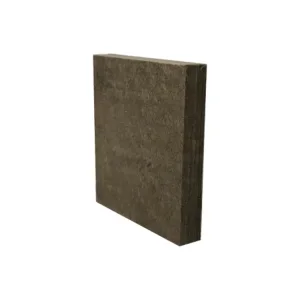
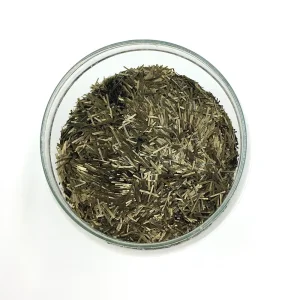
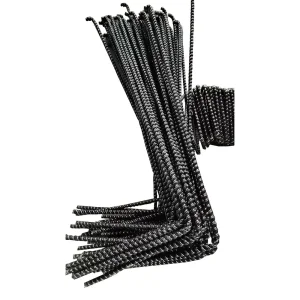
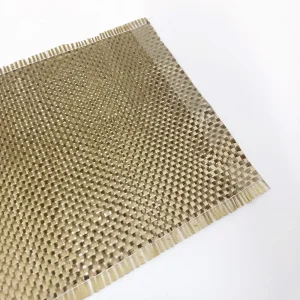
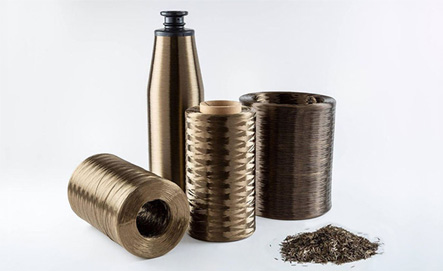
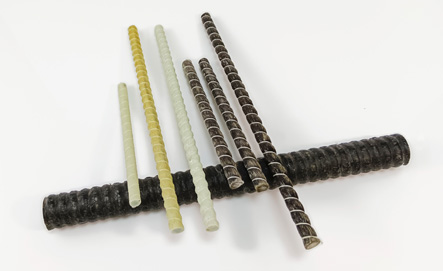
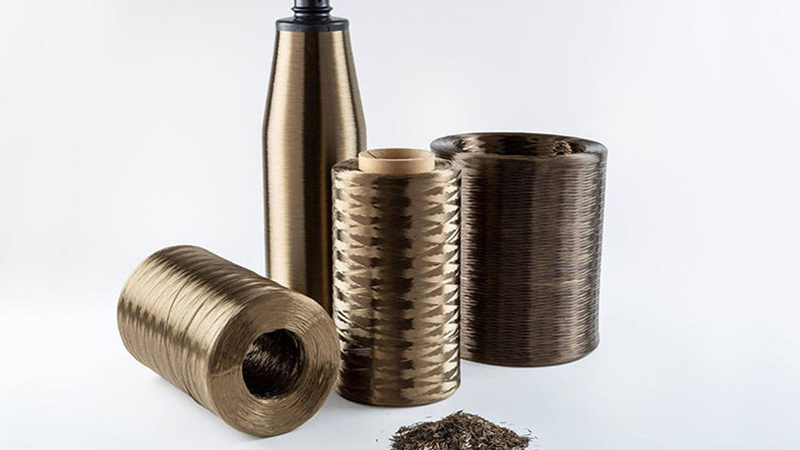
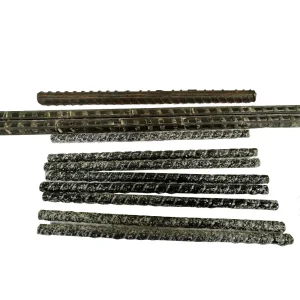
Physical presentation of our primary volcanic continuous roving raw materials and finished composite rebar stock ready for deployment.
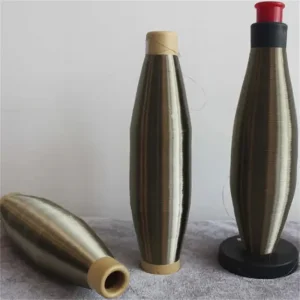
Direct drawn continuous roving filament exhibits exceptionally consistent strand diameter. Excellent processing characteristics for weaving, braiding, and pultrusion lines.
High strength alternative to steel reinforcement bars. Coated with sand or ribbed profiles to ensure ultimate mechanical interlocking inside concrete structures.
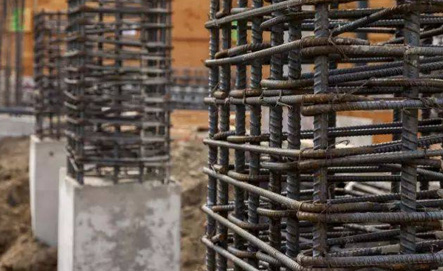
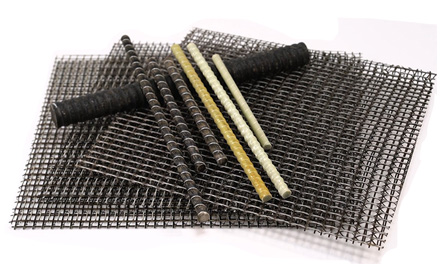
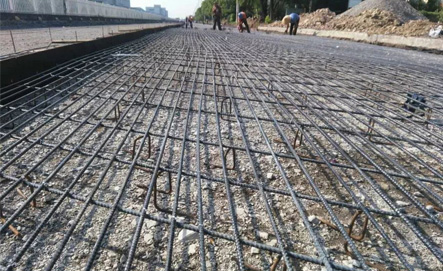
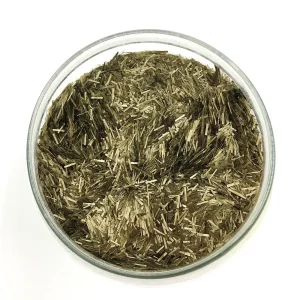
Specific high-temperature and chemical-resistant basalt formulations designed for unique industrial applications.
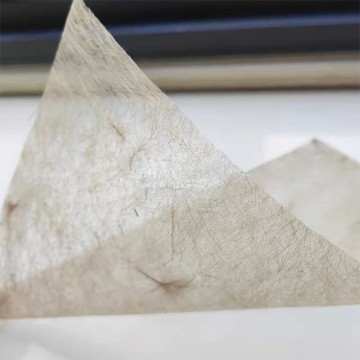
Designed to deliver exceptionally smooth, resin-rich surfacing layers on FRP composites, minimizing micro-cracking and optimizing external weathering protection.
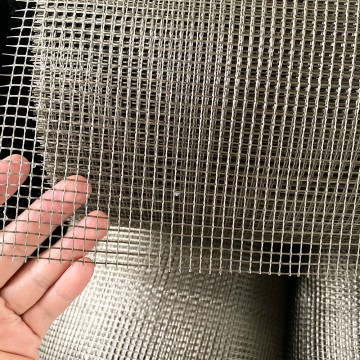
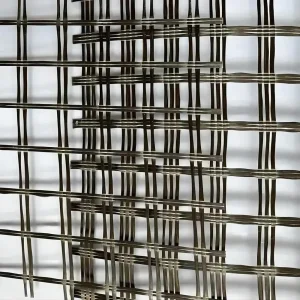
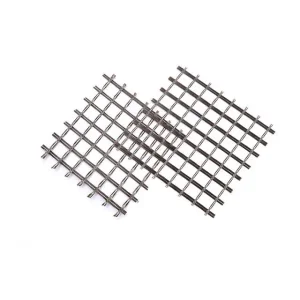
Specially coated grid meshes designed to reinforce highly alkaline wet plaster, mortar facades, and exterior thermal insulation systems (ETICS).
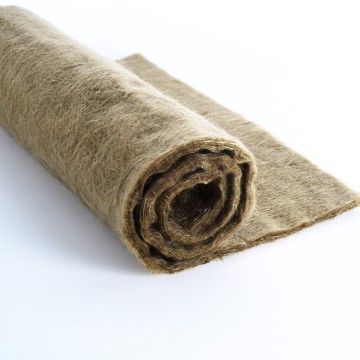
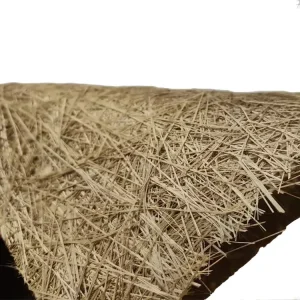
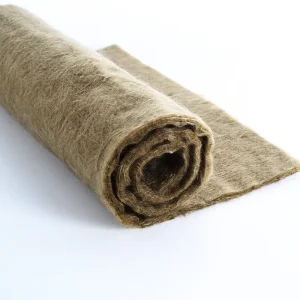
Mechanically bonded needle mat using long continuous basalt fibers without chemical binders. Operates continuously up to 700°C for advanced thermal barriers.
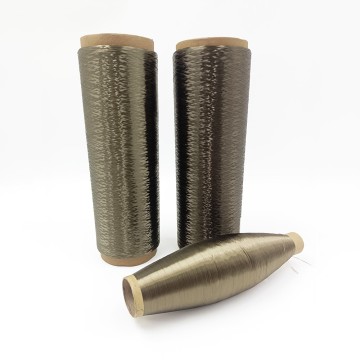
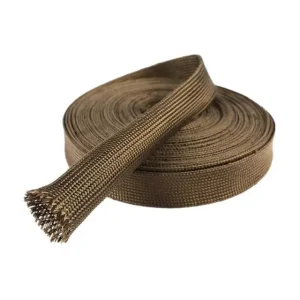
Multiple high-diameter continuous filaments twisted for extreme mechanical stability, excellent friction properties, and highly stable heat resistance.
Explore how non-metallic basalt composites are utilized across key industrial sectors to deliver longevity and extreme performance.

Optimizing reinforcement bars and meshes for exterior building structural panels, reducing concrete wall thickness, and mitigating long-term structural failure risks.

Utilized in structural components, non-conductive panels, cabin insulation panels, and aircraft engine cowlings to minimize weight while maintaining absolute fire resistance.

Incorporated in spacecraft shells, advanced high-temp heat shield designs, thermal containment systems, and rocket thruster insulation wrap composites.

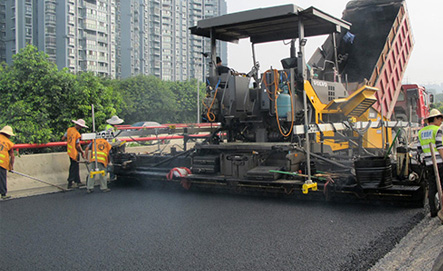
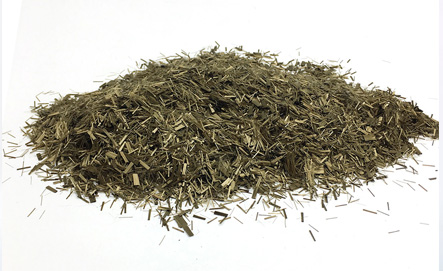
Added as chopped strands or reinforcement bars to prevent structural micro-cracking, optimize load bearing, and eliminate saline water permeability concerns.

Integrated into brake pads, exhaust mufflers, composite exterior panels, and EV battery fireproof enclosures to improve weight reduction and safety metrics.

Offering critical marine structural reinforcement for bridge abutments, marine piers, and under-water piles constantly exposed to cyclic tidal dynamics and chemical corrosion.

Applied in industrial foundation rings, acidic chemical secondary containment basins, and offshore processing platforms where corrosive agents quickly erode steel bars.

Deploying non-magnetic, corrosion-free basalt reinforcements in sea walls, coastal ports, ship hulls, and marine anchor systems for structural permanence.
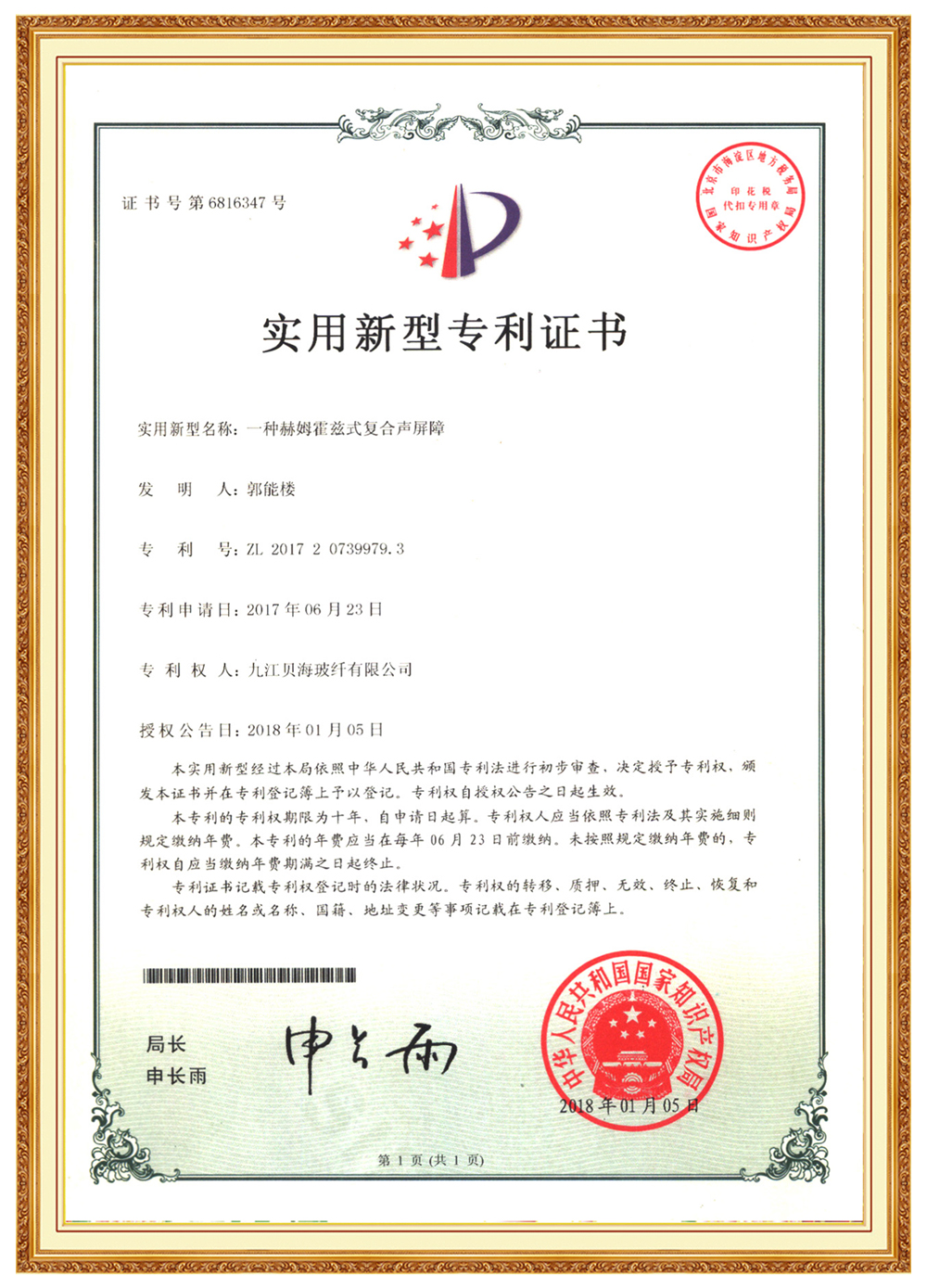
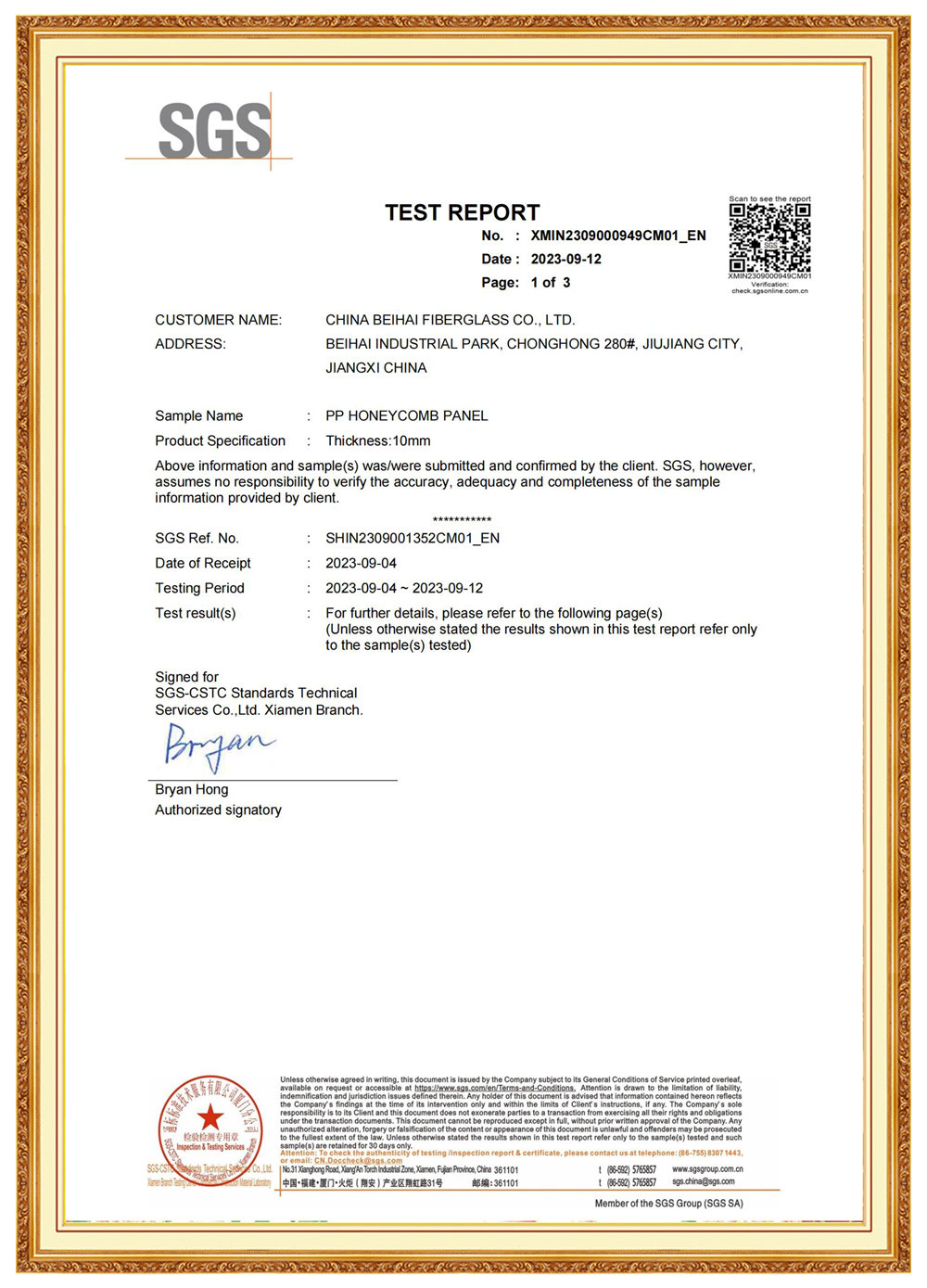
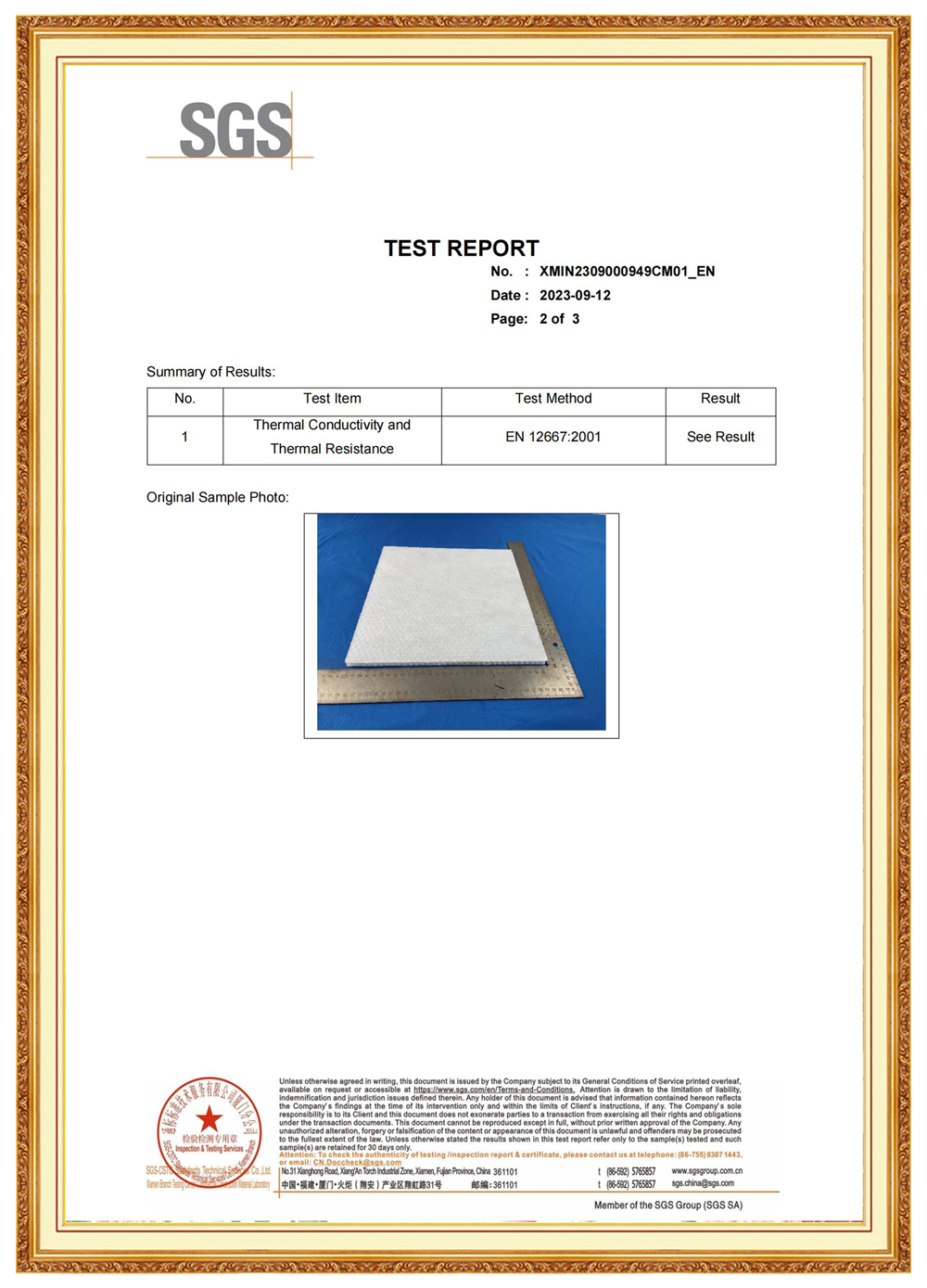
Our composite reinforcement manufacturing processes undergo strict, standardized validation testing to ensure consistency and reliability.
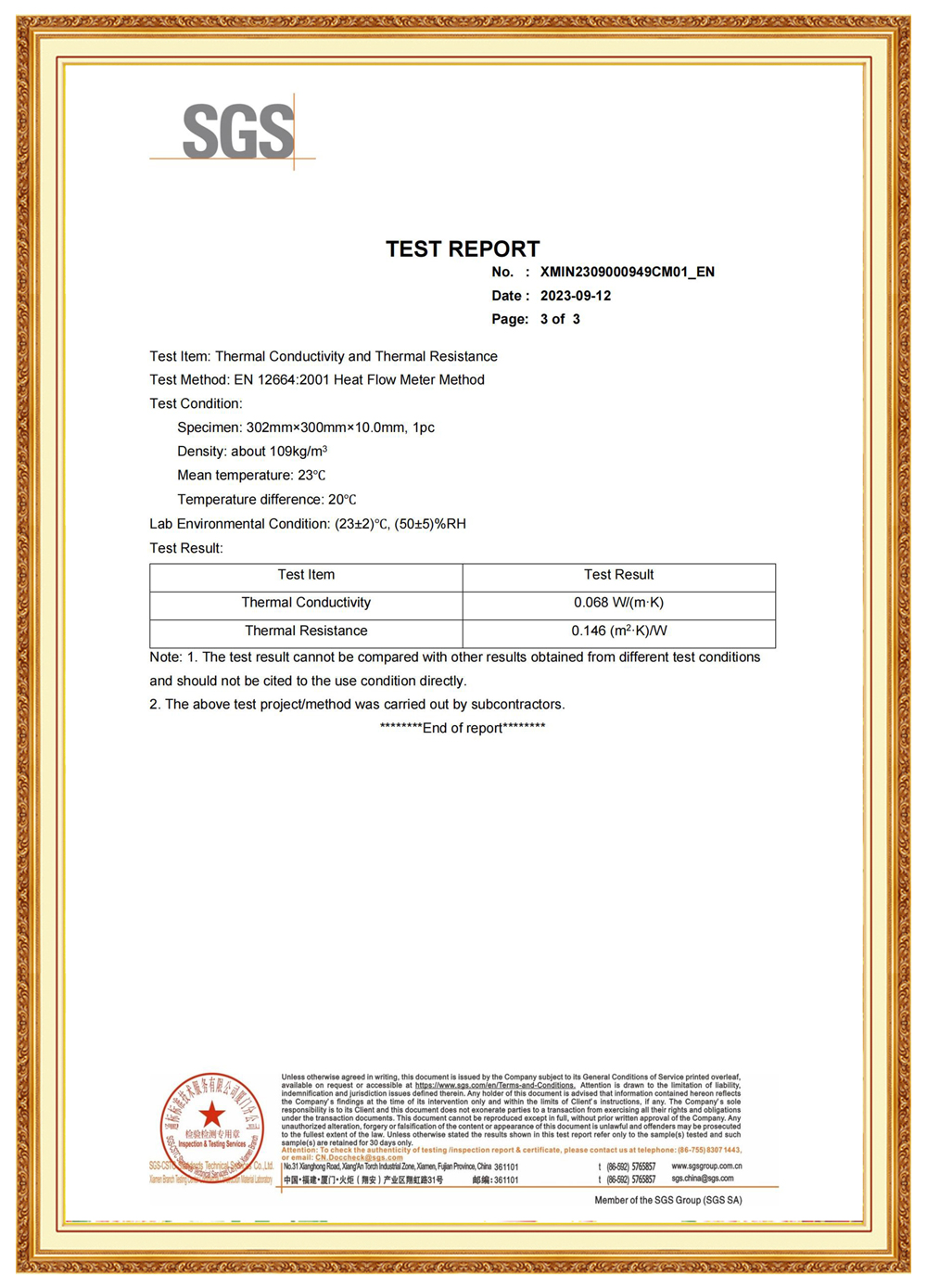
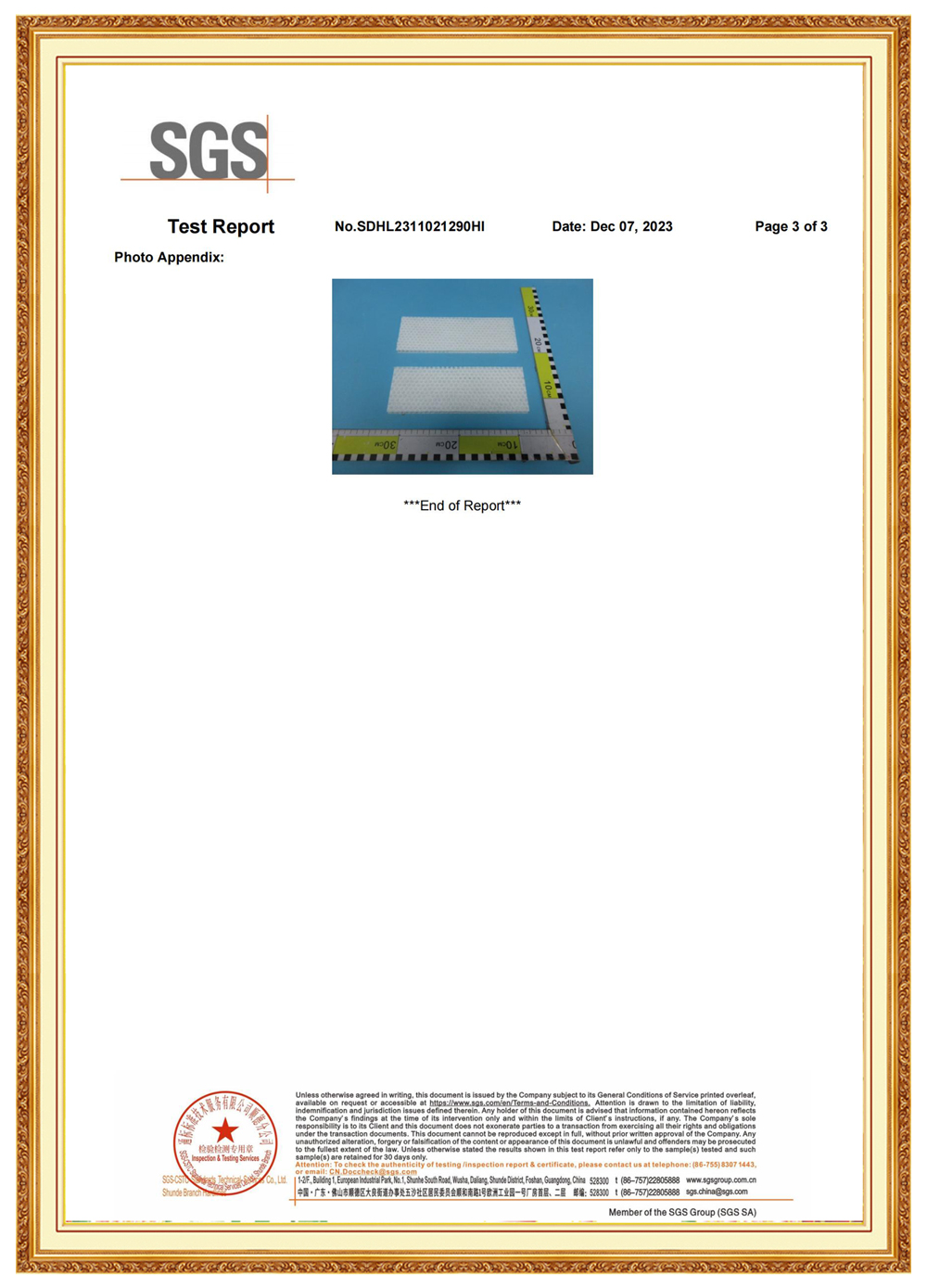
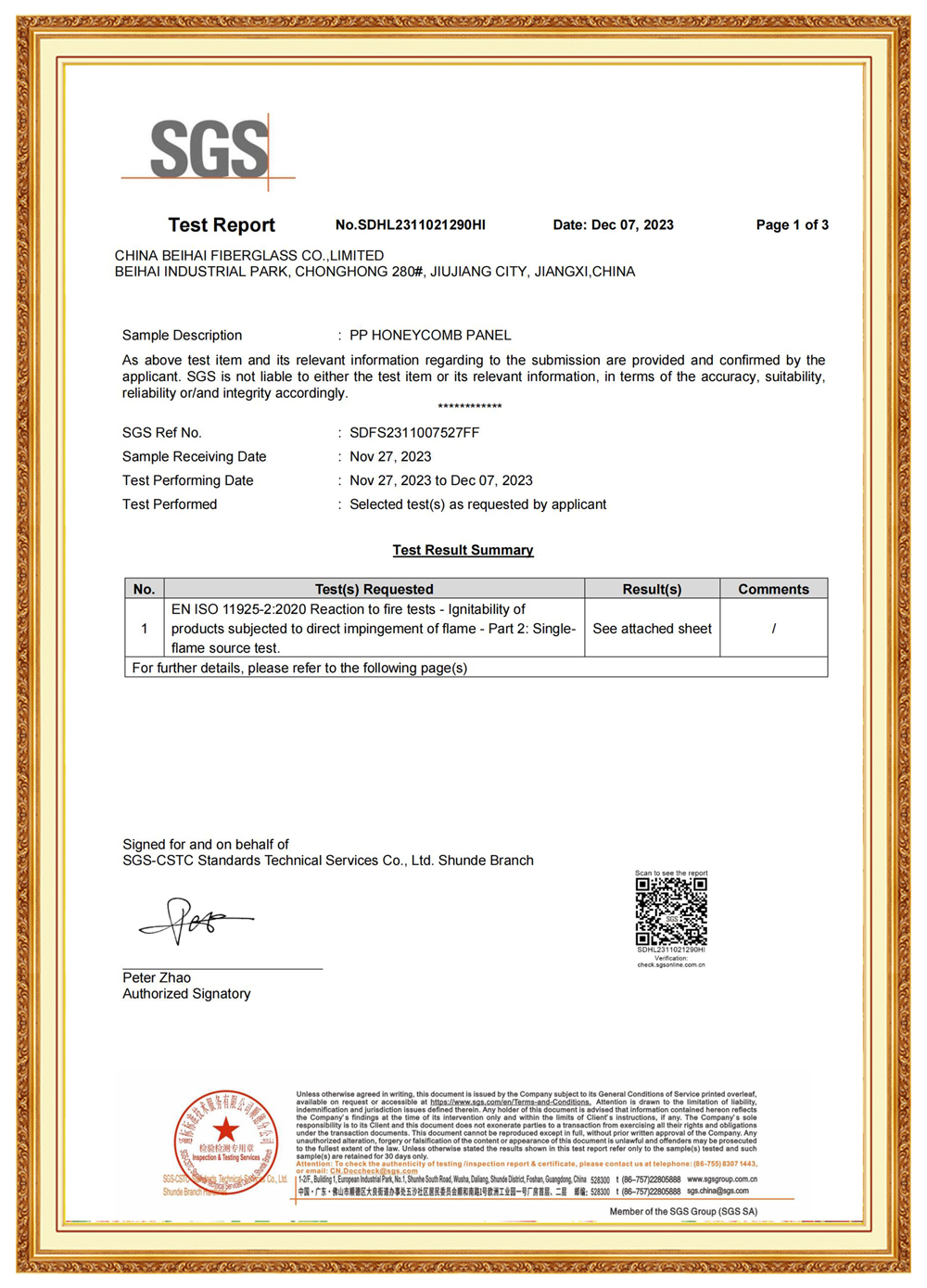

Stay informed about global breakthroughs in basalt fiber composite manufacturing and infrastructure technology.

As drones slice through the sky to monitor structural integrity, and intelligent robots execute complex concrete pouring tasks with digital precision, high-performance basalt fibers offer robust physical support for smart municipal utilities.
Our laboratories in Jiujiang have implemented refined furnace control and multi-component surface sizing treatments to improve continuous fiber drawing speeds. This breakthrough delivers high structural flexibility and durability across challenging civil engineering applications.
Comprehensive engineering insights designed to answer major procurement and design questions regarding non-metallic composite rebar systems.
Complete your design with our high-integrity non-metallic reinforcement panels, continuous fiber boards, and chemical-resistant chopped strands.
 Beihai Fiberglass